

Note: This article contains affiliate links. If you click on these links and make a purchase, I may earn a small commission at no extra cost to you. This helps support my research and content. Read my full affiliate disclosure here.
Growing herbs and small vegetables indoors changes how soil behaves. Containers limit root space and watering patterns, so the right soil keeps moisture consistent, supplies nutrients steadily, and encourages compact, productive plants. This guide covers our shortlisted top soils for indoor herbs and vegetables, chosen for their drainage, water retention, and nutrient support for confined pots and window-sill setups. Read on to see the practical criteria used to evaluate these mixes and what to expect from each type before you pick one for your indoor garden.
Top Picks at a Glance
| Best Overall The best all-around choice for most situations | Miracle-Gro Organic Indoor Potting Mix, 16 qt. |  |
| Best Quality Built to a higher standard if you want something more solid | Rosy Soil Herb Mix Organic Potting Soil, 4 Quart |  |
| Best Value The sweet spot between price and what you get | Burpee Premium Organic Potting Mix with Coco Coir (9 Quart) |  |
| Best Budget The cheapest option that still gets the job done reliably | SunGro Horticulture Organic Seedling Mix (8 Quart) |  |
| Highest Rated A top-rated pick with lots of positive feedback | circle soil Houseplant Potting Mix (Peat-Free, 4 Qt) |  |
| Most Popular A crowd favorite that many people choose with confidence | Miracle-Gro Indoor Potting Mix for All Plants, 6 qt., 2-Pack |  |
| Best Seller A high-volume bestseller chosen again and again | Back to the Roots Organic Expanding Coco Coir Potting Soil Brick (10 lb) |  |
Miracle-Gro Organic Indoor Potting Mix, 16 qt.

| Volume | 1 cubic feet |
|---|---|
| Style Name | Indoor |
| Item Highlight | Protects Against Over & Under Watering |
| OMRI Listed | Yes |
Miracle-Gro Organic Indoor Potting Mix is a ready-to-use organic blend designed for houseplants, seedlings, and container herbs. It combines coir for air space and moisture retention, sphagnum peat moss to hold and release water, and a quick-start natural fertilizer so young plants get an initial nutrient boost. Typical use is filling pots or seed trays with a drain hole, transplanting by loosening the root ball and topping up with fresh mix, or starting seeds in shallow trays and keeping them moist until germination. Practical benefits for herb growers include improved moisture regulation that helps prevent both waterlogging and rapid drying, and organic certification for those avoiding synthetic inputs. The bag claims one 16 qt. package fills a 12-inch container, which fits small- to medium-sized herb pots. Limitations are the modest volume per bag for users with multiple pots and the inclusion of peat, which some growers try to avoid for sustainability reasons. Also, plants that need very fast-draining media, such as certain succulents, may need a different blend or added grit.
Best for: Buyers who want an easy, organic potting mix for growing kitchen herbs and houseplants and who prioritize proven formulations and user guidance over sourcing bulk soil.
Less Ideal for: People looking to pot large numbers of containers at once or gardeners who prefer a peat-free, fast-draining custom mix should consider larger bags or alternative blends.
- OMRI listed and made with organic ingredients suited to organic indoor gardening
- Blend of coir and sphagnum peat moss balances aeration and moisture retention
- Includes quick-start natural fertilizer to feed plants during establishment
- Formulated specifically for indoor containers and seed starting
- 16 qt. bag provides limited coverage if you have several herb pots
- Contains peat which some gardeners avoid for environmental reasons
Verdict: A convenient OMRI-listed indoor potting mix that helps regulate moisture and gives seedlings and container herbs a reliable, organic start.
Rosy Soil Herb Mix Organic Potting Soil, 4 Quart

| Unit Count | 64 Ounce |
|---|---|
| Volume | 4 quarts |
| Item Highlight | Biochar, Worm Castings, Mycorrhizae Blend, Peat-Free, Fast Draining |
This 4-quart Rosy Soil Herb Mix is a ready-to-use potting soil aimed at container herbs and small outdoor planters. It combines wood biochar, compost, worm castings, bark fines, and beneficial mycorrhizae to create a light, airy medium that drains quickly while retaining nutrients near roots. Typical use is straight from the resealable bag into 6-inch pots or balcony planters for basil, thyme, lavender, and other culinary and aromatic herbs without needing to amend or blend. The peat-free formula and microbial inputs help build a living soil that supports stronger root growth and improved nutrient uptake, which can lead to fuller, more flavorful plants. Because the mix is designed for drainage and seedling establishment it is less likely to sit wet and invite root rot in containers. Limitations are the small 4-quart volume — the bag covers only a few pots — and there is no listed NPK analysis for fine-tuning fertilization, so heavier-feeding herbs or larger plantings will need supplemental fertilizer over time.
Best for: Buyers who prioritize a reliable, peat-free, microbially active potting mix for container herbs and want a plug-and-play soil that promotes healthy roots with minimal effort.
Less Ideal for: Gardeners needing large volumes for beds or heavy-feeding herbs and those who require a measured fertilizer profile built into the mix.
- Peat-free, organic blend using biochar and worm castings to support microbial activity.
- Includes beneficial mycorrhizae to improve root establishment and nutrient uptake.
- Fast-draining, airy texture suitable for seedlings and container-grown herbs.
- Resealable 4-quart bag ready to use without additional mixing.
- Small volume per bag restricts use to a few pots or small planters.
- No nutrient (NPK) breakdown provided for precise fertilizing schedules.
Verdict: Choose this mix if you want a dependable, peat-free, microbially rich potting soil that encourages strong roots and fast drainage for container lavender and other herbs.
Burpee Premium Organic Potting Mix with Coco Coir (9 Quart)

| Item Form | Powder |
|---|---|
| Specific Uses For Product | Plant Growth, Root Development, Seed Development, Soil Conditioning |
| Coverage | 9 Qt Container |
| Liquid Volume | 9 quarts |
Burpee Premium Organic Potting Mix is a ready-to-use container soil designed for indoor and outdoor pots, seed starting, and raised bed containers. The mix combines coco coir for improved aeration and moisture retention with a nutrient blend that feeds plants for up to three months, making it useful for establishing seedlings or repotting established vegetables, herbs, and ornamentals. It is OMRI listed, which suits organic growers, and the bag is sold in a convenient 9-quart size that fits most small to medium containers. Practical benefits include reduced watering frequency thanks to the coir component and a balanced medium that promotes root development and germination. Limitations are the small bag size for larger projects and that it supplies nutrients for only a limited period, so longer-term containers will need supplemental fertilizer. The mix is powdery and light, so it is easy to handle but may compress over time in deep pots and benefit from occasional loosening.
Best for: Gardeners who want a compact, ready-made organic potting mix that reduces maintenance and supports reliable seed starting and container growth.
Less Ideal for: Those establishing large beds or filling many large containers at once should choose bulk soil or larger bags instead.
- OMRI listed organic blend suitable for organic container gardening
- Coco coir improves moisture retention while maintaining good aeration
- Includes slow-release nutrients that feed plants for up to three months
- Light, easy-to-handle texture ideal for seed starting and repotting
- 9-quart bag is small for larger containers or multiple pots
- Nutrient supply is temporary so additional fertilizer is required for long-season crops
Verdict: A compact OMRI-listed potting mix with coco coir that simplifies seed starting and short-term container growing by improving moisture balance and early root development.
SunGro Horticulture Organic Seedling Mix (8 Quart)

| Brand Name | SUN GRO |
|---|---|
| Style Name | Peat Moss |
| Volume | 8 quarts |
SunGro Horticulture Seedling Mix is a fine-textured, peat-based starting mix formulated to germinate seeds in flats, pots, and plug trays. It contains sphagnum peat moss, perlite for lightness and drainage, and an organic wetting agent to promote even water absorption, which helps maintain consistent moisture for small seeds. The mix also includes a silicon-enriched additive called RESiLIENCE intended to support stronger seedlings and reduce wilting during establishment. Typical use is filling trays or small pots, keeping the medium evenly moist but not waterlogged, then transplanting seedlings once roots are established. Practical benefits include predictable moisture retention, a clean fine texture that allows delicate roots to develop, and OMRI listing for organic onion transplants and other edible starts. Limitations are its small 8 quart volume for larger onion seed programs and that peat-based mixes dry out faster than heavier soils, so frequent monitoring is required; it also provides limited long-term nutrients so potting up into a richer mix or fertilizing before transplant is necessary.
Best for: Gardeners who want an organic, predictable seed starting medium for small to medium onion seed batches and who prioritize reliable germination over bulk volume.
Less Ideal for: Commercial growers or anyone starting very large quantities of onion seedlings should choose larger-volume or more nutrient-dense starting media.
- Fine, light texture suitable for delicate seed germination
- Organic wetting agent promotes uniform water absorption
- OMRI listed so safe for organic edible starts
- Contains perlite for improved drainage and root aeration
- Small 8 quart bag may not be cost-effective for starting large onion batches
- Peat-based mix has low long-term nutrient content and needs fertilizing before transplant
Verdict: A reliable OMRI-listed seed starting mix that delivers even moisture and a fine texture ideal for producing healthy onion seedlings in small home gardens.
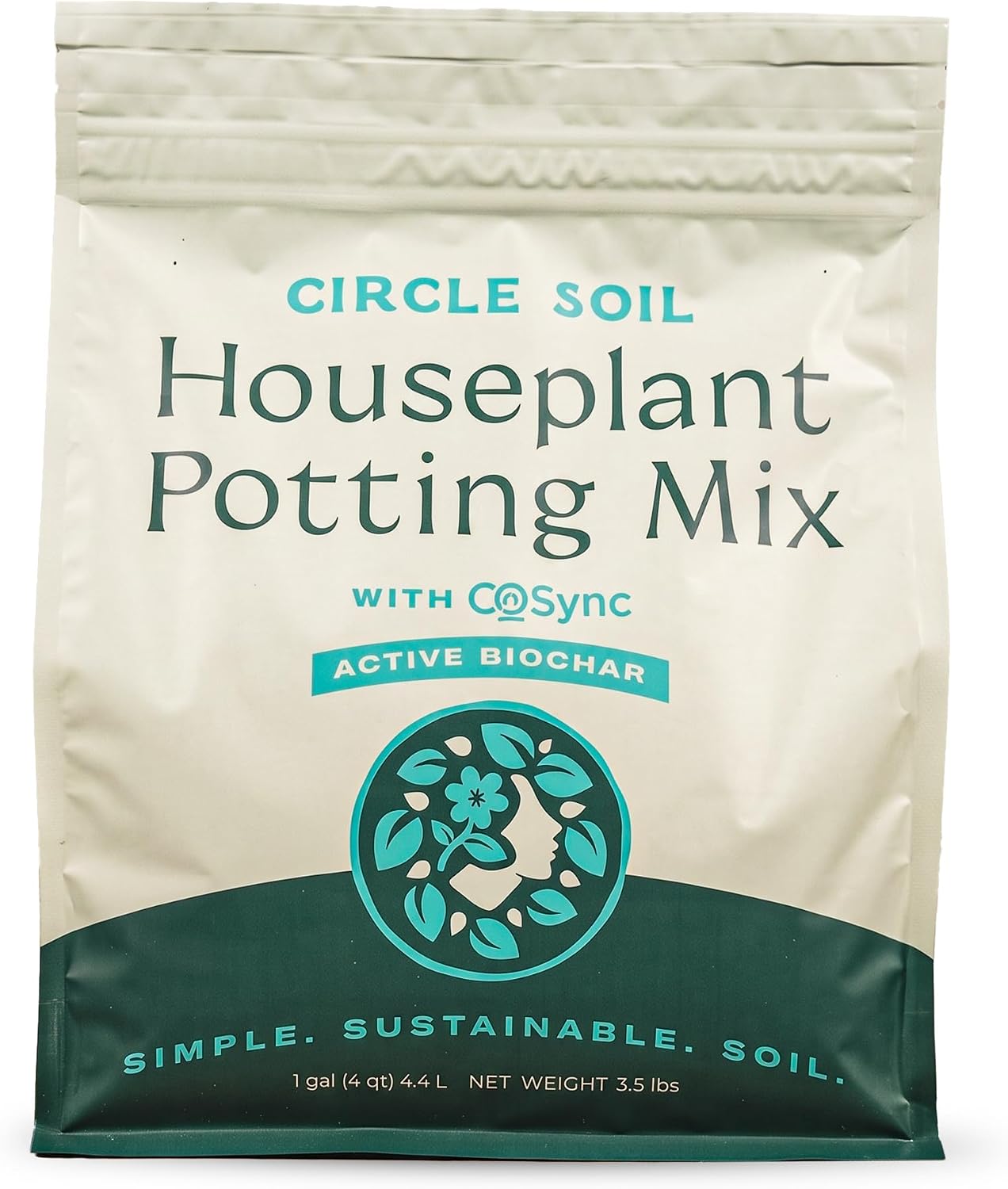
circle soil Houseplant Potting Mix (Peat-Free, 4 Qt)
| Unit Count | 56 Ounce |
|---|---|
| Item Highlight | Active Biochar, Worm Castings, Expanded Shale, Peat-Free, Organic, for Indoor Plants and Herbs |
| Brand Name | circle soil |
| Number of Packs | 1 |
This peat-free houseplant potting mix is built around active biochar, coconut coir and expanded shale to give a light, well-aerated medium that holds moisture without waterlogging. Typical uses include repotting potted herbs and common houseplants or topping up container soil for more even moisture retention. Notable features are the biochar that helps retain nutrients and support microbial life, worm castings and local compost for organic feeding, and expanded shale for natural drainage. In practice the mix should reduce the risk of root rot and encourage healthy root development by balancing air and water in small pots. Because it is designed for everyday indoor use, gardeners will appreciate the resealable packaging and the peat-free composition if they prefer sustainable ingredients. Limitations are that the bag is a modest 4 quart size, so frequent purchases are likely for multiple or larger containers, and gardeners needing a gritty, fast-draining cactus mix or a heavy-duty outdoor planting soil will want a different formula.
Best for: Gardeners who prioritize consistent, reliable results for potted herbs and common indoor plants and prefer sustainable, peat-free mixes for routine repotting and container care.
Less Ideal for: Growers who need large volumes of soil for outdoor beds or a very gritty, cactus-specific mix for drought-tolerant plants should consider other products.
- Peat-free formula with active biochar to improve nutrient retention and microbial activity
- Balanced aeration and drainage from expanded shale and coconut coir to prevent waterlogging
- Contains organic amendments like worm castings and compost for gentle, ongoing nutrition
- Resealable packaging helps keep the small bag usable between repottings
- Small 4 quart unit requires buying multiple bags for more than a few pots
- Not formulated specifically for succulents or heavy outdoor soils so drainage profile is moderate rather than very fast
Verdict: Choose this peat-free, biochar-enriched potting mix when you want a reliable, sustainable medium that keeps potted cilantro and other herbs evenly moist without soggy roots.
Miracle-Gro Indoor Potting Mix for All Plants, 6 qt., 2-Pack

| Number of Packs | 2 |
|---|---|
| Unit Count | 400.58 Ounce |
| Item Highlight | Feeds for up to 6 Months |
| Ingredients | Sphagnum Peat Moss, Coir, Perlite, Fertilizer, Wetting Agent |
This Miracle-Gro indoor potting mix is formulated as an all-purpose soil for indoor container plants and is sold in a two-pack of 6‑quart bags. It combines sphagnum peat moss, coconut coir, and perlite to create a lightweight, well-draining mix that holds moisture yet releases it to roots, which helps tropical houseplants like a Dragon Tree avoid waterlogged roots. The bagged mix includes a slow-release fertilizer meant to feed plants for up to six months so you do not need to amend immediately after potting. Notably the formula excludes bark and compost, which can reduce habitats for fungus gnats — useful when repotting indoor specimens. Use is straightforward: fill a pot with drainage, set the plant, backfill with mix, and water. Limitations are that the fertilizer schedule is fixed to the included feed and heavy feeders may need additional fertilizing after several months, and serious growers who want a custom cactus or orchid-style mix will find the texture too fine. For routine repotting of Dragon Trees and similar tropical houseplants this mix is convenient and consistent.
Best for: Buyers who want a reliable, low-effort potting mix for repotting tropical houseplants like Dragon Trees and prefer a product with built-in feeding and pest-reduction features.
Less Ideal for: Specialist growers who need custom texture blends for succulents, orchids, or aggressive feeders should choose purpose-formulated mixes or amend this product accordingly.
- Balanced blend of peat moss, coir, and perlite for good moisture retention and drainage
- Includes slow-release fertilizer that feeds up to six months for low-maintenance care
- Bark- and compost-free formula reduces places for fungus gnats to breed
- Ready-to-use bag makes repotting quick with no mixing required
- Fertilizer is fixed for about six months so additional feeding may be necessary for heavy feeders
- Texture may be too fine for plants that prefer very fast-draining or chunky mixes
Verdict: A convenient, low-maintenance indoor potting mix that keeps Dragon Trees healthy with good drainage and up to six months of built-in feeding.
Back to the Roots Organic Expanding Coco Coir Potting Soil Brick (10 lb)

| Item Highlight | 10 lb compressed coco coir brick; peat-free; OMRI Listed |
|---|---|
| Item Type Name | Coconut Coir |
| Volume | 2 cubic feet |
| Ingredients | Coconut Coir |
| Style Name | Expanding Potting Soil |
This compressed coco coir brick provides a lightweight, peat-free potting medium that expands when you add water to create loose, airy substrate for containers and seed flats. It is typically used by hydrating the 10 lb block to about 2 cubic feet of coir and then using it alone for potted plants, mixing it into garden soil to improve drainage and aeration, or blending with compost for starting seeds. Notable features include OMRI listing for organic use, a balanced pH suited to a wide range of plants, and compact storage before expansion which saves space. Practical benefits are improved root aeration and water retention compared with heavy garden loam, easier handling than bulky bags, and versatility across vegetables, herbs, and ornamentals. Important limitations are that coco coir is a soilless substrate and does not supply significant nutrients on its own so you will need to add fertilizer or compost for long-term potted herbs like rosemary, and the product requires time and a water source to expand before use.
Best for: Buyers who prioritize low-risk, easy-to-handle, organic potting media and want a versatile base for container herbs and seed starting without dealing with heavy bags.
Less Ideal for: Gardeners who want a ready-to-plant, nutrient-rich potting mix out of the box or those who prefer soil with built-in slow-release fertilizer.
- Peat-free OMRI listed organic coco coir suitable for organic growing
- Expands from a compact brick to about 2 cubic feet for easy storage and transport
- pH balanced and airy texture that improves drainage and root aeration
- Versatile use: can be used alone, for seed starting, or mixed into existing soil
- Provides little inherent fertility so supplemental feeding or compost is needed for nutrient-hungry plants
Verdict: A compact, peat-free coco coir brick that expands into an airy, pH-balanced base ideal for low-risk organic container gardening and seed starting when paired with fertilizer or compost.
Choosing the Right Soil for Indoor Herbs and Vegetables: Key Factors to Consider
Drainage and Aeration
Good drainage prevents waterlogged roots in small containers and reduces root rot risk. Soil for indoor pots should include coarse particles or porous mineral amendments so excess water can escape and air can reach roots.
Mixes that are too fine will compact in a pot and impede oxygen flow, forcing you to water less often but stressing the plant. Conversely, mixes that drain too quickly will not hold enough moisture between waterings, which is a problem for herbs that prefer consistent moisture. Look for a balance that suits your watering habits and container size.
Water Retention Capacity
Water retention determines how long the soil supplies moisture after a watering. In an indoor setting without rain, you want a mix that holds enough water to bridge your typical watering interval while still draining excess.
Organic components such as peat, coir, and compost increase water-holding capacity. The ideal indoor soil holds moisture near the root zone but releases it steadily so seedlings and shallow-rooted herbs do not dry out between light waterings.
Nutrient Content and Release
Container soil needs to supply or carry nutrients over several weeks between feedings. A blend with balanced organic matter and some slow-release nutrients reduces the need for frequent fertilizing and helps even feeding across a mix of herbs and small vegetables.
Too much immediately available fertilizer can burn young roots, while too little leaves plants pale and slow-growing. Consider mixes that incorporate compost or controlled-release fertilizers matched to edible plants' needs.
Texture and Potability
Texture affects how easy the soil is to work with and how roots explore the pot. A loosely aggregated texture makes planting seedlings and dividing herbs straightforward, and it lets roots spread without obstruction.
Potability also covers how the mix behaves when repotting. Soils that compact or form crusts on the surface create extra work and can reduce water infiltration. Look for light, friable blends that stay workable over multiple water cycles.
pH and Chemical Stability
Many common herbs and vegetative edibles prefer a slightly acidic to neutral pH range. Soil that drifts far outside that range can lock up nutrients or inhibit uptake, even if the mix looks healthy.
A stable pH also makes feeding more predictable. Choose mixes formulated for edibles or labeled pH-balanced for herbs and vegetables, and monitor pH if you notice nutrient symptoms.
Cleanliness and Pest-free Handling
Indoor soils should be free of weed seeds, pests, and pathogens that can become big problems in a closed environment. Nursery or repurposed outdoor soils can bring unwanted hitchhikers into the house.
Sterilized or processed mixes minimize insect problems and fungal issues. Good packaging and storage also prevent contamination during use and help maintain reliable results in small pots.
Choosing a Mix by Container Size
Container volume alters how a soil mix performs. Shallow saucers or small pots dry out faster, so pick a mix with a bit more water retention for those. Larger planters handle coarser, more open mixes because they present more root volume to hold moisture.
For tiny pots under 4 inches, include more organic matter and finer particles so seedlings stay moist. For 6 inches and up, add more mineral amendments like perlite or pumice to improve aeration and long-term structure.
- Small pots benefit from higher water retention
- Larger pots tolerate coarser textures
- Adjust watering frequency by container volume
Adjusting Soil for Different Herb Types
Mediterranean herbs such as rosemary and thyme prefer a lighter, faster-draining mix with lower organic content. Tender leafy herbs like basil and cilantro appreciate richer mixes that hold more moisture and nutrients.
If you grow a mix of types, consider a general-purpose indoor vegetable and herb mix and tweak it at potting time by adding more perlite for drier-loving plants or extra compost for leafy producers.
- Drier-loving herbs: lighten the mix with extra pumice or grit
- Leafy herbs: increase organic matter for steady growth
- Mixed beds: aim for a balanced, adaptable base mix
Feeding and Long-Term Soil Life
Soil in containers exhausts available nutrients over time. Using a blend with some slow-release components or mixing in finished compost reduces abrupt nutrient drops. For edible crops, predictable nutrient availability keeps flavor and vigor consistent.
Refresh or top-dress pots every season by adding a thin layer of fresh mix or compost. For perennial indoor herbs, repotting into fresh soil every 12 to 18 months prevents compaction and nutrient depletion.
- Use slow-release nutrition for steady feeding
- Top-dress annually to refresh nutrients
- Repot perennials to avoid long-term compaction
Mixing Your Own Indoor Herb Soil
Creating a custom mix lets you tailor drainage and nutrition. A common indoor blend combines a lightweight base such as coconut coir or peat with compost for nutrients and perlite or pumice for aeration. Adjust ratios depending on plant types and pot size.
When mixing at home, screen compost to remove large chunks and ensure consistent texture. Pre-moisten the blend before potting so you can judge how it holds water in your specific containers.
- Base material plus compost plus mineral amendment
- Screen compost to keep texture uniform
- Pre-moisten to check water retention before planting
Preventing Common Indoor Soil Problems
Indoor pots often face issues like overwatering, salt buildup, and poor aeration. Use well-draining mixes, water to wet the root zone then let the top layer begin to dry, and flush containers occasionally to remove accumulated salts from feeding.
If you see slow growth or yellowing leaves, check for compacted soil and consider repotting into a fresher, more open mix. Good pot selection with drainage holes and a saucer that is emptied regularly also reduces standing moisture risks.
- Flush containers periodically to reduce salt buildup
- Allow topsoil to dry slightly between waterings
- Repot if soil compacts or drainage slows
How We Chose the Best Soil for Indoor Herbs and Vegetables
We focused on characteristics that matter in containerized indoor growing where space and watering cycles differ from outdoor beds. Our primary filters included particle size and texture, because that controls drainage and air porosity in small pots; water retention capacity, which affects how often you need to water and how tolerant the soil is of slight drying; nutrient profile and slow-release feeding, which reduce the need for constant fertilizing in limited soil volumes; and pH stability, since many herbs and vegetables prefer a near-neutral to slightly acidic range. We also evaluated organic matter content and compost quality to gauge long-term structure and microbe support, and we considered the presence of inert components such as perlite, pumice, or coarse sand that improve drainage without compacting. Exclusions included mixes designed only for outdoor raised beds, heavy garden loams unsuited to pots, and specialty blends for atypical plants like carnivores or orchids. The final picks reflect a balance of drainage, moisture-holding capacity, nutrition, and pest-free cleanliness suitable for indoor herb and vegetable production.
FAQ
Can I use outdoor garden soil for indoor herbs and vegetables?
Usually you should not. Outdoor garden soil often compacts in pots and may contain weed seeds, pests, or pathogens. Container-friendly mixes are lighter, better drained, and cleaner for indoor use.
How often should I fertilize plants in indoor potting soil?
It depends on the mix and plant type. Mixes with slow-release nutrients may only need light feeding every 6 to 8 weeks, while inert mixes require more frequent liquid feeding, often every 2 to 4 weeks during active growth.
Is peat or coir better for indoor herbs?
Both work, but they behave differently. Peat holds water well and tends to be slightly acidic. Coir is more sustainable and drains more freely while still retaining moisture. Choose based on pH needs and your preference for sustainability.
How do I know if my indoor soil needs to be replaced?
Replace soil if it smells bad, drains very poorly, or has persistent pests. Also consider replacing or refreshing mix every 12 to 18 months for perennials and every season for heavy-feeding vegetables to restore structure and nutrients.
Can I add perlite or pumice to improve drainage?
Yes. Adding coarse mineral amendments such as perlite or pumice improves aeration and drainage in container soils. Increase the proportion for plants that prefer drier root zones.
Final Verdict
Prioritize soil mixes that balance drainage with water retention and offer stable nutrient delivery for container-grown herbs and vegetables. Match the texture and moisture characteristics to your pots and the types of herbs you grow to reduce watering mistakes and support steady growth. Tradeoffs are inevitable: lighter mixes drain better but may need more feeding, while richer mixes hold moisture but risk compaction. Choose the soil profile that fits your container size and watering routine, and refresh or repot regularly to maintain healthy indoor plants.
