

Note: This article contains affiliate links. If you click on these links and make a purchase, I may earn a small commission at no extra cost to you. This helps support my research and content. Read my full affiliate disclosure here.
Picking the right soil mix for houseplants changes how water, air, and nutrients reach roots, and it affects plant growth in pots, windowsills, and low-light rooms. The wrong mix can stay soggy or dry out too fast, stressing roots and encouraging pests or root rot. This guide looks at seven top soil mixes for houseplants shortlisted for gardeners who want reliable drainage, consistent moisture, and a medium that supports feeding and repotting. We evaluate texture, water retention, and ingredient stability so you can match a mix to your plant types and indoor routine.
Top Picks at a Glance
| Best Overall The best all-around choice for most situations | FoxFarm Ocean Forest Potting Soil, 12 Quart |  |
| Best Quality Built to a higher standard if you want something more solid | Grow Queen Craft Houseplant Potting Mix, 8 Quart |  |
| Best Value The sweet spot between price and what you get | Miracle-Gro Organic Indoor Potting Mix, 16 qt. |  |
| Best Budget The cheapest option that still gets the job done reliably | Back to the Roots Organic Indoor Potting Mix, 6 Quart |  |
| Highest Rated A top-rated pick with lots of positive feedback | Rosy Soil Aroid Potting Mix & Houseplant Potting Soil Bundle, 4 qt each | 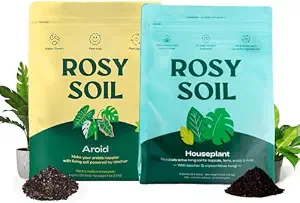 |
| Most Popular A crowd favorite that many people choose with confidence | Miracle-Gro Indoor Potting Mix for All Plants, 6 qt. (2-Pack) |  |
| Best Seller A high-volume bestseller chosen again and again | Back to the Roots Organic Indoor Potting Mix, 12 Quart |  |
FoxFarm Ocean Forest Potting Soil, 12 Quart

| Item Form | Granules |
|---|---|
| Specific Uses For Product | Dry Fertilizer |
| Coverage | 4.8 sq ft |
| Mixing Ratio | 1:1 |
FoxFarm Ocean Forest is a pre-mixed potting soil designed for immediate use in containers and indoor plants. The blend combines aged forest products, sandy loam and sphagnum peat moss to provide a light, well-aerated medium that drains while retaining moisture. It is amended with fish meal, crab meal and earthworm castings so seedlings and established houseplants get an early nutrient boost without needing extra fertilizer for the first month. Typical use is straightforward: fill pots, place plants, and water thoroughly; you can also top-dress or blend it with other soils when tailoring mixes. Practical benefits include good root aeration, built-in organic feed and convenience for busy houseplant owners. Important limitations are that the bag is moderately heavy to handle and the mix is a standard all-purpose formula rather than a specialty mix for succulents or orchids, so those needing very fast drainage or specific pH adjustments may prefer tailored substrates.
Best for: Houseplant owners who want a convenient, nutrient-rich potting mix that supports healthy rooting and reduces the need for immediate fertilizing; good for people who prefer an all-purpose soil they can use for most container plants.
Less Ideal for: Growers who need a special substrate for succulents, cacti, orchids or other plants that require very fast drainage or a unique pH profile should look for specialized mixes instead.
- Ready-to-use straight from the bag for quick planting
- Light, aerated texture that supports root development and drainage
- Contains organic amendments (fish meal, crab meal, earthworm castings) for early nutrient supply
- Suitable for top-dressing or blending with other soils to customize mixes
- Not formulated specifically for high-drainage needs like succulents or orchids
- Bag weight may be cumbersome to lift for some users
Verdict: A convenient, ready-to-use potting soil that gives houseplants good aeration and an organic nutrient boost for strong early growth.
Grow Queen Craft Houseplant Potting Mix, 8 Quart

| Volume | 8 quarts |
|---|---|
| Item Type Name | Potting Mix |
| Ingredients | Douglas Fir Bark, Lava Rock, Pumice, Coco Coir, Worm Castings, Charged Biochar |
This Grow Queen Craft Houseplant Potting Mix is designed for indoor plants that need a well aerated, stable root medium. The mix uses Douglas fir bark, lava rock and pumice to create permanent air pockets so the soil drains quickly and resists compaction, making it useful for repotting pothos, snake plants, monsteras and other tropical houseplants. It is charged with biochar and organic worm castings to retain moisture and supply slow-release micronutrients without synthetic fertilizer burn. The bag arrives pre-moistened and ready to use, which speeds up repotting and rooting cuttings. Because it is peat free and perlite free, the texture is chunkier than typical blends and holds structure over multiple seasons, so you repot less often. Limitations include a coarser feel that may not suit plants preferring very fine, moisture-retentive mixes and the need to supplement specific fertilizers for heavy feeders over time. For growers focused on performance and root health, this mix prioritizes aeration, longevity and biological support.
Best for: Plant owners who prioritize root aeration and long-term potting performance and who repot frequently or care for a diverse collection of tropical and succulent houseplants.
Less Ideal for: Growers seeking an ultra-fine, moisture-holding mix for seed starting or very thirsty plants should choose a different, finer-textured blend.
- Chunky, well-draining formula resists compaction and maintains structure over time
- Peat-free blend with charged biochar to hold water and nutrients near roots
- Contains organic worm castings for steady, biological nutrient release
- Pre-moistened and ready to use straight from the bag for quick repotting
- Coarser texture may not suit plants that prefer very fine, moisture-retentive soils
- May require supplemental fertilizer for heavy-feeding species over time
Verdict: Choose this mix if you want a durable, high-performance houseplant soil that boosts root aeration and delivers steady biological nutrients without peat or perlite.
Miracle-Gro Organic Indoor Potting Mix, 16 qt.

| Brand | Miracle-Gro |
|---|---|
| Item Highlight | Protects Against Over & Under Watering |
| Volume | 1 cubic feet |
| Style Name | Indoor |
This 16 qt. Miracle-Gro Organic Indoor Potting Mix is made for houseplants, seed starting, and small container transplants. The blend uses coir and sphagnum peat moss to hold and release water while maintaining air space around roots, and it includes a quick-start natural fertilizer to give new plants an early nutrient boost. Typical use is filling pots with drainage holes for repotting houseplants or seeding trays for germination; the bag states it will fill roughly a 12-inch container. Practical benefits are easier moisture management for indoor conditions and organic certification for gardeners who prefer OMRI-listed inputs. It is straightforward to store and reseal in a dry spot between uses. Limitations to note are the modest volume per bag if you have many pots and the peat/coir base, which some buyers avoid for environmental reasons. For best results pair the mix with pots that drain and monitor watering rather than assuming the mix eliminates watering decisions entirely.
Best for: Buyers who want a reliable, ready-to-use organic potting mix to simplify indoor plant care and seed starting without custom mixing components.
Less Ideal for: Large-scale growers or those repotting many plants who need bulk volumes or gardeners who avoid peat-based products for environmental reasons.
- OMRI listed organic blend suitable for certified organic indoor gardening
- Balanced moisture retention and aeration from sphagnum peat moss and coir
- Includes quick-start natural fertilizer to support seedlings and newly potted plants
- Formulated specifically for indoor container plants and seed starting
- One 16 qt. bag fills only about a 12-inch pot which may be small for multiple plants
- Contains peat which some gardeners avoid for sustainability reasons
Verdict: A convenient OMRI-listed potting mix that makes indoor watering and seed starting easier for houseplant owners.
Back to the Roots Organic Indoor Potting Mix, 6 Quart

| Unit Count | 192 Fluid Ounces |
|---|---|
| Item Type Name | Indoor Potting Mix 6qt |
| Item Highlight | Peat-free, 100% organic, made in the USA |
| Ingredients | Coconut Coir, Yucca, Mycorrhizae, Perlite, Horticultural Sand |
Back to the Roots Indoor Potting Mix is a ready-to-use, 6-quart bagged soil designed for common houseplants such as pothos, monstera and ferns. The mix pairs coconut coir and horticultural sand for drainage with yucca extract to help retain moisture, and includes mycorrhizae to support root development and nutrient uptake. It is peat-free and made in the USA, which appeals to gardeners seeking an organic option and reduced environmental impact. In practice the texture is loose enough to encourage airflow while holding enough moisture to reduce watering frequency for busy or beginner plant owners. Because it omits bark and compost, it tends to attract fewer indoor gnats. The small bag size makes it convenient for repotting single plants or topping off pots, but you will need multiple bags for several houseplants or larger containers. If you prefer a soil with built-in long-term fertilizer or need bulk quantities, this product may require pairing with fertilizer or larger-volume mixes.
Best for: Good for budget-conscious indoor gardeners who want an organic, ready-to-use potting mix for a few houseplants and prefer low-maintenance, pest-resistant soil.
Less Ideal for: Not the best choice for someone repotting many plants or filling large containers who needs bulk soil or a fertilized all-in-one mix.
- Peat-free organic blend using coconut coir for sustainable moisture retention
- Contains yucca extract to help soil stay hydrated between waterings
- Includes mycorrhizae to support healthier root growth and nutrient uptake
- Loose texture balances drainage and aeration to suit most common houseplants
- Small 6-quart volume is inconvenient if you need soil for multiple or large pots
- No built-in long-term fertilizer so additional feeding may be required
Verdict: A compact, peat-free organic potting mix that delivers moisture retention and root support for a few houseplants without fuss.
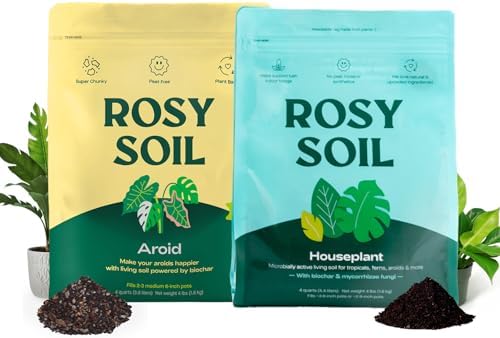
Rosy Soil Aroid Potting Mix & Houseplant Potting Soil Bundle, 4 qt each
| Volume | 4 quarts |
|---|---|
| Number of Packs | 2 |
| Ingredients | Wood Biochar, Bark Fines, Compost, Rhizophagus irregularis, Funneliformis mosseae |
| Style Name | Aroid Potting Mix (4 qts) + Indoor Potting Soil (4qts) |
This bundle pairs a chunky aroid potting mix with a finer houseplant blend to cover most common indoor plants. The aroid mix gives fast drainage and an open structure suited to Monsteras, Philodendrons, Alocasias, and other epiphytic tropicals, while the houseplant soil is versatile for pothos, peace lilies, ZZ plants, ferns, and herbs. Both bags use biochar instead of peat and include worm castings, compost, and mycorrhizae to encourage a living root zone and better moisture retention without compacting. Resealable 4-quart bags are convenient for occasional repotting and each bag fills a couple of medium pots. The practical benefits are reliable structure for sensitive aroids, reduced need to amend with additives right away, and a peat-free, more sustainable ingredient set. Limitations are the small bag sizes for larger collections and that experienced growers who want custom ratios of pumice, bark, and compost may still prefer to blend their own mixes.
Best for: Buyers who want a dependable, ready-made potting solution that covers both aroids and common houseplants without mixing components themselves and who value consistent, plant-friendly ingredients.
Less Ideal for: People with large collections who repot frequently or growers who need fully custom blends and precise control over aggregate ratios.
- Two complementary mixes cover both chunky aroids and everyday tropicals
- Peat-free formula with biochar and mycorrhizae to support microbial activity
- Resealable 4-quart bags that stay fresh between uses
- Contains organic inputs like worm castings and compost for immediate root feeding
- Small 4-quart bag sizes may require multiple purchases for larger collections
- Not customizable for growers who prefer to mix exact proportions of pumice, bark, and compost
Verdict: Choose this bundle if you want a reliable, peat-free pair of ready-to-use mixes that cover both chunky aroids and everyday tropical houseplants without extra amendments.
Miracle-Gro Indoor Potting Mix for All Plants, 6 qt. (2-Pack)

| Number of Packs | 2 |
|---|---|
| Unit Count | 400.58 Ounce |
| Item Highlight | Feeds for up to 6 Months |
| Ingredients | Sphagnum Peat Moss, Coir, Perlite, Fertilizer, Wetting Agent |
This two-pack of Miracle-Gro Indoor Potting Mix is a lightweight, ready-to-use soil designed for container houseplants. It combines sphagnum peat moss, coconut coir, and perlite to hold and release water so roots stay evenly moist without becoming waterlogged. The bags include a built-in fertilizer that feeds plants for up to six months, so you can repot and not worry about immediate feeding for a while. Because the formula is bark- and compost-free it is less likely to shelter fungus gnats than some mixes that include larger organic chunks. Typical use is straightforward: fill a drained pot, add the plant, backfill, and water thoroughly. For indoor gardeners this mix saves time compared with custom blends and gives consistent results across common houseplants, herbs, and flowering container plants. Limitations are that it is a general-purpose mix so very specific needs like fast-draining cactus mixes or orchid bark blends are better choices for those plants, and annual repotting is recommended to refresh nutrients and texture.
Best for: Indoor plant owners who want a low-effort, reliable potting mix that produces consistent results across common houseplants and saves time on immediate fertilizing.
Less Ideal for: Growers who need highly specialized substrates for cacti, succulents, or orchids or those who prefer to custom-blend soils for specific plants.
- Ready-to-use blend of peat moss, coir, and perlite for good moisture retention and aeration
- Includes fertilizer that feeds indoor plants for up to six months
- Bark- and compost-free formula reduces places where fungus gnats can breed
- Lightweight texture makes repotting and root growth easier
- Not formulated for specialist plants like cacti, succulents, or epiphytic orchids
- Nutrients are finite so repotting or supplemental feeding is needed after the advertised feeding period
Verdict: A convenient, all-purpose indoor potting mix that delivers consistent moisture control and up to six months of feeding, ideal for most houseplant owners.
Back to the Roots Organic Indoor Potting Mix, 12 Quart

| Volume | 12 quarts |
|---|---|
| Organic | 100% organic |
| Peat-free | Yes |
| Special ingredient | Yucca extract |
| Includes | Mycorrhizae |
This indoor potting mix is designed for houseplants such as pothos, monstera and ferns and comes compressed to a 12-quart expanded volume. It combines organic ingredients with yucca extract to help the soil retain moisture and includes root-boosting mycorrhizae to support stronger root development and better nutrient uptake. The mix is peat-free and balanced with dolomitic limestone for pH control, which makes it less likely to attract gnats compared with bark- or compost-heavy blends and suitable for indoor use around people and pets when handled carefully. Typical use is repotting starter plants or refreshing potting soil in decorative containers; it also works for starting seeds when moistened and fluffed. Limitations are that it is sold as a single 12-quart bag and does not list specific nutrient analysis or long-term fertilizer content, so plants may still need periodic feeding depending on species and pot size.
Best for: Buyers who want a low-risk, ready-to-use organic potting mix for common houseplants and prefer a product that reduces pest issues and simplifies watering.
Less Ideal for: Gardeners who need a specialized mix with exact fertilizer ratios or who prefer custom blends for succulents and cacti should look elsewhere.
- Peat-free and 100% organic formulation for eco-conscious indoor gardening
- Yucca extract helps retain moisture so watering is more forgiving
- Contains mycorrhizae to promote root growth and improve nutrient uptake
- Balanced with dolomitic limestone to help stabilize pH and nutrient availability
- No detailed nutrient or fertilizer content listed so supplemental feeding may be required
- Sold as a single bag size which may be more than needed for very small collections
Verdict: A safe, organic indoor potting mix that makes repotting and seed starting easier by improving moisture retention and supporting root health.
Choosing the Right Soil Mix for Houseplants: Key Factors to Consider
Particle Size and Texture
Particle size determines how freely water moves through the potting mix and how much air is held around roots. Coarse particles like perlite, pumice, or bark create large pores that improve drainage and oxygen access, which most houseplants need to avoid root rot.
Finer components such as peat or compost hold water and nutrients but can pack down over time. A balanced texture mixes coarse and fine elements so the medium drains excess water while still holding enough moisture between watering cycles.
Water Retention Vs Drainage Balance
Different houseplants require different moisture regimes, so the soil mix should match plant needs. Succulent and cactus-type houseplants do best in mixes with high drainage and low water retention, while tropical foliage plants often prefer a mix that holds moisture but does not become waterlogged.
Look for mixes that specify moisture retention levels or include water-holding materials like coir or sphagnum peat in measured amounts. Overly retentive mixes increase the risk of anaerobic conditions, while overly free-draining mixes can force more frequent watering.
Organic Content and Nutrient Supply
Organic ingredients such as composted bark, leaf mold, or well-aged compost provide slow-release nutrients and help structure the mix. However, high organic content can decompose and compact, changing water behavior over time.
If you rely on regular fertilizing, a lower-organic blend that accepts liquid feedings may be preferable. For growers who want more built-in nutrition, choose mixes with stabilized organic components and clear information on nutrient levels.
pH and Fertilizer Compatibility
Soil pH affects nutrient availability for indoor plants. Many houseplants prefer slightly acidic to neutral pH. Some mixes use moss peat or specific amendments that shift pH, so check compatibility with the plants you grow.
Also consider how the mix responds to fertilizers. Some media buffer salts and require periodic flushing, while others integrate well with a regular feeding schedule. Choose a mix that matches your watering and fertilizing habits to avoid nutrient lockup or salt buildup.
Sterility and Pest-Free Quality
Houseplant soil should be low in weed seeds, insect eggs, and pathogens since these issues are harder to manage indoors. Sterile or heat-treated mixes reduce the chance of introducing pests or diseases to containers and minimize the need for corrective treatments.
While home-sterilized components are an option, ready-to-use sterile mixes save time and reduce initial risks when repotting sensitive specimens.
Longevity and Structure Over Time
Some mixes break down quickly, which changes drainage and increases compaction after several repottings. Durable components such as pumice, perlite, and chunked bark resist decomposition and help the medium retain porosity.
Consider how often you repot and whether you want a mix that stays stable for multiple seasons. Stable structure reduces the need to repot solely for soil refreshment and supports long-term root health.
Matching Mixes to Plant Types
Identify the moisture preferences of the plants you keep and choose a mix that aligns with those needs. For succulents and cacti, prioritize coarse drainage amendments and minimal organic matter. For ferns, a higher proportion of moisture-holding but airy material is usually better.
Many houseplant collections include a range of types. In that case, use separate mixes for groups with different needs or layer drainage changes within a single pot by adding coarse material at the bottom and a more moisture-retentive mix above.
- Succulents: high drainage, low organic content
- Tropical foliage: balanced retention and aeration
- Orchids and epiphytes: very open, chunky media
- Seedlings: fine, moisture-retentive but well-aerated mix
DIY Mix Components and Ratios
Making your own soil mix lets you tune drainage and retention. Common components include potting compost, coir or sphagnum peat moss, perlite or pumice, bark fines, and small amounts of composted organic matter. Typical all-purpose indoor mixes start with a base of soilless compost amended with 10 to 30 percent coarse material.
Test small batches before repotting prized plants. Adjust ratios based on how quickly the mix dries in your home environment and how often you water.
- All-purpose indoor mix: base compost + 15% perlite + 10% coir
- Succulent mix: base compost + 40% coarse grit/pumice + minimal organic
- Tropical mix: base compost + 20% coir + 20% bark fines
Repotting Practices That Protect Roots
When repotting into a new mix, gently tease roots and remove only old, degraded soil. Avoid compacting the new medium; place the rootball so the top sits slightly below the pot rim and backfill loosely to preserve aeration. Water lightly to settle the mix, then resume normal watering once the plant shows growth.
Use pots with drainage holes and match pot size to the root system. Oversized pots with too much soil can hold excess moisture and stress roots even with a fast-draining mix.
- Loosen compacted roots but avoid excessive root pruning
- Choose containers with drainage and proper volume for the plant
- Allow a short establishment period before heavy feeding
Monitoring Moisture and Adjusting Care
Soil moisture testing is essential because mixes behave differently in varied indoor conditions. Use a finger test, moisture meter, or lift the pot to sense weight. Adjust watering frequency rather than changing mixes frequently; small tweaks to water volume often solve issues.
If a mix dries too fast in your home, increase water-holding components or move plants away from hot, dry vents. If it stays wet too long, improve airflow, add more coarse amendment, or repot into a lighter mix.
- Finger test reaches the top 2 inches of soil for many houseplants
- Moisture meters help with deep-rooted specimens
- Observe plant signals: wilting from overwatering looks different than underwatering
Sustainability and Ingredient Sourcing
Consider environmental impacts when choosing mixes. Peat moss has high water-holding properties but raises sustainability concerns. Coir is a renewable alternative that behaves similarly when well-processed. Look for mixes that disclose ingredient sourcing and use responsibly harvested materials.
Reusing and refreshing soil with amendments like fresh bark, pumice, or compost can extend the life of a mix and reduce waste. Choose components that are widely available in your area to simplify future top-ups or repotting.
- Prefer responsibly sourced or renewable components when possible
- Top-dress and refresh rather than fully replacing when appropriate
- Keep a supply of coarse amendments for periodic structure fixes
How We Chose the Best Soil Mix for Houseplants
We focused on attributes that matter most when you are potting and repotting houseplants. The selection filtered for mixes that offer consistent particle size and stable structure to prevent compaction, dependable water retention balanced with drainage capacity, and ingredients that provide nutrition or accept fertilizer well. We also favored mixes that support aeration for healthy root oxygenation and those that are sterile or low in pests and weed seeds to protect indoor plants. Editorial filters excluded outdoor garden soils, plain topsoil, and mixes designed exclusively for lawns or vegetables. We examined ingredient lists and product specifications to assess texture and drainage, checked moisture-holding components like peat, coir, and compost, and considered the presence of drainage amendments such as perlite or pumice. Longevity and repotting behavior were evaluated by looking at how mixes maintain structure over time. Final inclusions balance root health, ease of use during repotting, and compatibility with a range of common houseplants.
FAQ
How often should I repot houseplants into a fresh soil mix?
It depends on the plant and how quickly the mix breaks down. Many houseplants need repotting every one to three years. Check for compacted soil, slowed growth, or roots emerging from drainage holes as signs it's time to repot.
Can I add fertilizer to a soil mix that already contains organic matter?
Usually yes, but you may need less frequent feeding if a mix has substantial slow-release organic nutrients. Start with a light feeding schedule and watch for signs of over-fertilization, adjusting frequency to plant response.
Is coir a good replacement for peat in indoor mixes?
Coir is a common peat alternative and holds water while providing good structure. It may require buffering and rinsing in some cases to reduce salts. Coir works well for many houseplants when mixed with drainage amendments.
How can I improve drainage in an existing pot without repotting?
You can reduce watering frequency, increase airflow, and add a layer of coarse material on the soil surface to encourage faster drying. For severe drainage problems, repotting with added coarse amendments is the most reliable fix.
Should I use garden soil for potted houseplants?
Garden soil is typically too heavy and can compact in containers, reducing aeration and causing drainage issues. Use soilless potting mixes specifically formulated for containers instead.
Final Verdict
Choosing the right soil mix for houseplants means balancing drainage, moisture retention, and long-term structure to support healthy roots. Prioritize mixes that match your plants' moisture preferences, resist compaction, and work with your watering and fertilizing routine. Consider sustainability and ingredient stability as part of your decision. Focus on the tradeoffs: more coarse material improves drainage but reduces water-holding, while more organic matter increases nutrients but can break down faster. Select the mix that fits your plant types and care habits, and adjust with amendments over time for the best indoor results.
