

Note: This article contains affiliate links. If you click on these links and make a purchase, I may earn a small commission at no extra cost to you. This helps support my research and content. Read my full affiliate disclosure here.
Growing onions in containers changes the rules compared with in-ground beds. Container-grown onions need a mix that drains fast enough to avoid rot but holds enough moisture between waterings to support steady bulb development. You also need a medium that supplies and releases nutrients predictably while staying light enough for easy transplanting and harvest. This guide covers seven shortlisted soils designed for onions in containers and explains the key traits we evaluated, including moisture control and nutrient delivery. Read on to compare the mixes and find the one that suits your container setup and watering routine.
Top Picks at a Glance
| Best Overall The best all-around choice for most situations | Espoma Organic Potting Mix, 16-Quart |  |
| Best Quality Built to a higher standard if you want something more solid | FoxFarm Ocean Forest Potting Soil, 12 qt |  |
| Best Value The sweet spot between price and what you get | Miracle-Gro Moisture Control Potting Mix, 8 qt., 2-Pack |  |
| Best Budget The cheapest option that still gets the job done reliably | Miracle-Gro Organic Outdoor Potting Mix, 16 qt. |  |
| Highest Rated A top-rated pick with lots of positive feedback | Miracle-Gro Indoor Potting Mix for All Plants, 6 qt., 2-Pack |  |
| Most Popular A crowd favorite that many people choose with confidence | Miracle-Gro Organic Indoor Potting Mix (16 qt) |  |
| Best Seller A high-volume bestseller chosen again and again | Back to the Roots Premium Organic Potting Mix, 6 Quart |  |
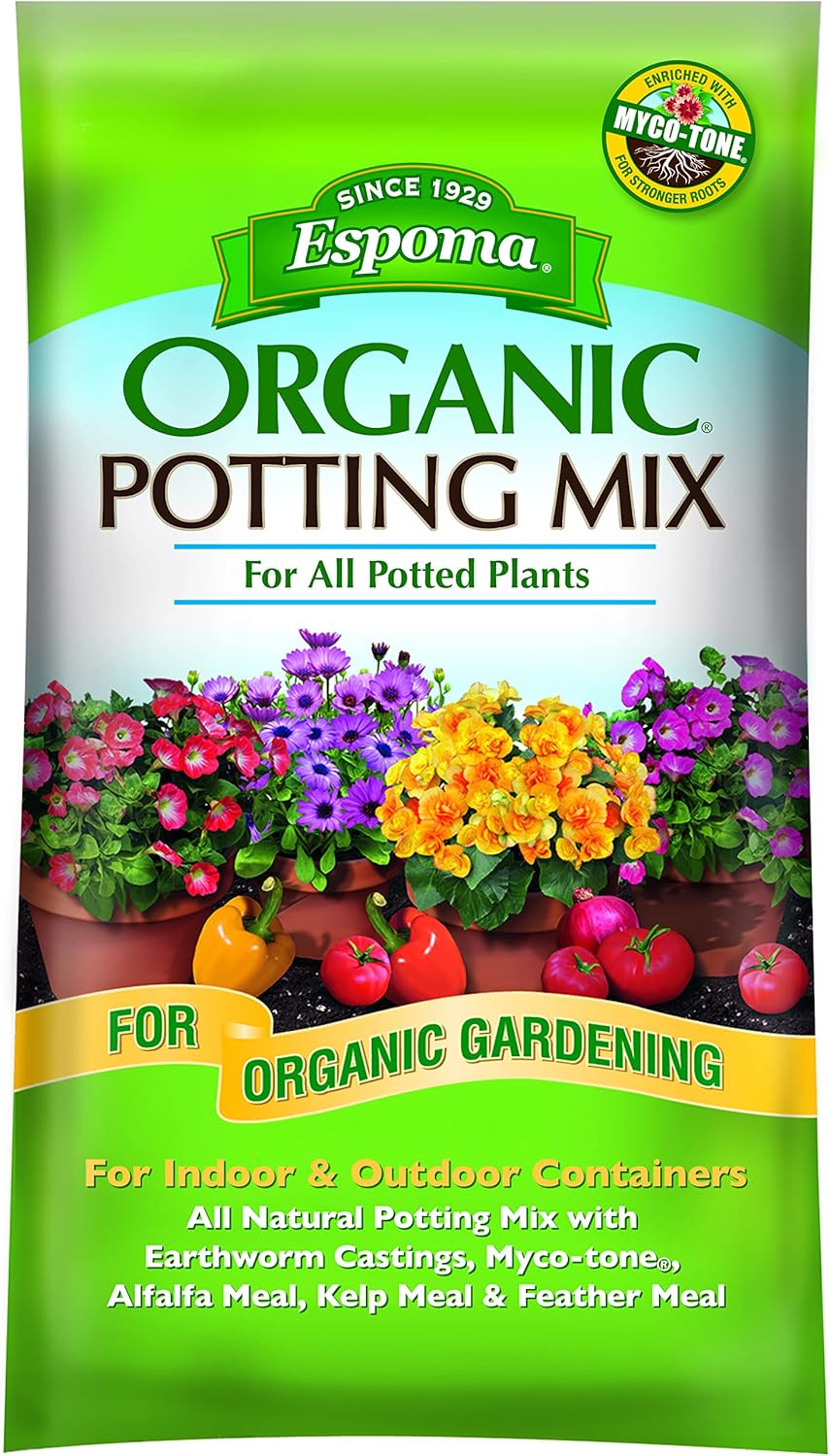
Espoma Organic Potting Mix, 16-Quart
| Brand | Espoma |
|---|---|
| Volume | 16 quarts |
| Style Name | Mix |
| Item Weight | 16 ounces |
Espoma Organic Potting Mix is a ready-to-use, organic blend designed for container gardening and works well when starting or repotting onions in pots. The mix combines sphagnum peat moss, humus and perlite for drainage and aeration while added earthworm castings, alfalfa meal, kelp and feather meal supply slow-release nutrients. A proprietary myco-tone of endo and ecto mycorrhizae supports early root establishment, which is useful for onion sets and transplants that benefit from faster root uptake. In practice the bag is easy to handle for small raised beds or single large containers and holds enough moisture without becoming waterlogged thanks to the perlite. Because it is an organic, pre-amended mix you can plant directly without immediate fertilization, though heavy feeders may need supplemental feeding later in the season. Note that like most peat-based mixes it will compress over time and may require top-dressing or re-potting for long-season crops.
Best for: Gardeners who want a convenient, organic potting mix for container vegetables and prefer a balanced all-purpose soil that supports root health and steady growth.
Less Ideal for: Growers who need a non-peat or soilless blend specifically formulated for hydroponics or those seeking a mix with built-in high-release fertilizers for very heavy feeders.
- Formulated for containers with peat, humus and perlite for good drainage and aeration
- Includes organic amendments such as earthworm castings, alfalfa and kelp for slow-release nutrients
- Contains mycorrhizal inoculant to support early root establishment
- Ready-to-use out of the bag so you can plant onions or transplants immediately
- Peat-based mix can compress and lose volume over a long season requiring topping up
- Not designed as a complete long-term fertilizer for heavy-feeding crops without additional feedings
Verdict: A ready-to-use organic potting mix that gives container-grown onions a balanced, well-draining medium with natural amendments and mycorrhizae to support healthy root growth.
FoxFarm Ocean Forest Potting Soil, 12 qt

| Item Form | Granules |
|---|---|
| Specific Uses For Product | Dry Fertilizer |
| Coverage | 4.8 sq ft |
| Mixing Ratio | 1:1 |
FoxFarm Ocean Forest is a ready-to-use container potting soil blended from aged forest products, sandy loam, and sphagnum peat moss and amended with fish meal, crab meal, and earthworm castings. For container-grown onions it supplies a light, well-aerated base that drains while retaining enough moisture for bulbs; use directly from the bag to fill pots or mix 1:1 with coarser media for larger containers. The mix is pH adjusted to improve nutrient uptake and includes starter nutrients so additional feeding is generally not needed for the first month. Practical benefits include easier transplanting, reduced compaction compared with garden soil, and organic nutrient sources that support steady growth. Important limitations are that the bag is relatively small for repeated large-container plantings and the product is described as a granular/dry fertilizer coverage item in specs so you may need to top-dress or feed later in the season for long-running plantings. Handle with gloves and store dry to avoid nutrient loss or mess.
Best for: Gardeners who prioritize strong early growth and reliable container performance and want a ready-made, nutrient-rich soil to get onions started quickly.
Less Ideal for: People planning to fill many large containers or grow long-season, heavy-feeding onion varieties without supplementing nutrients or buying multiple bags.
- Ready-to-use blend with organic amendments for early growth
- Light, aerated texture that improves drainage and reduces compaction in containers
- pH adjusted to support nutrient uptake
- Provides starter nutrients so no additional fertilizer is needed for the first 30 days
- 12 quart bag may be small for multiple or large container plantings
- Will require additional feeding or top-dressing for long-season crops
Verdict: Choose this premixed, nutrient-rich potting soil when you want a lightweight, pH-adjusted container medium that gives onion starts a strong, low-maintenance first month.
Miracle-Gro Moisture Control Potting Mix, 8 qt., 2-Pack

| Number of Packs | 2 |
|---|---|
| Unit Count | 512 Ounce |
| Item Type Name | Potting Mix |
| Feeds Plants | Up to 6 months |
| Style Name | 8 qt. |
Miracle-Gro Moisture Control Potting Mix is a ready-to-use container soil designed to keep moisture levels steadier in pots and hanging baskets. The bagged mix uses an AquaCoir formula with sphagnum peat moss, coir, and a wetting agent to absorb more water than basic potting soil while remaining airy so roots can breathe. Typical use is filling pots with drain holes, loosening plant roots, planting at nursery depth, watering through until drainage, and letting the surface dry between waterings. For container onions this mix provides consistent moisture and built-in nutrients that feed plants for up to six months, reducing how often you need to fertilize early in the season. It is packaged in two 8-quart bags that each claim to fill two 8-inch containers, which makes it convenient for small-scale container beds. Important limitations are that container soil still compacts over time and should be refreshed annually, and you may need to supplement nutrients later for heavy-feeding onion varieties or longer growing cycles.
Best for: Buyers who want an easy, low-maintenance potting mix that keeps moisture steady and provides initial nutrition for container-grown vegetables like onions.
Less Ideal for: People planting large in-ground beds or those who prefer to manage every nutrient input manually for high-yield commercial onion production.
- Moisture-control formula absorbs more water to reduce over- and under-watering
- Feeds plants up to six months so initial fertilizing is less frequent
- Light, airy mix that promotes root aeration in containers
- Sold as two 8-quart bags suitable for filling several small pots or container rows
- Nutrients will deplete over a full season so later feeding may be needed
- Pack sizes are modest so multiple bags are required for larger container setups
Verdict: A convenient moisture-control potting mix that lowers watering frequency and gives container onions a well-aerated, nutrient-starting medium for the first months of growth.
Miracle-Gro Organic Outdoor Potting Mix, 16 qt.

| Item Highlight | Plant Soil For Outdoor Container Plants, Contains Quick-Release Natural Fertilizer, OMRI Listed |
|---|---|
| Brand Name | Miracle-Gro |
| Volume | 1 cubic feet |
| Unit Count | 1 Count |
This 16 qt. Miracle-Gro Organic Outdoor Potting Mix is aimed at container gardening and is formulated to hold moisture, supply quick-release organic nutrients, and support outdoor annuals, vegetables, herbs, and perennials. In practice you partially fill a pot, loosen the plant's root ball, set the plant in, top off with mix, and water; one bag is sized to fill about a 12-inch container. Notable features include OMRI listing for organic use, responsibly sourced peat, and upcycled green waste in the blend, plus fertilizer that feeds plants for up to two months so you get an early nutrient boost without immediate feeding. For growing onions in containers the mix’s moisture retention and nutrient content help young bulbs establish and grow evenly. Limitations are the smaller 16 qt. bag size for multi-pot projects and the short two-month feeding window, which means you will need to refresh or add fertilizer through the season for longer-grown or larger onion varieties.
Best for: Gardeners who want an organic, ready-to-use potting mix for small to medium outdoor containers and prefer a product that gives plants an early nutrient boost without immediate extra feeding.
Less Ideal for: Growers needing bulk soil for many pots or for large-scale container plantings should choose larger-volume bags or bulk mixes and those wanting a long-release fertilized mix that covers an entire growing season without top-ups.
- OMRI listed for organic container gardening
- Includes quick-release natural fertilizer that feeds up to two months
- Formulated to retain moisture for outdoor pots
- Made with responsibly sourced peat and upcycled green waste
- 16 qt. bag is modest volume for multiple or large containers
- Fertilizer effect lasts about two months so additional feeding is needed for long seasons
Verdict: A compact OMRI-listed potting mix that jumpstarts container-grown onions and other outdoor plants with moisture retention and a two-month organic nutrient boost.
Miracle-Gro Indoor Potting Mix for All Plants, 6 qt., 2-Pack

| Number of Packs | 2 |
|---|---|
| Unit Count | 400.58 Ounce |
| Item Highlight | Feeds for up to 6 Months |
| Ingredients | Sphagnum Peat Moss, Coir, Perlite, Fertilizer, Wetting Agent |
This two-pack of Miracle-Gro Indoor Potting Mix is a lightweight, ready-to-use soil designed for container-grown indoor plants. The blend of sphagnum peat moss, coconut coir, and perlite helps retain moisture while allowing excess water to drain, so roots stay aerated rather than waterlogged. It includes a built-in fertilizer that the manufacturer says feeds plants for up to six months, which reduces the need for immediate feeding after repotting. Because the formula is bark- and compost-free it is less likely to harbor fungus gnats, a practical plus for indoor containers. Typical use is straightforward: fill a pot, set the plant, top up and water. For container onions grown indoors, the mix provides good moisture control and lightness so bulbs and roots can develop without compacting. Limitations to note are that this is formulated for general indoor plants rather than specifically for edibles, so heavy-feeding crops may need additional fertilizer over time and the packaging sizes are relatively small for repeated large-scale container plantings.
Best for: Buyers who want a dependable, low-maintenance indoor potting mix that keeps container roots healthy and reduces common indoor pest habitat.
Less Ideal for: Growers planning large numbers of edible or heavy-feeding crops who need larger volumes of soil or crop-specific nutrient blends should look elsewhere.
- Lightweight blend that keeps soil fluffy and reduces compaction in pots
- Contains peat moss, coir and perlite for balanced water retention and drainage
- Includes starter fertilizer that feeds plants for up to six months
- Bark- and compost-free formula reduces places for fungus gnats to breed
- Not formulated specifically for edible crops so may require supplemental fertilizing for heavy feeders
- Individual 6 qt. bags are small if you need soil for multiple or larger containers
Verdict: A reliable, ready-to-use indoor potting mix that keeps container soil light and fed for months, making repotting and routine care easier.
Miracle-Gro Organic Indoor Potting Mix (16 qt)

| Item Highlight | Protects Against Over & Under Watering |
|---|---|
| Unit Count | 1 Count |
| Item Type Name | Miracle-Gro Organic Indoor Potting Mix |
| Volume | 1 cubic feet |
Miracle-Gro Organic Indoor Potting Mix is a ready-to-use organic blend designed for indoor container gardening and seed starting. The mix combines coir for improved air space and moisture buffering with sphagnum peat moss for water retention, plus a quick-start natural fertilizer to give young plants an initial nutrient boost. Typical use is filling pots or seed trays, transplanting houseplants, and starting herbs or seedlings; it is formulated to protect against both over- and under-watering when used in containers with drainage. Practical benefits include organic certification for use in organic systems, ease of use straight from the bag, and a texture that supports root development in confined pots. Limitations are that the bag size fills roughly one 12-inch container so larger or multiple container projects require several bags, and it is intended for indoor/container use rather than amending in-ground beds. For onions grown in containers this will provide a good starting medium, but you will still need to monitor moisture and top-dress or side-dress with additional fertilizer as onions mature for best bulb development.
Best for: Buyers who want an organic, ready-made potting mix for indoor container crops and seed starting and who prioritize a mix that reduces moisture extremes and simplifies transplanting.
Less Ideal for: Gardener planning large outdoor beds, bulk soil amendments, or those who prefer to custom-blend heavy, nutrient-rich media for mature vegetable beds.
- OMRI listed for organic use which suits organic indoor growing
- Blend of coir and peat moss balances aeration with water retention
- Includes quick-start natural fertilizer to feed seedlings and transplants
- Formulated specifically for indoor/container plants and seed starting
- Small 16 qt. bag covers only a single medium pot so multiple containers need more bags
- Made for indoor use and not optimized as a bulk soil amendment for in-ground beds
Verdict: A compact OMRI-listed potting mix that gives indoor container vegetables and seed starts a balanced, easy-to-use growing medium.
Back to the Roots Premium Organic Potting Mix, 6 Quart

| Unit Count | 192 Fluid Ounces |
|---|---|
| Item Highlight | Peat-free potting soil for outdoor plants, indoor plants, vegetables, herbs and flowers |
| Item Type Name | 100% Organic Potting Mix | Premium Blend | Made in the USA |
| Volume | 6 quarts |
This 6-quart Back to the Roots Premium Organic Potting Mix is an all-purpose, peat-free soil intended for container and indoor gardening. It combines upcycled plant matter, wood fines, organic plant food, yucca extract for moisture regulation, and dolomitic limestone to help balance pH. In practice it works well as a lightweight, ready-to-use potting medium for herbs, vegetables and flowering plants in containers; for onions grown in pots it provides good drainage while retaining enough moisture to support bulbs without waterlogging. The organic inputs and absence of peat make it an environmentally friendlier option and reduce the need for immediate amendments. Limitations are its small 6-quart volume, which means multiple bags are needed for larger pots or several containers, and it does not list specific N-P-K fertilizer values so heavy-feeding crops might need supplemental fertilizer through the season.
Best for: Buyers who prefer a low-risk, organic potting mix for container-grown edibles and want a ready-made, peat-free soil that supports steady moisture and pH balance.
Less Ideal for: Gardeners who need large volumes for raised beds or commercial production or those who want a precise, fertilizer-specific soil without adding amendments.
- Peat-free and made from upcycled plant matter for a lower carbon footprint
- Includes yucca extract to help regulate moisture and reduce water stress
- Contains dolomitic limestone to help stabilize pH for many edibles
- Ready-to-use organic blend suitable for herbs, vegetables and flowers in containers
- Small 6-quart volume requires buying multiple bags for several or large containers
- No specific N-P-K fertilizer analysis provided, so additional feeding may be needed for heavy feeders
Verdict: A compact, peat-free organic potting mix that gives container-grown onions and other edibles balanced moisture control and pH without needing immediate amendment.
Choosing the Right Soil for Onions in Containers: Key Factors to Consider
Drainage Versus Moisture Retention
Onions dislike sitting in cold, soggy soil because excess moisture around the bulb invites rot and fungal problems. In containers there is a smaller volume of medium and less buffering against overwatering, so drainage is essential. That usually means a mix with coarse components such as perlite, pumice, or coarse sand to create large pore spaces.
At the same time, container media must hold enough available water so you do not need to irrigate several times a day. Organic components like composted bark, coconut coir, or well-aged compost increase water-holding capacity without collapsing structure. The best mixes balance coarse mineral porosity with stable organic matter so the root zone dries evenly and retains moisture between typical watering intervals.
Starting Nutrient Balance and Feeding Compatibility
Onions are moderate feeders that benefit from a steady, balanced nutrient supply. A potting mix that starts with a mild level of readily available nitrogen, phosphorus, and potassium reduces early deficiencies while still leaving room to adjust feeding. Avoid mixes that are excessively high in nitrogen at the start since that can encourage leafy growth at the expense of bulb formation.
Consider how the soil will perform with your chosen feeding method. Blends that accept slow-release granules or mix well with liquid fertilizers give you flexibility. Also check whether the organic fraction is well-composted; immature compost can immobilize nitrogen and cause short-term nutrient tie-up.
Texture, Compaction, and Root Expansion
Container onions need a medium that remains loose so bulbs can expand without being constricted. Fine-textured soils and mixes with a high proportion of silt or clay tend to compact as they dry and rewet, creating a dense layer that limits root and bulb growth. Coarse, chunky textures preserve air space and make harvesting easier.
Evaluate the long-term structure of the mix. Some organic materials break down quickly and cause compaction after a single season, while others remain stable. If you plan to reuse container soil, choose a mix that resists rapid breakdown or plan to refresh the top layer and feed appropriately between seasons.
Pathogen and Weed-Free Cleanliness
Containers concentrate roots and soil, so any pathogens, weed seeds, or pests in the mix can have an outsized impact. Starting with a clean, pasteurized potting medium reduces the risk of seedling damping-off, onion smut, or soil-borne pests. Sterilized or professionally blended potting soils lower the initial disease pressure compared with homemade garden soil mixes.
If you use homemade components, consider heat treatment or thoroughly composting materials to kill seeds and pathogens. Regularly inspect containers and discard or refresh media showing sign of fungal growth or persistent pest issues.
Weight and Container Compatibility
Soil weight matters for container placement and handling. Heavy mixes with high clay or dense compost content can stress balcony railings, make large containers difficult to move, and reduce drainage unless amended. Lightweight mixes with aeration components are easier to manage and usually drain better, but extremely light media can dry fast in hot weather.
Choose a mix that matches your container material and location. Large resin or plastic pots tolerate heavier fills better than shallow hanging baskets. If you plan to move containers frequently, favor lighter blends that still maintain structure.
pH and Nutrient Availability
Onions prefer a slightly acidic to neutral pH range where most nutrients remain available. If the potting mix is extremely acidic or alkaline, certain micronutrients become less available and bulb development can be affected. Many commercial potting mixes are close to neutral, but amendments such as lime or sulfur are sometimes needed depending on water chemistry or added compost.
Test or estimate the pH when planning fertilizer choices, since some slow-release formulations and organic amendments work best in certain pH ranges. Maintaining consistent pH in containers is easier because of the smaller soil volume, but it also reacts more quickly to amendments and fertilizer salts.
Best Container Types and How They Affect Soil Choice
Container material and depth change how quickly the soil warms, dries, and drains. Shallow containers limit root and bulb space and require a very free-draining, lighter mix. Deeper pots give more buffer for moisture and allow mixes with slightly higher organic content.
Terracotta pots breathe and can dry out faster, so use a mix with higher water-holding components or plan more frequent watering. Plastic and glazed ceramic containers hold moisture longer, making a chunkier, faster-draining mix a better match to prevent waterlogging.
- Shallow trays need very loose, light mixes with good water retention components.
- Deep pots allow a higher proportion of organic matter without risking compaction.
- Porous pots require more frequent watering or more water-retentive ingredients.
Amending Potting Mix for Bigger Bulbs
You can tweak a base potting mix to favor bulb development by adjusting nutrient timing and texture. Add a moderate amount of slow-release balanced fertilizer or incorporate a low-rate starter feed to encourage early growth without excessive leafy growth.
To promote larger bulbs, focus on steady potassium and phosphorus availability during the mid-season while tapering back on nitrogen as bulbs begin to swell. Adding coarse sand or grit to the bottom third of the container can improve drainage and reduce the chance of basal rot.
- Top-dress with a balanced slow-release fertilizer early, then switch to lower-nitrogen feeding as bulbs swell.
- Use coarse mineral amendments to maintain porosity in the root zone.
Watering Strategies for Container Onions
Because containers dry more quickly than in-ground beds, a consistent watering routine is crucial. Water deeply and less often to encourage roots to explore the full soil profile instead of staying near the surface. Check moisture by finger-testing the medium several inches down rather than relying solely on surface dryness.
Mulching the container surface with a thin layer of straw or shredded bark helps reduce evaporation and keeps soil temperatures steadier. For very hot locations consider adding a water-retentive amendment or using a self-watering container to maintain consistent moisture.
- Water thoroughly until water drains from the bottom, then allow the top inch or two to dry.
- Mulch lightly to reduce surface evaporation in hot weather.
Seasonal Care and Reusing Container Soil
After harvest, remove plant debris promptly to avoid carrying over pests or diseases. If you plan to reuse container medium, sift out compacted material and refresh with coarse organic matter and a measured dose of fertilizer or compost.
For subsequent seasons, consider rotating to a different crop family or heat-treating the soil to reduce pathogen carryover. Replenishing lost volume with fresh potting mix helps maintain structure and fertility for the next planting.
- Remove all old roots and bulbs before storing containers.
- Refresh or replace the top few inches of soil between seasons to restore nutrients and structure.
Using Organic Versus Soilless Mixes
Organic mixes with composted materials bring initial nutrients and improve water retention, but they can break down and compact faster than soilless blends. Soilless mixes based on peat substitute or coir plus perlite are lighter, resist compaction, and allow precise control of nutrient inputs through fertilization.
For gardeners who prefer organic fertility, choose well-composted inputs and monitor for nitrogen tie-up. If you prefer lower-maintenance texture and predictable drainage, a soilless potting medium amended with controlled-release fertilizer can simplify care.
- Organic mixes add fertility but may need more frequent restructuring.
- Soilless mixes keep structure longer and rely on added fertilizers for nutrition.
How We Chose the Best Soil for Onions in Containers
We focused on practical, garden-tested attributes that matter for container onion culture. Primary evaluation criteria included moisture management, nutrient profile and release, texture and weight, disease and pest cleanliness, and suitability for different container sizes. We prioritized mixes with reliable drainage combined with some water-holding capacity so containers do not dry out overnight or stay waterlogged after watering. Nutrient assessment looked at starting fertility and compatibility with common slow-release or liquid feeding programs. Texture and weight evaluated whether a mix stays loose enough for bulb expansion yet firm enough to support plants without compacting. We screened out mixes formulated mainly for houseplants or heavy-feeding vegetables that tend to be too dense or rich for onions. We also excluded untested blends with unclear ingredient lists or known contamination risks. Final selections are blends and potting approaches that match the needs of onions in containers across common climates and container types.
FAQ
Can I use garden soil for onions in containers?
Garden soil is usually too dense and can compact in containers, leading to poor drainage and restricted bulb growth. If you must use it, mix it with coarse amendments and compost to improve texture, or better yet use a formulated potting mix designed for containers.
How deep should a container be for growing onions?
Most onion varieties need at least 6 to 8 inches of loose medium for small bulbs, and deeper pots for larger types. Deeper containers allow more root development and more stable moisture, which supports bigger bulbs.
How often should I fertilize onions in containers?
Fertilize moderately. Start with a balanced feed early, then reduce nitrogen as bulbs begin to form. Typically apply a slow-release or liquid feed every few weeks depending on the product and plant response.
Will adding sand improve drainage for container onions?
Coarse sharp sand or grit can improve drainage and reduce compaction when mixed in modest amounts. Avoid fine sanding that can fill pore spaces and make the mix denser. Use coarse mineral amendments for better long-term porosity.
Should I test the pH of potting mix for onions?
Testing pH is useful because onions prefer slightly acidic to neutral soil. If the mix is outside that range, you can amend it before planting. Small container volumes respond quickly to amendments, so monitor pH if you make changes.
Can I reuse potting soil from previous onion crops?
You can reuse soil if it is free of disease and pests, but refresh it with compost or new potting mix and adjust nutrients. Consider rotating crops or heat-treating the medium if you suspect pathogen carryover.
Final Verdict
Choosing the right soil for onions in containers is about balancing drainage, moisture retention, and steady nutrient supply. Prioritize a light, well-aerated texture with enough organic matter to hold water and provide some fertility. Be mindful of container depth and material, and adjust feeding as bulbs form to reduce excess leafy growth. Focus on mixes that maintain structure through the season and that work with your watering routine. With the right medium and sensible seasonal care you can grow healthy, well-formed onions in containers reliably.
