

Note: This article contains affiliate links. If you click on these links and make a purchase, I may earn a small commission at no extra cost to you. This helps support my research and content. Read my full affiliate disclosure here.
If you keep ferns in pots, the right soil makes the difference between thriving fronds and limp, yellowing foliage. Ferns most often grow in humus-rich, well-aerated forest floors, and potted mixes need to replicate those conditions: they must hold steady moisture without turning waterlogged and provide loose structure for fine roots. This guide covers seven shortlisted soils for potted ferns selected for their texture, drainage, and water-holding balance. We evaluate each option against practical gardener concerns like moisture retention, aeration, and nutrient content so you can pick a mix suited to your pot size, light level, and watering style.
Top Picks at a Glance
| Best Overall The best all-around choice for most situations | Soil Sunrise Fern Potting Soil Mix (8 Quarts) |  |
| Best Quality Built to a higher standard if you want something more solid | FoxFarm Ocean Forest Potting Soil, 12 Quart |  |
| Best Value The sweet spot between price and what you get | Miracle-Gro Indoor Potting Mix for All Plants, 6 qt., 2-Pack |  |
| Best Budget The cheapest option that still gets the job done reliably | Doter Fern Potting Soil Mix, 1 qt |  |
| Highest Rated A top-rated pick with lots of positive feedback | Sawgrass Organics Organic Potting Mix, 4 qt |  |
| Most Popular A crowd favorite that many people choose with confidence | Miracle-Gro Houseplant Potting Mix, 4 qt. |  |
| Best Seller A high-volume bestseller chosen again and again | Back to the Roots Organic Indoor Potting Mix, 6 Quart |  |
Soil Sunrise Fern Potting Soil Mix (8 Quarts)

| Volume | 8 quarts |
|---|---|
| Ingredients | Peat, pine bark, perlite, sand, charcoal, lime |
| Unit Count | 1 Count |
| Manufacturer | Soil Sunrise |
This 8-quart Soil Sunrise fern mix is a purpose-made potting medium for container ferns such as Boston, maidenhair, and bird's nest. It combines peat moss for moisture retention with perlite and sand to keep the mix airy and draining, while pine bark and horticultural charcoal improve structure and protect roots. Use it for repotting house ferns, refreshing container soil in hanging baskets, or starting new transplants; the small-batch hand blend aims for consistent texture and pH suited to ferns. Practical benefits include less compaction than standard houseplant soils, improved aeration that reduces root rot risk, and a mix that holds enough moisture so plants do not need daily watering. Limitations are inherent to the bag size and ingredients: 8 quarts covers roughly one large 12-inch pot so multiple bags are needed for several plants, and peat-based mixes dry differently across climates so you may still need to adjust watering frequency. Safety notes advise keeping contact with skin and eyes to a minimum and using in ventilated areas.
Best for: Buyers who want a ready-made, fern-focused potting mix to simplify repotting and container care and who prioritize consistent performance over mixing their own media.
Less Ideal for: People creating large-scale beds or filling many pots at once who need bulk volumes or gardeners who prefer peat-free or purely organic formulas.
- Formulated specifically for ferns with ingredients that balance moisture and drainage
- Perlite and sand reduce compaction and improve aeration for healthier roots
- Pine bark and horticultural charcoal enhance soil structure and help protect roots
- Hand-blended in small batches for consistent texture and pH
- Suitable for both indoor house ferns and outdoor container use
- 8-quart bag is small for multi-plant projects so you may need several bags
- Peat-based composition can require watering adjustments in different climates
Verdict: A convenient, small-batch potting mix that delivers the moisture balance and aeration potted ferns need.
FoxFarm Ocean Forest Potting Soil, 12 Quart

| Item Form | Granules |
|---|---|
| Specific Uses For Product | Dry Fertilizer |
| Coverage | 4.8 sq ft |
| Mixing Ratio | 1:1 |
FoxFarm Ocean Forest is a pre-mixed potting soil that combines aged forest products, sandy loam and sphagnum peat moss with organic amendments like fish meal, crab meal and earthworm castings. It is sold ready to use straight from the bag for planting in containers, seed starting or top dressing; the manufacturer recommends no additional nitrogen fertilizer for the first 30 days. The mix has a light, aerated texture that promotes drainage while still retaining moisture, and the built-in micronutrients make it practical for growers who want strong early growth without immediate feeding. Practical benefits include easy pot filling, good root zone aeration for roses in containers, and built-in organic fertility to support blooms. Limitations to consider are that the bag is best for containers or small beds only and heavier feeders may need supplemental feeding after the initial month; users should also follow handling precautions to avoid skin or eye irritation.
Best for: Gardeners who want a high-quality, nutrient-rich potting medium to get container roses or plant starts off to a strong, flowering start and prefer a ready-made organic blend.
Less Ideal for: Large in-ground rose beds or landscapers needing bulk soil amendments should look for bulk garden soil or custom rose mixes instead.
- Ready-to-use out of the bag so you can pot immediately
- Organic amendments (fish meal, crab meal, earthworm castings) supply early nutrients
- Light, aerated texture that supports drainage and root development
- pH adjusted for optimal nutrient uptake per product description
- Pack size (12 qt) covers a small area and may require multiple bags for several roses
- No long-term feeding provided after the first 30 days so additional fertilizer is needed for sustained heavy bloom
Verdict: Choose this soil if you want a ready-made, organically amended potting mix that jump-starts container roses and seedlings with good drainage and early fertility.
Miracle-Gro Indoor Potting Mix for All Plants, 6 qt., 2-Pack

| Number of Packs | 2 |
|---|---|
| Unit Count | 400.58 Ounce |
| Item Highlight | Feeds for up to 6 Months |
| Ingredients | Sphagnum Peat Moss, Coir, Perlite, Fertilizer, Wetting Agent |
This Miracle-Gro indoor potting mix is formulated as an all-purpose soil for indoor container plants and is sold in a two-pack of 6‑quart bags. It combines sphagnum peat moss, coconut coir, and perlite to create a lightweight, well-draining mix that holds moisture yet releases it to roots, which helps tropical houseplants like a Dragon Tree avoid waterlogged roots. The bagged mix includes a slow-release fertilizer meant to feed plants for up to six months so you do not need to amend immediately after potting. Notably the formula excludes bark and compost, which can reduce habitats for fungus gnats — useful when repotting indoor specimens. Use is straightforward: fill a pot with drainage, set the plant, backfill with mix, and water. Limitations are that the fertilizer schedule is fixed to the included feed and heavy feeders may need additional fertilizing after several months, and serious growers who want a custom cactus or orchid-style mix will find the texture too fine. For routine repotting of Dragon Trees and similar tropical houseplants this mix is convenient and consistent.
Best for: Buyers who want a reliable, low-effort potting mix for repotting tropical houseplants like Dragon Trees and prefer a product with built-in feeding and pest-reduction features.
Less Ideal for: Specialist growers who need custom texture blends for succulents, orchids, or aggressive feeders should choose purpose-formulated mixes or amend this product accordingly.
- Balanced blend of peat moss, coir, and perlite for good moisture retention and drainage
- Includes slow-release fertilizer that feeds up to six months for low-maintenance care
- Bark- and compost-free formula reduces places for fungus gnats to breed
- Ready-to-use bag makes repotting quick with no mixing required
- Fertilizer is fixed for about six months so additional feeding may be necessary for heavy feeders
- Texture may be too fine for plants that prefer very fast-draining or chunky mixes
Verdict: A convenient, low-maintenance indoor potting mix that keeps Dragon Trees healthy with good drainage and up to six months of built-in feeding.
Doter Fern Potting Soil Mix, 1 qt
| Brand | Doter |
|---|---|
| Unit Count | 32 Ounce |
| Item Type | Garden soil |
| Volume | 1 quarts |
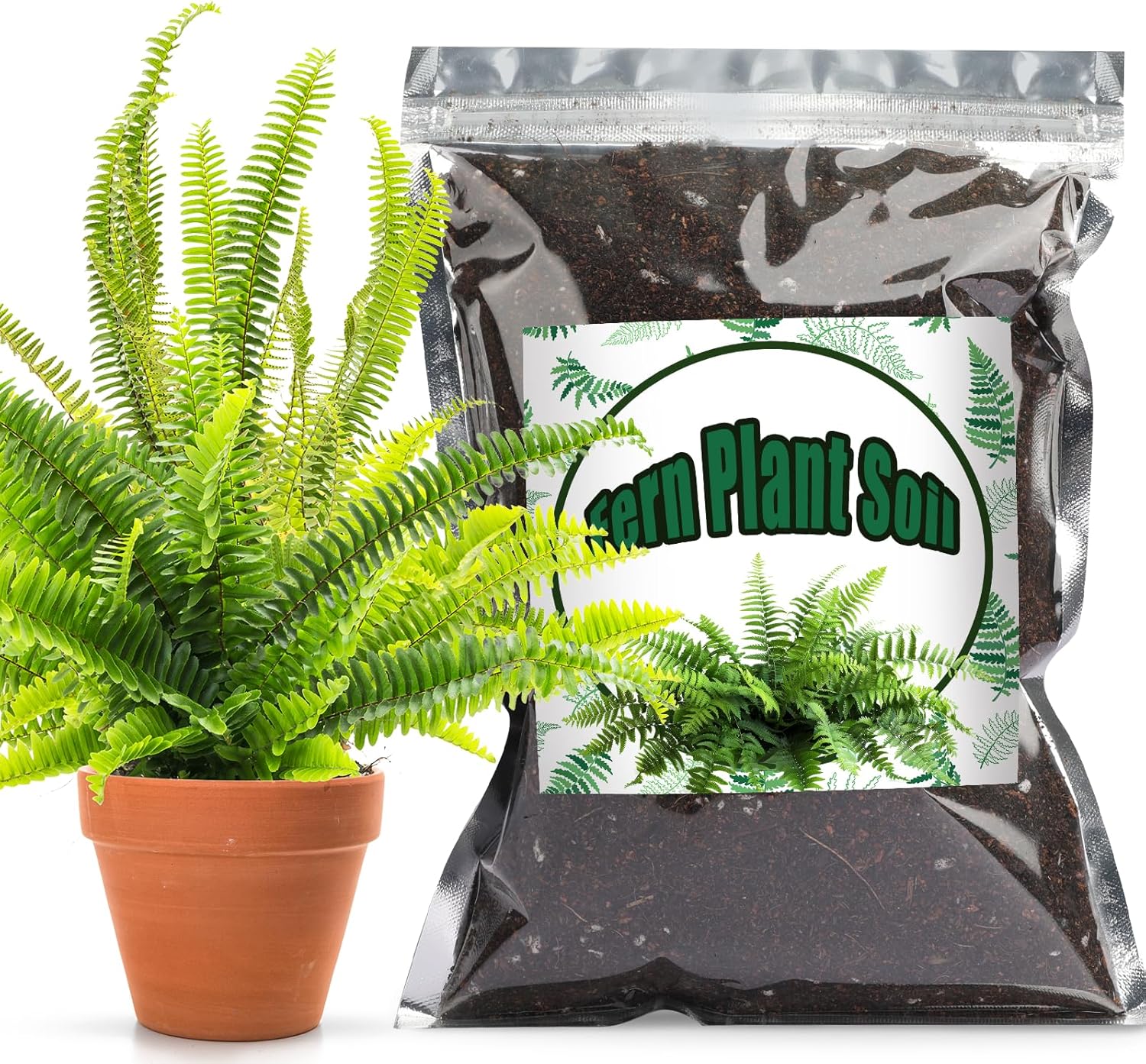
This 1 quart Doter fern potting mix is a ready-to-use blend formulated to give potted ferns consistent moisture without waterlogging. It combines moisture-retentive components like peat moss with chunky perlite and horticultural charcoal to improve aeration and drainage, which helps prevent root rot in consistently damp-loving species. In practice the bag works well for repotting small ferns, topping off shallow fern pots, or starting new divisions; the small size makes it easy to handle and mix with existing media. Notable features include added organic matter and worm-casting style amendments mentioned by the brand, plus sterile additives to reduce pests. The main limitation is the 1 quart volume, which means you will need multiple bags for larger pots or several plants, and the mix description does not give specific nutrient or pH values so experienced growers may want to amend for long-term feeding. For casual indoor fern care and quick repotting jobs this blend provides a balanced, low-effort medium.
Best for: Buyers who want an affordable, ready-made potting mix to repot or top-dress a few small ferns quickly and with minimal fuss.
Less Ideal for: Gardeners who need bulk quantities for many plants or who require exact pH and nutrient specifications for specialized fern cultivars should look elsewhere.
- Formulated to retain moisture while including components that improve drainage to reduce root rot risk
- Contains organic amendments and sterile additives aimed at healthier root development
- Small 1 quart size is easy to handle for repotting small plants or topping pots
- Versatile for indoor and outdoor potted ferns, mosses, and similar moisture-loving plants
- Only a 1 quart volume so multiple bags are required for larger pots or multiple plants
- No explicit nutrient analysis or pH information provided for precise long-term fertilization planning
Verdict: A convenient, budget-friendly small-bag fern mix that keeps soil moist without becoming waterlogged, ideal for quick repots and small collections.
Sawgrass Organics Organic Potting Mix, 4 qt

| Volume | 4 quarts |
|---|---|
| OMRI Listed | Yes |
| Unit Count | 128 Ounce |
| Peat-Free | Yes |
| Triple Screened Compost | Yes |
This 4 qt Sawgrass Organics potting mix is a ready-to-use, peat-free blend designed for potted vegetables, herbs and seedlings. It combines fully composted, triple-screened compost with coco coir for water retention and biochar to support microbial life and nutrient holding. Because it is triple screened and blended at a controlled moisture level it arrives consistent and largely free of debris and gnats, which makes it easy to use straight from the bag for repotting, starting seeds or top-dressing containers. The peat-free formula re-wets reliably after drying and resists compaction so root systems stay airy in small pots and raised planters. It is OMRI listed, so it fits an organic vegetable garden workflow. The main limitations are the small 4 quart volume, which means frequent repurchasing for larger beds, and the lack of built-in fertilizer so regular feeding is still needed for heavy-feeding vegetables.
Best for: Gardeners who prioritize reliable, organic-tested potting media for container-grown vegetables, herbs, and seedlings and who want a consistent, low-maintenance mix to repot or start plants.
Less Ideal for: People installing or amending large in-ground vegetable beds who need bulk soil or those seeking a mix with built-in long-term fertilizer and amendments for heavy feeders.
- Peat-free blend with coco coir for good water retention and easier re-wetting
- Contains fully composted, triple-screened compost for consistent texture and few debris
- Biochar included to support beneficial microbes and nutrient retention
- OMRI listed for use in organic production
- Blended and bagged at controlled moisture to reduce gnats and make it usable immediately
- Small 4 quart bag is insufficient for large vegetable beds or multiple containers
- Does not include starter fertilizer so feeding is required for heavy-feeding vegetables
Verdict: Choose this potting mix when you want a consistent, peat-free, OMRI-listed blend that re-wets well and supports healthy roots in container vegetable gardens.
Miracle-Gro Houseplant Potting Mix, 4 qt.

| Unit Count | 128 Ounce |
|---|---|
| Volume | 5 quarts |
| Item Highlight | Fertilized, Perlite Soil for Indoor Gardening, Designed to Be Less Prone to Gnats |
| Ingredients | Perlite, Sphagnum Peat Moss, Fertilizer, Wetting Agent, Coir |
Miracle-Gro Houseplant Potting Mix is a ready-to-use indoor potting soil for common houseplants such as pothos, monstera, spider plants and philodendrons. The mix combines sphagnum peat moss, coir and perlite with a built-in fertilizer and a wetting agent so it holds moisture evenly while remaining airy enough for container roots. It is designed to avoid ingredients like compost and bark that can attract fungus gnats, which makes it a sensible choice when repotting plants indoors. Use it to fill a container with a drainage hole, set the root ball, top up and water thoroughly; one 4-qt bag is intended to fill an 8-inch pot. The included fertilizer feeds plants for up to six months, but you should start a regular feeding schedule after that for sustained growth. This is a convenient, widely available option for quick repotting, though larger or specialty mixes may be a better fit for growers who need exact pH control or custom blends for orchids and succulents.
Best for: Houseplant owners who want a dependable, ready-made potting mix for routine repotting and steady results without fuss; good for people who prioritize convenience and fewer pest issues indoors.
Less Ideal for: Collectors who need custom media for orchids, cacti, or bonsai or growers who require precise control over pH and nutrient profiles.
- Formulated for indoor plants with perlite and coir to improve aeration and drainage
- Contains fertilizer that feeds houseplants for up to six months after potting
- Designed to be less prone to fungus gnats by excluding compost and bark
- Includes a wetting agent to help the mix absorb water evenly when watering
- Bag size (4 qt.) is small for multi-plant households and may require frequent repurchasing
- Not formulated for specialty plants that require very fast drainage or coarse media
Verdict: A convenient, fertilized potting mix that makes repotting houseplants quick while reducing the risk of fungus gnats.
Back to the Roots Organic Indoor Potting Mix, 6 Quart

| Unit Count | 192 Fluid Ounces |
|---|---|
| Item Type Name | Indoor Potting Mix 6qt |
| Item Highlight | Peat-free, 100% organic, made in the USA |
| Ingredients | Coconut Coir, Yucca, Mycorrhizae, Perlite, Horticultural Sand |
This Back to the Roots indoor potting mix is a ready-to-use, 6-quart blend designed for common houseplants such as pothos, monstera and ferns. It combines coconut coir, yucca extract, mycorrhizae, perlite and horticultural sand to improve moisture retention, drainage and root development without peat. In practice it feels light and friable, so it is easy to pot seedlings or repot mature plants and it reduces compaction that can suffocate roots. The added mycorrhizae helps young roots establish and take up nutrients more efficiently while yucca extract helps the mix hold water between waterings, which is convenient for forgetful or busy plant owners. Because it is peat-free and made in the USA, it is a more sustainable choice versus traditional peat-based mixes. Limitations are the small 6-quart size, which means frequent repurchasing for larger collections, and the bag does not include fertilizer so you will need to feed plants separately as they grow.
Best for: Buyers who prioritize low-risk, easy-care houseplant solutions and want an organic, ready-to-use potting mix that reduces watering hassles and supports healthy root growth.
Less Ideal for: Not ideal for gardeners who need large-volume soil for many pots or for those expecting a mix that includes built-in fertilizer for long-term feeding.
- Peat-free organic formula that reduces environmental impact
- Yucca extract improves moisture retention between waterings
- Contains mycorrhizae to support root development and nutrient uptake
- Light, well-draining texture suitable for repotting seedlings and houseplants
- Small 6-quart volume may require frequent repurchasing for larger plant collections
- Does not include fertilizer so additional feeding is necessary
Verdict: A compact, peat-free potting mix that simplifies indoor plant care by holding moisture and boosting root establishment.
Choosing the Right Soil for Potted Ferns: Key Factors to Consider
Moisture Retention
Ferns prefer evenly moist soil without long dry spells, so moisture retention is the primary factor to weigh. A mix with fine organic particles such as peat, coconut coir, or well-aged compost holds water around the root zone and supplies slow-release nutrients. However, too much fine material can become soggy and restrict oxygen, especially in small pots.
Balance matters: the right level of water-holding capacity reduces how often you need to water while avoiding persistent saturation that invites root rot. Consider your watering routine and indoor humidity when choosing a mix; drier indoor air or infrequent watering calls for slightly higher retention.
Drainage and Aeration
Good drainage keeps excess water away from roots and aeration ensures fine root growth. Granular components like perlite, pumice, or coarse sand create macropores that let excess water pass and air to circulate. Without these elements, dense mixes compact and reduce oxygen availability, leading to shallow root systems and decline.
Think about the pot size and whether it has drainage holes. Small pots dry faster and need more water-holding material relative to drainage particles. Larger pots benefit from more aeration components to prevent deep pockets of saturated soil.
Organic Matter Quality
The type and maturity of organic matter affect nutrient release, pH, and structure. Well-aged compost and leaf mold provide gentle fertilizing and a forest-floor texture that many ferns favor. Fresh manures or uncomposted bark can contain salts or tie up nitrogen as they break down, so choose mixes with stable, mature organics.
Organic matter also influences long-term structure. Slowly decomposing materials maintain porosity longer, reducing the need for frequent repotting or amendments. For indoor ferns, lower-salt, fine-textured organics are generally best.
pH and Nutrient Availability
Ferns generally do well in slightly acidic to neutral soils, so pH affects nutrient uptake and microbial activity. A mix that trends too alkaline can limit availability of iron and other micronutrients, often showing as pale new growth. Many potting mixes aim for a balanced pH, but if your water is very hard or you use alkaline tap water, choose a mix formulated to resist pH shifts.
Nutrient content matters less at purchase than the ability of the soil to accept slow-release fertilizers or compost topdressings. Look for mixes that accept amendments without losing structure.
Particle Size and Mix Stability
Particle size determines how a mix behaves over time. A combination of fine particles for moisture retention and coarse particles for aeration creates a stable structure. If a mix has too many tiny particles it will compact; too many large particles will drain quickly and leave the plant thirsty.
Stability also means the mix should not break down into a dense mat after a few months. Durable components such as aged bark and grit help maintain pore space, reducing the frequency of repotting.
Compatibility with Pot and Location
The same soil behaves differently depending on pot material, size, and light level. Terracotta pots wick moisture and speed drying, so mixes for terracotta often include more fine organic matter. Plastic or glazed containers retain moisture longer and therefore need more drainage particles.
Also adapt the mix to the plant's location. Ferns in bright, indirect light will use moisture faster than those in deep shade, so a sunlit spot may need a mix with stronger water-holding capacity.
Choosing the Right Mix for Indoor Vs Patio Ferns
Indoor potted ferns and patio ferns face different moisture and temperature regimes. Indoor air tends to be drier and temperatures more stable, which favors mixes with slightly higher organic content to even out watering intervals. Patio ferns that experience rain or higher humidity need better drainage to avoid prolonged saturation.
When planning your mix, think about how often you water and how quickly the pot dries. A simple adjustment like adding more perlite or pumice for outdoor pots can prevent waterlogging during heavy rains, while indoor pots may benefit from a bit more coconut coir or leaf mold to hold enough moisture between waterings.
- Indoor: increase water-holding organics for steadier moisture
- Patio: prioritize drainage components to handle rain and humidity
- Terracotta pots: lean toward more retention; glazed/plastic: add drainage
Custom Mix Recipes and Simple Tweaks
Building your own mix is often more economical and lets you tailor texture and nutrient levels. A common starting ratio for potted ferns is roughly equal parts quality potting mix, aged leaf mold or compost, and drainage grit like perlite or pumice. Adjust the relative amounts depending on pot size and environmental conditions.
Simple tweaks can shift performance: add more coarse grit to improve aeration, or fold in extra compost for feeding but remember that added fines increase compaction risk over time. Always pre-moisten coconut coir or peat-based components before mixing to judge final texture correctly.
- Starter ratio: 1 part potting mix, 1 part leaf mold/compost, 1 part perlite/pumice
- Increase grit for larger pots or wetter climates
- Pre-moisten organics to avoid surprises when potting
Repotting Rhythm and Topdressing
Ferns in containers usually need repotting every 1 to 3 years depending on mix stability and growth rate. Signs it is time to repot include compacted soil that sheds water, roots circling the root ball, or visibly slowed growth. When you repot, refresh the mix and replace the bottom third of the soil to restore structure and nutrients.
Topdressing with a thin layer of aged compost or slow-release organic fertilizer in spring gives a nutrient boost without disturbing roots. Avoid deep replacements unless the soil has become badly compacted or contaminated.
- Repot on signs of compaction or root-bound plants
- Topdress annually with fine compost rather than heavy turning
- Refresh lower soil layers rather than full replacement when possible
Managing Watering and Humidity with the Right Soil
Even the best soil will fail if watering and humidity are out of sync. Use soil choice to buffer your routine: mixes with higher retention smooth out inconsistent watering, while porous mixes give a margin for overwatering mistakes. Monitor soil moisture with a finger test or probe rather than relying solely on a calendar.
Increase ambient humidity around ferns with pebble trays or grouping plants. Higher humidity reduces surface evaporation and can allow you to use a mix with slightly less water-holding capacity, improving aeration while keeping fronds comfortable.
- Finger test is often more reliable than timed schedules
- Group plants or use pebble trays to boost humidity
- Adjust soil composition if you change location or pot type
Dealing with Common Soil Problems
Soggy soil, crusting on the surface, and slow drainage are common problems that hint at the wrong mix or pot choice. To remedy sogginess, improve drainage by adding more coarse material and ensure the pot has adequate drainage holes. For crusting and poor nutrient exchange, gently remove the top layer and replace with fresh, fine compost.
If pests or fungal issues appear, cleanly remove affected material and replace it with a fresh mix. Sterilizing tools and using clean pots minimizes re-infestation. For stubborn problems, repotting into a fresh balanced mix often resolves recurring issues.
- Improve drainage to fix waterlogged pots
- Replace crusted surface soil with fresh compost
- Repot and clean containers to remove pests or fungus
How We Chose the Best Soil for Potted Ferns
We focused on characteristics that directly affect how ferns behave in containers. Primary evaluation criteria were moisture retention under typical indoor and shaded outdoor conditions, drainage and aeration to prevent root suffocation, organic content and nutrient availability for steady growth, and mix stability to avoid rapid compaction over time. We also considered ease of use for repotting and whether a mix adapts to different pot sizes and watering routines. To assemble the shortlist we screened widely available soil formulations and excluded heavy, clay-based garden soils and pure potting soils designed for cacti or succulents. We also excluded mixes that require elaborate pre-treatment or constant amendments to perform. The final picks scored well across the core dimensions gardeners care about: consistent moisture without waterlogging, good pore space for fine roots, stable organic matter that breaks down slowly, and user-friendly texture for repotting and topdressing. Our process emphasized practical performance in real pots over marketing claims, so the filters applied focused on measurable properties and gardener experience rather than brand positioning.
FAQ
How often should I water a potted fern based on soil type?
It depends on the mix and pot. Soils with higher organic content need less frequent watering, often every 5 to 10 days indoors, while porous mixes with lots of grit may require watering every 3 to 7 days. Always check moisture with a finger test rather than a fixed schedule.
Can I use standard houseplant potting mix for ferns?
Standard potting mix can work if amended for aeration and moisture balance. Add perlite or pumice and some leaf mold or fine compost to give the structure and organic feel ferns prefer. Avoid mixes designed for succulents or cacti.
Is peat or coconut coir better for potted ferns?
Both hold water well, but peat is more acidic and long-lasting while coir is more sustainable and neutral in pH. Either can be part of a balanced mix; pre-moisten and monitor for compaction, adding coarse material as needed for aeration.
How do I tell if my fern's soil is compacted?
Compacted soil resists water penetration, sheds water on the surface, and feels dense when you probe it. Roots may appear crowded at the pot rim. If water pools or runs off, or the plant shows slowed growth, the mix has likely compacted and needs partial replacement or amendment.
Should I fertilize potted ferns and how does soil choice affect that?
Ferns benefit from light, regular feeding during the growing season. A soil with moderate organic matter supplies some nutrients, but topdressing with compost or using a balanced, gentle fertilizer supports steady growth. Soils that are very inert will require more frequent feeding.
Can I reuse potting soil for ferns after removing an old plant?
You can reuse soil if it is not compacted, diseased, or pest-infested. Refresh by mixing in fresh compost and coarse grit to restore structure and nutrients. If the previous plant had root disease or pests, it is safer to replace the soil entirely.
Final Verdict
Choosing soil for potted ferns is about balance. Prioritize mixes that hold steady moisture while offering enough drainage and pore space for fine roots. Pay attention to organic matter quality and particle size so the mix stays stable between repots. Match the mix to your pot type, location, and watering habits. When you buy or blend soil with these priorities in mind, you reduce common problems like root rot and compaction and give your ferns the best chance to stay lush and vigorous.
