

Note: This article contains affiliate links. If you click on these links and make a purchase, I may earn a small commission at no extra cost to you. This helps support my research and content. Read my full affiliate disclosure here.
If you want an easy way to start seeds earlier and extend your growing season, a compact starter greenhouse can make a big difference. These smaller structures stabilize temperature and humidity, protect young plants from weather and pests, and concentrate light where seedlings need it most. This guide covers six shortlisted starter greenhouses that suit patios, balconies, and small yards. We evaluated build materials, ventilation options, ease of assembly, and how each unit handles heat and humidity so you can pick the right one for your space. Read on for practical notes gardeners use when sizing, siting, and maintaining a starter greenhouse.
Top Picks at a Glance
| Best Overall The best all-around choice for most situations | Ohuhu 4-Tier Indoor Greenhouse with Full-Spectrum Grow Light and Smart Timer |  |
| Best Quality Built to a higher standard if you want something more solid | Sylviera 6×4 ft Outdoor Greenhouse with Hygrometer and Ventilation | 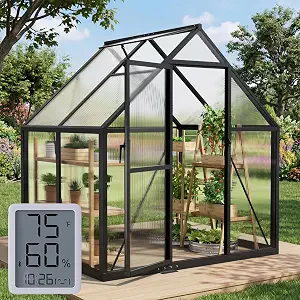 |
| Best Value The sweet spot between price and what you get | Bamworld 3-Tier Wooden Portable Greenhouse (Small) |  |
| Best Budget The cheapest option that still gets the job done reliably | Pure Garden 4-Tier Mini Greenhouse with PVC Cover and Locking Wheels |  |
| Highest Rated A top-rated pick with lots of positive feedback | Inzlume 5-Tier Indoor Greenhouse with 60W Full-Spectrum Grow Lights |  |
| Most Popular A crowd favorite that many people choose with confidence | EAGLE PEAK 8×6 Pop-Up Walk-In Greenhouse |  |
Ohuhu 4-Tier Indoor Greenhouse with Full-Spectrum Grow Light and Smart Timer

| Cover Material | Polyvinyl Chloride (PVC) |
|---|---|
| Indoor Outdoor Usage | Indoor |
| Number Of Vents | 1 |
| Size | 4 Tier with Grow Light |
This Ohuhu 4-tier indoor greenhouse is designed for people who want predictable, year-round results from seed to fruiting. It combines a steel frame and a mostly transparent PVC cover to create a warm, humid microclimate for seedlings, herbs and small vegetable trays while admitting plenty of light. The integrated full-spectrum grow light (400–750 nm) supports all growth stages and offers 11 brightness levels plus a 4/8/12-hour smart timer so you can schedule light periods and reduce babysitting. Shelves are sized for standard seed trays and the unit assembles quickly without tools. Practical benefits include better germination and steadier growth in winter or low-light rooms, and the timer and dimming reduce energy use and hands-on maintenance. Important limitations are that the PVC cover is not as durable as heavy-duty fabric in rough outdoor conditions and the single vent limits airflow control, so you may need to monitor humidity to avoid mould on crowded shelves.
Best for: Gardeners who prioritize dependable indoor propagation and want a low-maintenance setup that produces consistent germination and growth through winter or in low-light rooms.
Less Ideal for: People who need a heavy-duty outdoor greenhouse for permanent exterior use or those who require advanced ventilation features and larger growing area.
- Full-spectrum grow light supports seed starting through flowering with adjustable brightness
- Smart timer (4/8/12 hours) for automated lighting and reduced hands-on care
- Sturdy steel frame with mostly transparent PVC cover admits light and creates a warm microclimate
- Four roomy shelves accommodate standard seed trays for organized propagation
- PVC cover is less abrasion- and weather-resistant than heavier greenhouse fabrics
- Only one vent limits passive airflow and may require manual humidity management
Verdict: Choose this compact Ohuhu greenhouse if you want a reliable, easy-to-run indoor system with full-spectrum lighting and automated timers for consistent year-round propagation.
Sylviera 6×4 ft Outdoor Greenhouse with Hygrometer and Ventilation
| Cover Material | Polycarbonate (PC) |
|---|---|
| Frame Material | Aluminum |
| Number Of Vents | 2 |
| Indoor Outdoor Usage | Outdoor |
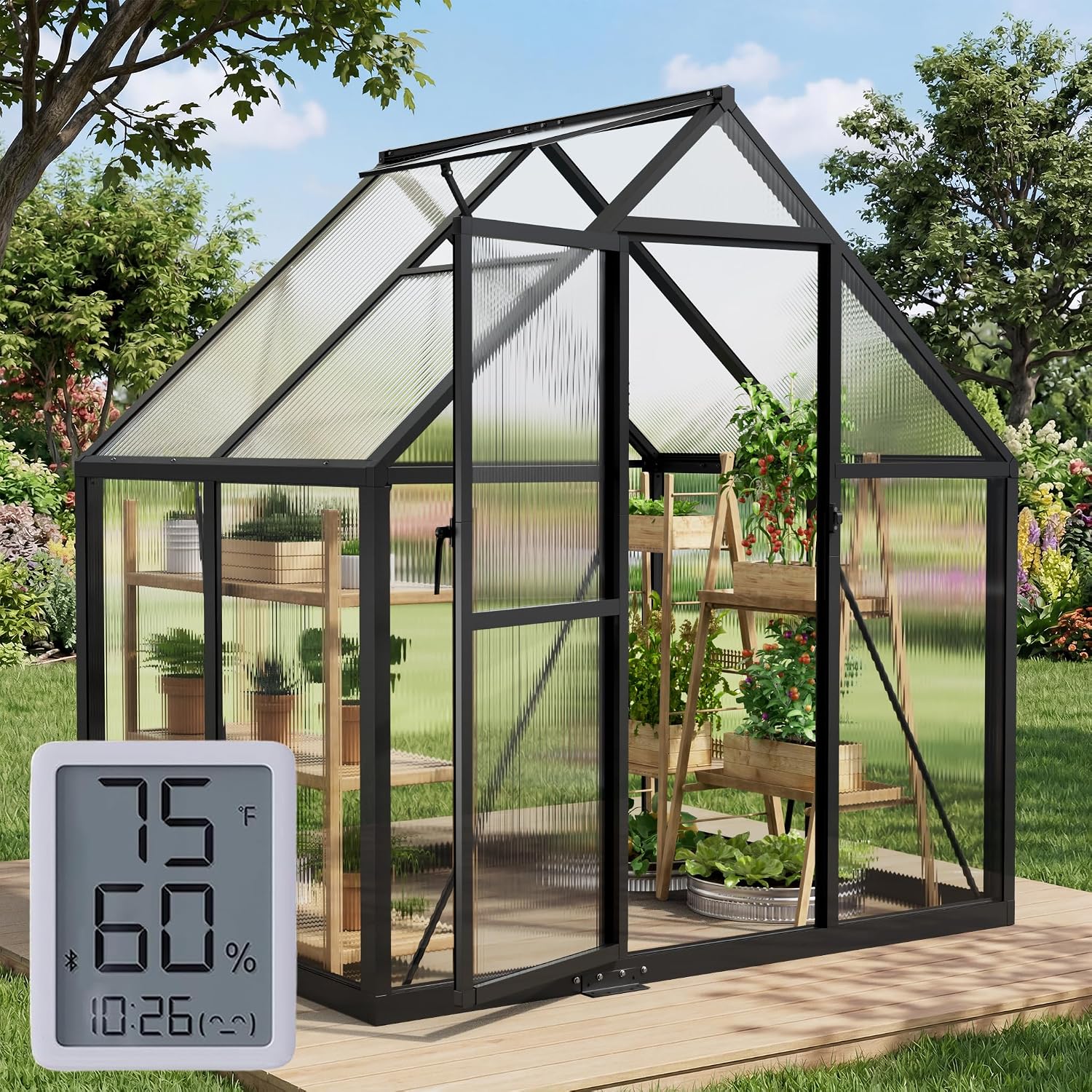
This Sylviera 6×4 ft greenhouse is a small walk-in kit built to extend the growing season and protect plants from wind, rain, and light snow. It assembles from labeled aluminum frame pieces and 4mm double-wall polycarbonate panels that are UV resistant and let a lot of light through while reducing harmful rays. Typical use is backyard vegetable, herb, or seedling production where you need a controlled environment without moving to a larger structure. Notable features include two adjustable roof vents, a lockable door, and included thermometers or a hygrometer for basic climate monitoring. The aluminum frame and multiwall panels give a sturdier feel than thin plastic covers, and the panels can be sealed further with adhesive to improve rigidity in harsher weather. Limits are its compact footprint and 4mm panel thickness, which means it is best for light to moderate winter conditions rather than heavy snow loads, and assembly will require two people and careful following of instructions to avoid alignment issues. For growers focused on steady performance in a small footprint this greenhouse balances light transmission, ventilation, and year-round protection.
Best for: Gardeners who want a compact, reliable greenhouse to extend the season and produce vegetables, herbs, or seedlings with predictable environmental control in a backyard setting.
Less Ideal for: People needing a large production greenhouse or a structure rated for heavy, prolonged snowfall should consider larger, heavier-duty models instead.
- Aluminum frame with polycarbonate panels offers better rigidity and weather resistance than fabric covers
- 4mm double-wall polycarbonate panels are UV resistant and provide good light transmission while reducing UV exposure
- Adjustable roof vents and a lockable door give practical airflow control for temperature and humidity
- Includes basic climate monitoring (thermometers/hygrometer) to help manage growing conditions
- 4mm panels and small footprint are not suited for heavy snow loads or very large crops
- Assembly requires at least two people and careful alignment for a weather-tight fit
Verdict: A compact, performance-minded mini greenhouse that gives year-round protection and good ventilation for backyard vegetable and seedling growers.
Bamworld 3-Tier Wooden Portable Greenhouse (Small)

| Cover Material | Polyethylene (PE) |
|---|---|
| Frame Material | Wood |
| Indoor Outdoor Usage | Outdoor |
| Size | Small |
This Bamworld 3-tier wooden greenhouse is a space-saving option for starting seeds, holding small herb pots, and protecting tender plants from light frost. The eucalyptus wood push-fit frame assembles tool-free in roughly 15 minutes and supports three shelves with about 15.8 inches of vertical clearance each, so standard seed trays and small pots fit comfortably. The clear polyethylene cover transmits most daylight while trapping warmth and blocking wind; the roll-up zipper door makes watering and venting simple. It is lightweight and easy to move onto a balcony, porch, or into a sunroom. Important limits are that the cover and lightweight frame are intended for sheltered spots rather than exposed locations, and you will need to anchor it yourself in windy conditions; it is a season extender rather than a heated greenhouse for year-round production. Wood can expand in high humidity so occasional shelf adjustment may be required. For growers who want a compact, attractive shelter to get seedlings going earlier and protect potted herbs, it is a convenient, low-effort choice.
Best for: Buyers who want a compact, attractive greenhouse to start seeds earlier, overwinter small herbs, or display potted plants on a balcony or sheltered patio with minimal assembly time.
Less Ideal for: Those needing a heavy-duty, weatherproof or heated greenhouse for year-round growing or for placement in fully exposed, windy sites should look for sturdier alternatives.
- Compact three-shelf design fits seed trays and small pots without taking much floor space
- Tool-free push-fit wooden frame for fast, no-hammer assembly
- Clear PE cover traps heat and lets in most daylight while providing wind and light-frost protection
- Roll-up zipper door allows easy access and straightforward ventilation
- Not designed for exposed, heavy-rain or high-wind locations and requires anchoring hardware not included
- Cover and wooden frame are lightweight and not a substitute for a heated or heavy-duty greenhouse
Verdict: A quick-to-assemble, space-saving greenhouse that reliably extends the growing season for seedlings and small potted plants in sheltered home spots.
Pure Garden 4-Tier Mini Greenhouse with PVC Cover and Locking Wheels

| Number of Doors | 2 |
|---|---|
| Closure Type | Zipper |
| Weight Capacity | Maximum weight: 24 pounds |
| Cover Material | Polyvinyl Chloride (PVC) |
| Frame Material | Alloy Steel |
This 4-tier Pure Garden mini greenhouse provides a compact, movable environment for starting seedlings, growing herbs, and protecting small potted plants from frost. Assembly is tool-free and the tubular alloy steel frame plus clear PVC cover create a warm, sheltered space; the zippered roll-up door gives easy access and ventilation control. Each shelf is rated to hold up to 24 pounds, so it accommodates multiple trays, medium pots, or seed flats across four levels. Locking caster wheels make it simple to move the unit onto a porch or into a sunroom, and you can remove the wheels to keep it stationary outdoors. Practical benefits include season extension for vegetables and tender perennials and convenient organization of plants and supplies. Limitations are the lightweight PVC cover, which will need careful anchoring and protection from strong wind and prolonged sun exposure, and the modest shelf spacing that limits very large pots or tall plants.
Best for: Gardeners who want a versatile, space-efficient greenhouse to start seedlings, grow herbs, or protect small plants through cooler months and who value portability and simple setup.
Less Ideal for: Growers who need a heavy-duty, long-term outdoor greenhouse for large plants or commercial propagation should look for sturdier, larger climate-controlled options.
- Compact four-tier design fits seed trays and multiple small to medium pots
- Tool-free assembly with locking wheels for easy repositioning
- Clear PVC cover with zippered roll-up door for protection and ventilation
- Alloy steel tubular frame offers basic stability for everyday use
- PVC cover is lightweight and can deteriorate under prolonged sun or rough weather
- Shelf spacing and weight limits restrict use with large or heavy containers
Verdict: A practical, easy-to-move four-shelf greenhouse that extends the season for seed starting and small-plant growing in compact spaces.
Inzlume 5-Tier Indoor Greenhouse with 60W Full-Spectrum Grow Lights

| Frame Material | Metal |
|---|---|
| Inner Material | PVC |
| Light Source Wattage | 60 watts |
| Color Temperature | 5000K |
This Inzlume five-tier indoor greenhouse is a space-efficient starter cabinet that combines a metal shelving frame, clear PVC cover, and four integrated 15W LED grow lights (60W total) to provide a controlled warm, humid, and well-lit environment for seedlings and small houseplants. Typical use is seed starting, propagating cuttings, or carrying plants through winter: set the lights on the built-in timer, arrange trays on the shelves, and zip the roll-up door to retain heat and humidity. Notable features include a 5000K full-spectrum output with measured PPFD suitable for close-distance growth, a PVC base mat that protects floors and retains heat, and quick-release straps and a roll-up door for easy access and cleaning. The cabinet assembles without tools and fits into smaller indoor spaces. Limits are its small chamber volume, which suits flats and small pots but not large containers, and the fixed light placement means taller plants will need lower shelves or external lighting. For buyers wanting a low-fuss, reliable starter greenhouse, this model delivers straightforward, predictable performance.
Best for: Buyers who want a dependable, low-maintenance starter greenhouse to start seeds and overwinter small plants indoors with automated lighting and simple upkeep.
Less Ideal for: Gardeners who need space for larger containers, full-size plants, or highly customizable lighting setups should consider a larger greenhouse or separate grow-light rig.
- Integrated 60W full-spectrum LEDs with timer for consistent automated lighting
- Sturdy metal frame and clear PVC cover that retain warmth and humidity
- PVC base mat with quick-release straps protects floors and simplifies cleaning
- Tool-free assembly for quick setup in small indoor spaces
- Limited interior volume restricts use to trays, seedlings, and small pots
- Fixed light positions mean reduced flexibility for taller or irregular plants
Verdict: A compact, reliable starter greenhouse that automates light and humidity control to make seed starting and winter plant care easy for busy gardeners.
EAGLE PEAK 8×6 Pop-Up Walk-In Greenhouse

| Size | 8×6 |
|---|---|
| Cover Material | Polyethylene (PE) |
| Frame Material | Alloy Steel |
| Number of Doors | 1 |
| Number Of Vents | 2 |
The EAGLE PEAK 8×6 pop-up greenhouse is a walk-in shelter aimed at extending the growing season and protecting plants from frost and light weather. Its preassembled alloy-steel frame uses extra steel reinforcement and a patented PeakPush center lock so one person can set it up quickly without tools. The PE cover is water-resistant and UV-filtering to help retain warmth and humidity, while the roll-up zippered door and mesh vents let you manage airflow and pest access. It includes stakes and guy ropes for added stability and a ground skirt you can weight down for windy conditions. Practical benefits include ample interior space for shelving or multiple pots, straightforward seasonal use for seed starting or fall protection, and replaceable covers or frames if components wear. Important limitations are that pop-up greenhouses are not engineered for heavy snow loads or sustained high winds so you will need to clear snow and add extra anchoring or weights during storms, and the PE cover will age faster than rigid glazing in strong sun over many seasons.
Best for: Gardeners who want an easy-to-assemble, walk-in greenhouse to start seeds, protect pots, and extend the growing season with minimal setup time and hands-on maintenance.
Less Ideal for: People needing a permanent, year-round structure for heavy snow loads or high-wind exposed sites should choose a rigid-glazed or anchored greenhouse instead.
- One-person, tool-free setup with patented center lock for fast assembly.
- Sturdy alloy-steel frame reinforced for better stability than typical pop-ups.
- Water-resistant, UV-filtering PE cover that traps warmth for season extension.
- Zippered roll-up door and mesh vents for adjustable ventilation and pest control.
- Not built to withstand heavy snow or severe winds without additional reinforcement.
- PE cover will wear faster than rigid glazing and may need replacement after prolonged sun exposure.
Verdict: Buy this if you want a roomy, one-person pop-up greenhouse that balances easy setup with a stronger steel frame for reliable seasonal protection.
Choosing the Right Starter Greenhouse: Key Factors to Consider
Size and Footprint
Measure the usable planting area versus the greenhouse external footprint. In small gardens or on balconies, an efficient layout with vertical shelving can multiply seed capacity without increasing ground footprint. Consider door swing, aisle width, and whether the structure fits between other garden elements.
Think about future use beyond starting seedlings. If you plan to overwinter vegetables or grow larger transplants, choose a size that makes moving pots and trays practical. Also check vertical height for hanging lights or adding a grow lamp.
Covering Material and UV Resistance
Covering materials range from thin polyethylene film to twin-wall polycarbonate panels. Film is lightweight and cheap but tears more easily and degrades under UV unless rated for extended outdoor use. Rigid polycarbonate panels are more durable, offer better insulation, and maintain light transmission longer, though they add weight to the frame.
UV resistance affects clarity and how much light seedlings receive over time. Reduced light causes legginess and weak starts, so favor coverings that balance light diffusion with long-term clarity for repeated seasons.
Ventilation and Temperature Control
Starter greenhouses trap heat which helps germination, but unchecked heat buildup can scorch seedlings. Look for adjustable vents, roll-up sidewalls, or screened windows to create cross-ventilation on warm days. Passive vents placed high allow hot air to escape while lower openings draw cooler air in.
Consider how you will manage heat without electricity: removable panels, manual venting, and shade cloth are effective. If you plan to use supplemental heating, verify safe clearances and access for small thermostatically controlled heaters.
Frame Strength and Anchoring
A lightweight frame is easier to move and assemble but may struggle in gusty conditions. Check material and joint quality; aluminum and powder-coated steel offer better long-term resistance to rust than untreated metals. Plastic connectors save weight but can become brittle in cold climates.
Anchoring options matter for windy sites. Look for built-in ground anchors, tie-down loops, or the ability to secure the base to a deck or paving. A well-anchored greenhouse avoids structural stress and tearing of coverings.
Assembly, Maintenance, and Access
Time and tools required for setup vary widely. Some starter greenhouses assemble with simple hand tools and snap-fit parts, while others need drilling or more complex fittings. Consider who will assemble it and whether assembly instructions are clear.
Maintenance includes cleaning panels or replacing film, lubricating hinges or zippers, and checking anchors seasonally. Access features such as wide doors, removable shelves, and roll-up sides make routine tasks like potting up and watering easier and reduce stress on fragile seedlings.
Light Exposure and Placement
Placement determines how much natural light your seedlings receive. South- or southeast-facing spots give the most morning and midday sun, which seedlings generally prefer. Avoid deep shade caused by overhanging trees or buildings unless you plan to use supplemental lighting.
Also consider reflective surfaces nearby that can increase available light, and allow for airflow around the greenhouse to reduce humidity buildup. If rooftop or balcony placement is planned, check load limits and any local restrictions.
Best Sites for a Starter Greenhouse
Choose a location with strong morning sun and some protection from prevailing winds. Morning light warms seedlings early and reduces fungal risk by drying dew. If your garden is windy, place the greenhouse near hedges or a wall that breaks gusts but does not cast heavy afternoon shade.
For patios and balconies, measure available floor space and consider railing-mounted models or compact standing units. Ensure you can reach all sides for watering and that drainage is adequate so runoff does not pool under pots.
- Morning sun is more beneficial than late afternoon heat for seedlings
- Avoid places where dripping gutters or tree debris will fall on the covering
- Keep the greenhouse on a level surface to prevent water pooling and frame stress
Seasonal Use and Year-Round Options
Starter greenhouses are ideal for early spring sowing and protecting tender transplants through frost. In mild climates you can use them year-round for overwintering herbs and potted edibles. Adjust ventilation and add insulation like horticultural fleece for colder months.
If you expect heavy winter snow, consider temporarily dismantling a lightweight unit or choosing a structure with a pitched roof and stronger frame to shed snow loads.
- Use shade cloth in summer to prevent overheating
- Add thermal mass-dark water barrels or bricks-to moderate night temperatures
- Remove snow promptly from coverings to avoid collapse
Optimizing Light and Temperature Inside
Position shelving to maximize light exposure for all trays. Use reflective surfaces behind seed trays to bounce light into lower shelves and reduce legginess. For temperature, aim for consistent daytime warmth and cooler nights when possible; large swings stress seedlings.
Monitor internal conditions with a simple thermometer and hygrometer. Small changes such as opening vents midday or adding a shade cloth will often correct temperature spikes without mechanical systems.
- Place heat-sensitive seedlings on higher shelves where air is slightly warmer
- Rotate trays regularly to ensure even growth
- Use clear labels and staging so you can move plants quickly during hot spells
Storage and Portability Considerations
If you have limited space in winter, choose a starter greenhouse that disassembles easily and stores compactly. Frames that use standard fasteners are easier to take apart and reassemble than ones with permanent rivets. Lightweight covers are simpler to fold and store, but protect them from rodents and moisture when stowed.
For renters or gardeners who move seasonally, portability is key. Look for models with modular panels and components that are replaceable so repairs are straightforward without replacing the whole unit.
- Label small parts and keep assembly instructions in a sealed bag
- Store covers dry and out of sunlight to prolong life
- Keep spare fasteners on hand for quick repairs
Common Upgrades and Accessories
Simple upgrades can dramatically improve a starter greenhouse. Add shelving or tiered racks to increase capacity. A small thermostat-controlled fan stabilizes temperature and improves airflow on warm days. Shade cloth and thermal blankets let you tune light and heat seasonally.
Invest in sturdy anchors and weatherstrips to reduce drafts and water ingress. Hose- or drip-compatible trays make watering easier and reduce the risk of runoff staining a patio surface.
- Thermostatic vent openers automate airflow without electricity
- Portable heat mats speed germination for cold-loving seeds
- Clear labels for sowing dates help manage staging and transplant timing
How We Chose the Best Starter Greenhouse
We focused on the features that matter most for gardeners buying a starter greenhouse. Primary evaluation criteria included build durability and weather resistance, because a small structure must survive wind and rain while protecting plants. We assessed thermal performance and ventilation to judge how well each greenhouse keeps temperatures steady, avoids overheating on sunny days, and prevents damp spots that promote disease. Ease of assembly and space efficiency were weighed to reflect typical DIY skill levels and constrained patios or raised-bed edges. Material and UV resistance mattered for long-term clarity of covering panels or film. Finally we considered usability features such as shelving, door design, and access for watering and pruning. Products were excluded if they were full-size commercial greenhouses or temporary seed trays without a supported frame. We also excluded units that did not offer basic ventilation or that required specialized installation tools beyond a homeowner toolkit. The scoring labels below map directly to these criteria so gardeners can see how each starter greenhouse performed on structural durability, thermal control, ventilation, assembly, and usability.
FAQ
What size starter greenhouse do I need for seed starting?
It depends on how many flats or pots you plan to work with. For hobby seed starting, a compact unit with two to three shelving tiers usually suffices. If you plan to grow larger transplants or overwinter multiple pots, choose a larger footprint and higher headroom.
How do I prevent overheating inside a small greenhouse?
Use adjustable vents, roll-up sides, or screened windows to promote cross-flow. Shade cloth during hot afternoons and monitoring with a thermometer let you react quickly. Passive ventilation placed high is most effective at letting hot air escape.
Can I keep a starter greenhouse on a balcony or rooftop?
Yes, as long as the surface can safely bear the load and you can anchor the frame against wind. Check any building rules or landlord restrictions. Ensure drainage does not damage the underlying surface and that access for watering is practical.
How long do covers typically last on starter greenhouses?
Lifespan varies by material and sun exposure. Thin polyethylene film may last a season or two unless it is UV-stabilized. Rigid polycarbonate panels usually retain clarity for several years. Regular cleaning and avoiding abrasive handling extend life.
Do I need electricity in a starter greenhouse?
Not necessarily. Many gardeners manage with passive ventilation, thermal mass, and shade. Electricity is useful for heaters, fans, or grow lights if you need precise climate control or plan to use the greenhouse year-round.
Final Verdict
A starter greenhouse is a practical investment for gardeners who want earlier seedlings and better protection for tender plants. Prioritize size and siting first, then focus on covering durability and ventilation so you avoid overheating and premature cover failure. Consider how often you will move or store the unit and whether you need upgrades like shelving or thermostatic venting. With those tradeoffs in mind, you can match a starter greenhouse to your space and the crops you plan to grow for reliable season extension.
