

Note: This article contains affiliate links. If you click on these links and make a purchase, I may earn a small commission at no extra cost to you. This helps support my research and content. Read my full affiliate disclosure here.
If your window gets steady sun, choosing plants that relish bright, hot conditions makes the difference between a balky display and a thriving ribbon of color. Sun loving plants for window boxes behave differently than garden bed perennials: they must tolerate heat, dry surface soil, limited root space, and sometimes reflected warmth from masonry or glass. This guide covers six top short-listed options that work well in shallow containers, and explains the practical traits gardeners should weigh when planting, watering, and maintaining window-box combos. Read on for evaluation criteria like sun tolerance, drought resilience, growth habit, and bloom longevity that informed our selections.
Top Picks at a Glance
| Best Overall The best all-around choice for most situations | Mountain Valley Seed Co Frost Series Petunia Mix Seeds, 100 Seeds |  |
| Best Quality Built to a higher standard if you want something more solid | The Three Company Lavender (2-Pack) Live Fragrant Purple Perennials in 1-Qt Pots |  |
| Best Value The sweet spot between price and what you get | BuggyBeds Double Dwarf Petunia Seeds (300+), Mixed Colors |  |
| Best Budget The cheapest option that still gets the job done reliably | Generic Geranium Flower Seeds, 10 Count, Heirloom Non-GMO |  |
| Highest Rated A top-rated pick with lots of positive feedback | BuggyBeds Cosmos Flower Seeds, 1000 Count (Long Bloom Season) |  |
| Most Popular A crowd favorite that many people choose with confidence | KVITER Heirloom 2,000 Mix Dwarf Petunia (Nana Compacta) Seeds |  |
Mountain Valley Seed Co Frost Series Petunia Mix Seeds, 100 Seeds

| Sunlight Exposure | full sun to partial shade |
|---|---|
| Expected Blooming Period | spring through frost |
| USDA Hardiness Zone | 6–11 |
| Number of Pieces | 100 |
| Material Features | GMO Free |
These Frost Series petunia seeds are designed for gardeners who want reliable, showy color in small containers and window boxes. Sow indoors 10–12 weeks before the last frost, provide light for germination (about 14 days), then transplant seedlings when true leaves form. The plants form compact 12–15 inch mounds with 3–4 inch bicolor blooms edged in white, blooming from spring through frost in USDA Zones 6–11. The packet contains 100 non-GMO seeds and some are pelleted to make sowing easier. In use they perform well in well-drained soil and full sun to part shade, attracting pollinators and offering continuous color when regularly deadheaded. Expect to avoid overhead watering to reduce fungal issues and monitor young plants for moisture needs. These seeds are straightforward for new gardeners yet offer the consistent results experienced growers appreciate. If you need instant mature plants, remember these require the usual seed-starting time and care before producing finished bedding or box displays.
Best for: Gardeners who want season-long, showy color in window boxes, hanging baskets, or small patio containers and are willing to start seeds indoors and deadhead for continuous bloom.
Less Ideal for: Anyone seeking instant, mature plants without seed starting or gardeners who prefer low-maintenance, water-tolerant species for very wet sites.
- Compact habit suitable for window boxes and hanging containers
- Distinctive 3–4 inch bicolor blooms with white picotee edge for strong visual impact
- Non-GMO seeds with some pelleted for easier sowing
- Long bloom period from spring through frost, attracting pollinators
- Germinates quickly in about 14 days with light when started indoors
- Requires indoor seed starting 10–12 weeks before last frost rather than direct sowing for best results
- Needs careful water management to avoid fungal disease, especially if overhead watering occurs
Verdict: A reliable seed choice for gardeners who want compact, pollinator-friendly petunias that deliver long-lasting, high-impact color in window boxes and small containers.
The Three Company Lavender (2-Pack) Live Fragrant Purple Perennials in 1-Qt Pots

| Sunlight Exposure | Full Sun |
|---|---|
| USDA Hardiness Zone | 5-9 |
| Moisture Needs | Low |
| Expected Blooming Period | Late Spring to Summer |
These lavender plants arrive as two 1‑quart pots of Lavandula Purple intended for outdoor planting in full sun. They are compact, mounded perennials that reach roughly 12–18 inches tall and are typically used in containers, balcony planters, or low hedge borders where their purple blooms and strong scent add visual and aromatic interest. The plants prefer well‑draining soil and low moisture once established, which makes them low‑maintenance for sunny balconies. Notable features include pollinator‑attracting flowers, deer‑deterring scent, and suitability for USDA zones 5–9, which covers many temperate climates. Because these are live plants shipped from a greenhouse, success depends on initial care during the first weeks after planting and ensuring pots have drainage. Plant size on arrival and bloom timing will vary by season, and buyers in very hot or very cold microclimates should adjust care accordingly. For small‑space gardeners wanting fragrant, drought‑tolerant color in full sun, these lavenders are a practical choice when tended promptly after delivery.
Best for: Gardeners with sunny balconies who want low‑maintenance, fragrant flowering plants that perform well in containers and attract pollinators.
Less Ideal for: People with shaded or mostly north‑facing balconies or those unwilling to water and pot the plants promptly after delivery.
- Compact habit suited to containers and balcony planters
- Fragrant purple blooms that attract pollinators
- Low water needs once established for easy care
- Shipped as live plants directly from greenhouse so you receive established starts
- Success depends on prompt transplanting and initial watering care after arrival
- Not suitable for shady balconies since it requires full sun
Verdict: A compact, fragrant lavender pair that gives sunny balconies long‑lasting color and low‑maintenance scent when planted in well‑draining containers.
BuggyBeds Double Dwarf Petunia Seeds (300+), Mixed Colors
| Indoor Outdoor Usage | Indoor, Outdoor |
|---|---|
| Expected Blooming Period | Summer |
| Sunlight Exposure | Full Sun |
| Moisture Needs | Moderate Watering |
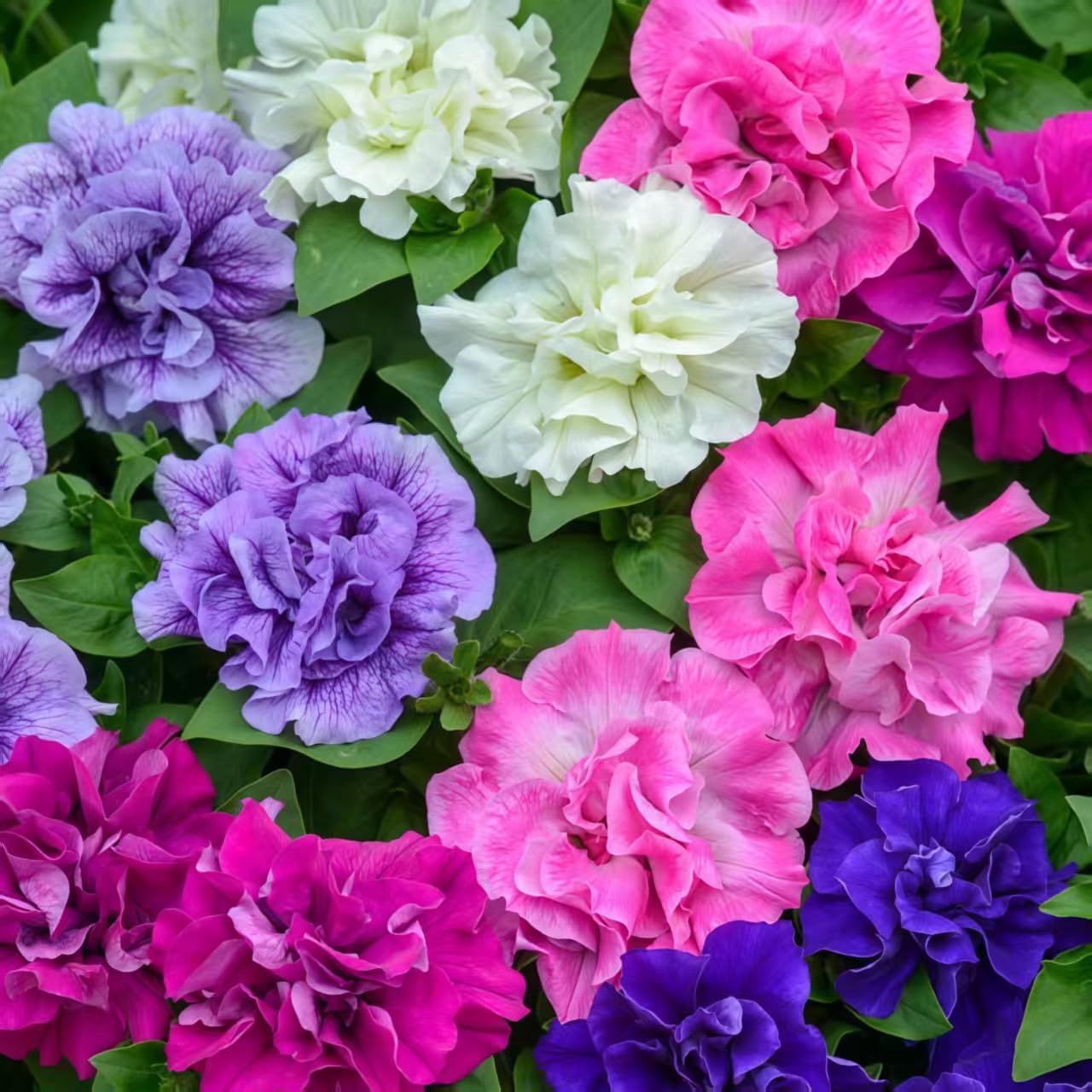
These BuggyBeds double dwarf petunia seeds produce a profusion of compact, colorful blooms well suited to hanging baskets, window boxes, and small container gardens in full sun. They are typically sown indoors or directly in containers, then transplanted or thinned so each plant has room to spill and fill a basket. The mix includes reds, pinks, purples, and whites and is described as heat and sun tolerant, which helps maintain steady flowering through spring and summer with moderate watering and routine feeding. The plants have a compact habit that keeps baskets full without overwhelming small spaces, and their flowers attract pollinators so they add both color and garden life. Limitations are that germination and color distribution can vary seed to seed and that these are a seasonal annual choice that needs replanting each year; performance also depends on good drainage and regular deadheading or trimming for the longest bloom period.
Best for: Gardeners who want an easy, colorful hanging-basket solution for full-sun locations and prefer starting many plants from seed to fill multiple containers affordably.
Less Ideal for: People seeking instant, uniform mature plants or a no-maintenance perennial solution should consider nursery-grown transplants or perennial alternatives instead.
- Large seed count (300+), enough to populate multiple hangers or containers
- Compact double-dwarf habit ideal for filling hanging baskets and small planters
- Heat and full-sun tolerance supports reliable summer flowering in sunny spots
- Attracts pollinators such as bees and butterflies
- Seed-grown variability means colors and bloom timing are not uniform
- As annuals, plants must be replanted each year to maintain displays
Verdict: A high-count packet of compact, sun- and heat-tolerant petunia seeds that fills hanging baskets with continuous summer color when started and cared for properly.
Generic Geranium Flower Seeds, 10 Count, Heirloom Non-GMO

| Indoor Outdoor Usage | Outdoor |
|---|---|
| Expected Blooming Period | Spring to Fall |
| Sunlight Exposure | Full Sun |
| USDA Hardiness Zone | 10,11 |
| Material Features | GMO Free, Heirloom |
These geranium seeds are a simple, low-cost way to add classic, long-blooming color to window boxes and containers. The packet contains 10 heirloom, non-GMO seeds that are best started indoors 8 to 10 weeks before the last frost or sown directly in well-drained soil once temperatures warm. Geraniums from these seeds prefer full sun but tolerate some light shade, and are noted for attracting pollinators. They reach about 20 inches tall and perform well in sandy, regularly watered soils; once established they show good drought tolerance, which reduces day-to-day maintenance. Important limitations are the small seed count and the variability that comes with seed-grown plants compared with seedlings or plugs, so not every seed will produce a vigorous plant and results depend on successful seed starting and care. For budget window-box projects this packet can supply a few color plants after germination, but expect to supplement with nursery-bought plants if you need a full display quickly.
Best for: Budget-minded gardeners who want to grow classic geraniums from seed for a few sunny window boxes and are willing to start seeds indoors and nurture seedlings.
Less Ideal for: Gardeners who need instant, guaranteed full displays or who prefer no-fuss planting should choose pre-grown transplants instead.
- Heirloom non-GMO seeds suitable for gardeners who prefer open pollinated varieties
- Attracts pollinators and provides continuous blooms from spring to fall
- Tolerates full sun and some light shade, versatile for different window-box exposures
- Once established shows drought tolerance and requires relatively low maintenance
- Only 10 seeds in the packet, which may not be enough to fill multiple window boxes
- Seed-grown plants have variable germination and vigor compared with established nursery plants
Verdict: An inexpensive seed option to grow classic, pollinator-friendly geraniums for sunny window boxes if you are willing to start and nurture seedlings.
BuggyBeds Cosmos Flower Seeds, 1000 Count (Long Bloom Season)

| Indoor Outdoor Usage | Outdoor |
|---|---|
| Other Special Features of the Product | Non-GMO |
| Unit Count | 1000 Count |
| Style Name | Long Bloom Season |
These BuggyBeds cosmos seeds provide 1000 non-GMO seeds intended for easy, low-maintenance planting in full sun containers or beds. Cosmos are annuals known for producing abundant, daisy-like flowers from summer into fall, and this packet is aimed at repeat or wide coverage plantings and succession sowing. The seeds are sold in a high-count, long-bloom-season style which makes them useful for filling multiple containers or creating continuous color without frequent replanting. Practical benefits include strong attractiveness to pollinators, simple sow-and-go culture, and versatility for cutting flower use or informal meadows. Limitations are inherent to cosmos as annuals: plants will not overwinter and may need thinning or staking in windy exposed container locations; bloom timing still depends on planting date and local climate. For container growers wanting reliable summer-through-fall color with minimal fuss, these seeds deliver a cost-effective supply to plan out several plantings or larger displays.
Best for: Gardeners who prioritize dependable, low-effort summer and fall color in full-sun containers and prefer buying seed in bulk to plan multiple plantings or larger displays.
Less Ideal for: People wanting winter‑persistent or perennial container plants or those who prefer single large specimen plants rather than masses of annual blooms.
- Very large 1000-count supply suitable for multiple containers or successive sowings
- Non-GMO seed stock for straightforward sow-and-grow culture
- Described long-bloom selection extends flowering from summer into fall
- Attractive to pollinators which helps container displays feel lively and productive
- As annuals, cosmos do not persist past the season and require replanting next year
- Plants can become leggy or flop in windy or exposed container sites without support
Verdict: A reliable, high-count pack of non-GMO cosmos seed for steady, low-maintenance full-sun container color across the season.
KVITER Heirloom 2,000 Mix Dwarf Petunia (Nana Compacta) Seeds

| Indoor Outdoor Usage | Outdoor |
|---|---|
| Other Special Features of the Product | Attracts Pollinators, Drought Tolerant, Extended Bloom Time, Growing Guide Included, Made in the USA |
| Expected Blooming Period | Summer |
| Sunlight Exposure | Full Sun |
| Unit Count | 2000 Count |
These KVITER dwarf petunia seeds produce compact, 10‑inch mounded plants that suit small pots, hanging baskets and window boxes in full sun. The mix includes red, pink, purple and white blooms and is sold as 2,000 untreated heirloom seeds with a growing guide included on each packet. Seeds are surface‑sown or very shallowly planted and typically germinate in 7–14 days when kept moist and warm, which makes them straightforward for home gardeners. The plants are described as drought tolerant once established and attractive to hummingbirds and butterflies, so they add continuous color and pollinator activity to sunny hanging baskets. Because these are open‑pollinated, non‑GMO seeds offered in very large quantity, you get many chances to fill multiple baskets or replace plants midseason. Expect some variability in vigor and bloom timing since this is a mixed heirloom lot rather than a uniform hybrid cultivar, so gardeners seeking perfectly consistent size or exact colors may see uneven results. The included planting guide and broad USDA zone range make them an easy choice for risk‑averse gardeners wanting reliable summer color in full sun containers.
Best for: Gardeners who prefer low‑risk, straightforward planting for continuous summer color in full‑sun hanging baskets and small containers and who value heirloom, non‑GMO seed stock.
Less Ideal for: Growers who need uniform, hybrid plug‑quality plants with predictable bloom size and exact color matching should consider cultivar‑specific transplants instead.
- Large seed count (2000) covers many baskets and containers
- Heirloom non‑GMO seeds with growing guide on each packet for beginner confidence
- Compact nana compacta habit suits hanging baskets and small pots without overcrowding
- Attracts pollinators and tolerates light drought once established
- Mixed heirloom seed lots can produce variable flower colors and plant vigor
- Seeds are untreated and may require more careful starting and disease vigilance than treated commercial plugs
Verdict: A high‑count packet of compact heirloom dwarf petunia seeds that delivers easy, pollinator‑friendly summer color for full‑sun hanging baskets and small containers.
Choosing the Right Sun Loving Plants for Window Boxes: Key Factors to Consider
Sun Exposure and Heat Tolerance
Window boxes on south- or west-facing walls can receive intense midday and late-afternoon sun that heats soil and foliage. Choose plants rated for full sun and that resist leaf scorch. Heat-tolerant species keep producing flowers and maintain foliage color rather than shutting down during hot spells.
Consider how reflected heat from nearby walls or pavement increases thermal stress. Plants that survive strong reflected warmth are less likely to drop flowers or develop crispy leaf margins, reducing the need for replacement or shading.
Soil Volume and Root Space
Window boxes are shallow and limit root depth and spread. Plants with compact root systems or trailing habits that do well in shallow mixes are better suited than deep-rooted types. Roots that become root-bound will suffer reduced water and nutrient uptake, so prefer species known to tolerate restricted container volumes.
Also think about planting density. Crowding can accelerate drying and increase disease risk. Choose plants whose mature root mass matches the planter depth to avoid frequent repotting or premature decline.
Drought and Watering Needs
Soil in window boxes dries faster than in-ground beds because of exposure and limited volume. Pick plants that tolerate intermittent drying between waterings or have low to moderate water requirements. This reduces the frequency of hand watering and the risk of water stress during busy periods or heat waves.
For water-sensitive sites, select species that respond well to thorough but infrequent watering rather than constant light moisture. That habit helps roots grow deeper into the available soil and improves resilience during hot spells.
Growth Habit and Visual Role
Decide whether you want an upright clump, a trailing spiller, or a mix of thriller-spiller-filler combinations. Trailing forms soften edges of window boxes and cascade over the front, while upright plants add vertical interest and showy focal points. Choose forms that match the box width and the visual effect you want.
Also consider seasonal changes. Some plants put on their best display early in the season and decline later, while others rebloom or maintain foliage interest for months. Combining growth habits extends visual appeal without frequent replanting.
Bloom Timing and Longevity
For continuous color, prioritize plants with long bloom windows or repeat-flowering habits. Early-only bloomers can be useful for spring displays but may leave gaps later. Mixing long-blooming species with shorter-lived accents keeps the box looking full and colorful over a longer period.
Understand how deadheading, pruning, or light feeding affects bloom longevity. Some plants require regular deadheading to keep producing flowers, while others bloom freely without much maintenance.
Maintenance and Pest Resilience
Window boxes are visible and often close to living spaces, so low-maintenance, pest-resistant plants reduce ongoing work. Choose species with moderate fertilizer needs, low susceptibility to common container pests, and that do not require frequent pruning or staking.
Also consider winter behavior if you keep boxes year-round. Evergreen or semi-evergreen foliage reduces winter bare spots, while tender annuals will need removing. Factor in how much seasonal turnover you are prepared to manage.
Selecting the Right Soil Mix
A tailored potting mix makes a big difference in window boxes. Use a light, fast-draining container mix with good organic content so roots get air as well as moisture. Heavy garden soils retain too much water and can compact in shallow planters.
Additives such as small amounts of coarse sand or perlite improve drainage, while a slow-release balanced fertilizer incorporated at planting eases early nutrient needs. For particularly hot, exposed sites a mix with better moisture retention, like added coconut coir or compost, helps reduce watering frequency.
- Aim for a mix that drains but holds moisture long enough between waterings.
- Match mix depth to root needs; very shallow boxes need lighter, faster-wetting blends.
- Avoid mixes with excessive peat that dry into hydrophobic clumps in strong sun.
Planting and Arrangement Tips
Place taller or more upright specimens toward the back of the box and trailing plants at the front so they can spill over. Group plants with similar water and sun requirements together to simplify care.
Allow enough spacing so air circulates around foliage. Crowded plants shade the soil surface irregularly and can accelerate pest and disease problems. When planting, tease roots gently so they spread into the shallow soil rather than staying in tight nursery pots.
- Use a mix of thriller, filler, and spiller habits for a balanced look.
- Consider staggered planting dates to extend bloom across the season.
- In very sunny windows, rotate boxes or shift pots slightly during extreme heat to prevent one side from burning.
Watering Strategy for Hot, Sunny Spots
Water deeply and less frequently to encourage roots to explore the available soil. Light surface watering dries quickly and stresses plants. Check moisture by slipping a finger into the mix or using a moisture meter if you want objective feedback.
Morning watering is ideal in hot locations because it hydrates plants through the day and reduces nighttime dampness that can invite fungal issues. Mulching the soil surface with fine bark or gravel reduces evaporation and keeps roots cooler in reflected heat.
- Adjust frequency for heat waves; plants may need daily checks in peak summer.
- Use saucers or irrigation spikes for consistent supply if you are away for short periods.
Seasonal Care and Overwintering
Regular deadheading and light trimming keep many sun-loving window-box plants producing. Reduce feeding in late summer to help plants harden before any cooler weather. If you keep boxes through fall and winter, replace tender annuals with hardy fillers or tidy up spent material to prevent rot.
For boxes fixed to a sunny wall, monitor root temperature in extreme cold. Insulate containers or move them inward if plants are marginally hardy and you want to preserve them through the season.
- Plan for seasonal swaps to maintain continuous color.
- Cut back perennials according to their growth cycle rather than on a fixed calendar.
Designing Color and Texture Combinations
Mix foliage textures and flower forms to create interest that lasts beyond peak bloom. Small, delicate flowers can read as a wash of color when paired with bold-leafed fillers. Choose a dominant hue and add one or two accent colors to avoid a chaotic look.
Contrasting leaf colors and variegation help a box look full even when a few plants are between blooms. Trailing foliage softens edges and draws the eye downward, balancing upright accents.
- Combine different bloom times to avoid gaps.
- Use repetition of one or two colors to unify the arrangement.
How We Chose the Best Sun Loving Plants for Window Boxes
We shortlisted options based on traits that actually matter for window-box planting rather than broad garden performance. Key filters included reliable sun tolerance, compact or trailing growth habits that suit narrow boxes, and proven drought tolerance for situations where soil dries quickly. We prioritized plants with extended bloom windows or long season foliage interest so a single box stays attractive with minimal rotation. Root system size and container adaptability were assessed to ensure the plants fit typical shallow window boxes and do not require deep soils. Plants that demand heavy shade, very deep soil, or extensive staking were excluded. We also filtered out choices that need constant fertilizer or daily attention to avoid options that are impractical for casual gardeners. In practice we focused on sun tolerance, container rooting habit, water needs, bloom duration and habit, and pest or disease resilience. Those dimensions guided selection and inform the scoring metrics used in product blocks.
FAQ
How much sun do window boxes labeled for full sun actually need?
Full sun usually means at least six hours of direct sunlight per day. In practice, midday and afternoon sun is the most demanding, so choose plants rated for strong sun if your box gets extended bright exposure.
Can I grow sun-loving plants in shallow boxes without constant watering?
Some sun-loving plants are drought tolerant and manage intermittent drying, but shallow boxes generally require more frequent checks. Use a moisture-retentive but well-draining mix and group plants with similar water needs to reduce labor.
Will reflected heat from a brick wall damage plants?
Reflected heat can increase leaf scorch and soil drying. Choose heat-tolerant species and consider using a mulch or slightly moisture-retentive mix to buffer temperature spikes. Occasional afternoon shading also helps in extreme heat.
How often should I fertilize window-box plantings in full sun?
A light feeding every four to six weeks during the main growing season is common for flowering container displays. If you used a slow-release fertilizer at planting, reduce supplemental feeding and observe vigor before adding more.
Are trailing plants better than upright ones for narrow window boxes?
Trailing plants visually soften the box front and can cover edges well, while upright plants provide height and focal points. Combining both types usually gives the best balance for a narrow window box.
How do I handle winter care for sun-loving container plants?
Winter care depends on plant hardiness. For tender annuals, remove them before frost and replace with hardy fillers or evergreen foliage. For marginally hardy perennials, insulate containers or move boxes to a protected location.
Final Verdict
When selecting sun-loving plants for window boxes, prioritize sun and heat tolerance, appropriate root habit for shallow soil, and drought resilience. Balance visual goals by mixing growth habits and choosing long-blooming species to minimize gaps. Tradeoffs are inevitable: higher-impact bloomers may need more deadheading and water, while low-maintenance choices may offer less nonstop color. Focus on the criteria most important for your site and schedule, and you will end up with a durable, attractive window-box display.
