

Note: This article contains affiliate links. If you click on these links and make a purchase, I may earn a small commission at no extra cost to you. This helps support my research and content. Read my full affiliate disclosure here.
Working in the garden during chilly months changes how tools and materials feel and how long you can stay outside. The right warm gardening gloves keep your hands comfortable without costing nimble finger control for seeding, pruning, or potting. This guide covers five shortlisted warm gardening gloves that perform well in cold conditions for typical yard, patio, and greenhouse tasks. We evaluated each glove on insulation, grip in wet conditions, durability under daily garden use, and fit and dexterity. Read on to learn which features matter most for the specific tasks you do and what tradeoffs to expect when choosing cold-weather garden gloves.
Top Picks at a Glance
| Best Overall The best all-around choice for most situations | HANDLANDY Waterproof Insulated Winter Work Gloves with 3M Thinsulate |  |
| Best Quality Built to a higher standard if you want something more solid | toolant Winter Insulated Leather Work Gloves with Ribbed Cuff |  |
| Best Value The sweet spot between price and what you get | COOLJOB Waterproof Fleece-Lined Winter Gardening Work Gloves, Large |  |
| Best Budget The cheapest option that still gets the job done reliably | SHOWA 451 Insulated Latex-Coated Work Gloves |  |
| Highest Rated A top-rated pick with lots of positive feedback | Tillman 1425 Top Grain Cowhide Fleece-Lined Winter Work Gloves, Small |  |
HANDLANDY Waterproof Insulated Winter Work Gloves with 3M Thinsulate

| Material | synthetic leather & cotton lining |
|---|---|
| Insulation | 3M Thinsulate |
| Care | Machine Wash |
| Closure Type | Pull On |
These HANDLANDY gloves are built for cold-weather outdoor work, combining a water-resistant shell, a waterproof bladder membrane, and 3M Thinsulate insulation to keep hands warm and dry while you work. Reinforced synthetic leather palms and touchscreen-capable thumb and index fingertips make them practical for tasks that demand grip and occasional phone use without removing gloves. Pull tabs help with on/off and the gloves are machine washable if handled gently. They are pitched for active use down to about -20°F for tasks like shoveling, yard work, construction, and groundskeeping where both warmth and hand mobility matter. Expect a snug fit for some people so sizing up when between sizes is advised. While the gloves resist splashes and wet snow, the waterproof layer is not intended for full submersion, and heavy continuous soaking may reduce performance over time. For someone who needs durable grip, insulation without bulk, and the ability to use a touchscreen in winter, these cover the core needs effectively.
Best for: Gardeners and outdoor workers who need warm, flexible gloves for tasks like shoveling, pruning, and general yard work in cold, wet weather and who value grip and occasional touchscreen use.
Less Ideal for: People who need gloves for prolonged immersion in water or those seeking ultra-thin precision gloves for delicate handwork like seed planting or fine grafting.
- 3M Thinsulate lining offers high warmth with minimal bulk for better dexterity
- Water-resistant outer shell plus a waterproof bladder membrane to block rain and snow
- Reinforced synthetic leather palms and fingertips improve grip and abrasion resistance
- Touchscreen-capable thumb and index fingers let you use a phone without removing gloves
- Pull tabs and machine-washable construction add convenience for regular outdoor use
- Not rated for full submersion so prolonged wet conditions can reduce waterproof effectiveness
- Sizing runs slightly small for some users, so selecting a larger size may be necessary
Verdict: A warm, grippy, water-resistant winter work glove that preserves hand dexterity for most cold-weather gardening and outdoor tasks.
toolant Winter Insulated Leather Work Gloves with Ribbed Cuff
| Brand | toolant |
|---|---|
| Price | From $23.99 |
| Item type | Winter insulated leather work gloves |
| Store author | Visit the toolant Store |
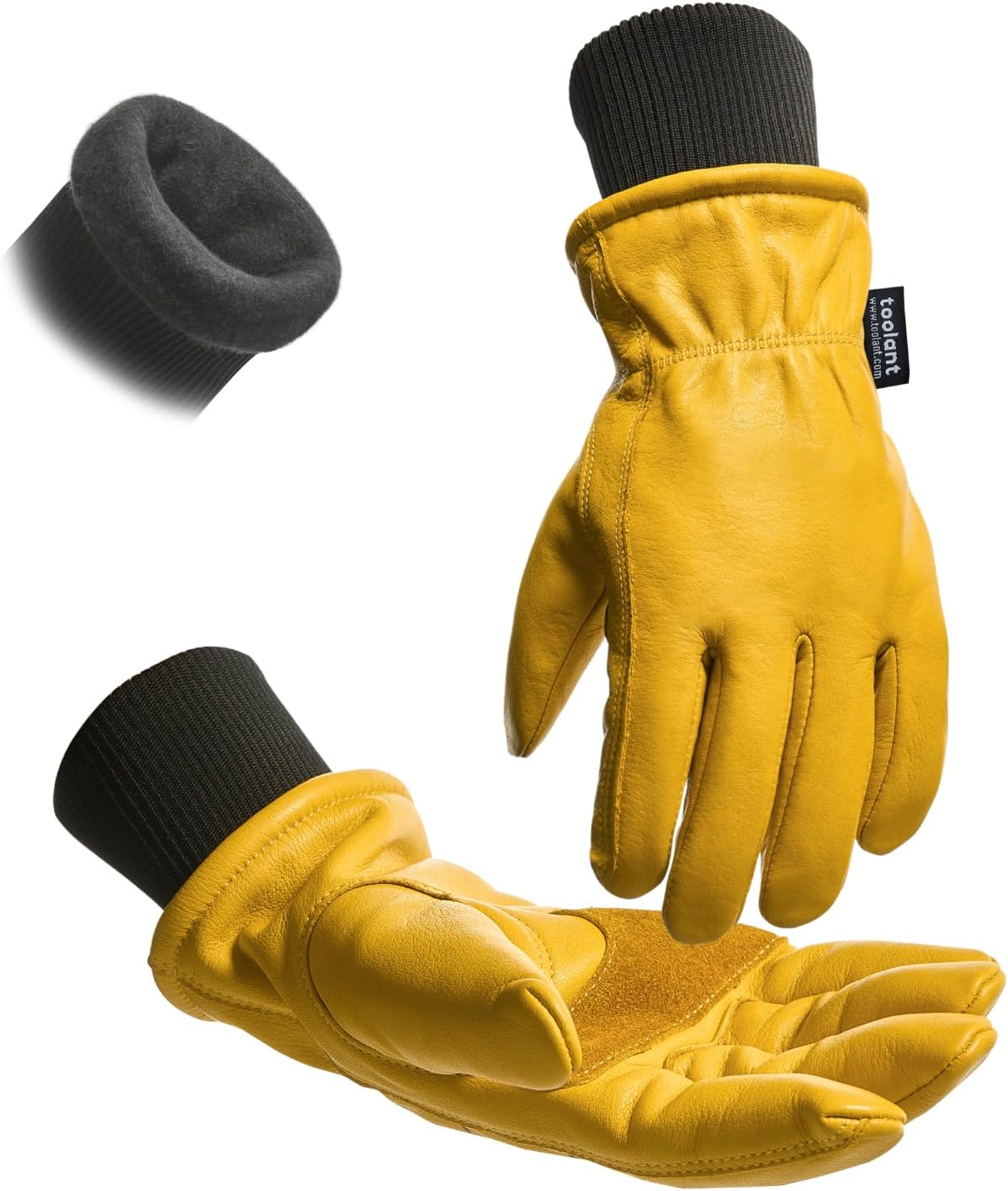
These toolant winter insulated leather work gloves combine a leather exterior with interior insulation to keep hands warm while maintaining dexterity for gardening and outdoor chores. They are typically used for cold-weather pruning, digging in frozen soil, moving wood, and general yard work where both protection and warmth matter. The ribbed cuff helps seal out cold air and debris while the leather surface resists abrasion and punctures common when handling branches, tools, and rough materials. Practical benefits include improved grip and hand protection compared with knit gloves plus the ability to perform precise tasks without removing gloves. Limitations to note are that leather can stiffen if it gets wet and insulation adds bulk that reduces fingertip sensitivity compared with thin work gloves, so they are less suitable for very detailed seed work or prolonged wet conditions. Care with drying and occasional leather conditioning will extend their service life.
Best for: Gardeners who prioritize warmth and hand protection for cold-weather pruning, clearing, and general outdoor maintenance and want gloves that handle tougher jobs without constant removal.
Less Ideal for: Not a great choice for gardeners who need very fine touch for seed sowing, delicate transplanting, or for those who work primarily in consistently wet conditions.
- Leather exterior offers good abrasion and puncture resistance for handling branches and tools
- Insulation provides measurable warmth for cold-season gardening tasks
- Ribbed cuff helps keep out cold air and debris during outdoor work
- Insulation and leather bulk reduce fingertip sensitivity for very fine tasks
- Leather can stiffen or degrade if repeatedly exposed to moisture without proper care
Verdict: Choose these gloves if you need warm, abrasion-resistant hand protection for cold-season gardening and heavier outdoor tasks.
COOLJOB Waterproof Fleece-Lined Winter Gardening Work Gloves, Large

| Material | Latex |
|---|---|
| Lining | Fleece, terry |
| Waterproof | True |
| Closure Type | Pull On |
These gloves are built for cold, wet outdoor work. A thick fleece lining with terry inner material traps heat while a double-dipped latex coating makes the exterior fully waterproof and improves grip on tools and slippery surfaces. They are typically used for snow clearing, winter gardening, car washing, and general outdoor chores where warmth and dexterity matter. The pull-on, stretch fit and wing thumb let you handle pruning shears, shovels, and hand tools with control, and the sandy latex texture on the palm reduces slipping when items are wet. Machine-washable construction and reusable materials make upkeep straightforward. Limitations to note are that heavy latex coating reduces fingertip sensitivity compared with thin gloves and latex can cause reactions in people with latex allergy. They are also a heavyweight option, so fine fingertip tasks like seed sowing or delicate potting may feel less precise than with lightweight garden gloves.
Best for: Buyers who prioritize warmth and reliable waterproofing for winter outdoor chores and want durable gloves that hold tools securely during heavy use.
Less Ideal for: People who need fine finger dexterity for delicate planting or anyone who must avoid latex should consider thinner synthetic or latex-free alternatives.
- Fully waterproof double-dipped latex keeps hands dry in slush and wet conditions
- Thick fleece/terry lining provides thermal warmth for winter chores
- Textured latex palm delivers a reliable non-slip grip on tools and wet surfaces
- Machine washable and reusable for easy cleaning after heavy outdoor use
- Latex construction can reduce fingertip sensitivity for very fine tasks
- Not suitable for users with latex allergies
Verdict: Choose these gloves if you want warm, fully waterproof winter gardening gloves that deliver a strong non-slip grip for messy outdoor work.
SHOWA 451 Insulated Latex-Coated Work Gloves

| Manufacturer | SHOWA |
|---|---|
| Date First Available | August 13, 2026 |
| Customer Reviews | 4.6 out of 5 stars (229) |
The SHOWA 451 are insulated, latex-coated work gloves designed for landscaping, construction, and general cold-weather gardening. They pair a thermal liner with a textured latex coating on the palm and fingers to keep hands warmer than thin garden gloves while maintaining a solid grip on tools, pots, and wheelbarrow handles. In use they feel more protective than knit gloves and are well suited to digging, pruning, and moving materials in cool to moderately cold conditions. Notable features from the brand line include breathable liner technology and an emphasis on durability, which translates to longer wear before holes appear compared with disposable or light knit gloves. These are straightforward, no-frills gloves that prioritize function over fashion. Limitations are that they are not rated as heavy‑duty cut resistant and will be bulkier than thin dexterity gloves, so fine fingertip tasks feel slightly less precise; they also are not a waterproof winter glove for prolonged exposure to wet cold. For gardeners on a budget who need warmth plus reliable grip, these gloves strike a practical balance.
Best for: Gardeners who want affordable, warm work gloves for routine outdoor tasks and value grip and durability over fine fingertip dexterity.
Less Ideal for: If you need waterproof gloves for extended wet work or certified cut‑resistant protection for sharp metal tasks, choose a specialized glove instead.
- Insulated liner provides noticeable warmth for cool-weather gardening
- Textured latex coating offers secure grip with tools and wet surfaces
- Durable construction meant for repeated outdoor use compared with disposables
- Not designed for heavy cut resistance or specialized chemical protection
- Bulkier than thin dexterity gloves, reducing fingertip sensitivity
Verdict: A budget-friendly insulated work glove that delivers reliable warmth and a secure latex grip for everyday cold-weather gardening.
Tillman 1425 Top Grain Cowhide Fleece-Lined Winter Work Gloves, Small
| Material | Top grain cowhide |
|---|---|
| Lining | Fleece liner |
| Size | Small |
| Department | Unisex |
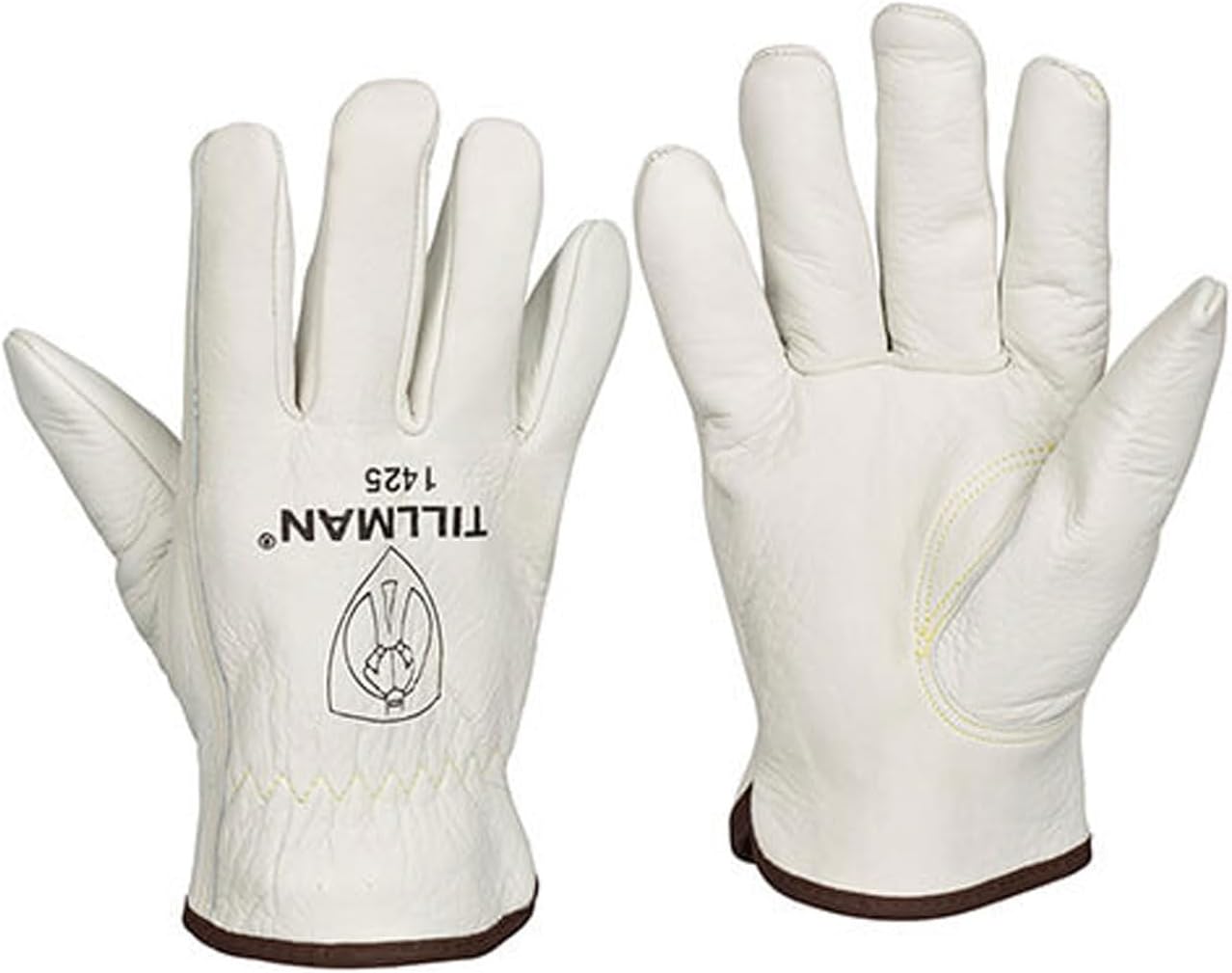
These Tillman 1425 gloves pair top-grain cowhide with a fleece liner to deliver reliable warmth and protection for cold-weather gardening and light outdoor labor. The keystone thumb and double-stitched forefinger improve articulation and reinforce a common wear point, so the gloves hold up when gripping tools, pruning, or handling rough materials. A cinched wrist helps keep out debris and preserves heat without bulk that would reduce dexterity. In practice they feel substantial yet allow enough finger movement for pruning and potting; the fleece adds warmth but is not waterproof so hands can still become wet in damp conditions. Sizing runs typical for work gloves and the small fits narrower hands comfortably. These are built for repeat use rather than occasional fashion wear, making them a dependable choice if you want durable, warm hand protection for regular winter gardening tasks.
Best for: Gardeners who prioritize reliable, long-lasting hand protection and warmth for frequent cold-weather outdoor work and tool use.
Less Ideal for: People who need waterproof gloves for wet conditions or who require very fine fingertip sensitivity for delicate tasks.
- Top-grain cowhide construction provides durable abrasion resistance for repeated outdoor use
- Fleece lining adds noticeable warmth for cold-weather gardening
- Keystone thumb and double-stitched forefinger improve grip and durability in high-wear areas
- Cinched wrist helps keep debris out and retains warmth without excessive bulk
- Not waterproof so gloves will get wet and lose insulating ability in damp conditions
Verdict: A rugged, fleece-lined cowhide glove built to deliver dependable warmth and long-term durability for regular winter gardening and outdoor work.
Choosing the Right Warm Gardening Gloves: Key Factors to Consider
Insulation Type and Thickness
Insulation determines how long your hands stay warm during extended outdoor work. Synthetic fills and fleece liners trap air and provide consistent warmth even when damp, while thicker batting may feel warmer at rest but reduce finger sensitivity.
Too much bulk in the palm or between fingers limits fine manipulation of seed packets, small pruners, or plant labels. Look for insulation that balances thermal performance with a slim profile in the fingers and palm so you can still handle small garden tasks without constantly removing the gloves.
Palm Material and Reinforcement
The palm is the work surface that sees soil, spade edges, and wire. Materials such as reinforced synthetic leather, nitrile coatings, or textured rubber give grip and resist abrasion from repeated digging and lifting pots.
Reinforcements at the thumb and index finger extend glove life where wear concentrates. Consider whether the palm material sheds mud easily and whether it keeps a good grip when wet; some coatings become slippery when soaked, while textured nitrile or silicone patterns often perform better in damp conditions.
Fit, Finger Shape, and Closure
A glove that fits poorly will sacrifice warmth or function. Gloves that are too loose allow cold air in and reduce dexterity; gloves that are too tight restrict circulation and can actually make hands colder. Look for options with articulated fingers, pre-shaped finger seams, or stretch panels for a closer fit.
Wrist closures such as elastic cuffs, hook-and-loop straps, or extended gauntlets control how much cold air and debris enter the glove. Choose based on the tasks you do: tighter cuffs work well for pruning and potting, while longer gauntlets are useful for working in raised beds or brambles.
Water Resistance and Breathability
Garden work in cold seasons is often wet. A glove that blocks rain and soil moisture will keep insulation effective longer, but fully waterproof membranes can trap sweat during active tasks. Breathable yet water-resistant shells strike a balance, keeping external moisture out while letting some internal moisture escape.
If you tend to stay active and warm up during chores, prioritize breathability to avoid clammy hands. For short, exposed tasks in sleet or heavy rain, choose gloves with stronger water resistance or a treated outer fabric.
Tactile Feedback and Tool Control
Many gardening tasks rely on precise fingertip control. Sewing seeds, handling twine, or adjusting potting mixes requires tactile feedback. Thin, reinforced fingertips or finger overlays designed for grip allow you to maintain control without exposing skin to cold.
Consider gloves with touchscreen-compatible tips if you frequently consult plant apps or take photos while working. Even simple textured fingertips improve handling of small fasteners and plant labels, reducing the need to remove gloves and interrupt work.
Durability and Care
Durability affects long-term cost and reliability. Reinforced seams, abrasion-resistant palms, and quality stitching keep gloves serviceable season after season. Consider how often you will kneel, weed, or handle rough materials when judging expected wear.
Care requirements matter: some insulated gloves tolerate machine washing while others need gentle hand cleaning or spot care to preserve insulation and coatings. Choose gloves whose maintenance fits how often you will use them and your willingness to follow care instructions.
Cold-Weather Tasks and Glove Matchups
Different gardening chores demand different balances of warmth and dexterity. For quick tasks like collecting frost-damaged leaves, a warmer but slightly bulkier glove may be fine. For fine work such as transplanting seedlings or grafting, a slim insulated glove with excellent fingertip control is a better match.
- Digging and potting: prioritize palm durability and water resistance.
- Pruning and tying: prioritize dexterity, fingertip control, and a secure fit.
- Seed sowing and transplanting: prioritize thin insulation at fingers and good tactile feedback.
Maintaining Warm Gloves Through the Season
Proper care preserves insulation and grip. Shake out or brush off wet soil before storage, and let gloves dry fully at room temperature away from direct heat to avoid breaking down coatings or insulation. Treat leather palms lightly with appropriate conditioners to keep them supple and less likely to crack.
- Air-dry rather than machine-dry to protect insulation.
- Clean mud off promptly to prevent abrasive wear.
- Use a breathable storage bag to avoid mildew.
Layering Gloves for Variable Temperatures
Layering lets you adapt warmth and dexterity on the fly. A thin liner glove under a warmer, reinforced outer glove increases thermal insulation and makes it easy to remove the outer layer for fine tasks without exposing skin. Liners also wick sweat away from the skin and are easy to launder.
- Choose thin, moisture-wicking liners for active tasks.
- Test fit layered gloves before buying to ensure tool control remains acceptable.
- Keep spare liners in your garden shed for quick changes.
Materials to Look For and What They Mean
Common materials each bring tradeoffs. Fleece liners are warm and comfortable but can retain moisture. Synthetic insulations like polyester batting keep loft when damp and are easier to dry. Palm coatings such as nitrile or textured rubber offer superior wet grip compared with untreated fabrics, while leather offers toughness and abrasion resistance with proper care.
- Fleece: warm and soft, may retain moisture.
- Synthetic fill: consistent insulation and faster drying.
- Nitrile or rubberized palms: excellent wet grip and abrasion resistance.
How We Chose the Best Warm Gardening Gloves
Our selection started by identifying gloves designed specifically for gardening in cold conditions and then narrowing to options gardeners are most likely to use outdoors. We applied concrete, garden-focused filters to make the list practical and relevant. We prioritized insulation materials and construction that preserve warmth without bulk, because excessive thickness reduces dexterity for tasks like tying, seed sowing, and pruning. Grip and wet-weather traction were next, since cold gardening often coincides with damp soil and tools; we favored textured palms or coatings that shed water and maintain hold. Durability under abrasion came from testing reports and material specs for palms and reinforcements where repeated scraping or kneeling occurs. Fit and dexterity were judged by stretch, finger tapering, and closure systems that keep warmth in without restricting motion. Breathability and moisture management were considered to reduce sweat buildup during active work. We excluded gloves that were primarily fashion or winter sports gloves without gardening-specific features, and anything lacking palm reinforcement or reasonable dexterity for hand tools. Final selections balanced warmth with real-world usability in garden tasks.
FAQ
Can I use insulated gloves for pruning and detailed work?
Often yes, but it depends on the glove's thickness and finger design. Look for slim-profile insulated gloves with articulated fingers or fingertip reinforcement to maintain control. For very fine work, a thin liner under a warmer outer layer can be the best compromise.
How do I dry gloves that get soaked while gardening?
Air-dry them at room temperature and open any closures to let air circulate. Avoid direct heat sources that can damage insulation or coatings. If the gloves have removable liners, take those out to speed drying.
Are leather palms better than synthetic coatings for cold, wet soil?
Leather is durable and forms a good grip when dry, but it can stiffen if repeatedly soaked unless treated. Synthetic coatings like nitrile often maintain grip when wet and require less maintenance. Choose based on how often you expect wet conditions and your willingness to care for leather.
Should I get gloves with touchscreen fingertips?
Touchscreen tips are useful if you frequently check plant apps or take photos without removing gloves. They are typically thin and may slightly reduce insulation at the fingertip, so decide whether convenience or maximum warmth is more important for your usual tasks.
How long should warm gardening gloves last with regular use?
Lifespan varies with materials and tasks. With routine care and moderate use, reinforced palms and quality stitching can last several seasons. Heavy abrasion, frequent washing, and working with thorny plants will shorten usable life.
Final Verdict
When choosing warm gardening gloves, prioritize the combination of insulation and dexterity that matches your most common tasks. If you do a lot of fine work, favor slim insulated options or a liner-plus-outer system. If you dig, pot, or handle rough materials, emphasize reinforced palms and water-resistant coatings. Tradeoffs are inevitable: thicker insulation increases warmth but reduces touch sensitivity, while thinner gloves improve control at the expense of some thermal protection. Use the decision criteria above to match gloves to your chores and climate, and maintain them properly to get the best service season after season.
