

Note: This article contains affiliate links. If you click on these links and make a purchase, I may earn a small commission at no extra cost to you. This helps support my research and content. Read my full affiliate disclosure here.
If you want a lively patio, stoop, or balcony through the cold months, the right plant choices make all the difference. Winter planting in containers extends interest when garden beds go dormant and lets you control soil, drainage, and microclimate. This guide shortlists seven reliable winter plants for containers that deliver color, texture, or evergreen structure while coping with frost and limited light. We evaluated candidates for cold hardiness, container performance, maintenance needs, and seasonal interest. Below are our top picks and practical notes to help you pick the best options for your porch, small patio, or greenhouse container plantings.
Top Picks at a Glance
| Best Overall The best all-around choice for most situations | PERFECT PLANTS Wintergreen Boxwood, 1 Gallon Evergreen Shrub |  |
| Best Quality Built to a higher standard if you want something more solid | Green Promise Farms Buxus microphylla 'Winter Gem' Boxwood (#3 container) |  |
| Best Value The sweet spot between price and what you get | Mixrug Giant Mixed Pansy Seeds (200 Count) |  |
| Best Budget The cheapest option that still gets the job done reliably | Sunutri Seeds German Winter Thyme Seeds (Heirloom, Non-GMO) |  |
| Highest Rated A top-rated pick with lots of positive feedback | CZ Grain Paperwhite Narcissus Bulbs (10 bulbs) |  |
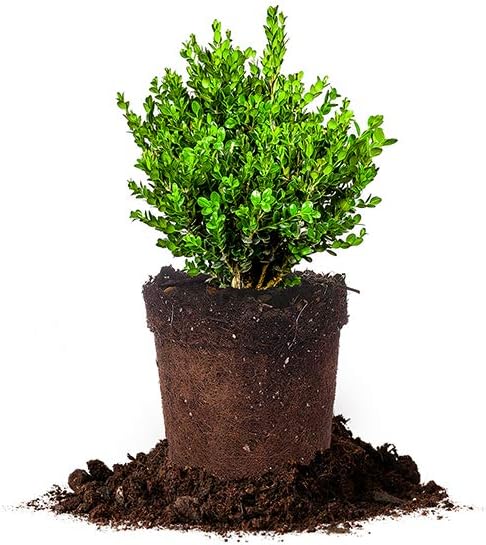
PERFECT PLANTS Wintergreen Boxwood, 1 Gallon Evergreen Shrub
| Expected Blooming Period | Spring |
|---|---|
| Sunlight Exposure | Full Sun |
| Expected Planting Period | Winter |
| Soil Type | Sandy Soil |
| Moisture Needs | Moderate Watering |
The Wintergreen boxwood is a compact, cold-tolerant evergreen shrub commonly used as a small hedge, border plant, or container specimen. It ships as a 1-gallon live plant with a care guide and starter plant food to help establishment. In use you can place it in full sun sites and expect moderate watering needs; it tolerates winter conditions better than many boxwood varieties and keeps a dense, dark green habit. It produces small clusters of creamy-white flowers in spring and responds well to pruning just before the growing season, so shaping or keeping a tidy form is straightforward. Practical benefits include easy maintenance, multi-purpose landscape use, and improved establishment from the included plant food and instructions. Limitations are typical of 1-gallon nursery stock: it will take time to reach mature height and width, and it is not sold for shipment to California or Arizona which restricts where you can use it.
Best for: Gardeners who want a low-maintenance, cold-hardy evergreen that can be used in containers or small hedges and who value an easy-to-establish plant with guidance included.
Less Ideal for: People who need an immediately full-size specimen or gardeners located in states where the plant is not shipped.
- Cold-tolerant variety that stays dense and green through winter
- Includes care guide and specially blended plant food for easier establishment
- Responds well to pruning for shaping or maintaining a formal hedge
- Versatile uses: hedging, borders, or container planting
- Sold as 1-gallon stock so several seasons of growth are needed to reach mature size
- Does not ship to California or Arizona
Verdict: A hardy, low-maintenance boxwood that works well in containers or small hedges and comes with plant food and care guidance to help it establish.
Green Promise Farms Buxus microphylla 'Winter Gem' Boxwood (#3 container)

| Sunlight Exposure | Partial Sun |
|---|---|
| Expected Planting Period | Winter |
| Moisture Needs | Moderate Watering |
| Product Care Instructions | plant in usda zones |
The 'Winter Gem' boxwood is a compact evergreen shrub that provides seasonal color and structure for containers and small garden spaces. It produces bright chartreuse new growth in spring that deepens to glossy green through summer and often shows golden bronzing in cooler months, so it stays attractive in winter container displays. Typical use is in single specimen pots, paired arrangements, or multiple plants lined as a low hedge; occasional light pruning keeps a neat, dense form. Notable practical features are its tolerance of full or partial sun and moderate water needs, which simplify care in mixed-container plantings. It is recommended for planting in USDA zones 5 to 8 and ships in a #2 size container ready to plant. Limitations are that it prefers sandy, well-draining soil and moderate watering so heavy clay or chronically wet containers will need amended medium and good drainage to avoid root issues. Mature spread and height make it better for medium containers rather than very small pots where root crowding can stress the plant.
Best for: Gardeners who need a low-maintenance evergreen for winter container displays or clipped hedging and value reliable seasonal color and compact form.
Less Ideal for: People wanting very fast-growing screening or those with heavy clay or waterlogged container conditions should consider different species.
- Evergreen foliage provides year-round structure and winter interest
- Vigorous, compact habit responds well to light pruning for formal shapes
- Tolerates full sun to partial shade, useful in a range of container exposures
- Ships in a ready-to-plant container so it can be installed immediately
- Prefers sandy, well-draining soil so containers need an amended mix and good drainage
- Not suited to constantly wet conditions which can cause root stress
Verdict: Choose 'Winter Gem' when you want a tidy, winter-hardy evergreen boxwood that holds color and shape in containers with minimal seasonal fuss.
Mixrug Giant Mixed Pansy Seeds (200 Count)

| Indoor Outdoor Usage | Outdoor |
|---|---|
| Expected Blooming Period | Winter |
| Sunlight Exposure | Full Sun |
| USDA Hardiness Zone | 9 |
| Unit Count | 200 Count |
These Mixrug giant pansy seeds are aimed at gardeners who want big, cool‑season blooms for containers and edging beds. The packet contains 200+ heirloom seeds of mixed colors that are described as drought tolerant, fragrant, and cold hardy in milder climates. Sow in well‑drained, sandy soil with full sun exposure and keep soil regularly watered; plants will establish quickly and begin flowering in weeks and continue through fall, winter and spring in suitable zones. Key practical benefits are the large flower size for strong visual impact in window boxes or patio containers, pleasant scent that adds to outdoor enjoyment, and the ability to tolerate light frosts so you get color when many other plants are dormant. Limitations to expect are that performance depends on your USDA zone and winter severity — these act as perennials only in milder areas and are typically treated as annuals elsewhere — and seed packets can produce variable germination, so dense plantings or successive sowings are wise for steady displays. For container use, start extra seedlings and protect pots during hard freezes to maintain continuous color.
Best for: Best for gardeners wanting reliable cool‑season color in containers who prioritize quick establishment, fragrant large blooms, and planting efficiency across multiple pots or beds.
Less Ideal for: Not a good choice for gardeners in very cold climates who need truly hardy perennials or for those who prefer fully specified germination and provenance data.
- Large, showy blooms that provide strong visual impact in containers and borders
- Heirloom non‑GMO seed mix preserves flower characteristics and fragrance
- Cold tolerant and blooms through fall, winter and spring in milder climates
- Generous 200+ seed count suitable for multiple containers or staggered plantings
- Typically grown as annuals outside mild zones so long‑term perennial performance is limited
- No germination rate provided so expect variability and plan for extra sowing
Verdict: A high‑count packet of heirloom giant pansy seeds that delivers big, fragrant cool‑season blooms ideal for creating continuous color in winter container displays.
Sunutri Seeds German Winter Thyme Seeds (Heirloom, Non-GMO)

| Sunlight Exposure | Full Sun |
|---|---|
| Moisture Needs | Moderate Watering |
| Other Special Features of the Product | High Germination Rate |
| Material Features | GMO Free, Heirloom, Natural |
| Number of Pieces | 250 |
These Sunutri German Winter Thyme seeds are aimed at gardeners wanting a reliable, cold-hardy thyme for containers and small outdoor spaces. The tiny heirloom, non-GMO seeds are surface-sown on moist seed-starting mix and need bright light to germinate; once established the plants prefer full sun, fast-draining soil, and moderate watering. In containers or raised beds they form compact, fragrant stems that are easy to harvest fresh or dry for long-term use. Notable features include a high germination rate claim and winter hardiness, which make it practical for year-to-year return in milder cold conditions. Because the seeds are packaged in bulk (about 250 pieces), you can plant multiple pots or share extras, which helps stretch a tight gardening budget. Limitations: tiny seeds require careful surface sowing and patience during germination, and performance will depend on local winter severity and site drainage rather than the seed packet alone.
Best for: Budget-minded container gardeners who want a dependable, low-maintenance culinary herb that can be grown in pots or small beds and reused year after year.
Less Ideal for: Gardeners in regions with severe, prolonged freezes or consistently wet winters who need guaranteed survival without winter protection.
- Cold-hardy perennial suitable for winter return in many climates
- Heirloom non-GMO seeds for culinary use
- High germination rate indicated, useful for maximizing yield from a packet
- Large seed count (about 250) lets you populate several containers or share extras
- Very small seeds require careful surface sowing and consistent light for reliable germination
- Winter performance depends on local climate and drainage rather than guaranteed survival
Verdict: An economical choice for container gardeners who want a cold-hardy, culinary thyme that returns year after year.
CZ Grain Paperwhite Narcissus Bulbs (10 bulbs)

| Expected Blooming Period | Summer to Winter |
|---|---|
| Sunlight Exposure | Full Sun |
| USDA Hardiness Zone | Zones 4,5,6,7 and 8 |
| Moisture Needs | Moderate Watering |
| Product Care Instructions | grow in a vase of water indoors |
These CZ Grain Paperwhite Narcissus bulbs are sold for indoor forcing so you can get fragrant white blooms on upright stems through the winter. Plant the bulbs in a shallow pot, bowl, or vase with pebbles and water or in well-draining potting mix, place in bright indirect light, and within weeks you will see green shoots followed by clusters of white flowers. Notable features include no pre-chill requirement, which simplifies winter forcing, and heirloom bulbs that are commonly used for windowsills, holiday centerpieces, and small container arrangements. The bulbs are practical for gardeners who want dependable indoor blooms quickly and with minimal fuss. Limitations are that they are intended for indoor forcing rather than long-term outdoor planting in cold climates and they need moderate watering and bright light to perform well; you should also plan for their strong fragrance when used in small spaces. For container use in winter, these are an easy, reliable way to add seasonal flowers indoors.
Best for: Gardeners who want a low-effort, reliable winter flowering container plant for indoor displays and holiday arrangements and who prioritize dependable bloom timing over outdoor longevity.
Less Ideal for: People looking for perennial garden bulbs to naturalize outdoors or those who need scent-free plants for small, enclosed spaces.
- No pre-chill required so bulbs can be forced indoors quickly
- Fragrant, classic white blooms suited to winter centerpieces and windowsills
- Suitable for forcing in vases, shallow pots, or decorative containers
- Heirloom bulb material suited to reliable annual indoor displays
- Designed for indoor forcing rather than long-term outdoor planting
- Strong fragrance may be overpowering in very small or poorly ventilated rooms
Verdict: An easy, no-chill indoor bulb choice for reliably producing fragrant white Paperwhite blooms in winter containers.
Choosing the Right Winter Plants for Containers: Key Factors to Consider
Cold Tolerance and Hardiness
Cold tolerance is the central factor for winter container plants because pots expose roots to colder temperatures than ground soil does. Choose plants with proven hardiness for your frost level, and remember that a container on a cold surface will lose heat faster than a plant bed. Insulating the pot, grouping containers, or moving them to a sheltered spot can improve survival, but pick species that can handle occasional freezes without complex protection.
Also consider fluctuations in daytime and nighttime temperatures. Some plants tolerate steady cold but suffer from repeated freeze-thaw cycles when roots repeatedly freeze and thaw. Opt for plants known for steady overwintering in confined soil.
Container Size and Root Behavior
Root behavior determines how long a plant will stay healthy in a given pot before root-bound problems arise. Some winter-hardy plants remain compact and adapt well to small containers, while others need larger volumes of soil to avoid stress. Choose container sizes that match the plant's eventual root mass and remember that smaller pots freeze faster, so larger containers provide more insulation and more stable moisture levels.
Also think about long-term plans. If you prefer minimal repotting, select plants that tolerate root restriction. If seasonal change-outs are part of your plan, choose species that transplant easily when spring arrives.
Sunlight and Microclimate Needs
Winter light levels are lower and sun angles are different, so select plants that perform under your actual winter light conditions. Some plants need full winter sun to bloom or retain foliage color, while others tolerate deep shade. Measurement of light at the container site during winter afternoons and mornings helps narrow choices.
Microclimates created by south-facing walls, eaves, or tree windbreaks can make marginally hardy plants succeed. If your containers sit on unheated porches or exposed balconies, prioritize species that tolerate reduced light and higher wind exposure.
Watering, Drainage, and Soil Mix
Water management changes in winter. Plants often need less frequent watering, yet poor drainage can cause roots to rot when temperatures are low. Use well-draining potting mixes and containers with adequate drainage holes. Consider soil blends that retain enough moisture for cold, dry winds without becoming waterlogged.
Check containers less often but more deliberately: shallow pots dry out and then become drought-stressed, while overwatering stagnant soil invites fungal issues. Think about adding insulating layers or mulch on top of the soil to moderate freeze-thaw cycles.
Seasonal Interest and Structure
Decide whether you want color, evergreen structure, or textural contrast in winter. Plants vary in how they contribute: some provide long-lasting blooms, others brilliant foliage, and some offer architectural stems or berries. Mixing types yields season-long appeal, but each choice affects maintenance and placement.
For example, plants that hold blooms through cold snaps may require more light, while those that contribute evergreen form offer low-maintenance structure. Consider how each plant will look against your home or in a mixed container composition when leaves and blooms are sparse elsewhere.
Pest, Disease and Overwintering Risks
Containers can amplify pest and disease issues because plants are concentrated in a small area and may be stressed by root restriction or cold. Review typical winter pests and fungal risks for the species you choose and pick plants known for resilience in confined soils. When signs of pests or rot appear, it is easier to treat or replace a single container than garden beds, but prevention starts with healthy planting, good drainage, and appropriate spacing.
Also consider whether a plant needs winter protection like extra mulching, wrapping, or temporary moving indoors. If you want truly low-maintenance winter containers, favor species with minimal overwintering requirements.
Designing a Winter Container Arrangement
Start with a strong structural element, such as an evergreen or a plant with upright form, then add seasonal color and trailing foliage for contrast. Choose containers that complement the plants while providing sufficient soil volume for insulation and rooting.
Mix textures and heights to create interest from every angle. Consider adding decorative accents like branches with berries or a seasonal ribbon to make a focal point that will hold up through frosts.
- Use a large central specimen and smaller fillers around the edge
- Include at least one evergreen or structural plant for winter form
- Add a low-maintenance groundcover or trailing plant to soften the rim
Site Placement and Microclimate Tips
Place containers where winter light and protection match the plants' needs. South-facing nooks and walls reflect heat and light, while sheltered corners reduce wind desiccation. If you must use exposed balconies, group pots together to create a warmer microclimate.
Elevate pots off cold surfaces with pot feet or wooden blocks to reduce conductive heat loss. If frost is severe, move vulnerable containers under eaves or against a protected wall overnight.
- Group pots to conserve heat
- Use windbreaks for exposed sites
- Lift pots off ground to reduce heat loss
Container Care During Cold Spells
Adjust watering frequency rather than stopping entirely. Water when the top inch of soil feels dry but avoid saturating cold soil. Morning watering gives daytime warmth to reduce freeze risks.
Protect root zones with insulating materials for extreme cold. Burlap wraps, bubble insulation, or even straw packed around pots can reduce freeze-thaw stress, especially for larger or more marginally hardy specimens.
- Water in the warmest part of the day
- Provide temporary insulation during hard freezes
- Check drainage regularly to prevent waterlogging
Creating Mixed Winter Containers
Combine plants with similar water and light requirements. Pair one structural evergreen, one or two flowering or berry-producing species, and a trailing filler to cover the pot rim. Use matching soil and drainage strategies for all components.
Trim dead growth lightly to maintain shape and remove spent blooms that invite rot. Mixed containers can be refreshed in early spring by dividing or repotting individual components without disturbing the whole composition.
- Match plants by water and light needs
- Balance height, color, and texture
- Perform light maintenance to prolong display
Preparing Containers for Spring Transition
Plan for how you will transition containers when warmer weather returns. Some winter plants are seasonal and should be removed or divided in spring, while others can remain and be reshaped. Inspect roots in early spring to decide whether to repot into fresh mix.
Store or compost spent winter plants responsibly and top-dress containers with fresh soil before planting warm-season specimens. This minimizes disease carryover and restores nutrients for the new growing cycle.
- Inspect roots and repot as needed in early spring
- Replace soil or top-dress before planting warm-season annuals
- Dispose of diseased material to prevent spring problems
How We Chose the Best Winter Plants for Containers
We focused on traits that actually matter when growing plants in confined pots during cold months. Key evaluation criteria included cold tolerance in container conditions, winter aesthetic value, container rooting and size behavior, and routine maintenance demands. Cold tolerance assessed how each plant handles freezes and fluctuating winter temperatures when root zones are less insulated than in-ground plantings. Aesthetic value covered bloom persistence, foliage color, and structural interest across the season. Container rooting and size behavior looked at typical growth in restricted soil, whether the plant stays compact or needs frequent root pruning or repotting. Maintenance demands covered watering rhythm, feeding expectations, and susceptibility to winter pests or rot in containers. We excluded plants that reliably need greenhouse heating to survive or that typically outgrow common container sizes without frequent root work. We also filtered out specimens that require complex overwintering procedures beyond standard cold protection for containers. The list favors hardy, lower-maintenance choices that perform well in typical outdoor container settings and that give clear seasonal benefits.
FAQ
Can containers keep plants alive in regions with harsh freezes?
Often, but it depends on the plant and container strategy. Larger pots and insulated placement improve survival. Selecting truly hardy species and providing temporary protection during extreme cold reduces risk.
How often should I water winter containers?
Usually less than in summer. Check the top inch of soil and water when it feels dry. Watering in the warmest part of the day and ensuring good drainage prevents both drought stress and root rot.
Do I need special soil for winter container planting?
Use a well-draining potting mix that holds some moisture but does not stay soggy. Adding organic matter and using larger containers helps stabilize moisture and temperature for winter roots.
Should I move containers indoors during cold snaps?
It depends on the plants and available indoor conditions. Many hardy winter plants prefer outdoor cold but sheltered spots. Moving pots indoors is useful for tender specimens or during prolonged extreme cold when no outdoor protection is adequate.
How can I prevent pots from cracking in freezing weather?
Choose frost-resistant containers or use insulating wraps for vulnerable pots. Using larger pots with more soil volume, elevating pots off frozen surfaces, and avoiding saturated soil before a hard freeze also reduces cracking risk.
Final Verdict
Focus on cold hardiness, container volume, and realistic maintenance when choosing winter plants for containers. Prioritize species that tolerate freeze-thaw cycles in confined soil and that match the sunlight and water conditions at your site. Tradeoffs come down to seasonal interest versus effort: long-blooming or berrying plants may need more light and care, while evergreens and structural plants offer low-maintenance form. Choose containers that provide adequate soil for insulation and root health, group pots for microclimate benefits, and plan simple winter care steps like adjusted watering and temporary insulation. With the right plant choices and a few seasonal habits, your containers can provide color and structure throughout winter and transition smoothly into spring.
