

Note: This article contains affiliate links. If you click on these links and make a purchase, I may earn a small commission at no extra cost to you. This helps support my research and content. Read my full affiliate disclosure here.
Ticks are a seasonal nuisance and a real health concern around yards, play areas, and garden edges. Choosing the right yard tick spray affects how well you reduce tick activity, how long the protection lasts, and how the treatment fits into regular yard care. This guide reviews seven top-rated yard options shortlisted for their coverage, residual effectiveness, and ease of application. You will find practical notes about how these sprays behave in real outdoor conditions and clear evaluation criteria to help you pick the best fit for your property and maintenance routine.
Top Picks at a Glance
| Best Overall The best all-around choice for most situations | Ortho Tick B-gon Ready-to-Spray Tick Killer, 32 fl. oz. | 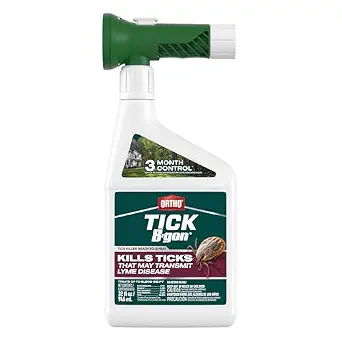 |
| Best Quality Built to a higher standard if you want something more solid | Advantage Yard & Premise Spray, 32 oz |  |
| Best Value The sweet spot between price and what you get | Cutter Backyard Bug Control Spray Concentrate, 32 oz (2 pack) |  |
| Best Budget The cheapest option that still gets the job done reliably | Ortho BugClear Insect Killer for Lawns & Landscapes Ready-to-Spray, 32 oz |  |
| Highest Rated A top-rated pick with lots of positive feedback | Talstar One Insecticide Concentrate, 1 Gallon |  |
| Most Popular A crowd favorite that many people choose with confidence | Vet's Best Flea & Tick Yard and Kennel Spray, 32 fl oz |  |
| Best Seller A high-volume bestseller chosen again and again | Atticus Talak 7.9% Bifenthrin Indoor/Outdoor Insecticide Concentrate (32 oz) |  |
Ortho Tick B-gon Ready-to-Spray Tick Killer, 32 fl. oz.

| Item Form | Spray |
|---|---|
| Scent Name | Unscented |
| Target Species | Insects |
| Active Ingredients | Bifenthrin 0.300%, Zeta-Cypermethrin 0.075% |
Ortho Tick B-gon Ready-to-Spray is a hose-end treatment designed to simplify backyard tick and flea control. You attach the 32 fl. oz. bottle to a garden hose, spray lawn areas, perimeters, and ornamentals, and the formula begins working within minutes while providing up to three months of control for listed pests. It targets American dog ticks, deer ticks, cat and dog fleas, mosquitoes and more, and covers large areas per application so a single bottle treats most average yards. The ready-to-spray delivery eliminates measuring or mixing, and the product is labeled for use around lawns, trees, shrubs and even certain vegetable/fruit plants when label directions are followed. Important limitations are that it contains bifenthrin and zeta-cypermethrin so users must follow safety directions and keep people and pets out of treated areas until dry, and reapplication may be needed sooner for heavy infestations. Also it is not for direct use on pets and requires attention to label restrictions for edible plants.
Best for: Buyers who want a straightforward, low-effort way to reduce ticks and fleas across a typical yard and who prioritize broad, multi-month protection with easy hose-end application.
Less Ideal for: People who prefer non-chemical or organic pest controls or who need solutions safe for immediate pet contact or for direct application to animals.
- Ready-to-spray hose-end applicator for fast, no-mix backyard treatments
- Provides up to 3 months control against ticks, fleas, and many listed pests
- Label allows use on lawns, perimeters, ornamentals and some edible gardens with directions
- Covers large area per treatment so one bottle treats most average yards
- Contains synthetic pyrethroid active ingredients that require following safety and re-entry instructions
- Not formulated for direct application to pets; separate veterinary treatment needed if animals are infested
Verdict: A simple hose-end treatment that delivers broad, up-to-three-month yard protection against ticks and fleas with minimal setup.
Advantage Yard & Premise Spray, 32 oz

| Unit Count | 32 Fluid Ounces |
|---|---|
| Item Form | Aerosol |
| Scent Name | Unscented |
| Target Species | Dog |
| Volume | 32 fluid ounces |
Advantage Yard & Premise Spray is an outdoor insecticide designed to create a protective barrier around homes by killing fleas, ticks and other listed pests on contact. The 32 oz. bottle connects directly to a garden hose so you can sweep treated water across lawns, decks and perimeters without mixing concentrates or refilling small bottles. It is formulated to target ticks including deer ticks and claims coverage up to about 16,000 square feet, which makes it suitable for larger yards. Use is straightforward: mow first, then spray evenly and keep people and pets away until dry. The practical benefits are fast knockdown of pests on treated surfaces and low odor compared with some alternatives. Important limitations are that it is an outdoor surface treatment only, requires reapplication per label directions for ongoing control, and users must follow safety precautions to avoid contact with non-target plants or animals. For a complete program you will still need to treat pets and indoor areas separately.
Best for: Buyers who need a fast, yard-scale solution to reduce ticks and fleas around a home perimeter and prioritize easy hose-connection and broad coverage.
Less Ideal for: People seeking a whole-home or on-pet solution or those with very small patios who prefer targeted spot treatments should consider other formats.
- Hose-attachable 32 oz. bottle for one-pass coverage of large yards
- Kills fleas, ticks and over 110 types of listed insects on contact
- Low-odor formula for outdoor use near living spaces
- Claims coverage up to 16,000 square feet, suitable for larger properties
- Outdoor-only treatment that does not address pests on pets or inside the home
- Requires protective measures and drying time before areas are safe for people and pets
Verdict: Choose this hose-attachable 32 oz. yard spray when you want an easy, fast way to treat large outdoor areas for ticks and fleas.
Cutter Backyard Bug Control Spray Concentrate, 32 oz (2 pack)

| Unit Count | 64 Fluid Ounces |
|---|---|
| Item Form | Spray |
| Target Species | Insects |
| Active Ingredients | Lambda Cyhalothrin |
This Cutter Backyard Bug Control Spray Concentrate is a hose-end treatment designed to protect lawns, landscapes and outdoor surfaces from mosquitoes, ants, fleas and several other listed insects. You attach the included QuickFlip sprayer to a garden hose, flip the switch and walk the area while spraying for even coverage; the product mixes automatically with water so there is no measuring or manual mixing. The label claims coverage up to 5,000 sq ft per bottle and up to 12 weeks of control against some insects, which makes it convenient for treating a whole yard on a seasonal schedule. Notable features are the ready-to-use hose-end activation and a synthetic active ingredient, lambda-cyhalothrin, that provides quick knockdown. Important limitations are that it is a broad-spectrum insecticide with standard safety restrictions: keep children and pets out of treated areas until dry and follow runoff and application rules. Also, it is labeled for listed species only so check the label for ticks and specific target insects before relying on it as a primary tick-control product.
Best for: Buyers who want a low-effort yard spray to treat broad lawn and landscape pest problems across a whole yard and prefer a hose-end, no-mix solution for seasonal maintenance.
Less Ideal for: Those who need a product specifically validated for tick control or who prefer organic or non-synthetic options should consider specialized tick products or alternative formulations.
- Hose-end QuickFlip sprayer for easy, no-mixing application
- Covers large areas up to 5,000 square feet per bottle
- Contains lambda-cyhalothrin for fast knockdown of listed insects
- Claims residual control up to 12 weeks on certain pests
- Label lists specific "listed" insects so efficacy against ticks is not universally guaranteed
- Requires adherence to safety and runoff restrictions and keeping people and pets away until dry
Verdict: Choose this hose-end concentrate if you want an easy, big‑area yard spray that delivers fast knockdown and season‑long control for listed lawn insects.
Ortho BugClear Insect Killer for Lawns & Landscapes Ready-to-Spray, 32 oz

| Item Form | Aerosol |
|---|---|
| Target Species | Ant |
| Liquid Volume | 32 fluid ounces |
Ortho BugClear Ready-to-Spray is a hose-attached lawn and landscape insect killer designed for quick, no-mix backyard pest control. You connect a garden hose to the built-in sprayer and apply to lawns, foundation perimeters, ornamentals, trees and listed edible plants; one 32 fl oz bottle treats up to about 5,300 sq ft of lawn or targeted foundation and foliage areas. The formula contains bifenthrin and zeta-cypermethrin, starts killing within minutes, and lists broad control of ticks, ants, mosquitoes, fleas, spiders and dozens more species. Practical benefits include fast application without measuring, odor-free and non-staining performance, and multi-month protection when applied as directed. Important limitations are that it requires a hose connection so it is less convenient for spot treatments away from a water source and it contains broad-spectrum pyrethroid actives that require careful timing to avoid pollinator exposure and runoff. Follow label directions, wear protective clothing, and avoid spraying blooming plants to protect bees.
Best for: Homeowners who want an inexpensive, no-mix solution to treat ticks and other yard pests across a medium-sized lawn and who prefer quick hose-end application over measuring concentrates.
Less Ideal for: Gardeners who need precise spot treatments away from a water source or those who prioritize only organic or pollinator-safe insect control methods.
- Ready-to-spray hose-end design removes mixing and speeds application for typical yard sizes
- Broad-spectrum control that explicitly lists ticks plus many other outdoor pests
- Covers a substantial area from one 32 fl oz bottle so fewer refills for medium lawns
- Non-staining and low odor for use around patios and landscape beds
- Requires a hose connection so it is not ideal for remote or small spot treatments
- Contains synthetic pyrethroid active ingredients that need careful handling to avoid harm to pollinators and aquatic life
Verdict: If you want an affordable, fast, no-mix hose‑end spray that treats ticks and many other yard pests across a medium lawn, this Ortho BugClear bottle is a practical choice.
Talstar One Insecticide Concentrate, 1 Gallon

| Active ingredient | Bifenthrin 7.9% |
|---|---|
| Formulation | Water-based concentrate |
| Pests controlled | Over 75 pests including ticks |
| Intended use | Indoor and outdoor perimeter/structure applications |
Talstar One is a water-based bifenthrin concentrate intended for perimeter and structural pest control both indoors and outdoors. You mix the concentrate with water and apply it to foundations, door thresholds, cracks and crevices, or to lawns and ornamental beds to create a residual barrier against ants, spiders, roaches, fleas, ticks and many other pests. Notable features include a low-odor, clear-drying formula and a long-lasting residual effect that reduces how often you need to reapply for seasonal maintenance. Because it is concentrated, a single gallon can treat large properties or multiple zones, which is practical for regular yard tick control and perimeter treatments. Important limitations are that it is a pesticide requiring careful handling and strict adherence to label directions, and it is not a ready-to-use spray so you will need compatible mixing and application equipment for uniform coverage.
Best for: Homeowners or property managers who prioritize dependable, long-lasting perimeter control and need an economical concentrated treatment for routine yard tick and general pest maintenance.
Less Ideal for: Casual users who want a ready-to-use, pump-spray product or those uncomfortable handling professional-strength pesticides should consider gentler, pre-mixed alternatives.
- Broad-spectrum control that lists ticks among the pests targeted
- Concentrate format stretches a single gallon for large yards or repeat treatments
- Low-odor, clear-drying water-based formulation suitable for outdoor living areas
- Designed for perimeter and structural use to help stop pests before they enter
- Requires mixing and a sprayer which adds setup time and equipment cost
- Contains bifenthrin and must be handled per label precautions to protect people, pets, and non-target wildlife
Verdict: A concentrated, long-lasting bifenthrin formula for reliable perimeter and yard tick control across large properties.
Vet's Best Flea & Tick Yard and Kennel Spray, 32 fl oz

| Unit Count | 32 Fluid Ounces |
|---|---|
| Item Form | Spray |
| Scent Name | Peppermint |
| Target Species | Dog |
| Active Ingredients | eugenol, peppermint oil |
Vet's Best Flea & Tick Yard and Kennel Spray is a ready-to-use outdoor spray formulated with plant-derived active ingredients like peppermint oil and eugenol to control fleas, ticks, flea eggs, and mosquitoes across lawns, kennels, patios, and other outdoor pet areas. It attaches to a garden hose for fast coverage and is advertised to treat up to 5,000 square feet, making it useful for routine prevention or spot treatment after an infestation. The formulation is non-synthetic and meant to be safer for use around pets and family when directions are followed, and it leaves a peppermint scent rather than chemical odors. Practical benefits include easy hose-attachment application, a broad kill on contact, and suitability for treating both landscape and pet bedding areas. Important limitations are that it is for outdoor use only, may need reapplication after heavy rain, and contains oils and sodium lauryl sulfate that can irritate eyes or sensitive skin in people or animals if misused. Follow label instructions and keep treated areas drying before allowing pets back in to reduce risk of irritation.
Best for: Buyers who want a vet-formulated, plant-based yard spray that is straightforward to apply and backed by many user reviews for routine flea and tick prevention in outdoor pet areas.
Less Ideal for: Those seeking a single, long-lasting chemical barrier or an aquatic-safe treatment should consider alternative products or professional pest control options.
- Plant-based active ingredients (peppermint oil and eugenol) that kill fleas, ticks, flea eggs, and mosquitoes on contact
- Ready-to-use hose attachment provides quick, even coverage over large outdoor areas up to 5,000 sq ft
- Safe to use around dogs 12 weeks and older and designed for use on lawns, kennels, patios, and pet areas
- Leaves a peppermint scent instead of strong synthetic chemical odors
- Outdoor use only and not suitable for aquatic applications
- May require reapplication after heavy rain or for severe infestations
- Contains ingredients that can cause eye irritation or skin sensitivity if mishandled
Verdict: A user-trusted, plant-powered yard spray that makes treating large outdoor pet areas quick and simple.
Atticus Talak 7.9% Bifenthrin Indoor/Outdoor Insecticide Concentrate (32 oz)

| Liquid Volume | 32 fluid ounces |
|---|---|
| Item Form | Liquid |
| Active Ingredients | Bifenthrin |
| Length of Control | Up to three months |
| Target Species | Insects |
Talak 7.9% is a water-based bifenthrin concentrate intended for perimeter, landscape, and indoor barrier treatments to reduce a wide range of pests. You mix the concentrate with water and apply it with a pump or trigger sprayer to lawns, trees, shrubs, eaves, porches, baseboards, and other points of entry. The label lists control for more than 75 pests including ticks and mosquitoes, and the product advertises contact kill plus residual activity that can last up to three months. Practical benefits include a clear, low-odor formula that dries without visible residue and an easy-pour bottle with pre-marked dosing for straightforward dilution. It is labeled for use around pets once treated areas are dry and is EPA-specified. Important limitations: the concentrate must be mixed freshly and cannot be stored once diluted, it is not approved for fogger use, and some state sales are restricted. For cautious homeowners focused on tick reduction, follow label rates for the higher application rate and target vegetation and perimeter zones for best results.
Best for: Homeowners who prioritize a proven, labeled insecticide to reduce yard ticks and perimeter pests while minimizing noticeable residue and odors, and who will follow label directions carefully.
Less Ideal for: People who prefer non-chemical or organic tick control methods or those who need a ready-to-use spray rather than a concentrate to mix before each application.
- Broad-spectrum control listed for 75+ indoor and outdoor pests including ticks and mosquitoes
- Water-based formula that dries clear, leaves no residue, and is low odor for use near living areas
- Residual activity up to three months per label reduces frequency of reapplications
- Flexible application rates for lawns, landscapes, and surface/perimeter treatments
- Easy-pour bottle with pre-marked dosing for accurate mixing
- Diluted solutions cannot be stored and must be mixed fresh for each application
- Not labeled for fogger use so cannot be used with that equipment
- Unavailable for sale in some states which limits access for some buyers
Verdict: A dependable bifenthrin concentrate that delivers multi-month residual control around yards and perimeter areas when used according to label instructions.
Choosing the Right Yard Tick Spray: Key Factors to Consider
Coverage Area Per Application
How much yard a single application treats is critical when planning mosquito and tick control for medium to large properties. Coverage area determines how many gallons or cans you need and affects labor time. A spray that lists square footage per gallon allows you to estimate material costs and schedule. When application instructions specify different rates for lawns, borders, or wooded edges, that helps you tailor treatment intensity where ticks are most likely to be present.
Think about irregular yard shapes, narrow strips, and wooded boundaries. Coverage figures are a starting point, but actual treated area can vary with sprayer type and operator technique, so build in a margin for overlap and edge treatment.
Residual Effectiveness
Residual effectiveness is how long the spray continues to kill or repel ticks after application. Longer residuals reduce treatment frequency and are especially valuable where ticks are active for months. Labels usually state an expected residual window in days or weeks; look for realistic windows based on exposure to sun, rain, and mowing.
Residual claims are affected by environmental abrasion, UV breakdown, and heavy rainfall. In high-traffic play areas or yards with frequent irrigation, residual performance will decline faster than in shaded, low-traffic borders. Use residual expectations to schedule follow-up treatments during peak tick season.
Application Method and Equipment Compatibility
Different yard tick sprays are formulated for hose-end sprayers, pump-up sprayers, or ready-to-spray bottles. Choose a formulation that matches the equipment you already own or are comfortable using. Hose-end products are convenient for large lawns but can be less precise around garden beds. Pump sprayers provide control for borders and shaded yard edges but require more operator effort.
Also check label instructions for nozzle type, pressure recommendations, and whether mixing is required. Ease of measuring and mixing affects accurate application rates and reduces the risk of over- or under-treating sensitive areas.
Plant and Pet Safety Guidance
Because yard sprays cover turf, ornamentals, and sometimes garden beds, clear safety guidance for plants, pets, and children is essential. Look for explicit instructions on re-entry intervals, whether edible gardens are excluded, and steps to protect sensitive ornamentals. Some products specify compatible turf varieties or list plants that may show temporary injury under certain weather conditions.
Pet safety directions should indicate whether pets need to be kept off treated areas until the spray dries, and whether there are any additional precautions for kennels or pet bedding. Clear label language reduces the chance of accidental exposure and helps plan treatment timing around family activities.
Weather Resistance and Rainfastness
A yard spray's resistance to rain and irrigation determines how long it remains effective and whether reapplication is needed after storms. Rainfastness is typically stated as a number of hours after application before normal watering or rainfall is safe. Products with quick rainfast properties let you treat sooner when the forecast is uncertain.
Consider seasonal weather patterns in your area. In climates with frequent summer storms, choose formulations that bind quickly or have demonstrated resistance to wash-off. Also account for UV stability in exposed full-sun lawns versus shaded understory where breakdown is slower.
Where Ticks Hide in a Yard
Ticks concentrate in cool, damp microhabitats and along transition zones where lawn meets tall grass, leaf litter, shrubs, or woodline. These edge habitats are the highest priority for targeted applications because they receive consistent wildlife traffic and provide humidity that ticks need.
Treating open lawn center areas may reduce wandering ticks, but focusing effort along borders, brush piles, and stone walls usually delivers the biggest reduction in tick encounters. Mapping out likely tick corridors before you spray helps you allocate product where it will matter most.
- Edge zones where lawn meets woodland
- Leaf litter and shaded groundcover
- Tall grass strips and fence lines
- Around foundation plantings and play areas
Timing Treatments Through the Season
Timing treatments to match tick life stages and local activity peaks improves effectiveness. Early spring applications can suppress nymph emergence, while late spring to early summer treatments address peak nymph and adult activity. In many regions, a follow-up application midseason keeps residual protection during warm months.
Avoid treating during extreme heat if label guidance warns of plant stress. Also coordinate treatment timing with mowing and irrigation schedules to prevent rapid removal of the spray before it binds.
- Initial spring application as ground thaws
- Midseason follow-up based on residual window
- Edge treatments before heavy wildlife movement
Application Best Practices For Home Yards
Measure and flag high-risk zones before mixing product to avoid waste and over-treatment. Apply at the labeled rate and maintain a uniform spray pattern. When using hose-end sprayers, overlap swaths to prevent untreated gaps along borders.
Wear recommended personal protective equipment and keep children and pets away until treated surfaces are dry. Rinse sprayers after use and store concentrate according to label directions to preserve efficacy for future applications.
- Use flags or stakes to mark treatment lines
- Follow label mixing instructions exactly
- Avoid contact with edible garden areas
Integrating Yard Sprays With Other Control Methods
Sprays are one tool in an integrated approach. Combine targeted spray treatments with vegetation management, leaf litter removal, and creating dry buffer zones between wooded areas and play spaces. Managing rodent hosts and discouraging deer access will reduce tick introductions over time.
Physical barriers, routine yard cleanup, and strategic landscaping choices can extend the benefits of chemical control and reduce the need for frequent reapplications.
- Mow and trim to reduce humidity
- Remove brush piles and excess leaf litter
- Create gravel or mulch buffers at woodland edges
Safety and Responsible Use
Always read and follow label directions for safe application rates, re-entry intervals, and environmental precautions. Avoid treating blooming plants that attract pollinators unless the product label permits it and follow timing guidance to minimize nontarget exposure.
Store concentrates locked away from children and pets and dispose of rinse water per local regulations. When in doubt about compatibility with a specific ornamental or turf variety, test a small area first or consult extension guidance.
- Follow re-entry and pet access intervals
- Avoid treating pollinator-attractive blooms
- Store and dispose of product safely
How We Chose the Best Yard Tick Spray
We shortlisted products that deliver practical, real-world protection for typical residential yards. Primary evaluation criteria focused on measurable yard performance: coverage area per application, residual effectiveness under common weather patterns, and application method adaptability for different yard features. We also considered safety guidance and label clarity for residential use, plus compatibility with common turf and ornamental plants. Exclusions included products intended only for pets, handheld personal repellents, and non-residual spot treatments that do not claim yard-wide control. We filtered out items lacking clear label instructions for residential turf or that did not provide quantifiable coverage or residual windows. Final selections prioritize sprays that balance long residual control, straightforward application over varied terrain, and explicit safety and re-entry instructions aligned with home garden use.
FAQ
How often should I reapply yard tick spray?
Reapplication depends on the product's stated residual window and local weather. Many sprays require follow-up applications every few weeks to a couple of months during peak activity. If heavy rain or frequent irrigation occurs, expect residual decline and plan to reapply sooner.
Can I treat near vegetable gardens and edible plants?
Most yard sprays have explicit instructions about edible gardens. Many recommend excluding vegetable beds or covering them and washing produce before consumption. Always follow label directions; if the label does not permit use near edibles, avoid treating those areas.
Are yard sprays safe for pets?
Safety varies by formulation and label guidance. Some products require keeping pets off treated areas until surfaces are dry, while others have longer restrictions. Read the label for pet-specific precautions and keep pet water and bedding away from treated zones during and after application as instructed.
Will yard sprays harm beneficial insects or pollinators?
Some sprays can impact nontarget insects, especially if applied to blooming plants. To reduce harm, avoid spraying flowers, follow timing guidance that minimizes pollinator activity, and use targeted applications limited to tick habitat rather than blanket spraying.
Do I need special equipment to apply yard tick spray?
Not necessarily. Many products are designed for common hose-end sprayers or standard pump-up garden sprayers. Choose a product labeled for the equipment you own and follow nozzle and pressure guidance to ensure even coverage.
Final Verdict
Focus on matching product residual claims and coverage rates to your yard size, layout, and local weather patterns. Prioritize clear safety guidance for plants and pets and choose an application method that lets you treat high-risk edges precisely. Balance longer residuals with the need to protect pollinators and sensitive ornamentals. With attention to coverage, timing, and safety, you can pick a yard tick spray that reduces tick encounters while fitting into your regular yard care routine and seasonal schedule.
