

Note: This article contains affiliate links. If you click on these links and make a purchase, I may earn a small commission at no extra cost to you. This helps support my research and content. Read my full affiliate disclosure here.
If you want to start earlier, protect young plants, or squeeze extra harvests from a small plot without breaking the bank, a budget greenhouse can make a real difference. Choosing the right greenhouse under $200 means balancing stability, light transmission, and ventilation so the structure actually helps plants thrive instead of creating hot, damp trouble. This guide shortlists five top options that fit tighter budgets and smaller spaces. We evaluated practical factors like frame strength, cover material, ventilation, and assembly to help you pick a greenhouse that works in a real garden, patio, or balcony. Read on for the considerations that matter and what to expect from affordable choices.
Top Picks at a Glance
| Best Quality Built to a higher standard if you want something more solid | Sylviera 6×4 ft Outdoor Polycarbonate Greenhouse with Hygrometer | 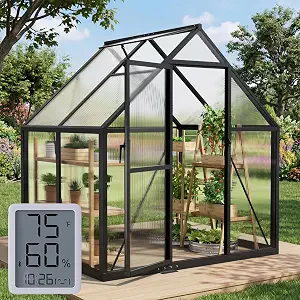 |
| Best Value The sweet spot between price and what you get | SPECILITE 56×56×78 Inch Walk-in Greenhouse with Thick PE Cover and Metal Frame |  |
| Best Budget The cheapest option that still gets the job done reliably | Ohuhu Tabletop Mini Greenhouse with Waterproof Mat and Reinforced Metal Frame |  |
| Highest Rated A top-rated pick with lots of positive feedback | EAGLE PEAK 8×6 Pop-Up Walk-In Greenhouse |  |
| Best Seller A high-volume bestseller chosen again and again | EAGLE PEAK 6×4 Pop-Up Walk-In Greenhouse |  |
Sylviera 6×4 ft Outdoor Polycarbonate Greenhouse with Hygrometer
| Cover Material | Polycarbonate (PC) |
|---|---|
| Frame Material | Aluminum |
| Number Of Vents | 2 |
| Indoor Outdoor Usage | Outdoor |
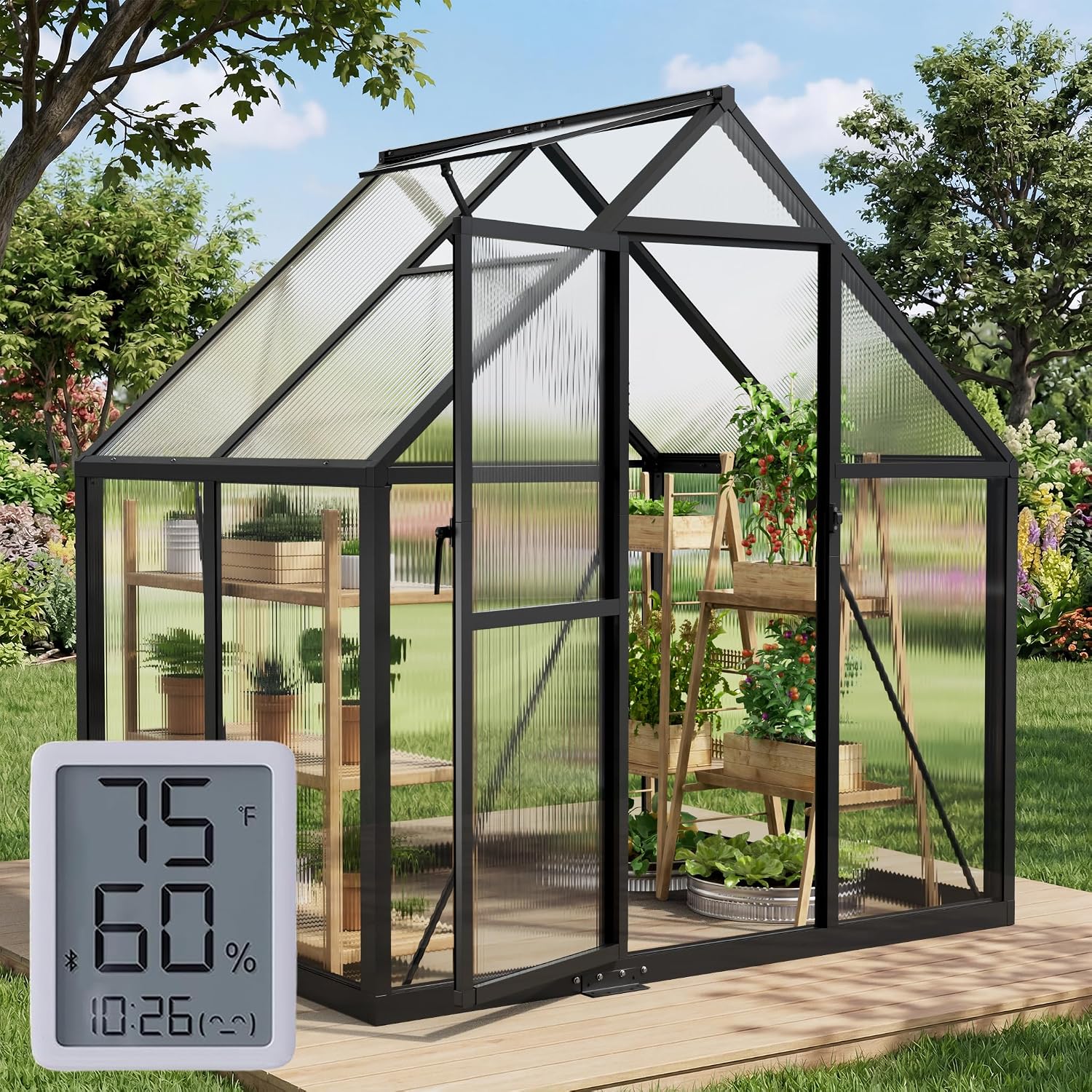
The Sylviera 6×4 ft greenhouse is a compact walk-in shelter that creates a controlled environment for vegetables, herbs, and ornamentals. It uses an aluminum frame with 4mm double-wall polycarbonate panels to let light in while blocking UV, and the kit includes roof vents, a lockable door, and a hygrometer for basic climate monitoring. Typical use is to stage potted plants and seed trays on shelving inside, open vents to prevent overheating on warm days, and close up for wind or light snow. Notable features are the impact-resistant panels that improve insulation compared with single-sheet plastic, a reinforced frame for better wind resistance, and labeled parts with tools to simplify assembly. In practice this means extended growing seasons and safer overwintering for small crops, but expect a modest usable footprint that limits large beds and taller crops. Assembly takes two people and some time to align panels and secure seams, and heavy wind or deep snow may still require additional anchoring or sealant to keep joints tight.
Best for: Gardeners who prioritize year-round performance and want a durable small greenhouse to extend seasons and protect plants from wind and light snow.
Less Ideal for: Those needing a large production space, tall plant beds, or a no-assembly, instant shelter should consider larger or prebuilt alternatives.
- Double-wall polycarbonate panels provide UV protection and better insulation than thin plastic sheeting
- Aluminum frame offers corrosion resistance and increased structural strength
- Adjustable roof vents and a lockable door help regulate temperature and airflow
- Includes a hygrometer and labeled parts for clearer assembly and basic climate monitoring
- Small interior footprint limits planting layout and vertical growing space
- Assembly requires two people and careful alignment of panels for a weather-tight fit
Verdict: Choose this compact Sylviera greenhouse when you want a durable, ventilated small walk-in that reliably extends your growing season.
SPECILITE 56×56×78 Inch Walk-in Greenhouse with Thick PE Cover and Metal Frame

| Number of Doors | 1 |
|---|---|
| Number Of Vents | 2 |
| Indoor Outdoor Usage | Outdoor |
| Cover Material | Polyethylene (PE) |
| Frame Material | Metal |
This SPECILITE walk-in greenhouse is a budget-friendly, portable shelter for outdoor seedlings, potted plants, and small vegetable beds. It assembles without tools from a metal tube frame and a thick polyethylene cover and includes a roll-up zipper door plus two screened side windows for ventilation. In practice it provides a warmer, protected microclimate that keeps rain and light snow off plants while the zippered roller door makes access easy and the screened windows let you manage airflow to reduce humidity. The frame is described as rust resistant and the unit supports typical seed trays and pots, so you can set up shelves or hanging lights inside. Because it is lightweight and all parts are detachable you can relocate or store it between seasons. Expect limitations in heavy weather and wind since the design is not a permanent structure and the PE cover can degrade over time with prolonged sun exposure, so anchoring and seasonal storage are recommended for long service life.
Best for: Buyers who want an inexpensive, movable greenhouse to extend the growing season for pots and seedlings and who prioritize easy setup and flexible placement.
Less Ideal for: Those who need a permanent, heavy-duty greenhouse for large-scale production or for use in very windy or snowy climates should consider a sturdier, fixed-frame alternative.
- Thick PE cover provides basic protection from rain and light snow
- Roll-up zipper door and two screened windows allow easy access and adjustable ventilation
- Metal frame with rust-resistant tubes for reasonable durability
- Detachable parts and tool-free assembly make it easy to move and store
- Lightweight design is vulnerable in high winds or heavy snow loads
- PE cover will eventually degrade under prolonged UV exposure
Verdict: A low-cost, easy-to-assemble walk-in greenhouse that gives practical season extension and movable protection for small-scale gardeners.
Ohuhu Tabletop Mini Greenhouse with Waterproof Mat and Reinforced Metal Frame

| Indoor Outdoor Usage | Indoor, Outdoor |
|---|---|
| Closure Type | Zipper |
| Cover Material | Polyvinyl Chloride (PVC) |
| Frame Material | Metal |
| Number of Doors | 1 |
The Ohuhu Tabletop Mini Greenhouse is a small, easy-to-move grow shelter for seedlings, cuttings, and small potted plants. It sets up in minutes and uses a clear PVC cover over a reinforced metal frame to trap warmth and humidity while admitting light. A zippered roll-up door gives access for watering and ventilation, and the included removable waterproof PE mat protects surfaces from spills and soil. In practice it works well on a patio, balcony, or indoor table where space is limited and you want a stable microclimate for germination or overwintering tender plants. The metal poles and electrophoretic coating improve corrosion resistance compared with thin tubing, but the PVC cover is less durable in prolonged sun and high winds than heavier polyethylene or polycarbonate panels. Its single-door design makes larger access awkward and the compact footprint limits plant height and quantity. For gardeners who want a tidy, low-effort way to boost early growth or protect a few plants, this is a practical, no-fuss option.
Best for: Buyers who need a space-saving, low-maintenance shelter to speed germination and protect a few small plants year-round and who prioritize convenience and tidy placement over large capacity.
Less Ideal for: Growers who need a larger walk-in structure, want heavy-duty UV-stable glazing, or plan to shelter many tall plants should consider a bigger or more rugged greenhouse solution.
- Compact footprint fits on tables, balconies, or small patios
- Clear PVC cover admits light for seedlings and young plants
- Reinforced metal frame with rust-resistant coating for improved stability
- Removable waterproof mat contains spills and simplifies cleanup
- Zippered roll-up door for easy access and ventilation
- PVC cover is prone to wear under constant UV exposure and can tear more easily than heavier covers
- Small interior limits plant height and the number of pots that fit at once
Verdict: A compact, easy-to-assemble mini greenhouse that gives practical, tidy protection for seedlings and a few small pots in tight spaces.
EAGLE PEAK 8×6 Pop-Up Walk-In Greenhouse

| Cover Material | Polyethylene (PE) |
|---|---|
| Frame Material | Alloy Steel |
| Number Of Vents | 2 |
| Indoor Outdoor Usage | Outdoor |
The EAGLE PEAK 8×6 pop-up walk-in greenhouse is a weather-ready shelter for extending the growing season and organizing potting or seed-starting tasks. Its pre-assembled alloy steel frame uses a patented PeakPush center lock so one person can pop it up quickly without tools, and the PE cover with scrim-reinforced corners is water-resistant and UV-stable to help retain humidity and filter sunlight. Ventilation comes from two mesh windows and a wide zippered roll-up door that make daily access and airflow control simple. The unit is built with extra steel, powder-coated to resist rust, and includes wind ropes and stakes for added stability in typical backyard conditions. Expect a straightforward setup and enough floor space for benches or multiple shelving units, but remember this is a lightweight seasonal structure rather than a permanent polycarbonate greenhouse, so it will be less durable in extreme storms or heavy snow loads. For gardeners who value quick assembly and flexible winter protection, it provides a practical, easy-to-use solution.
Best for: Gardeners who want a roomy, easy-to-assemble greenhouse for seed starting, winter protection, and light potting tasks and who prioritize setup speed and convenience over a permanent structure.
Less Ideal for: Those needing a long-term, heavy-duty greenhouse that can handle heavy snow loads or constant harsh weather should choose a rigid-frame polycarbonate or permanent structure instead.
- One-person pop-up setup using PeakPush center lock for fast assembly
- Durable alloy steel frame with powder-coated finish for corrosion resistance
- PE cover with scrim-reinforced corners offers water resistance and UV protection
- Good ventilation and access via two mesh windows and a zippered roll-up door
- Includes wind ropes and stakes for improved stability outdoors
- Designed as a seasonal pop-up shelter so not suited for heavy snow or severe storms
- PE cover is less impact-resistant than rigid polycarbonate panels
Verdict: If you want a quick, single-person setup greenhouse that delivers roomy seasonal protection and easy access, this 8×6 pop-up model is a strong, practical choice.
EAGLE PEAK 6×4 Pop-Up Walk-In Greenhouse

| Size | 6×4 |
|---|---|
| Cover Material | Reinforced Polyethylene Film |
| Frame Material | Alloy Steel |
| Number of Doors | 1 |
| Number Of Vents | 2 |
The EAGLE PEAK 6×4 pop-up walk-in greenhouse is a compact, easy-to-use shelter for starting seeds, protecting tender plants from frost, and extending fall or early-winter growth. Its pre-assembled pop-up frame and patented center lock let one person erect the structure quickly without tools, and the reinforced polyethylene cover holds warmth and humidity while filtering light. Mesh windows and a roll-up zippered door provide straightforward ventilation and access, and included stakes and guy ropes help stabilize the unit in light to moderate winds. The alloy steel frame and powder-coated finish add durability compared with flimsy hobby tents, but because it is a lightweight pop-up design it still needs care in heavy snow or high winds and can require additional anchoring or weight bags for stormy weather. The greenhouse is best for patios, balconies, and small backyards where a simple, portable shelter is desirable rather than a permanent heavy-duty structure.
Best for: Buyers who want a small, reliable portable greenhouse they can set up alone to start seeds, overwinter plants, or extend the growing season in a patio or small yard with minimal fuss.
Less Ideal for: Gardeners needing a permanent, heavy-duty greenhouse for large crops or those in exposed, high-wind or heavy-snow climates should choose a framed, rigid structure instead.
- One-person, tool-free pop-up frame for quick setup
- Reinforced PE cover that retains warmth and is UV and water resistant
- Alloy steel frame with powder-coated finish for improved durability
- Zippered roll-up door and mesh windows for ventilation and easy access
- Pop-up design is not suited to heavy snow loads or extreme wind without extra anchoring
Verdict: A compact, one-person pop-up greenhouse that delivers easy setup and season-extension performance for small-space gardeners.
Choosing the Right Greenhouse: Key Factors to Consider
Frame Durability
A greenhouse frame determines how well the structure stands up to wind, rain, and routine knocks. Metal tubing, reinforced plastic, and wooden frames all behave differently in the garden. Metal frames usually offer the best stiffness for a low price but can corrode if finishes are poor, while plastic connectors may be cheaper but are prone to brittle failure in sun and cold.
Consider how exposed your site is. If the greenhouse will sit on an open patio or raised bed, choose a frame profile and anchoring method rated to resist gusts. Also think about joinery and replacement parts. A design with replaceable poles or spare connectors increases the structure's usable life even on a modest budget.
Cover Material and Light Transmission
The cover controls how much light reaches plants and how well heat is retained. Options include polyethylene film, PVC, and multiwall polycarbonate sheets. Thin greenhouse film transmits lots of light and is inexpensive but tears more easily and can require seasonal replacement. Thicker panels cost more but deliver more stable insulation and longer life.
For budget greenhouses under $200, look for covers that balance good light transmission with UV treatment or reinforced weave to reduce early failure. Also consider whether the cover is replaceable and how easy it is to secure against wind. Good light management helps seedlings develop sturdy stems and improves overall crop vigor.
Ventilation and Temperature Control
Ventilation prevents overheating and reduces humidity that leads to fungal disease. Even small greenhouses need adjustable vents, roll-up side walls, or louvers to flush hot air on sunny days. Passive vents and properly placed openings can be enough for most backyard needs, while active ventilation is rare at this price point.
Think about how you will manage extreme days. If you plan to start seeds in late winter or grow tender plants in summer, easy-to-open vents and removable panels give you control over heat buildup. Shade cloth and timed venting are practical strategies when mechanical systems are not available.
Assembly and Maintenance
A greenhouse is only useful if you can assemble it and maintain it through the season. Simple designs with clear instructions, minimal hardware, and common tools reduce setup time. Look for systems with labeled parts, snap-fit connectors, or templates for anchoring that match common backyard surfaces.
Maintenance matters too. Covers should be easy to remove for cleaning or winter storage, and frames should permit straightforward tightening or replacement of worn parts. Consider whether the manufacturer supplies spare fasteners or whether you can source compatible parts locally; that reduces downtime if something breaks.
Footprint, Access, and Interior Layout
The usable interior area and how you access it shape what you can grow. Narrow walkways limit the size of trays you can slide in, while low eaves restrict tall seedlings or staging shelves. Choose a footprint that fits your intended use-seed starting, overwintering potted plants, or a small vegetable patch.
Also think about door placement, shelf compatibility, and whether the structure will sit on bare soil, pavers, or a raised bed. Anchoring options often depend on the surface. For balcony or rooftop use, look for lightweight but well-anchorable systems that keep load and wind uplift in mind.
Sizing a Budget Greenhouse for Your Space
Measure the area and think about how you will use the greenhouse before choosing a size. A small single-shelf structure is ideal for seed starting and herb propagation, while a wider unit with room for benches supports multiple trays and larger potted plants. Remember to allow clearance for doors and maintenance access.
If you have limited square footage, consider vertical shelving and narrow benches to multiply growing area. For patios and balconies, lightweight framed greenhouses that anchor to railings or decking provide protection without needing permanent foundations.
- Account for door swing and access to all corners
- Plan around utilities and sunlight patterns
- Choose a size that fits standard seed tray and pot widths
Anchoring and Wind Protection
Cheap greenhouses fail most often at the base when wind lifts the cover or shifts the frame. Secure anchoring to soil, concrete, or decking is essential. Use ground stakes, masonry anchors, or sandbags as appropriate to your surface.
Position windbreaks where possible. A fence, hedge, or temporary plywood screen upwind reduces stress on the structure and lengthens the life of both frame and cover.
- Match anchoring method to the surface
- Use additional tie-downs on exposed sites
- Inspect anchors regularly after storms
Seasonal Use and Cover Replacement
Many low-cost greenhouses are designed for seasonal use rather than permanent installation. If you plan to leave a structure up year-round, expect to replace film covers periodically and check the frame for corrosion or UV damage. Storing the cover indoors during off-season reduces degradation.
Plan for how easily the cover can be swapped. Designs that allow panel replacement or re-tensioning will save money over time compared with fully integrated covers that are difficult to repair.
- Remove covers for winter storage when possible
- Keep spare fasteners and a small repair kit
- Inspect seams and zippers before each season
Using Shade and Insulation Strategically
Inexpensive greenhouses can overheat quickly on sunny days. Use shade cloth, early- and late-day ventilation, and thermal mass such as water barrels or heavy containers to moderate temperature swings. Strategic shading maintains steady conditions without mechanical systems.
For colder nights, move vulnerable plants to insulated corners, use row covers inside the structure, or add bubble wrap temporarily to reduce heat loss. These low-cost tweaks can significantly extend the usefulness of a budget greenhouse.
- Use light-colored shade cloth to cut solar gain
- Position thermal mass where it receives sun
- Layer removable insulation for cold snaps
Maintenance Checklist for Longevity
A short routine keeps a budget greenhouse performing well. Regularly tighten fasteners, clear gutters or drainage paths, and clean interior surfaces to reduce disease pressure. Replace torn film and seal gaps that invite pests or drafts.
Document the parts and fasteners used in assembly so you can source replacements quickly. Simple preventative care usually extends a low-cost greenhouse's life by several seasons.
- Tighten connectors and check for corrosion monthly
- Clean interior and exterior surfaces to prevent mold
- Store removable covers in a cool, dry place
How We Chose the Best Greenhouse
We focused on selection criteria that predict how well an inexpensive greenhouse will perform in everyday garden use. Key evaluation dimensions included frame durability and stiffness to resist wind and simple damage; cover material and light transmission for healthy seedling growth; ventilation and airflow options to control temperature and humidity; ease of assembly and required tools for straightforward setup and seasonal removal; and footprint and access that fit typical small yards, patios, and balconies. We excluded large commercial structures and anything clearly intended only as a decorative cold frame rather than a functional growing space. We looked for constructions and materials that balance cost with enough structural integrity to survive a season or two with normal care. We prioritized options that offered adjustable ventilation, replaceable covers, and clear instructions, since those features most affect success in the garden.
FAQ
Can I use a greenhouse under $200 year-round?
Often these greenhouses are best used seasonally. Many budget designs can be winterized with extra insulation and secure anchoring, but the cover material may need replacement more frequently if left up year-round.
What is the easiest way to prevent overheating in a small greenhouse?
Providing adjustable vents or roll-up sides combined with shade cloth and scheduled ventilation on warm days usually prevents most overheating issues without mechanical fans.
Will a cheap greenhouse improve seed starting success?
Usually yes. Even a modest structure improves temperature stability and protection from wind and pests, which helps germination and seedling vigor compared with unprotected trays outdoors.
How do I anchor a greenhouse on a balcony or deck?
Use nonpenetrating methods like weighted bases or sandbags when you cannot drill into the surface, and always consult building rules. For permanent deck anchors, use appropriate masonry or wood fasteners matched to the substrate.
How long do polyethylene covers typically last?
They often last one to three seasons depending on UV treatment and exposure. Thicker, UV-stabilized films and careful storage can extend life, while constant sun and wind shorten it.
Final Verdict
When shopping for a greenhouse under $200, prioritize structural stability, a durable cover you can replace, and simple ventilation. Accept tradeoffs: you may need to replace covers more often and add anchoring or shade measures to get the best performance. Choose the configuration that matches how you garden. If you need year-round durability, budget options can still work with extra care and seasonal adjustments. For seed starting and short-term protection, a well-anchored, well-ventilated affordable greenhouse delivers strong value and predictable results.
