

Note: This article contains affiliate links. If you click on these links and make a purchase, I may earn a small commission at no extra cost to you. This helps support my research and content. Read my full affiliate disclosure here.
A south-facing window box gets the sun most of the day, which changes how plants grow and what they need. Choosing species that tolerate strong light, midday heat, and intermittent watering prevents scorched leaves and leggy growth. This guide presents five top plants suited to a south-facing window box and explains why they work in bright, warm exposures. We shortlisted options that thrive in high light and resist stress from dry soil or reflective heat. Below you will find practical notes on light tolerance, watering frequency, and maintenance so you can pick combinations that stay colorful and healthy through the season.
Top Picks at a Glance
| Best Quality Built to a higher standard if you want something more solid | American Plant Exchange Live Crown of Thorns (6-inch pot) — Flowering Succulent |  |
| Best Value The sweet spot between price and what you get | Sprout N Green Donkey's Tail (Sedum morganianum) in 4" Starter Pot |  |
| Best Budget The cheapest option that still gets the job done reliably | Carpet Creeping Geranium (Pelargonium) Seeds — 25 Count |  |
| Most Popular A crowd favorite that many people choose with confidence | The Three Company Lavender (2-Pack) Live Fragrant Purple Perennials in 1-Qt Pots |  |
| Best Seller A high-volume bestseller chosen again and again | THE NEXT GARDENER Ruby Necklace (Othonna capensis) Live Succulent, 4-inch |  |
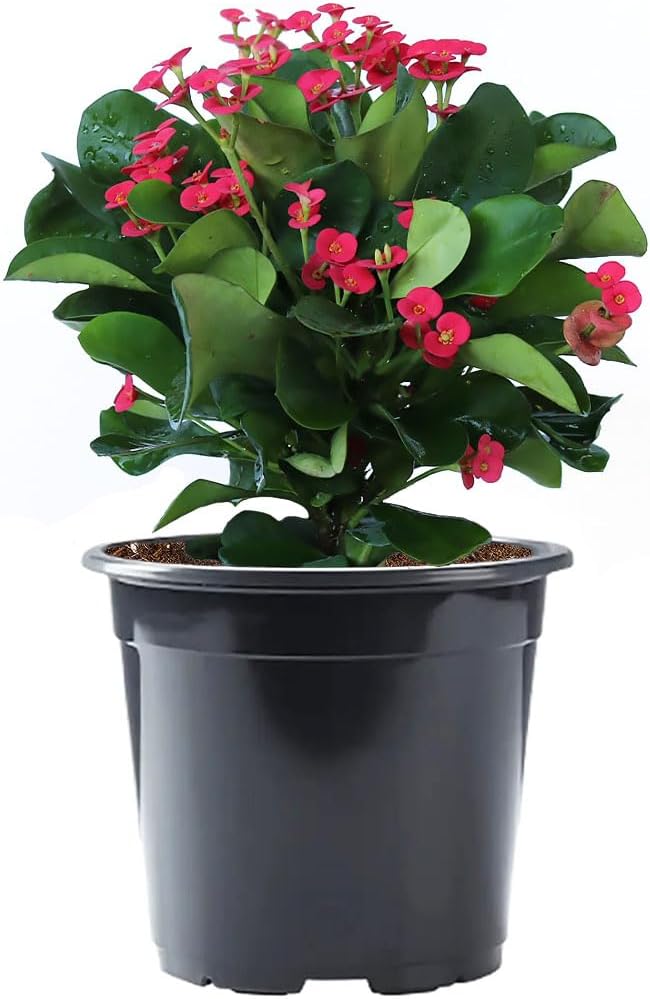
American Plant Exchange Live Crown of Thorns (6-inch pot) — Flowering Succulent
| Indoor Outdoor Usage | Outdoor |
|---|---|
| Expected Blooming Period | Year Round |
| Sunlight Exposure | Partial Shade |
| USDA Hardiness Zone | 9,10,11 |
| Moisture Needs | Little To No Watering |
This Crown of Thorns (Euphorbia milii) arrives as a ready-to-display 6-inch potted succulent that brings bold red flowers and sculptural, spiny stems to sunny patios or windowsills. It is typically used as a container specimen or part of a sun-loving mixed pot where continuous color and low upkeep are priorities. Notable features include year-round blooming in warm conditions, high drought tolerance, and a preference for bright direct light and very well-draining soil. Practically, that means you get a striking, water-wise flowering plant that needs watering only after the soil dries and rewards bright exposure with more abundant blooms. Important limitations are its sensitivity to overwatering and that blooms depend on light, temperature, and plant maturity so it may not flower heavily in cooler, low-light environments. Also handle carefully around pets and children since Euphorbia sap can be irritating. For balanced gardeners who want a durable, showy pot plant for full sun, this is an easy-care option that adds color with minimal fuss.
Best for: Gardeners who want a low-maintenance, flowering succulent for full-sun pots or a sunny windowsill and prioritize continuous color with minimal fuss.
Less Ideal for: People seeking a non-toxic houseplant or those who cannot provide bright direct light and well-draining soil should consider different species.
- Drought-tolerant and stores water in thick stems for low watering needs
- Produces bright red blooms for much of the year in warm, sunny conditions
- Compact 6-inch potted size fits well in containers, patios, and windowsills
- Attracts pollinators when in flower, adding ecological value to sunny gardens
- Susceptible to root rot if kept in poorly draining or consistently moist soil
- Sap is irritating and requires cautious handling around pets and children
Verdict: A resilient, low-water flowering succulent that delivers bright, long-lasting color for full-sun pots with minimal maintenance.
Sprout N Green Donkey's Tail (Sedum morganianum) in 4" Starter Pot

| Indoor Outdoor Usage | Indoor, Outdoor |
|---|---|
| Sunlight Exposure | Partial Shade |
| USDA Hardiness Zone | 9a-11b |
| Soil Type | Succulent & Cacti Soil Mix |
| Moisture Needs | Moderate Watering |
This Donkey's Tail (Sedum morganianum) arrives as a rooted 4" starter pot grown in a well-draining succulent and cacti soil mix and is intended for use as a trailing houseplant or in protected outdoor displays. Typical use is on a sunny south-facing windowsill, hanging basket, or window box where its long, blue-green trailing stems can drape attractively. Notable features include drought tolerance, low maintenance care, and pet friendliness, plus occasional spring blooms of purplish-pink clusters on mature stems. Practical benefits are straightforward: water only when the soil is dry, provide bright indirect light and occasional fertilizer during the growing season, and the plant is resilient thanks to a strong root system from the seller's farm stock. Important limitations are its sensitivity to frost so it needs protection in climates outside USDA zones 9a–11b, and the fragile leaves can drop if roughly handled or during shipping which may require some cosmetic recovery time after arrival. This is a good choice for adding trailing texture to a sunny window box while keeping care time minimal.
Best for: Buyers who want a low-effort trailing succulent to add texture to a sunny south-facing window box and prefer plants that establish quickly and require minimal daily care.
Less Ideal for: Those seeking a cold-hardy outdoor plant for exposed winter conditions or people who need a very rugged plant that tolerates frequent rough handling.
- Arrives well rooted in a succulent and cacti soil mix for easier establishment
- Drought tolerant and low maintenance, needs water only when soil dries
- Attractive long trailing habit ideal for hanging pots or window boxes
- Pet friendly plant type and occasional attractive spring blooms
- Fragile leaves that may drop if handled roughly or during transit
- Not cold-hardy outside USDA zones 9a–11b so needs frost protection
Verdict: A low-maintenance, trailing succulent that quickly establishes in a 4" starter pot and bright south-facing window boxes for easy decorative impact.
Carpet Creeping Geranium (Pelargonium) Seeds — 25 Count

| Unit Count | 25 Count |
|---|---|
| Sunlight Exposure | Full Sun |
| Expected Blooming Period | Spring to Fall |
| Moisture Needs | Moderate Watering |
| Material Features | GMO Free |
These Pelargonium zonal geranium seeds are aimed at gardeners who want compact, showy plants for sunny window boxes and containers. The packet contains 25 non-GMO seeds that produce mounded plants with rounded clusters of pink flowers from spring through fall when grown in full sun and well-drained soil. Start seeds indoors 8–10 weeks before the last frost at 70–75°F and expect germination in about 14–21 days; transplant after seedlings have 2–3 true leaves and space plants roughly 10–12 inches apart. Notable features include heat and drought tolerance once established, low maintenance habit, and appeal to pollinators. Practical benefits are continuous seasonal color for south-facing window boxes, suitability for beginners, and the ability to grow as annuals in cooler zones or perennials in warm climates. Limitations are the usual variability of open-pollinated seed germination and the time investment to start seeds indoors versus buying established plants; these seeds also require regular deadheading and moderate watering for best bloom performance.
Best for: Gardeners wanting an inexpensive way to fill south-facing window boxes with long-blooming, low-maintenance annuals who are willing to start seeds indoors and tend seedlings.
Less Ideal for: People who need instant color without seed-starting work or those who prefer guaranteed uniform transplants for show-quality displays.
- Compact, mounded habit ideal for window boxes and containers
- Heat and drought tolerant once established, lowering maintenance needs
- Non-GMO heirloom seeds with 25-count gives enough plants for multiple boxes
- Produces extended bloom from spring through fall when deadheaded regularly
- Requires indoor seed starting and time before bloom compared with buying transplants
- Germination and vigor can vary compared with nursery-grown plants
Verdict: A budget-friendly seed pack that delivers compact, long-blooming geraniums perfect for sunny south-facing window boxes when you are willing to start plants from seed.
The Three Company Lavender (2-Pack) Live Fragrant Purple Perennials in 1-Qt Pots

| Sunlight Exposure | Full Sun |
|---|---|
| USDA Hardiness Zone | 5-9 |
| Moisture Needs | Low |
| Expected Blooming Period | Late Spring to Summer |
These lavender plants arrive as two 1‑quart pots of Lavandula Purple intended for outdoor planting in full sun. They are compact, mounded perennials that reach roughly 12–18 inches tall and are typically used in containers, balcony planters, or low hedge borders where their purple blooms and strong scent add visual and aromatic interest. The plants prefer well‑draining soil and low moisture once established, which makes them low‑maintenance for sunny balconies. Notable features include pollinator‑attracting flowers, deer‑deterring scent, and suitability for USDA zones 5–9, which covers many temperate climates. Because these are live plants shipped from a greenhouse, success depends on initial care during the first weeks after planting and ensuring pots have drainage. Plant size on arrival and bloom timing will vary by season, and buyers in very hot or very cold microclimates should adjust care accordingly. For small‑space gardeners wanting fragrant, drought‑tolerant color in full sun, these lavenders are a practical choice when tended promptly after delivery.
Best for: Gardeners with sunny balconies who want low‑maintenance, fragrant flowering plants that perform well in containers and attract pollinators.
Less Ideal for: People with shaded or mostly north‑facing balconies or those unwilling to water and pot the plants promptly after delivery.
- Compact habit suited to containers and balcony planters
- Fragrant purple blooms that attract pollinators
- Low water needs once established for easy care
- Shipped as live plants directly from greenhouse so you receive established starts
- Success depends on prompt transplanting and initial watering care after arrival
- Not suitable for shady balconies since it requires full sun
Verdict: A compact, fragrant lavender pair that gives sunny balconies long‑lasting color and low‑maintenance scent when planted in well‑draining containers.
THE NEXT GARDENER Ruby Necklace (Othonna capensis) Live Succulent, 4-inch

| Indoor Outdoor Usage | Indoor |
|---|---|
| Other Special Features of the Product | Drought Tolerant |
| Sunlight Exposure | Partial Sun |
| USDA Hardiness Zone | 3 |
| Soil Type | Sandy Soil |
The Ruby Necklace (Othonna capensis) is a trailing succulent sold in a 4-inch grower pot that brings cascading foliage to small balconies, shelves, or sunny windows. It arrives fully rooted in well-draining soil so it adapts quickly into a new pot or hanging planter. The plant is drought tolerant and follows a simple soak-and-dry watering routine, making it easy to care for if you prefer low-maintenance greenery. In bright light the leaves take on a reddish tint that adds seasonal color to a compact balcony display. Practical limits to expect are its modest size and preference for partial sun and sandy, well-draining media, so it will need protection from prolonged cold or heavy rain if your balcony is exposed. Also, because it is sold as a live plant, appearance and fullness can vary slightly by season. For someone looking for a reliable, easy trailing succulent to fill a small planter or hanger, this is a straightforward choice.
Best for: Buyers who want a low-effort, attractive trailing succulent for a small balcony planter or hanging display and prefer plants that establish quickly with minimal care.
Less Ideal for: Not the best pick for gardeners who need large statement plants for wide outdoor terraces or for locations that stay cold and wet for extended periods.
- Arrives fully rooted in a 4-inch grower pot ready for transplant or display
- Drought tolerant and low maintenance with simple soak-and-dry watering
- Trailing habit works well in hanging planters, shelves, or small balcony containers
- Leaves develop red tones in bright light for seasonal visual interest
- Modest mature size limits impact in large planters or expansive balcony arrangements
- Prefers partial sun and well-draining sandy soil so exposed, wet balconies may require extra protection
Verdict: A fuss-free, fully rooted trailing succulent that adds color and easy-care greenery to small balcony planters or hanging displays.
Choosing the Right Plants for South Facing Window Box: Key Factors to Consider
Light Exposure and Intensity
South-facing window boxes receive direct sun for most of the day and often produce higher light intensity than garden beds. Plants must tolerate not only long hours of sunlight but also the stronger UV and heat that build up against a wall or glass. Consider species labeled full sun and those with protective leaf structures, such as slightly thicker or waxy leaves, which reduce water loss and sunburn.
Also think about reflective heat from windows, siding, or paving beneath the box. Some plants handle direct morning sun but struggle in relentless midday light. In tight window-box settings, choose plants with proven performance in bright, exposed container conditions to avoid faded foliage and scorched margins.
Watering Frequency and Drought Tolerance
Containers dry out much faster than ground soil because they have limited volume and more exposure to air. In a south-facing location, that drying is accelerated. Pick plants that either tolerate short dry spells or respond well to consistent, manageable watering routines. Plants with succulent leaves or deep root reserves often survive longer between drinks, while others need daily checks in hot weather.
Plan for practical watering strategies: group plants with similar needs, use a soil mix with good moisture retention balanced by drainage, and consider self-watering inserts only if the plants chosen can tolerate consistently moist conditions.
Size and Growth Habit
Window boxes have limited root space and width. Favor plants with compact, clumping, or trailing habits rather than vigorous, upright growers that quickly outgrow the container. Know the mature height and spread so you can avoid overcrowding, which increases competition for water and light and can cause some plants to be shaded by others.
Also think about whether you want a trailing spill that softens the box edge, an upright thriller for height, or low fillers for continuous cover. Combining habits can create visual interest but require attention to compatible growth rates and root demands.
Temperature and Heat Stress
South-facing exposures often heat up significantly, especially against dark walls or glass. High daytime temperatures plus radiant heat at night can stress plants that prefer cooler microclimates. Choose species rated for warm conditions and that maintain vigor despite temperature swings. Heat-tolerant plants often continue flowering and retain leaf quality when others wilt.
If your location experiences extreme heat waves, prioritize plants known to tolerate short periods above typical summer highs, and provide temporary afternoon shade or additional watering during heat peaks to protect tender growth.
Soil Mix and Drainage Needs
A good container soil balances moisture retention and drainage. In a south-facing box, overly heavy mixes hold too much heat and may lead to root rot when combined with frequent watering. Choose a mix designed for containers that includes components such as compost for nutrients and aerating elements like perlite or grit for airflow.
Proper drainage holes and a slightly elevated box reduce waterlogging after rain. Also factor in fertilizer needs since nutrients in container mixes deplete faster under high-light, high-growth conditions; choose a feeding schedule that matches the fertility demands of flowering and fast-growing plants.
Maintenance and Seasonal Care
Window-box plants in direct sun typically need regular maintenance: deadheading spent flowers, pinching back to keep compact form, and occasional trimming to prevent legginess. Because container soils lose nutrients quickly under intense light, you should plan periodic feeding and top-dressing between growing seasons.
Also consider winter protection and whether plants are annuals, tender perennials, or hardy species. Some gardeners replace the entire composition each season while others choose durable perennials that survive in protected spots. Select plants whose upkeep matches how much time you want to spend on routine care.
Mixing Thrillers, Fillers, and Spillers
Create a balanced window-box composition by combining an upright 'thriller' for height, one or two compact 'fillers' for body and continuous color, and a trailing 'spiller' to soften the edges. In a south-facing box, choose thriller plants that tolerate intense light and heat so they do not wilt or require afternoon shade.
When assembling combinations, match water needs and growth speed. Avoid pairing a drought-tolerant spiller with a thirsty filler because differing irrigation needs will complicate care. Think about seasonal interest so the box remains attractive across bloom cycles and heat fluctuations.
- Place the tallest plant toward the back or center depending on mounting.
- Use trailing plants to conceal drainage and add motion.
- Choose contrast in leaf texture to keep the arrangement lively even when not all species are blooming.
Soil and Potting Tips for Hot Exposures
Use a lightweight, free-draining container mix with organic matter to hold moisture without becoming soggy. Add perlite or coarse sand to improve aeration, which helps roots stay cool during hot afternoons.
Topdress with a thin layer of mulch like shredded bark or fine gravel to reduce surface evaporation. Mulch also prevents soil splash during watering and slows temperature swings at the soil surface.
- Ensure adequate drainage holes and avoid heavy garden soil.
- Re-pot shallow-rooted plants into slightly deeper pockets if they dry too quickly.
Watering Strategies and Scheduling
Check soil moisture daily during heat waves by feeling the top inch; water when the top inch is dry for most flowering plants. Morning watering is best to reduce fungal risk and supply plants for the hottest part of the day.
Consider using a moisture meter or setting up a consistent routine based on container size and plant type. Large boxes retain moisture longer than small troughs, and shaded pockets in the arrangement will need less frequent watering.
- Water deeply until it drains from drainage holes to encourage root growth.
- Avoid light surface watering that wets only the top layer and promotes shallow roots.
Seasonal Refresh and Winter Care
In regions with mild winters, some container perennials can overwinter in place with extra insulation and reduced feeding. In colder climates, remove tender plants and replace with cool-season annuals when temperatures drop. Refresh the arrangement midseason by replacing tired annuals and adding new fillers for sustained color.
Before winter, cut back perennials that benefit from pruning and clear out spent foliage to reduce pests and disease. Store empty boxes in a sheltered area or elevate them to prevent freeze damage to the container material.
- Reduce watering frequency in cooler months as plant growth slows.
- Top up potting mix and add slow-release fertilizer in spring to support new growth.
Design Ideas for Color and Texture
Choose plants with different leaf shapes and colors to maintain interest beyond peak bloom. Silver or gray foliage reflects light and can reduce heat stress while providing contrast against glossy leaves. Small, bold flowers can hold up better under intense sun than very large, delicate blooms.
Use repetition of a single color or foliage shape to create rhythm across multiple boxes on a facade. Trailing grasses or fine-textured foliage bring movement and a soft edge to a rigid window frame.
- Pair bright flower colors with dark foliage for dramatic contrast.
- Include at least one evergreen or structural plant for year-round form.
How We Chose the Best Plants for South Facing Window Box
We focused on plants that thrive in sustained strong light and can tolerate the heat and drying conditions typical of a south-facing window box. Selection criteria emphasized measurable, gardener-facing traits: light tolerance under intense sun, drought resilience or forgiving watering needs, compact or predictable growth habit for confined boxes, flowering or foliage interest for continuous appeal, and ease of seasonal maintenance such as pruning or deadheading. Plants were excluded if they require consistently moist, shaded conditions, unlimited root volume, or frequent misting that is impractical for a window box. We prioritized species with documented performance in containers and those known to resist common heat-stress problems like leaf scorch and rapid water fluctuation. The choices also reflect suitability for mixed plantings so you can combine texture and color without aggressive spreading.
FAQ
How often should I water a south-facing window box in summer?
Often depends on container size and plant type, but expect daily checks during heat waves. Water deeply when the top inch of soil is dry to encourage deeper roots; small boxes may need daily watering while larger troughs can hold moisture for longer.
Can I grow succulents and flowering annuals together in the same box?
It usually depends on their water needs. Succulents prefer drier, infrequent watering while many flowering annuals need steady moisture. If you want both looks, group plants with similar watering requirements or use separate containers to avoid overwatering succulents.
What soil mix works best for a hot, south-facing exposure?
A light, free-draining container mix with added organic matter and perlite or grit is ideal. The mix should hold some moisture without compacting; avoid heavy garden soils that retain too much heat and water.
How can I prevent leaf scorch in a south-facing window box?
Choose heat-tolerant species and plants with tougher or thicker leaves. Provide morning watering, a light topdressing of mulch to protect roots, and consider temporary afternoon shade during extreme heat to reduce stress.
Should I fertilize plants in a south-facing box more often?
Often yes, because high light and warm conditions accelerate growth and nutrient use. Use a balanced liquid feed on a regular schedule or a slow-release formula appropriate for containers to maintain blooms and foliage health.
Final Verdict
For a south-facing window box, prioritize plants that tolerate long hours of direct sun, manage with realistic watering routines, and fit the container size. Balance heat-tolerant thrillers, compact fillers, and trailing spillers so each plant receives appropriate light and moisture. Remember the tradeoffs: highest-impact color often requires more frequent watering, while low-water plants limit choices but simplify care. Choose according to how much daily attention you can provide and the maintenance style you prefer.
