

Note: This article contains affiliate links. If you click on these links and make a purchase, I may earn a small commission at no extra cost to you. This helps support my research and content. Read my full affiliate disclosure here.
Choosing the right natural organic fertilizer for plants matters because it influences soil biology, long-term fertility, and how well your garden responds to seasonal needs. In real garden conditions, an organic fertilizer can feed plants slowly, improve soil structure, and reduce salt buildup compared with soluble synthetic options. This guide covers seven top shortlisted natural organic fertilizers for plants that suit different garden sizes and planting situations. We evaluated each option for nutrient balance, ease of application, and how it integrates with common garden practices to help you match a product to your soil and planting plan.
Top Picks at a Glance
| Best Overall The best all-around choice for most situations | Espoma Plant-Tone Organic All-Purpose Plant Food, 4 lb |  |
| Best Quality Built to a higher standard if you want something more solid | Dr. Earth Organic Tomato, Vegetable & Herb Fertilizer (64 oz) |  |
| Best Value The sweet spot between price and what you get | Brut Organic Worm Castings, 5 lb |  |
| Best Budget The cheapest option that still gets the job done reliably | Jobe's Organics Granular Tomato & Vegetable Fertilizer, 4 lb |  |
| Highest Rated A top-rated pick with lots of positive feedback | Espoma Plant-Tone Organic All-Purpose Granular Fertilizer, 4 lb. (Pack of 3) |  |
| Most Popular A crowd favorite that many people choose with confidence | FoxFarm Big Bloom Liquid Plant Food, 16 fl oz |  |
| Best Seller A high-volume bestseller chosen again and again | Grow Queen Organic Liquid Indoor Plant Food 5-5-5 with Sea Kelp, 8 oz | 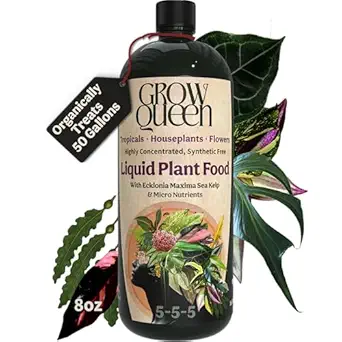 |
Espoma Plant-Tone Organic All-Purpose Plant Food, 4 lb

| Item Form | Granules |
|---|---|
| Specific Uses For Product | Organic,Plant Food |
| Coverage | Medium |
| Target Species | flowers, vegetables, trees and shrubs |
| Mixing Ratio | 5-3-3 |
Espoma Plant-Tone is a ready-to-use granular organic fertilizer designed to feed a broad range of garden plants from perennials and shrubs to vegetables and roses. It supplies a balanced 5-3-3 nutrient mix plus calcium in an organic base that breaks down slowly, so you get extended feeding without frequent reapplication. Typical use is to sprinkle around the drip line of plants in spring and fall for trees and shrubs and monthly for flowering perennials and vegetables during the growing season, then water it in. Notable features include an organic formula approved for organic gardening and a medium coverage profile that makes one 4 lb bag useful for small beds and several shrubs. Practical benefits are steady nutrient release, suitability for organic beds, and simple application with no mixing required. Limitations are that a single 4 lb bag covers only limited area, so larger gardens need multiple bags, and granular slow-release formulas act more gradually than soluble feeds when you want a rapid boost.
Best for: Gardeners who want a dependable organic, all-purpose feed for perennials and shrubs and prefer a low-maintenance slow-release product that fits into seasonal feeding routines.
Less Ideal for: People managing large landscapes or needing fast corrective feeding for nutrient deficiencies should consider higher-coverage or soluble fertilizers instead.
- Organic 5-3-3 formula with added calcium suitable for certified organic gardens
- Granular slow-release form provides steady feeding over time without mixing
- Ready-to-use application applied around the drip line with easy watering-in
- Suitable for a wide range of plants including perennials, shrubs, and vegetables
- 4 lb bag offers limited coverage for larger beds or multiple shrubs
- Slower acting than liquid or soluble fertilizers when immediate nutrient uptake is needed
Verdict: A reliable organic slow-release fertilizer ideal for gardeners who want steady seasonal feeding for perennials and shrubs.
Dr. Earth Organic Tomato, Vegetable & Herb Fertilizer (64 oz)

| Unit Count | 64 Ounce |
|---|---|
| Item Form | Granules |
| Specific Uses For Product | Organic |
| Target Species | Herb |
| Coverage | Medium |
This granular organic fertilizer is designed to boost vegetable and herb production by supplying balanced nutrients and soil biology support. It is typically broadcast into beds, mixed into potting mixes, or applied at planting and midseason for a nutritional lift; the manufacturer recommends reapplying every six weeks for containers. Notable features include a fully organic ingredient list, fast but sustained nutrient release, and a blend of probiotic microbes plus ecto and endo mycorrhizae intended to improve nutrient uptake and drought tolerance. In practice that means healthier root systems and potentially better yields and flavor in crops like cucumbers when used as part of an organic program. Limitations are that it is a medium coverage product in a 64 ounce bag so larger plots will need more frequent purchases, and it contains phosphorus so local runoff rules should be checked before use. Follow the directions for pH and application timing to avoid overapplication in small containers.
Best for: Gardeners who prioritize organic soil health and want a single, biology‑focused fertilizer to support vegetables like cucumbers in beds or containers.
Less Ideal for: Large‑scale growers seeking a bulk, high‑coverage fertilizer or those who must avoid phosphorus due to local regulations should consider other options.
- 100 percent organic formula suitable for certified organic gardens
- Contains beneficial microbes and eight strains of mycorrhizae to support root health and nutrient uptake
- Granular form releases nutrients quickly and continues feeding for several months
- Works for beds, raised planters and containers and can be used at planting, transplanting or midseason
- Bag is medium coverage so not economical for very large vegetable plots
- Includes phosphorus which may be restricted in some local jurisdictions
Verdict: Choose this product if you want an organic, microbe‑rich granular fertilizer that supports root health and steady feeding for cucumber and other vegetable plantings.
Brut Organic Worm Castings, 5 lb

| Item Form | Granules |
|---|---|
| Specific Uses For Product | Gardening,Organic |
| Target Species | All plants |
| Mixing Ratio | 1:5 |
Brut Organic Worm Castings function as a concentrated, natural soil amendment you mix into potting mixes or top-dress garden beds and raised beds. Typical use is mixing at the recommended 1:5 ratio for new indoor plants, sprinkling a cup around established houseplants, or working into outdoor planting holes and beds according to the brand directions. The product is OMRI/CDFA listed and produced in controlled conditions, which supports consistent nutrient content and beneficial microbial life that help roots establish, improve soil structure, and increase moisture retention without burning plants. Practical benefits for raised garden beds include improved aeration, slow-release nutrients, and a boost in microbial activity that supports long-term fertility. Limitations are that it is not a complete NPK fertilizer for immediate heavy feeding needs and larger beds require significant quantities to hit the suggested per-square-foot rates, so frequent applications or bulk purchases may be needed for big projects.
Best for: Gardeners who prioritize dependable, organic soil improvement for raised beds and container gardens and prefer predictable, low-risk amendments that support long-term soil health.
Less Ideal for: Those needing immediate, high-NPK feeding for heavy-feeding crops or gardeners who want to amend very large beds without buying supplemental bulk material.
- Certified organic and produced indoors for consistent purity
- Rich in beneficial microbes that improve soil structure and plant vigor
- Easy-to-use granular form suitable for mixing or top-dressing
- Not a standalone high-NPK fertilizer for rapid nutrient correction
- Five-pound bag may be small for large raised beds and repeated seasonal use
Verdict: Use this OMRI/CDFA-listed worm castings product to reliably build long-term fertility and microbial health in raised beds and containers.
Jobe's Organics Granular Tomato & Vegetable Fertilizer, 4 lb

| NPK | 2-5-3 |
|---|---|
| Item Form | Granules |
| Target Species | Vegetable and tomato |
| Unit Count | 64 Ounce |
Jobe's Organics granular fertilizer is a simple, slow-release feed designed specifically for tomato and vegetable beds. You apply the granules around plants every 4 to 6 weeks during the growing season to supply roots with nitrogen, phosphorus, and potassium in a 2-5-3 ratio aimed at fruiting and root development. The formula derives nutrients from bone meal and processed poultry manure and includes calcium and other micronutrients, which helps reduce blossom end rot and supports solid fruit set. Because it is OMRI listed it fits into organic vegetable production and is safe to use around children and pets when applied as directed. Practical gardeners will appreciate the measured, low-mess granular format and the moderate coverage for small to medium plots. Limitations are that it is not a fast-acting soluble feed for immediate correction and the 4 lb bag covers only a modest area, so larger vegetable gardens will need larger or repeated purchases.
Best for: Gardeners who prioritize organic, low-maintenance feeding for home vegetable and tomato beds and who want a measured, slow-release product for steady crop development.
Less Ideal for: Growers who need rapid correction of nutrient deficiencies or who manage large-scale vegetable plots and prefer concentrated or high-coverage fertilizers.
- OMRI listed for use in certified organic vegetable production
- Balanced 2-5-3 NPK with added calcium and micronutrients to support fruiting and root health
- Slow-release granular form feeds roots over time and reduces risk of over-fertilizing
- Easy to measure and apply for small to medium garden beds
- Not a quick soluble feed for immediate nutrient correction
- 4 lb bag provides only moderate coverage for larger vegetable gardens
Verdict: A reliable OMRI-listed granular feed that delivers balanced, slow-release nutrition ideal for home tomato and vegetable gardens.
Espoma Plant-Tone Organic All-Purpose Granular Fertilizer, 4 lb. (Pack of 3)

| Item Form | Granules |
|---|---|
| Specific Uses For Product | Organic,Plant Food |
| Target Species | plants, shrubs, and trees |
| Mixing Ratio | 5-3-3 |
Espoma Plant-Tone is a ready-to-use, organic granular fertilizer designed to provide slow-release nutrients to a wide range of garden plants. It is typically applied around the drip line of flowers, vegetables, roses, trees, and shrubs and then watered in; roses, flowers and vegetables can be fed monthly while trees and shrubs are treated in spring and fall. The formula emphasizes natural organics and a Bio-tone microbial component with an N-P-K profile listed as 5-3-3 and added calcium, which supports steady growth without synthetic salts. Practical benefits include ease of use since no mixing is required, suitability for certified organic gardens, and a long-lasting nutrient reservoir that reduces the need for frequent feeding. Important limitations are that results are gradual rather than instant and it is not a high-nitrogen option for fast leafy growth, so gardeners seeking rapid greening or corrective, high-analysis feeds will need a different product.
Best for: Gardeners who prioritize steady, reliable feeding and organic credentials for flowers, vegetables, shrubs, and trees and who prefer low-maintenance applications.
Less Ideal for: Gardeners who need rapid, high-nitrogen boosts for quick leafy growth or those looking for a single-use concentrated corrective fertilizer.
- Certified organic formula suitable for organic production
- Ready-to-use granular form requires no mixing and is easy to apply
- Slow-release nutrients provide sustained feeding over the season
- Contains Bio-tone microbes and added calcium to support soil health
- Lower N-P-K ratio means slower visible results compared with high-analysis fertilizers
Verdict: Choose Plant-Tone when you want a dependable, ready-to-use organic fertilizer that delivers slow, season-long feeding for a wide range of garden plants.
FoxFarm Big Bloom Liquid Plant Food, 16 fl oz

| Item Form | Liquid |
|---|---|
| Specific Uses For Product | Organic |
| Application Method | watering can, sprayer, or drip system |
| Unit Count | 16 Fluid Ounces |
| Mixing Ratio | 4 |
Big Bloom is a ready-to-mix liquid plant food intended for flowering and fruiting plants; you dilute 4 tablespoons per gallon of water and apply with a watering can, sprayer, or through drip systems. The formula centers on natural inputs such as bat guano and earthworm castings and is OMRI listed for organic gardening, so it supplies readily available nutrients that can boost blooms and help struggling plants recover quickly. Because it is a low-NPK, bloom-focused concentrate it is useful through multiple growth stages without overwhelming foliage with high nitrogen. Practical benefits include easy integration into existing irrigation, fast uptake for visible response, and suitability for organic beds, containers, and fruiting ornamentals. Important limits are that it contains phosphorus, which some local regulations restrict for turf or lawns, and the small 16 fl oz bottle means frequent refills for larger plantings. Users should follow dilution guidance and local rules to avoid runoff issues.
Best for: Buyers focused on maximizing blooms and fruit on ornamentals, container plants, and small fruiting crops who prefer organic, fast-acting feeding and want a product that fits existing watering systems.
Less Ideal for: People managing large turf areas, large-scale vegetable plots, or those who need a high-nitrogen general-purpose fertilizer should look for formulations designed specifically for those uses.
- Organic certified and OMRI listed, suitable for certified organic gardens
- Natural nutrient sources (bat guano and earthworm castings) that support flowering and fruit set
- Versatile application: watering can, sprayer, hose-end, or drip irrigation compatible
- Low-NPK bloom-focused formula that can be used throughout flowering stages without excessive foliage growth
- Contains phosphorus, which may be restricted by local regulations for some lawn or turf applications
- Smaller 16 fl oz bottle may require frequent repurchasing for medium to large gardens
Verdict: Choose Big Bloom if you want an OMRI-listed, easy-to-use liquid fertilizer that reliably boosts flowering and fruiting in small to medium organic gardens.
Grow Queen Organic Liquid Indoor Plant Food 5-5-5 with Sea Kelp, 8 oz

| Item Form | Liquid |
|---|---|
| Mixing Ratio | 1:1 |
| Specific Uses For Product | Plant Growth |
| Application Method | Watering |
| Target Species | Plants |
Grow Queen's 8 oz concentrated liquid plant food is a balanced 5-5-5 organic fertilizer designed for regular use on houseplants, tropicals and container gardens. You mix one capful (about 4 ml) per gallon of water and either drench the soil or apply as a foliar mist every one to three weeks, which makes it straightforward to fold into a weekly watering routine. The formula includes Ecklonia maxima sea kelp and trace micronutrients, which help support greener foliage, stronger stems and root development without the burning risk of high-strength synthetic feeds. At the stated dilution the bottle treats up to 50 gallons so it will last a small collection for months. It is also labeled safe for aerated hydroponic systems when reservoirs are changed regularly, though it can form a film in stagnant water so fresh mixes are recommended. The product has an earthy ocean scent from real kelp and excludes perfumes and dyes, but that natural smell may bother some users. Directions are simple and the fertilizer pairs well with slow-release feeds for longer-term nutrition.
Best for: Buyers who want a simple, one-bottle solution to feed a mixed collection of houseplants regularly and prefer organic ingredients and seaweed benefits.
Less Ideal for: Growers who need precision nutrient formulas for specific flowering or high-yield vegetable crops or those who require ready-to-use sprays without mixing.
- Balanced 5-5-5 NPK suitable for general indoor plant feeding
- Concentrated formula stretches up to 50 gallons from an 8 oz bottle
- Contains sea kelp and micronutrients to promote foliage color and root strength
- Safe for regular use at recommended dilution with low burn risk
- Natural kelp scent may be noticeable indoors
- Can form a film in standing water so not ideal for non-aerated reservoirs
Verdict: A concentrated, easy-to-use organic 5-5-5 liquid fertilizer with sea kelp that provides straightforward, all-purpose nutrition for indoor plant collections.
Choosing the Right Natural Organic Fertilizer for Plants: Key Factors to Consider
Nutrient Balance and Release Profile
Know the primary nutrients included and how they release. A balanced N-P-K ratio matters for general growth stages, but many organic inputs release nutrients slowly as microbes break them down. That slow release reduces flush growth and nutrient leaching but can leave fast-growing seedlings short if the product is too slow to mineralize.
Check whether the fertilizer supplies secondary nutrients like calcium, magnesium, and sulfur along with trace elements. Those micronutrients support flowering and fruit set. Also consider whether the product lists a guaranteed analysis or describes typical release timing so you can plan feeding around planting and bloom cycles.
Organic Matter and Soil-Building Benefits
Beyond immediate nutrients, organic fertilizers differ in how much they contribute to soil structure and biology. High-organic-content inputs add humus and feed soil microbes, improving water retention, tilth, and nutrient cycling over seasons. Some fertilizers are mostly nutrients with low organic matter, while others act as both nutrient source and compost substitute.
For long-term garden health choose products that explicitly boost organic matter if your soil is heavily depleted. If you already use regular compost, a leaner nutrient-focused organic product may be preferable to avoid over-accumulating carbon-rich materials.
Application Method and Timing
Consider how you plan to apply the fertilizer. Granular products may be broadcast, worked into beds, or used as slow-release topdressings. Liquid teas and soluble blends let you feed quickly but often require more frequent applications. Some organics are best mixed into potting media while others are intended for in-ground side-dressing.
Timing also matters because many organic sources need microbial activity and warm soil to break down. Plan heavier applications in spring or early season when microbes are active, and lighter touch-ups during cool weather to avoid nutrient lockup or slow release when plants most need immediate feeding.
Plant Sensitivity and Safety
Different plants and life stages tolerate organic fertilizers differently. Seedlings and young transplants can be sensitive to high salt or concentrated nutrient sources. Choose low-salt or well-diluted products for starting seed flats and root-sensitive crops.
Also verify any use limits on edible plantings and follow recommended withholding times if applicable. Organic does not automatically mean mild; always follow label directions to prevent foliar burn or root stress.
Source Materials and Contaminant Risk
Understand where the fertilizer materials come from. Inputs made from composted plant matter, well-processed manures, or mineral rock powders have different contamination risks. Compost and manure should be properly composted to reduce weed seeds and pathogens. Rock-based minerals generally have low biological risk but can vary in trace element content.
If you grow food, prioritize products with transparent sourcing and processing information to avoid elevated heavy metals or other contaminants. Certification labels and detailed ingredient lists are useful decision aids.
Cost Per Application and Packaging Size
Think in terms of cost per feeding or per square foot rather than the sticker price. A concentrated organic amendment that is applied infrequently may be more economical than a low-strength product requiring frequent use. Packaging size also affects handling: smaller bags suit container gardens, while bulk or larger bags are easier for in-ground vegetable beds and raised beds.
Consider storage stability too. Some organic materials break down in storage or attract pests, so choose packaging and quantities that match how quickly you will use the product.
Matching Fertilizer to Garden Soil Tests
A soil test is the most reliable way to match an organic fertilizer to your garden. Tests reveal pH, phosphorus and potassium levels, and basic nutrient deficits so you can choose a material that supplies what is actually missing rather than guessing based on general needs.
If your test shows low phosphorus, prioritize an organic source that supplies available P or combines with compost to release phosphorus over the growing season. For low potassium, pick products with higher K content or supplement with wood ash or kelp-derived inputs as appropriate.
- Use tests to avoid overapplying nutrients that are already sufficient
- Adjust pH-related choices since nutrient availability changes with soil acidity
- Combine targeted amendments with general compost for balanced feeding
Using Organics in Containers Versus In-Ground Beds
Containers often need gentler, more soluble feeding because reduced soil volume limits available nutrients and microbial activity. Liquid organic feeds or milder, frequent topdressings work well for pots and planters.
In-ground beds tolerate bulkier, slow-release organics that feed over months and improve soil structure. Larger applications of compost or well-aged manures can be mixed into raised beds or garden rows without stressing roots as long as materials are fully decomposed.
- For pots: choose soluble organics or dilute teas and feed more often
- For beds: incorporate compost and slow-release granular organics in spring
- Avoid fresh uncomposted manure in close contact with roots or edible produce
Timing Feeds Around Plant Growth Stages
Plan feeding schedules for key growth stages. Early spring applications support leaf and stem growth, mid-season boosts help flowering and fruit set, and late-season feedings should be conservative to avoid promoting tender late growth before frost.
Match the fertilizer release rate to plant needs. Use faster-acting organic mixes for rapid leafy growth and slower, sustained sources for steady development and fruit production.
- Start with a soil-building application in late winter or early spring
- Use targeted topdressings or side-dressings at transplanting and bloom
- Reduce nitrogen-heavy feeds late in the season to harden plants before dormancy
Integrating Fertilizers with Compost and Crop Rotation
Organic fertilizers are most effective when used alongside regular compost additions and thoughtful crop rotation. Compost provides a baseline of nutrients and microbial life, while targeted organics correct specific deficiencies.
Rotate heavy feeders away from the same beds to avoid depleting particular nutrients. Use cover crops to capture and recycle nutrients between seasons, then apply organic fertilizers to replenish what the previous crop removed.
- Combine compost with targeted organics for balanced fertility
- Use legumes as cover crops to fix nitrogen naturally
- Topdress with organic fertilizers after cover crop termination to release nutrients
Practical Storage and Handling Tips
Store organic fertilizers in a cool, dry place and keep bags sealed to prevent moisture uptake and caking. Some organic materials can attract pests or develop odors if left open in damp conditions.
Measure applications carefully and mix thoroughly into soil when recommended. Carry a small scoop or calibrated spreader for repeatable application rates, especially when working with small container plantings.
- Label containers with application rates and dates
- Avoid storing near seed packets to prevent contamination
- Use gloves and dust masks when handling dry powders to avoid irritation
How We Chose the Best Natural Organic Fertilizer for Plants
We focused on characteristics that matter in everyday gardening rather than lab claims. Key evaluation criteria included nutrient composition and release profile to judge how well a fertilizer supplies primary and secondary nutrients over time, and soil-building benefits such as organic matter content and microbial food that support long-term fertility. Application practicality was assessed, including how easy the product is to spread, incorporate, or dissolve and whether it fits common garden workflows like topdressing, potting mixes, or side-dressing. Safety and suitability for intended plants were considered, paying attention to salt index and recommended rates to avoid seedling burn or root stress. Sustainability and source transparency were reviewed to prefer inputs that come from renewable or recycled organic materials and have minimal contamination risk. We excluded synthetic or chemically concentrated nutrient products, lawn-only formulations, and items without clear ingredient information. The final list features products that scored well across these specific, gardener-focused dimensions.
FAQ
How soon will plants respond to an organic fertilizer?
Response time often depends on the product and soil temperature. Soluble organics and liquid feeds can show visible changes in days to weeks, while high-organic or mineral-based amendments may take several weeks to months as microbes break them down.
Can I overapply organic fertilizer?
Yes, overapplication is possible. Excessive organic nitrogen sources can burn roots or create imbalanced growth. Follow recommended rates and consider splitting applications to avoid concentrated nutrient contact with roots.
Is it safe to use organic fertilizer on edible crops?
Most properly processed organic fertilizers are safe for edible crops when label directions are followed. Avoid raw manures or unprocessed materials close to harvest and use well-composted inputs to reduce contamination risks.
Do organic fertilizers change soil pH?
Some organic materials can influence pH over time. For example, wood ash raises pH and adds potassium, while sulfur-based organics may lower pH. Monitor soil pH and choose amendments that align with target pH for your crops.
How often should I reapply organic fertilizer?
Reapplication frequency depends on product strength and plant needs. Slow-release organics may be applied once or twice per season, while liquid feeds might be used every few weeks during active growth. Tailor timing to crop demands and soil test results.
Final Verdict
Match your choice to both immediate plant needs and long-term soil goals. Prioritize products that supply the nutrients you lack according to a soil test, while also improving organic matter and microbial activity if your soil structure needs rebuilding. Weigh application style and timing so feeds align with growth stages and planting types. With those tradeoffs in mind, select a natural organic fertilizer for plants that fits your workflow and soil conditions to achieve steady growth and healthier soil over time.
