

Note: This article contains affiliate links. If you click on these links and make a purchase, I may earn a small commission at no extra cost to you. This helps support my research and content. Read my full affiliate disclosure here.
Picking the right full-sun plants for planter use matters because containers heat up, dry out faster, and restrict root space compared with garden beds. The wrong selection quickly leads to wilting, messy plugs, or repeated replanting. This guide focuses on six compact, sun-loving plants that perform specifically in planters and window boxes. Each shortlisted option was chosen for predictable container behavior: drought tolerance, compact habit, and steady flowering or foliage interest. Below we explain the criteria used, practical tradeoffs, and what to expect from plants rated for full sun in pots and raised planters.
Top Picks at a Glance
| Best Overall The best all-around choice for most situations | Perfect Plants Peach Drift Rose, 1 Gallon Live Flower Plant |  |
| Best Quality Built to a higher standard if you want something more solid | Proven Winners Double Play Doozie Spirea Shrub, 2 Gal. |  |
| Best Value The sweet spot between price and what you get | The Three Company Lavender (2-Pack) Live Fragrant Purple Perennials in 1-Qt Pots |  |
| Highest Rated A top-rated pick with lots of positive feedback | ELLA'S HOMES Lantana Live Plants (2-Pack) |  |
| Most Popular A crowd favorite that many people choose with confidence | Perfect Plants Confederate Jasmine Live Plant, 1 Gallon |  |
| Best Seller A high-volume bestseller chosen again and again | PERFECT PLANTS Frostproof Gardenia Live Plant, 1 Gallon |  |
Perfect Plants Peach Drift Rose, 1 Gallon Live Flower Plant

| Indoor Outdoor Usage | Outdoor |
|---|---|
| Sunlight Exposure | Full Sun |
| Other Special Features of the Product | Drought Tolerant |
| Expected Blooming Period | Winter |
| Moisture Needs | Moderate Watering |
The Peach Drift rose is a compact, groundcover-style rose sold as a 1-gallon live plant intended for outdoor planting in full sun. It produces peach-colored blooms for much of the year and is offered with plant food to help establishment. Typical uses are massing along walkways, in pots on sunny patios, or as a low hedging/groundcover where a 1 to 2 foot plant height and spreading habit are desired. Notable features listed are drought tolerance, winter hardiness across multiple USDA zones, and moderate water needs, which together make it forgiving for busy gardeners and suitable for containers that drain well. Practical benefits include long bloom periods, attractive low-maintenance form, and easy placement in full-sun spots. Limitations are that it ships as a small 1-gallon specimen so it will take a season or two to fill a space, and it is not suitable for shady locations or climates outside the listed hardiness zones.
Best for: Buyers who want a low-maintenance, sun-loving container plant or groundcover that provides long-lasting color with minimal fuss and proven customer satisfaction.
Less Ideal for: Gardeners seeking an instant, mature specimen or plants for shady locations should look elsewhere.
- Long bloom period with peach-colored flowers for seasonal interest
- Drought tolerant and winter hardy across several USDA zones for low-maintenance care
- Compact, groundcover growth habit works well in pots or mass plantings
- Includes easy-to-use plant food to support establishment
- Arrives as a 1-gallon plant so it needs time to reach mature spread and height
Verdict: An easy-care, sun-loving rose that delivers long-lasting peach blooms in containers or mass plantings for gardeners who prioritize reliable performance.
Proven Winners Double Play Doozie Spirea Shrub, 2 Gal.

| Sunlight Exposure | Full sun to partial shade |
|---|---|
| USDA Hardiness Zone | 3, 4, 5, 6, 7, 8 |
| Expected Blooming Period | Spring to Fall |
| Moisture Needs | Moderate Watering |
| Soil Type | Sandy Soil |
The Double Play Doozie spirea is a compact ornamental shrub prized for nonstop spring-to-fall flowering and striking red-to-purple foliage and blooms. Sold in a 2 gallon pot, it is typically used as a container accent, grouped edge planting, or low hedge where bright seasonal color is desired. Notable features include seedless, non-invasive habit that channels energy into continuous blooms, broad USDA hardiness (zones 3 to 8), and tolerance for sandy soils and moderate water. Practical benefits are reliable color without constant deadheading, easy placement in full sun containers on patios, and low maintenance care: plant in sun to part shade, water at planting, mulch and fertilize in early spring. Limitations are its modest mature spread and height, which make it unsuitable as a large specimen, and the need to keep it watered during establishment; it is deciduous so it loses foliage in winter. For growers seeking a high-impact, low-effort container plant, this spirea hits the brief, but plan for seasonal dormancy and appropriate spacing when using multiple pots.
Best for: Gardeners who want a low-maintenance, high-impact container or border plant that provides continuous color in full sun and values reliable performance over novelty.
Less Ideal for: People seeking an evergreen focal shrub or a large specimen to fill expansive beds should consider larger or evergreen alternatives.
- Repeat blooming from spring through fall delivers long season color
- Seedless, non-invasive habit directs energy to flowers rather than reseeding
- Performs across USDA zones 3 to 8 for wide climate adaptability
- Works well in containers and as a low hedge or landscape accent
- Deciduous nature means no winter foliage interest
- Modest mature size limits use as a large specimen plant
Verdict: Choose this spirea when you need a compact, low-maintenance container or border plant that delivers long season, showy blooms in full sun.
The Three Company Lavender (2-Pack) Live Fragrant Purple Perennials in 1-Qt Pots

| Sunlight Exposure | Full Sun |
|---|---|
| USDA Hardiness Zone | 5-9 |
| Moisture Needs | Low |
| Expected Blooming Period | Late Spring to Summer |
These lavender plants arrive as two 1‑quart pots of Lavandula Purple intended for outdoor planting in full sun. They are compact, mounded perennials that reach roughly 12–18 inches tall and are typically used in containers, balcony planters, or low hedge borders where their purple blooms and strong scent add visual and aromatic interest. The plants prefer well‑draining soil and low moisture once established, which makes them low‑maintenance for sunny balconies. Notable features include pollinator‑attracting flowers, deer‑deterring scent, and suitability for USDA zones 5–9, which covers many temperate climates. Because these are live plants shipped from a greenhouse, success depends on initial care during the first weeks after planting and ensuring pots have drainage. Plant size on arrival and bloom timing will vary by season, and buyers in very hot or very cold microclimates should adjust care accordingly. For small‑space gardeners wanting fragrant, drought‑tolerant color in full sun, these lavenders are a practical choice when tended promptly after delivery.
Best for: Gardeners with sunny balconies who want low‑maintenance, fragrant flowering plants that perform well in containers and attract pollinators.
Less Ideal for: People with shaded or mostly north‑facing balconies or those unwilling to water and pot the plants promptly after delivery.
- Compact habit suited to containers and balcony planters
- Fragrant purple blooms that attract pollinators
- Low water needs once established for easy care
- Shipped as live plants directly from greenhouse so you receive established starts
- Success depends on prompt transplanting and initial watering care after arrival
- Not suitable for shady balconies since it requires full sun
Verdict: A compact, fragrant lavender pair that gives sunny balconies long‑lasting color and low‑maintenance scent when planted in well‑draining containers.
ELLA'S HOMES Lantana Live Plants (2-Pack)

| Unit Count | 2 Count |
|---|---|
| Plant Type | Perennial Flower Plant |
| Sun Exposure | Full sun |
| Size at Shipment | 5-12 Inches Tall |
This 2-pack of Lantana live plants arrives ready to transplant into pots or garden beds and is aimed at straightforward, low-maintenance summer color. Each plant is described as well-rooted and 5 to 12 inches tall, with random blooming colors that provide mixed orange, yellow, red, and purple clusters. In practice these lantanas perform best in full sun and are valued for long bloom periods and drought tolerance once established, making them a reliable option for sunny patios and containers. The plants are perennial where climate allows but go dormant in winter, so they are best used as outdoor seasonal or multi-year accents depending on your zone. Limitations are the random color selection and modest initial size, so buyers who need specific color schemes or instant large specimens may want larger or labeled starts. For gardeners seeking fuss-free, sun-loving container plants, these lantanas are an easy way to add sustained bloom without heavy care requirements.
Best for: Buyers who want dependable, low-effort full-sun container plants that provide long-lasting color on patios and in sunny beds.
Less Ideal for: Gardeners who need specific flower colors on demand or immediate large displays should consider larger nursery specimens or labeled varieties.
- Ready-to-transplant, well-rooted plants for quick establishment
- Long-blooming, colorful flower clusters that thrive in full sun
- Low maintenance and drought-tolerant once established
- Sold as a two-pack for easy pairing in pots or beds
- Color is random so exact flower shades are not guaranteed
- Plants are small on arrival and may take a season to reach full size
Verdict: A simple, dependable two-pack of sun-loving lantanas that delivers long-lasting color with minimal care.
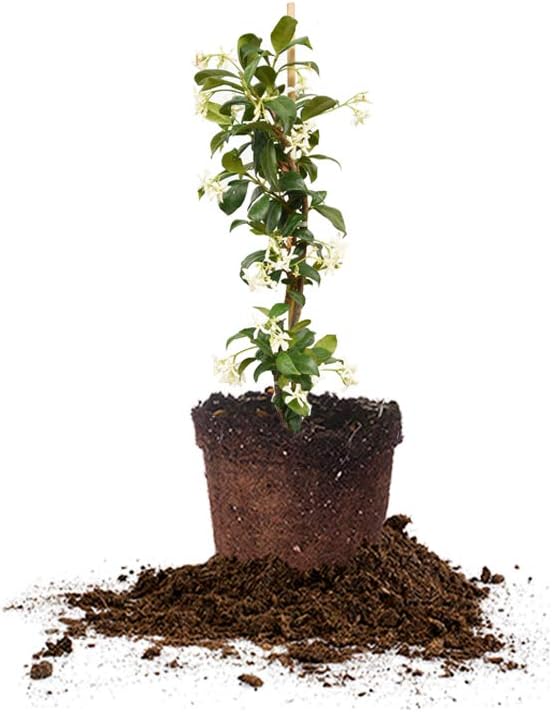
Perfect Plants Confederate Jasmine Live Plant, 1 Gallon
| Indoor Outdoor Usage | Outdoor |
|---|---|
| Other Special Features of the Product | Fragrant |
| Expected Blooming Period | Summer, Spring |
| Sunlight Exposure | Full Sun, Partial Shade |
| USDA Hardiness Zone | 4 |
This 1-gallon Confederate jasmine arrives as a young vine that quickly establishes in sunny spots and rewards with heavily scented, pale pinwheel flowers in spring and summer. Growers typically train it on a trellis, fence, hanging basket with support, or along railings; the vine is noted for cascading lime-green foliage and responds well to light shaping with clips or garden wire. Notable features from the listing include suitability for full sun to partial shade, moderate watering needs, and USDA hardiness to zone 4, which means it can persist in a wide range of climates when planted in appropriate sites. As a live plant it is straightforward to plant in loam-based soils and is described as easy to grow and maintain. Limitations to consider are that this is a young, single-plant offering so it will take time to reach its mature height and spread, and it requires support and periodic pruning to control vigor if used in baskets or confined containers. Also it does not ship to certain states according to the product notes.
Best for: Buyers who want an easy-care, fragrant climbing vine to add scent and cascading foliage to sunny baskets or supported containers and who value proven plant performance backed by customer feedback.
Less Ideal for: Gardeners seeking an instant full basket display or a no-maintenance groundcover should look elsewhere, as this vine needs time, training, and occasional pruning to fill space.
- Fragrant spring and summer blooms that add strong scent to outdoor spaces
- Tolerates full sun to partial shade making placement flexible
- Described as easy to grow which suits novice gardeners
- Hardy to USDA zone 4 so adaptable across many climates
- Sold as a single 1-gallon plant so it needs time and space to reach full coverage
- Requires a trellis or support and pruning to train and control growth
Verdict: A fragrant, easy-to-grow jasmine vine ideal for gardeners who want a proven, sun-tolerant climber to add scent and cascading foliage to hanging baskets and supported containers.
PERFECT PLANTS Frostproof Gardenia Live Plant, 1 Gallon

| Indoor Outdoor Usage | Outdoor |
|---|---|
| Other Special Features of the Product | Deer Resistant, Fragrant |
| Expected Blooming Period | Summer |
| Sunlight Exposure | Full Sun, Partial Shade |
| Expected Planting Period | Spring |
This 1-gallon Frostproof gardenia is a compact, fragrant shrub intended for outdoor landscape use. It arrives as a live plant with a recommended mature height around 5 feet and is typically planted in mulch beds, as a low hedge, or as an accent near entries where its scent can be enjoyed. Notable features include deer resistance, a history of reliable spring and summer blooms, and included easy-to-use plant food for a simpler start. The plant prefers full sun to partial shade, so it will tolerate some shaded locations but performs best where it receives several hours of direct light. Practical benefits for a cautious buyer are straightforward care, minimal pruning to maintain shape, and an aromatic presence that enhances small gardens or patios. Limitations are that it is sold as a 1-gallon specimen so it will need time to reach mature size, and the product text notes shipping exclusions to a few states which affects availability for some buyers.
Best for: Buyers who want an easy-care, scented shrub for a small garden or patio and prefer reliable, low-maintenance plants that establish steadily rather than instant large specimens.
Less Ideal for: Gardeners seeking an immediate tall screening hedge or a plant for deep, full shade should consider alternative species better suited to dense shade or instant privacy needs.
- Fragrant white blooms that enhance outdoor seating areas during spring and summer
- Deer resistant variety reduces need for protective measures in deer-prone yards
- Includes plant food to simplify initial establishment
- Tolerates partial shade, allowing placement in spots without full sun all day
- Sold as a small 1-gallon plant so it requires time to reach mature size
- Per product notes it does not ship to certain states which limits access for some buyers
Verdict: Choose this gardenia if you want a low-maintenance, fragrant shrub that tolerates some shade and adds seasonal white blooms to small outdoor spaces.
Choosing the Right Full Sun Plants for Planter: Key Factors to Consider
Sun and Heat Exposure
Planters in full sun are exposed to higher daytime temperatures and often much hotter root zones than in-ground beds. Choose plants rated for strong sun to avoid leaf scorch and stalled blooms. Consider how reflective hardscaping or heat-trapping surfaces around the planter amplify exposure.
Placement matters: a balcony with afternoon sun is harsher than a south-facing garden bed. Match plant sun tolerance to the exact planter location and expect to water more during heat waves even for sun-tolerant species.
Soil Volume and Root Space
Containers limit the amount of soil and therefore the root volume available to a plant. Compact varieties or those genetically adapted to smaller root systems perform better than plants that require deep anchoring. Check the mature size and select cultivars labeled for containers when possible.
Smaller soil volume also means nutrients are used up faster and pH can swing more quickly. Frequent light feedings and occasional substrate refresh are common maintenance tasks for long-lived container plantings.
Drought Tolerance and Water Management
Even in full sun, some plants are drought tolerant while others are simply sun-loving but thirsty. For planters, favor species that can endure brief dry spells and recover quickly after watering. Good drainage, a porous potting mix, and thoughtful irrigation reduce the risk of root rot during cooler, wet periods and avoid chronic drought stress during hot spells.
Mulching the top of the pot with decorative grit or bark can slow evaporation but will not replace regular checks during heat waves. Consider watering method and frequency you can realistically maintain before committing to thirsty selections.
Size and Habit Control
Planter-friendly plants should have a predictable, compact habit. Upright growers, mounding plants, or trailing varieties each offer different visual effects and space requirements. Overly aggressive spreaders or deep-rooted species will quickly look crowded in standard planters.
Pruneable plants are easier to keep in scale; those requiring frequent root pruning or repotting add maintenance. Think about how the plant will look mid-season and at peak growth when assessing habit.
Bloom Length and Visual Payoff
One reason gardeners pick full-sun plants for planters is for reliable color and seasonal interest. Consider how long blooms last, whether the plant reblooms with deadheading or needs replacement mid-season, and whether foliage provides ornamental value when flowers fade.
Perennials, long-blooming annuals, and some subshrubs offer steady payoff. Decide if you prefer continuous bloom with more feeding or lower-maintenance foliage-driven containers.
Pest and Disease Resistance
Containers create microenvironments where pests and fungal issues can spread quickly. Choose plants with known resistance to common container pests, or those that tolerate occasional chewing or sap-sucking without rapid decline. Good airflow around the planter and clean soil help, but inherent resistance reduces intervention.
Inspect plants regularly; early action prevents large infestations in limited potting volume.
Right Potting Mix and Drainage for Full Sun Containers
A lightweight, well-draining potting mix keeps roots cooler and reduces the risk of waterlogging. For full-sun planters, mix in materials that improve porosity, such as coarse grit or perlite, and include a slow-release fertilizer to sustain bloom cycles. Avoid garden soil that compacts and retains heat.
Ensure drainage holes are clear and choose pots with sufficient volume for the plant's mature root system. In very hot climates, using thicker-walled pots or placing planters in partial shade during the hottest hours can protect roots without sacrificing sun exposure for the foliage.
- Use a free-draining, soil-based or peat-free mix for warmth and moisture balance
- Add perlite or coarse sand to improve aeration
- Confirm adequate drainage holes and consider raised feet for airflow
Watering Strategies for Heat and Dry Spells
Full-sun planters often need more frequent checks. Water deeply until water runs from the drainage hole to encourage deeper root growth, then allow the top inch or two to dry depending on the species. In extreme heat, twice-daily top-ups for small pots may be necessary, while larger containers retain moisture longer.
Self-watering containers, capillary mats, or soaker wicks can reduce daily chores, but they change how drought-tolerant a plant behaves. Adapt your watering schedule to the plant type and pot size rather than following a fixed calendar.
- Water deeply and less often to promote stronger roots
- Adjust frequency by pot size, potting mix, and daily heat exposure
- Consider watering aids for vacation coverage or very small pots
Designing Planter Combinations with Sun-Loving Plants
Mixing different habits adds visual interest: pair a bold upright or focal plant with trailing fillers and a contrasting foliage texture. Keep all companions matched for sun requirement and watering needs to avoid mismatched care. In tight planters, choose one vigorous center plant and smaller companions that tolerate sharing soil volume.
Balance bloom timing so the planter looks full through the season. Use a combination of long-flowering varieties and structural foliage plants to maintain appeal when individual flowers fade.
- Match water and sun needs among companions
- Use a thriller, spiller, filler approach for classic container composition
- Avoid pairing thirsty plants with drought-efficient species
Seasonal Care and Overwintering Tips
Routine tasks for full-sun planters include deadheading spent blooms, light feeding during active growth, and periodic top-dressing of the potting mix. Trim back legginess to maintain a compact shape and pinch out tips to encourage branching when appropriate.
For regions with cold winters, plan for overwintering by moving containers to protected areas, insulating pots, or switching to annuals. Some sun-loving perennials outgrow pots after a few seasons and will need division or repotting in spring.
- Feed lightly every few weeks with a balanced liquid fertilizer during bloom
- Deadhead to extend flowering for many annuals
- Protect roots from deep freezes by moving or insulating pots
Troubleshooting Common Container Problems
Wilting despite regular watering often indicates root-bound plants or degraded potting mix. Gently check roots and repot into a larger container or refresh the soil if roots circle tightly. Yellowing lower leaves can be a sign of nutrient depletion or inconsistent moisture.
Powdery mildew and fungal leaf spots arise in crowded, poorly ventilated planters. Increase airflow, avoid overhead watering in the evening, and thin out dense growth to reduce disease pressure.
- Inspect root systems annually for signs of crowding
- Replace old potting mix every two to three years for long-term plantings
- Improve airflow to limit fungal problems
How We Chose the Best Full Sun Plants for Planter
We narrowed candidates by focusing on characteristics that matter for container gardening in full sun. Criteria included drought tolerance in pots, root-bound tolerance and vigor in confined spaces, compact mature size suited to planters, and consistent flowering or foliage interest across a long season. We also evaluated ease of maintenance for typical gardeners, including pruning needs and fertilization frequency, and resistance to common container pests and diseases. Plant types that demand deep soil, aggressive staking, or extensive winter protection were excluded. We avoided specimens that typically need constant moisture or sprawling root systems that overwhelm standard planters. The final selections reflect a balance between visual impact and predictable behavior in full-sun containers, and the scoring metrics below match the dimensions we judged: sun tolerance in hot microclimates, water efficiency in pots, container vigor and size control, flowering or foliage payoff, and maintenance demands.
FAQ
How often should I water full-sun planters in hot weather?
It depends on pot size and plant type. Small pots may need daily checks and sometimes twice-daily top-ups during heat waves. Larger containers typically need deep watering every few days. Always water thoroughly until excess drains and then let the topsoil dry slightly before the next session.
Can I grow perennials in planters that get full sun year-round?
Yes, many sun-loving perennials adapt to containers, but their root space limits long-term vigor. Expect to repot or divide perennials every few years and choose varieties known for compact habits to reduce stress and maintain healthy growth.
What pot size is best for sun-exposed plants?
Bigger is generally better in full sun because larger soil volume buffers temperature swings and retains moisture longer. Select a container proportionate to the plant's mature size; small decorative pots are fine for annuals or small fillers, while focal plants benefit from deeper, wider planters.
Should I use mulch in a planter to reduce evaporation?
A thin layer of decorative grit or coarse mulch can slow evaporation and keep the surface cooler, but it will not replace regular watering. Avoid heavy organic mulches that compact and limit airflow in small pots.
How do I choose companion plants for a sunny planter?
Pick companions with matching sun and water needs and similar mature sizes. Combine an upright or showy center plant with trailing fillers and a contrasting foliage element to maintain balance and continuous interest through the season.
Final Verdict
Choose full-sun planter plants by prioritizing heat tolerance, drought efficiency, and compact habit that suits the pot size. Balance long-flowering species with structural foliage to maintain visual interest and reduce the need for constant replanting. Expect tradeoffs: bigger containers and slightly higher maintenance yield more reliable results, while smaller pots favor truly compact, low-water selections. Make decisions based on where the planter sits, how much daily care you can provide, and whether you want continuous blooms or lower-maintenance foliage. With the right match of plant habit and container, you will get robust, attractive planters that thrive in full sun.
