

Note: This article contains affiliate links. If you click on these links and make a purchase, I may earn a small commission at no extra cost to you. This helps support my research and content. Read my full affiliate disclosure here.
Growing tomatoes hydroponically changes how you feed plants. In a soilless system the nutrient solution is everything, so choosing the right hydroponic fertilizer for tomatoes affects fruit set, flavor, and plant health. This guide shortlists the top options for tomato growers working in nutrient film technique, deep water culture, ebb-and-flow, or drip systems. We evaluated mixes that offer complete macronutrients, necessary micronutrients, and predictable EC and pH behavior. Below you will find our top picks and a clear explanation of how we judged mixes for steady flowering, consistent fruit development, and easy maintenance.
Top Picks at a Glance
| Best Overall The best all-around choice for most situations | MasterBlend 4-18-38 Complete Combo Kit Fertilizer (5 lb kit) |  |
| Best Quality Built to a higher standard if you want something more solid | MasterBlend 4-18-38 Complete Combo Kit Fertilizer (2.5 lb kit) |  |
| Best Value The sweet spot between price and what you get | Ahopegarden 800ml A&B Hydroponic Nutrients Liquid Plant Food |  |
| Highest Rated A top-rated pick with lots of positive feedback | Jack's Nutrients Part A & Cal Nit Part B 2.2 lb Fertilizer Bundle |  |
| Most Popular A crowd favorite that many people choose with confidence | AeroGarden Miracle-Gro Liquid Plant Food 4-3-6, 3 fl oz |  |
| Best Seller A high-volume bestseller chosen again and again | TPS Nutrients Liquid Plant Food for AeroGarden and Hydroponics, 8 oz | 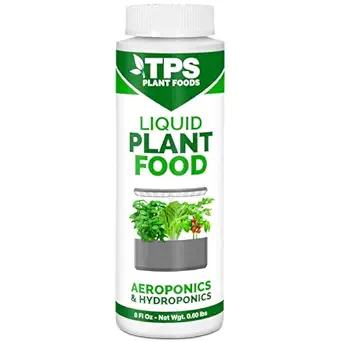 |
MasterBlend 4-18-38 Complete Combo Kit Fertilizer (5 lb kit)

| Item Form | Powder |
|---|---|
| Specific Uses For Product | Plant Growth |
| Target Species | Tomatoes and Vegetables |
| Mixing Ratio | 1:1:0.5 |
This MasterBlend combo kit supplies the three dry components used in the classic MasterBlend hydroponic recipe: MasterBlend 4-18-38, calcium nitrate 15.5-0-0, and Epsom salt. It is sold as pre-measured portions (1:1:0.5 ratio) so you can mix each component separately into water to create a balanced nutrient solution for tomatoes and other vegetables. The powder form dissolves quickly for easy dosing and the kit is sized for repeated 5-gallon mixes using the recommended grams per mix. Practical benefits include professional-grade NPK balance with added calcium and magnesium to prevent common blossom-end rot and magnesium deficiency in fruiting crops. Important limitations are that it is a concentrated chemical blend that requires careful measuring and protective handling, and the kit itself contains only the dry salts so pH adjustment and full nutrient management are still required for a complete hydroponic program.
Best for: Growers who want a reliable, professional-style hydroponic fertilizer kit for tomatoes and other vegetables and who prefer to mix and manage their own nutrient solution precisely.
Less Ideal for: Casual or beginner gardeners who want an all-in-one, ready-to-use liquid feed or who prefer fertilizer products that include pH control and complete micronutrient blends.
- Contains the three key, water‑soluble components (MasterBlend, calcium nitrate, Epsom salt) for the standard MasterBlend recipe
- Pre-measured ratio (1:1:0.5) simplifies mixing consistent 5‑gallon nutrient solutions
- Powdered, highly soluble form for fast dissolution and plant uptake
- Targets tomatoes and vegetables with an NPK formulation suited for fruiting growth
- Requires careful handling and protective equipment because components are concentrated chemicals
- Does not include pH adjusters or additional micronutrients beyond the listed salts
Verdict: Buy this kit if you want a compact, professional MasterBlend combo that makes mixing consistent, calcium‑rich hydroponic nutrient solutions for tomatoes straightforward.
MasterBlend 4-18-38 Complete Combo Kit Fertilizer (2.5 lb kit)

| Item Form | Powder |
|---|---|
| Specific Uses For Product | Plant Growth |
| Mixing Ratio | 1:1:0.5 |
| Coverage | Full |
This MasterBlend combo kit supplies the three concentrated components growers need to mix a balanced nutrient solution: MasterBlend 4-18-38, calcium nitrate, and Epsom salt in pre-set weights. It is used by dissolving each component separately into water according to the included recipe (12 g MasterBlend, 12 g calcium nitrate, 6 g Epsom salt per 5 gallons) to produce a complete feed suitable for hydroponics and intensive tomato production. The powder form is fully water soluble so nutrients are available for rapid uptake and the kit makes roughly 180 to 190 gallons of finished solution, which is convenient for repeat feedings. Practical benefits include precise, professional-grade control over macronutrients and the addition of calcium and magnesium to prevent blossom end rot and deficiency symptoms. Important limitations are that components must be mixed correctly and added separately to avoid precipitation, and the kit requires scales or the supplied scoop and basic knowledge of nutrient management to hit target EC and pH for tomatoes.
Best for: Growers focused on consistent, high-yield tomato production who are comfortable measuring and mixing concentrated nutrients and monitoring solution strength and pH.
Less Ideal for: Casual gardeners or beginners who want a plug-and-play liquid fertilizer and prefer minimal measuring or nutrient management tasks.
- Includes all three concentrated components (MasterBlend, calcium nitrate, Epsom salt) for a complete nutrient program
- Fully water soluble powder for fast dissolution and uptake
- Pre-measured recipe and scoop simplify batch preparation
- Yields a large volume of solution (about 180–190 gallons) suitable for multiple feedings
- Requires careful separate mixing of components to avoid chemical reactions or precipitation
- Not a ready-to-use liquid so it needs measuring and mixing and basic nutrient management knowledge
Verdict: Buy this kit if you want a professional, concentrated three-part nutrient system that gives precise control for high-performance hydroponic tomato growing.
Ahopegarden 800ml A&B Hydroponic Nutrients Liquid Plant Food

| Item Form | Liquid |
|---|---|
| Specific Uses For Product | Hydroponic Nutrients, Plant Growth, Root Development, Seed Development |
| Target Species | Vegetables, Fruits, Flowers |
| Liquid Volume | 800 ml |
| Mixing Ratio | 1:1 (5ml A + 5ml B per 1L then use 1:200) |
This two-part Ahopegarden hydroponic nutrient comes as an 800 ml concentrate intended to feed plants through every growth stage in indoor hydroponic systems. You mix 5 ml of Solution A and 5 ml of Solution B into 1 L of water (a 1:200 working ratio) and dose that solution to your reservoir; the product separates incompatible minerals across two bottles to keep the formula stable and bioavailable. In practice it is easy to use for beginners thanks to clear directions and a marked cap for measuring, and the complete A&B formula means you do not need multiple specialty bottles for veg versus bloom phases. The concentrate should support many refill cycles, which helps stretch value for budget-minded growers. Limitations are typical of concentrated A&B systems: you must keep the two parts separate until mixing and follow the dosing precisely to avoid nutrient imbalance, and no N-P-K breakdown or micronutrient list is provided on the label for fine-tuning advanced nutrient programs.
Best for: Growers who want an affordable, all-in-one hydroponic nutrient that is easy to measure and stretches across multiple refill cycles for year-round indoor vegetables and herbs.
Less Ideal for: Advanced hobbyists who need exact N-P-K and micronutrient specifications or growers running specialized nutrient regimens will want a product with full analytical data.
- Large 800 ml concentrate provides enough solution for multiple grow cycles
- Two-part A&B formulation keeps incompatible minerals separate for stable potency
- Simple, marked cap and clear mixing instructions make it beginner-friendly
- Marketed as complete full-cycle feed suitable for vegetables, fruits, and flowers
- Label does not list a detailed N-P-K or full micronutrient breakdown for precision feeding
- Requires careful mixing of two parts and accurate dosing to avoid imbalance
Verdict: Ahopegarden's 800 ml A&B concentrate is a budget-friendly, easy-to-use complete feed that stretches across many hydroponic cycles for reliable full-cycle indoor growing.
Jack's Nutrients Part A & Cal Nit Part B 2.2 lb Fertilizer Bundle

| Item Form | Powder |
|---|---|
| Mixing Ratio | 1:256 |
| Specific Uses For Product | Plant Growth |
| Included Components | 2 Bags |
This Jack's Nutrients bundle pairs a balanced Part A formula with a calcium-focused Cal Nit Part B to support plants through vegetative growth and finishing in hydroponic systems. Both components are powdered and highly soluble, so you mix measured amounts into reservoir water for continuous-feed or scheduled feeding programs. Part A supplies a broad spectrum of macros and micronutrients to promote root and leaf development while Part B delivers nitrate nitrogen and available calcium to reduce blossom end rot risk and strengthen foliage during fruiting. Practical benefits include concentrated powder that yields many gallons of solution and clear mixing ratios for repeatable, reliable feedings. Important limitations are that it is a two-part system requiring correct sequencing and measurement, and you must monitor EC and pH separately because no meters are included. For tomato growers focused on steady, predictable nutrition in hydroponics, this bundle is a straightforward, professional-grade option that integrates easily into nutrient schedules.
Best for: Growers who prioritize consistent, professional-style nutrition for hydroponic tomatoes and want a reliable, repeatable feeding program rather than a one-part convenience product.
Less Ideal for: Casual hobbyists who prefer ready-to-use liquid fertilizers or beginners unwilling to monitor reservoir EC and pH closely.
- Two-part system provides both complete growth nutrition and a dedicated calcium/nitrate finish
- Powdered, highly soluble concentrates produce many gallons of feed per bag
- Clear mixing ratio (1:256) simplifies repeatable preparation for hydroponic reservoirs
- Formulated to promote root and leaf development early and calcium uptake during fruiting
- Requires careful measurement and sequencing of two parts which adds steps to feeding
- No built-in guidance for EC or pH management so separate monitoring tools are needed
Verdict: Use this two-part, water-soluble nutrient system when you want a reliable, professional-grade feeding program that supports strong vegetative growth and prevents calcium-related fruit problems in hydroponic tomatoes.
AeroGarden Miracle-Gro Liquid Plant Food 4-3-6, 3 fl oz

| Brand | AeroGarden |
|---|---|
| Item Form | Liquid |
| Application Method | Add to water reservoir via dispenser cup |
| Target Species | Houseplants |
| Liquid Volume | 3 fluid ounces |
This 3 fl oz AeroGarden Miracle-Gro liquid plant food is a concentrated hydroponic nutrient designed to be added to the water reservoir of indoor gardens. It is typically used with countertop hydroponic systems to feed herbs, leafy greens, and fruiting plants like small tomato varieties by adding a measured amount with the included dispenser cup when you top off the reservoir. Notable features include a liquid formulation for easy dosing, an organic pH buffering system to help stabilize nutrient availability, and a compact bottle that is simple to store. Practical benefits are faster, more consistent growth and improved germination compared with plain water, plus the convenience of clear ML markings for accurate mixing. Limitations are the small 3 fl oz size, which will require frequent replacement for larger or multiple hydroponic units, and the absence of a detailed mixing ratio on the label in the listing that forces users to follow the included cup and directions carefully. Best used as a maintenance nutrient for small to medium indoor gardens rather than a season-long bulk supply.
Best for: Buyers who run small to medium indoor hydroponic gardens and want a ready-to-use liquid nutrient that is easy to dose and stabilizes pH for more consistent growth.
Less Ideal for: Growers managing large hydroponic systems, commercial setups, or those who prefer granular or bulk fertilizers should look for higher-volume or more concentrated alternatives.
- Liquid concentrate for easy, accurate dosing into hydroponic reservoirs
- Includes dispenser cup with ML markings for straightforward measurement
- pH buffering system helps maintain nutrient availability in hydroponic setups
- Formulated for use with indoor hydroponic gardens and houseplants
- Small 3 fl oz bottle requires frequent repurchasing for larger or multiple systems
- Mixing ratio in product text is vague, so users must follow dispenser markings closely
Verdict: A compact, easy-to-dose liquid nutrient that stabilizes pH and suits small indoor hydroponic gardens, making feeding simple and consistent.
TPS Nutrients Liquid Plant Food for AeroGarden and Hydroponics, 8 oz

| Item Form | Liquid |
|---|---|
| Specific Uses For Product | Plant Growth, Root Development |
| Target Species | Herb, Vegetable |
| Mixing Ratio | 5 mL (1 tsp) per quart of feedwater |
| Unit Count | 8 Fluid Ounces |
This 8 oz liquid plant food provides concentrated, reservoir-safe nutrition intended for AeroGarden and comparable hydroponic units. It is used by mixing the recommended 5 mL per quart of feedwater into the system reservoir on a regular feeding schedule to supply macro and micronutrients for herbs, greens, and other compact edible plants. Notable features include a liquid formulation that dissolves easily, a focus on root development, and explicit compatibility with indoor hydroponic gardens. In practice it simplifies feeding for small indoor crops because a measured teaspoon per quart is straightforward to dose and store. Important limitations are the small bottle size, which will require frequent repurchasing for larger or multiple units, and the need to follow dilution directions carefully to avoid overfeeding. Safety handling is necessary because the concentrate should be kept away from children and pets. For risk-averse growers, the product’s clear mixing ratio and hydroponic focus make predictable feeding simple, but you should track reservoir concentrations rather than guessing frequency or volume adjustments.
Best for: Buyers who want a simple, low-risk feeding routine for indoor green onions and other small edible hydroponic crops and prefer clear dosing instructions they can follow reliably.
Less Ideal for: Growers managing large hydroponic setups, outdoor beds, or those who need a detailed NPK profile for tailored nutrient programs should look for larger or fully specified concentrates.
- Designed specifically for AeroGarden and similar hydroponic systems for straightforward compatibility
- Liquid formula mixes easily for even nutrient distribution in the reservoir
- Clear mixing ratio (5 mL per quart) simplifies dosing and repeatable feeding
- Targets root development and steady growth for herbs and vegetables
- Small 8 oz bottle may not last long for multiple or larger units
- No full nutrient analysis or NPK breakdown provided on the product listing
Verdict: A compact, easy-to-dose liquid fertilizer that makes predictable feeding of indoor green onions simple and low risk.
Choosing the Right Hydroponic Fertilizer for Tomatoes: Key Factors to Consider
Nutrient Balance and Ratios
Tomatoes need different nutrient ratios during vegetative growth versus fruiting. During the vegetative phase higher nitrogen supports leaf and stem development, while during flowering and fruit set you want reduced nitrogen with higher phosphorus and potassium to encourage blossoms and fruiting. A hydroponic fertilizer that clearly lists NPK values and allows stage-specific feeding makes it easier to avoid nutrient lockouts or excesses that can stunt flowering.
Beyond NPK, secondary nutrients like calcium and magnesium are essential. In hydroponics those elements are not buffered by soil, so missing calcium can cause blossom end rot and magnesium deficiency can reduce photosynthesis. Choose a fertilizer or companion supplement that ensures steady availability of these elements across the season.
Solubility and Reservoir Behavior
In closed or recirculating hydroponic systems a fertilizer that dissolves cleanly reduces clogging and biofilm buildup. Powders and concentrated liquids vary in how well they mix; poorly soluble salts can settle in lines or clog emitters. Look for formulations that state soluble salts and recommend mixing procedures for your water hardness.
Reservoir behavior includes how quickly the solution changes EC and pH as plants take up nutrients. Some fertilizers cause drift in pH or rapid EC shifts as potassium or nitrate ratios change. Consistent reservoir chemistry reduces the time you spend correcting levels and lowers the risk of stress during bloom and fruit set.
Calcium and Magnesium Availability
Calcium is critical for tomato fruit integrity, and its deficiency in hydroponics shows up as blossom end rot. In many hydroponic solutions calcium can precipitate if mixed with phosphate or sulfate-heavy concentrates, so compatibility and sequencing of additives matter. A fertilizer that either includes chelated calcium or is formulated to avoid precipitation makes managing calcium easier.
Magnesium supports chlorophyll and sugar transport; a steady supply avoids interveinal chlorosis and helps fruit develop color and flavor. Some growers keep a separate magnesium supplement for quick correction, but a primary fertilizer that provides baseline magnesium reduces the need for frequent adjustments.
Electrical Conductivity and Feed Strength
EC is the practical measure of how concentrated your nutrient solution is. Tomatoes have a fairly wide acceptable EC range, but both underfeeding and overfeeding cause yield problems. A good fertilizer provides clear dosing guidance by EC or ppm and behaves predictably as you adjust strength for seedling, vegetative, and fruiting phases.
Because water source varies widely, fertilizer recommendations should be adaptable. Choose products that allow you to fine-tune strength in small increments and offer guidance for compensating for hard or soft water.
Compatibility With Hydroponic Systems and Water Quality
Different systems present different risks: drip and aeroponic systems are more prone to clogging from particulate fertilizers; deep water culture needs solutions that resist sudden pH swings; ebb-and-flow systems require mixes that do not leave residue in grow media. Consider how a fertilizer performs in your specific system type.
Water quality affects how a fertilizer behaves. Hard water can precipitate calcium and magnesium unless chelated forms are used. Read product guidance about mixing order and whether a product is designed for soft or hard water to avoid pump or emitter issues.
Ease of Use and Feed Scheduling
Hydroponic feeding can be simple or complex depending on the fertilizer. Two-part or three-part systems let you tailor ratios but require careful mixing order and more storage. Single-bottle concentrates are simpler but may limit adjustability. Growers should weigh convenience against the need to adjust NPK ratios for flowering and fruiting.
Clear labels, dosing tables by EC, and guidance for transition stages reduce mistakes. Consider whether the fertilizer's recommended schedule matches your growing rhythm and the effort you want to spend monitoring EC and pH.
Adjusting Feed Through Tomato Growth Stages
Tomatoes move through clear nutritional phases: establishment, vegetative growth, flowering, and fruit development. During establishment and early vegetative growth use slightly lower EC and a higher relative nitrogen level to encourage root and leafy growth. As buds form and fruit sets, lower the nitrogen proportion and raise phosphorus and potassium to support blossoms and fruit development.
Practical adjustments are typically done by changing feed strength and switching from a vegetative to a bloom formulation or adjusting ratios in a multi-part fertilizer. Keep track of EC and pH before and after changes, and make shifts gradually over several days to avoid shocking plants.
- Seedlings and cuttings: low EC, mild nutrient strength
- Vegetative stage: higher nitrogen for leaf growth
- Flowering/fruiting: reduce nitrogen, increase P and K
- Ripening: moderate EC to balance size and flavor
Managing Blossom End Rot and Calcium Uptake
Blossom end rot is often a symptom of inconsistent calcium uptake rather than lack of calcium in the solution. In hydroponics factors such as rapid swings in EC, uneven watering, or competition from high levels of other cations can limit calcium movement into fruit.
To manage this, maintain stable reservoir EC and pH, ensure adequate transpiration with proper airflow, and avoid abrupt overfeeding that can inhibit calcium transport. Where necessary, supplement with a calcium-specific additive following mixing guidelines to prevent precipitation.
- Monitor EC and pH daily when fruit is setting
- Ensure steady transpiration with ventilation and warmth
- Use chelated calcium or separate dosing if needed
- Avoid high-salt spikes that block calcium uptake
Testing and Maintaining Solution Chemistry
Regular testing is the backbone of hydroponic nutrient management. Measure EC and pH at consistent times each day and after nutrient additions. Keep a small log to track trends so you can predict when adjustments are needed rather than reacting to visible deficiency symptoms.
Changing reservoir water regularly prevents imbalances from accumulating. Partial reservoir changes are a practical way to reset concentrations while retaining some beneficial microbes, and complete changes are useful if EC has drifted significantly or if salts have built up.
- Test EC and pH at least once per day during fruiting
- Top up with plain water and adjust feed strength rather than repeatedly adding fertilizer
- Perform scheduled reservoir changes every 1 to 2 weeks depending on system size and plant load
Mixing Order and Preventing Precipitation
How you mix concentrated components affects whether calcium or other salts precipitate. Follow recommended mixing orders, typically dissolving base nutrients in warm water first, then adding calcium or magnesium components separately and stirring thoroughly. For multi-part systems add each part to water separately rather than combining concentrates before dilution.
If you have hard water, use softened or reverse-osmosis water for mixing to reduce precipitation risk. When using supplements, add them slowly and monitor for cloudiness or particulate formation which indicates incompatibility.
- Dissolve concentrates fully before adding next component
- Use filtered water when possible to reduce hardness issues
- Look for clear solution after mixing; cloudiness signals precipitation
- Rinse lines and emitters periodically to prevent buildup
Practical Tips for Small Indoor Setups
Small indoor systems require tight control because a single plant can change reservoir chemistry quickly. Use smaller reservoirs with more frequent top-ups or automated dosing to keep EC stable. For limited space, choose a fertilizer that provides clear dosing for small volumes and does not require multiple separate bottles for each stage.
Consider the storage and shelf life of concentrates; concentrated powders can save space but need dry storage. Use calibrated measuring tools to avoid overdosing in small reservoirs, where small measurement errors cause large concentration swings.
- Use precise measuring spoons or scales for small-volume dosing
- Prefer single-bottle concentrates if you want minimal mixing steps
- Monitor plants visually alongside EC readings for early signs of imbalance
How We Chose the Best Hydroponic Fertilizer for Tomatoes
We focused on attributes that matter to hydroponic tomato growers and applied practical filters to narrow the field. First, nutrient completeness was required: candidates needed to supply balanced macronutrients with appropriate calcium and magnesium, plus a suite of micronutrients important for blossom development and fruit quality. Second, solubility and clarity of mixing were evaluated to ensure fertilizer dissolved cleanly and did not clog drippers or build deposits in reservoirs. Third, predictable EC and pH behavior under common tomato feed ranges was considered so gardeners can maintain stable solutions without constant adjustment. Fourth, formulation flexibility was assessed, favoring fertilizers that let growers follow vegetative and flowering phase ratios or adjust strength easily. We excluded specialty blends meant only for seedlings or ornamental plants, and we did not consider products without transparent nutrient analysis. Our selection emphasized practical garden performance criteria rather than marketing claims, focusing on mixes that reliably support flower retention, calcium uptake, and consistent fruit sizing across common hydroponic systems.
FAQ
How often should I change the nutrient reservoir when growing tomatoes hydroponically?
Often it depends on system size and plant load, but many growers change or partially refresh reservoirs every 1 to 2 weeks. Frequent partial top-ups maintain stability while full changes reset accumulated salts.
Can I use a single-part fertilizer for all tomato growth stages?
Sometimes a single-part concentrate can work if it has clear dosing guidance by EC and you adjust strength. However, multi-part systems allow finer control of NPK ratios during flowering and fruit set and may yield more predictable results.
What EC range is suitable for tomato fruiting in hydroponics?
Usually tomatoes perform well in a mid to moderately high EC range during fruiting, but the ideal number depends on cultivar and system. Start with conservative EC recommendations for your fertilizer and increase gradually while watching plant response.
How do I correct blossom end rot in a hydroponic tomato crop?
Blossom end rot often results from inconsistent calcium uptake. Stabilize EC and pH, ensure good transpiration with airflow and temperature control, and consider a calcium supplement if baseline levels are low. Avoid sudden overfeeding that can interfere with calcium transport.
Is distilled or reverse-osmosis water necessary for mixing hydroponic fertilizer?
It depends on your tap water hardness. Hard water can cause precipitation and reduce nutrient availability, so many growers prefer RO or softened water, especially when using calcium-rich formulas.
How should I adjust feeding for large indeterminate tomato varieties?
Large indeterminate types keep producing fruit and may need steadier, slightly higher nutrient strength and more frequent reservoir management. Maintain consistent EC and keep calcium and magnesium steady to support continuous fruit development.
Final Verdict
Choose a hydroponic fertilizer that provides a transparent nutrient analysis and predictable behavior in your system. Prioritize completeness for calcium and magnesium, solubility that avoids clogs, and clear dosing guidance by EC so you can adjust for vegetative and fruiting stages. Tradeoffs often come down to convenience versus fine-tuning: single-part solutions are simpler, multi-part systems offer greater control. Focus on stable reservoir chemistry and regular testing to get reliable fruit set and consistent tomato quality.
