

Note: This article contains affiliate links. If you click on these links and make a purchase, I may earn a small commission at no extra cost to you. This helps support my research and content. Read my full affiliate disclosure here.
Choosing the right ground cover shapes how a bed, slope, or pathway looks and functions for years. The right plant reduces weeds, stabilizes soil on slopes, and fills in bare patches without constant replanting or mowing. This guide focuses on reliable ground cover choices suited to a range of garden situations and maintenance levels. We shortlisted seven top options that perform well in common yard conditions and evaluated them on establishment speed, spread habit, durability, and climate hardiness. The sections below explain what to expect from each type and how to match a ground cover to your site before the product blocks.
Top Picks at a Glance
| Best Overall The best all-around choice for most situations | Groundio Crimson Clover Seeds (5 lb) – Groundcover and Lawn Alternative |  |
| Best Quality Built to a higher standard if you want something more solid | Pachysandra terminalis 'Green Sheen' Groundcover — 100 Bare Root Plants | 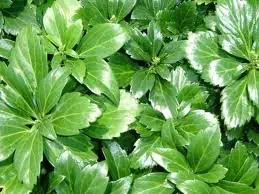 |
| Best Value The sweet spot between price and what you get | Outsidepride Perennial White MiniClover Seed (4 oz) |  |
| Best Budget The cheapest option that still gets the job done reliably | Carpet Creeping Creeping Thyme (Thymus serpyllum) Seed Packet — 19,000 Count |  |
| Highest Rated A top-rated pick with lots of positive feedback | Asiatic (Asian) Jasmine Live Plants — 18-Pack, 3-inch Pots |  |
| Most Popular A crowd favorite that many people choose with confidence | Outsidepride White Dutch Clover Seed, 2 lb |  |
| Best Seller A high-volume bestseller chosen again and again | KVITER Royal Carpet Sweet Alyssum Heirloom Flower Seeds (5000 Count) |  |
Groundio Crimson Clover Seeds (5 lb) – Groundcover and Lawn Alternative

| USDA Hardiness Zone | 2-10 |
|---|---|
| Expected Blooming Period | Summer |
| Moisture Needs | Drought tolerant |
| Material Features | Nitrocoated and inoculated |
| Expected Planting Period | Spring |
Groundio Crimson Clover is sold as a large 5 lb packet intended for planting wide areas as a groundcover, pasture, or low-maintenance lawn substitute. The seeds are nitrocoated and inoculated to improve germination and early vigor, and they typically sprout in 7–14 days at moderate soil temperatures. Crimson clover reaches about 12–20 inches tall, produces showy red flowers in summer, attracts pollinators, and fixes nitrogen to improve soil fertility. Practical uses include reseeding bare patches, creating a flowering lawn alternative, cover cropping to suppress weeds, or establishing forage for livestock. It tolerates a range of soils from clay to sand and performs in full sun to partial shade, with better yields in sunnier spots. Limitations are that it is an annual so it will not provide a permanent lawn and may require reseeding each year for continuous cover, and its moderate height can be taller than a mown turf, so it is not suitable where a very short, manicured lawn is required.
Best for: Gardeners who want an easy, ecological groundcover or lawn alternative that blooms and improves soil fertility with minimal ongoing care.
Less Ideal for: Homeowners seeking a short, manicured turf or a permanent perennial lawn replacement should consider other low-growing species or grasses.
- Nitrocoated and inoculated seed for improved germination and early growth
- Attracts bees and butterflies with abundant red flowers, supporting pollinators
- Fixes nitrogen to naturally improve soil fertility over the season
- Adaptable to a wide range of soils and USDA zones 2–10 for broad planting windows
- Annual habit requires reseeding or overseeding to maintain continuous cover
- Grows 12–20 inches tall which may be taller than expected for a traditional short lawn
Verdict: Choose this seed if you want an easy-to-establish, pollinator-friendly groundcover that improves soil fertility and covers large areas with minimal maintenance.
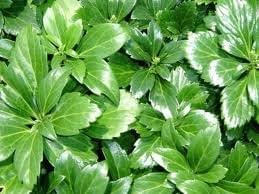
Pachysandra terminalis 'Green Sheen' Groundcover — 100 Bare Root Plants
| Hardiness Zone | 5 to 9 |
|---|---|
| Height | 6 to 12 inches |
| Spread | 1 to 1.5 feet |
| Sun | Part shade to full shade |
| Quantity | 100 bare root plants |
This 100-plant bundle of Pachysandra terminalis 'Green Sheen' is aimed at quickly establishing a glossy, shade-tolerant carpet in parts of the garden where sun is limited. The cultivar produces heavily rooted bare-root plants that spread by underground stems to form dense, dark green foliage 6 to 12 inches tall and about a foot to 1.5 feet across per plant. It performs well in part to full shade, tolerates zones 5 to 9, and offers low maintenance once established, with small white spring flowers and good erosion-control potential. Practical benefits include fast area coverage when planted at the recommended 6 to 9 inch spacing and simplified weed suppression from the dense growth habit. Limitations are that bare-root material requires prompt planting and good initial care to avoid losses, and pachysandra can be aggressive in some settings so it may need edging to prevent unwanted spread into adjacent beds.
Best for: Gardeners who need a high-performance, low-maintenance groundcover to quickly fill and stabilize shady areas and prioritize fast coverage over decorative variety.
Less Ideal for: People who want a non-spreading or highly controlled border plant or those unwilling to plant and establish bare-root material promptly.
- Very shade tolerant and suited for part shade to full shade sites
- Rapid spreading habit creates dense, low-maintenance groundcover that suppresses weeds
- Sold as 100 heavily rooted plants to establish coverage quickly
- Good for erosion control and forming a uniform carpet of foliage
- Bare-root plants must be planted promptly and cared for during establishment
- Can be invasive without edging or management in some landscapes
Verdict: Choose this 100-plant Green Sheen pachysandra pack when you want a fast-establishing, shade-tolerant groundcover that quickly forms a dense, low-maintenance carpet.
Outsidepride Perennial White MiniClover Seed (4 oz)

| Indoor Outdoor Usage | Outdoor |
|---|---|
| Other Special Features of the Product | Drought Tolerant |
| Expected Blooming Period | Summer |
| Soil Type | Sandy Soil |
| Moisture Needs | Moderate Watering |
Outsidepride Perennial White MiniClover is a small-leaved micro clover sold for use as a lawn alternative, mix-in with grass seed, or standalone ground cover in full sun. It germinates quickly, produces stolons to form a dense mat, and reaches only about 4 to 6 inches, which makes it compatible with low-mow lawns and paths. Key features include nitrogen-fixing that improves soil fertility naturally, seasonal white flowers that attract pollinators if left unmowed, and good drought tolerance once established. Typical uses are overseeding thin turf, filling bare patches, stabilizing slopes for erosion control, or creating a low-maintenance green cover where regular mowing and watering are undesirable. Limitations to consider are that it is a perennial clover rather than a turf grass so it will produce flowers and a clover texture that differs from fine-bladed lawns, and it may not match the look of manicured turf. It prefers well-drained, sandy soils and moderate watering during establishment, and performance can vary by climate and how much it is mowed or mixed with other seeds.
Best for: Home gardeners and property owners who want a low-maintenance, pollinator-friendly ground cover for sunny areas and prefer reducing watering and fertilizer inputs over achieving a formal turf look.
Less Ideal for: People seeking a traditional, high-traffic turf with a fine-bladed, uniform appearance or those with consistently waterlogged soil conditions.
- Forms a dense, low-growing mat via stolons for effective ground cover and erosion control
- Nitrogen-fixing habit improves soil fertility and reduces need for fertilizer
- Drought-tolerant once established, reducing watering requirements
- Small leaves and low height tolerate lower mowing heights compared with standard clover
- Different appearance and texture than fine-bladed turf so it may not suit formal lawns
- Performs best in well-drained, sandy soils and may need attention in heavy clay or poorly drained sites
Verdict: Choose this miniclover seed if you want an easy-care, drought-tolerant ground cover for sunny spots that improves soil fertility and reduces mowing and watering.
Carpet Creeping Creeping Thyme (Thymus serpyllum) Seed Packet — 19,000 Count

| Unit Count | 19000 Count |
|---|---|
| Indoor Outdoor Usage | Outdoor |
| Sunlight Exposure | Full Sun |
| Expected Blooming Period | Spring to Fall |
| Moisture Needs | Moderate Watering |
These creeping thyme seeds provide an affordable way to establish a low-growing, fragrant groundcover that blooms from spring through fall. Best sown in full sun with well-drained, sandy to neutral soil, the packet is sized for large patch planting or multiple small areas. Seedlings are typically started indoors before the last frost or sown directly in summer; once established plants tolerate dry conditions and need only moderate watering. Notable product points are the high seed count and claims of high germination, plus non-GMO, heirloom seed stock that will attract bees and other pollinators. Practical benefits include easy maintenance, drought tolerance, and seasonal flowers that make an attractive lawn alternative or between-stepping-stone filler. Important limitations are that results depend on proper sun and soil conditions and germination is never guaranteed, so expect some patchiness and possible need for reseeding. Also there are no specifics on germination rate or germination instructions beyond general planting guidance, so careful sowing and site prep improve success.
Best for: Gardeners on a tight budget who want an inexpensive way to establish fragrant, pollinator-friendly groundcover across a lawn, pathway, or large planting bed.
Less Ideal for: People seeking guaranteed uniform instant coverage or those with heavy clay, shaded sites where creeping thyme struggles should consider alternative groundcovers or pre-grown mats.
- Very large 19,000-count packet suitable for covering wide areas or multiple projects
- Non-GMO heirloom seed stock that attracts pollinators when established
- Designed for full sun and well-drained soils which suits typical creeping thyme needs
- No specific guaranteed germination percentage or detailed seed-starting timeline provided
- Best results require well-drained sandy soil and consistent sun so performance can vary by site
Verdict: If you need a very low-cost way to seed large areas with a drought-tolerant, pollinator-friendly groundcover, this high-count creeping thyme packet is a practical choice.
Asiatic (Asian) Jasmine Live Plants — 18-Pack, 3-inch Pots

| Indoor Outdoor Usage | Outdoor |
|---|---|
| Sunlight Exposure | Partial Shade To Full Sun |
| USDA Hardiness Zone | 7-10 |
| Unit Count | 18 Count |
| Moisture Needs | Moderate Watering |
These Asiatic jasmine plants arrive as 18 healthy 3-inch pots intended to establish quickly into a dense, evergreen ground cover. They are typically planted 12 to 18 inches apart to create continuous coverage for slopes, under trees, or shady patio beds where grass struggles. Key features are shade tolerance, year-round glossy foliage, and a vigorous spreading habit that stabilizes soil and reduces mowing and weeding. In practice you will water regularly until the root systems are established, then expect low maintenance beyond occasional trimming to control spread. They tolerate a range of soils and perform across USDA zones 7 to 10, making them a practical choice for temperate to warm climates. Important limitations are that the plants can become invasive in confined beds without edging and they require protection from hard frost in cooler winters. Also, if you want a formal lawn alternative with uniform height, these will produce a more naturalized, spreading mat rather than a clipped turf.
Best for: Gardeners who need a performance-oriented ground cover for shady patio beds, slopes, or under trees and want rapid, low-effort coverage to reduce lawn maintenance.
Less Ideal for: Those seeking a formal, low-growing turf replacement that stays neatly contained without regular edge control or pruning.
- Shade tolerant and also performs in full sun, suitable for varied patio shade conditions
- Evergreen foliage provides year-round ground cover and visual consistency
- Fast-spreading habit quickly fills bare areas for erosion control and reduced maintenance
- Low maintenance once established, with only occasional trimming required
- Can spread aggressively and needs edging or trimming to prevent encroachment
- Requires frost protection in colder winters outside USDA zones 7 to 10
Verdict: Choose this 18-pack of Asiatic jasmine when you want a fast-establishing, low-maintenance evergreen ground cover that performs well in shady patio areas.
Outsidepride White Dutch Clover Seed, 2 lb

| Indoor Outdoor Usage | Outdoor |
|---|---|
| Other Special Features of the Product | Attracts Pollinators |
| Sunlight Exposure | Full Sun |
| Moisture Needs | Little To No Watering |
| Material Features | Heirloom |
Outsidepride White Dutch Clover is a perennial clover seed sold in a 2 pound bag and treated (nitrocoated and inoculated) to support reliable germination and soil nitrogen fixation. It is typically broadcast or mixed with grass/cover-crop seed, lightly raked in, and kept moist until established; germination is expected within about two weeks under warm soil conditions. Notable features include drought tolerance from a deep root system, attractiveness to pollinators when it blooms in summer, and an ability to form dense ground cover that suppresses weeds and reduces erosion. Practical benefits for full-sun sites include low watering needs once established, weed suppression, improved soil fertility from nitrogen fixation, and a visually pleasing carpet of small white flowers. Important limitations are that it grows low to the ground (a few inches up to a foot) so it is not a turf substitute where heavy foot traffic or formal mowing height is required, and establishing a uniform stand requires correct seeding rate and initial moisture management. This seed is best used for informal lawns, slopes, pollinator strips, and pasture mixes rather than high-traffic ornamental lawns.
Best for: Gardeners and homeowners who want a low-maintenance, pollinator-friendly ground cover or lawn alternative for sunny areas and slopes and who prioritize ecological benefits and ease of establishment.
Less Ideal for: Property owners who need a formal, high-traffic turf or a grass lawn with traditional mowing and wear resistance should consider conventional grass seed blends instead.
- Treated (nitrocoated and inoculated) seed for improved germination and soil health
- Attracts pollinators with fragrant white summer blooms
- Forms dense ground cover that helps suppress weeds and control erosion
- Drought tolerant once established, suitable for low-water sites
- Not suited for heavy foot traffic or formal turf uses
- Requires initial moisture and correct seeding rate for an even stand
Verdict: A quick-establishing, pollinator-friendly ground cover seed that improves soil nitrogen and holds sunny slopes and informal lawns with minimal ongoing watering.
KVITER Royal Carpet Sweet Alyssum Heirloom Flower Seeds (5000 Count)

| Unit Count | 5000 Count |
|---|---|
| Sunlight Exposure | Full Sun |
| Expected Blooming Period | Spring to Fall |
| USDA Hardiness Zone | 1-12 |
| Material Features | GMO Free, Heirloom |
These KVITER sweet alyssum seeds are sold in a 5000-count pack intended for creating a low, fragrant ground cover or border. The seeds produce dense mats about 4 inches tall that bloom continuously from late spring through early fall, and they are described as attractive to pollinators and deer resistant. Use them for surface-sowing in loam soil, pressing the tiny seeds into moist soil and keeping light exposure consistent for germination. The packet includes a step-by-step growing guide which helps reduce guesswork for less experienced gardeners. Practical benefits include fast coverage of bare spots, long bloom duration, and appeal to bees and butterflies, making these useful in pollinator-friendly beds and containers. Limitations are the small seed size which requires careful sowing and consistent moisture at the start, and as an annual in most gardens the plants will need reseeding each year to maintain a carpet effect.
Best for: Gardeners who want a low-maintenance, pollinator-friendly ground cover that reliably fills borders and containers through the growing season and prefer clear growing instructions to reduce risk.
Less Ideal for: People who want a permanent perennial groundcover or who prefer large plug plants to instant coverage without sowing from seed.
- Very large 5000-count packet suitable for covering extensive areas or multiple beds
- Heirloom non-GMO seed with a step-by-step growing guide included
- Long bloom period from spring through fall for extended color
- Attracts pollinators while being described as deer resistant
- Tiny seeds require careful surface sowing and initial moisture management
- Annual habit means beds need reseeding next season to maintain coverage
Verdict: A cost-effective choice for gardeners who want an easy-to-follow seed option to establish fragrant, pollinator-attracting ground cover across large areas.
Choosing the Right Favorite Ground Cover: Key Factors to Consider
Light Requirements and Shade Tolerance
Light level is one of the first factors that dictates which ground covers will thrive. Some species demand full sun for dense growth, while others tolerate moderate to deep shade but will spread more slowly. Matching the plant's light preference to the actual conditions under trees, along north-facing walls, or in open beds reduces stress and thinning.
Assess both daily sun hours and light quality. Dappled or afternoon shade differs from deep shade beneath a mature canopy. Choosing a ground cover with demonstrated tolerance for your light conditions avoids chronic thinning, patchiness, and extra work to replace failed plants.
Spread Habit and Control
Ground covers spread in different ways: by runners, stolons, rhizomes, or tight clumping. Aggressive spreaders fill ground quickly but may encroach into adjacent beds or lawn and require edge control. Clumping types stay put but need closer spacing at planting to achieve fast coverage.
Consider how much containment you want. For slopes or erosion control, runners that root readily are beneficial. For ornamental beds or between pavers, choose less invasive habits or plan for physical barriers. Knowing the spread method also informs planting density and long-term maintenance.
Establishment Speed and Seasonal Growth
How quickly a ground cover establishes affects weed suppression and how soon you get full coverage. Fast-establishing species can reduce the window during which weeds compete and may stabilize soil sooner on slopes. However, some slower-growing but longer-lived covers form denser, more durable mats once mature.
Factor in seasonal growth patterns. Some ground covers make most of their growth in spring and slow down in summer or winter. Planting time, local frost dates, and irrigation during establishment will influence how rapidly plants spread and fill gaps.
Soil Type, Drainage, and Moisture Tolerance
Soil texture and drainage determine which covers will persist without ongoing amendments. Sandy soils dry quickly and favor drought-tolerant species, while heavy clay benefits from covers that tolerate occasional wetness or compaction. Some ground covers handle both extremes better than others.
Match a plant's moisture tolerance to your site, and remember that slopes dry faster than flat beds. If soil fertility or pH is a concern, choose adaptable covers or plan initial soil improvements to ensure establishment without long-term high maintenance.
Maintenance Requirements and Mowing Tolerance
Maintenance needs vary widely. Low-growing, evergreen mats often need minimal trimming, while flowering ground covers may require occasional pruning to keep blooms tidy. If you plan to mow or use the area for light foot traffic, select covers rated for tolerance to clipping or trampling.
Think through long-term upkeep: will you hand-prune, edge regularly, or allow seasonal dieback? Selecting a cover whose maintenance profile matches the time you will invest avoids disappointing results and extra labor.
Hardiness, Longevity, and Pest Resistance
Choosing species suited to your climate zone reduces winter losses and replanting. Hardiness determines whether a ground cover will behave as evergreen, semi-evergreen, or die back and regrow from roots. Longevity and natural pest or disease resistance affect whether the planting remains stable for several seasons.
Look for covers with proven durability in your region. Long-lived plants reduce replacement costs and disruption. Also consider common local pests or diseases and favor species that show tolerance to those pressures in similar gardens.
Best Uses by Site
Different ground covers excel in specific site roles. On sunny slopes where erosion is a concern, look for covers that root as they spread and form dense mats. In shade beneath trees, choose species tolerant of limited root competition and lower light. For pathways or between stepping stones, low, tough mats that resist light foot traffic are ideal.
Match the plant to the microclimate within your garden rather than an idealized planting picture. Soil depth, nearby roots, reflected heat from walls, and water runoff all influence which cover will maintain the desired look and function.
- Slopes and erosion control: choose fast-rooting, spreading covers
- Shade and under-tree areas: prefer shade-tolerant, low-root-competition covers
- Paths and between pavers: use low, resilient mats that tolerate trampling
Planting and Establishment Best Practices
Prepare the bed by clearing weeds and loosening the top few inches of soil. For most ground covers, good contact between the planting crown or plug and soil speeds rooting. Adequate spacing at planting accounts for the species' spread habit; closer spacing reduces the time to full coverage but requires more plant material up front.
Water regularly during the first season to encourage root development, tapering off once plants are established. Mulch can help retain moisture and suppress weeds during establishment but avoid burying crowns. Use light hand-pruning or edging to guide spread during the first year if containment is a concern.
- Space according to spread rate – faster spreaders can be planted farther apart
- Keep young plants well watered until established, then reduce frequency
- Use short-term mulch to suppress weeds but keep crowns exposed
Managing Invasiveness and Boundaries
Some ground covers spread aggressively and can invade flower beds or lawn. Preventive measures include installing physical root barriers, using edging, or selecting less aggressive varieties for mixed borders. Regular monitoring and prompt removal of errant runners keeps the planting tidy and under control.
If you need fast coverage but want limited spread, plan for a maintenance schedule that includes periodic pruning of runners and trimming back spread along edges. Containment strategies let you enjoy the benefits of quick cover without ceding adjacent planting areas.
- Install root barriers where run-on is possible
- Trim runners annually to maintain defined edges
- Choose clumping covers when long-term containment is a priority
Seasonal Care and Renewal
Seasonal maintenance varies by species. Some covers are evergreen and need little seasonal attention, while others die back and require spring clean-up to remove old growth. Refresh thin patches in spring or fall with additional plugs to maintain a dense mat.
Fertilize lightly if growth becomes weak, and monitor for pest or disease issues. Rejuvenation pruning or spot-replanting every few years keeps the cover attractive and functional without wholesale replacement.
- Perform light spring clean-up for covers that die back
- Spot-plant thin areas during active growth periods
- Monitor and treat pest or disease problems early to prevent spread
Design and Aesthetic Considerations
Ground covers can unify a planting bed, provide seasonal color, or create textural contrast with taller plants. Consider foliage size, color, and flowering habit when composing borders. Low, evergreen mats provide a consistent backdrop, while flowering ground covers add seasonal interest.
Think about long-term composition. Mixing one dominant cover with small accents of another can provide both stability and variety without cluttering the bed. Use edging and transitions to define where the cover begins and where other plantings start.
- Use evergreen mats for year-round structure
- Add a flowering cover for seasonal color contrasts
- Combine textures to avoid monotony in large expanses
How We Chose the Best Favorite Ground Cover
We focused on traits that matter most for ground cover performance in real gardens. Primary evaluation criteria included establishment speed, spread habit and coverage density, climate hardiness and zone adaptability, maintenance needs and mowing tolerance, and soil and moisture tolerance. Each candidate had to demonstrate reliable vegetative spread or dense clumping to quickly suppress weeds and reduce bare soil. We prioritized plants that tolerate a range of light levels and common soil types so options are useful for beds, slopes, and between pavers. Disease and pest resistance were considered where documentation shows durability over multiple seasons. We excluded annuals, highly invasive species with regulatory restrictions, and plants that need specialized cultural care that most home gardeners cannot provide. The result is a shortlist of ground covers that balance fast, predictable coverage with manageable maintenance and broad climate suitability. Our scoring emphasizes measurable, gardener-focused dimensions rather than trendiness or novelty.
FAQ
How quickly will a ground cover fill in bare soil?
It depends on the species and growing conditions. Fast-spreading runners can form a dense mat in a single growing season under ideal conditions, while clumping or slower types may take two to three seasons. Proper planting density, watering, and weed control speed establishment.
Can I mow ground cover like a lawn?
Some low-growing ground covers tolerate occasional mowing or trimming, but many are damaged by regular mowing. If mowing is part of your plan, choose species known for mowing tolerance and keep cuts high. Frequent traffic and close mowing shorten a cover's lifespan.
Will ground cover prevent erosion on a steep slope?
Many ground covers help stabilize soil by forming roots as they spread, which reduces surface runoff and soil movement. For steep or highly erodible slopes, select species with aggressive rooting and high coverage density, and consider combining plants with structural erosion controls when needed.
Are ground covers invasive in all cases?
Not all ground covers are invasive, but some aggressive spreaders can become problematic if unmanaged. Invasiveness depends on the species, site, and local ecosystem. Choose regionally appropriate plants and use barriers or regular maintenance to prevent unwanted spread.
How do I repair patchy areas in an established ground cover?
Repair by filling holes with plugs or small transplants during the active growth season and firming soil around the crowns. Improve moisture and weed control while new plants root. For larger gaps, add additional plants closer together to speed recovery.
What is the best time to plant ground cover?
Spring and early fall are generally the best planting times because moderate temperatures and regular rainfall help root development. In hot, dry climates, early spring or fall planting avoids summer stress. Avoid planting during extreme heat or drought unless you can irrigate consistently.
Final Verdict
Focus on matching a ground cover's light needs, spread habit, and moisture tolerance to the specific conditions in your garden. Fast spreaders are useful for erosion control and quick weed suppression, while less aggressive, clumping types offer easier containment and long-term stability. Prioritize establishment speed and maintenance profile based on how much time you will invest in edging and pruning. With the criteria outlined here, you can choose a ground cover that meets the functional needs of your beds or slopes while delivering the aesthetic and maintenance level you prefer.
