

Note: This article contains affiliate links. If you click on these links and make a purchase, I may earn a small commission at no extra cost to you. This helps support my research and content. Read my full affiliate disclosure here.
If parts of your yard, patio, or entry are shaded for most of the day, choosing plants that actually thrive in low light makes the difference between a tidy planting and a patch of struggling greenery. Low light exterior plants behave differently from sun lovers: they grow more slowly, need less frequent watering, and are often selected for foliage texture rather than large floral displays. This guide shortlists five strong options that perform well outdoors in shady sites. We evaluate candidates on their shade tolerance, cold hardiness, disease resistance and maintenance needs so you can pick plants suited to your particular shady spot.
Top Picks at a Glance
| Best Overall The best all-around choice for most situations | Plants for Pets Autumn Fern (Dryopteris erythrosora) 1-Gallon Live Outdoor Plant |  |
| Best Value The sweet spot between price and what you get | CZ Grain Caladium Bulbs — 6 Red and Green Tropical Foliage Bulbs |  |
| Best Budget The cheapest option that still gets the job done reliably | BuggyBeds Hosta Seeds (99-Pack) — Perennial Shade Garden Plants |  |
| Most Popular A crowd favorite that many people choose with confidence | Touch Of ECO Hosta Bare Roots 6-Pack (Mixed Heart-Shaped) |  |
| Best Seller A high-volume bestseller chosen again and again | Southern Living Obsession Nandina Shrub (2 Gal) |  |
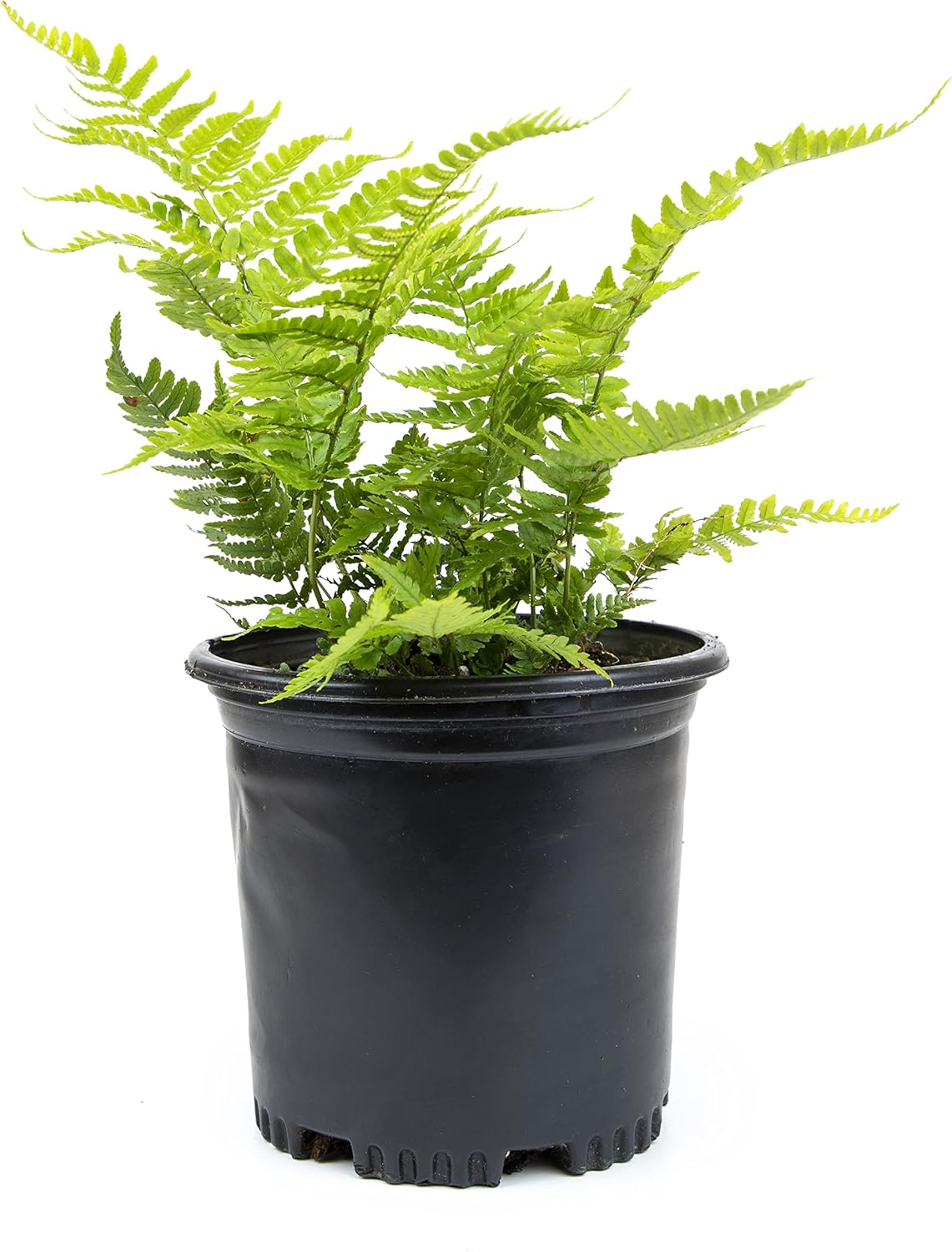
Plants for Pets Autumn Fern (Dryopteris erythrosora) 1-Gallon Live Outdoor Plant
| Indoor Outdoor Usage | Outdoor |
|---|---|
| Sunlight Exposure | Partial Shade |
| USDA Hardiness Zone | 7 |
| Moisture Needs | Moderate Watering |
| Soil Type | Sandy Soil |
This autumn fern is a shade-tolerant perennial sold in a 1-gallon nursery pot and intended for outdoor planting. It is used as ground cover, a border or understory specimen where filtered light prevails; new fronds emerge copper-red in spring and mature to deep green for seasonal interest. The plant spreads slowly by rhizomes, so you can expect gradual filling-in rather than rapid crowding. It prefers evenly moist, well-drained soil and regular watering but is reported to tolerate short dry periods once established. Notable features include deer and rabbit resistance, suitability for heavy shade, and hardiness to Zone 7. Practical benefits for planter use include attractive, low-profile foliage that adds texture and color contrast to shady containers and paired plantings. Limitations are that it is sized for outdoor beds and planters rather than indoor display, and it will need consistent moisture and appropriate shade to keep fronds healthy; it is not a fast spreader for quick coverage if you need instant fill in a large planter group.
Best for: Buyers who want a low-profile, reliable shade plant for planters or shady borders and prioritize attractive foliage and low pest pressure over rapid spread.
Less Ideal for: Gardeners who need fast ground cover or immediate dense screening, or those planning bright sun containers or indoor plantings.
- Shade-tolerant with attractive seasonal color from copper-red new fronds to deep green mature fronds
- Hardy to Zone 7 and resistant to deer and rabbits for low-loss outdoor planting
- Sold fully rooted in a 1-gallon nursery pot ready for transplanting into planters or beds
- Slow, rhizome-driven spread gives controlled ground-cover without aggressive invasion
- Requires consistently moist, well-drained soil and regular watering for best foliage condition
- Not intended as an indoor houseplant and may decline in bright sun or dry indoor conditions
Verdict: Choose this autumn fern when you need a hardy, shade-loving planter plant that delivers year-round foliage interest with minimal pest problems.
CZ Grain Caladium Bulbs — 6 Red and Green Tropical Foliage Bulbs

| Sunlight Exposure | Full Sun |
|---|---|
| Expected Plant Height | 60 inches |
| Unit Count | 1 Count |
These CZ Grain caladium bulbs produce bold red-and-green spotted leaves that add instant tropical color to shaded patios, containers, and garden beds. Plant after the last frost in well-draining soil and keep bulbs in warm conditions; they emerge fastest when soil temperatures exceed about 75°F. In practice they are used as summer accent plants—set bulbs in containers or grouped in shade beds and water regularly to maintain lush foliage. Notable features include vivid coloration that brightens low-light spots and an expected mature height useful for mid-border or container impact. The bulbs are low-light friendly compared with many flowering plants, and can be lifted and stored over winter to return another season. Limitations are that caladiums prefer heat and will be slow or sparse in cool, damp climates, and they do not tolerate prolonged full sun on hot afternoons. Buyers should also expect seasonal growth rather than a permanent woody specimen.
Best for: Gardeners who want an easy, colorful solution for shady patios or containers and prioritize seasonal, low-maintenance foliage that fills low-light gaps.
Less Ideal for: People seeking year-round evergreen structure or plants that thrive in consistently cool, sun-exposed sites should consider alternatives.
- Vivid red-and-green foliage designed to brighten shaded areas
- Suitable for containers or shaded garden beds for flexible placement
- Low-light tolerant compared with flowering annuals, good for corners and under trees
- Can be dug and stored over winter to return in subsequent seasons
- Performs best in warm soil above about 75°F and may be slow in cool climates
- Not tolerant of prolonged hot, direct sun which can scorch leaves
Verdict: Choose these caladium bulbs when you need an easy, high-impact way to add tropical color to shady outdoor spots and containers.
BuggyBeds Hosta Seeds (99-Pack) — Perennial Shade Garden Plants

| Unit Count | 99 Count |
|---|---|
| USDA Hardiness Zone | 3-9 |
| Expected Blooming Period | Summer to Fall |
| Sunlight Exposure | Full Sun |
| Moisture Needs | Medium Moisture, Drought Tolerant Once Established |
This 99-seed packet from BuggyBeds supplies enough Hosta seed to establish a substantial shade planting or refresh multiple containers. Hostas are grown for their foliage and are typically planted in partial to full shade; the packet is intended for spring or early fall sowing and thrives in USDA zones 3 to 9. The listing emphasizes easy care: the plants are described as fast-growing, drought tolerant once established, and adaptable to most well-draining soils, making them a practical choice for low-effort beds. Expect summer to fall blooms that attract pollinators, while spacing recommendations and pruning notes help manage spread as they form groundcover. Limitations are that seed-grown Hostas vary in appearance and establishment takes longer than buying transplants, so results are less predictable and patience is required. For small urban patios, starting in pots will need careful watering until roots set. For the budget-conscious gardener wanting to fill shady areas with foliage without frequent maintenance, this seed pack offers an economical way to add classic shade plants, but be prepared for variability and a slower timeline compared with established plants.
Best for: Gardeners on a budget who want to fill shady patios or beds with traditional foliage plants and are willing to start from seed and wait for establishment.
Less Ideal for: Buyers who need immediate, uniform plants for instant curb appeal or those who prefer plug-grown transplants with predictable size and form.
- Large 99-count packet supplies seed for multiple beds or containers
- Adaptable to USDA zones 3 to 9, suitable across many climates
- Low maintenance once established and drought tolerant
- Shade-tolerant species that attracts pollinators when in bloom
- Seed-grown Hostas establish more slowly and produce variable results compared with nursery transplants
- Product details list indoor usage but practicality is primarily for shaded outdoor planting
Verdict: If you want an economical way to populate shady patios and beds with classic, low-maintenance foliage, this 99-pack of Hosta seed delivers the most plants per dollar.
Touch Of ECO Hosta Bare Roots 6-Pack (Mixed Heart-Shaped)

| Unit Count | 6 Count |
|---|---|
| Indoor Outdoor Usage | Outdoor |
| USDA Hardiness Zone | 3-9 |
| Moisture Needs | Regular Watering |
These Touch Of ECO hosta bare roots arrive dormant and are intended to be planted in fall or early spring for reliable, low-maintenance shade interest. Each pack contains six mixed heart-shaped hosta crowns that produce rich green foliage and fragrant white or purple flowers on tall stems from spring through fall. Hostas are typically used in shady borders, under trees, or in large planters where regular watering and indirect light suit them best. The listing notes hardiness to zones 3 through 9, so they will return year after year in a wide range of climates, and the plants attract pollinators while being resistant to deer. Practical gardeners will appreciate that the plants ship as bare roots for easy planting and faster establishment when placed with the crown at soil level and watered in. Limitations are that these are not container-ready potted plants and need initial attention to planting depth and moisture; smaller or shallow planters may not give the crowns enough room to spread.
Best for: Gardeners who want reliable, low-maintenance shade plants to establish in planters or beds and prefer economical bare-root stock they can plant themselves.
Less Ideal for: Buyers who want instant, display-ready potted plants or who need specimens sized for very small decorative containers.
- Six bare-root crowns per pack provide quick value for filling multiple planters or a shady border
- Hardy across USDA zones 3–9 so they are suitable for most climates
- Attractive heart-shaped foliage with seasonal fragrant blooms adds texture and pollinator value
- Ships dormant for easy handling and planting in fall or early spring
- Arrives as bare roots rather than established potted plants, so initial planting care is required
- Not suitable for very small or shallow containers where crowns cannot spread
Verdict: A cost-effective way to fill shady planters or beds with hardy, low-maintenance hostas if you are comfortable planting bare-root stock.
Southern Living Obsession Nandina Shrub (2 Gal)

| Sunlight Exposure | Full Sun to Part Shade |
|---|---|
| USDA Hardiness Zone | 6, 7, 8, 9, 10 |
| Moisture Needs | Moderate Watering |
| Expected Planting Period | Year Round |
The Southern Living Obsession Nandina is a 2-gallon evergreen shrub prized for intense red foliage that holds color through much of the year. It is marketed for outdoor beds and containers, and performs in full sun to part shade across USDA zones 6 to 10. Typical use is as an accent in mixed borders, a colorful container specimen on a patio, or a low hedge where a 3- to 4-foot mature height is acceptable. Practical benefits include low maintenance, deer resistance, and moderate water needs once established; the plant is described as organic and suited to loam soils with well-drained conditions. Limitations to consider are that it does not produce notable blossoms and requires routine watering while establishing; it will also reach about 48 inches, so plan placement or pruning accordingly. For container use, choose a generous pot and monitor soil moisture to keep foliage vibrant in hot, sunny sites.
Best for: Gardeners who want a low-maintenance, colorful evergreen for patio containers or small landscape accents and value year-round foliage interest.
Less Ideal for: People seeking a showy flowering shrub or those who need a very small dwarf variety for tight spaces should consider other options.
- Bright red evergreen foliage provides season-long color
- Suitable for containers or landscape beds thanks to compact mature size
- Tolerates full sun to part shade across USDA zones 6–10
- Low maintenance and described as deer resistant
- Does not produce significant blossoms for floral interest
- Requires consistent watering until established
Verdict: Choose this nandina when you want an easy-care, brightly colored evergreen that performs well in pots and small garden settings.
Choosing the Right Low Light Exterior Plants: Key Factors to Consider
Actual Shade Level and Duration
Not all "low light" sites are the same. Some spots receive bright indirect light for part of the day while others are in deep, continuous shade beneath large trees or between buildings.
Assess how many hours of direct sun, bright indirect light, and full shade your planting area gets across the season. Plants labeled shade-tolerant often still need filtered light to flower well. Knowing exact light conditions helps you choose species whose photosynthesis and growth habit match what the site provides.
Soil Drainage and Composition
Shade areas often have compacted or root-filled soil that drains slowly. Good drainage matters because many shade-tolerant plants will rot if their roots sit in waterlogged soil.
Test for drainage and amend with organic matter where possible to improve structure. Mulch helps conserve moisture but avoid piling it against stems. Understanding soil pH and fertility is useful because heavy shade can reduce nutrient cycling and may require periodic topdressing.
Cold Hardiness and Microclimate
Low light exteriors can create microclimates that are cooler and damper than open sites. Frost pockets and reduced daytime warming affect what will survive winter.
Check plant hardiness relative to your local climate zone and consider site-specific factors like reflected heat from nearby walls or protection from prevailing wind. Picking plants with suitable cold tolerance reduces winter losses and long-term replacement work.
Plant Habit and Mature Size
In shade, many plants spread more and grow leggier as they search for light. Consider mature height, spread, and whether a plant will become sparse at the base over time.
Choose plants with compact or clumping habits for narrow beds, and allow room for natural spreading in wider plantings. Think about layering with taller and lower plants to avoid bare ground and to create year-round structure.
Watering and Maintenance Requirements
Plants in shaded exteriors typically need less frequent watering, but moisture levels can vary widely depending on drainage and canopy cover. Overwatering is a common mistake that leads to root problems.
Factor in pruning, deadheading, and seasonal clean-up. Low-maintenance candidates should hold up with minimal interventions, while showier choices may require regular grooming to maintain form and encourage better flowering in subdued light.
Landscape Value and Seasonality
Because flowers can be limited in deep shade, foliage, texture, and winter interest become primary sources of value. Evergreen leaves, variegation, or interesting stems can keep a shady spot appealing year-round.
Consider how long a plant contributes visible interest each season and how it complements other shade-tolerant species. Selecting a mix of evergreen and seasonal performers gives continuous visual appeal without relying solely on blooms.
Preparing a Shady Bed for Planting
Start by clearing competing groundcover and assessing root competition from trees. Light is the main limiting resource in shade, so reduce competition by loosening soil and adding a thin layer of good-quality compost to improve structure without burying existing roots.
Adjust planting depth to match the root collars and create a gentle saucer for watering. Use mulch sparingly to retain moisture while keeping it away from stems. If tree roots are extensive, consider raised planting areas or pockets of amended soil to give new plants a better start.
- Test soil drainage with a quick hole-and-water test before planting
- Avoid deep soil disturbance near large tree roots
- Place taller specimens to the rear of narrow beds to maximize light capture
Design Strategies for Small Shady Spaces
In compact shady areas, focus on repetition and texture rather than a mix of many different species. Repeating one or two reliable plants creates cohesion and minimizes maintenance.
Layer plants by height and texture to hide bare soil and provide depth. Use evergreen or semi-evergreen foliage as anchors and add seasonal accents where light allows for modest flowering.
- Use narrow-leaved or arching foliage to contrast broad leaves
- Group plants with similar water needs together
- Reserve brighter-leaved varieties for spots that receive morning light
Managing Pests and Diseases in Shady Conditions
Shaded, humid spots can foster fungal issues and some insect pests. Prioritize good air circulation by spacing plants appropriately and avoid overhead watering that wets foliage for long periods.
Inspect plants regularly for early signs of disease and remove affected leaves promptly. Choosing resilient species reduces the need for chemical controls and limits spread in dense shade.
- Thin crowded areas in spring to improve airflow
- Clean up fallen leaves that can harbor fungal spores
- Use targeted, low-toxicity treatments only when monitoring indicates an outbreak
Seasonal Care and Winter Protection
Mulch in late fall to moderate soil temperature swings, but keep mulch a few inches away from stems to prevent rot. In cold climates, provide windbreaks or protective screens for vulnerable specimens that might suffer from winter desiccation.
Cut back dead growth in early spring to reveal new shoots and to allow sunlight to reach lower foliage. For evergreen shade plants, light pruning after the cold season maintains shape without stimulating tender late-season flushes.
- Top up mulch annually to maintain a 1 to 2 inch layer
- Avoid late-season fertilizing that promotes tender growth before freezes
- Move container plants to more protected areas if possible during prolonged cold snaps
Using Containers and Hanging Baskets in Deep Shade
Containers let you control potting mix and drainage, which is especially helpful where soil is poor or tree roots dominate. Choose blends that drain well yet hold some moisture and avoid oversized pots that stay soggy.
Hanging baskets can catch more light if nearby surfaces reflect it, and they reduce root competition. Select compact, trailing, or clumping shade-tolerant varieties for containers and adjust watering because pots dry faster than ground beds.
- Ensure containers have adequate drainage holes
- Use saucers or trays to protect surfaces from excess runoff
- Check moisture more frequently in summer despite the shade
How We Chose the Best Low Light Exterior Plants
We filtered candidates by traits that matter in real shady gardens: measurable shade tolerance, proven outdoor hardiness over multiple seasons, pest and disease resilience in low-ventilation sites, and straightforward maintenance needs for homeowners. We prioritized species and varieties that reliably survive reduced sunlight rather than relying on supplemental light or greenhouse conditions. Size and habit were considered so plants fit common outdoor tight spaces like narrow side yards, under eaves, or beside north-facing fences. We also favored plants that provide landscape value through texture, evergreen foliage, or dependable seasonal color. Plants were excluded if they require bright indirect indoor light, constant greenhouse conditions, or elaborate soil amendments to survive in typical outdoor shade. We did not include specimens that need frequent pruning or high-input care to remain attractive in low-light exteriors. The final list reflects balance across hardiness, low-light performance, maintenance, and landscape usefulness.
FAQ
Can low light exterior plants still bloom regularly?
Often they can, but bloom frequency and size usually decrease in deep shade. Some shade-tolerant species produce modest but reliable flowers in filtered light or morning sun, while many provide their main value through foliage and texture.
How much water do shade plants need compared with sun plants?
Shade plants generally require less frequent watering because soil evaporates more slowly. However, poorly drained shade can stay wet, so adjust watering based on soil moisture rather than a fixed schedule.
Are evergreen shade plants a good choice for year-round interest?
Yes. Evergreen or semi-evergreen species are especially useful in shady exteriors because they maintain structure and color through winter when flowering plants are dormant.
Will planting near large trees always prevent new plants from thriving?
Not always. Root competition and reduced light make establishment harder, but choosing compact, shallow-rooted shade-tolerant species and improving planting soil can allow new plants to establish successfully.
Do I need to fertilize plants in shady areas often?
Usually less frequently than in sunny beds. Slow growth in shade reduces nutrient demand. A light annual topdressing of balanced organic feed in spring is often sufficient for most low-light exterior plants.
Final Verdict
When selecting low light exterior plants, prioritize proven shade tolerance, appropriate size for the site, and species that offer foliage interest or winter structure. Balance cold hardiness and disease resilience with realistic maintenance expectations. In small or deeply shaded spaces, favor plants that establish with minimal inputs and layer texture for continuous visual appeal. With attention to light, soil, and spacing, you can create a low-maintenance, attractive shady planting that performs reliably year after year.
