

Note: This article contains affiliate links. If you click on these links and make a purchase, I may earn a small commission at no extra cost to you. This helps support my research and content. Read my full affiliate disclosure here.
If you have a shady fence, a north-facing wall, or an enclosed courtyard, picking the right vines makes the difference between bare wood and lush green cover. Low light outdoor vine plants behave differently from sun-loving climbers: they prioritize larger leaves, slower flowering, and more tolerant root systems. This guide shortlists six reliable options chosen for real garden use, focusing on how well they handle deep shade, how they climb or spread, and what maintenance they need. Below you will find practical notes on growth habit, winter behavior, and care so you can pick vines that fit the planting spot and desired look.
Top Picks at a Glance
| Best Overall The best all-around choice for most situations | American Plant Exchange Golden Pothos 8-Inch Hanging Basket |  |
| Best Quality Built to a higher standard if you want something more solid | YOKEBOM Variegated English Ivy Live Plant, 4–7 in Tall, 4 in Pot |  |
| Best Value The sweet spot between price and what you get | American Plant Exchange English Ivy — Live 4" Potted Trailing Vine |  |
| Best Budget The cheapest option that still gets the job done reliably | Blue Pothos (Epipremnum pinnatum) 4" Nursery Pot – Trailing Indoor Vine |  |
| Highest Rated A top-rated pick with lots of positive feedback | Andersen Farms Golden Pothos Totem — Live Plant in 10-inch Grower Pot | 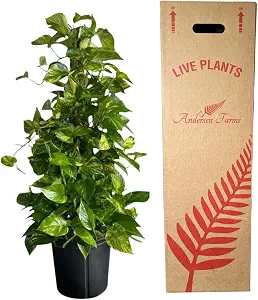 |
| Most Popular A crowd favorite that many people choose with confidence | Plants for Pets Pothos 4-Pack (4" Assorted) |  |
American Plant Exchange Golden Pothos 8-Inch Hanging Basket

| Indoor Outdoor Usage | Indoor, Outdoor |
|---|---|
| Other Special Features of the Product | Air Purification, Disease Resistant, Drought Tolerant, Low Maintenance, Shade Resistant |
| Sunlight Exposure | Partial Shade |
| Soil Type | Loam Soil |
| Moisture Needs | Little To No Watering |
The Golden Pothos hanging basket is a classic trailing vine sold ready to hang and designed to add cascading greenery to indoor spaces. It arrives in a nursery pot with potting soil and a plant hanger, and it is typically placed near a window with bright, indirect light or in a shady corner where it will still grow. Notable features are the golden-variegated heart-shaped leaves, rapid trailing growth for hanging displays, and the plant's reputation as an easy-care, air-purifying houseplant. In practice this means minimal weekly attention: water when the top inch of soil is dry, allow good drainage, trim stems to control length, and rotate the basket occasionally for even growth. The plant is resilient to occasional neglect and adapts to a range of indoor conditions, making it suitable for beginners. Important limitations are that it is toxic to pets and children and that outdoor use is limited to warm USDA zones only; buyers should also expect natural variation in variegation and growth rate between individual plants.
Best for: Buyers who want a low-effort hanging plant that provides fast visual impact and air-purifying benefits, and who prefer proven, easy-care houseplants with plenty of user feedback.
Less Ideal for: Those who need an edible or pet-safe indoor plant or who require a plant guaranteed to tolerate prolonged direct sun or freezing outdoor conditions.
- Fast-growing trailing habit creates an attractive hanging display with minimal effort
- Tolerant of low to bright indirect light, making placement flexible in many rooms
- Low maintenance care: water only when the top inch of soil is dry and use well-draining soil
- Includes nursery pot, potting soil, and a plant hanger for immediate hanging installation
- Toxic to pets and children so it must be placed out of reach
- Outdoor use is practical only in warm USDA zones, limiting versatility for colder climates
Verdict: This Golden Pothos hanging basket is the easy, reliable choice for anyone who wants fast, low-maintenance greenery in a hanging pot that quickly fills a room with trailing foliage.
YOKEBOM Variegated English Ivy Live Plant, 4–7 in Tall, 4 in Pot

| Indoor Outdoor Usage | Indoor, Outdoor |
|---|---|
| Other Special Features of the Product | Drought Tolerant, Low Maintenance |
| USDA Hardiness Zone | 4-9 |
| Expected Plant Height | 6 feet |
| Moisture Needs | Moderate Watering |
This YOKEBOM variegated English ivy is a compact live vine sold in a 4-inch pot that works well on obelisks, in hanging baskets, or as container trailing greenery. It prefers bright, indirect light or partial shade and is listed as hardy in USDA zones 4–9, so it can be used both indoors and outdoors depending on your climate. Notable features include variegated green and creamy-white foliage for visual interest, drought tolerance, and low maintenance care needs. In practice the plant will need well drained soil and moderate watering; give it a support like an obelisk or trellis early so stems can climb rather than trail. Expect the variety to reach up to about 6 feet at maturity if trained and grown in suitable conditions. Limitations are that you receive a small starter plant that requires time to fill an obelisk and that its success outdoors depends on local exposure and winter conditions.
Best for: Buyers who want a reliable, low-maintenance climbing vine to train on an obelisk or use as decorative trailing greenery and prefer plants that perform across a wide range of climates.
Less Ideal for: Gardeners who need immediate coverage or a mature climbing specimen for instant screening should choose larger, established plants instead.
- Variegated foliage adds year-round visual interest on an obelisk or in a basket
- Hardy across USDA zones 4–9 so usable in many climates
- Low maintenance and drought tolerant for easier care
- Suitable for indoor or outdoor placement with bright indirect light
- Sold as a small starter plant that will take time to establish and climb to full height
- Listed sunlight exposure as full sun in one place but product text recommends bright indirect light which may require careful siting
Verdict: A hardy, low-maintenance variegated ivy that is well suited for training on an obelisk when you want a reliable climber to establish over time.
American Plant Exchange English Ivy — Live 4" Potted Trailing Vine

| Indoor Outdoor Usage | Indoor, Outdoor |
|---|---|
| Other Special Features of the Product | Air Purification, Compact, Low Maintenance, Pet Friendly, Shade Resistant |
| Sunlight Exposure | Partial Shade |
| Moisture Needs | Moderate Watering |
| Material Features | Live Plant, Nursery Pot, Potting Soil |
This 4-inch English ivy is a versatile trailing vine that works well in planters, hanging baskets, or trained up a small trellis. It prefers bright, indirect to low light and evenly moist, well-draining soil, so it fits shaded balconies, patios, and indoor windowsills where direct sun is limited. Notable features include fast growth, dense evergreen foliage, and documented air-purifying qualities, which make it useful as a decorative cascade or quick green privacy layer in a planter. Practical benefits are its cold hardiness and low maintenance needs: occasional pruning keeps vines tidy and encourages fuller growth. Important limitations are that the plant is mildly toxic if ingested, so it requires caution around children and pets, and the 4-inch nursery pot means immediate transplanting or frequent watering and feeding if you want more vigorous long-term growth in large planters. For risk-averse gardeners this plant is straightforward to care for but does need routine attention to soil moisture and pruning to avoid legginess or overgrowth in containers.
Best for: Buyers who want an easy, reliable climber to add quick greenery to planters or hanging baskets and prefer low-effort care and predictable results.
Less Ideal for: Those seeking an instant large-screen privacy plant or pet owners who cannot keep plants out of reach should consider sturdier or non-toxic alternatives.
- Fast-growing trailing habit suitable for hanging baskets and planter-mounted trellises
- Tolerates low to bright indirect light so it works in shaded planters and indoors
- Described as low-maintenance and cold-hardy for year-round greenery
- Air-purifying foliage that adds visual and indoor-air benefits
- Mildly toxic if ingested, so not safe to leave where children or pets can nibble
- Ships in a small 4-inch nursery pot which may require repotting for larger planters
Verdict: A straightforward, fast-growing ivy that reliably adds cascading green to planters and hanging baskets with minimal fuss.
Blue Pothos (Epipremnum pinnatum) 4" Nursery Pot – Trailing Indoor Vine

| Indoor Outdoor Usage | Indoor |
|---|---|
| Other Special Features of the Product | Air Purification |
| Sunlight Exposure | Partial Shade |
| Soil Type | Well-draining, Fertile Soil |
| Moisture Needs | Moderate Watering |
This Blue Pothos arrives ready to display in a 4-inch nursery pot and is aimed at indoor spaces with low to moderate light. It performs as a trailing or climbing vine and is commonly used in hanging baskets, on shelves, or trained up a small support. Notable features include tolerance of low light, low maintenance care, and leaves that develop a blue-green sheen and eventual fenestrations as the plant matures. Practical benefits for office use include modest watering needs, compact size for desks or shelves, and some air-purifying qualities that improve room ambience. Limitations to expect are its small initial size from the nursery pot, which means it will take time to develop long vines or larger leaves, and it will need occasional pruning or a support structure if you want it to climb. For no-natural-light offices, supplemental artificial light will help keep growth steady over time.
Best for: People furnishing windowless offices or desks who want an inexpensive, low-maintenance trailing plant that improves air quality and requires minimal day-to-day care.
Less Ideal for: Buyers wanting an instant statement plant or rapid dramatic growth should choose a larger, more mature specimen or a species that thrives in bright light.
- Tolerates low to moderate light suitable for windowless offices
- Low-maintenance care with moderate watering needs
- Compact 4-inch nursery pot that fits desks and small shelves
- Versatile display options: trailing, hanging, or trained to climb
- Small nursery pot means slower initial growth and limited immediate presence
- Not a high-light plant so it will grow slowly without supplemental lighting
Verdict: A budget-friendly, low-light tolerant trailing pothos that fits small offices and requires minimal care.
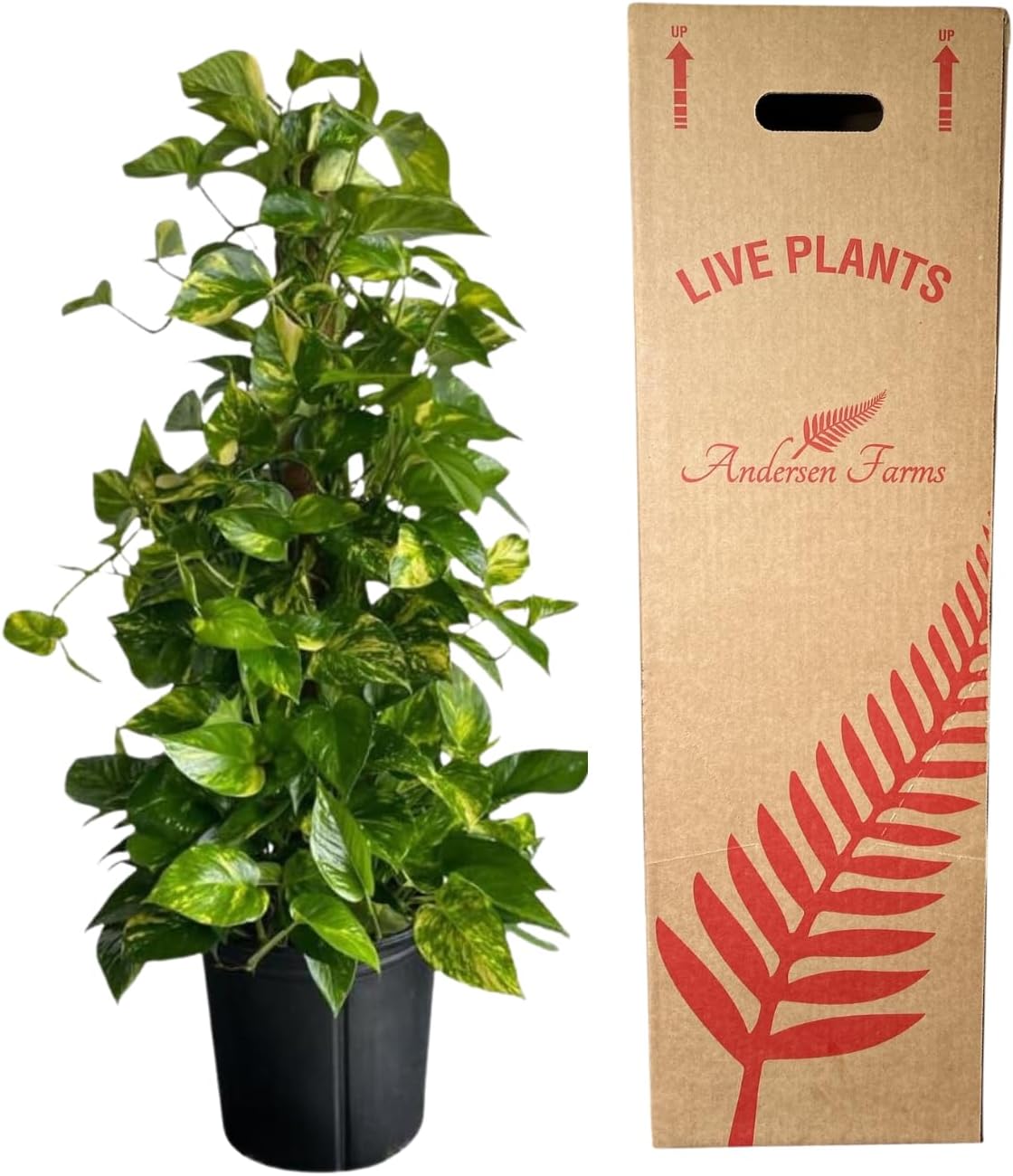
Andersen Farms Golden Pothos Totem — Live Plant in 10-inch Grower Pot
| Indoor Outdoor Usage | Indoor, Outdoor |
|---|---|
| Sunlight Exposure | Bright Indirect Light |
| Moisture Needs | Regular Watering, Keep Soil Moist But Not Waterlogged |
| USDA Hardiness Zone | 10-12 |
The Andersen Farms Golden Pothos Totem is a live, low-maintenance vine trained on a totem and sold in a 10-inch grower pot for immediate display. It is typically used as an indoor tall plant where its trailing vines and golden-green, heart-shaped leaves add vertical interest on tabletops, shelves, or near a bright north- or east-facing window. Key features include tolerance for varied indoor conditions, an air-purifying reputation, and care guidance that asks for bright indirect light and consistent moisture without waterlogging. Practically, it provides quick visual impact and is forgiving for busy households because it does not demand daily attention. Important limitations are that it prefers bright indirect light rather than true low-light corners and it is recommended for USDA zones 10 to 12 if moved outdoors, so it is not suitable for colder climates without indoor protection. New owners should also monitor watering to avoid soggy soil and protect the plant from cold drafts.
Best for: Buyers who want a dependable, easy-care tall houseplant that delivers quick visual impact and minimal daily attention in indoor living rooms or offices.
Less Ideal for: People who need a plant that performs well in very low-light windowless rooms or who want a cold-hardy outdoor vine for unprotected gardens.
- Low maintenance and forgiving care that fits busy schedules
- Comes in a 10-inch grower pot ready for display or repotting
- Attractive trailing vines and variegated foliage that add vertical interest
- Listed as an air-purifying live plant for improved indoor air quality
- Prefers bright indirect light and may not thrive in very low-light rooms
- Recommended for warmer USDA zones if placed outdoors so outdoor use is limited by climate
Verdict: A fuss-free tall indoor vine that gives reliable year-round presence and attractive variegated foliage with minimal care.
Plants for Pets Pothos 4-Pack (4" Assorted)

| Indoor Outdoor Usage | Indoor |
|---|---|
| Other Special Features of the Product | Air Purification |
| Sunlight Exposure | Full Sun |
| Moisture Needs | Regular Watering |
| USDA Hardiness Zone | 3 |
This four-pack delivers beginner-friendly pothos varieties that suit low-light rooms and simple indoor care routines. Each plant comes rooted in a 4" nursery pot and the assortment rotates between familiar types such as Marble Queen, Golden, Neon, and Satin, so you get visual variety without extra effort. Pothos are typically grown in hanging planters, on shelves, or trained up a support; they prefer bright, indirect light but tolerate lower light levels that many apartments and offices have. The listing emphasizes air-purifying benefits and gives clear care guidance: allow the soil to dry between waterings and keep temperatures above about 60 F. Practical strengths are resilience, fast trailing growth for a lush look, and compatibility with common indoor spots like living rooms, kitchens, or bathrooms. Limitations are that you may receive different varieties than pictured and plants arrive in small 4" pots, so plan to repot sooner if you want bigger specimens or longer-term display without frequent watering.
Best for: Buyers who want low-maintenance greenery for indoor spaces and prefer reliable, easy-to-care-for plants that tolerate lower light and occasional neglect.
Less Ideal for: Growers seeking large, mature plants ready for instant statement displays or those who want guaranteed, specific rare varieties.
- Easy to grow and tolerant of low to bright indirect light
- Four different varieties provide visual variety in one purchase
- Ships in small nursery pots that establish quickly and are ready for hanging or shelving displays
- Listed care guidance is straightforward for first-time plant owners
- Arrives in 4" pots so plants may need repotting soon for faster growth or long-term display
- Specific varieties are not guaranteed and assortment can vary
Verdict: A simple, low-maintenance way to add trailing, low-light-friendly pothos to your home with minimal fuss.
Choosing the Right Low Light Outdoor Vine Plants: Key Factors to Consider
Shade Tolerance and Light Requirements
Not all shade is the same. Some vines thrive in deep, continuous shade beneath tree canopies, while others need bright, indirect light or dappled sun to flower or maintain dense foliage. Assess the daily light pattern in your planting spot across seasons so you can match a vine to the real conditions.
Plants with high shade tolerance typically develop larger leaves to capture diffuse light and often allocate less energy to flowers. If you expect only a few hours of indirect light, prioritize vines labeled for deep shade rather than those that say 'part shade' or 'morning sun.'
Growth Habit and Support Needs
Vines climb, scramble, or form groundcover; knowing the natural habit helps you plan supports and spacing. Twining vines need slender trellises or posts, adhesive or aerial-root climbers attach to rough surfaces like brick, and trailing vines are best for hanging baskets or ground cover.
Consider mature spread and whether the vine will require regular training or annual structural pruning. A vigorous climber can cover an unsightly wall quickly but will need stronger anchoring and more frequent pruning than a slow-growing twiner.
Cold Hardiness and Seasonal Behavior
Low light locations are often cooler and damper, so choose vines rated for your climate zone. Some shade-tolerant vines are evergreen in mild areas and drop foliage only in hard freezes; others are deciduous and die back every winter.
Understand whether you want year-round cover or seasonal interest. Evergreen vines maintain winter screening but may be more susceptible to winter wet and fungal issues. Deciduous options can offer spring flowers and simpler disease management because dead wood is easier to inspect and prune.
Soil Moisture and Drainage
Shaded planting sites typically retain more moisture because less sun reaches the soil. Good drainage prevents root rot, which is important for many shade-adapted vines. Amend heavy clay with organic matter to lighten the soil and improve structure before planting.
Also consider whether the vine tolerates consistently moist soils or prefers a drier, humusy root zone. Matching plant moisture preference to site conditions reduces long-term stress and maintenance.
Disease and Pest Susceptibility
Shade and limited airflow increase the risk of fungal diseases such as powdery mildew and downy mildew. Choose vines with known resistance or cultural traits that reduce disease risk, like open branching or glossy leaves that shed water.
Monitor sheltered sites closely after wet weather and prune to improve air circulation. Integrated pest management practices and choosing healthier planting stock reduce problems over time.
Maintenance and Pruning Requirements
Some vines thrive with minimal attention, while others need annual pruning to control vigor or to stimulate flowering. Understand the pruning window-some species flower on last year's wood and should only be lightly pruned after bloom, whereas others bloom on new growth and can tolerate harder cuts in late winter.
Consider how much time you are willing to spend training, tying, and cutting back the plant. Low-maintenance choices reduce yearly labor but may offer less control over spread and form.
Matching Vines to Shady Garden Uses
Different shady sites call for different types of vines. For screening tall fences and walls, choose climbers that attach or can be trained vertically. For shaded pergolas or arbors, prefer twining species that will wrap around support posts. Trailing vines work well in shaded containers, window boxes, and as groundcover beneath shrubs.
Think about the microclimate too. North-facing walls stay cooler and wetter, so select plants tolerant of both low light and dampness. For under-tree plantings, avoid vigorous vines that compete strongly with tree roots.
- Walls and fences: adhesive-root or twining climbers for vertical coverage
- Pergolas and arbors: twining vines that can be trained overhead
- Containers and hanging baskets: trailing vines with good edge drape
- Under trees: shallow-rooted, non-invasive types that tolerate root competition
Establishing Vines in Low Light Sites
Prepare the planting hole with organic matter to improve nutrient retention and drainage. Even shade-loving vines benefit from fresh planting mix and a layer of mulch to stabilize soil moisture without keeping stems constantly wet.
Water thoroughly after planting and monitor for the first season. Low light slows growth, so avoid overfertilizing which encourages weak, leggy shoots. Early training to a support and selective pruning during the first two years directs energy into a good framework for future coverage.
- Amend heavy soils with compost for better structure
- Use a slow-release balanced fertilizer only if growth appears weak after establishment
- Mulch but keep material away from the crown to prevent rot
Managing Pests and Diseases in Shady Locations
Shaded beds can be disease-prone because moisture lingers on foliage. Regularly inspect vines for signs of fungal infection and remove affected leaves promptly. Prune to open the canopy where possible to improve airflow and reduce humidity around leaves.
Choose cultural controls first: spacing, pruning, and keeping the ground clean of fallen debris. When necessary, use targeted treatments recommended for the specific issue and applied during conditions that minimize impact on beneficial insects.
- Improve air circulation with selective pruning
- Rake fallen leaves and debris to reduce overwintering spores
- Avoid overhead watering; water at the soil line to keep foliage dry
Design Ideas for Shaded Vines
Vines in shade can provide structure and texture even if they do not flower profusely. Use a mix of evergreen and deciduous vines to maintain interest through seasons: evergreen forms for winter screening and deciduous ones for spring flowers and lighter summer foliage.
Combine vines with shade-loving companion plants such as ferns, hostas, and woodland perennials at the base to create layered planting. Consider using contrasting leaf shapes and variegation to brighten deep shade and avoid relying solely on blooms for appeal.
- Layered planting with groundcover and perennials adds depth
- Use variegated leaves to brighten dim corners
- Place container vines at eye level to show off foliage texture
Long-Term Care and Renewal
Assess vine health annually and plan renewal pruning every few years for vigorous climbers to prevent them from becoming woody or overgrown. For woody, evergreen climbers, light annual shaping keeps them manageable without sacrificing winter screening.
If a vine becomes sparse in shade, consider replacing it with a more tolerant species rather than relying on heavy feeding. Rotating planting locations or improving light slightly by selective pruning of overstory trees can often restore vigor.
- Annual inspections reveal mildew and pest hotspots early
- Renewal pruning every 3 to 5 years for vigorous climbers
- Consider relocating or switching species if performance is poor after two seasons
How We Chose the Best Low Light Outdoor Vine Plants
We selected vines that are proven to perform in sustained low-light outdoor conditions and that offer clear, gardener-useful differences in habit and care. Primary evaluation criteria included shade tolerance, growth habit and coverage rate, cold hardiness and winter evergreen behavior, and maintenance needs such as pruning and support requirements. We also considered disease and pest resistance under shady, damp microclimates because reduced airflow in shade can raise fungal pressure. Entries were excluded if they require full sun for reliable flowering or if they are primarily tropical species unsuited to typical temperate outdoor winters. Plants selected are suited to practical garden contexts: fences, walls, containers on shaded patios, and under large trees. The aim was to highlight options that balance predictable growth with manageable upkeep so gardeners can choose based on site constraints and aesthetic goals.
FAQ
Can vines survive with only a few hours of indirect light each day?
Often yes, but it depends on the species. Some vines are adapted to deep shade and will maintain foliage with minimal light, while others need a few hours of bright, indirect light to flower or remain dense. Match the plant to the actual light measurements in your site.
Will shade reduce flowering and fragrance in vines?
Usually shade reduces both the number of blooms and the intensity of fragrance because the plant prioritizes leaf growth over reproductive energy. If flowers are a priority, choose vines that are known to bloom in part shade rather than deep shade.
How do I prevent mildew and fungal disease in a shaded vine?
Improve air circulation by pruning to open the canopy, avoid overhead watering, and remove fallen debris. Selecting varieties tolerant of damp conditions also helps reduce disease pressure.
Are shaded vines suitable for containers on a patio?
Yes, many low light vines adapt well to containers, which helps control root competition and soil quality. Use a well-draining potting mix, place the container where it receives the best available light, and monitor moisture carefully since containers can stay wetter in shade.
Do shaded vines become invasive in gardens?
Some vigorous climbers can spread aggressively even in shade, but many shade-tolerant vines are manageable with proper pruning and root control. Know the typical spread and root behavior before planting and install barriers or choose less aggressive species when needed.
When is the best time to plant vines in shady spots?
Early spring or early fall are ideal because the soil is workable and temperatures reduce transplant stress. Planting during these windows gives roots time to establish before summer heat or winter cold.
Final Verdict
When choosing low light outdoor vine plants, prioritize shade tolerance, growth habit, and how much maintenance you are willing to commit to. Balance evergreen screening against potential disease risk in damp, shaded sites and pick support systems that match the vine's climbing style. Decide first whether you want year-round cover, seasonal flowers, or a low-maintenance groundcover. Use the factors above to weigh tradeoffs and choose the vine that fits your site, then plan planting and pruning to keep the vine healthy and attractive.
