

Note: This article contains affiliate links. If you click on these links and make a purchase, I may earn a small commission at no extra cost to you. This helps support my research and content. Read my full affiliate disclosure here.
If you want a lush, living terrarium that thrives in indirect or dim indoor light, picking the right plants makes all the difference. Low light terrarium plants behave differently from sun-loving houseplants: they grow more slowly, need gentler watering, and often tolerate constant humidity. This guide shortlists six top options suited to small enclosures and explains the practical tradeoffs you should expect in a real terrarium. We evaluated picks based on how well they handle low lux levels, their tolerance for terrarium humidity, ease of maintenance, and growth habit. Read on to understand the criteria we used and the care considerations that matter before you add plants to your glass container.
Top Picks at a Glance
| Best Overall The best all-around choice for most situations | Plants for Pets Easy-to-Grow Live Houseplants, Assorted 6-Pack (2" Pots) |  |
| Best Quality Built to a higher standard if you want something more solid | Optiflora Mini Terrarium Plants (6-Pack, 2" Pots) |  |
| Best Value The sweet spot between price and what you get | Generic 4‑Pack Low‑Light Indoor Houseplants (2.8" Nursery Pots) |  |
| Best Budget The cheapest option that still gets the job done reliably | LUCKYRUNES Live Moss Duo Pack for Terrariums and Reptile Habitats |  |
| Highest Rated A top-rated pick with lots of positive feedback | Sprig & Stone Live Mini Ferns Terrarium Plants (Brilliance) |  |
| Most Popular A crowd favorite that many people choose with confidence | JM BAMBOO Terrarium Plant Assortment — 5 Mini Plants (≈4–6 in) |  |
Plants for Pets Easy-to-Grow Live Houseplants, Assorted 6-Pack (2" Pots)

| Indoor Outdoor Usage | Indoor |
|---|---|
| Other Special Features of the Product | Air Purification, Compact, Low Maintenance |
| Sunlight Exposure | Partial Sun |
| Moisture Needs | Regular Watering |
| Number of Pieces | 6 |
This 6-pack of mini houseplants delivers a practical way to add living greenery to small office spaces or desks. Each shipment contains six different 2" potted varieties selected from common indoor types such as pothos, peperomia, spider plant, croton, ficus and more, so you get visual variety without buying several full-size plants. They arrive rooted and ready for bright indirect light and light-duty care routines like weekly watering until repotted. The compact size makes them easy to group in shared planters, terrariums, or on a windowsill and they are marketed for air-purifying, low-maintenance performance. Limitations are their nursery pot size and small stature, which means frequent repotting and limited long-term presence on a desktop unless transplanted into larger containers. Because the assortment rotates, you cannot pick exact varieties ahead of time, which is good for variety but not for specific plant collections.
Best for: Ideal for office workers or renters who want low-effort greenery to brighten small desks, shelves, or windowsills and prefer a cost-effective way to try multiple indoor plant types.
Less Ideal for: Not a good fit for buyers who need mature, statement houseplants or who require specific plant varieties for allergy, pet-safety, or aesthetic reasons.
- Includes six different fully rooted plants so you can assemble grouped displays or fill multiple small spots
- Compact 2" pots are easy to fit on desks, shelves, and windowsills in offices with limited space
- Designed for low maintenance with recommendations for bright indirect light and weekly watering
- Rotating assortment introduces variety over repeat purchases
- Plants arrive in small grower pots and will need repotting sooner than larger nursery plants
- Assortment is randomized so you cannot guarantee specific varieties in a given order
Verdict: A budget-friendly grab-and-go solution for adding low-maintenance, small live plants to no-light or low-light office spots when grouped or transplanted into larger pots.
Optiflora Mini Terrarium Plants (6-Pack, 2" Pots)

| Indoor Outdoor Usage | Indoor |
|---|---|
| Other Special Features of the Product | High Humidity Tolerant, Low Maintenance, Pest Resistant |
| Sunlight Exposure | Partial Shade |
| Moisture Needs | Moderate Watering |
| Unit Count | 6 Count |
These Optiflora mini terrarium plants are a set of six different small varieties sold in 2-inch pots and intended for closed or open terrariums. They are greenhouse-grown and presented as easy-care, humidity-loving plants that prefer indirect or shaded light and consistently damp soil. Typical use is placing them inside a closed glass container or a fairy garden where low light and high humidity are maintained; trim back growth to keep them compact or let them establish slightly larger forms. Notable features include clear care guidance to keep the soil damp, compatibility with sandy potting mixes, and pest-resistant, low-maintenance varieties that suit beginners. Because they come as assorted varieties, ordering multiple packs increases diversity in a single terrarium. Limitations are that the plants are tiny and will need careful moisture monitoring in small closed systems to avoid rot, and exact varieties are not specified so you may get different foliage types than pictured.
Best for: Buyers who want a reliable, low-maintenance set of small plants specifically for creating or replenishing closed terrariums and value easy-care, humidity-tolerant stock.
Less Ideal for: Gardeners seeking named specimen plants, large decorative foliage, or instant mature displays should look for larger, identified plants instead.
- Six different mini plants provide immediate variety for a small terrarium
- Grown for high humidity and low light so they suit closed terrarium conditions
- Sold in 2" pots that make planting into a terrarium straightforward
- Labeled low maintenance with pest resistance and simple watering instructions
- Specific plant varieties are not listed so exact foliage types may vary
- Small size means they will need attention to moisture levels to prevent rot
Verdict: A dependable, low-light, high-humidity plant pack that makes assembling a closed terrarium quick and low-effort.
Generic 4‑Pack Low‑Light Indoor Houseplants (2.8" Nursery Pots)

| Indoor Outdoor Usage | Indoor |
|---|---|
| Sunlight Exposure | Low Light |
| Soil Type | Indoor Potting Mix |
| Moisture Needs | Moderate, Keep Soil Slightly Moist |
| Unit Count | 4 Count |
This 4‑pack delivers four small, hardy houseplants already potted in 2.8‑inch containers with a ready potting mix, designed for low light indoor locations. The assortment arrives ready to display on a windowsill, shelf, or desk and is selected for shade tolerance and low maintenance, so typical care is limited to watering when the soil feels dry and keeping them out of direct sun. The compact pots make them convenient for grouping or starting a collection that can be later repotted as plants grow. Practical benefits include instant greenery without the need to pot up, a modest moisture requirement, and plants chosen to withstand indoor light levels. Limitations are the small nursery pots and young plant size, which means they will need repotting for long‑term development and may not reach the article goal’s “tall” size immediately; expected mature height is listed but will take time and proper care to achieve. These are best as inexpensive starters or decorative accents rather than finished large specimens.
Best for: Buyers looking for an affordable, low‑effort way to add live greenery to shaded indoor spaces who prioritize cost and ease over instant large size.
Less Ideal for: Those seeking an already tall or mature specimen for an immediate statement piece or collectors who need specific plant varieties.
- Arrives potted and ready to display, no immediate potting required
- Chosen for low light and shade resistance, suitable for dim indoor spots
- Includes potting mix that helps young roots establish
- Compact 2.8‑inch pots are space‑efficient for desks and shelves
- Plants come in small nursery pots and will need repotting to achieve larger, taller growth
- Grower’s choice assortment means specific species and colors are not guaranteed
Verdict: An inexpensive, ready‑to‑display four‑plant starter set that brings low‑light greenery to small indoor spaces with minimal immediate upkeep.
LUCKYRUNES Live Moss Duo Pack for Terrariums and Reptile Habitats

| Indoor Outdoor Usage | Indoor |
|---|---|
| Other Special Features of the Product | Supports humidity, Suitable for terrariums, Grows over time, Naturally grown, Ideal for reptiles |
| Sunlight Exposure | Full Shade |
| Moisture Needs | Regular Watering |
| Number of Pieces | 2 |
This duo pack supplies two different live moss types prepared for terrarium use and small habitat projects. The moss ships dry and dormant for safe transit and revives quickly when misted or lightly soaked, making it useful for closed terrariums, bioactive reptile setups, bonsai accents, and miniature landscapes. Its natural water-holding ability helps stabilize humidity in enclosures for geckos, frogs, and other small reptiles while providing soft, realistic groundcover that grows slowly over time. Care is straightforward: keep the moss shaded, mist regularly, and maintain a humid microclimate for continued growth. Because the pieces are small and packaged flat, they are easy to position and store for short periods. Limitations are that the kit is a starter amount—best for small tanks or as accent patches—and it requires consistent humidity and low light to thrive, so it is not a set-it-and-forget-it decorative product for dry, bright rooms.
Best for: Ideal for hobbyists building closed terrariums or small bioactive reptile habitats who want live, low-maintenance groundcover that revives easily and grows over time.
Less Ideal for: Not a good fit for users who need large-area coverage, want a maintenance-free artificial look, or keep plants in bright, dry rooms where humidity cannot be maintained.
- Includes two distinct live moss varieties for contrasting texture and color
- Ships dry and revives quickly with misting to avoid rot during transit
- Helps retain moisture and stabilize humidity in closed terrariums and reptile enclosures
- Designed for indoor, low-light environments and beginner-friendly care
- Small quantity intended as starter patches rather than full coverage for larger tanks
- Needs regular misting and a shaded, humid environment to stay healthy
Verdict: A compact, easy-to-revive pair of real moss varieties that bring living groundcover and humidity support to small closed terrariums and reptile enclosures.
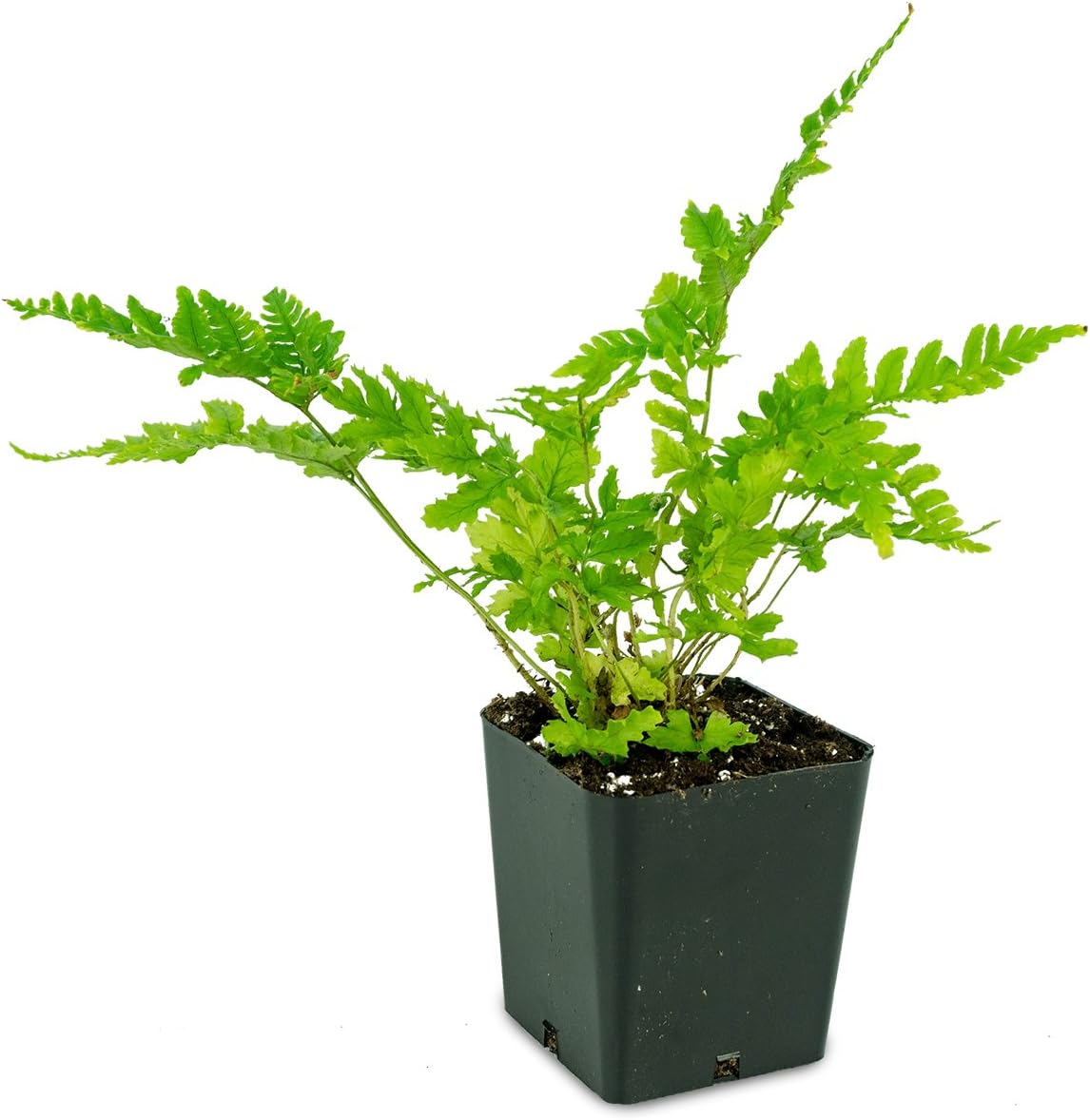
Sprig & Stone Live Mini Ferns Terrarium Plants (Brilliance)
| Sunlight Exposure | Partial Shade |
|---|---|
| Moisture Needs | Moderate Watering |
| Soil Type | Sandy Soil |
| USDA Hardiness Zone | 3 |
| Unit Count | 1 Count |
These Sprig & Stone live mini ferns are offered as a single plant sized for terrarium use and habitat décor. They are suited to partial-shade environments and moderate watering, which makes them an easy choice for enclosed glass terrariums where direct sun and overwatering are common problems. Typical uses include lining the foreground of a small terrarium, adding low-growing green texture around moss, or providing hiding cover in reptile and amphibian habitats. Notable features from the product information are suitability for USDA zone 3, sandy soil preference, and expected growth activity in spring, summer, and winter. Practical benefits include straightforward care requirements, broad seasonal resilience, and a compact form that fits tight spaces. Limitations are that you receive only one plant per unit and specific size details are not provided, so matching it to a particular terrarium layout may require estimation. If you need multiple plants or exact dimensions for a planned arrangement, you will need to order additional units or plan placement conservatively.
Best for: Buyers who want a low-maintenance, dependable live fern to add durable green texture to a small terrarium or reptile habitat without complex care routines.
Less Ideal for: People who need specific plant dimensions for a precise design plan or those who want an immediate multi-plant carpet effect without ordering extras.
- Formulated for partial shade, reducing risk of sun stress inside glass terrariums
- Moderate watering requirement simplifies routine care in enclosed environments
- Seasonally resilient with expected activity across spring, summer, and winter
- Compact single-plant format fits small terrarium layouts and habitat decor
- Sold as one plant per unit so larger displays require multiple purchases
- No exact size or mature dimensions provided to precisely plan placement
Verdict: A small, easy-care fern suited to shaded, moderately watered terrariums when you need a reliable single-plant green accent.
JM BAMBOO Terrarium Plant Assortment — 5 Mini Plants (≈4–6 in)

| Sunlight Exposure | Full Sun, Partial Shade |
|---|---|
| USDA Hardiness Zone | 3 |
| Soil Type | Sandy Soil |
| Moisture Needs | Moderate Watering |
This JM BAMBOO pack supplies five small plants selected for terrarium use, each about 4 to 6 inches tall at shipment. The assortment typically includes species suited to lower-light, humid environments such as miniature ferns and polka dot plants, and arrives as individually potted specimens ready to be transplanted into a sealed glass container. Key practical advantages are that the plants are chosen for terrarium conditions and are small enough to fit most standard closed terrariums, and the mixed selection gives quick variety without needing to hunt down single species. Users should expect seasonal variation in the exact plants received and plan for moderate watering and sandy, well-draining mixes where appropriate. Because these are live, small nursery plants, you may need to acclimate them and trim roots or foliage to fit very small enclosures. This kit is a convenient, low-effort way to stock a closed terrarium with compatible plants, but not a substitute for buying specific named species when precise composition matters.
Best for: Buyers who want a simple, ready-made selection of small plants to populate a closed terrarium without sourcing individual species, and who prefer convenience over exact plant selection.
Less Ideal for: Collectors who need specific, named species or exact plant varieties for a themed display will want to choose individual plants instead.
- Plants selected for terrarium environments such as miniature ferns and polka dot plants
- Five-plant assortment provides variety for a single closed terrarium
- Compact size (about 4–6 inches) fits most standard glass containers
- Arrives as live, potted specimens ready to transplant
- Assortment varies by season so exact species are not guaranteed
- May require pruning or root work to fit very small or densely planted terrariums
Verdict: A convenient five-plant mix tailored for closed terrariums that gets you a ready variety without sourcing individual specimens.
Choosing the Right Low Light Plants for Terrarium: Key Factors to Consider
Light Level and Placement
Even "low light" plants need a baseline of indirect illumination to photosynthesize. In a terrarium that sits several feet from a north-facing window or under artificial ambient light, plants with true low-light tolerance will survive where others will stretch, lose color, or become leggy. Consider the measured lux or the qualitative brightness in the intended location and choose species that are documented to handle that range.
Placement inside the terrarium matters too. Spots closest to the glass may receive slightly more diffuse light than the center. Rotating the container occasionally helps keep growth even and prevents single-sided stretching.
Humidity and Ventilation
Terrariums create humid microclimates that benefit many shade-tolerant species, but excessive stagnation can promote rot and fungal issues. Choose plants that tolerate sustained moisture on leaves and in the substrate if you plan a closed terrarium. If you prefer an open container, pick plants that like high humidity but also appreciate air exchange.
Think about maintenance routines. Periodic airing, removing dead foliage, and controlling condensation are simple steps that reduce disease risk. Matching plant humidity preference to your chosen terrarium style prevents chronic problems from the start.
Growth Rate and Size Control
Compact or slow-growing habits are essential for most terrariums. Fast-spreading stems or aggressive root systems can quickly overcrowd a small glass container and force frequent trimming. Look for naturally miniature varieties, rosette forms, or plants with tidy clumping growth.
If a species is slightly larger in normal culture, consider dwarf cultivars or commit to regular pruning. Understanding how quickly a plant produces new shoots and how large it becomes at maturity informs potting layout and long-term maintenance.
Substrate and Drainage Needs
Terrarium substrates must balance moisture retention with aeration to prevent waterlogged roots. Many terrarium plants do well in a layered mix: a drainage layer of gravel or coarse material, a barrier such as mesh, and a well-draining but moisture-retentive potting mix suited to shade plants.
Avoid heavy garden soils that compact. The right substrate reduces root rot risk and supports stable humidity levels. Consider whether individual plants prefer more mineral or more organic mixes when grouping them together.
Pest and Disease Resistance
Enclosed environments concentrate pests and pathogens. Species that show natural resistance to common terrarium problems like fungal leaf spot, mealybugs, or scale reduce future headaches. Inspect plants before adding them to a closed system and choose varieties that historically perform well in high-humidity conditions.
Quarantine new additions briefly to spot issues early. Favor resilient plants if you prefer lower maintenance or if you are new to terrarium culture.
Maintenance and Propagation
Will you want to propagate cuttings, refresh soil, or rearrange the display? Plants that root easily from stem or leaf cuttings make it simpler to replace overgrown specimens or create matching companions. Also consider how often trimming, dusting leaves, or substrate replacement will be necessary.
Ease of care affects long-term success. Low-maintenance plants that rarely need repotting and can tolerate brief lapses in attention are better choices for busy indoor gardeners.
Designing a Balanced Terrarium
Start by planning layers and plant roles rather than planting randomly. Use taller, slow-growing specimens as background anchors and low, spreading groundcovers or mosses to form a foreground carpet. Keep specimen spacing in mind so each plant has room to mature without smothering neighbors.
Think about texture and leaf form. A mix of glossy and matte leaves, upright and trailing habits, and varied leaf sizes creates depth and interest even when plants grow slowly in low light.
- Include at least one low, compact groundcover to protect exposed soil.
- Reserve the center or back for the tallest species to avoid shading smaller plants.
- Use decorative stones or wood pieces to create micro-elevations and visual focal points.
Watering and Condensation Management
Water sparingly in low-light terrariums because evaporation is minimal and plants use less water. Overwatering is the most common cause of rot. Rely on the substrate moisture feel and watch for persistent pooling on the bottom layer.
Control condensation by adjusting the frequency of opening a closed terrarium or by briefly airing the container on sunnier days. Heavy, persistent dripping indicates the need for less frequent watering or improved ventilation.
- Check substrate moisture with a wooden stick rather than guessing.
- Mist lightly only if plants show dryness; avoid constant leaf wetness on species susceptible to leaf rot.
Arranging Plants for Growth and Access
Place plants so you can reach them for pruning and inspection without disturbing the whole arrangement. Plan pathways or small access gaps that let you remove dead material and clean glass without uprooting neighbors.
Consider future growth when positioning cuttings and offsets. Group species with similar water and humidity needs together to simplify care.
- Use tweezers or long-handled tools for delicate placement.
- Label internal plantings on the outside of the container to track what is where without opening it.
Troubleshooting Common Problems
Yellowing leaves in a low-light terrarium often indicate overwatering or poor drainage rather than lack of light. Trim affected foliage promptly and check the substrate.
Leggy growth almost always signals insufficient light for the chosen species. Rather than increase water, consider moving the terrarium to a brighter spot or switching to plants with stronger shade tolerance.
- Remove rotting material quickly to prevent fungal spread.
- Quarantine and treat visible pests with gentle, terrarium-safe methods.
Seasonal Care and Long-Term Maintenance
Even in stable indoor environments, seasonal shifts in ambient light and temperature can affect terrarium plants. Expect slightly slower growth in winter and adjust pruning and watering accordingly.
Plan for occasional substrate refreshes and for replacing short-lived plants. Long-term displays benefit from a maintenance schedule: inspect monthly, prune as needed, and refresh soil or drainage layers every couple of years.
- Rotate the terrarium occasionally to maintain even growth.
- Top-dress with fresh substrate if nutrients appear depleted or if drainage is compromised.
How We Chose the Best Low Light Plants for Terrarium
We shortlisted plants that reliably survive and remain attractive inside closed or open terrariums under low to indirect indoor light. Selection prioritized species with documented shade tolerance and compact or slow growth habits so they fit small enclosures without frequent pruning. We assessed humidity tolerance because terrarium microclimates stay moist for extended periods and not all shade plants like constant moisture. Practical handling was a major filter: we favored plants that are easy to source, propagate, and maintain without specialized equipment. We excluded specimens that require bright light cycles, heavy pruning, or aggressive root systems that quickly dominate small containers. The final list balances survival under low light with manageable size, predictable humidity response, and general disease resistance in enclosed conditions. Evaluation criteria emphasized light tolerance, humidity tolerance, growth habit and size control, disease and pest resistance, and ease of propagation and care. These measures guided inclusion and are reflected in the scoring labels for each entry.
FAQ
Can low-light terrarium plants live in completely closed containers?
Many low-light species tolerate closed terrariums because they like high humidity, but not all do well long-term. Ensure proper drainage layers, avoid overwatering, and monitor condensation. Closed systems need occasional airing if moisture accumulates heavily.
How much watering do low-light terrarium plants need?
They need much less frequent watering than sun-exposed houseplants. Check substrate moisture before adding water and err on the side of dryness. A light watering schedule combined with the terrarium's natural humidity is often sufficient.
Will low light cause plants to lose color or become leggy?
Some species will stretch and lose vibrancy if the light is too low for their needs. Choose plants noted for true shade tolerance, and consider placing the terrarium where it receives bright indirect light for part of the day to reduce leggy growth.
Can I mix plants with different humidity needs in one terrarium?
Mixing plants with different moisture preferences can create problems. It is usually better to group species with similar humidity and substrate needs to avoid chronic stress for some plants.
How do I prevent fungal problems in a high-humidity terrarium?
Prevent fungal issues by controlling overwatering, removing dead or decaying material quickly, and providing periodic ventilation. Good substrate drainage and avoiding constant leaf wetness also reduce fungal risk.
Are there special soils or mixes needed for terrarium plants?
Use a well-draining but moisture-retentive mix, layered over a coarse drainage base. Avoid dense garden soils. Tailor the organic-to-mineral ratio to the plant types you select so the mix holds moisture without staying waterlogged.
Final Verdict
Choosing low-light plants for a terrarium requires matching shade tolerance with humidity preference and growth habit. Prioritize compact, humidity-tolerant species if you want a low-maintenance display; plan substrate and drainage carefully to prevent rot. Be realistic about tradeoffs: slower growth and careful moisture control replace the frequent watering and pruning of sun-loving plants. With the right plant selection and simple seasonal care, a low-light terrarium can remain a healthy, attractive feature for years.
