

Note: This article contains affiliate links. If you click on these links and make a purchase, I may earn a small commission at no extra cost to you. This helps support my research and content. Read my full affiliate disclosure here.
If you want a neat, professional edge along driveways, flower beds, and sidewalks, a 4 cycle lawn edger can deliver steady, gas-powered torque without mixing oil. Choosing the right model matters because engine layout, cutting blade and wheel design, and overall ergonomics determine how quickly you can finish a job and how clean the edge looks afterward. This guide covers five shortlisted 4 Cycle Lawn Edgers that suit typical homeowner and light‑landscaping needs. We evaluate each on engine durability, cutting consistency, handling, and serviceability so you can pick the best fit for your yard. Read on for the factors that separate a useful edger from one that creates extra work.
Top Picks at a Glance
| Best Overall The best all-around choice for most situations | Husqvarna 122LKE Gas Lawn Edger |  |
| Best Quality Built to a higher standard if you want something more solid | Troy-Bilt TBE304 30cc 4-Cycle Gas Walk-Behind Edger |  |
| Best Value The sweet spot between price and what you get | Wild Badger Power 31cc 4-Cycle Walk-Behind Lawn Edger, 9.5-inch Blade |  |
| Highest Rated A top-rated pick with lots of positive feedback | EARTHQUAKE 41273 79cc 4-Cycle Walk-Behind Edger |  |
| Most Popular A crowd favorite that many people choose with confidence | McLane 9-Inch Gas Walk-Behind Lawn Edger with Spring Steel Blade |  |
Husqvarna 122LKE Gas Lawn Edger
| Power Source | Gas Powered |
|---|---|
| Cutting width | 2.5 inches |
| Item Type Name | Edger |
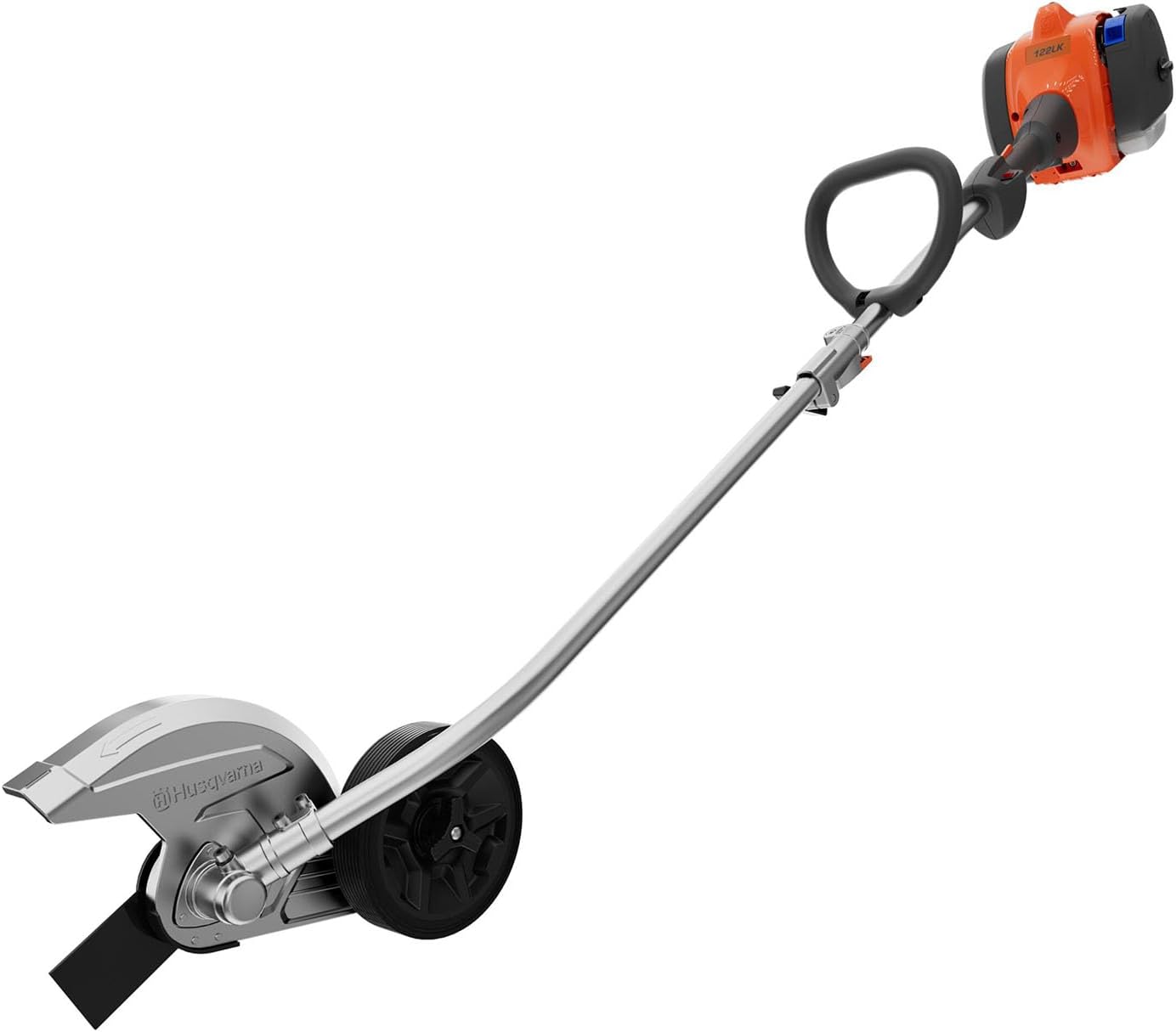
The Husqvarna 122LKE is a compact gas edger built to give clean, professional-looking lawn borders for homeowners. It uses a 4-cycle gas engine with Smart Start technology for easier pull starts, and a 2.5-inch cutting width that handles most residential edging tasks. The large 6-inch adjustable wheel and curved shaft improve balance and reduce operator fatigue, making it comfortable to use during spring cleanup or routine yard maintenance. Attachment capability broadens its usefulness because the detachable shaft accepts several Husqvarna click-on tools such as hedge trimmer and pole saw heads so you can tackle multiple jobs with one powerhead. Practical limits include its focus on straight and shallow edging rather than deep trenching, and gas maintenance needs such as fuel, oil, and periodic tune-ups. It is best for buyers who want a durable, attachment-ready gas edger to produce neat edges quickly without stepping up to commercial equipment.
Best for: Homeowners who want a reliable, gas-powered edger that makes neat lawn borders quickly and who value comfort and the option to add attachments for other yard tasks.
Less Ideal for: Landscaping professionals who need deeper, heavy-duty trenching or users who prefer zero-maintenance electric or battery tools.
- Gas-powered Smart Start engine for easier starting on 4-cycle power
- 6-inch adjustable wheel for steadier, smoother edging
- Curved ergonomic shaft reduces user fatigue during extended use
- Attachment-capable shaft expands functionality with compatible Husqvarna tools
- Cutting width is limited to 2.5 inches so it is not suited for very deep trenches or heavy-duty commercial edging
- Requires regular gas and engine maintenance typical of small gas engines
Verdict: A comfortable, attachment-ready gas edger that delivers fast, precise 2.5-inch edging for homeowners who want a versatile yard tool.
Troy-Bilt TBE304 30cc 4-Cycle Gas Walk-Behind Edger

| Power Source | Gas Powered |
|---|---|
| Engine | 30cc 4-cycle |
| Blade | 9-inch dual-tipped steel |
| Maximum Adjustable Cutting Height | 1.75 inches |
| Number of Positions | 5 |
The Troy-Bilt TBE304 is a straightforward gas walk-behind edger built for homeowners who want neat, durable edges without fuss. Its 30cc 4-cycle engine eliminates the need to mix gas and oil and runs quieter than comparable two-cycle units, while SpringAssist and the Prime & Go starting system make pulls easier and starting more reliable. The heavy-duty 9-inch dual-tipped steel blade cuts a 1.75-inch depth and the five-position height adjust helps dial in consistent edging along driveways, sidewalks, and garden beds. A v-style folding handle and three transport wheels improve maneuvering and tidy storage. Included oil and a 2-year limited warranty are practical touches for first-time edger owners. Expect a bit more vibration and maintenance than an electric model, and the unit is heavier to lift or move by hand, but for compact yards where a robust cut and longer run time matter, this gives predictable, professional-looking edges without mixing fuel.
Best for: Homeowners who want a reliable, gas-powered walk-behind edger to produce neat, consistent edges around driveways, sidewalks, and flower beds without dealing with gas-oil mixing.
Less Ideal for: Those with very small yards, frequent tight-space edging needs, or who prefer quieter, lower-maintenance electric or battery models should consider alternatives.
- 30cc 4-cycle engine avoids gas-oil mixing and runs cleaner than two-cycle engines
- SpringAssist and Prime & Go starting systems reduce effort and make starting more reliable
- 9-inch dual-tipped steel blade delivers a durable, clean cut to a 1.75-inch depth
- Five-position height adjustment and three transport wheels improve control and maneuverability
- Heavier and requires more routine maintenance than electric models
- Maximum cutting depth and width are modest compared with some commercial edgers
Verdict: Choose this Troy-Bilt if you want a dependable gas edger that starts easily and cuts consistently for tidy, long-lasting lawn edges.
Wild Badger Power 31cc 4-Cycle Walk-Behind Lawn Edger, 9.5-inch Blade
| Power Source | Gas Powered |
|---|---|
| Operation Mode | Manual |
| Maximum Adjustable Cutting Height | 10 centimeters |
| Minimum Adjustable Cutting Height | 5 centimeters |
| Material Type | Alloy Steel |
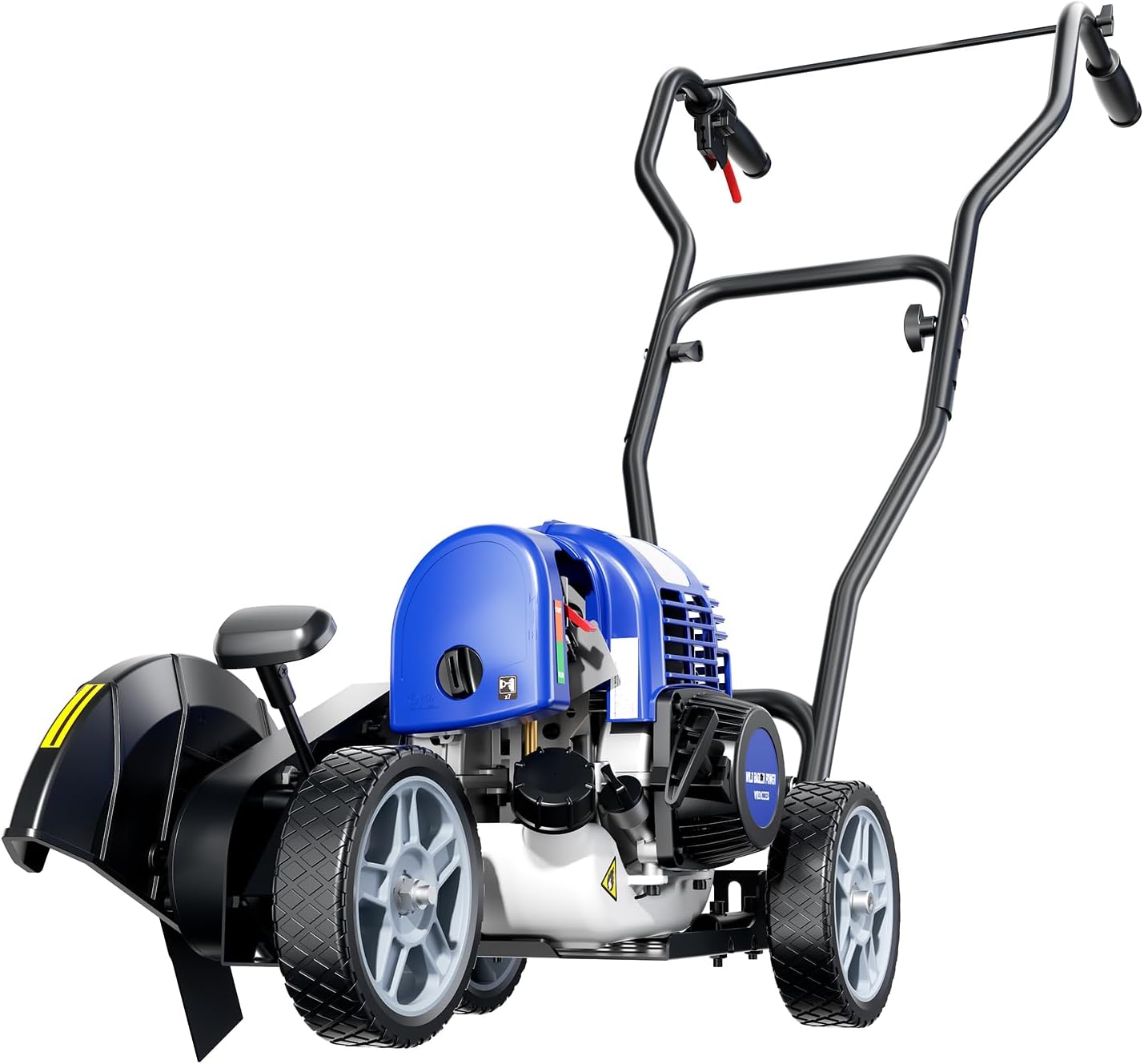
The Wild Badger Power walk-behind edger is designed to create clean, consistent edges along sidewalks, driveways, and long lawn borders. It uses a 31cc four-stroke engine, so you do not need to premix fuel and oil, and it is built to deliver high blade RPM for cutting through turf and light root material. The 9.5-inch two-tooth steel blade and five cutting-depth options let you do shallow touch-ups or deeper seasonal cuts, while a wheeled push design and three handle-height positions provide stable control and a more comfortable stance on long straights. Practical conveniences include a digital ignition for easier starts and tool-free air-filter access for routine maintenance. Expect solid edging performance for typical homeowner jobs, but note this is a manual push unit rather than self-propelled so it requires physical effort on tougher soils or slopes. Also the metal blade and gas engine need routine maintenance and basic mechanical familiarity to keep them running well.
Best for: A homeowner who values reliable, gas-powered cutting power and wants a stable walk-behind machine for trimming long sidewalks, driveways, and borders while prioritizing proven performance and straightforward maintenance.
Less Ideal for: Avoid this model if you need a lightweight handheld edger, frequent short bursts in tight beds, or a self-propelled machine for steep or very large properties.
- 31cc four-cycle engine eliminates fuel/oil mixing and delivers high blade RPM
- 9.5-inch two-tooth steel blade suitable for clean turf-to-hardscape separation
- Five cutting-depth settings for both light touch-ups and deeper edging
- Wheeled walk-behind design and three handle-height positions for stable control over long runs
- Digital ignition and tool-free air-filter access simplify starting and maintenance
- Manual push operation can be physically demanding on compacted soil or long runs
- Requires regular engine and blade maintenance typical of gas equipment
Verdict: Choose this walk-behind gas edger if you want dependable, high-RPM cutting and stable control for defined edges along sidewalks and driveways.
EARTHQUAKE 41273 79cc 4-Cycle Walk-Behind Edger

| Engine | 79cc 4-Cycle Viper engine |
|---|---|
| Blade speed | Spins at 3400 RPMs |
| Cutting angles | 5 positions up to 20 degrees each direction |
| Edging depth | Adjustable from 0.5 to 3.5 inches |
The Earthquake 41273 is a robust walk-behind edger designed to create crisp borders around lawns, sidewalks, driveways and flowerbeds. It uses a 79cc 4-cycle Viper engine so you do not need to mix gas and oil, and a variable-speed throttle helps you start cuts and slow down for corners. The tri-tip steel blade spins at high speed and the head pivots through multiple angles to do straight or beveled edges, while ten depth settings let you trim shallow touch-ups or cut deep into roots for cleaner regrowth control. The balanced four-wheel layout improves stability and handling compared with handheld units, and the built-in cup and tool holder is a practical convenience for short jobs. Because it is a gas machine it delivers power for longer runs and light trenching work such as burying cables, but it is heavier and needs fuel and basic engine maintenance compared with electric or battery models. Expect clearer, more professional-looking edges if you are comfortable storing and servicing a gas engine tool.
Best for: Buyers who prioritize efficient, professional-looking edging and need a durable gas tool for frequent or larger jobs around lawns, driveways and beds. Ideal for users who value cutting power and precise control over convenience of cordless options.
Less Ideal for: Not a good fit for small yards or users who prefer low-maintenance, quieter cordless or electric tools or who cannot accommodate gas engine upkeep.
- Powerful 79cc 4-cycle engine removes need to mix gas and oil and supplies sustained cutting power
- Variable-speed throttle for controlled starts and maneuvering around corners
- Tri-tip steel blade and multi-angle head produce cleaner, straighter and beveled edges
- Ten depth settings let you match shallow touch-ups or deeper cuts into roots
- Four-wheel design improves stability and handling versus three-wheel or handheld edgers
- Heavier and bulkier than electric or battery options so it requires more storage space and effort to move
- Requires regular engine maintenance and fuel unlike cordless electric alternatives
Verdict: Choose the Earthquake 41273 if you want a powerful, stable gas edger that delivers precise, professional borders and handles heavier edging and light trenching tasks.
McLane 9-Inch Gas Walk-Behind Lawn Edger with Spring Steel Blade
| Power Source | Gas Powered |
|---|---|
| Operation Mode | Automatic |
| Number of Positions | 7 |
| Material Type | Alloy Steel, Polyester, Rubber |
| Cutting width | 7 inches |
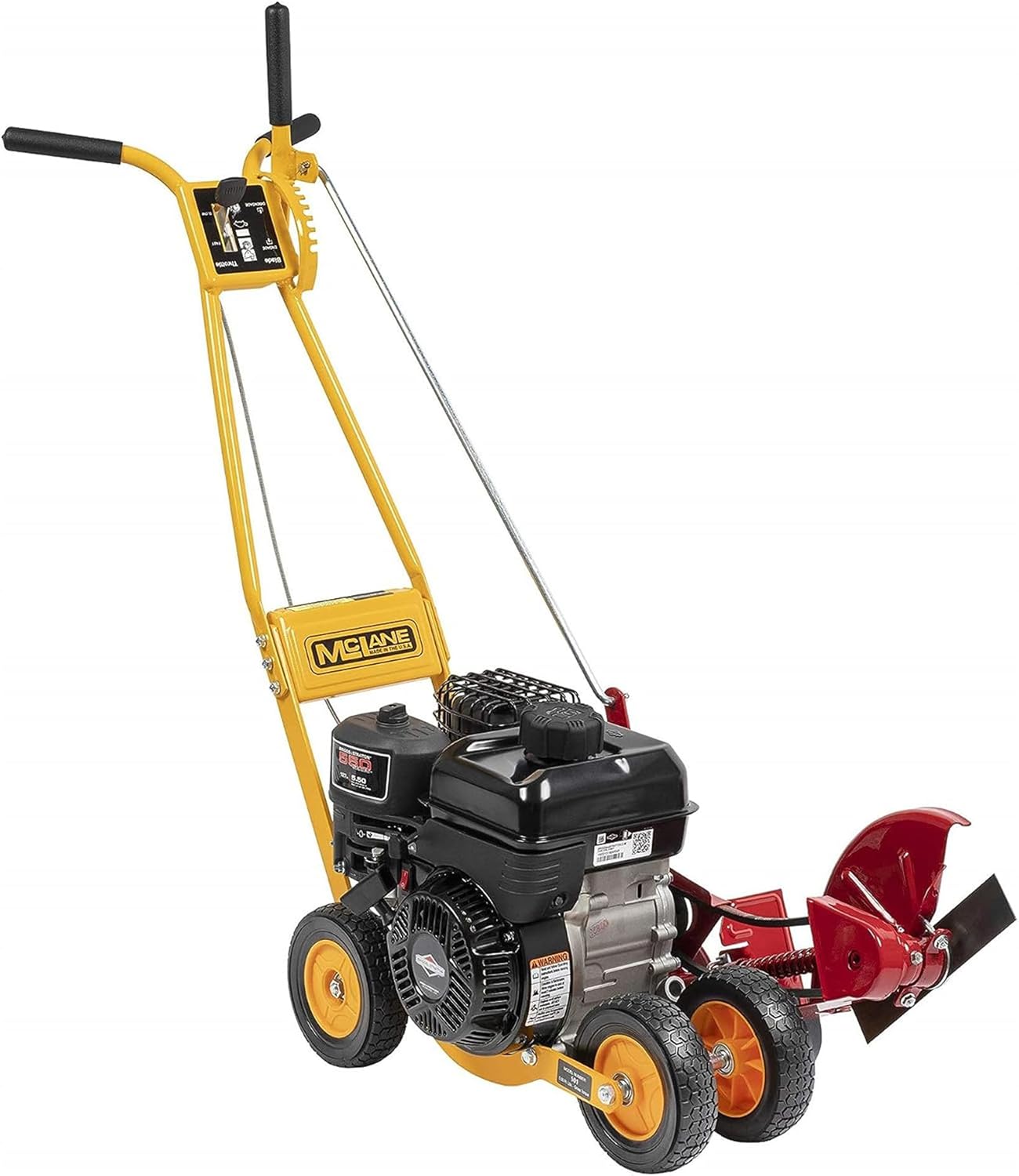
The McLane gas walk-behind edger is a straightforward power tool for homeowners who want clean, consistent edges around lawns, sidewalks, and curbs. It uses a small gas engine and a spring steel cutterhead with sealed precision ball bearings to deliver a controlled cut, and the blade tilts to nearly any angle so you can trim vertically or horizontally. Large rubber wheels with ball bearings make it ride smoothly along curbs and help keep the cutter steady, while single-lever blade clutch and depth control let you set cut depth quickly. Construction is heavy duty steel, which should hold up under regular use, and the unit is built for simple, manual operation rather than automation. Expect the usual gas-tool upkeep such as fuel, oil, spark plug checks, and occasional blade maintenance. The edger is best for homeowners with medium to large yards who want professional-looking edges without hiring a landscaper, but it may be more machine than needed for very small urban yards or for buyers who prefer electric or battery-powered quiet tools.
Best for: Homeowners who want a durable, gas-powered edger to create neat, professional edges around sidewalks, driveways, and larger lawns and who are comfortable with routine small-engine maintenance.
Less Ideal for: People with very small yards, noise-sensitive neighborhoods, or those who prefer lower-maintenance electric or battery-powered tools should consider other options.
- Tilting spring steel blade lets you cut vertically or horizontally for versatile edging
- Sealed precision ball bearings on cutterhead for smoother, more durable cutting
- Single-lever blade clutch and depth control for quick adjustments during use
- Wide rubber wheels with ball bearings provide stable tracking along curbs
- Gas engine requires routine maintenance and is louder than electric alternatives
- Cutting width is limited to 7 inches which may require multiple passes for wider edges
Verdict: A heavy-duty gas edger that delivers precise vertical and horizontal cuts for homeowners seeking professional-looking lawn edges.
Choosing the Right 4 Cycle Lawn Edger: Key Factors to Consider
Engine Type and Fuel System
Four-cycle engines run on straight gasoline without pre-mixing oil, which reduces mess and simplifies refueling. For edging work this matters because you often stop and start or work in short bursts; a reliable carburetor, stable idle and accessible choke control make restarts less frustrating.
Also consider engine displacement and torque characteristics. Higher torque helps push a blade through compacted soil and thick roots without bogging. Look for models with protected air intakes and decent cooling fins so the engine holds steady during extended edging sessions.
Cutting Blade and Wheel Design
Blade diameter, tooth pattern, and mounting stiffness affect how clean the cut looks. Heavier, well-balanced blades resist wobble and keep a straighter profile along sidewalks and beds. Some designs let you switch blade types for harder soils or mulchier conditions.
The edging wheel or guide should track true and be easily adjustable for depth and angle. A stable wheel that maintains blade alignment reduces lateral wander and helps produce a crisp, consistent edge on the first pass.
Ergonomics and Operator Control
Edging is a hands-on, often repetitive task, so handle design, grip comfort, and weight distribution are critical. A model that balances near the center of the operator's stance feels lighter to guide along long stretches. Adjustable handle height and an intuitive throttle control reduce fatigue and improve accuracy.
Vibration damping in the handles and easy-to-reach controls for choke and throttle improve comfort. Consider whether the unit allows single-hand repositioning for detailed work along curves or tight spots.
Durability and Ease of Maintenance
Look for sturdy shaft construction and robust guard attachments because the lower assembly takes repeated impacts from stones and roots. Bolt patterns, replaceable skid shoes, and accessible blade mounts simplify field repairs and part swaps.
Serviceability also includes air filter access, spark plug placement, and carburetor tuning access. Units that expose common maintenance points without disassembly reduce downtime and keep the tool performing well season after season.
Safety Features and Debris Management
Effective shielding ahead of the blade and a solid wheel guard prevent rocks and clippings from becoming airborne hazards. A dependable kill switch and easy-to-engage stops help you shut the engine quickly when you need to reposition or clear debris.
Consider also blade guards and recommended operator PPE. Some units include deflectors or transparent shields for better visibility while protecting feet and lower legs from flying material.
Transportability and Storage
If you move the edger between jobs or store it seasonally, weight, folding or disassembly options, and secure engine mounts matter. Lighter units are easier to lift into a pickup or a garage shelf, but too light can mean more vibration and less stability during cutting.
Check whether the design allows compact storage without removing the blade. Features like quick-release handles or simple wheel removal save setup time and reduce the risk of damage during transport.
When a 4 Cycle Edger Makes Sense
Four-cycle edgers suit homeowners and landscape pros who prefer the convenience of gasoline without oil-mix hassles. They are often quieter at idle and easier to refuel between short jobs, making them a practical choice for frequent edging along long perimeters or multiple properties.
Choose a four-cycle model when you need steady torque for compacted soil or frequent starts. If you mainly edge small patches or prefer battery tools for low noise and near-zero emissions, a four-cycle unit may be heavier than necessary.
- Best for medium to large yards with frequent edging needs
- Preferred when consistent fuel handling and longer run times are required
- Less suited to ultra-quiet neighborhoods or tiny patios
Preparing Your Yard for Edging
Before you edge, inspect the line for rocks, thick roots and buried utilities. Remove obvious hazards to avoid blade damage and reduce the chance of kickback. Mark curves and grade transitions so you can maintain a steady depth and angle.
Set the blade depth for a single pass where possible. Multiple shallow passes can reduce strain on the engine and improve control but take longer. Clearing turf clippings and debris between passes keeps the guide wheel tracking true.
- Clear loose debris and stones from the work line
- Mark tricky turns or obstructions with stakes or paint
- Adjust blade depth to match soil hardness
Basic Maintenance That Keeps an Edger Running
Regular maintenance keeps a four-cycle edger ready and reduces the risk of poor starts. Change the engine oil at recommended intervals, keep the air filter clean, and replace the spark plug as part of annual service. Inspect the blade for nicks and balance and sharpen or replace it when cutting quality drops.
Check wheel bearings, guard bolts and shaft fasteners after heavy use. Tighten fasteners to the torque specification if available, and replace worn skid shoes or shield components to maintain cutting geometry and safety.
- Change engine oil per manufacturer schedule
- Clean or replace the air filter seasonally
- Inspect and balance the blade regularly
Edge Styles and Technique Tips
The edge style you choose depends on lawn look and maintenance habits. A vertical edge gives a clean, formal look and keeps grass out of beds. A shallow bevel creates a natural slope that is easier to mow along and less likely to collapse in wet weather.
For tight curves, slow your travel speed and use short, controlled strokes. Let the blade do the cutting, and avoid forcing the machine through roots; take a shallower pass and repeat if needed. After edging, brush or rake the cut material away so mulched beds and borders present nicely.
- Vertical cut for crisp, formal borders
- Beveled cut for natural transitions and easier mowing
- Use multiple light passes for very hard ground
Winter Storage and Off-Season Care
For winter storage, run the engine briefly to distribute fresh oil, then change the oil if you will not use the edger for months. Stabilize remaining fuel or drain the tank to avoid carburetor varnish. Store the unit in a dry place off the ground to prevent rust and rodent damage.
Protect the blade by coating it lightly with oil and remove batteries or fuels where applicable. Cover the edger with a breathable cloth to keep dust off controls while allowing moisture to escape.
- Drain or stabilize fuel for long-term storage
- Change oil and protect metal parts with light oil
- Store in a dry, elevated area to prevent moisture damage
How We Chose the Best 4 Cycle Lawn Edger
Our shortlist focused on builds and features that matter for everyday lawn edging tasks. We prioritized engine durability and fuel-system design because steady torque and easy starting are essential during continuous cuts. Cutting consistency and blade stability were next, since a wobbling blade or poor wheel alignment makes poor edges and increases rework. Handling and control were judged for comfort and accuracy during long runs along hard surfaces and beds. Serviceability and access to wear parts influenced selection because parts and maintenance intervals affect ownership time and effort. Safety features and effective debris shielding were also considered to reduce kickback and accidental stone strikes. We excluded commercial-grade industrial units and ultra-light consumer trimmers that do not provide a dedicated edging wheel or compatible blade options. Models without obvious parts support or poor build details were not considered. Ultimately, we selected products that balance usable torque, reliable running behavior, accessible maintenance, and ergonomics for residential and light-commercial edging tasks.
FAQ
How often should I change the oil in a four-cycle lawn edger?
Change oil according to the engine manufacturer's schedule, which is often after the first few hours of break-in and then at regular intervals such as every season or after a set number of operating hours. If you do heavy edging or run the engine hard, check oil levels and condition more frequently.
Can a four-cycle edger handle compacted or clay soils?
Yes, a correctly sized four-cycle edger with adequate torque can handle compacted or clay soils. You may need to make multiple shallower passes rather than forcing a deep single cut, and a heavier blade helps maintain cutting consistency in tough soils.
What safety gear should I wear when operating a lawn edger?
Wear eye protection, long pants, and sturdy closed-toe shoes. Hearing protection is often recommended for longer sessions. Gloves improve grip and reduce vibration exposure, and avoid loose clothing that could contact moving parts.
How do I sharpen or replace an edger blade?
Sharpening requires removing the blade and using a file or grinder to restore a consistent edge, maintaining original bevels. Replace the blade if it has deep nicks, warping, or balance issues. Always follow proper torque and safety steps when reinstalling.
Is vibration a sign of a problem with my edger?
Increased vibration often indicates a bent or unbalanced blade, loose mounting hardware, or damaged bearings. Stop and inspect the blade and fasteners if vibration increases suddenly to avoid further damage or unsafe operation.
Final Verdict
A 4 Cycle Lawn Edger is a practical choice when you need steady fuel-powered torque without mixing oil and when you perform regular edging on medium to large properties. Prioritize reliable starting behavior and blade stability for clean, repeatable edges, and factor ergonomics if you will work long runs or tight curves frequently. Keep maintenance simple by choosing a design with accessible service points and replaceable wear parts. With careful attention to blade condition, depth settings and basic engine care, you can achieve crisp borders and reduce rework, letting you finish jobs faster and with better results.
