

Note: This article contains affiliate links. If you click on these links and make a purchase, I may earn a small commission at no extra cost to you. This helps support my research and content. Read my full affiliate disclosure here.
Choosing the right plants for a glass terrarium matters more than potting mix or container style. Enclosed glass environments create stable humidity, limited airflow, and uneven light, so the wrong plant will quickly show stress. This guide narrows the options to the best plants for glass terrariums, focusing on species that thrive in high humidity, accept low to medium light, and stay compact. We shortlisted six top plants that suit small to medium glass displays and evaluated them for humidity tolerance, light flexibility, growth habit, and ease of maintenance. Read on to understand which traits matter most for your terrarium and how to match plants to the microclimate you can provide.
Top Picks at a Glance
| Best Overall The best all-around choice for most situations | Shop Succulents Assorted Tillandsia (Air Plants) Pack, 6-Count |  |
| Best Quality Built to a higher standard if you want something more solid | Optiflora Mini Terrarium Plants (6-Pack, 2" Pots) |  |
| Best Value The sweet spot between price and what you get | Legigo Natural Sphagnum Moss (4 qt) |  |
| Highest Rated A top-rated pick with lots of positive feedback | Sprig & Stone Live Mini Ferns Terrarium Plants (Brilliance) |  |
| Most Popular A crowd favorite that many people choose with confidence | Bloomify Venus Flytrap Self-Sustaining Glass Terrarium |  |
| Best Seller A high-volume bestseller chosen again and again | LUCKYRUNES Live Moss 4-Pack for Terrariums and Floral Decor |  |
Shop Succulents Assorted Tillandsia (Air Plants) Pack, 6-Count

| Indoor Outdoor Usage | Indoor |
|---|---|
| Sunlight Exposure | Partial Sun |
| Soil Type | Sandy Soil |
| Moisture Needs | Moderate Watering |
| Unit Count | 6 Count |
These Tillandsia air plants are a low-maintenance, decorative option for anyone building glass terrariums or creative displays. The pack includes six assorted species that vary in size and form, letting you mix shapes and textures in a single arrangement. They absorb water through their leaves so you display them without soil and mount them on driftwood, shells, or inside open-top glass vessels. Care is straightforward: bright indirect light, weekly misting or short soaks, and good air circulation to prevent rot. Practical benefits include flexible styling—suitable for hanging displays, small open terrariums, or tabletop groupings—and minimal watering compared with potted plants. Limitations are that these are true air plants so they do not thrive in fully sealed, humid terrariums and need periodic soaking or misting, plus individual sizes and colors can vary across packs. For a balanced home gardener who wants striking, low-effort plants to dress glass containers, these Tillandsias are a convenient choice.
Best for: A balanced home gardener who wants easy-care, decorative plants for open glass terrariums and creative displays and values versatility in styling with minimal maintenance.
Less Ideal for: People wanting long-term planted setups that require soil or closed, high-humidity terrariums should choose plants adapted to those conditions instead.
- Soil-free display works well in open terrariums and mounted designs
- Low watering needs compared with potted tropicals
- Assorted species provide varied shapes and textures for decorative arrangements
- Simple care: bright indirect light and weekly misting or soaking
- Not suited to fully sealed or high-humidity closed terrariums where air circulation is poor
- Appearance and size vary between packs which can affect uniformity in displays
Verdict: A versatile six-pack of low-maintenance air plants that make styling open glass terrariums and mounted displays quick and easy.
Optiflora Mini Terrarium Plants (6-Pack, 2" Pots)

| Indoor Outdoor Usage | Indoor |
|---|---|
| Other Special Features of the Product | High Humidity Tolerant, Low Maintenance, Pest Resistant |
| Sunlight Exposure | Partial Shade |
| Moisture Needs | Moderate Watering |
| Unit Count | 6 Count |
These Optiflora mini terrarium plants are a set of six different small varieties sold in 2-inch pots and intended for closed or open terrariums. They are greenhouse-grown and presented as easy-care, humidity-loving plants that prefer indirect or shaded light and consistently damp soil. Typical use is placing them inside a closed glass container or a fairy garden where low light and high humidity are maintained; trim back growth to keep them compact or let them establish slightly larger forms. Notable features include clear care guidance to keep the soil damp, compatibility with sandy potting mixes, and pest-resistant, low-maintenance varieties that suit beginners. Because they come as assorted varieties, ordering multiple packs increases diversity in a single terrarium. Limitations are that the plants are tiny and will need careful moisture monitoring in small closed systems to avoid rot, and exact varieties are not specified so you may get different foliage types than pictured.
Best for: Buyers who want a reliable, low-maintenance set of small plants specifically for creating or replenishing closed terrariums and value easy-care, humidity-tolerant stock.
Less Ideal for: Gardeners seeking named specimen plants, large decorative foliage, or instant mature displays should look for larger, identified plants instead.
- Six different mini plants provide immediate variety for a small terrarium
- Grown for high humidity and low light so they suit closed terrarium conditions
- Sold in 2" pots that make planting into a terrarium straightforward
- Labeled low maintenance with pest resistance and simple watering instructions
- Specific plant varieties are not listed so exact foliage types may vary
- Small size means they will need attention to moisture levels to prevent rot
Verdict: A dependable, low-light, high-humidity plant pack that makes assembling a closed terrarium quick and low-effort.
Legigo Natural Sphagnum Moss (4 qt)
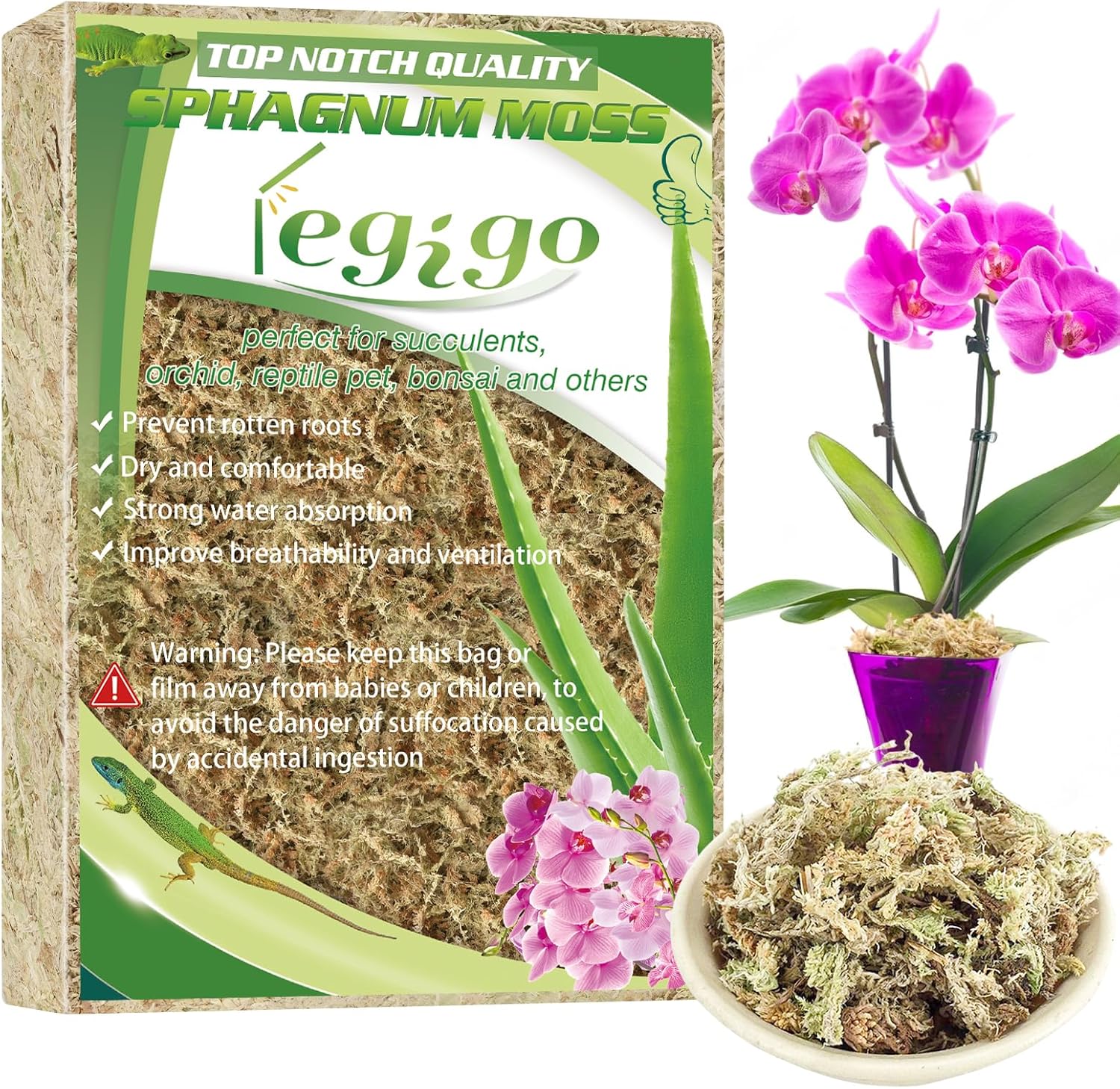
| Brand Name | Legigo |
|---|---|
| Unit Count | 3 Ounce |
| Volume | 4 quarts |
| Material | Natural Sphagnum Moss |
| Style Name | Natural, organic |
This Legigo sphagnum moss is a lightweight, natural growing medium designed to hold moisture while keeping roots airy — traits carnivorous plant growers need. The package contains about 4 quarts (roughly 3–4 ounces compressed) of long-fiber dry moss that expands after soaking; hobbyists typically rehydrate and fluff it before using as a top dressing, pot lining, or component of carnivorous plant mixes. Key strengths are its strong water retention with gradual release, clean sifted fibers with few twigs or debris, and versatility for terrariums and reptile substrates. Practical benefits include reduced watering frequency for moisture-loving plants and an attractive natural layer for hanging baskets or display pots. Important limitations are the small net fill for repeat repotting of multiple plants and the need to soak thoroughly once dry because dry moss can be slow to reabsorb water. Buyers should also handle it to avoid dust inhalation and follow simple rinsing steps if replacing old root-bound moss.
Best for: Growers who prioritize healthy root aeration and steady moisture for orchids and carnivorous plants and want a clean, natural medium for single-plant repots or terrariums.
Less Ideal for: Large-scale growers, nurseries, or anyone needing bulk quantities for many repots should choose larger commercial-sized sphagnum or alternative substrates.
- Good water retention while remaining airy for roots
- Clean long fibers with minimal debris suitable for sensitive plants
- Useful for multiple uses: pot lining, terrarium substrate, and reptile bedding
- Pack expands when soaked so a little goes further for single repots
- Small unit count means frequent repurchases for collectors or multiple plants
- Dry moss can be slow to re-wet after it fully dries
Verdict: A clean, small-format sphagnum moss pack that gives carnivorous plant growers the moisture retention and aeration needed for healthy roots in single repots and terrariums.
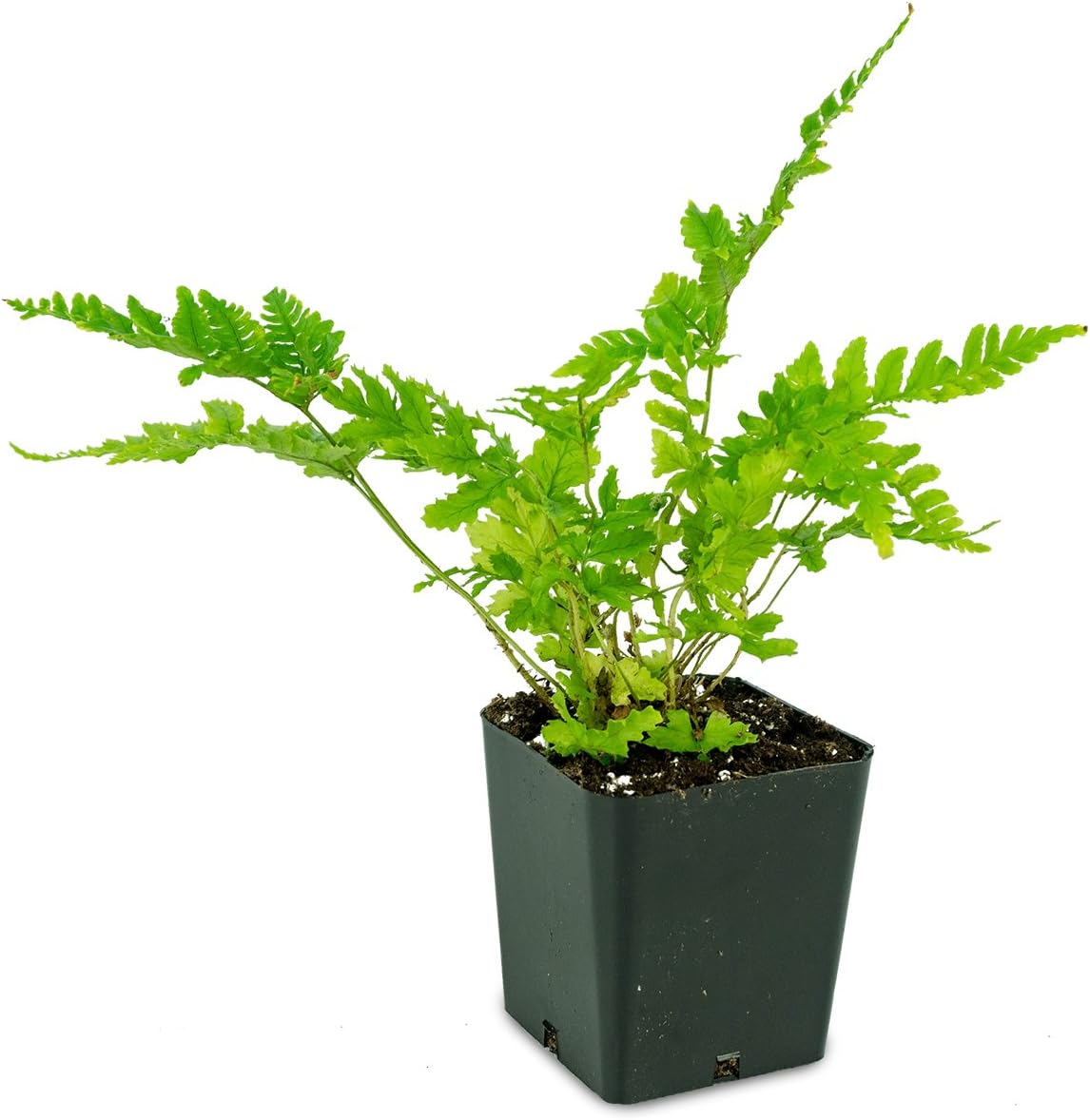
Sprig & Stone Live Mini Ferns Terrarium Plants (Brilliance)
| Sunlight Exposure | Partial Shade |
|---|---|
| Moisture Needs | Moderate Watering |
| Soil Type | Sandy Soil |
| USDA Hardiness Zone | 3 |
| Unit Count | 1 Count |
These Sprig & Stone live mini ferns are offered as a single plant sized for terrarium use and habitat décor. They are suited to partial-shade environments and moderate watering, which makes them an easy choice for enclosed glass terrariums where direct sun and overwatering are common problems. Typical uses include lining the foreground of a small terrarium, adding low-growing green texture around moss, or providing hiding cover in reptile and amphibian habitats. Notable features from the product information are suitability for USDA zone 3, sandy soil preference, and expected growth activity in spring, summer, and winter. Practical benefits include straightforward care requirements, broad seasonal resilience, and a compact form that fits tight spaces. Limitations are that you receive only one plant per unit and specific size details are not provided, so matching it to a particular terrarium layout may require estimation. If you need multiple plants or exact dimensions for a planned arrangement, you will need to order additional units or plan placement conservatively.
Best for: Buyers who want a low-maintenance, dependable live fern to add durable green texture to a small terrarium or reptile habitat without complex care routines.
Less Ideal for: People who need specific plant dimensions for a precise design plan or those who want an immediate multi-plant carpet effect without ordering extras.
- Formulated for partial shade, reducing risk of sun stress inside glass terrariums
- Moderate watering requirement simplifies routine care in enclosed environments
- Seasonally resilient with expected activity across spring, summer, and winter
- Compact single-plant format fits small terrarium layouts and habitat decor
- Sold as one plant per unit so larger displays require multiple purchases
- No exact size or mature dimensions provided to precisely plan placement
Verdict: A small, easy-care fern suited to shaded, moderately watered terrariums when you need a reliable single-plant green accent.
Bloomify Venus Flytrap Self-Sustaining Glass Terrarium

| Indoor Outdoor Usage | Indoor |
|---|---|
| Other Special Features of the Product | Self Cleaning |
| Expected Blooming Period | Winter |
| USDA Hardiness Zone | 1 |
| Moisture Needs | Moderate Watering |
This Bloomify kit arrives as a compact glass terrarium with a living Venus flytrap already planted in a soil-free Terra Gel medium. It is designed for indoor display on desks, shelves, or windowsills and aims to be largely maintenance free: the gel supplies water and nutrients so you do not need to water or add fertilizer. The package includes the terrarium, the plant, a care guide, and a heat pack for shipping or cooler months. The B52 mericlone variety offers larger-than-average traps which make the plant an attractive, eye-catching addition to small closed terrariums. Practical benefits include low daily effort, tidy presentation without loose soil, and a clear transplant path once the plant outgrows the jar—Bloomify provides a transplant kit with peat and sand. Important limitations are that the plant is intended for indoor, decorative terrarium use only and will eventually need replanting into a proper carnivore mix to thrive long term; the sealed gel environment also limits how large the plant can grow. Buyers should be prepared for eventual transplanting and for giving the plant appropriate light while it is in the jar.
Best for: Buyers who want a low-maintenance, decorative closed-terrarium plant to brighten a desk or small indoor space with minimal ongoing care and setup.
Less Ideal for: Experienced carnivorous-plant growers who want full control over soil conditions or gardeners seeking a long-term outdoor specimen should choose a traditional potted Venus flytrap instead.
- Comes ready-to-display in a sealed glass terrarium for minimal setup
- Terra Gel provides moisture and basic nutrients so no routine watering is required
- B52 mericlone variety has larger traps that make the plant visually striking
- Includes care guide, heat pack, and a transplant kit for moving the plant to soil later
- Sealed gel environment restricts long-term growth and eventual transplanting is required
- Designed for indoor decorative use only, not for outdoor or full horticultural cultivation
Verdict: For a risk-averse buyer who wants an effortless, display-ready closed terrarium, this Venus flytrap offers immediate visual impact with almost no daily maintenance.
LUCKYRUNES Live Moss 4-Pack for Terrariums and Floral Decor

| Indoor Outdoor Usage | Indoor |
|---|---|
| Sunlight Exposure | Full Shade; Indirect Light |
| USDA Hardiness Zone | 3 to 9 |
| Moisture Needs | Moderate to High |
| Unit Count | 4 Count |
This LUCKYRUNES live moss 4-pack supplies four different small sheets of real moss intended for closed terrariums and other indoor plant displays. Each piece arrives compressed or dry at times but revives easily when misted and placed in a shaded, humid environment, making it suitable for closed containers where steady moisture and indirect light are maintained. The pack is marketed as mixed varieties commonly used as top dressing for bonsai, fairy gardens, orchid pots, and closed terraria, and the moss is untreated and dye-free so it integrates naturally with live plantings. Practical benefits include simple upkeep for beginners, instant natural texture without potting or propagation, and compatibility with reptile or amphibian display accents when used decoratively. Important limitations are that the moss needs moderate to high humidity and regular misting to stay healthy in a closed terrarium, and it is sold as decorative living material rather than a complete substrate or pet bedding replacement.
Best for: Buyers who want low-effort, natural greenery to finish a closed terrarium or miniature indoor scene and prefer plants that revive quickly with simple misting and humidity management.
Less Ideal for: People who want a maintenance-free decorative that tolerates drying out completely or those needing a full substrate solution for planting rather than top-dressing.
- Real living moss with no dyes or preservatives for a natural look
- Works well in closed terrariums and other high-humidity indoor displays
- Easy to revive after shipping by misting and providing shade
- Variety pack offers mixed textures suitable for miniature landscapes and floral arranging
- Requires consistent moderate to high humidity and occasional misting to stay healthy
- Sold as decorative pieces only and not a substitute for complete substrate or pet bedding
Verdict: A ready-to-use, dye-free mixed moss pack that makes closed terrariums and miniature landscapes look natural with minimal beginner-friendly care.
Choosing the Right Plants for Glass Terrariums: Key Factors to Consider
Humidity Tolerance
Glass terrariums trap moisture and often maintain higher relative humidity than the surrounding room air. Plants that are native to rainforest understories, mossy banks, or damp rock faces usually perform best. Choosing species with good humidity tolerance prevents crown rot and leaf spotting that come from prolonged wetness.
Consider whether the terrarium will be sealed or have an open top. Sealed displays create near-constant humidity and suit very moisture-loving plants, while open-top or vented terrariums need species that accept moderate fluctuations. Also think about watering methods: misting and bottom-watering keep substrate moist without saturating crowns.
Light Requirements and Placement
Glass alters light intensity and can concentrate sunlight, so matching a plant's light needs to the terrarium location is critical. Many terrarium-friendly plants prefer bright, indirect light; direct sun through glass can overheat and scorch foliage. Assess the light level where the terrarium will sit across the day rather than a single moment.
If natural light is limited, choose species tolerant of low to medium light or plan for supplemental grow lighting. Consider leaf color and texture: darker leaves often indicate lower-light tolerance, while variegated or silver-patterned leaves usually need more light to stay vibrant.
Size at Maturity and Growth Habit
Space inside a glass terrarium is finite. Plants that remain compact, have slow growth rates, or produce tidy rosettes and clumping habits are easier to manage. Fast-growing vines or plants that develop long runners can quickly overtake the display and demand frequent pruning.
Think vertically and horizontally: low-growing groundcovers and miniature ferns create layered scenes, while upright but narrow plants provide height without crowding. Also factor in root volume; plants with shallow, fibrous roots adapt better to shallow substrate layers common in small terraria.
Soil and Drainage Needs
Most glass terrariums do not have drainage holes, so the substrate must hold moisture without waterlogging roots. Plants that tolerate consistently moist but not saturated media are ideal. Using a layered substrate with drainage material and a charcoal layer helps control moisture and odor, but plant choice remains central.
Avoid species requiring gravel-bed drainage or those prone to root rot in damp conditions. Also consider nutrient needs: slow-feeding plants reduce the frequency of fertilizing in a closed system where excess salts can accumulate.
Pest and Disease Susceptibility
Enclosed, humid environments can favor fungal pathogens and certain pests. Choose plants with proven resistance to common terrarium issues such as powdery mildew, botrytis, scale, and mealybugs. Tolerant foliage that dries quickly on the surface, or naturally waxy leaves, often resists fungal problems better.
Regular visual checks are still necessary, especially after introducing new plants. Quarantine new material before adding it to a finished display to minimize the chance of introducing pests or fungal spores into a closed microclimate.
Aesthetic Compatibility and Texture
A strong terrarium design depends on complementary foliage shapes, sizes, and colors. Choose plants whose textures and growth forms work together-contrast broad, glossy leaves with fine, feathery ferns or moss. Compact plants with distinct forms create focal points and make maintenance predictable.
Plan for seasonal leaf changes or flowering only if the terrarium environment will support them. Some species flower rarely indoors and may not justify a placement if bloom is the sole reason for choosing them.
Designing a Balanced Terrarium Layout
Start by planning the vertical and horizontal layers. Place taller, narrow plants toward the back or center depending on viewing angle, and reserve the foreground for low-growing groundcovers and decorative mosses. Leave space for future pruning so the arrangement does not become overcrowded.
Think in terms of form and texture rather than just color. A mix of rounded rosettes, arching fronds, and fine-leaved accents produces the most visually satisfying displays. Keep focal plants spaced to avoid competition for light inside the glass.
- Use odd numbers of focal plants for natural composition.
- Reserve one zone for slow-growing groundcover to hide substrate.
- Leave breathable airspace above taller plants in sealed terrariums.
Watering and Humidity Management
Watering small glass terrariums requires restraint. Overwatering is the most common cause of plant failure. Use a spray bottle for light misting or a narrow-necked watering tool for targeted soil moisture. Observe condensation patterns to judge moisture: a light film on glass in the morning is normal; heavy runoff or constant pooling is not.
For sealed terraria, water sparingly at setup and rely on the closed cycle to maintain humidity. Open-top displays need more frequent monitoring but better air circulation, which reduces fungal risk. Adjust frequency seasonally as indoor heating or cooling changes ambient conditions.
- Aim for even substrate moisture without standing water.
- Increase ventilation briefly if you see persistent condensation or mold.
- Consider bottom-watering in layered substrate to avoid wetting crowns.
Lighting Options for Glass Containers
Natural bright, indirect light is ideal for many terrarium plants. Avoid direct midday sun through glass which can rapidly heat the enclosure and scorch leaves. North- or east-facing windows often work well for small glass displays.
When natural light is insufficient, use low-profile LED grow lights positioned to provide diffuse illumination. Choose fixtures with a broad spectrum and place them on a timer to maintain consistent daily light periods without overheating the plants.
- Rotate the terrarium periodically for even growth.
- Watch for pale, stretched growth as a sign of insufficient light.
- Keep lights several inches from foliage to prevent hot spots.
Pruning, Grooming, and Long-Term Care
Regular grooming keeps plants in scale with the container. Trim back shoots that reach the glass or shade smaller neighbors. Remove yellowing or damaged leaves promptly to reduce rot and pest attraction.
Repotting in glass terrariums is infrequent but necessary when roots fill the substrate. When repotting, refresh the substrate layers and check drainage material. Avoid aggressive fertilization; light, infrequent feedings reduce salt buildup and algae growth.
- Use clean, sharp snips to prevent tearing foliage.
- Quarantine cuttings before reintroducing them to prevent pests.
- Plan seasonal minor refreshes rather than full overhauls.
Using Mosses and Nonvascular Plants
Mosses and liverworts are staples for glass terrariums because they thrive in stable humidity and low light, and they help visually unify the substrate. They also play a functional role by holding moisture and covering bare soil.
Select mosses that match your moisture level and light. Some mosses prefer continuous dampness while others need slight drying periods. Introduce moss on top of a well-draining substrate layer and keep trampling to a minimum during maintenance.
- Moss adds a finished look and reduces soil splash during watering.
- Avoid mosses that require bright direct light unless your terrarium provides it.
- Replace small moss patches that show decay rather than leaving them to spread disease.
How We Chose the Best Plants for Glass Terrariums
We focused on plants whose growth habits and physiology match the unique microclimate of glass terrariums. Primary evaluation criteria included humidity tolerance, light adaptability, mature size and growth rate, and susceptibility to common terrarium pests and fungal issues. We also measured maintenance demands, such as pruning frequency and watering sensitivity, and whether the species prefers closed or open-top containers. Plants were excluded if they routinely outgrow small glass enclosures, require strong direct sun, or demand complex seasonal dormancy management that a typical indoor terrarium cannot provide. We also excluded species with high disease risk under stagnant air conditions. The final shortlist balanced visual interest with predictable behavior in an enclosed glass environment. That means compact rosettes, slow creepers, and small ferns often rate higher than vining or rapidly spreading species. We prioritized plants that let hobbyists create stable, low-intervention displays while still offering texture, color, and form.
FAQ
Can any houseplant thrive inside a sealed glass terrarium?
No. Many common houseplants require more air circulation or direct light than a sealed terrarium provides. Choose species known for high humidity tolerance and compact growth to avoid rot and overcrowding.
How often should I water plants in a glass terrarium?
Watering frequency depends on seal, plant selection, and substrate. Sealed terraria may need water only at setup and occasional top-ups, while open displays often need light watering every few weeks. Watch condensation and substrate dampness rather than a fixed schedule.
Will plants in a terrarium get enough light indoors?
Many terrarium plants do well in bright, indirect light. If natural light is limited, supplemental LED grow lighting with a daily timer provides consistent illumination without overheating the glass container.
How do I prevent mold and fungal growth in a terrarium?
Control moisture by avoiding overwatering, increase ventilation briefly if condensation persists, and remove decaying plant material promptly. Choosing plants with lower fungal susceptibility also reduces the chance of outbreaks.
Is fertilizing necessary in a closed terrarium?
Fertilizing is usually minimal. Closed systems recycle nutrients and too much fertilizer can cause salt buildup and algae. If growth appears weak, apply a diluted, infrequent feeding targeted to the specific plant needs.
What should I do if a plant outgrows the terrarium?
Prune back the plant to maintain scale or remove and replace it with a more compact species. Repotting can be done for moderate root crowding, but frequently replacing oversize plants prevents long-term stress on neighboring plants.
Final Verdict
When choosing plants for glass terrariums, prioritize species that tolerate high humidity, accept low to medium light, and remain compact as they mature. Tradeoffs include aesthetic preferences versus maintenance: more exotic leaf shapes can need closer attention, while hardy mosses and small ferns reduce day-to-day work. Aim for a mix of textures and predictable growth habits, monitor moisture rather than following rigid schedules, and be ready to prune for scale. With those priorities in mind you can build a low-maintenance, visually striking glass terrarium that stays healthy for years.
