

Note: This article contains affiliate links. If you click on these links and make a purchase, I may earn a small commission at no extra cost to you. This helps support my research and content. Read my full affiliate disclosure here.
Cut tulips are short-lived compared with many other cut flowers, so the right plant food makes a noticeable difference in vase life, stem rigidity, and bloom presentation. Whether you bring tulips in from the garden or buy them from a shop, a dedicated formula can help reduce bacterial growth, feed the cut stems, and keep water clear. This guide covers the six top plant foods for cut tulips shortlisted for everyday gardeners and floral hobbyists. We evaluate each product on preservative chemistry, solubility, and how well it supports stem and petal health so you can pick the right option for your vase setup.
Top Picks at a Glance
| Best Quality Built to a higher standard if you want something more solid | Chrysal Flower Boost Clear Flower Food Packets, 100 Count |  |
| Best Value The sweet spot between price and what you get | FloraLife Fresh-Cut Flower Food Liquid Multi-Nutrient, 8 oz |  |
| Best Budget The cheapest option that still gets the job done reliably | Garden Trends Floralife Crystal Clear Cut Flower Food, 20 Powdered Packets |  |
| Highest Rated A top-rated pick with lots of positive feedback | Floralife Flower Food 300, 5 g packets (pack of 50) | |
| Most Popular A crowd favorite that many people choose with confidence | FloraLife Fresh-Cut Flower Food Sachets, 25 Count | 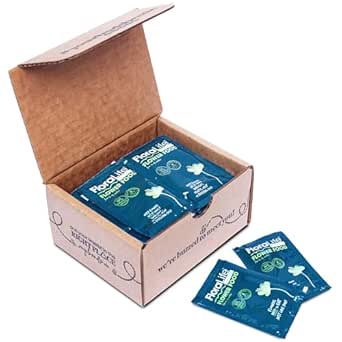 |
| Best Seller A high-volume bestseller chosen again and again | Chrysal Universal Flower Food, 50 Sachets |  |
Chrysal Flower Boost Clear Flower Food Packets, 100 Count

| Number of Packs | 100 |
|---|---|
| Item Form | Powder |
| Target Species | Flowers |
| Mixing Ratio | 1:5 |
Chrysal Flower Boost comes as 100 clear, single-use powder packets that you dissolve in water to feed cut flowers and slow wilting. Typical use is dissolving one 5 g packet in about 500 ml of water and placing trimmed stems in the solution; the mix lowers pH, helps water uptake, and supplies nutrients to stems and buds. For florists or home users who arrange bouquets, the convenient premeasured packets remove dosing guesswork and keep vases clear and odorless. The powder form mixes cleanly and is neutral-looking in the vase so it will not affect presentation. It is formulated for general flower use rather than species-specific feeding, so it works across a wide range of cut blooms. Important limitations are that it only treats cut flowers in vase water and does not replace long-term plant fertilizers or address mechanical vase hygiene beyond the recommendation to clean the vase and recut stems. Also the 1:5 mixing ratio means you must measure water volume to hit the intended concentration for best results.
Best for: Buyers who want a reliable, easy-to-use solution to extend the life of cut bouquets and who value consistent, professional-looking results for home displays or floral work.
Less Ideal for: Gardeners looking for fertilizers for potted plants or garden beds or buyers who need a species-specific nutrient program for living plants.
- Premeasured single-use packets for accurate, mess-free dosing
- Powder formula mixes clear and is odorless so it does not affect bouquet appearance
- Designed to lower pH and improve water uptake to extend vase life
- Large 100-count pack suitable for frequent arrangers or event work
- Works only for cut flowers in vase water and not for soil or potted plants
- Requires measuring water volume to match the recommended mixing ratio
Verdict: A convenient, florist-grade single-use flower food that makes it easy to extend the vase life and freshness of cut blooms.
FloraLife Fresh-Cut Flower Food Liquid Multi-Nutrient, 8 oz

| Form | Liquid multi-nutrient |
|---|---|
| Volume | 8 oz |
FloraLife Fresh-Cut Flower Food is a liquid concentrate formulated to feed, hydrate, and protect fresh-cut blooms in vases, containers, or floral foam. Typically you dilute the solution in fresh water and refresh it every few days to replenish nutrients and maintain hydration. The product emphasizes multi-nutrient support, which helps stems take up water more effectively and slows bacterial growth compared with plain water. For cut tulips this means better stem strength, less wilting and a longer display period when bottles are refreshed on schedule. The 8 oz bottle is easy to measure and store, and the brand focuses on professional post-harvest care so the formula is geared toward consistent results. Limitations are that you must follow dilution and refresh intervals for best results and it does not address mechanical issues like stem cutting angle or room temperature control. It is a practical choice for gardeners who want a straightforward, repeatable way to keep cut tulips looking fresher for longer.
Best for: Buyers who want a reliable, no-nonsense way to extend the vase life of cut tulips and prefer a product with professional pedigree and predictable results.
Less Ideal for: Casual users who only need occasional single-stem treatments or those who prefer all-natural, additive-free methods for cut flowers.
- Concentrated multi-nutrient formula supports water uptake and bloom longevity
- Works in vases, containers, and floral foam for versatile use
- Designed to slow bacterial growth compared with plain water
- Compact 8 oz bottle is easy to store and measure
- Formulation comes from a brand experienced in post-harvest flower care
- Requires regular solution changes and correct dilution for best effect
- Does not replace proper stem preparation or environmental controls
Verdict: A professional-grade liquid flower food that reliably extends the freshness and vase life of cut tulips when used and refreshed as directed.
Garden Trends Floralife Crystal Clear Cut Flower Food, 20 Powdered Packets

| Item Form | Powder |
|---|---|
| Number of Packs | 20 |
| Target Species | cut flowers, fresh flowers |
| Mixing Ratio | 1 packet per 1 pint of water |
| Liquid Volume | 9.46 liters |
This packeted cut flower food is designed for routine use with cut tulips and other fresh blooms. Each powdered packet mixes at one packet per pint of water, providing a convenient, pre-measured dose you stir into a vase to feed stems and help keep water clearer. In practice the packets make treating multiple small bouquets quick and consistent, and the powdered form stores easily without spills. The formula targets cut flowers specifically, so you get a simple, no-frills solution for extending vase life and reducing bacterial clouding in water. Limitations are that packets are single-dose so frequent entertaining or very large vases need multiple packets, and the product is a basic floral preservative rather than a specialty formula for particular species or unusually long vase life. For budget-minded users who want predictable, easy-to-use flower food for regular home bouquets this is a practical choice.
Best for: Buyers who want an affordable, easy-to-use preservative for regular small bouquets of cut tulips and other common cut flowers. Ideal for people who prioritize convenience and predictable results over specialty formulations.
Less Ideal for: Not the best choice for commercial florists or users needing one solution for very large arrangements or extended multiweek preservation.
- Pre-measured single-use packets for easy, no-mess mixing
- Powder form stores compactly and has a long shelf life
- Specifically formulated for cut flowers to help reduce bacterial growth in vase water
- Simple mixing ratio (1 packet per pint) makes dosing straightforward
- Single-use packets can require many units for large vases or frequent use
Verdict: A simple, budget-friendly packeted flower food that makes feeding cut tulips quick and reliable.
Floralife Flower Food 300, 5 g packets (pack of 50)
| Item Form | Powder |
|---|---|
| Specific Uses For Product | cut flower care |
| Coverage | Medium |
| Liquid Volume | 1 pints |
| Unit Count | 8.82 Ounce |
Floralife Flower Food 300 is a powdered preservative designed for cut-flower care and sold as 5 g packets that each make about a pint of solution. You add a packet to vase water or Oasis floral foam to help stems take up water, maintain color, and slow bacterial growth. It is most often used by florists or home arrangers who prepare multiple small bouquets or refresh vase water regularly. Notable features include its single-dose packets for consistent mixing and formulation that performs in a range of water qualities. In practice it simplifies routine care for cut tulips by keeping stems hydrated and reducing premature wilting, which is helpful when arranging or transporting blooms. Limitations are the small per-packet volume—each packet treats only about a pint—so larger vases or frequent water changes require more packets and planning. The product is focused on preservative performance rather than fertilizing growing plants, so it is not a substitute for plant food for bulbs in the garden.
Best for: Buyers who prioritize reliable, repeatable results when caring for cut tulips and want a standardized preservative they can use for individual bouquets and vase changes.
Less Ideal for: Gardeners looking for a fertilizer to feed tulip bulbs in the ground or those who need a single treatment for very large vases without repeated mixing.
- Single-use 5 g packets provide consistent, easy-to-mix doses
- Formulated for cut-flower care to help stems stay hydrated and retain color
- Works in a variety of water qualities and with floral foam
- Compact pack size is convenient for florists or event prep
- Each packet only makes about one pint of solution so larger arrangements need multiple packets
- Not intended for feeding growing plants or bulbs in soil
Verdict: If you want a dependable, single-dose preservative to keep cut tulips hydrated and looking fresh, Floralife Flower Food 300 delivers consistent results.
FloraLife Fresh-Cut Flower Food Sachets, 25 Count

| Item Form | Powder |
|---|---|
| Specific Uses For Product | cut flower care |
| Number of Packs | 25 |
| Liquid Volume | 1 liters |
| Target Species | Flowers |
FloraLife Fresh-Cut Flower Food arrives as single-use powdered sachets designed to dissolve in a vase of water and feed cut flowers. You mix one packet into water and place stems in the prepared solution; the formula combines hydration and nutrients to reduce wilting and extend bloom life for a wide range of flowers and foliage. The sachet format is convenient for occasional bouquets and ensures consistent dosing without measuring. Packaging is moisture resistant so unused packets stay usable in storage. Because the product is a concentrated powder it is lightweight to store and simple to use, but you do need to follow mixing directions and keep packets away from children and pets. This product focuses strictly on post-harvest cut flower care rather than soil or potted-plant fertilizing, so it works best for vases and floral foam rather than garden beds.
Best for: Buyers who want a reliable, ready-to-use way to keep bouquets looking fresh and prefer products with proven professional use and clear instructions.
Less Ideal for: Gardeners seeking a fertilizer for garden beds, potted plants, or long-term plant feeding should choose a product formulated for soil application instead.
- Single-dose sachets give consistent, easy mixing with no measuring
- Formulated for both hydration and nutrients to extend vase life
- Moisture-resistant packaging protects unused packets during storage
- Suitable for a wide range of flower and foliage types
- Intended only for cut flowers and floral foam, not for soil or potted plants
- Contains concentrated ingredients that require careful handling away from children and pets
Verdict: A convenient box of single-dose flower food sachets that consistently extends the life and appearance of fresh-cut bouquets.
Chrysal Universal Flower Food, 50 Sachets

| Brand | Chrysal |
|---|---|
| Number of Packs | 50 |
| Unit Count | 8.82 Ounce |
| Item Form | Packet, Liquid |
| Target Species | flowers |
Chrysal Universal Flower Food comes as 50 single-use liquid sachets designed to be added to vase water to keep cut flowers fresher longer. Each packet contains a measured dose so you simply tear and dissolve in the vase, which makes it convenient for one-time bouquets, events, or regular home use. The formula targets cut flowers specifically and is intended to reduce bacterial growth, feed stems, and help blooms open and remain vibrant. Because the sachets are premeasured and portable they are easy to store and use without mixing or measuring, and the medium coverage rating means a single packet suits a typical vase. Limitations to note are that this product is targeted only at cut flowers and does not replace general plant fertilizers, and the liquid packets produce waste compared with refillable concentrates. For someone who buys bouquets frequently and wants a simple, reliable way to prolong vase life, these sachets are practical and low-effort.
Best for: Buyers who regularly receive or purchase bouquets and want a low-effort way to extend vase life without measuring or mixing solutions.
Less Ideal for: Gardeners looking for an all-purpose plant fertilizer or those who prefer low-waste concentrated formulas and refillable dispensers.
- 50 premeasured liquid sachets for single-use convenience
- Formulated specifically for cut flowers to help blooms last longer
- Easy to use with no mixing or measuring required
- Designed only for vase/ cut flower use and not for potted or garden plants
- Single-use packets create more packaging waste compared with concentrated options
Verdict: If you want a fuss-free, single-use solution to keep cut flowers looking fresher longer, these premeasured sachets are an easy budget-friendly choice.
Choosing the Right Plant Food for Cut Tulips: Key Factors to Consider
Preservative Chemistry
Preservatives reduce bacterial and fungal growth in vase water, which is one of the main reasons cut tulips wilt prematurely. A good preservative mix balances a biocide to control microbes and sugars or nutrients to feed the flowers without promoting slime.
Understanding the chemistry matters because some formulas use chlorine-based agents while others rely on organic acids or silver compounds. For home use, choose preservatives that are effective at low concentrations and are safe to handle. The potency and spectrum of the preservative will determine how often you need to change the water and whether stems will remain clear or get slimy.
Solubility and Dosing Precision
Cut tulips react quickly to the concentration of plant food in the vase, so mixes that dissolve fully and have clear dosing instructions are essential. Undissolved granules can settle in the water and provide inconsistent feeding, while overdosing can cause tip-burn or abnormal opening of the blooms.
Look for concentrates with measured droppers or single-use sachets for repeatable results. Soluble powders with explicit grams-per-liter guidance work well if you can measure reliably. Ease of mixing saves time and reduces user error, which is important when you change water frequently to keep tulips fresh.
Support for Stem Rigidity
Tulip stems can bend or droop under their own weight, especially as heads open. Plant food that helps maintain turgor pressure and strengthens vascular flow will keep stems straighter and arrangements neater. Nutrients that support cell wall integrity and water transport can translate to visibly firmer stems.
While no vase solution will completely prevent natural drooping over a long period, consistent feeding and microbial control reduce blockages in the xylem. Consider formulas that mention support for stems or turgor when you want tulips to hold upright in taller vases.
Water Quality and Clarifying Properties
Cloudy or slimy water is a sign of bacterial growth and will shorten tulip life. Some plant foods include clarifying agents or chelators that keep water clear and reduce residues on stems and petals. Clear water also makes the arrangement look better and helps you see when a water change is necessary.
If your household water is hard or has high iron content, choose a product that tolerates those conditions or instructs you to use filtered water. Regular water changes combined with a clarifying plant food slow microbial buildup and keep the vase environment healthy for longer.
Scent, Residue, and Floral Aroma Interaction
Some preservatives and additives carry a noticeable scent or leave a residue on petals and stems. With tulips, strong chemical odors can mask the natural floral scent and may be unpleasant indoors. Residues can also attract dust or make petals look dull.
Opt for low-odor formulas when arranging tulips for indoor display, and rinse stems briefly if a product leaves a visible film. Clear instructions about residue and whether to rinse after mixing help avoid unintended effects on bloom appearance and fragrance.
Compatibility with Common Vase Practices
Gardening and floral care routines vary. Some gardeners refresh water daily, others every few days. Plant foods that remain effective between changes and that do not require removing foliage submerged in water make practical sense for home use. Compatibility with common practices like recutting stems, using cold or warm water, and adding sugar or bleach-free alternatives is important.
Consider whether the product requires specific temperatures or a strict timing schedule. A forgiving formula that performs under different household practices will be simpler to incorporate into regular vase care, especially if you often work with mixed bouquets containing tulips and other flowers.
Preparing Tulips for the Vase
Start by recutting the stems at an angle with a clean, sharp knife or shears to open the xylem and improve water uptake. Remove any leaves that will sit below the waterline to reduce organic load and slow bacterial growth.
Use cool to lukewarm water for most tulip varieties; extremely cold water can shock the stem while very warm water can accelerate opening. Add the plant food after water temperature is set so the dosing is accurate.
- Cut stems under running water if possible to prevent air from entering the xylem
- Place tulips in a shallow vase with enough water to cover the ends but not submerge leaves
- Keep arrangements out of direct sun and away from ripening fruit that emits ethylene
How Often to Change Water and Re-dose
For cut tulips, a partial water change every two days is often sufficient, with a full change and fresh dose of plant food every three to four days. If water becomes cloudy or develops an odor, change it immediately and recut stems.
Follow the product dosing guidance closely. Small vases may need proportional reductions in dose; sachet or dropper formats simplify this for small volumes.
- Watch water clarity and stem behavior rather than a fixed calendar alone
- Re-dose after a full water change to restore preservative levels
Mixing Plant Food Safely
Dissolve concentrates fully before adding stems and avoid mixing different preservative chemistries together. Mixing incompatible products can reduce effectiveness or produce residues.
Use clean measuring tools and rinse the vase between uses to avoid cross-contamination. If a formula instructs a waiting period before adding flowers, follow that guidance to ensure the solution has reached the correct concentration.
- Measure precisely and pour into water rather than adding water to concentrate
- Label leftover mixed solution with date and concentration if you plan to reuse it within a day
Troubleshooting Common Tulip Vase Problems
If tulips open unevenly or heads stay closed, check the dosing and water temperature. Some varieties are naturally slower to open, but incorrect preservative concentration or very cold water can delay opening.
For drooping stems, ensure the stems are freshly cut and that the plant food includes agents that promote turgor. If stems are slimy, immediately change water, recut stems, and use a clarifying product to remove microbial film.
- Cloudy water usually indicates microbial growth; change it and disinfect the vase if needed
- Wilted petals late in vase life are often irreversible, focus on preventing issues early
Using Household Alternatives Carefully
Gardeners sometimes use sugar, vinegar, or a pinch of bleach as home remedies. While sugar feeds flowers, it also feeds bacteria unless paired with an effective preservative. Vinegar lowers pH and can help, but dosing must be moderate to avoid damaging petals.
Household bleach at very low concentrations can reduce microbes but carries handling risks and may affect stem tissues. When using alternatives, err on the side of lower concentrations and change the water more frequently.
- Combine sugar with an antimicrobial rather than using sugar alone
- Avoid experimenting with high concentrations in prized arrangements
How We Chose the Best Plant Food for Cut Tulips
We focused on the attributes that matter most to gardeners and home florists working with cut tulips. Selection began with formulas specifically intended for cut flowers or with clear usage instructions for tulips. We prioritized soluble mixes and measured-dose concentrates because these are practical for home vases and small arrangements. Evaluation criteria included preservative blend effectiveness, solubility and dosing clarity, impact on water quality and bacterial control, and whether the formula supports stem rigidity and bloom opening. We also considered scent neutrality and compatibility with tap water of varying hardness, since household water can affect tulips quickly. Products that required complex preparation or had unclear dosing were excluded, as were items intended only for potted bulbs rather than cut stems. Excluded from the shortlist were general-purpose fertilizers not labelled for cut flowers, horticultural oils, and treatments that rely solely on antibiotics or bleach because they are unsuitable for routine home use. The final picks represent practical, easy-to-use options that match the needs of gardeners who want longer-lasting, healthier tulip stems and blooms.
FAQ
How long should cut tulips last with plant food?
With a proper plant food and regular water changes, cut tulips typically last between five and ten days depending on variety and initial stem condition. Factors such as temperature, light, and how well stems were prepared also affect longevity.
Can I use general-purpose fertilizer for cut tulips?
General-purpose fertilizers are not formulated for vase use and can promote bacterial growth or leave residues. It is usually better to use a product designed for cut flowers or follow a tested home-preservative recipe.
Will plant food change the color or scent of tulip blooms?
Most vase plant foods are designed to be neutral in scent and color impact. However, strong or improperly dosed solutions can leave residues or odors that mask floral scent, so follow dosing instructions and rinse stems if needed.
Is filtered or tap water better for tulip vases?
Filtered water can be beneficial if your tap water is very hard or contains high iron, which can cloud water and affect preservatives. In many cases tap water works fine when paired with an appropriate plant food.
Can I mix two different plant foods together?
Mixing different preservative chemistries is not recommended because they can interact and reduce effectiveness or create residues. Use one product at a time and rinse the vase thoroughly before switching.
Are there special steps for tulips cut early in the morning?
Early-morning cutting often yields stems with good water content. Still recut the stems and place them immediately into prepared water with plant food. Keeping them cool after cutting slows opening and prolongs vase life.
Final Verdict
Choosing the right plant food for cut tulips comes down to controlling microbes, ensuring accurate dosing, and supporting stem water movement. Prioritize soluble formulas with effective preservative blends and clear instructions so you can maintain water clarity and stem rigidity with routine care. Balance convenience with performance: if you change water frequently, a gentler, low-odor formula may suffice; if you need low-maintenance arrangements, look for longer-lasting preservative action. Use the factors above to match a product to how you care for and display your tulips for the best results.
