

Note: This article contains affiliate links. If you click on these links and make a purchase, I may earn a small commission at no extra cost to you. This helps support my research and content. Read my full affiliate disclosure here.
Choosing the right planter for a Boston fern changes how well the plant holds moisture, how air reaches the root ball, and how easy it is to water without stressing the fronds. Boston ferns like consistent humidity, steady moisture, and good airflow around their roots. The wrong container can mean soggy soil, brown tips, or slowed growth. This guide shortlists the top planter styles suited for Boston fern growing situations, explaining how each option affects drainage, humidity retention, and maintenance. We evaluated each choice across practical garden-use criteria so you can match a planter to where and how you grow your fern.
Top Picks at a Glance
| Best Overall The best all-around choice for most situations | Fox & Fern 12" Fiberstone Planter, Matte White |  |
| Best Quality Built to a higher standard if you want something more solid | Haispring 17" Round Fiberstone Planter with Drainage Hole |  |
| Best Value The sweet spot between price and what you get | KUGAZ Self-Watering Planter Set (12/10/8 inch, 3-Pack) |  |
| Most Popular A crowd favorite that many people choose with confidence | Arcadia Garden Products Classic Plastic Urn Planter, 13×15 inches |  |
| Best Seller A high-volume bestseller chosen again and again | The HC Companies 20 Inch Garden Bowl Planter |  |
Fox & Fern 12" Fiberstone Planter, Matte White

| Material Type | Ceramic, Fiberglass, Fiberstone, Stone |
|---|---|
| Size | 12 Inch |
| Capacity | 0.52 cubic feet |
| Other Special Features of the Product | Drainage Hole, Frost Resistant, Lightweight, UV Resistant, Weather Resistant |
| Indoor Outdoor Usage | Indoor, Outdoor |
This Fox & Fern 12" fiberstone planter is a mid-century modern style pot that works well as a display container for larger houseplants such as Boston ferns. Made from a fiberglass-reinforced stone exterior, it looks like ceramic but is far lighter, which makes repositioning and seasonal moving simple. The removable drainage plug lets you run it sealed indoors to protect floors or pull the plug outdoors so excess water drains freely. It is frost- and UV-resistant so you can leave it on a covered porch or balcony without rapid fading or cracking. The matte finish and round profile give a clean, contemporary look that pairs with low stands if you want height. Limitations are typical of fiberstone planters: it does not include a separate saucer for indoor drip protection and the interior capacity is fixed, so very large rootballs will need deeper pots or planting in an internal nursery pot first.
Best for: Gardeners who want an attractive, low-maintenance planter that can be moved seasonally and used both indoors and on protected outdoor spaces for medium to large foliage plants.
Less Ideal for: Growers who need very deep pots for large, fast-growing root systems or who require an included saucer for constant indoor watering setups.
- Lightweight fiberstone construction makes moving and seasonal rearranging easy
- Removable drainage plug for quick indoor/outdoor conversion
- Frost-resistant and UV-resistant for year-round outdoor exposure in temperate climates
- Matte modern finish pairs well with plant stands and living-room decor
- No included saucer for indoor drip protection
Verdict: A stylish, weather-resistant 12" planter that combines a lightweight fiberstone build with a removable drainage plug for easy indoor or outdoor use.
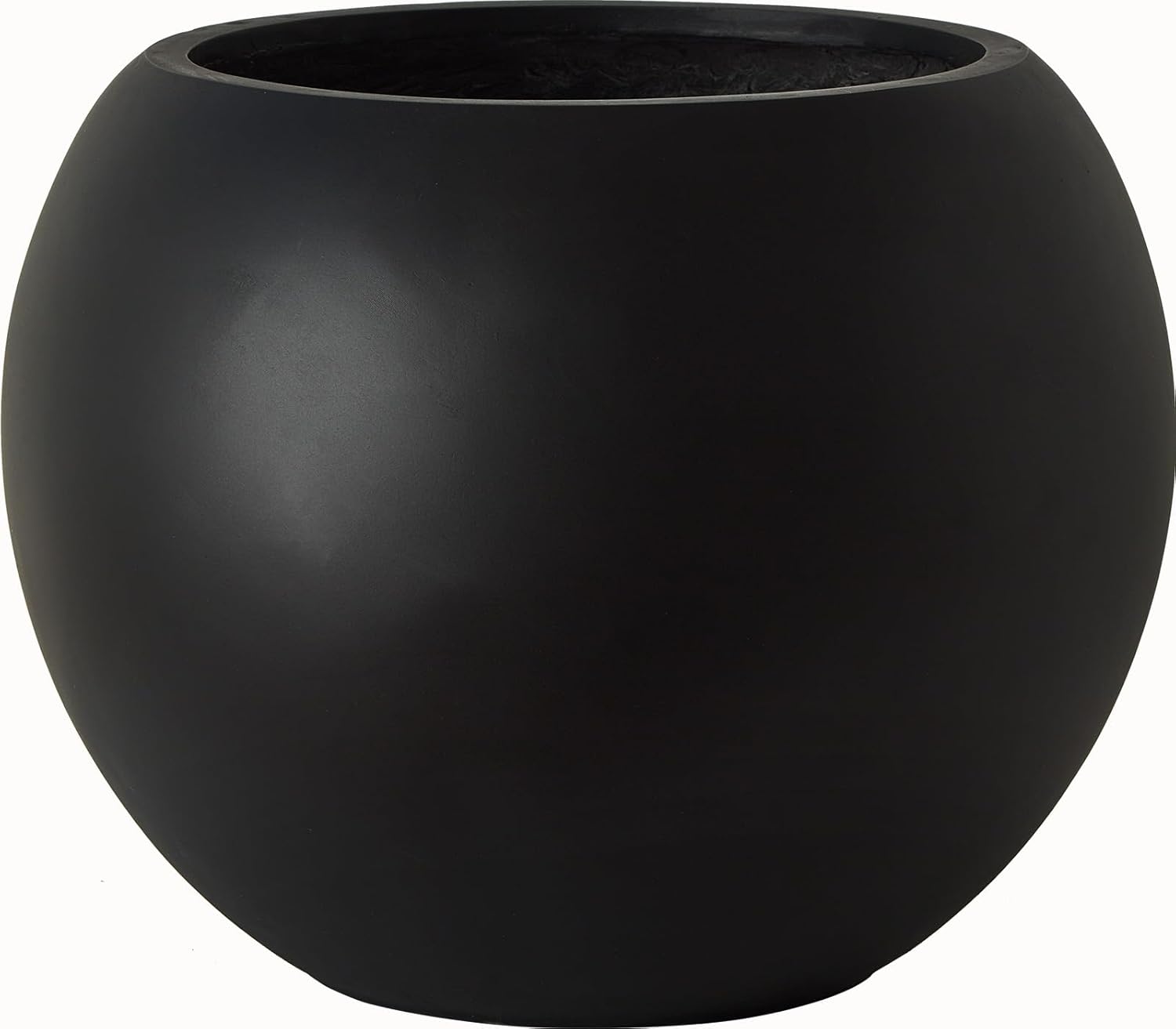
Haispring 17" Round Fiberstone Planter with Drainage Hole
| Capacity | 48.6 liters |
|---|---|
| Material Type | Cement, Fiberstone |
| Other Special Features of the Product | Drainage Hole, Lightweight |
| Indoor Outdoor Usage | Outdoor |
This Haispring 17" fiberstone planter offers the look of real stone while staying light enough to reposition when filled, which is useful for seasonal placement or rearranging container groupings. It is intended for larger houseplants and outdoor specimens and works well with plants that need good root aeration because of the pre-drilled drainage hole. The lacquered finish and smooth round silhouette give a clean contemporary look that complements many decor styles. Its 48.6 liter capacity provides enough soil volume for moisture-loving foliage to establish, though the medium size is best for single larger ferns or paired plantings rather than large trees. Because it is made of cement and fiberstone, it balances durability with manageable weight, but it is still heavier than pure resin pots when filled. The planter is labeled for outdoor use so consider frost protection in cold climates. For performance-focused growers, it delivers solid drainage, stable structure, and the soil volume needed to keep a Boston fern healthy when monitored for watering and protected from freezing temperatures.
Best for: Buyers who prioritize plant performance and reliable drainage for moisture-loving foliage and want a planter that looks like stone without extreme weight; ideal for growers who move pots seasonally or repot larger ferns.
Less Ideal for: Those needing ultra-lightweight resin pots for frequent moving or growers who require frostproof planters for year-round outdoor exposure in cold climates.
- Fiberstone construction gives a natural stone look with less weight than full stone
- Pre-drilled drainage hole supports healthy root conditions and prevents waterlogging
- Generous 48.6 liter capacity suitable for deep-rooted or moisture-loving plants
- Lacquered finish and simple round shape fit a range of decor styles
- Labeled for outdoor use and may need winter protection in freezing climates
Verdict: Choose this planter if you want a stone-look, performance-minded pot that offers solid drainage and ample soil volume for a healthy Boston fern.
KUGAZ Self-Watering Planter Set (12/10/8 inch, 3-Pack)

| Capacity | 22.6 liters |
|---|---|
| Number of Pieces | 3 |
| Material Type | Plastic |
| Other Special Features of the Product | Breathable, Lightweight, Self Watering |
| Indoor Outdoor Usage | Indoor, Outdoor |
These KUGAZ planters are designed to simplify routine care for larger houseplants like monstera. Each pot includes a deep reservoir and an absorbent wick plus a visible water level window so you can top up the reservoir without disturbing the root ball. The set contains three sizes suited to young plants through more established specimens, and the plastic construction keeps each pot light and easy to move for repotting or repositioning. Built-in drainage holes and a breathable design help prevent overwatering and encourage healthier roots compared with sealed pots. Practical extras include a saucer and watering lip for cleaner filling. Expect the pots to perform well for routine watering and to save time between hand-watering sessions, though the plastic finish is not decorative like ceramic and large heavy plants will still need a stable stand or saucer. If you need a long-term decorative pot or heavier, premium materials, look elsewhere, but for straightforward, low-maintenance container growing these planters are a solid, efficient choice.
Best for: Buyers who prioritize low-maintenance, reliable watering for houseplants and want a practical set that covers small to medium monstera stages without fuss.
Less Ideal for: Gardeners seeking decorative, high-end materials or very large, mature plants that require heavy, long-term stable pots should consider sturdier ceramic or resin alternatives.
- Self-watering reservoir with wick and visible water level makes watering predictable and hands-off
- Includes three practical sizes suitable for progressive repotting
- Drainage holes and breathable design reduce risk of root rot
- Lightweight plastic construction is easy to move and reposition
- Includes saucer and watering lip for cleaner filling
- Plastic construction is utilitarian and less decorative than ceramic or terracotta
- Not a heavy-duty planter for very large, top-heavy specimens
Verdict: If you want a practical, low-maintenance planter set that keeps monsteras consistently hydrated with minimal effort, this self-watering trio delivers.
Arcadia Garden Products Classic Plastic Urn Planter, 13×15 inches

| Capacity | 32.4 liters |
|---|---|
| Mounting Type | Tabletop |
| Material Type | Plastic |
| Indoor Outdoor Usage | Indoor |
This Arcadia Classic plastic urn is a lightweight, traditional planter intended as a decorative tabletop or indoor statement piece. It assembles tool-free in two pieces and offers a spacious interior for a single medium plant, faux arrangement, or seasonal display. The molded plastic construction resists weather and UV exposure better than thin ceramics, so you can move it around without worrying about chipping and it will hold up to occasional outdoor use. The urn does not include drainage holes, but its plastic body is drillable if you need to add drainage for live plants. Practical benefits include easy relocation thanks to the low weight, simple cleaning, and a classic fluted profile that fits traditional or transitional decor. Important limitations are the lack of factory drainage and the plastic finish, which some buyers may view as less premium than stone or ceramic; heavy plants or saturated soil may require a drainage solution and stable placement to avoid tipping.
Best for: Buyers who want an easy-to-use decorative planter for tabletops, entryways, or indoor displays and prioritize durability and simple handling over heavy, premium materials.
Less Ideal for: Those seeking a heavyweight, museum-quality stone or ceramic urn or gardeners who need built-in drainage and deep planting capacity for large outdoor specimens.
- Classic fluted urn design that suits traditional decor
- Lightweight construction makes it easy to move and reposition
- Tool-free two-piece assembly for quick setup
- Durable synthetic material resists weathering and UV exposure
- No factory drainage holes so live-plant use requires drilling or an inner liner
- Plastic finish looks less premium than ceramic or stone alternatives
Verdict: Choose this urn if you want an attractive, lightweight tabletop planter that is simple to set up and easy to move.
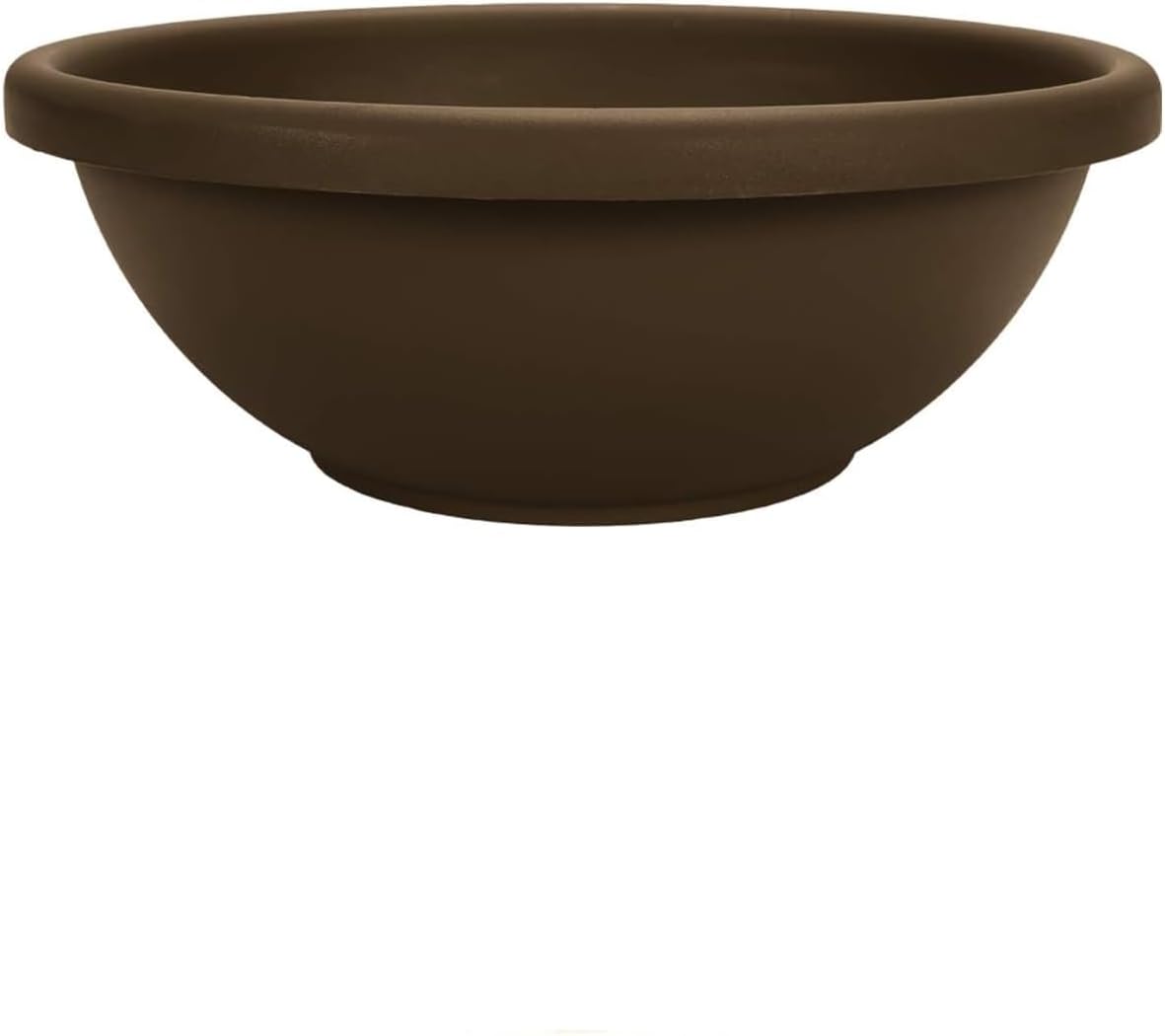
The HC Companies 20 Inch Garden Bowl Planter
| Material Type | Plastic |
|---|---|
| Other Special Features of the Product | Drainage Hole, UV Resistant, Weather Resistant |
| Indoor Outdoor Usage | Indoor, Outdoor |
| Included Components | Saucer |
| Capacity | 135 pounds |
This 20 inch Garden Bowl from The HC Companies is a shallow, round plastic planter intended for indoor or outdoor planting where a low-profile container is preferred. It works well for large Boston ferns that need a wide root area and good surface planting depth rather than a tall pot. The built-in drainage hole and removable saucer option let you control moisture, which helps prevent overwatering—a common concern with ferns. UV and weather resistant plastic means the pot will hold up on a shaded porch or near a bright window without cracking or fading. Because it is shallow, expect less soil volume and faster drying than a deeper planter, so you may need to water a bit more often or use a water-retentive mix. The lightweight construction makes moving the pot easy but also means it can tip if top-heavy when the plant grows large. For buyers who prefer simple maintenance and durability, this planter is a practical, no-frills choice for growing Boston ferns in containers.
Best for: A cautious buyer who wants a durable, low-maintenance planter for a Boston fern placed on a patio, porch, or bright indoor spot and values easy care and predictable performance.
Less Ideal for: Growers who prefer deep-rooted, heavy containers for long-term specimens or those who want a self-watering solution built into the pot should consider other options.
- Drainage hole with compatible saucer option for moisture control
- UV resistant and weather resistant plastic suitable for indoor or outdoor use
- Wide, shallow shape provides broad root area ideal for spreading ferns
- Lightweight design makes repositioning and seasonal moves easy
- Shallow depth holds less soil so it dries faster than deeper pots
- Lightweight construction can be prone to tipping with very top-heavy plants
Verdict: A durable, low-maintenance wide shallow planter that makes growing a Boston fern simple and fuss-free.
Choosing the Right Planter for Boston Fern: Key Factors to Consider
Drainage and Overflow Control
Boston ferns need consistent moisture but do not tolerate standing water. Planters with well-placed drainage holes let excess water escape quickly after watering and prevent the soil from staying saturated for long periods. Drainage design also affects how you water; a pot with a single small hole will drain more slowly than one with multiple large holes.
Consider how the planter will sit. If you will place a planter on a saucer, ensure the saucer does not trap water under the pot. For hanging planters, drainage must allow water to exit without dripping on surfaces below. Some gardeners add a layer of coarse material at the bottom, but that only delays saturation unless there are adequate holes for water to exit.
Material Breathability and Heat Response
The planter material changes how the soil breathes and how temperature swings affect roots. Unglazed terracotta and porous ceramic breathe, allowing some evaporation through the walls and helping prevent root suffocation. Plastic and glazed ceramic are less breathable and hold moisture longer, which can be useful in dry rooms but risky in low-light spots.
Also consider how the material responds to sun and indoor heat. Dark plastic may retain heat near the root zone in bright windows, while light-colored or porous materials moderate temperature changes. Match material choice to your light level and indoor humidity so roots stay within the comfortable temperature and moisture range for Boston ferns.
Size, Shape, and Root Volume
Boston ferns develop fibrous, shallow root systems that spread rather than plunge deep. Select a planter with enough horizontal space to accommodate lateral root growth and a shallow-to-moderate depth to avoid water pooling at the bottom. A container that is too small will become root-bound quickly and stress the plant.
Wider pots also support fuller frond development because the root system can access more media. Consider future growth: choose a planter that allows at least one pot size increase so you are not forced to repot every season. The internal volume of the pot determines how often you need to water and how stable the plant is when handled.
Humidity Management and Microclimate
Boston ferns prefer high humidity. A planter can help with local humidity through water-retaining media, attached trays for misting, or by fitting into a larger cachepot that traps moisture between layers. Porous materials and shallow wide pots let moisture evaporate and raise the air humidity around the fronds more effectively than sealed containers.
If you rely on central heating or dry air, choose planters that make it easy to top-dress sphagnum or water-holding crystals, or that accommodate a humidity tray without obstructing drainage. The planter should let you create a stable microclimate without causing the soil to remain overly wet.
Ease of Watering and Maintenance
Planters that are easy to water and maintain save time and reduce stress on the fern. Features like removable inner liners, accessible rims for gentle misting, or shallow lips that make top-watering even easier matter for regular care. Drainage must be compatible with your preferred watering method, whether bottom-watering, top-watering, or periodic soaking.
Also consider how easy the planter is to clean and repot. Smooth interiors and durable materials simplify root inspection and soil replacement. If you intend to hang the fern, the planter should allow safe watering without awkward handling that could damage fronds.
Durability for Indoor and Sheltered Outdoor Use
Consider whether the planter will live indoors, on a covered porch, or in a greenhouse. Materials face different stresses depending on exposure: frost can crack some ceramics, constant humidity can degrade porous composites, and UV light can weaken plastics over time. Choose a planter that matches the environmental stressors it will face.
Fast-propagating materials like thin plastic can deteriorate where constant watering and direct sunlight coincide. Heavier, weather-resistant materials hold up in humid or sheltered outdoor settings but may be heavy to move when filled with potting mix and a mature fern.
Best Planter Styles for Hanging and Basket Display
Hanging planters and baskets let Boston fern fronds drape naturally and improve air circulation around the plant. Look for baskets with liner options that hold potting mix securely while allowing excess water to escape. Spherical or shallow bowl shapes encourage the classic cascading habit.
Ensure hanging hardware keeps the planter level during watering. If you prefer liner pots inside the basket, choose liners with drainage holes so you can remove them to empty excess water without disturbing the root ball.
- Use liners that are breathable but removable for draining.
- Secure hooks and chains to support wet weight safely.
- Choose a bowl shape that encourages outward frond growth.
Using Cachepots and Decorative Outer Pots
Cachepots let you maintain a functional inner pot with drainage while keeping a decorative outer container that catches overflow. This setup is useful when you want a non-draining outer pot for aesthetics but still need effective root aeration and drainage.
When using a cachepot, lift the plant to check the inner pot after watering and empty the outer tray if water accumulates. Avoid keeping the inner pot sitting in water for extended periods.
- Match inner pot size to the cachepot interior to prevent tipping.
- Leave a small gap between inner pot and cachepot to allow airflow.
- Use a saucer or tray under the cachepot to protect surfaces.
Materials That Help or Hurt Fern Health
Porous materials like unglazed terracotta wick moisture away from the soil and help prevent overwatering issues, which can be beneficial when you cannot mist frequently. Non-porous materials preserve moisture longer and can be helpful in dry indoor environments but require careful watering to avoid soggy soil.
Consider weight and handling. Heavy stone or thick ceramic holds temperature and moisture well but is harder to move when repotting. Lightweight options like woven baskets or thin plastic make repositioning and hanging easier.
- Porous planters increase evaporation around roots and fronds.
- Non-porous planters retain moisture and raise watering frequency needs.
- Balance weight with expected watering frequency and placement.
Placement Tips for Different Rooms and Light Levels
Match the planter to where you will keep the fern. In bright bathrooms or kitchens with higher ambient humidity, non-porous pots can be more forgiving. In dry living rooms or bedrooms, porous pots that encourage evaporation around the plant are often a better choice.
If the fern sits on a windowsill, choose a low-profile planter that fits the space and avoids overheating the root zone. For shaded patios, heavier stable pots resist tipping in wind and when being watered outdoors.
- Bathrooms: consider non-porous pots to reduce evaporation needs.
- Living rooms: use breathable materials to avoid overwatering.
- Patios: choose stable, weather-resistant containers.
Repotting and Long-Term Care Strategies
Plan for occasional repotting to refresh potting mix and check roots. Select planters that allow straightforward removal of the root ball or that accept an inner nursery pot for simple lifting. Avoid designs that trap roots or make root inspection difficult.
When repotting, use a well-draining, peat-based or coconut coir mix that holds moisture without becoming waterlogged. Repot into a container only one size larger unless dividing the plant; oversized pots can retain too much water and slow growth.
- Use a loosened potting mix tailored for moisture retention and drainage.
- Repot every 12 to 24 months or when the plant becomes root-bound.
- Divide oversize clumps to rejuvenate growth before replanting.
How We Chose the Best Planter for Boston Fern
We focused on features that directly affect Boston fern health and everyday care. Key evaluation criteria included drainage performance, breathability or material porosity, capacity for adequate root volume, ease of watering and replanting, and resistance to outdoor or indoor environmental wear. We prioritized planters that support consistent moisture without creating anaerobic conditions that lead to root rot, and containers that help maintain ambient humidity around the fronds when possible. We excluded containers designed for succulent or cacti culture and any planters with impractical depth-to-width ratios that restrict the fibrous root system of Boston ferns. Also excluded were planters lacking basic structural integrity for routine watering and handling. The remaining picks reflect containers that balance water movement, aeration, and gardener convenience for indoor or sheltered outdoor fern culture.
FAQ
Do Boston ferns need drainage holes in their planters?
Yes, drainage holes are usually essential. They prevent water from pooling at the bottom of the pot and reduce the risk of root rot. If you use a decorative outer pot, keep an inner draining pot and empty any standing water from the outer container.
Is terracotta better than plastic for Boston ferns?
Terracotta breathes and helps excess moisture evaporate, which can be helpful in humid or low-light spots. Plastic retains moisture longer, which may reduce watering frequency in dry indoor conditions. The best choice depends on your home humidity and watering routine.
How large should a planter be for a mature Boston fern?
Choose a planter that gives the fern ample horizontal space, typically only one pot size larger than the current container. Boston ferns prefer shallow, wide pots that allow the fibrous roots to spread rather than deep, narrow containers.
Can I use a hanging basket without a liner for my Boston fern?
Hanging baskets without liners can dry out quickly and lose potting mix, but they offer excellent air circulation. If using an unlined basket, select a mix with good water retention and plan to water more frequently, or use a biodegradable liner to hold the medium.
How do I raise humidity around a fern in a dry room?
Place the planter on a humidity tray, group several plants together, or choose a porous pot that allows more evaporation. Regular misting and keeping the fern in bathrooms or kitchens when possible also helps, but be mindful not to saturate the soil.
Final Verdict
Focus on drainage, material breathability, and suitable root volume when choosing a planter for Boston fern. Tradeoffs are inevitable: breathable pots reduce overwatering risk but may need more frequent watering, while non-porous containers hold moisture but demand careful drainage management. Prioritize a container that matches your home humidity, the fern's placement, and how often you will water. With the right planter you will encourage fuller fronds, healthier roots, and simpler maintenance over time.
