

Note: This article contains affiliate links. If you click on these links and make a purchase, I may earn a small commission at no extra cost to you. This helps support my research and content. Read my full affiliate disclosure here.
Picking the right non invasive ground cover for shade matters because shady spots behave differently from sunny beds. In low light you need plants that spread without becoming aggressive, suppress weeds, and tolerate moist, cool soil under trees or along north-facing walls. This guide shortlists five top options chosen for predictable spreading habit, shade tolerance, and low maintenance needs. We evaluate each plant for how it establishes, how it spreads, maintenance demands, and how it interacts with surrounding trees and shrubs. Read on to find the type of shade-tolerant ground cover that fits your site and long-term garden plan.
Top Picks at a Glance
| Best Overall The best all-around choice for most situations | Pachysandra terminalis 'Green Sheen' Groundcover — 100 Bare Root Plants | 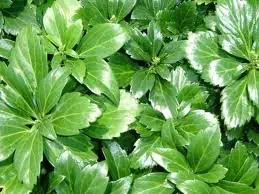 |
| Best Quality Built to a higher standard if you want something more solid | Hirt's Gardens Pachysandra (48 plants, 1 3/4" pots) |  |
| Best Value The sweet spot between price and what you get | Outsidepride Dichondra Repens Ground Cover Seeds (32 oz) |  |
| Best Budget The cheapest option that still gets the job done reliably | Carpet Creeping Viola sororia Violet Seeds, 200 Count |  |
| Most Popular A crowd favorite that many people choose with confidence | Outsidepride Perennial White MiniClover Seed (4 oz) |  |
Pachysandra terminalis 'Green Sheen' Groundcover — 100 Bare Root Plants
| Hardiness Zone | 5 to 9 |
|---|---|
| Height | 6 to 12 inches |
| Spread | 1 to 1.5 feet |
| Sun | Part shade to full shade |
| Quantity | 100 bare root plants |
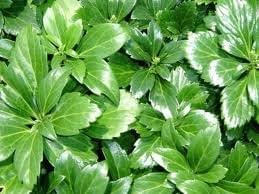
This 100-plant bundle of Pachysandra terminalis 'Green Sheen' is aimed at quickly establishing a glossy, shade-tolerant carpet in parts of the garden where sun is limited. The cultivar produces heavily rooted bare-root plants that spread by underground stems to form dense, dark green foliage 6 to 12 inches tall and about a foot to 1.5 feet across per plant. It performs well in part to full shade, tolerates zones 5 to 9, and offers low maintenance once established, with small white spring flowers and good erosion-control potential. Practical benefits include fast area coverage when planted at the recommended 6 to 9 inch spacing and simplified weed suppression from the dense growth habit. Limitations are that bare-root material requires prompt planting and good initial care to avoid losses, and pachysandra can be aggressive in some settings so it may need edging to prevent unwanted spread into adjacent beds.
Best for: Gardeners who need a high-performance, low-maintenance groundcover to quickly fill and stabilize shady areas and prioritize fast coverage over decorative variety.
Less Ideal for: People who want a non-spreading or highly controlled border plant or those unwilling to plant and establish bare-root material promptly.
- Very shade tolerant and suited for part shade to full shade sites
- Rapid spreading habit creates dense, low-maintenance groundcover that suppresses weeds
- Sold as 100 heavily rooted plants to establish coverage quickly
- Good for erosion control and forming a uniform carpet of foliage
- Bare-root plants must be planted promptly and cared for during establishment
- Can be invasive without edging or management in some landscapes
Verdict: Choose this 100-plant Green Sheen pachysandra pack when you want a fast-establishing, shade-tolerant groundcover that quickly forms a dense, low-maintenance carpet.
Hirt's Gardens Pachysandra (48 plants, 1 3/4" pots)

| Sunlight Exposure | Full Sun |
|---|---|
| Moisture Needs | Moderate Watering |
| Unit Count | 48 Ounce |
| Number of Pieces | 48 |
This pack of 48 Pachysandra terminalis plugs is designed for creating a low-maintenance, noninvasive groundcover in shade or partial sun. Each plant establishes a creeping mat of glossy evergreen leaves that reaches about 6 to 10 inches high and produces white spring flowers; when spaced 6 to 12 inches apart the plants typically fill in to form a dense cover in roughly three years. Pachysandra prefers moist, well-drained, slightly acidic to neutral soil but will tolerate periodic dryness and a range of light levels from full sun to deep shade, making it versatile for many shaded beds. Practical benefits include deer resistance, easy propagation by division or root spread, and relatively low upkeep once established. Limitations are the slowest initial spread compared with faster fillers and the need for consistent moisture during establishment to avoid patchy results. Buyers should plan spacing and allow time for the planting to mature for best performance.
Best for: Gardeners who need a reliable, noninvasive evergreen groundcover for shaded areas and who prioritize long-term performance and low maintenance once established.
Less Ideal for: People seeking an immediately dense or fast-spreading groundcover or those wanting a flowering seasonal display that changes dramatically through the year.
- Shade-tolerant and suitable for partial to deep shade beds
- Evergreen foliage provides year-round groundcover
- Sold in a 48-plant quantity that covers larger areas when spaced correctly
- Tolerant of a range of soil pH and periodic dry conditions
- Slow to fully establish a dense carpet, taking about three years
- Requires consistent moisture while getting established to avoid gaps
Verdict: Choose this Pachysandra pack if you want a long-lasting, deer-resistant evergreen groundcover that fills shaded beds reliably when given a few seasons to establish.
Outsidepride Dichondra Repens Ground Cover Seeds (32 oz)

| Sunlight Exposure | Partial Sun |
|---|---|
| Expected Planting Period | Spring |
| USDA Hardiness Zone | 7 |
| Material Features | Heirloom |
| Unit Count | 32 Ounce |
Outsidepride Dichondra Repens is a bulk packet of ground cover seeds intended to establish a dense, low-maintenance carpet of green in warm, low-traffic areas. Gardeners sow these heirloom seeds in spring on prepared loam soil where they germinate and spread into a mat of rounded leaves that stays low to the ground and is soft underfoot. Notable features from the listing include suitability for partial sun, moderate moisture needs, and hardiness geared toward warmer zones where heat and drought tolerance matter. Practical benefits are reduced mowing and erosion control on slopes or bare spots, plus quick fill-in when overseeding or planting containers and hanging baskets. Limitations to consider are the climatic range: this variety is aimed at USDA zones listed for warm climates and may brown back in colder winters, and it is best for light to moderate foot traffic rather than high-traffic lawns. Expect a spring planting schedule and some time for seed-to-mat establishment rather than instant coverage.
Best for: Buyers who want an attractive, low-maintenance lawn alternative for warm gardens, containers, or erosion-prone slopes and prioritize quick establishment and reduced upkeep.
Less Ideal for: Homeowners in cold-climate regions seeking a durable, year-round turf substitute or anyone needing a high-traffic lawn replacement.
- Produces a dense, low-growing carpet that suppresses weeds and reduces mowing
- Heirloom seed in a large 32 ounce unit suitable for covering sizable areas or multiple projects
- Good heat and drought tolerance for warm-climate landscaping and erosion control
- Works well in containers, hanging baskets, slopes, and shaded to partially sunny spots
- Targeted to warmer USDA zones so performance and winter color may decline in cold climates
- Not suited for heavy foot traffic or athletic lawns
Verdict: Choose this Dichondra seed if you want a fast-establishing, low-maintenance green ground cover that creates a soft, attractive lawn alternative in warm, low-traffic landscapes.
Carpet Creeping Viola sororia Violet Seeds, 200 Count

| Unit Count | 200 Count |
|---|---|
| Sunlight Exposure | Full Sun to Full Shade |
| USDA Hardiness Zone | 3 |
| Moisture Needs | Regular Watering |
| Material Features | GMO Free |
These Viola sororia seeds are a straightforward, low-cost way to establish a native violet ground cover in shady or partly sunny areas. The packet contains 200 seeds labeled non-GMO and is intended for outdoor planting in spring; with regular moisture and partial to full shade the plants form low clumps of heart-shaped leaves and produce violet to blue flowers in spring and early summer. Practical benefits include easy maintenance once established, attraction of pollinators and use as a natural weed-suppressing ground layer under trees or in shade gardens. Because they are a native perennial suited to USDA zones down to zone 3 and adaptable to common soil types, they fit a range of temperate garden sites. Limitations are typical for seed products: germination and establishment depend on site preparation, consistent watering, and local conditions so results can vary and some seedlings may be lost to competition or pests; buyers seeking instant coverage should plan for several seasons of growth rather than immediate dense matting.
Best for: Gardeners on a budget who want to convert shady patches into a native, pollinator-friendly groundcover and are willing to grow plants from seed.
Less Ideal for: People who need immediate, dense groundcover or who prefer planting mature plugs or sod for instant results.
- Large 200-count packet provides many seeds for seeding larger shady areas
- Non-GMO native species that attracts bees and butterflies
- Shade tolerant and adapts to a wide range of common soil types
- Low maintenance once established and returns as a perennial in suitable zones
- Seed establishment is slow and results depend on watering and site preparation
- Not an instant groundcover; several seasons may be needed for full coverage
Verdict: An inexpensive seed-based way to establish native violet groundcover in shady gardens that attracts pollinators once established.
Outsidepride Perennial White MiniClover Seed (4 oz)

| Indoor Outdoor Usage | Outdoor |
|---|---|
| Other Special Features of the Product | Drought Tolerant |
| Expected Blooming Period | Summer |
| Soil Type | Sandy Soil |
| Moisture Needs | Moderate Watering |
Outsidepride Perennial White MiniClover is a small-leaved micro clover sold for use as a lawn alternative, mix-in with grass seed, or standalone ground cover in full sun. It germinates quickly, produces stolons to form a dense mat, and reaches only about 4 to 6 inches, which makes it compatible with low-mow lawns and paths. Key features include nitrogen-fixing that improves soil fertility naturally, seasonal white flowers that attract pollinators if left unmowed, and good drought tolerance once established. Typical uses are overseeding thin turf, filling bare patches, stabilizing slopes for erosion control, or creating a low-maintenance green cover where regular mowing and watering are undesirable. Limitations to consider are that it is a perennial clover rather than a turf grass so it will produce flowers and a clover texture that differs from fine-bladed lawns, and it may not match the look of manicured turf. It prefers well-drained, sandy soils and moderate watering during establishment, and performance can vary by climate and how much it is mowed or mixed with other seeds.
Best for: Home gardeners and property owners who want a low-maintenance, pollinator-friendly ground cover for sunny areas and prefer reducing watering and fertilizer inputs over achieving a formal turf look.
Less Ideal for: People seeking a traditional, high-traffic turf with a fine-bladed, uniform appearance or those with consistently waterlogged soil conditions.
- Forms a dense, low-growing mat via stolons for effective ground cover and erosion control
- Nitrogen-fixing habit improves soil fertility and reduces need for fertilizer
- Drought-tolerant once established, reducing watering requirements
- Small leaves and low height tolerate lower mowing heights compared with standard clover
- Different appearance and texture than fine-bladed turf so it may not suit formal lawns
- Performs best in well-drained, sandy soils and may need attention in heavy clay or poorly drained sites
Verdict: Choose this miniclover seed if you want an easy-care, drought-tolerant ground cover for sunny spots that improves soil fertility and reduces mowing and watering.
Choosing the Right Non Invasive Ground Cover for Shade: Key Factors to Consider
Spread Habit and Containment
How a ground cover spreads determines its long-term impact on a shade bed. Some low-growing plants expand slowly by short stolons or clumping rhizomes and stay within defined patches. Others propagate by long runners or rampant rhizomes that can invade adjacent beds and tree roots. Understanding the plant's natural habit helps you plan edging, root barriers, or planting density.
Containment affects maintenance time and neighbor plant health. Slow, clumping ground covers usually need occasional division every few years to rejuvenate. Spreading types may require periodic trimming or physical barriers to keep them from colonizing lawn or tender perennials.
Shade Level and Light Quality
Shade is not a single condition. Deep shade under dense tree canopies provides only filtered light, while dappled shade or bright shade near structures offers more usable light. Different species tolerate varying degrees of reduced light and respond with changes in leaf size, color, and flowering. Choose ground covers rated for the specific shade level in your space.
Light quality also affects vigor and disease susceptibility. Plants struggling in too little light will stretch, thin out, and be more prone to fungal issues. Selecting a species suited to the actual light conditions reduces replanting and disease pressure.
Root Interaction with Trees and Bulbs
In shady areas with established trees, the soil resource competition and root zone dynamics are critical. Some ground covers have shallow fibrous roots that coexist well with tree roots, while others send deeper roots or rhizomes that can compete aggressively for moisture and nutrients. Consider the root depth and feeding habit to avoid stressing trees or smothering spring bulbs.
Also account for tree root zones when planting. Choose species that are known to tolerate root competition and plant at a distance that allows both tree and ground cover to establish without chronic stress.
Maintenance Requirements and Longevity
Maintenance needs vary widely across ground covers. Some provide long-lived, evergreen coverage with almost no seasonal care beyond occasional trimming. Others require yearly cutbacks, thinning, or division to maintain a tidy appearance. Evaluate how much time you can commit to pruning, weeding, and replenishing the bed.
Longevity also matters. Perennial, clumping species may remain attractive for many years, while short-lived spreads may need replacement or frequent infill plantings. Choose varieties with life cycles that match your maintenance plans.
Disease Resistance and Moisture Tolerance
Shady sites often retain moisture and dry slowly, creating conditions that favor fungal disease. Selecting ground covers that tolerate moist soil and resist common fungal pathogens will reduce losses and lower fungicide needs. Look for species that maintain good air circulation at the foliage level or have leaf structures less prone to leaf wetness problems.
Consider drainage and microclimate as well. Even a disease-resistant species can struggle in standing water or compacted soils, so match the plant to site moisture and amend soil if needed before planting.
Aesthetic and Seasonal Interest
Ground covers contribute to the bed's visual texture and seasonal rhythm. Some offer evergreen foliage that keeps beds looking tidy through winter, while others provide spring flowers, autumn color, or varied leaf textures. Think about how the ground cover will look year-round and whether you want blooms to attract pollinators, foliage contrast with hostas and ferns, or a low profile under shrubs.
Matching scale and color with surrounding plants creates cohesion. Low, fine-textured mats read differently than broad-leaved covers, so choose according to the design intent for the shaded area.
Preparing a Shady Planting Site
Successful ground cover planting begins with site preparation. Clear competing weeds and invasive roots, and loosen compacted soil to help young plants establish. In heavy shade, incorporate a modest amount of organic matter to improve structure without raising the planting level.
Assess moisture: many shady spots stay damper than beds in sun, so correct poor drainage or choose covers that tolerate consistent moisture. If the soil is extremely dry under tree canopies, plan for supplemental irrigation during establishment and choose drought-tolerant shade species.
- Remove persistent weeds and root fragments before planting
- Test soil pH and amend only if values are outside the recommended range for your chosen species
- Avoid deep soil cultivation near tree trunks to protect roots
Planting and Spacing Strategies
Spacing dictates how quickly a bed fills in and whether the cover will remain manageable. For slow-spreading clumpers, plant at closer spacings to achieve quicker coverage. For species with short runners, give more room so they can establish without smothering each other.
Use staggered groupings rather than a strict grid to create a natural look. Mulch lightly for the first season to retain moisture and reduce weed competition, but avoid heavy mulch layers that keep crowns too wet.
- Measure area and calculate plant numbers based on recommended mature spacing
- Stagger plants in triangles for faster fill-in
- Remove mulch in spring if it is too thick and impeding leaf emergence
Containing Spread Without Chemical Controls
Physical containment is the most reliable method to keep non invasive covers from creeping into unwanted areas. Shallow edging made from plastic, metal, or stone can limit surface runners without harming tree roots. For deep-rooted spreaders, install a deeper root barrier several inches below the soil surface, taking care not to cut major tree roots.
Regular observation and light pruning are also effective. Trim runners at the bed edge before they set roots, and spot-remove any stems that appear in turf or adjacent plantings. These cultural controls preserve the plant's benefits without resorting to harsh measures.
- Install 3 to 6 inch edging for surface runners
- Lift and divide clumps every few years to prevent overcrowding
- Clip runners back during the growing season to keep tidy borders
Combining Ground Cover With Other Shade Plants
Ground covers work best when chosen to complement existing shade plants. Use low mats beneath taller perennials and ferns, or plant around the base of shrubs where the cover will soften the transition to mulch. Consider seasonal timing: spring-blooming bulbs should be planted where they can emerge before dense ground cover foliage develops.
Plan for vertical layering. Low ground covers provide soil hold and weed suppression while mid-height perennials offer bloom and texture. Avoid planting vigorous spreaders directly next to slow-growing perennials that could be overwhelmed.
- Leave planting pockets for bulbs and small perennials
- Match foliage color and texture to the overall shade palette
- Protect newly planted bulbs from being smothered by rapidly growing covers
Seasonal Care and Problem Solving
Seasonal tasks are modest for many non invasive shade covers but important for long-term health. In spring, clear winter debris and check for any dieback. Lightly prune or rake to encourage fresh growth. Monitor for fungal issues in persistently wet seasons and improve air circulation where possible.
If patches thin out, replant in bare spots rather than widening the original planting. Division can rejuvenate tired clumps and restore vigor without expanding the planted footprint.
- Inspect beds after wet weather for leaves stuck to foliage that can harbor disease
- Replant gaps in early spring for best establishment
- Limit fertilizer use to avoid overly lush growth that becomes floppy in shade
How We Chose the Best Non Invasive Ground Cover for Shade
We focused on traits gardeners can observe in the landscape rather than marketing claims. Selection began with species and cultivars known for limited lateral root aggression and predictable clonal spread. We excluded any plants with documented invasive behavior in cooler, temperate climates or that are legally restricted in common gardening regions. Each candidate was evaluated against measurable, garden-relevant dimensions: spread control and habit, shade tolerance across deep and dappled shade, establishment speed and ground coverage, maintenance and trimming needs, and compatibility with nearby trees and planting beds. Sources for those dimensions included horticultural descriptions, extension-service guidance, and documented landscape observations. We filtered out plants that require frequent replacement, that overrun neighboring beds, or that demand heavy pruning to stay contained. The final selections represent low-spread options that perform reliably in shaded conditions while minimizing long-term management and negative impacts on surrounding plantings.
FAQ
Can non invasive ground covers handle tree root competition?
Often they can, depending on the species. Choose covers with shallow fibrous roots and plant at a distance from the trunk to reduce competition. Supplemental water during establishment helps the ground cover compete successfully without harming the tree.
Will ground covers survive in deep, dense shade?
It depends on the plant. Some ground covers tolerate deep shade and low light, while others need dappled or bright shade to thrive. Match species to the actual light level in the bed for best results.
How do I prevent a ground cover from spreading into my lawn?
Physical edging and regular trimming are the most effective controls. Install a shallow edge to stop surface runners and clip any stems that cross the border before they root.
Are ground covers for shade evergreen or seasonal?
Both options exist. Some shade-adapted ground covers are evergreen in mild climates, offering year-round cover. Others die back or thin in winter and rely on spring growth to reestablish a dense mat.
Can I plant bulbs with a dense ground cover?
Yes, but plan ahead. Plant bulbs where they will emerge before ground cover leaf-out or choose covers that remain sparse in early spring. You can also leave small planting pockets within the ground cover for bulbs.
How often should I divide or thin my ground cover?
Usually every few years for clumping species, depending on vigor. Division rejuvenates plants and controls density. For spreading types, light thinning or runner pruning once a year during the growing season is often sufficient.
Final Verdict
Focus on matching spread habit and light tolerance to the conditions in your shady bed. Prioritize species with predictable, limited spread if you want a low-maintenance planting, and plan containment measures where runners could reach lawn or neighboring beds. Balance establishment speed against long-term control: faster fill-in reduces weeds but may require earlier trimming. Choose ground covers that fit your maintenance rhythm and the microclimate of the shade area. With the right selection and simple cultural controls, you can achieve durable, attractive ground cover that stabilizes soil, suppresses weeds, and complements other shade plants.
