

Note: This article contains affiliate links. If you click on these links and make a purchase, I may earn a small commission at no extra cost to you. This helps support my research and content. Read my full affiliate disclosure here.
If you have a shady corner, slope, or under-tree bed, the right low light ground cover makes the space useful and attractive rather than a tangle of weeds. You want plants that will tolerate limited sun, resist being smothered by tree roots, and spread without becoming invasive. This guide shortlists the top options for low-light situations and explains how they behave in actual garden conditions. Below we cover the best low light ground cover picks suited to patios, woodland edges, and tight foundation strips. Evaluation focuses on shade tolerance, spread habits, and maintenance needs so you can pick a ground cover that suits your site and gardening style.
Top Picks at a Glance
| Best Overall The best all-around choice for most situations | The Three Company Ajuga (2-Pack) Live Flowering Ground Cover |  |
| Best Quality Built to a higher standard if you want something more solid | Pachysandra Bare Root Ground Cover, 25-Plant Pack |  |
| Best Value The sweet spot between price and what you get | Loseedsoo Wild Ginger (Asarum canadense) Seeds — 30+ Perennial Woodland Groundcover |  |
| Best Budget The cheapest option that still gets the job done reliably | BuggyBeds Hosta Seed Mix — 210+ Shade-Tolerant Perennial Seeds |  |
| Highest Rated A top-rated pick with lots of positive feedback | CZ Grain Blue Wood Sedge (Carex flaccosperma) Live Plant Plugs, Pack of 5 |  |
| Most Popular A crowd favorite that many people choose with confidence | Outsidepride Dichondra Repens Ground Cover Seeds, 1 lb |  |
| Best Seller A high-volume bestseller chosen again and again | AKTRD Vinca Minor (Periwinkle) Live Rooted Vines, 12-Count |  |
The Three Company Ajuga (2-Pack) Live Flowering Ground Cover

| USDA Hardiness Zone | 4-9 |
|---|---|
| Sunlight Exposure | Partial Shade to Full Sun |
| Expected Blooming Period | Spring |
| Moisture Needs | Moderate Watering |
| Soil Type | Well draining soil |
These Ajuga plants are sold as a two-pack of live, low-growing ground cover that quickly fills bare patches with glossy dark leaves and blue spring flower spikes. They are typically planted in beds, borders, or under trees where partial shade to full sun conditions occur; they spread to form a dense carpet that suppresses weeds and reduces exposed soil. Notable features from the listing include USDA hardiness to zones 4–9, preference for well-draining soil, moderate watering needs, and an expected mature height around six inches. In practice this means they are low-maintenance once established, provide year-round foliage interest, and add spring color without frequent deadheading or pruning. Important limitations are that they prefer well-draining conditions and moderate moisture, so they are not a solution for persistently waterlogged clay unless amended or planted on a raised bed or slope. Expect good site coverage in a season or two but plan for containment where you want to prevent aggressive spread.
Best for: Buyers who want a reliable, low-maintenance ground cover that quickly fills shaded or partly sunny beds and reduces weed pressure with minimal ongoing care.
Less Ideal for: Gardeners with permanently waterlogged clay sites or those who need a non-spreading, tightly contained plant should consider alternatives or soil improvement before planting.
- Evergreen foliage provides year-round visual interest
- Forms a dense ground cover that suppresses weeds and fills bare spots
- Blue spring blooms add seasonal color above dark, attractive leaves
- Cold-hardy across USDA zones 4 to 9 so suitable for many climates
- Low maintenance after establishment with only moderate watering needs
- Prefers well-draining soil and can struggle in heavy, poorly drained clay without soil amendment or raised planting
Verdict: A dependable, low-care evergreen ground cover that delivers seasonal blue flowers and rapid site coverage when planted in well-draining clay amended or raised beds.
Pachysandra Bare Root Ground Cover, 25-Plant Pack

| Sunlight Exposure | Partial Sun |
|---|---|
| USDA Hardiness Zone | 4-9 |
| Expected Blooming Period | Late Summer To Fall |
| Soil Type | Well-draining Potting Soil |
| Moisture Needs | Medium |
This 25-pack of bare-root Pachysandra is designed to create a dense evergreen carpet in shady spots where turf struggles, such as under trees or along shady slopes. You plant the bare roots in spring to early summer into well-draining, slightly acidic soil and keep them watered while they establish; after that they spread slowly to fill gaps and suppress weeds. Key features shown in the listing include suitability for partial sun, USDA hardiness zones 4 to 9, medium moisture needs, and a typical mature height around 12 inches. Practical benefits include low maintenance once established, good tolerance for shade, and organic untreated stock. Important limitations are that bare-root plants require an attentive establishment period and that Pachysandra spreads gradually rather than instantly covering ground, so you should expect a season or two before full coverage. Also this type prefers consistently moist, well-drained sites and may struggle in very dry or compacted soils commonly found directly under some pine trees unless soil is amended and watered during establishment.
Best for: Gardeners who need a low-maintenance, shade-tolerant ground cover to gradually fill bare patches under trees and in other consistently shaded areas and who plan to care for plants during establishment.
Less Ideal for: People wanting immediate, instant ground coverage or those with very dry, uncompacted soils under pines where ongoing irrigation and soil amendment are not possible.
- Large 25-plant quantity provides a strong start for filling a shaded area
- Bare-root format makes planting and root contact with soil easier for establishment
- Perennial evergreen foliage provides year-round ground cover and weed suppression
- Suitable for shady to partially shaded sites and a wide USDA hardiness range (zones 4–9)
- Requires regular watering and attention during the establishment period
- Spreads slowly so full coverage may take one or two seasons
Verdict: A cost-effective way to establish a durable, shade-tolerant evergreen ground cover for under trees when you can water and wait for it to spread.
Loseedsoo Wild Ginger (Asarum canadense) Seeds — 30+ Perennial Woodland Groundcover

| Botanical Name | Asarum canadense |
|---|---|
| Plant Type | Perennial |
| Light | Partial Shade to Full Shade |
| Unit Count | 1 Count |
These Loseedsoo wild ginger seeds provide a straightforward way to establish Asarum canadense as a durable, shade-tolerant groundcover. The packet includes 30+ seeds intended for partial to full shade planting in rich, moist, well-drained soil. Gardeners typically sow the seeds shallowly, keep the medium consistently moist, and often cold-stratify the seed first to improve germination because seedlings can be slow to appear. Once established, wild ginger forms heart-shaped foliage that spreads gradually to suppress weeds and fill shady borders beneath trees. Notable features are its native provenance, perennial habit, and distinctive low flowers hidden under the leaves. Practical benefits are low long-term maintenance and good performance where many sun-loving plants fail. Important limitations are the slow and sometimes erratic germination from seed and the need for consistent moisture during establishment, so results require patience and some initial care.
Best for: Gardeners who need a reliable, low-maintenance native groundcover for shaded areas and are willing to give seeds careful moisture and time to establish.
Less Ideal for: People who need instant coverage or a guaranteed quick result should choose plugs or established plants instead.
- Shade-adapted perennial suitable for partial to full shade sites
- Provides low, spreading heart-shaped foliage that creates a natural woodland groundcover
- Native species that fits well in shaded borders, beneath trees, and naturalized landscapes
- Includes 30+ seeds, allowing coverage of multiple small planting spots or patches
- Seeds germinate slowly and may require cold stratification and patient care
- Establishment needs consistently moist, rich soil during the early growth period
Verdict: A good choice for gardeners seeking a long-term, shade-loving native groundcover when they can commit to patient seed sowing and moist establishment.
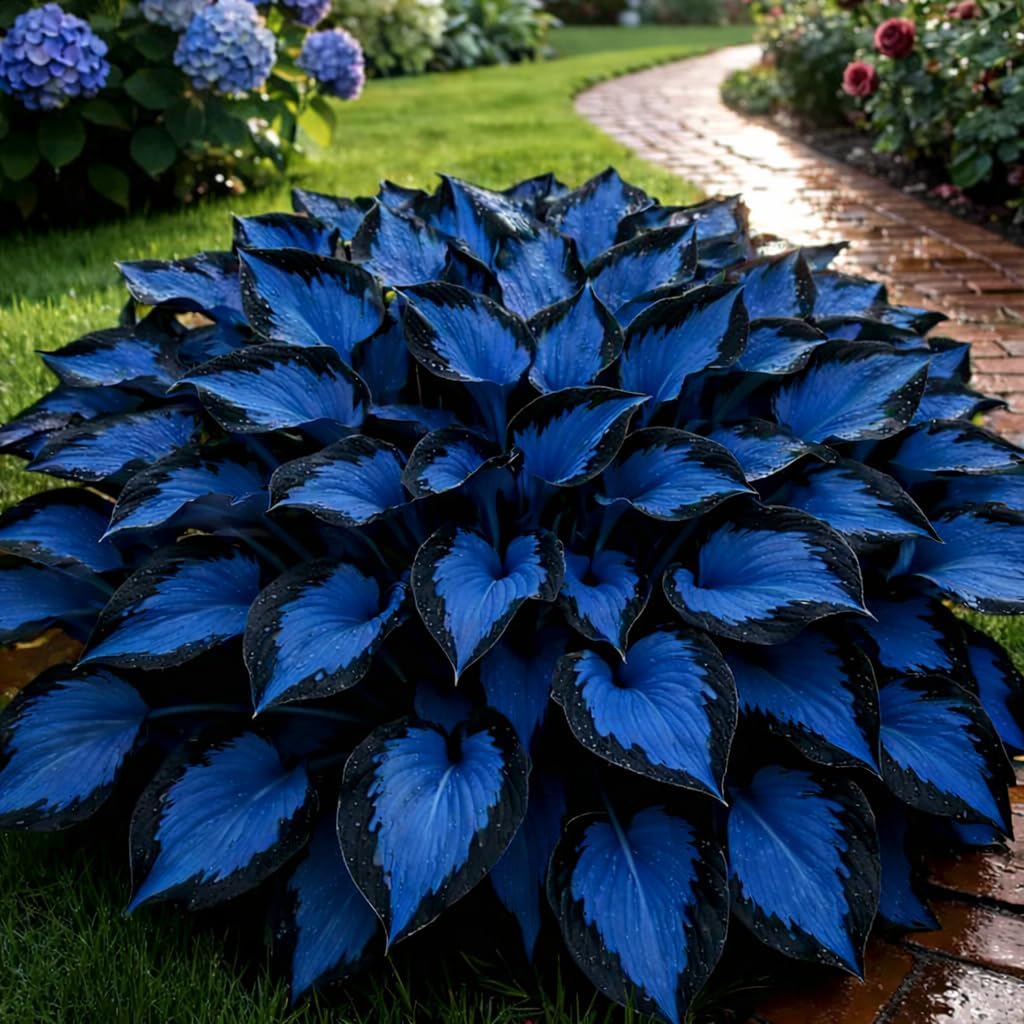
BuggyBeds Hosta Seed Mix — 210+ Shade-Tolerant Perennial Seeds
| Indoor Outdoor Usage | Outdoor |
|---|---|
| Other Special Features of the Product | Low Maintenance |
| Sunlight Exposure | Partial Shade |
| Material Features | GMO Free |
This packet offers over 210 hosta seeds aimed at gardeners who want low-maintenance, shade-friendly plants for containers or shaded beds. You would typically sow seeds in spring or start indoors for transplanting to a shaded container or border; hostas are valued more for their foliage than showy blooms and will slowly establish into perennial clumps over a few seasons. Notable product points are the large seed count, GMO-free material feature, and the claim of suitability for partial shade and container use. Practical benefits include economical planting for filling multiple pots or a shaded pathway and attracting pollinators when plants flower. Important limitations are that hosta grown from seed can take several years to reach mature size and leaf impact, and seed-grown plants may vary in appearance compared with named cultivars. Expect some variability in germination rates and a bit of patience before you have the dense foliage typically seen with division-grown hostas.
Best for: Gardeners who want an affordable way to populate shaded containers or borders with perennial foliage and are willing to be patient for seed-grown plants to mature.
Less Ideal for: People who need instant, uniform mature hosta clumps for immediate impact or who prefer guaranteed named cultivars with predictable color and form.
- Large seed count suitable for filling multiple containers or expanding shade beds
- Designed for partial shade so plants perform well under trees and on shaded patios
- Low-maintenance perennial habit once established reduces ongoing care
- GMO-free material specification
- Plants grown from seed require several seasons to achieve the size and impact of mature divisions
Verdict: A cost-effective option to grow many shade-tolerant hostas for containers and borders if you can wait for seed-grown plants to mature.
CZ Grain Blue Wood Sedge (Carex flaccosperma) Live Plant Plugs, Pack of 5

| Expected Blooming Period | Spring to Summer |
|---|---|
| Sunlight Exposure | Full Sun |
| USDA Hardiness Zone | Zones 4,5,6,7 and 8 |
| Moisture Needs | Moderate Watering |
This five-pack of Blue Wood Sedge plugs delivers a hardy, low-maintenance groundcover suited to shaded or woodland-style plantings. The plants produce arching blue-green foliage that forms dense, low clumps useful for filling under-tree areas, edging beds, or slowing erosion on slopes. Sold as starter plugs, they establish faster and transplant more easily than bare root stock, so you can get coverage without complex propagation. The listing specifies USDA zones 4 through 8, moderate moisture needs, and a preference for loam and well-draining soil, which means routine watering while plants settle in then reduced inputs once established. Practical benefits include year-round texture in mild climates, good pairing with hostas and ferns, and tolerance for dry shade after establishment. Limitations are that the product is small plugs so achieving a solid carpet will take time and additional plants, and the item care recommends full sun in some fields which conflicts with its shade-use strengths, so follow the shade guidance in planting notes for best results.
Best for: Gardeners who want a reliable, low-maintenance native groundcover for shady beds and under-tree areas and prefer plants that establish predictably from starter plugs.
Less Ideal for: People who need immediate full-coverage groundcover or want a rapid lawn replacement without planting multiple packs and waiting through an establishment period.
- Native species adapted to shade and woodland conditions
- Sold as starter plugs that transplant and establish more quickly than bare root stock
- Forms dense, low-growing clumps useful for groundcover, borders, and erosion control
- Tolerates dry shade once established, reducing long-term maintenance
- Pack contains small starter plugs so wider coverage requires purchasing multiple packs and time to fill in
- Product notes list conflicting light instructions in different sections which may confuse planting location
Verdict: Choose these starter plugs if you want a dependable, shade-tolerant native sedge that establishes easily and creates a low-maintenance groundcover over time.
Outsidepride Dichondra Repens Ground Cover Seeds, 1 lb

| Sunlight Exposure | Partial Sun |
|---|---|
| Expected Planting Period | Spring |
| USDA Hardiness Zone | 8 |
| Moisture Needs | Moderate Watering |
| Material Features | GMO Free, Heirloom |
These Outsidepride Dichondra Repens seeds grow into a dense, low-maintenance mat of round silvery leaves that works well as a lawn alternative or slope cover in warm, sunny landscapes. You sow the seeds in prepared loam soil in spring, keep soil evenly moist for germination, and the plants establish quickly to fill bare spots and reduce weeding. Notable features include heirloom, GMO-free seed and suitability for USDA zones 8 to 11, plus tolerance for heat and moderate drought once established. In practice this makes Dichondra a good choice for sunny garden beds, low-traffic lawns, containers and erosion-prone slopes where a soft underfoot surface is desired. Expect only slight winter browning in cooler spells and limited tolerance for heavy foot traffic. Because it prefers partial to full sun in warm regions, it is not a drop-in replacement for cool-season turf in northern climates. Seed comes in a bulk 1 pound package, so plan spacing and overseeding accordingly to avoid waste.
Best for: Gardeners in warm climates who want a low-maintenance, attractive lawn alternative or slope cover that establishes quickly and reduces upkeep.
Less Ideal for: Homeowners needing a durable, high-traffic turf replacement in cool-season regions or buyers who require a year-round green lawn in climates below USDA zone 8.
- Creates a dense, low-growing carpet that fills bare spots and suppresses weeds
- Heat and moderate drought tolerant once established, suitable for USDA zones 8–11
- Heirloom, GMO-free seed in a bulk 1 pound package for larger areas
- Good for erosion control, slopes, containers and hanging baskets
- Not suited to high-traffic lawn areas or cool northern climates
- May brown slightly in winter and requires replanting or repair in colder freezes
Verdict: Choose these Dichondra seeds if you want a low-maintenance, heat-tolerant ground cover that quickly establishes a soft, weed-suppressing carpet in sunny warm-climate gardens.
AKTRD Vinca Minor (Periwinkle) Live Rooted Vines, 12-Count

| Indoor Outdoor Usage | Outdoor |
|---|---|
| Expected Blooming Period | Spring to Summer |
| Sunlight Exposure | Full Sun |
| USDA Hardiness Zone | 4-9 |
| Moisture Needs | Moderate Watering |
These Vinca minor plants are sold as a 12-count of rooted vines meant for establishing a low-growing, flowering ground cover. They produce glossy evergreen leaves and small lavender-blue flowers mainly in spring with extended bloom time into summer. In practice they are planted in groups to quickly fill gaps, edge beds, spill from containers, or line paths; the trailing habit and tolerance of a wide light range makes them suitable for both sunny and shadier spots. Notable product details are hardiness across zones 4–9 and moderate moisture requirements, which means they perform reliably in many temperate gardens without fussy watering. Limitations to plan for are that ground covers need time to spread and multiple plants are required for fast coverage, and survival depends on proper planting and routine watering until established. For low-light garden areas these periwinkles offer a low-maintenance green carpet with seasonal color when established, but expect a period of establishment before full coverage appears.
Best for: Gardeners who want a dependable, low-growing ground cover for shaded or partially shaded beds and prefer straightforward, low-maintenance plants that establish over a season.
Less Ideal for: If you need instant coverage or a non-spreading formal ground surface this is not a good choice; those wanting a turf-like lawn substitute or very fast instant screening should consider alternatives.
- Comes as 12 rooted vines for quicker establishment compared with single plugs
- Hardy across USDA zones 4–9 suitable for many climates
- Tolerant of a wide light range from full sun to shade, useful in low-light spots
- Evergreen foliage provides year-round ground cover and small spring-summer flowers add seasonal color
- Requires multiple plants and time to form a continuous mat so immediate full coverage is unlikely
- Moderate watering needed during establishment which may require attention in hot or dry spells
Verdict: A reliable, low-maintenance periwinkle pack that establishes into an evergreen, shade-tolerant ground cover for temperate gardens.
Choosing the Right Low Light Ground Cover: Key Factors to Consider
Shade Tolerance and Light Range
Shade tolerance determines whether a ground cover will actually thrive beneath trees, next to north-facing walls, or in other low-light microclimates. Some plants survive in deep shade but grow more slowly and produce fewer flowers, while others need dappled light or morning sun to stay vigorous.
When choosing, match the plant to the real light conditions at the site, not theoretical shade categories. Observe the area at different times of day to see if it receives any direct sun. Plants listed for deep shade are safer under dense canopies, while those rated for partial shade still need some sun to maintain density and avoid becoming leggy.
Spread Habit and Containment
Ground covers spread by runners, stolons, rhizomes, or clumping growth. A vigorous runner will fill bare soil quickly but can invade lawn edges, perennial beds, or tree roots. Clumping ground covers are easier to contain but may take longer to establish a solid carpet.
Consider physical barriers, edging, or regular pruning if you choose a spreading type. For narrow planting strips or close proximity to other plants, select species with predictable, slow spread. For slopes or erosion control, more aggressive spreaders can be an advantage because they establish quickly and hold soil.
Soil Type and Drainage
Soil texture and drainage affect establishment and long-term health. Some low-light ground covers prefer moist, humus-rich soils typical of woodland settings, while others tolerate drier, compacted soils near foundations.
Test your soil drainage and amend with organic matter where water tends to sit. In heavy clay, choose plants that tolerate wet feet or improve drainage with raised beds or grit. For sandy, free-draining soils, select species that cope with lower moisture and add mulch to retain water during dry spells.
Competition From Trees and Roots
Planting under trees introduces competition for water, nutrients, and light from established roots. Ground covers vary in their tolerance for this competition; some persist as low, shallow-rooted carpets while others struggle against deep, dense roots.
Prepare planting pockets with fresh soil and compost to give new plants a fighting chance. Use planting patterns that leave some root-free pockets and water thoroughly during establishment. In severe root competition, favor shallow-rooting species and regular supplemental watering until plants are established.
Maintenance and Seasonal Tasks
Maintenance needs range from near-zero to moderate depending on species and garden goals. Tasks include thinning runners, shearing to maintain height, pulling seedlings of unwanted volunteers, and clearing debris that can smother low plants in winter.
Also factor in how the ground cover behaves across seasons. Some retain evergreen foliage for year-round cover, while others die back and require a winter mulch to prevent erosion. Choose plants whose maintenance schedule matches how much time you want to spend managing the bed.
Pest and Disease Susceptibility
Shaded, humid sites can encourage fungal and slug pressure. Some ground covers are naturally resistant to common pathogens and pests, while others need careful siting and airflow to avoid problems.
Plan for good air circulation by avoiding overly dense plantings and keeping mulch levels moderate. Select species with known resilience in shady, moist conditions, and be prepared to remove diseased patches promptly to prevent spread.
Planting and Establishment Tips
Successful establishment matters more than initial choice. Prepare the bed by removing perennial weeds, loosening compacted soil, and incorporating organic matter to improve structure and moisture retention. For sites under trees, avoid deep digging near major roots; instead, work in compost at the surface and plant in small pockets to reduce root disturbance.
Space new plants according to their mature spread so they fill gaps without overcrowding. Mulch lightly to conserve moisture but keep mulch away from crowns to reduce rot. Water regularly through the first growing season to build root systems; afterwards many ground covers will need only supplemental watering during dry spells.
- Plant in cool, overcast weather when possible to reduce transplant stress
- Use a light hand with mulch under tree canopies to allow air movement
- Stake or mark new plantings so they are not accidentally smothered by leaf litter
Controlling Spread Without Chemicals
Physical control methods limit aggressive ground covers while avoiding chemicals. Install shallow root barriers, use edging, or create gravel or paved strips to prevent runners from crossing into lawn or beds. Regularly trim runners back with pruning shears and remove unwanted shoots before they root.
Divide and reset dense patches every few years to keep the carpet healthy and to rein in overly vigorous growth. In tight spaces, container-grown or planted-in-frames can offer the same low-cover aesthetic without the risk of escape.
- Install 6 to 12 inch edging to interrupt shallow runners
- Routine cutting back in spring keeps vigor and prevents thick thatch
- Divide clumps when they become woody or sparse in the center
Using Ground Cover for Erosion Control
On slopes and banks, choose ground covers with rapid establishment and good root anchoring. Dense, spreading species hold soil and reduce surface runoff more effectively than clumpers. Planting in staggered rows and combining with native grasses can increase resilience to heavy rains.
For newly graded slopes, stabilize soil with mulch or jute matting until plantings take hold. Avoid species that require frequent maintenance in remote or steep areas; instead pick low-intervention covers that tolerate thin soils and variable moisture.
- Stagger plantings to create interlocking root networks
- Combine with erosion-control fabric on fresh slopes for quick stabilization
- Choose species tolerant of thin topsoil and summer drought if irrigation is limited
Designing with Low Light Ground Cover
Think of ground cover as a design element, not just filler. Use different leaf textures, colors, and heights to create contrast along pathways, under shrubs, or between stepping stones. Evergreen ground covers provide year-round structure, while seasonal bloomers add short bursts of color.
Plan sightlines and access. Keep a narrow mulch or gravel path for maintenance access so you can prune and inspect plants without compacting the bed. Use ground covers to soften hard edges and reduce weedy patches around foundations and patios.
- Mix evergreen and flowering ground covers for seasonal interest
- Use low-growing varieties near walkways and taller types under shrubs
- Leave access strips for pruning and pest inspection
When to Replace or Replant
Ground cover patches decline over time from centering, disease, or changing light conditions. Replace or rejuvenate when bare patches appear, disease recurs, or the aesthetic no longer fits the space. Replanting can restore density and reduce weed pressure without a full bed renovation.
Timing matters: replant in early spring or early autumn to take advantage of cooler temperatures and higher soil moisture. Test and correct soil issues before replanting to improve chances of long-term success.
- Replace sparse patches quickly to prevent weed colonization
- Reset problematic areas with improved soil and fresh plants
- Consider switching species if shade level has changed over time
How We Chose the Best Low Light Ground Cover
We prioritized practical, garden-tested traits that determine success in shaded beds. Primary evaluation criteria included shade tolerance and light range to ensure each selection survives where direct sun is minimal. Spread habit and containment were assessed next, because ground covers that run aggressively can overtake adjacent plantings or become hard to remove. Soil adaptability was considered to make sure options perform in typical garden soils, from sandy to clay, and in beds with competing tree roots. Maintenance and pruning needs were weighed to show how much seasonal work each option requires. Finally, disease and pest resilience was reviewed, focusing on problems common in low-light, humid microclimates. We excluded plants that require regular full sun or are primarily container plants. We also left out species known to be highly invasive in most temperate regions. The resulting shortlist reflects options that gardeners can reasonably establish and manage in shaded yards while balancing cover density and long-term control.
FAQ
Will low light ground covers grow under mature trees?
Many low light ground covers can establish beneath mature trees, but success depends on how dense the canopy and root competition are. Choose shallow-rooted, shade-tolerant species and improve surface soil with compost. Expect slower growth and plan for supplemental watering during establishment.
How long does it take for a ground cover to fill in bare soil?
Fill time varies by species and conditions. Vigorous spreaders can knit a carpet in one to two growing seasons, while clumping or slower species may take several years. Soil quality, moisture, and existing root competition all affect establishment speed.
Can I plant ground cover next to a lawn?
Yes, but plan for an edge to prevent runners from invading the lawn. Use physical edging, gravel strips, or regular trimming to maintain a clean border. Select ground covers with manageable spread if the bed is narrow.
Do low light ground covers need fertilizer?
Most established ground covers do not need heavy feeding. A light application of balanced, slow-release fertilizer in spring can help establishment in poor soils. Over-fertilizing can encourage floppy growth and increase disease pressure in shady sites.
How do I prevent fungal problems in shaded ground cover beds?
Improve air circulation by avoiding overly dense plantings and keeping mulch thin. Water in the morning to let foliage dry, and remove diseased material promptly. Choosing species with known disease resistance also reduces the risk in humid, shaded areas.
Final Verdict
Pick low light ground covers that match the actual shade, soil, and maintenance you can provide. Prioritize species with suitable spread habits for your bed size and tolerance for tree root competition. Expect tradeoffs between speed of establishment and ease of containment. With realistic expectations and simple maintenance like occasional thinning and light mulching, you can create a durable, attractive carpet that reduces weeds and improves shady areas.
