

Note: This article contains affiliate links. If you click on these links and make a purchase, I may earn a small commission at no extra cost to you. This helps support my research and content. Read my full affiliate disclosure here.
If you need planting that hugs the soil, reduces weeds, and fills tight spaces, choosing the right low ground cover matters. Low ground cover varieties behave differently in sun, shade, and dry sites, and the wrong choice can either overrun nearby plants or leave bare patches. This guide looks at a curated shortlist of six top low ground covers suitable for small lawns, borders, and container edges. We evaluated each option for light tolerance, spread control, and maintenance needs so you can pick a variety that fits your garden conditions and long-term plans.
Top Picks at a Glance
| Best Overall The best all-around choice for most situations | SVI Purple Rockcress (Aubrieta deltoidea) Heirloom Flower Seeds — 2500 Count |  |
| Best Quality Built to a higher standard if you want something more solid | Pachysandra terminalis 'Green Sheen' Groundcover — 100 Bare Root Plants | 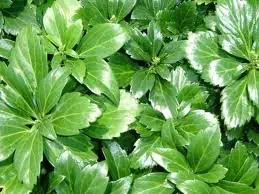 |
| Best Value The sweet spot between price and what you get | BuildASoil No‑Till 60% Clover Seed Mix (1 lb) |  |
| Best Budget The cheapest option that still gets the job done reliably | BuggyBeds Phlox Groundcover Seed Mix (1000+ Seeds) |  |
| Highest Rated A top-rated pick with lots of positive feedback | CitronellaKing Scottish Moss (Sagina subulata 'Aurea') — 3 Live Starter Plants in 2.5" Cubes |  |
| Best Seller A high-volume bestseller chosen again and again | EquSym Purple Creeping Thyme Seeds (25,000+) |  |
SVI Purple Rockcress (Aubrieta deltoidea) Heirloom Flower Seeds — 2500 Count

| Unit Count | 2500 Count |
|---|---|
| Sunlight Exposure | Full Sun |
| USDA Hardiness Zone | 3-10 |
| Expected Blooming Period | Spring to Summer |
| Moisture Needs | Little To No Watering |
These SVI purple rockcress (Aubrieta deltoidea) seeds are aimed at creating a compact, 6-inch cascading groundcover that fills rocky spots, walls, and sunny borders. The seeds are heirloom and GMO free and germinate quickly when surface-sown, typically within 10–14 days if given light. They perform best in full sun and very well-drained or sandy soils and become drought tolerant once established, making them a low-maintenance choice for areas with poor soil. Expect blooms in the second season with vivid purple flowers from spring into summer, and the packet includes clear planting guidance for beginners. The main limitations are the need for full sun and excellent drainage for best results and a modest height, so they will not replace taller ornamentals or dense turf; flowering is stronger after the first season rather than immediately. For gardeners seeking a hardy, easy groundcover for sunny, dry sites, these seeds deliver an economical and resilient option.
Best for: Gardeners who want a low, hardy groundcover for sunny, dry or rocky spots and prefer a low-maintenance, long-lasting planting over instant results.
Less Ideal for: People needing a shady groundcover, a tall or turf-like lawn substitute, or immediate single-season mass bloom should look elsewhere.
- Large seed count provides coverage for bigger areas or multiple plantings
- Heirloom and GMO free seed stock with clear planting guidance on pack
- Drought tolerant and tolerant of poor, well-drained soils once established
- Quick germination (10–14 days) when surface sown and given light
- Performs poorly in shady or poorly drained sites and requires full sun for best flowering
- Not a fast solution for instant color since strong blooms commonly appear in the second season
Verdict: A cost-effective, drought-tolerant seed choice for establishing a low, colorful groundcover in sunny, well-drained sites.
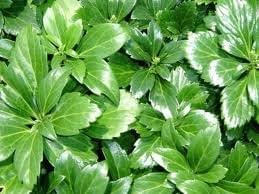
Pachysandra terminalis 'Green Sheen' Groundcover — 100 Bare Root Plants
| Hardiness Zone | 5 to 9 |
|---|---|
| Height | 6 to 12 inches |
| Spread | 1 to 1.5 feet |
| Sun | Part shade to full shade |
| Quantity | 100 bare root plants |
This 100-plant bundle of Pachysandra terminalis 'Green Sheen' is aimed at quickly establishing a glossy, shade-tolerant carpet in parts of the garden where sun is limited. The cultivar produces heavily rooted bare-root plants that spread by underground stems to form dense, dark green foliage 6 to 12 inches tall and about a foot to 1.5 feet across per plant. It performs well in part to full shade, tolerates zones 5 to 9, and offers low maintenance once established, with small white spring flowers and good erosion-control potential. Practical benefits include fast area coverage when planted at the recommended 6 to 9 inch spacing and simplified weed suppression from the dense growth habit. Limitations are that bare-root material requires prompt planting and good initial care to avoid losses, and pachysandra can be aggressive in some settings so it may need edging to prevent unwanted spread into adjacent beds.
Best for: Gardeners who need a high-performance, low-maintenance groundcover to quickly fill and stabilize shady areas and prioritize fast coverage over decorative variety.
Less Ideal for: People who want a non-spreading or highly controlled border plant or those unwilling to plant and establish bare-root material promptly.
- Very shade tolerant and suited for part shade to full shade sites
- Rapid spreading habit creates dense, low-maintenance groundcover that suppresses weeds
- Sold as 100 heavily rooted plants to establish coverage quickly
- Good for erosion control and forming a uniform carpet of foliage
- Bare-root plants must be planted promptly and cared for during establishment
- Can be invasive without edging or management in some landscapes
Verdict: Choose this 100-plant Green Sheen pachysandra pack when you want a fast-establishing, shade-tolerant groundcover that quickly forms a dense, low-maintenance carpet.
BuildASoil No‑Till 60% Clover Seed Mix (1 lb)

| Unit Count | 16 Ounce |
|---|---|
| Indoor Outdoor Usage | Outdoor |
| Brand Name | BUILD A SOIL |
| UPC | 810166421461 |
This mix is designed to establish a low‑growing, clover‑dominant ground cover that suppresses weeds, fixes nitrogen, and supports soil biology without regular tilling or mowing. It is typically broadcast‑seeded in spring, fall, or used for frost seeding and is suitable for raised beds, garden borders, and replacing traditional turf in damp sites where a short clover sward tolerates moisture. The formula lists 60% premium clover across 12 species, so you get quick emergence and broad biodiversity that helps outcompete weeds and attracts pollinators. Practical benefits include reduced mowing and fertilizer needs, improved soil structure from root systems, and year‑round soil protection when used as a cover crop. Limitations are that a pure clover mix may not form a tightly knit turf like grasses on heavy standing‑water sites and can be less suitable where high foot traffic or rapid erosion control is required; you may need to combine it with deeper‑rooted species for severely waterlogged soils.
Best for: Gardeners who prioritize low‑maintenance, soil‑building ground cover for moist or intermittently wet sites and want to reduce mowing and fertilizer inputs.
Less Ideal for: Those needing a hardwearing lawn for heavy foot traffic, sports use, or immediate erosion stabilization on very wet slopes.
- High clover content (60%) for reliable nitrogen fixation and quick coverage
- Twelve‑species mix increases biodiversity and pollinator value
- Formulated for no‑till and no‑mow use, reducing maintenance
- Suitable for raised beds, gardens, and replacing turf in wetter spots
- May not form a dense, wear‑resistant turf like grass in high‑traffic areas
- Less effective alone for severe erosion or standing water without combining deeper‑rooted species
Verdict: Choose this concentrated clover blend if you want a low‑maintenance, soil‑building ground cover that thrives in moist garden and lawn sites.
BuggyBeds Phlox Groundcover Seed Mix (1000+ Seeds)

| Expected Blooming Period | Spring to Summer |
|---|---|
| Sunlight Exposure | Full Sun |
| USDA Hardiness Zone | 3-8 |
| Moisture Needs | Moderate Watering |
These BuggyBeds phlox seeds supply a large quantity of low-growing perennial groundcover that produces dense clusters of five-petaled flowers and needle-like foliage. Typically sown in well-drained soil with light covering, seeds germinate in about three weeks under cool room temperatures and then establish into 10–15 cm mats suited to rock gardens, borders, and containers. The mix is drought tolerant once established, attracts pollinators like bees and butterflies, and can be cut for small arrangements. Practical benefits for a budget gardener include the high seed count per packet and easy cultural needs — full sun and moderate watering — which make it simple to fill bare patches without repeated purchases. Limitations are that success depends on proper site drainage and sunlight, seedlings need protection early on from heavy competition and pests, and results vary with local climate and seed viability so you may need to overseed in thin spots the first year.
Best for: Buyers who want an inexpensive way to establish a sun-loving, low groundcover quickly across bare areas and who prioritize filling space cheaply over instant mature planting.
Less Ideal for: Gardeners seeking immediate, fully grown coverage or those with heavily shaded or waterlogged sites should consider potted or transplanted plants instead.
- Very large seed count for covering ground economically
- Low-maintenance once established with drought tolerance
- Attracts pollinators and adds seasonal color
- Works in rock gardens, borders, and containers for flexible use
- Performance depends on full sun and well-drained soil so it may struggle in shade or poorly drained sites
- Seed germination and patch density can vary so initial overseeding may be necessary
Verdict: If you want an affordable seed-based solution to quickly establish sun-loving, low groundcover, this high-count phlox mix is a cost-effective pick.
CitronellaKing Scottish Moss (Sagina subulata 'Aurea') — 3 Live Starter Plants in 2.5" Cubes

| USDA Hardiness Zone | 4-8 |
|---|---|
| Sunlight Exposure | Full Sun to Partial Shade |
| Moisture Needs | Consistent Watering |
| Expected Blooming Period | Late spring through summer |
This three-pack of Scottish Moss (Sagina subulata ‘Aurea’) delivers ready-to-plant starter cubes that quickly establish a dense, low-growing carpet of bright golden foliage. It is typically used to fill gaps between pavers, edge paths, or soften rock gardens where a 1–2 inch mat is desired. Notable features include evergreen, carpet-like growth, tolerance of full sun to partial shade, and small white spring-to-summer flowers. The practical benefits are easy establishment from well-rooted nursery cubes, visually striking year-round color in appropriate climates, and low maintenance once established. Expect to water regularly during establishment and plant in well-draining soil to avoid crown rot. It tolerates light foot traffic but is not a lawn substitute for heavy use. Because plants are small starter cubes, wider coverage requires multiple packs and some initial spacing work. For gardeners seeking reliable, low groundcover with vivid color and simple care, these plants perform well when placed in suitable light and soil conditions.
Best for: Gardeners who want a dependable, low-growing groundcover that establishes predictably and provides year-round color for rock gardens, pathways, and containers.
Less Ideal for: People needing a durable turf replacement for heavy foot traffic or those who want instant large-area coverage without planting multiple packs.
- Ready-to-plant, well-rooted 2.5" nursery cubes for quick establishment
- Forms a dense, evergreen, carpet-like mat that fills gaps and edges
- Performs in full sun to partial shade, giving flexible planting locations
- Low maintenance once established with seasonal white blooms
- Small coverage per pack so larger areas need multiple purchases
- Requires consistent moisture when establishing and well-draining soil to prevent rot
Verdict: Buy this pack if you want a reliable, low evergreen groundcover that establishes quickly and delivers consistent golden color for small paths and rock garden areas.
EquSym Purple Creeping Thyme Seeds (25,000+)

| Expected Blooming Period | 60-90 Days |
|---|---|
| Sunlight Exposure | Full Sun To Partial Shade |
| Expected Planting Period | Spring To Early Summer |
| USDA Hardiness Zone | 4-8 |
| Soil Type | Well-draining Potting Mix |
These EquSym creeping thyme seeds are sold as a bulk pack of over 25,000 seeds for establishing a dense, low-growing ground cover that produces purple blooms. Plant in spring to early summer in well-draining soil and a sunny to partly shaded spot, sowing seeds about 1/4 inch deep and keeping the soil consistently moist until germination. The variety is hardy to USDA zones 4 to 8 and typically blooms within 60 to 90 days, making it suitable for pathway edges, rock gardens, and lawn-alternative plantings. Its fragrant flowers attract bees and butterflies, so it works well in pollinator-focused beds. Because the packet contains a very large number of seeds, it is efficient for larger landscaping projects but may be more than needed for small beds. Establishment requires consistent moisture early on and good drainage to avoid soggy seedbeds. Once established, the thyme is perennial and low maintenance, but patience is required during the first season while plants fill in.
Best for: Gardeners planning to establish a low, flowering ground cover over a sizable area who value pollinator-friendly, low-maintenance perennials and want an economical seed option.
Less Ideal for: People with very small containers or tiny urban balconies that need immediate finished plants instead of starting from seed should consider alternatives.
- Very large seed count suitable for covering large areas or multiple projects
- Attractive purple flowers that attract pollinators like bees and butterflies
- Low-growing perennial habit ideal for pathways, rock gardens, and borders
- Works in full sun to partial shade and is hardy across zones 4 to 8
- Bulk quantity may exceed needs for small gardens
- Requires consistent moisture during germination and good drainage to establish
Verdict: Buy this if you need an economical, pollinator-friendly seed option to establish a dense, low-growing purple thyme ground cover across a large area.
Choosing the Right Low Ground Cover: Key Factors to Consider
Light and Shade Suitability
Knowing the light level where you plan to plant is the first step. Some low ground covers flower and spread best in full sun, while others tolerate deep shade beneath trees. Match the ground cover to daily sunlight hours to avoid thinning, legginess, or failure to bloom.
Microclimates matter too. Reflected heat from walls, seasonal shade changes, and nearby structures can alter conditions. Consider placing trial plants in representative spots before committing to a large area.
Spread Rate and Containment
Ground covers range from tight, slow clump-formers to fast-spreading runners. Faster spreaders can fill bare soil quickly but may invade borders or containers. Assess how aggressively a variety spreads and whether physical barriers, regular trimming, or root pruning will be needed to contain it.
Choose containment strategies that fit your garden style. In small beds, dense, slow-spreading types are often easier to manage, while larger slopes can benefit from a vigorous spreader for quick stabilization.
Water Needs and Drought Tolerance
Consider how often you can water and whether irrigation is available. Some low ground covers establish quickly but require consistent moisture at first, while drought-tolerant species survive long dry spells once established. For water-restricted sites, prioritize covers known for deep-rooted resilience or low transpiration.
Also account for soil drainage. A drought-tolerant plant in compacted, poorly drained soil will still struggle, so prepare the bed or choose a cover that copes with the actual moisture regime.
Soil Type and Fertility
Soil texture and nutrient levels influence establishment and long-term health. Sandy, rocky soils favor hardy, low-fertility tolerant covers, while heavier loam supports a wider range of species. Test or feel the soil to gauge amendments needed.
Avoid over-fertilizing low ground covers that evolved for lean soils; excess fertility can encourage taller, floppier growth and increase maintenance.
Maintenance and Seasonal Tasks
Low-maintenance does not mean no maintenance. Some covers need annual trimming, light pruning after flowering, or debris clearing to prevent fungal issues. Consider accessibility for routine tasks like edging, weeding, and replacing plants that fail to establish.
Plan seasonal chores based on the chosen cover's habits. For example, winter dieback in cold climates may require spring cleanup, while evergreen low covers reduce yearly tidying.
Function and Aesthetic Goals
Decide whether the primary goal is erosion control, weed suppression, color and texture, or softening hardscape edges. Different ground covers offer distinct visual effects, seasonal interest, and utility. Prioritize the function that matters most for the planting site.
Combine species thoughtfully if you want mixed textures or staggered bloom times, but keep management complexity in mind when mixing covers with different growth habits.
Best Sites for Low Ground Cover
Low ground covers shine in narrow spaces, between stepping stones, on slopes, and in front of borders where taller plants would obscure views. They are useful under low tree canopy where turf struggles and on banks where erosion is a concern. When choosing a site, confirm sunlight, drainage, and foot traffic levels because each factor affects which cover will perform well.
For containers and raised planters, pick a compact form with predictable spread so it stays in bounds. On slopes or banks, prioritize varieties with good root mats or runners that knit soil; in shady beds, choose species noted for shade tolerance rather than forcing a sun-loving cover into poor light.
- Use edging or root barriers in mixed beds to prevent unwanted spread
- Prepare soil to the cover's preference rather than forcing high-maintenance amendments
- Group covers by water needs to simplify irrigation
Planting and Establishment Tips
Prepare a weed-free bed before planting; competing weeds are the biggest early threat to new ground cover. Loosen the top soil, incorporate a modest amount of organic matter if needed, and firm the planting area to give plugs good root contact. Space plants according to the expected mature spread to avoid gaps or overcrowding.
Water consistently during the first growing season until the plants root in. After establishment, reduce frequency for drought-tolerant types. Monitor for pests and fungal issues during establishment and remove any damaged shoots to promote healthy spread.
- Stagger plant intervals to allow quicker visual fill without overcrowding
- Mulch lightly where appropriate to suppress weeds without smothering crowns
- Avoid heavy fertilization at planting to prevent weak, leggy growth
Managing Spread Without Heavy Hand Pruning
If you want low maintenance, choose a cover with predictable spread and plan passive containment methods. Edge the planting with stone, metal, or buried plastic to check horizontal runners. For slightly invasive but desirable covers, regular light trimming with shears or a string trimmer along borders keeps growth tidy without intensive labor.
When using runners for slope stabilization, let the plant naturalize in less trafficked areas and restrict it at the top where it might encroach on beds. Frequent observation in the first two seasons lets you catch runaway patches early.
- Use physical edging for long-term containment
- Trim runners annually if they approach sensitive planting areas
- Replace small patches by transplanting from vigorous inner clumps
Combining Low Ground Cover With Other Plants
Low ground cover can act as a living mulch around perennials and shrubs, reducing weeds and conserving moisture. Match spreads and root habits to avoid smothering smaller plants. Leave planting gaps if you anticipate shrub rootballs expanding or if you need seasonally accessible soil.
For layered interest, plant low ground cover in front of mid-height perennials rather than right beneath dense shrubs that will shade it out. Consider bloom times and foliage contrast so the ground plane contributes visual interest across seasons.
- Maintain a buffer zone where shrubs will develop larger roots
- Select covers with complementary textures and bloom colors
- Avoid putting a vigorous runner next to small bulbs or seedlings
Sustainable Practices and Wildlife Benefits
Many low ground covers offer ecological benefits such as pollinator nectar, nectar corridors for beneficial insects, and habitat for ground-foraging birds. Choosing native or well-adapted species increases these benefits and reduces the need for inputs like extra water or fertilizer.
To support wildlife, stagger plantings and leave some seed heads or dried stems through winter where appropriate. Avoid broad-spectrum pesticides and aim for integrated pest management practices that preserve beneficial insects.
- Prefer native or regionally adapted covers for local wildlife support
- Let a few seedheads remain for winter food and shelter
- Mulch with organic materials that break down and improve soil life
How We Chose the Best Low Ground Cover
We focused on attributes that affect real-world performance in small gardens, containers, and narrow beds. Key evaluation criteria included light tolerance and microclimate adaptability to reflect sun, part-shade, and shade situations common in yards and patios. Spread control and behavior were assessed so gardeners can predict how aggressively a cover will colonize nearby planting areas. Drought tolerance and watering needs mattered because ground covers are often used where irrigation is limited or to reduce thirsty turf. Maintenance demands such as trimming, deadheading, and seasonal cleanup were weighed to recommend low-effort options. Establishment speed and erosion control were considered for sloped sites and quick coverage needs. We excluded specimens that require specialized greenhouse care, invasive species with legal restrictions, or varieties that only perform in large landscapes rather than tight plantings. The result is a list of low ground covers that balance reliability, predictability, and low maintenance.
FAQ
How fast will low ground cover fill a bare patch?
Speed differs by species and conditions. Some covers spread within a single season under ideal moisture and light, while others take two to three seasons to fully fill. Soil quality, spacing at planting, and consistent establishment watering are the main factors that influence speed.
Can low ground cover replace turf in narrow strips?
Often yes. Low ground covers can be a durable alternative to turf in narrow or shaded strips where mowing is impractical. Choose a cover that tolerates the expected foot traffic and light levels for best results.
Will low ground cover attract pests or diseases?
All plantings can host pests or diseases under stress. Low-maintenance covers planted in preferred conditions usually resist major problems. Good cultural practices such as correct spacing, proper watering, and removing infected material will keep issues minimal.
How do I control an overly aggressive ground cover?
Control methods include cutting back runners, installing physical edging, and removing unwanted shoots by hand. For large infestations, lift and divide clumps or use targeted mechanical removal. Persistent monitoring during the first few years prevents heavy reinfestation.
Are evergreen low ground covers better for winter interest?
Evergreen covers maintain visual structure and soil protection through winter, but some evergreen types may die back in extreme cold or under heavy snow. Decide based on your climate and whether year-round coverage or seasonal dieback suits your design goals.
Final Verdict
Pick low ground cover by matching the plant to the site's light, moisture, and maintenance capacity. Prioritize spread predictability and drought tolerance for tight beds or water-restricted areas, and choose stronger spreaders for slopes that need quick stabilization. Balance aesthetic goals with containment plans so the cover does its job without creating extra work. With the right match, a low ground cover can reduce weeds, lower maintenance, and add steady texture to small garden spaces.
