

Note: This article contains affiliate links. If you click on these links and make a purchase, I may earn a small commission at no extra cost to you. This helps support my research and content. Read my full affiliate disclosure here.
Picking the right perennial ground cover for partial shade matters because light, soil and maintenance needs vary sharply under trees, along north-facing walls, and in shady borders. The wrong selection can stall spread, invite weeds, or demand more watering than you expected. This guide focuses on durable, low-growing perennials suited to dappled or filtered light and shows which options perform best in typical shady garden spots. Below we shortlist the top choices for partial shade and evaluate them on spread control, light tolerance, and maintenance requirements so you can match a plant to your site conditions. Read on for practical guidance before the product list.
Top Picks at a Glance
| Best Overall The best all-around choice for most situations | Pachysandra terminalis 'Green Sheen' Groundcover — 100 Bare Root Plants | 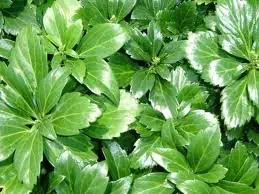 |
| Best Quality Built to a higher standard if you want something more solid | Groundcover Pachysandra terminalis Japanese Spurge — 100 Bare Root Plants |  |
| Best Value The sweet spot between price and what you get | Florida Foliage Liriope muscari 'Super Blue' — 10 Live Groundcover Plants |  |
| Best Budget The cheapest option that still gets the job done reliably | Carpet Creeping Viola sororia Violet Seeds, 200 Count |  |
| Highest Rated A top-rated pick with lots of positive feedback | CZ Grain Fairytale Bergenia Live Plant Plug (Pink) |  |
| Most Popular A crowd favorite that many people choose with confidence | The Three Company Creeping Jenny (Lysimachia nummularia) 4‑Pack Live Trailing Groundcover |  |
Pachysandra terminalis 'Green Sheen' Groundcover — 100 Bare Root Plants
| Hardiness Zone | 5 to 9 |
|---|---|
| Height | 6 to 12 inches |
| Spread | 1 to 1.5 feet |
| Sun | Part shade to full shade |
| Quantity | 100 bare root plants |
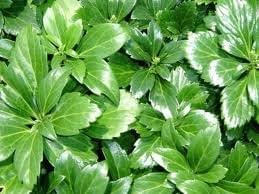
This 100-plant bundle of Pachysandra terminalis 'Green Sheen' is aimed at quickly establishing a glossy, shade-tolerant carpet in parts of the garden where sun is limited. The cultivar produces heavily rooted bare-root plants that spread by underground stems to form dense, dark green foliage 6 to 12 inches tall and about a foot to 1.5 feet across per plant. It performs well in part to full shade, tolerates zones 5 to 9, and offers low maintenance once established, with small white spring flowers and good erosion-control potential. Practical benefits include fast area coverage when planted at the recommended 6 to 9 inch spacing and simplified weed suppression from the dense growth habit. Limitations are that bare-root material requires prompt planting and good initial care to avoid losses, and pachysandra can be aggressive in some settings so it may need edging to prevent unwanted spread into adjacent beds.
Best for: Gardeners who need a high-performance, low-maintenance groundcover to quickly fill and stabilize shady areas and prioritize fast coverage over decorative variety.
Less Ideal for: People who want a non-spreading or highly controlled border plant or those unwilling to plant and establish bare-root material promptly.
- Very shade tolerant and suited for part shade to full shade sites
- Rapid spreading habit creates dense, low-maintenance groundcover that suppresses weeds
- Sold as 100 heavily rooted plants to establish coverage quickly
- Good for erosion control and forming a uniform carpet of foliage
- Bare-root plants must be planted promptly and cared for during establishment
- Can be invasive without edging or management in some landscapes
Verdict: Choose this 100-plant Green Sheen pachysandra pack when you want a fast-establishing, shade-tolerant groundcover that quickly forms a dense, low-maintenance carpet.
Groundcover Pachysandra terminalis Japanese Spurge — 100 Bare Root Plants

| Quantity | 100 heavily rooted plants |
|---|---|
| Hardiness Zone | 5 to 9 |
| Height | 6 to 12 inches |
| Spread | 1 to 1.5 feet |
| Sun | Part shade to full shade |
This offering supplies 100 heavily rooted Pachysandra terminalis (Japanese spurge) plants designed to establish a dense, low-maintenance evergreen groundcover in part to full shade. Pachysandra spreads by underground stems to form a carpet of dark green foliage 6 to 12 inches high and about 1 to 1.5 feet across, producing small white April blooms. It is typically planted on 6 to 9 inch centers to close in quickly for erosion control, borders, or under trees where grass struggles. The key practical benefits are rapid lateral spread that suppresses weeds, year-round foliage in suitable zones, and very low maintenance once established. Important limits are climate and placement: it is suited to USDA zones 5 to 9 and prefers shady conditions, so it will not perform well in full sun or outside its hardiness range. Buyers should also plan spacing and quantity carefully because the pack size and recommended spacing determine how much area these 100 plants will cover and how long it takes to fill in.
Best for: Gardeners who need a reliable, low-maintenance evergreen groundcover for shaded beds or under trees and want to establish coverage quickly with a ready supply of plants.
Less Ideal for: People seeking a sun-loving groundcover, a flowering show-plant, or those with planting areas outside USDA zones 5 to 9 should look at other options.
- Evergreen foliage that provides year-round groundcover in shaded sites
- Spreads rapidly via underground stems to form a dense, weed-suppressing carpet
- Low maintenance once established, useful for erosion control and borders
- Large quantity (100 heavily rooted plants) lets you cover a substantial area or accelerate fill-in
- Only recommended for part shade to full shade and USDA zones 5 to 9
- Pack requires planning for spacing since 100 plants may not cover very large areas at tight spacing
Verdict: A straightforward, low-maintenance choice for quickly establishing an evergreen carpet in shaded garden areas.
Florida Foliage Liriope muscari 'Super Blue' — 10 Live Groundcover Plants

| Indoor Outdoor Usage | Outdoor |
|---|---|
| USDA Hardiness Zone | 3 |
| Moisture Needs | Moderate Watering |
| Other Special Features of the Product | Drought Tolerant |
Liriope muscari 'Super Blue' is a hardy, evergreen groundcover sold here as a 10-plant bundle intended for borders, pathways, or underplanting in mostly shaded beds. Each plant forms dense, grass-like clumps that suppress weeds and hold soil on slopes while producing violet-purple flower spikes in late summer for seasonal color. It tolerates full sun to partial shade and once established shows good drought tolerance, which reduces watering needs in summer. Practical benefits include year-round foliage interest, minimal pruning, and versatile placement under trees or along driveways. The plants perform best in well-drained soil and moderate watering during establishment, so newly planted beds will need attention for the first season. This offering is a simple way to cover a small area quickly, but buyers should expect to space and plant them properly to achieve the dense mat described. Because the listing is for live nursery stock, arrival condition and local hardiness can affect results so some risk-aware gardeners may want to inspect nursery origin or customer photos before purchasing.
Best for: Gardeners who want a low-maintenance, mostly-shade groundcover to fill borders or underplantings quickly and who prefer plants that provide year-round foliage with seasonal blooms.
Less Ideal for: Someone who needs instant, full coverage without planting work or buyers unwilling to manage establishment watering and placement in the first season.
- Shade-tolerant and adaptable from full sun to partial shade
- Evergreen foliage provides year-round groundcover
- Drought tolerant once established, reducing long-term watering
- Produces violet-purple flower spikes in late summer for added color
- Requires regular care during the first season until established
- Sold as live nursery stock so plant condition on arrival can vary
Verdict: Choose this Liriope pack if you want an evergreen, shade-tolerant groundcover that establishes into a low-maintenance lawn alternative with summer color.
Carpet Creeping Viola sororia Violet Seeds, 200 Count

| Unit Count | 200 Count |
|---|---|
| Sunlight Exposure | Full Sun to Full Shade |
| USDA Hardiness Zone | 3 |
| Moisture Needs | Regular Watering |
| Material Features | GMO Free |
These Viola sororia seeds are a straightforward, low-cost way to establish a native violet ground cover in shady or partly sunny areas. The packet contains 200 seeds labeled non-GMO and is intended for outdoor planting in spring; with regular moisture and partial to full shade the plants form low clumps of heart-shaped leaves and produce violet to blue flowers in spring and early summer. Practical benefits include easy maintenance once established, attraction of pollinators and use as a natural weed-suppressing ground layer under trees or in shade gardens. Because they are a native perennial suited to USDA zones down to zone 3 and adaptable to common soil types, they fit a range of temperate garden sites. Limitations are typical for seed products: germination and establishment depend on site preparation, consistent watering, and local conditions so results can vary and some seedlings may be lost to competition or pests; buyers seeking instant coverage should plan for several seasons of growth rather than immediate dense matting.
Best for: Gardeners on a budget who want to convert shady patches into a native, pollinator-friendly groundcover and are willing to grow plants from seed.
Less Ideal for: People who need immediate, dense groundcover or who prefer planting mature plugs or sod for instant results.
- Large 200-count packet provides many seeds for seeding larger shady areas
- Non-GMO native species that attracts bees and butterflies
- Shade tolerant and adapts to a wide range of common soil types
- Low maintenance once established and returns as a perennial in suitable zones
- Seed establishment is slow and results depend on watering and site preparation
- Not an instant groundcover; several seasons may be needed for full coverage
Verdict: An inexpensive seed-based way to establish native violet groundcover in shady gardens that attracts pollinators once established.
CZ Grain Fairytale Bergenia Live Plant Plug (Pink)

| Expected Blooming Period | Summer to Winter |
|---|---|
| Sunlight Exposure | Full Sun |
| USDA Hardiness Zone | Zones 4,5,6,7 and 8 |
| Soil Type | Loam Soil |
| Moisture Needs | Moderate Watering |
The Fairytale Bergenia plug is a practical perennial for adding low, glossy foliage and early-season pink flower clusters to partially shaded spots. Shipped as a young rooted plug, it is planted into well-draining loam and given regular moderate watering and full to partial sun exposure to establish. Notable features include leathery evergreen-style leaves that provide season-long texture and a tendency to form dense clumps that return each year in USDA zones 4 through 8. For beds, pathways, containers, and mass plantings it fills space quickly once established and reduces the need for annual replacements. Because these arrive as plugs rather than mature specimens, expect a few months before peak flowering and a season of establishment while roots develop. The plant prefers moderate moisture and loam soil, so very dry or heavy clay sites may need soil amendment or extra watering. For gardeners who value reliable, low-maintenance ground cover in part shade, bergenia delivers persistent structure and seasonal color with minimal fuss.
Best for: Gardeners who need a low-maintenance, reliable perennial ground cover for part-shade areas and want plants that establish into lasting clumps without frequent replacement.
Less Ideal for: Those seeking instant, full-size flowering specimens or gardeners with consistently waterlogged or extremely dry sandy soils should consider alternatives.
- Glossy evergreen-style leaves provide year-round garden structure
- Pink flower clusters add early-season color above the foliage
- Hardy in USDA zones 4–8 and returns year after year when established
- Forms dense clumps suitable for borders, ground cover, and mass plantings
- Sold as young plugs so blooms and full size require time to establish
- Prefers loam and moderate moisture so poorly draining or very dry soils need amendment or extra care
Verdict: Choose this bergenia plug when you want a dependable, low-maintenance perennial that builds into attractive, long-lasting ground cover in partial shade.
The Three Company Creeping Jenny (Lysimachia nummularia) 4‑Pack Live Trailing Groundcover

| USDA Hardiness Zone | 4-9 |
|---|---|
| Sunlight Exposure | Full Sun |
| Expected Blooming Period | Summer |
| Soil Type | Well-draining Soil |
| Moisture Needs | Regular Watering |
This 4‑pack of Creeping Jenny delivers fast‑spreading, low‑growing groundcover with bright chartreuse foliage that quickly forms a dense mat. Gardeners typically use it in borders, underplanting, containers, or hanging baskets where a trailing habit and quick coverage are desired. The plants are hardy in USDA zones 4–9, tolerate sun to partial shade, and prefer well‑draining soil with regular watering; once established they suppress weeds and help control light erosion. Notable features include live plants shipped in point pots and a compact mature height of about 4 inches with substantial lateral spread, which makes it useful for filling gaps and softening edges. Limitations are that Creeping Jenny can be vigorous and may require periodic containment where you do not want it to overrun other plants, and it needs regular moisture compared with drought‑tolerant groundcovers. Expect to manage its spread in small beds or mixed perennial borders to prevent it from crowding slower perennials.
Best for: Buyers who want a low‑height, fast‑covering perennial to add bright foliage and quick fill to shady or partly shaded borders, containers, and pathways and who prefer proven customer feedback when choosing plants.
Less Ideal for: Not a good choice for gardeners seeking an ultra‑low maintenance, drought‑tolerant groundcover or for plantings where aggressive spread would threaten delicate specimens.
- Vibrant chartreuse foliage provides season‑long color and texture
- Fast‑spreading habit quickly covers bare ground and suppresses weeds
- Adaptable to full sun or partial shade, useful in varied site conditions
- Pack of four plants gives immediate coverage for small areas or containers
- Can spread aggressively and may need edging or regular thinning
- Requires consistent moisture and is not as drought tolerant as some groundcovers
Verdict: Choose this Creeping Jenny 4‑pack when you want fast, reliable low groundcover with bright foliage that performs well in partial shade.
Choosing the Right Perennial Ground Cover for Partial Shade: Key Factors to Consider
Light Level and Shade Type
Partial shade covers a range from a few hours of morning sun to dappled light under deciduous trees. Knowing whether your site gets morning sun, late afternoon shade, or consistent filtered light determines which perennial ground covers will flower, spread, or simply stay green.
Dense shade limits flowering for many species and favors foliage-first ground covers. If your planting spot receives variable light through the season-brighter in spring before trees leaf out-choose perennials that tolerate seasonal shifts. Consider microclimates near walls or paved surfaces that reflect heat and slightly increase light and temperature.
Growth Habit and Spread Rate
Ground covers differ in how they expand: some form tight mats by short rhizomes or stolons, others clump and slowly fill gaps. Fast-spreading varieties suppress weeds quickly but may require edging or periodic trimming to keep them contained. Slower spreaders may be better near delicate plantings or in small beds.
Assess the space you want to cover and whether you prefer a plant that fills in within one season or one that establishes over several years. Also think about root depth and how the ground cover will interact with nearby perennials or bulbs that emerge in spring.
Soil Conditions and Drainage
Partial shade areas often sit beneath trees where soil can be compacted, acidic, or low in nutrients. Choose ground covers that tolerate a range of soils or amend planting areas where feasible to improve structure and drainage. Some perennials prefer consistently moist, rich soils while others do fine in lean, dry pockets.
Drainage affects long-term health in shady spots. Poor drainage combined with limited air movement raises the risk of root rot and fungal disease. Match your soil moisture to plants with appropriate tolerance to avoid recurring losses.
Maintenance and Mowing Options
Maintenance needs vary from almost none to seasonal trimming. Low-maintenance ground covers require little more than occasional thinning and debris removal, which is ideal for hard-to-reach shady corners. Others may need regular trimming to prevent legginess or to allow bulbs and neighboring plants to emerge.
If you plan to mow or edge the area, consider low-growing species that tolerate light trimming. Factor in how often you are willing to divide or replace sections to maintain vigor and appearance.
Disease and Pest Vulnerability
Shade can increase humidity and reduce airflow, conditions that favor fungal diseases like powdery mildew or root rots. Selecting species with good resistance lowers the need for treatments. Also consider slug and snail pressure, which is often higher in shady, moist sites and can damage tender foliage.
Choose plants with tougher foliage or those known to withstand local pest pressures. Regular garden sanitation and good spacing reduce problems, but starting with resilient ground covers gives the best long-term results.
Aesthetic and Seasonal Interest
Ground covers can provide evergreen foliage, spring flowers, fall color, or winter structure. Decide whether you want a year-round green carpet, seasonal blooms to support pollinators, or textured foliage for contrast with shrubs. Some species die back in winter, exposing soil or underlying bulbs, while others keep foliage for months.
Balance functional goals like weed suppression with visual preferences. In partially shaded borders, pairing a flowering ground cover with spring bulbs can give layered seasonal interest without extra effort.
Preparing a Partial Shade Planting Bed
Start by assessing the light at different times of day and note seasonal changes. Remove persistent weeds and rake out accumulated leaf litter that can smother new plantings. If soil is compacted, double-dig or fork to loosen the top 6 to 8 inches and add compost to improve structure and nutrient content.
Place plants so each has room to spread according to its habit. Mulch lightly with organic material to conserve moisture and suppress early weeds, but avoid heavy layers that block shoots. In tree-rooted sites, use raised soil mounds or containers where roots are shallow and competition is intense.
- Test soil drainage before planting and improve as needed with organic matter.
- Keep planting holes shallow where tree roots are present to avoid root conflict.
- Stagger planting times in spring and early summer to allow establishment before drought periods.
Managing Spread Without Chemicals
Containment techniques help keep vigorous ground covers in bounds. Install low edging, regularly trim outer runners, or use occasional hand-pulling to prevent encroachment into adjacent beds. For mat-forming species, remove a strip of plants at the border each year to create a maintenance gap.
Mechanical control is often simpler and safer than chemical options, especially in mixed borders with perennials and bulbs. Frequent observation during the first two growing seasons prevents larger scale removal later.
- Trim runners with sharp shears to maintain tidy edges.
- Divide overgrown patches in spring or fall to rejuvenate and reduce spread.
- Use physical barriers like buried plastic or metal edging for aggressive spreaders.
Pairing Ground Cover with Other Shade Plants
Think in layers. Low ground covers work well beneath taller shade perennials and shrubs that provide dappled light. Match root depth so shallow-rooted ground covers are not planted directly over deep-rooted shrubs that will outcompete them for moisture.
Consider seasonal timing to avoid covering spring bulbs. Place ground covers that leaf out after bulb foliage dies back, or leave small gaps so bulbs can emerge. Combining different textures and leaf colors keeps a shady bed visually interesting throughout the season.
- Use spring-blooming bulbs with late-emerging ground covers for staggered displays.
- Mix evergreen foliage with seasonal bloomers for year-round structure.
- Avoid planting heavy feeders next to ground covers that prefer lean soils.
Watering and Feeding in Shade
Shady sites often require less frequent watering than sunny spots, but tree competition can create dry conditions at the root zone. Water deeply and infrequently to encourage deeper root growth rather than frequent shallow watering that favors surface roots and weeds.
Most perennial ground covers do well with a light annual feeding of compost or slow-release granular fertilizer in early spring. Avoid heavy nitrogen in shade as it can encourage weak, leggy growth and increase disease susceptibility.
- Check soil moisture before watering; stick a finger into the soil to a few inches.
- Apply compost in spring to topdress and provide slow nutrient release.
- Mulch conservatively to retain moisture but keep mulch away from crowns to prevent rot.
Seasonal Care and Renewal
Plan for light annual maintenance such as thinning, trimming, and dividing clogged mats. Early spring is the best time to divide or transplant established clumps because soil is warming and plants recover quickly. Remove dead foliage to reduce fungal spores and tidy the bed before new growth begins.
In high-humidity summers, watch for signs of mildew or crown rot. Improve air circulation by spacing transplants and removing dense thatch. Replenish mulch each spring and replace worn or sparse areas with fresh plants to maintain a continuous carpet.
- Divide dense patches every 3 to 5 years to renew vigor.
- Rake leaves in late winter or early spring to reduce disease pressure.
- Spot-treat pest damage early to protect surrounding plants.
How We Chose the Best Perennial Ground Cover for Partial Shade
We prioritized plants and cultivars that reliably establish and spread in dappled or filtered light typical of partial shade sites. Selection criteria included documented shade tolerance, predictable ground-hugging habit, and low ongoing maintenance needs for gardeners. We also assessed resistance to common pests and diseases in shaded environments, since limited air circulation can increase fungal issues. Soil adaptability and drought tolerance once established were considered to ensure options work in both richer beds and lean soils near trees. A final filter favored species with positive outcomes for weed suppression through dense foliage or quick canopy formation. Exclusions included annuals, tall spreading vines, and species that require full sun to flower well. The result is a set of perennials that balance ground coverage, durability in shade, and straightforward care for most home gardens.
FAQ
Can perennial ground covers thrive under large trees?
They can if you choose species tolerant of root competition and low light. Improve soil where possible, use shallow-rooted varieties, and water during dry spells to help establishment. Expect slower spread and plan for regular maintenance near heavy roots.
How long does it take for ground cover to fill in?
Fill-in time depends on the species and site conditions. Fast mat-formers can cover small areas within one season, while clump-forming types may take two to three seasons. Good soil preparation and adequate moisture speed establishment.
Will ground cover prevent weeds in shade?
Dense, quick-forming covers suppress many weeds by shading soil and occupying space. However, vigorous perennial weeds and self-seeding plants may still require occasional removal. Effective suppression also depends on initial weed control and proper spacing.
Do shady ground covers need fertilizing?
Most need only light feeding. A spring topdressing of compost or a low-dose slow-release fertilizer supports growth without encouraging excessive soft foliage. Avoid heavy nitrogen applications that can increase disease risk in humid shade.
Are there disease risks unique to shade plantings?
Yes. Reduced air flow and higher humidity increase risks of fungal diseases and crown rot. Choose resistant species, avoid overwatering, remove dead material, and space plants to improve circulation to minimize problems.
What maintenance is required during winter?
Maintenance is minimal. Clear leaf litter in late winter to reduce disease and make room for spring shoots. For tender species, a light mulch can protect crowns, while evergreen covers often need only occasional tidying.
Final Verdict
When choosing a perennial ground cover for partial shade, prioritize shade tolerance, the plant's spread habit, and how it handles local soil and moisture. Balance the desire for quick coverage with the need to control spread around bulbs and neighboring plants. Favor resilient species with good disease resistance in humid shade and plan simple maintenance like dividing and edging to keep beds tidy. With a clear sense of site conditions and the tradeoffs above, you can select a low-maintenance ground cover that improves soil, suppresses weeds, and provides lasting texture in shaded spots.
