

Note: This article contains affiliate links. If you click on these links and make a purchase, I may earn a small commission at no extra cost to you. This helps support my research and content. Read my full affiliate disclosure here.
Picking the right soil mix for flowers makes a big difference in how well your plants bloom, respond to watering, and resist pests and disease. Whether you grow in pots, raised beds, or a small garden patch, the structure and nutrient profile of the growing medium controls root health and flowering performance. This guide covers the top shortlisted soil mixes for flowers across common garden situations and explains the practical tradeoffs between drainage, water-holding, and fertility. Use the evaluation notes to match a mix to your planting style and climate before scrolling to the product shortlist.
Top Picks at a Glance
| Best Overall The best all-around choice for most situations | Coast of Maine Roses & Flowers Planting Soil, 20 qt (2-Pack) |  |
| Best Quality Built to a higher standard if you want something more solid | Burpee Premium Organic Potting Mix with Coco Coir (9 Quart) |  |
| Best Value The sweet spot between price and what you get | Back to the Roots Organic Expanding Coco Coir Potting Soil Brick (10 lb) |  |
| Best Budget The cheapest option that still gets the job done reliably | TOYPOPOR Potting Soil for Indoor Plants, 1 qt |  |
| Highest Rated A top-rated pick with lots of positive feedback | Black Gold All Purpose Potting Mix, 8 Qt |  |
| Most Popular A crowd favorite that many people choose with confidence | Miracle-Gro Potting Mix, 16 qt. |  |
| Best Seller A high-volume bestseller chosen again and again | Back to the Roots Organic Indoor Potting Mix, 6 Quart |  |
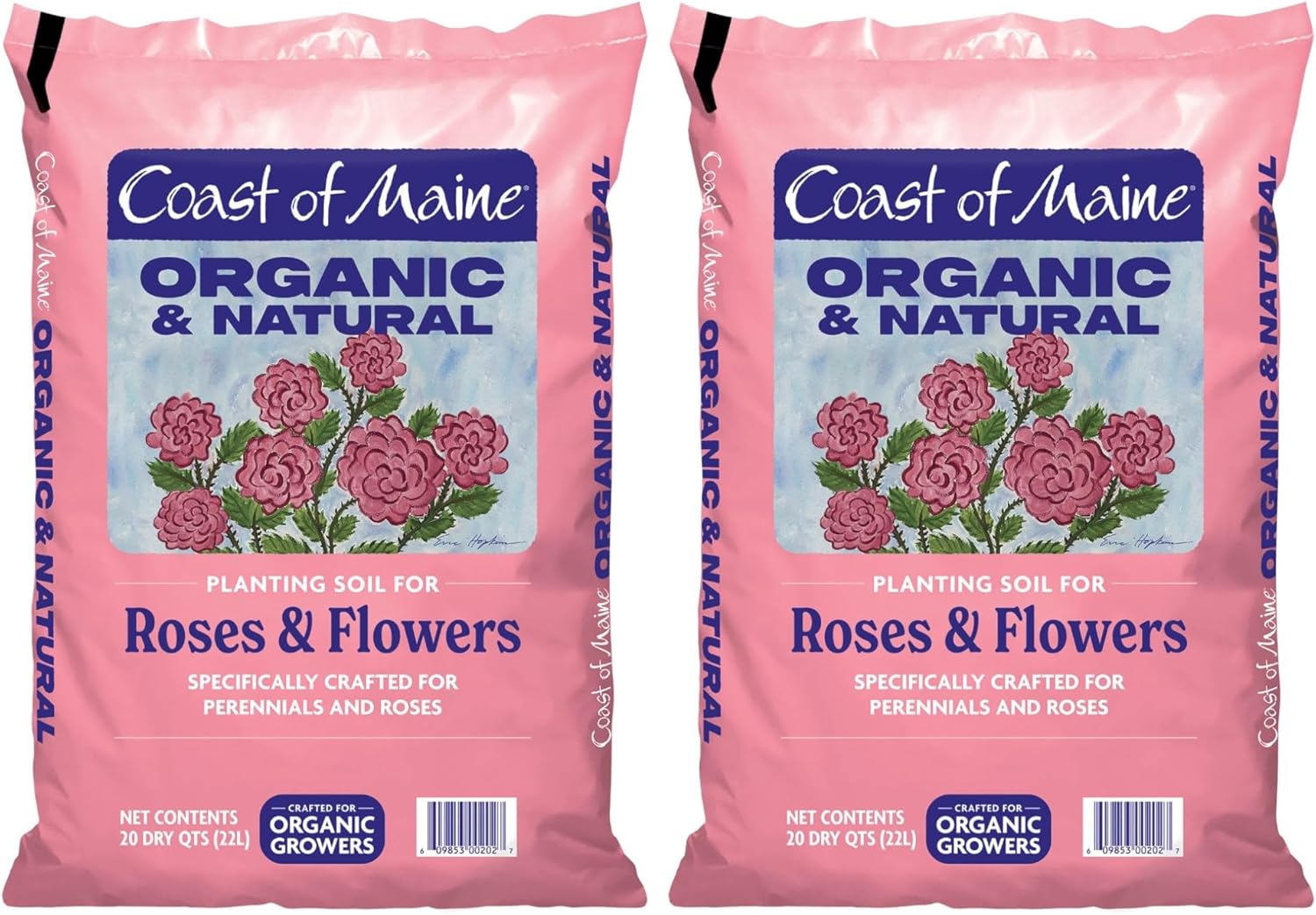
Coast of Maine Roses & Flowers Planting Soil, 20 qt (2-Pack)
| Unit Count | 2 Count |
|---|---|
| Volume | 20 quarts |
| Brand Name | Coast of Maine |
This Coast of Maine Roses & Flowers planting soil is an organic compost blend designed to revive planting mixes for roses, annuals, and perennials. Gardeners typically use it as a top dressing, a soil amendment mixed into existing bed soil, or straight into containers when repotting roses and flowering plants. Notable features include OMRI listing for organic use and a formula that uses seaweed, lobster meal, and composted materials to boost microbial life and supply slow-release nutrients. In practice the mix improves moisture retention while offering adequate drainage, which helps reduce watering frequency without waterlogging root crowns in containers. The product supports soil biodiversity and is safe around children and pets when used as directed. Important limitations are that this is a 20 quart bag sold in a two pack so it is best for small-scale container work or targeted amendments rather than large landscaping projects, and heavier organic mixes like this can compact over time compared with lightweight potting mixes formulated solely for container aeration.
Best for: Buyers who want an organic, nutrient-rich amendment for container roses and flowering pots and who value soil health and sustainable ingredients.
Less Ideal for: Anyone needing a lightweight commercial potting mix optimized only for maximum aeration or gardeners tackling large in-ground areas who need bulk volume.
- OMRI listed organic formula made from seaweed, lobster meal, and compost
- Balanced moisture retention and drainage suitable for container roses
- Supports soil microbiology and biodiversity for healthier root systems
- Safe for use around kids and pets when handled per instructions
- 20 quart bags are small for large projects so multiple bags are needed for beds
- Denser compost-rich mix can compact in containers over time compared with lighter potting-only mixes
Verdict: A small-batch organic soil blend that revitalizes container roses and flower pots by adding slow-release nutrients and supporting soil life.
Burpee Premium Organic Potting Mix with Coco Coir (9 Quart)

| Item Form | Powder |
|---|---|
| Specific Uses For Product | Plant Growth, Root Development, Seed Development, Soil Conditioning |
| Coverage | 9 Qt Container |
| Liquid Volume | 9 quarts |
Burpee Premium Organic Potting Mix is a ready-to-use container soil designed for indoor and outdoor pots, seed starting, and raised bed containers. The mix combines coco coir for improved aeration and moisture retention with a nutrient blend that feeds plants for up to three months, making it useful for establishing seedlings or repotting established vegetables, herbs, and ornamentals. It is OMRI listed, which suits organic growers, and the bag is sold in a convenient 9-quart size that fits most small to medium containers. Practical benefits include reduced watering frequency thanks to the coir component and a balanced medium that promotes root development and germination. Limitations are the small bag size for larger projects and that it supplies nutrients for only a limited period, so longer-term containers will need supplemental fertilizer. The mix is powdery and light, so it is easy to handle but may compress over time in deep pots and benefit from occasional loosening.
Best for: Gardeners who want a compact, ready-made organic potting mix that reduces maintenance and supports reliable seed starting and container growth.
Less Ideal for: Those establishing large beds or filling many large containers at once should choose bulk soil or larger bags instead.
- OMRI listed organic blend suitable for organic container gardening
- Coco coir improves moisture retention while maintaining good aeration
- Includes slow-release nutrients that feed plants for up to three months
- Light, easy-to-handle texture ideal for seed starting and repotting
- 9-quart bag is small for larger containers or multiple pots
- Nutrient supply is temporary so additional fertilizer is required for long-season crops
Verdict: A compact OMRI-listed potting mix with coco coir that simplifies seed starting and short-term container growing by improving moisture balance and early root development.
Back to the Roots Organic Expanding Coco Coir Potting Soil Brick (10 lb)

| Item Highlight | 10 lb compressed coco coir brick; peat-free; OMRI Listed |
|---|---|
| Item Type Name | Coconut Coir |
| Volume | 2 cubic feet |
| Ingredients | Coconut Coir |
| Style Name | Expanding Potting Soil |
This compressed coco coir brick provides a lightweight, peat-free potting medium that expands when you add water to create loose, airy substrate for containers and seed flats. It is typically used by hydrating the 10 lb block to about 2 cubic feet of coir and then using it alone for potted plants, mixing it into garden soil to improve drainage and aeration, or blending with compost for starting seeds. Notable features include OMRI listing for organic use, a balanced pH suited to a wide range of plants, and compact storage before expansion which saves space. Practical benefits are improved root aeration and water retention compared with heavy garden loam, easier handling than bulky bags, and versatility across vegetables, herbs, and ornamentals. Important limitations are that coco coir is a soilless substrate and does not supply significant nutrients on its own so you will need to add fertilizer or compost for long-term potted herbs like rosemary, and the product requires time and a water source to expand before use.
Best for: Buyers who prioritize low-risk, easy-to-handle, organic potting media and want a versatile base for container herbs and seed starting without dealing with heavy bags.
Less Ideal for: Gardeners who want a ready-to-plant, nutrient-rich potting mix out of the box or those who prefer soil with built-in slow-release fertilizer.
- Peat-free OMRI listed organic coco coir suitable for organic growing
- Expands from a compact brick to about 2 cubic feet for easy storage and transport
- pH balanced and airy texture that improves drainage and root aeration
- Versatile use: can be used alone, for seed starting, or mixed into existing soil
- Provides little inherent fertility so supplemental feeding or compost is needed for nutrient-hungry plants
Verdict: A compact, peat-free coco coir brick that expands into an airy, pH-balanced base ideal for low-risk organic container gardening and seed starting when paired with fertilizer or compost.
TOYPOPOR Potting Soil for Indoor Plants, 1 qt

| Brand Name | TOYPOPOR |
|---|---|
| Volume | 1 quarts |
| Style Name | nutrient-rich, moisture-retaining |
This 1 quart TOYPOPOR potting soil is a lightweight, soilless blend meant to give houseplants quick root access to air and moisture. The mix pairs sphagnum peat and coco coir for moisture retention with perlite for drainage and rice charcoal for aeration. Typical use is repotting small houseplants or refreshing the top layer of container soil for species that prefer a loose medium. For growers of Aglaonema it helps keep roots from sitting in water while holding enough moisture between waterings, which suits the plant's moderate watering needs. The pre-mixed composition saves time compared with creating your own blend and the small 1 qt size is convenient for trialing without committing to a large bag. Limitations are the small volume for multiple or larger pots and that no nutrient analysis or long-term feeding plan is provided, so you will still need to fertilize for sustained growth.
Best for: Buyers who want an affordable, ready-to-use small batch potting mix for repotting or topping up individual houseplants and who prioritize convenience over bulk quantity.
Less Ideal for: People managing many plants, large specimens, or those who prefer a fertilized mix or custom-blended media for specific soil chemistry needs.
- Balanced mix of peat, coco coir, perlite, and rice charcoal for both moisture retention and drainage
- Lightweight, airy texture that encourages fast root growth and prevents compaction
- Small 1 quart size is easy to handle and good for repotting individual houseplants
- Ready-made blend removes the need to measure and mix components yourself
- Only 1 quart volume is too small for multiple pots or full repots of larger Aglaonema plants
- No listed nutrient content so additional fertilization will be needed for ongoing feeding
Verdict: A convenient, small-batch potting mix that provides airy drainage and moisture retention ideal for testing or repotting single Aglaonema plants.
Black Gold All Purpose Potting Mix, 8 Qt

| Volume | 8 quarts |
|---|---|
| Item Type Name | Planting Mix |
| Brand Name | Sun Gro |
| Unit Count | 1 Count |
Black Gold All Purpose Potting Mix is a ready-to-use, nutrient-rich potting medium designed for containers, raised beds, and indoor plants. It combines Canadian sphagnum peat moss, perlite for aeration and drainage, earthworm castings for biological activity, and a built-in controlled-release fertilizer that feeds plants for weeks. In practice this mix holds moisture while still allowing excess water to drain, which helps prevent root rot in potted crops like container carrots. The integrated fertilizer reduces the need for frequent feeding during a single growing cycle, and the texture supports fast root establishment in shallow and medium-depth containers. Limitations to note are the small 8-quart bag size, which means you will need multiple bags for larger carrot plantings, and peat-based mixes may compact over long-term use so occasional refreshing or amendment is helpful for successive crops. For reliability-focused gardeners this product delivers consistent, easy performance for a single season of container-grown carrots.
Best for: Gardeners who want a dependable, ready-to-use potting mix for reliably growing container vegetables like carrots and prefer a low-maintenance feeding schedule.
Less Ideal for: Those planting large-scale raised beds or many deep containers who need bulk soil or prefer a non-peat or fully custom soil blend.
- Controlled-release fertilizer supplies steady nutrients over several weeks without extra feeding
- Perlite improves drainage and aeration to reduce risk of root rot in containers
- Contains earthworm castings to boost biological activity and moisture retention
- Texture supports quick root establishment for container-grown vegetables and herbs
- Small 8-quart bag requires multiple bags for filling several containers
- Peat-based mix can compact over time and may need refreshing between plantings
Verdict: A consistent, ready-made potting mix with built-in fertilizer and good drainage that makes growing container carrots easier and more reliable for one-season plantings.
Miracle-Gro Potting Mix, 16 qt.

| Volume | 16 quarts |
|---|---|
| Feeds up to | 6 months |
| Guaranteed analysis | 0.21-0.11-0.16 (N-P-K) |
Miracle-Gro Potting Mix is a general-purpose container mix built to give potted plants a balanced growing medium and multi-month feeding. It is typically used to fill pots before planting annuals, perennials, vegetables, and shrubs; the bag instructions recommend filling a container about one third, setting the plant, topping off and watering. The mix contains peat/coir-based components, perlite for drainage, and a slow-release fertilizer designed to feed plants for up to six months, which helps reduce the need for immediate fertilizer applications. Practical benefits are easier transplanting, improved root aeration and consistent nutrient availability without frequent feeding. For peonies in pots this mix supplies a light, well-draining base and built-in nutrients to support establishment in the first season. Important limitations are that peonies prefer rich, long-term soil and larger volumes than many pots provide, so this 16 qt bag fills one 12-inch container only and will need annual repotting or supplemental organic matter and long-term fertilizer for mature plants.
Best for: Gardeners who want an easy, reliable potting mix that supplies immediate structure and built-in nutrients for newly potted container plants, including those trialing peonies in patio pots.
Less Ideal for: Growers planning to keep peonies in the same pot long-term or cultivate very large specimens should consider custom mixes, larger volumes of soil, or mixes formulated for long-term perennial growth.
- Includes slow-release fertilizer that feeds container plants for up to six months
- Formulated with perlite and organic components for improved drainage and aeration
- Ready-to-use bag with clear planting instructions for easy potting
- Designed specifically for container gardening and a wide range of plant types
- 16 qt capacity fills only one 12-inch pot, so larger peony containers require multiple bags or a bigger mix
- Not formulated as a long-term perennial bed soil so additional amendments and feeding are needed for mature peonies
Verdict: A convenient, nutrient-rich potting mix that makes establishing peonies in pots easier by providing drainage and six months of built-in feeding.
Back to the Roots Organic Indoor Potting Mix, 6 Quart

| Unit Count | 192 Fluid Ounces |
|---|---|
| Item Type Name | Indoor Potting Mix 6qt |
| Item Highlight | Peat-free, 100% organic, made in the USA |
| Ingredients | Coconut Coir, Yucca, Mycorrhizae, Perlite, Horticultural Sand |
This Back to the Roots indoor potting mix is a ready-to-use, 6-quart blend designed for common houseplants such as pothos, monstera and ferns. It combines coconut coir, yucca extract, mycorrhizae, perlite and horticultural sand to improve moisture retention, drainage and root development without peat. In practice it feels light and friable, so it is easy to pot seedlings or repot mature plants and it reduces compaction that can suffocate roots. The added mycorrhizae helps young roots establish and take up nutrients more efficiently while yucca extract helps the mix hold water between waterings, which is convenient for forgetful or busy plant owners. Because it is peat-free and made in the USA, it is a more sustainable choice versus traditional peat-based mixes. Limitations are the small 6-quart size, which means frequent repurchasing for larger collections, and the bag does not include fertilizer so you will need to feed plants separately as they grow.
Best for: Buyers who prioritize low-risk, easy-care houseplant solutions and want an organic, ready-to-use potting mix that reduces watering hassles and supports healthy root growth.
Less Ideal for: Not ideal for gardeners who need large-volume soil for many pots or for those expecting a mix that includes built-in fertilizer for long-term feeding.
- Peat-free organic formula that reduces environmental impact
- Yucca extract improves moisture retention between waterings
- Contains mycorrhizae to support root development and nutrient uptake
- Light, well-draining texture suitable for repotting seedlings and houseplants
- Small 6-quart volume may require frequent repurchasing for larger plant collections
- Does not include fertilizer so additional feeding is necessary
Verdict: A compact, peat-free potting mix that simplifies indoor plant care by holding moisture and boosting root establishment.
Choosing the Right Soil Mix for Flowers: Key Factors to Consider
Drainage and Aeration
Flowers need a balance between aeration and drainage so roots can access oxygen while excess water moves away. A mix with coarse particles such as pine bark fines, perlite, or coarse sand improves oxygen flow and prevents root rot in both pots and garden beds.
Poor drainage leads to waterlogged roots and increased fungal problems. Conversely, an overly free-draining mix will require more frequent watering and can stress shallow-rooted annuals. Consider particle size and the proportion of chunky components when selecting a mix for your planting style.
Water Retention
Good flower mixes hold enough moisture to sustain blooms between waterings without becoming soggy. Ingredients like compost, coir, or peat provide water-holding capacity while still allowing roots to breathe when balanced with coarse elements.
Water-holding matters most for container gardeners and for hot, dry climates. Choose mixes with modest organic content for pots to reduce watering frequency, and avoid overly heavy, fine-textured materials that compact and impede drainage.
Nutrient Balance and Feedability
Flowers need a steady supply of nutrients throughout the season for sustained blooming. A soil mix with an initial, light nutrient charge from compost or slow-release amendments gets plants started, but it should be easy to feed with liquid or granular fertilizers later.
Avoid mixes that promise all-season fertility without stating amendment types. A good garden mix supports predictable fertilization schedules so you can correct micronutrient needs or increase phosphorus and potassium during bloom time.
Texture and Structure Longevity
Soil structure determines how a mix behaves over months of watering and root growth. Stable structure resists compaction, preserves pore space, and reduces the need to repot or refresh beds frequently. Materials like well-aged compost and coarse bark tend to maintain structure longer than fine, fresh compost that can collapse.
Assess how long a mix will retain its texture, especially for permanent containers or long-season perennials. Durable structure saves time and keeps roots healthy across seasons.
pH and Mineral Content
Most ornamental flowers prefer a near-neutral to slightly acidic pH. The pH and mineral content of a mix affect nutrient availability and the success of fertilizer programs. Choose a mix with a typical pH range or one that states amendability so you can raise or lower pH if needed.
If your local water or tap has high alkalinity, pick a mix that buffers pH shifts or plan to use acidifying feeds for acid-loving varieties. Understanding mineral content helps avoid nutrient lockup and spotty bloom performance.
Suitability for Containers Versus In-Ground Beds
A mix that works well in containers is not always ideal for in-ground beds. Containers demand lighter, faster-draining mixes with good water retention and low compaction risk. In-ground mixes can afford higher organic content because native soil provides additional structure and drainage.
Match the mix to where you plant: choose potting-style mixes for window boxes and pots, and amended garden mixes for beds where integration with native soil will occur.
Matching Mixes to Flower Types
Different flowers have different root habits and moisture needs. Shallow-rooted annuals like petunias and impatiens prefer mixes with consistent moisture and fine texture, while deeper-rooted perennials and bulbs benefit from mixes with larger particle sizes and better drainage.
Group plants by moisture needs when planting containers or beds. Use mixes with higher water retention for thirsty annuals and mixes with coarser texture for drought-tolerant or long-rooted species to reduce crown rot risk.
- Annual bedding plants: choose higher organic content and consistent moisture.
- Perennials and bulbs: favor chunkier mixes with good drainage.
- Drought-tolerant ornamentals: prioritize aeration and lower water retention.
Preparing and Refreshing Pots and Raised Beds
Pots and raised beds compact and lose structure over time. Refresh topsoil in containers each season by replacing one-third of the mix or adding fresh amendment to restore nutrients and porosity.
In raised beds, mix a portion of fresh compost into existing soil every year and check for compaction. Mulching the surface with organic material will slow moisture loss and reduce the need for frequent watering.
- Replace one-third of potting mix annually for best results.
- Top-dress beds with compost in spring to replenish organic matter.
- Break up compacted soil gently instead of adding only new mix.
Adapting Mixes for Seasonal Needs
Adjust mixes slightly for peak bloom versus offseason. Increase water-holding amendments for summer containers or during heat waves. When planting for spring blooms, consider a slightly leaner mix to encourage stronger root development before heavy fertilizing.
For overwintering tender perennials in pots, add insulating mulch and avoid drastic changes to the mix late in the season to reduce stress.
- Summer: boost water retention with coir or compost.
- Spring establishment: use a slightly leaner mix to promote roots.
- Winter: protect container roots with added mulch rather than changing mix.
Common Amendments and What They Do
Understanding common amendments helps you tailor a chosen mix. Compost adds nutrients and some water-holding. Coir gives sponge-like moisture retention without compacting as peat can. Perlite improves drainage and reduces weight in pots. Bark and grit maintain air space and structure.
Use amendments to correct specific weaknesses in a mix rather than creating a custom blend from scratch unless you are confident in particle sizing and nutrient balance.
- Compost: nutrient boost and modest water retention.
- Coir: stable moisture retention and sustainable peat alternative.
- Perlite: improves drainage and aeration.
- Bark or grit: preserves long-term structure and reduces compaction.
Testing and Adjusting Soil Mix Performance
Do simple tests to evaluate a mix before committing to a large purchase. Squeeze the mix in your hand to judge water retention versus drainage. Observe how quickly pots dry after watering and how evenly moisture distributes in a raised bed.
Adjust the mix by adding small amounts of coarse material to improve drainage or organic matter to improve water retention. Keep notes so you can repeat successful formulas for specific plants or locations.
- Hand squeeze test for moisture balance.
- Monitor drying rate in pots over a week.
- Make small incremental amendments and retest.
How We Chose the Best Soil Mix for Flowers
We shortlisted soil mixes for flowers based on practical garden use rather than marketing claims. Selection focused on mixes formulated for flowering plants, with attention to particle size and structure, organic matter content, nutrient profile, water-holding behavior, and suitability for container versus in-ground use. We favored mixes that support good root aeration while retaining enough moisture to reduce wilt during hot spells. Additional criteria included ingredient transparency, compatibility with common fertilizer programs, and resistance to compaction over a growing season. Exclusions: blends designed primarily for succulents, lawns, or heavy clay remediation were excluded, as were mixes lacking clear ingredient lists or that are solely potting soils for vegetables without flower-focused amendments. The final picks reflect real gardener concerns: how the mix drains, how it holds nutrients and water, how easy it is to use in pots and beds, and how long it lasts before needing refreshing.
FAQ
How often should I refresh potting mix for flowering containers?
Refresh potting mix by replacing roughly one-third each year or top-dressing with fresh compost annually. Heavily used containers or those with fast-draining mixes may benefit from a full refresh every two to three years.
Can I use garden soil alone for potted flowers?
Garden soil alone is usually too heavy and prone to compaction for containers. It restricts drainage and aeration, so mix it with coarse amendments or use a purpose-formulated potting mix for best flowering results.
Should I add slow-release fertilizer to a new soil mix for flowers?
A light initial nutrient charge helps seedlings and young transplants. Slow-release fertilizer is useful, but choose a moderate rate so it does not burn roots. You can supplement later with liquid feeds during peak bloom.
How do I know if a mix is holding too much water?
Signs include persistently wet surface, yellowing foliage, and poor root development. The hand squeeze test and checking drainage after a thorough watering will reveal if water is draining freely. Increase coarse material if sogginess persists.
Is coir or peat better for flower pots?
Coir and peat both retain moisture, but coir is more sustainable and resists compaction better over time. Peat can hold water well but may compact and reduce aeration as it breaks down, so pair it with coarse amendments if used.
Can I modify a purchased mix for specific flower types?
Yes. You can add perlite or grit for better drainage, compost for more nutrients, or coir for improved water retention. Make small changes and monitor plant response to avoid overcorrecting.
Final Verdict
Match the soil mix to how and where you grow flowers by prioritizing drainage, water retention, and nutrient handling suited to your plants. Containers demand lighter, well-draining but moisture-retentive mixes, while in-ground beds can tolerate richer, chunkier amendments that integrate with native soil. Focus on stable structure and amendability so you can adjust fertility and moisture as the season progresses. With those priorities in mind, choose a mix that fits your watering habits and flower types to get the most reliable blooms.
