

Note: This article contains affiliate links. If you click on these links and make a purchase, I may earn a small commission at no extra cost to you. This helps support my research and content. Read my full affiliate disclosure here.
Choosing the right trellis for climbing rose matters because these plants add height, fragrance, and focal interest to the garden but need reliable support to perform and survive. A poor trellis can damage canes, limit bloom exposure, or fail under wind and weight. This guide reviews seven top trellises for climbing rose suited to typical garden conditions, patios, and fences. We shortlisted options that balance structural strength, weather resistance, and ease of training. Below you will find practical notes on materials, anchoring, and shape so you can pick the best trellis for your rose type and site. Read on for the criteria we used and the factors that will influence your choice.
Top Picks at a Glance
| Best Overall The best all-around choice for most situations | FHWTY Metal Garden Trellis, 86.5 in. Arched Climbing Support |  |
| Best Quality Built to a higher standard if you want something more solid | Gardener's Supply Company 7 ft Garden Obelisk Trellis, Powder-Coated Steel |  |
| Best Value The sweet spot between price and what you get | MQHUAYU 2-Pack 6 ft Garden Obelisk Trellis, 4-Tier Powder-Coated Metal Plant Support |  |
| Best Budget The cheapest option that still gets the job done reliably | Tilinyan & one Expandable Wooden Garden Trellis (13 x 68 inches) |  |
| Highest Rated A top-rated pick with lots of positive feedback | Acemaker 30-Set Wire Trellis Kit with 150 ft 5/64" T316 Stainless Cable |  |
| Most Popular A crowd favorite that many people choose with confidence | Adorox Metal Garden Arch Trellis, Powder-Coated Black |  |
| Best Seller A high-volume bestseller chosen again and again | Anothera 6 ft Adjustable Black Garden Obelisk Trellis |  |
FHWTY Metal Garden Trellis, 86.5 in. Arched Climbing Support

| Material Type | Iron, Metal |
|---|---|
| Finish Type | Powder Coated |
| Shape | Round |
| Number of Packs | 1 |
This FHWTY metal garden trellis is a freestanding arched support for climbing plants that combines structure and decoration. It arrives as two interlocking sections with 11-inch ground stakes so you can position it directly in the soil or a large container; assembly is straightforward and a single person can install it. The 1 cm round iron tubing and powder-coated finish give it a sturdy feel and rust resistance for outdoor exposure, while the scrollwork, flower and bird accents make it a focal point in beds or along borders. In practice it provides tall vertical space for vines such as clematis, ivy, roses, or climbing tomatoes to grow upward and improves air circulation and sun exposure for foliage. Expect solid support for lightweight to medium vines rather than very heavy, woody climbers. It stores flat when disassembled and is portable between locations, but you will need to ensure the stakes are deeply set for windy sites and check connections periodically to prevent loosening over time.
Best for: Gardeners who want an attractive, sturdy vertical support that improves plant health while doubling as a decorative feature in beds or large containers.
Less Ideal for: Those needing a heavy-duty support for large mature woody vines, or gardeners who require a permanent, in-ground anchored structure for extreme wind exposure.
- Tall 86.5 inch height provides ample vertical growing space for most climbers
- Powder-coated iron and multi-spot welding improve durability and rust resistance
- Interlocking two-part design allows easier transport, storage, and flexible placement
- Decorative scrollwork with flowers and birds adds visual interest while serving a structural purpose
- Not designed for supporting very heavy or mature woody vines without additional anchoring
- Assembly relies on ground stakes so stability may be limited in very loose or windy soil
Verdict: Choose this trellis if you want a tall, decorative powder-coated iron support that gives most climbing plants reliable vertical structure and visual charm.
Gardener's Supply Company 7 ft Garden Obelisk Trellis, Powder-Coated Steel

| Material Type | powder-coated steel |
|---|---|
| Finish Type | Powder Coated |
| Shape | Semicircular |
| Size | 7 Foot |
This 7-foot garden obelisk is a simple, performance-focused freestanding trellis for training climbers such as clematis, morning glories, sweet peas, and climbing roses. Built from powder-coated steel, the semicircular frame resists weathering and holds upright without stakes when placed over plants or in a flowerbed. The design stacks together for tool-free assembly and can be taken apart flat for winter storage, which makes it easy to move and reuse season after season. In practice it offers immediate vertical structure to boost blooms and improve air circulation through the canopy, and its narrow footprint works well where ground space is limited. The main limitations are its single-piece shape and moderate diameter, which means very heavy vines or large shrub-like climbers will need additional anchoring or multiple supports to prevent leaning. It is decorative enough to function as a garden focal point even before plants fill in, and it doubles as a frame for string lights or holiday décor.
Best for: Gardeners who prioritize reliable, long-lasting supports to maximize bloom display and plant health in small to medium beds, and who want a no-fuss solution that assembles and stores easily.
Less Ideal for: People growing very heavy vines or establishing large climbing shrub forms that require broad or highly adjustable support systems.
- Tall 7-foot height provides strong vertical support for flowering climbers and vines
- Powder-coated steel construction resists weathering for season-to-season use
- Tool-free stackable assembly and flat disassembly for easy setup and storage
- Narrow footprint fits small beds or patios without taking much ground space
- Single freestanding frame may need extra anchoring for very heavy or dense climbers
- Not adjustable in width or shape, limiting custom configurations for larger plantings
Verdict: Choose this sturdy, no-tool 7-foot steel obelisk when you want a durable vertical support that quickly boosts blooms and fits into small garden spaces.
MQHUAYU 2-Pack 6 ft Garden Obelisk Trellis, 4-Tier Powder-Coated Metal Plant Support

| Number of Packs | 2 |
|---|---|
| Material Type | Metal, Plastic |
| Finish Type | Powder Coated |
| Size | 6 FT |
| Product Style | 4 tiers |
These MQHUAYU obelisk trellises are a practical pair of plant supports for training roses, clematis, tomatoes, cucumbers, and other vining plants. Each tower assembles without tools using removable connectors and four tiers that can be rearranged so the structure grows with the plant up to about 6 feet. The PVC-coated iron frame and powder-coated finish resist rust and fading for outdoor use while remaining light enough to move when needed. Their three-dimensional shape guides vines upward, saving ground space and keeping plants accessible for pruning and harvesting. Assembly is quick and the trellises disassemble for compact storage in the off-season. Limitations to note are that the towers are relatively lightweight, so they benefit from deeper tube placement or additional anchoring in windy sites, and the set is best for moderate loads rather than very heavy, overgrown vines.
Best for: Gardeners who prioritize efficient use of limited space and want an easy, reusable support system that can be adjusted as plants grow.
Less Ideal for: People needing a heavy-duty permanent support for large mature vines or for very windy exposed sites without the ability to anchor the trellises securely.
- Adjustable 4-tier design lets you raise height as plants grow
- PVC-coated iron with powder coat provides rust resistance for outdoor use
- Tool-free assembly and quick disassembly for storage
- Three-dimensional obelisk shape maximizes vertical growing in small spaces
- Lightweight construction can need extra anchoring in windy conditions
- Not intended for supporting extremely heavy or overgrown vines
Verdict: A practical, easy-to-assemble pair of adjustable 6-foot obelisk trellises that maximize vertical space for small gardens and container growers.
Tilinyan & one Expandable Wooden Garden Trellis (13 x 68 inches)

| Material Type | Wood |
|---|---|
| Finish Type | Wooden |
| Item Highlight | Wooden lattice for ivy, rose, clematis & vines |
| Unit Count | 1 Count |
This expandable wooden trellis unfolds to create a diamond-lattice support that helps vines and other soft-climbing plants climb and spread without complicated installation. Made from carbonized pine, it provides a warm, natural look that suits patios, balconies, garden walls and indoor displays. The trellis arrives ready to use with no assembly required and can be opened or folded down to fit narrow or wider spaces, then leaned against a fence, wall or railing and secured as needed. Its lightweight construction makes it easy to move and store, while the wood grain finish blends with most garden styles. Because it is a simple, freestanding lattice rather than a rigid frame, it works best for lighter vines like ivy, clematis, jasmine and roses but may need additional anchoring or support for heavier plants or high winds. The product offers a low-cost, attractive way to gain vertical growing space, especially where a temporary or adjustable solution is preferred.
Best for: Gardeners and renters looking for an affordable, attractive way to add vertical support for light to medium climbing plants in small outdoor or indoor spaces.
Less Ideal for: People who need a permanent, heavy-duty support for large woody vines or a freestanding structural trellis for windy exposed sites should consider sturdier metal or anchored timber options.
- Expandable design fits narrow or wider spaces and folds flat for storage
- Ready to use out of the box with no assembly required
- Carbonized pine offers a natural wood appearance that complements garden and indoor decor
- Diamond-shaped lattice provides multiple attachment points for soft-climbing plants
- Lightweight wood may require extra anchoring for heavy vines or windy locations
- Not suitable as a load-bearing structure for large or woody climbers
Verdict: A low-cost, attractive expandable wooden trellis that adds vertical growing space quickly and stores compactly for budget-focused gardeners.
Acemaker 30-Set Wire Trellis Kit with 150 ft 5/64" T316 Stainless Cable

| Material Type | T316 Stainless Steel |
|---|---|
| Product Style | Hubs+Cable (5/64" dia.) |
| Cable Length | 150 ft |
| Number of Items | 30 |
This Acemaker wire trellis kit is a complete wall-mounted system that uses 2 mm (5/64") T316 marine-grade stainless steel hubs and a 150 ft cable to create grids, diamonds, or espalier layouts for climbing plants. It arrives with hubs, cable, anchors, washers, PVC end caps, basic tools, and illustrated instructions so you can plan and mount a vertical living wall without sourcing parts separately. The marine-grade T316 hardware and stainless 7×7 cable are the standout elements for long-term corrosion resistance in humid or coastal situations. The kit is designed for use on masonry, wood, siding, and other solid substrates and includes an 8 mm masonry bit and plastic anchors for concrete; hollow walls will need compatible anchors. Tensioning is manual and straightforward, and the 2 in wall clearance improves airflow behind plant growth. Limitations to note are the need for a power drill and some DIY skill for neat installation, and heavier large woody climbers will require closer hub spacing or additional clamps for extra support. For gardeners who value durability and a low-profile, modern look, this kit provides reliable, long-lasting plant support.
Best for: Gardeners who prioritize long-term corrosion resistance and a professional-looking living wall, and who are willing to do a DIY installation on solid walls to get a durable, low-maintenance support system.
Less Ideal for: People who need a tool-free or temporary trellis, or those who cannot or prefer not to drill into walls or use anchors.
- T316 marine-grade stainless steel hardware and cable for strong corrosion resistance
- Includes 150 ft cable and 30 crosshead hubs plus anchors and basic tools for a complete kit
- Minimal, low-profile design that directs attention to plants and fits modern facades
- 2 inch wall clearance to promote airflow and reduce moisture buildup behind plants
- Requires power drill and moderate DIY skill for clean, secure installation
- May need additional supports or tighter hub spacing for very heavy or woody climbers
Verdict: Buy this kit if you want a marine-grade, low-profile wall trellis that will resist rust and deliver a durable, long-lasting support system for climbing plants.
Adorox Metal Garden Arch Trellis, Powder-Coated Black
| Material Type | Metal |
|---|---|
| Finish Type | Powder Coated |
| Shape | Single Arch |
| Size | Standard |
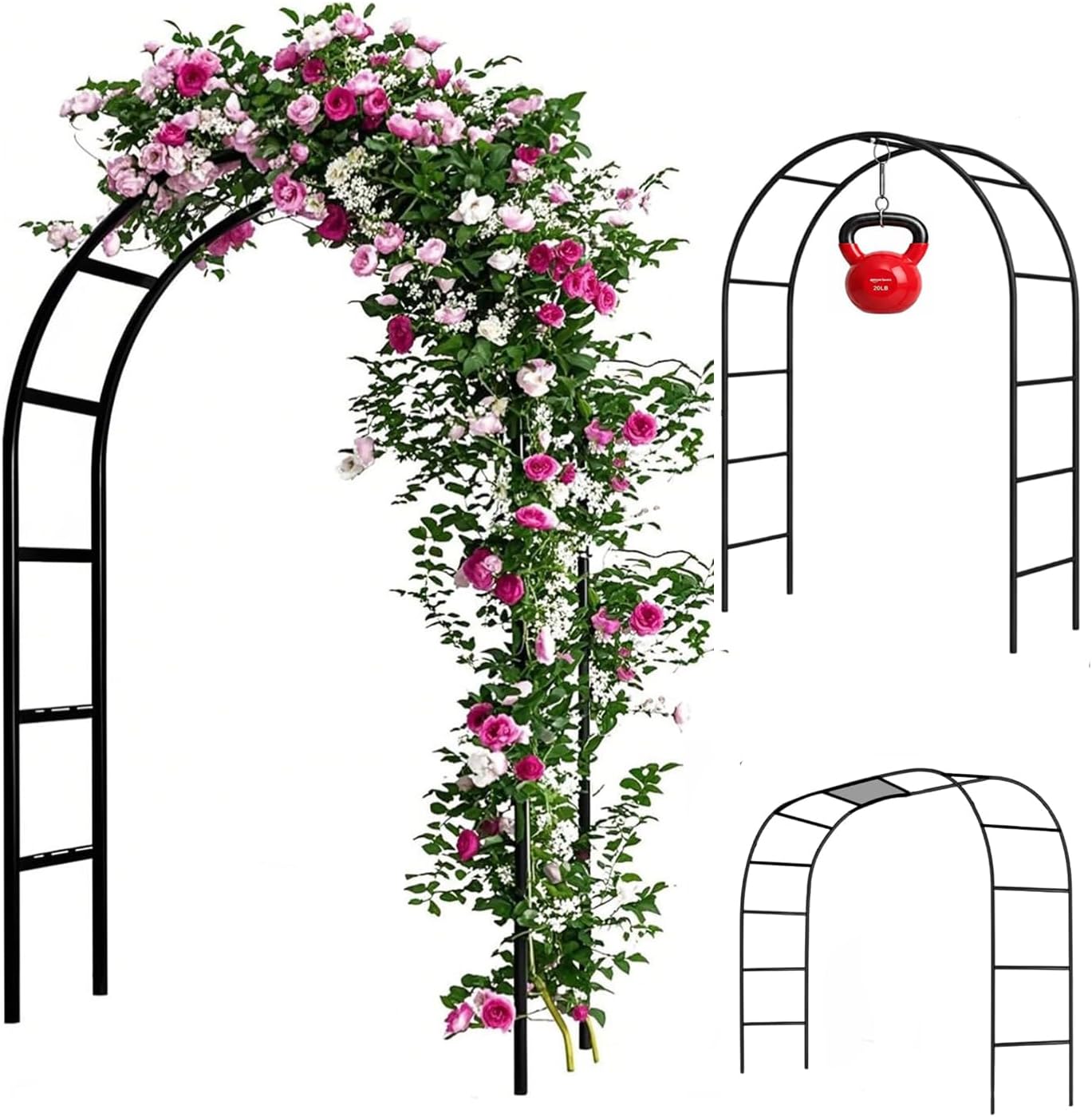
The Adorox metal garden arch is a simple, classic trellis intended to add height and structure to borders, walkways, or small garden entrances. It arrives as sectional powder-coated metal pieces that slot together for relatively straightforward assembly and then anchors into the ground. The open arch frame gives vines such as roses, clematis, and other climbers places to weave through while still remaining visually light in the garden. The powder-coated finish helps resist weathering and the metal frame is light enough for one person to maneuver during installation yet sturdy enough for typical climbing plants. Because the design is single-arched and decorative rather than load-bearing engineering, very heavy mature vines or winter snow loads may require additional bracing or anchoring. The arch works well as a wedding or event backdrop when decorated with flowers or string lights, and its classic black finish fits many garden styles. Expect some basic hardware and time for assembly and make sure the posts are secured before training plants onto the structure.
Best for: Buyers who want an attractive, easy-to-install arch to add height and a planting framework to pathways or small garden spaces and who value a proven, well-reviewed option.
Less Ideal for: People needing a heavy-duty or permanent load-bearing structure for large mature woody vines or for use in high-snow-load climates should consider sturdier arbors or professional solutions.
- Powder-coated metal finish resists rust and looks tidy in most gardens
- Open, single-arch design lets climbing plants weave naturally through the frame
- Lightweight sections make it manageable for one person to assemble and position
- Versatile decorative use for garden entrances, walkways, or event backdrops
- Not engineered for heavy structural loads so very large or woody vines may need extra support
Verdict: A classic, easy-to-assemble powder-coated metal arch that provides an attractive framework for climbing plants and garden entrances.
Anothera 6 ft Adjustable Black Garden Obelisk Trellis

| Material Type | Metal, Plastic |
|---|---|
| Item Highlight | Plastic-Coated Rustproof Steel Core |
| Finish Type | Matte or Textured |
| Item Type Name | Garden Trellis |
This Anothera 6 ft adjustable obelisk is a lightweight, plastic-coated steel trellis designed for roses, clematis, morning glories and other light to medium climbers. It assembles without tools by stacking and rotating tubular sections, and you can add or remove sections to change the height as your plants grow. The plastic coating helps resist rust and UV and is gentler on stems than bare metal, while the included long ground stakes improve stability when pushed deeply into soil or a raised bed. Its narrow 12.7 inch base makes it suitable for pots and compact garden spaces, and the decorative bird topper gives a finished look at the top. Limitations: it is intended for light to medium vines so very heavy, woody climbers or fully laden fruiting plants may need heavier or additional support, and the thin tubing means extra anchoring is useful in very windy sites. For most casual gardeners this trellis balances ease of use, adjustability and corrosion resistance.
Best for: Practical gardeners who want an easy-to-assemble, low-maintenance support for roses and other light to medium climbing plants in pots or small beds and prefer a rust-resistant option they can adjust as plants grow.
Less Ideal for: People growing large, heavy or woody climbers or those who need a structural support for very heavy fruiting plants should choose a heavier-duty permanent trellis or arbor instead.
- Tool-free, modular assembly lets you change height as plants grow
- Plastic-coated steel frame resists rust and is less likely to damage stems
- Long ground stakes provide better anchoring in soil and raised beds
- Compact base fits pots and small planting spaces
- Not designed to carry very heavy or woody climbers without extra support
- Thin tubing can flex in high winds so additional anchoring may be needed
Verdict: A simple, rust-resistant adjustable obelisk that gives reliable, tool-free support for light to medium climbing plants in pots and small beds.
Choosing the Right Trellis for Climbing Rose: Key Factors to Consider
Material and Finish
The trellis material determines longevity and how much maintenance you will do over the seasons. Steel or wrought-iron frames offer high load capacity and resist bending but need a durable coating to prevent rust. Powder-coated or galvanized steel holds up well in wet climates, while stainless steel is best where corrosion pressure is high.
Wood gives a classic look and is gentler on canes, but it will require periodic sealing or replacement of slats if left untreated. Cedar and redwood resist decay longer than pine. Vinyl and composite trellises are low maintenance and resist rot, though they can be less rigid under heavy loads and may expand or become brittle with temperature extremes.
Structural Design and Load Capacity
A climbing rose can develop heavy, woody canes and dense foliage that put sustained load on a trellis. Look for designs with closely spaced crossmembers or lattice to provide many tie-in points and distribute weight. Heavy-gauge metal frames and reinforced joints reduce sagging over time.
Arch, fan, and flat-panel trellises all support roses differently: arches are good for slow-lingering canes and dramatic entries, fans spread canes horizontally for more bloom exposure, and panels placed against walls combine support with close training. The overall depth and the distance between vertical supports affect how much leverage wind applies to the structure.
Anchoring and Installation
How a trellis is anchored determines its real-world stability. For in-ground installations, deep posts or concrete footings prevent uplift and tilt. Post diameter and embedment depth matter more than cosmetic base plates. Where attaching to walls or fences, use through-bolts or heavy-duty masonry anchors rated for outdoor use; light screws and flimsy brackets will fail under the weight of mature roses.
On patios or raised beds, consider free-standing bases with wide footprints or anchor plates that bolt to decking. Think ahead about seasonal maintenance: removable anchor bolts make repairs or winter storage easier. The best trellises provide multiple anchoring options to suit soil, masonry, or decking surfaces.
Height, Width, and Plant Vigor Match
Match trellis size to the rose variety and its expected vigor. Large ramblers and vigorous climbers need taller and wider structures that allow long canes to be tied and trained. Smaller or repeat-blooming climbers often do well on shorter panels or obelisks.
Allow extra headroom for growth and for pruning access. If you want a vertical display, choose taller trellises and plan to tie canes higher each season. For horizontal training to increase blooms, pick wider fan-style supports. Choosing a trellis that is too small forces frequent re-tying and can stress the plant.
Ease of Training and Access
Training roses involves tying, pruning, and repositioning canes over multiple seasons, so the trellis should allow easy access to stems. Lattice with regularly spaced openings and horizontal wires let you secure canes without awkward reaching. Openwork designs reduce the need for extra hardware when attaching canes.
Consider how you will prune and deadhead at full height. A trellis that requires ladders in tight spaces can complicate routine care. Ease of access also affects the ability to check for pests and diseases, which keeps plants healthier and reduces long-term maintenance.
Maintenance and Long-Term Care
Think about what upkeep the trellis will need each year. Painted wood may need touch-ups, and metal coatings can flake where joints suffer abrasion. A design that allows individual parts to be replaced extends service life because you can swap a damaged slat or brace rather than replace the whole unit.
Low-maintenance materials like composite or powder-coated metal save time but may have limited repair options. Also consider how snow, ice, and heavy rainfall will affect the structure and whether you will need to remove or reinforce it seasonally.
Matching Trellis Shape to Your Garden Style
Trellises come in shapes that both influence plant training and contribute to garden aesthetics. Fans and flat panels are workhorse shapes that fit against walls and fences, while arbors and arches create entry points and overhead interest. Obelisks and pyramids provide vertical focal points in mixed borders.
Think about sightlines and how the trellis will look when the rose is not in bloom. A delicate lattice can read as decorative all season, whereas a heavy iron framework makes a strong structural statement and pairs well with large climbers.
- Fan shapes spread canes horizontally to increase bloom display.
- Arches and arbors work well where you want a framed passage or vertical canopy.
- Obelisks suit smaller gardens and provide isolated vertical interest.
Preparing the Site and Planting Tips
Position the trellis so the rose gets its preferred light and airflow. Most climbing roses need good sun and air circulation to minimize disease pressure. Place trellis bases away from walls that trap moisture unless the wall is well-ventilated.
When planting, leave a small gap between the new plant stem and the trellis to prevent bark rubbing. Use soft ties and stake the young canes gently until they have enough woodiness to be trained onto the structure. For heavy soils, improve drainage or raise the planting bed to reduce root rot risk.
- Allow room behind the trellis for air circulation and maintenance.
- Use biodegradable or soft plant ties to avoid cutting into canes.
- Plant slightly to one side of a wall trellis to allow pruning access.
Seasonal Care and Winter Considerations
In winter, check anchors and tighten any loose fixings before storms. Where snow or ice builds, remove heavy accumulations from lattice panels to prevent collapse. Some gardeners choose to temporarily reduce wind exposure by adding burlap screens behind freestanding trellises.
Pruning timing affects how weight is distributed. Early pruning of dead or weak wood reduces winter load and helps the structure survive storms. If a trellis will remain in place year-round, inspect coatings and touch up exposed metal to prevent rust from spreading.
- Inspect anchors at the start of the windy season.
- Remove snow buildup promptly to avoid overloading.
- Re-tie canes in late winter to reset training for the coming season.
DIY Vs Prebuilt Trellises
Building your own trellis allows you to match dimensions precisely and choose materials that suit local weather. DIY designs can be reinforced where needed and finished to match garden style. However, DIY requires accurate joinery and appropriate hardware to ensure long-term strength.
Prebuilt trellises save time and often include coatings suited for outdoor use, but check the anchoring details and assembly instructions. Whether DIY or prebuilt, prioritize a design that gives enough tie-in points and solid anchoring for climbing roses.
- DIY lets you customize height and spacing for specific rose cultivars.
- Prebuilt units may include warranties for finishes that reduce maintenance.
- Reinforcing connection points improves longevity on both DIY and prebuilt options.
Common Mistakes to Avoid
Avoid undersized trellises that cannot support mature canes or that force canes into tight bends that bruise bark. Overloading decorative screens is a common reason for structural failure. Also avoid anchoring methods that rely on shallow stakes or interior screws alone.
Another mistake is placing a trellis where airflow and light are poor, increasing disease risk. Finally, using abrasive ties or wire without protection can cut into canes and create entry points for disease.
- Do not rely on weak brackets for heavy climbers.
- Avoid placing trellises in permanently shaded, damp corners.
- Use soft ties and protective sleeves where wire is required.
How We Chose the Best Trellis for Climbing Rose
We evaluated trellises that suit climbing roses by focusing on gardener-centered performance measures. Structural strength was a primary filter because climbing roses can become heavy when in full leaf and bloom; we looked for robust frameworks and reliable joinery. Material durability was another critical criterion, with attention to rot resistance, coating longevity, and how different materials handle moisture and sun exposure. Anchor and mounting options were assessed for stability in wind and for adapting to soil, patios, or wall installations. Ease of training and accessibility was included to ensure gardeners can tie and prune canes without awkward positions. Aesthetic fit and size range were considered so the trellis complements the garden while offering appropriate height and spread. We excluded weak decorative screens and lightweight garden ornaments that are not intended to bear woody rose canes. We also filtered out structures that require complex assembly tools beyond common household items. Final selections favored trellises that meet real garden demands: load-bearing strength, weather-ready materials, adaptable anchoring, and gardener-friendly maintenance.
FAQ
How tall should a trellis be for a mature climbing rose?
Height depends on the variety, but allow several feet more than the current cane length to accommodate future growth and training. Many climbers do well on structures 6 to 10 feet tall, while vigorous ramblers may need higher supports or layered training.
Can a trellis be attached directly to a brick or stucco wall?
Yes, but use masonry anchors or through-bolts appropriate for the wall material and the expected load. Ensure anchors are rust-resistant and use multiple fastening points to spread weight. Avoid relying on thin surface screws alone.
What is the best way to tie canes to a trellis without damaging them?
Use soft, flexible ties such as horticultural tape, cloth strips, or rubber-coated ties and secure them loosely to avoid constriction as the cane thickens. Check ties yearly and adjust as needed to prevent girdling and bark damage.
How do I protect a trellis from rust or rot?
Choose materials with inherent resistance, like stainless steel, galvanized metal, or rot-resistant woods, and apply appropriate coatings. Inspect joints and fasteners annually and touch up coatings where the finish has been scratched or worn away.
Is it better to train canes horizontally or vertically on a trellis?
Both have benefits. Horizontal training exposes more buds to light and often increases bloom quantity on repeat-flowering roses. Vertical training is useful for creating height and for long-blooming ramblers. Choose the method that suits the rose variety and the visual goal.
Do freestanding trellises need deeper footings than wall-mounted ones?
Yes, freestanding trellises must resist wind uplift and therefore usually require deeper embedment or wider base plates. Concrete footings or long driven posts provide better stability than short stakes, especially for larger, heavier plants.
Final Verdict
When choosing a trellis for climbing rose, prioritize structural strength, durable materials, and secure anchoring that match the plant's vigor and site conditions. Decide whether you need a tall, load-bearing frame for vigorous ramblers or a smaller panel for lighter, repeat-flowering climbers, and pick a design that makes training and pruning straightforward. Balance aesthetics with practical features like replaceable parts and weather-resistant finishes. By matching trellis shape, size, and anchoring to your rose and garden situation, you will reduce maintenance and keep plants healthier while enjoying better bloom display.
