

Note: This article contains affiliate links. If you click on these links and make a purchase, I may earn a small commission at no extra cost to you. This helps support my research and content. Read my full affiliate disclosure here.
If you grow strawberries in containers, raised beds, or a small patch, the right trellis keeps fruit off the soil, boosts airflow, and makes harvest easier. A good trellis for strawberries reduces rot and pest pressure by supporting runners and fruiting trusses where you can see and pick them. This guide shortlists six top trellis options suited for strawberry growing situations and compares how they perform for strength, installation, and plant care. We'll explain the key attributes that matter in real garden use so you can pick a trellis that fits your space and watering routine.
Top Picks at a Glance
| Best Overall The best all-around choice for most situations | Iceyyyy 10-Pack Large Plastic Strawberry Plant Supports |  |
| Best Quality Built to a higher standard if you want something more solid | Gardener's Supply Company Expandable Pea Trellis (Powder‑Coated Steel) |  |
| Best Value The sweet spot between price and what you get | Iceyyyy 6-Pack Plastic Strawberry Plant Support Stands |  |
| Best Budget The cheapest option that still gets the job done reliably | Fulanfudi 10‑Pack Plastic Strawberry Plant Support Stands |  |
| Highest Rated A top-rated pick with lots of positive feedback | 5-Pack Strawberry Plant Supports with 3-Leg Stakes |  |
| Most Popular A crowd favorite that many people choose with confidence | Iceyyyy 5-Pack Strawberry Plant Supports (Rails and Stakes) |  |
Iceyyyy 10-Pack Large Plastic Strawberry Plant Supports

| Material Type | Plastic |
|---|---|
| Number of Packs | 10 |
| Unit Count | 10 Count |
| Shape | Round |
These strawberry plant supports are simple, lightweight frames that snap together around plants to keep fruit elevated and cleaner than sitting on the ground. Each pack includes two rails, four stakes and a connecting rod to form a round support with four legs that you push into the soil. They are easy to assemble and position before plants get large, and the plastic construction stores flat for off-season storage. In practice they help reduce rot and soil splatter on berries during wet weather and make harvesting neater because fruit is easier to see and pick. The plastic is not rigid like metal, so very heavy vines or vigorous runners may push them out of place and they are best used in beds, containers, or small patches rather than large sprawling plantings. If you prefer a reusable, low-maintenance option to keep strawberries off the dirt and simplify harvest, these supports are a practical, space-efficient choice.
Best for: Gardeners who want an affordable, low-effort way to keep strawberries off the soil and make harvest tidier in small beds or containers.
Less Ideal for: Growers managing large, highly vigorous strawberry beds or those who need heavy-duty, long-lasting metal supports should look elsewhere.
- Ten supports per pack allow treatment of multiple plants or replacement over seasons
- Snap-together assembly is quick and requires no tools
- Lifts fruit off soil to reduce rot and keep berries cleaner during wet weather
- Lightweight plastic stores compactly for off-season storage
- Plastic construction is less sturdy than metal and can shift under very heavy vines
- Not ideal for very large or sprawling plantings where stronger, taller supports are needed
Verdict: A convenient, space-saving set of plastic supports that keep strawberries off the ground for cleaner fruit and easier harvesting in small-scale plantings.
Gardener's Supply Company Expandable Pea Trellis (Powder‑Coated Steel)
| Material Type | Powder-coated steel |
|---|---|
| Item Highlight | Multi-Use Heavy Duty Outdoor Garden Support for climing plants & vegetables | 9'-8" L x 37" H |
| Product Style | Trellis,Garden |
| Shape | Rectangular |
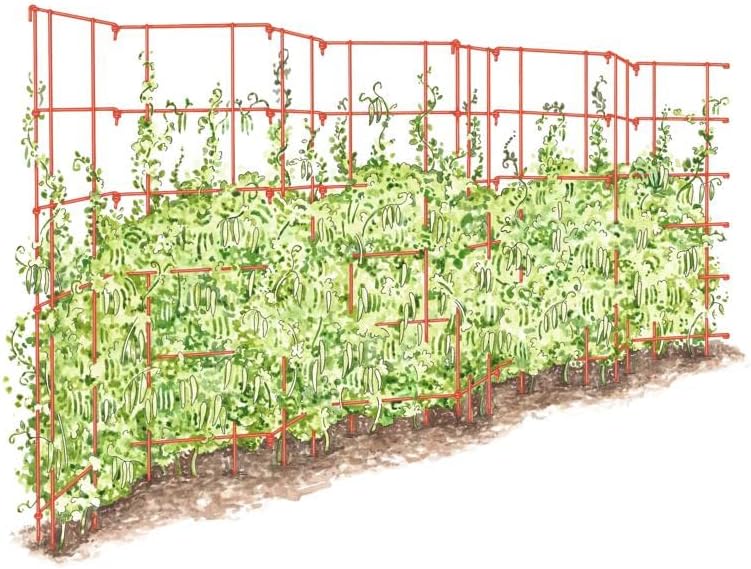
This expandable pea trellis is a straightforward, performance-focused support for climbing peas and similar vining vegetables. It consists of eight hinged powder‑coated steel panels that zig-zag into the soil to create a nearly 9 foot 8 inch long by 37 inch high support with large 8 inch grid openings that make weaving plants and harvesting easy. Typical use is running the trellis along a row of peas, pushing the panels into the ground and adding end stakes in windy spots; it folds flat for compact off-season storage. The powder coating helps resist rust in outdoor conditions and the rigid steel frame holds heavier vines better than lightweight netting or twine. Limitations are that it requires some assembly and firm ground to push the panels into, and in very loose or rocky soil additional anchoring is needed to prevent tipping in wind. It is best when you want a reusable, durable structure that keeps crops off the ground and simplifies harvesting, but plan for staking in exposed sites and occasional repositioning for different row layouts.
Best for: Gardeners who prioritize durable, reliable supports and want a reusable structure that holds heavier vining crops and makes harvesting easier.
Less Ideal for: People who need a temporary or ultra-lightweight solution for irregular planting areas or who cannot drive panels into the soil should consider alternative trellising methods.
- Sturdy powder‑coated steel construction for season-to-season durability
- Expandable hinged panels form a continuous support up to 9'8" long
- Large 8 inch grid openings simplify training and harvesting vining crops
- Folds flat for compact off‑season storage and reuse
- Needs firm soil or additional stakes in windy or loose ground to avoid tipping
- Requires manual insertion into the soil so installation can be harder in very compacted or rocky beds
Verdict: A heavy-duty, reusable steel trellis that delivers reliable, long runs of support for peas and other vining vegetables, ideal when durability and harvest access matter most.
Iceyyyy 6-Pack Plastic Strawberry Plant Support Stands

| Material Type | Plastic |
|---|---|
| Number of Packs | 6 |
| Unit Count | 6 Count |
These strawberry support stands are a simple, low-effort way to keep fruit off the ground and improve berry cleanliness. Each pack contains the rails, connecting rods, and four legs that snap together and push into the soil or potting mix, so installation is tool-free and quick. Made from flexible plastic, the frames store flat in the off-season and tolerate wet conditions without rusting. In practice they hold lightweight strawberry stems up and create a little platform that reduces soil contact and mud splatter during rain. Limitations are that the plastic construction is not rigid enough for heavy vines or large fruit clusters and the supports are sized for small pots or low-growing plants rather than tall, expansive beds. Expect to use several per bed for full coverage and replace them eventually if exposed to prolonged UV or heavy mechanical stress.
Best for: Gardeners who prioritize practical, low-maintenance fixes to keep strawberries clean and who want an easy-to-store support solution for containers or small beds.
Less Ideal for: Growers with large, heavy-fruiting varieties or those who need a heavy-duty, long-term support system for extensive rows should look at sturdier metal cages or custom trellising.
- Tool-free snap-together assembly for fast setup
- Keeps berries elevated to reduce soil contact and rot
- Flexible plastic stores compactly for off-season storage
- Sold in a six-pack so you can cover multiple pots or a small bed
- Plastic construction can flex under heavy fruit loads and may not last as long as metal supports
- Best suited to small pots and low-growing plants rather than tall or sprawling rows
Verdict: If you want an inexpensive, easy-to-install way to keep strawberries off the soil in pots or small beds, these six plastic supports make a practical, space-saving solution.
Fulanfudi 10‑Pack Plastic Strawberry Plant Support Stands

| Material Type | Plastic |
|---|---|
| Number of Items | 10 |
| Product Style | Minimalist |
| Shape | Rectangular |
These plastic strawberry support stands are a simple, budget-friendly way to keep berries elevated and cleaner during the season. Each support snaps together around a plant, locks at the joint, and you push the three legs into the soil to form a small frame that holds fruit off wet ground. Because they are molded from flexible plastic they resist water and are easy to rinse and store for reuse, making them convenient for gardeners who do not want to replace straw or build elaborate supports. The minimal construction works best for individual strawberry crowns or small clusters rather than heavy-trained vines, and the lightweight parts can shift in very loose soil or strong wind. Assembly and installation are quick and require no tools, but the plastic material is less rigid than metal alternatives and may eventually crack under prolonged sun exposure. For the price and the set size, these supports are an efficient way to reduce fruit contact with soil and improve airflow around plants.
Best for: Gardeners looking for an inexpensive, no‑fuss way to protect several strawberry plants and reduce rot during wet seasons.
Less Ideal for: Growers who need heavy-duty, long-lasting metal supports for large or heavily fruiting plants should choose a sturdier alternative.
- Includes 10 supports so multiple plants can be protected at once
- Lightweight plastic is waterproof and easy to clean and store
- Simple snap-and-lock assembly requires no tools
- Keeps fruit elevated to reduce ground contact, mold, and rot
- Plastic construction is less rigid than metal and may flex or crack over time
- May not hold well in very loose soil or withstand strong winds without additional anchoring
Verdict: A low-cost, reusable set of lightweight plastic supports that keeps multiple strawberry plants off the ground for cleaner fruit and easier harvests.
5-Pack Strawberry Plant Supports with 3-Leg Stakes

| Material | plastic |
|---|---|
| Package quantity | 5 |
| Size | 30.6×30.6 cm |
These plastic strawberry supports form a simple ring with three feet that you snap together around young plants and push into the soil. They are made from flexible plastic, so assembly is tool-free and insertion is straightforward when placed before plants get large. The supports hold fruit and low foliage up off wet or muddy ground, which helps reduce fruit rot and keeps berries cleaner for harvest. Because they are lightweight and stackable, they are easy to store and move around the garden or use in containers. The main limitations are that the plastic is basic and best suited to lightweight plants rather than heavy vines, and installation can be fiddlier if added after plants are well established. Expect them to work well as seasonal, low-cost supports but not as a permanent heavy-duty solution.
Best for: Gardeners who prioritize dependable, low-maintenance solutions to keep strawberries and small potted plants clean and healthy during the growing season.
Less Ideal for: Growers who need robust, long-term support for heavy vines or tall plants should choose sturdier metal or larger cage systems instead.
- Easy, tool-free assembly with snap-together pieces and ground stakes
- Lifts fruit off the soil to keep strawberries cleaner and reduce rot risk
- Lightweight and stackable for compact storage and repositioning
- Versatile for use in beds and potted plants
- Basic plastic construction is not suited for supporting heavy or tall plants
- May be difficult to install around established, larger plants
Verdict: A simple, easy-to-use support that reliably keeps strawberries and small plants off wet soil to protect fruit quality during the season.
Iceyyyy 5-Pack Strawberry Plant Supports (Rails and Stakes)

| Manufacturer | Iceyyyy |
|---|---|
| Item model number | IC-StrawBerry-Support |
| Pack quantity | 5 |
| Item Weight | 1 pounds |
These strawberry supports are a simple modular system of rails, connecting rods and stakes sold in five packs to support small strawberry plants and low-growing berry runners. Assembly is tool-free: snap the rails to the connecting rod, lock the buttons and press the four legs into the soil around existing plants. The raised platform keeps berries off wet or muddy ground, which helps reduce rot and keeps fruit cleaner during rainy spells. The supports are lightweight plastic, so they resist rust and are easy to remove or reposition as plants grow; they also stack flat for convenient winter storage. Because the pieces are plastic, they work best for young plants and light fruit loads rather than heavy, overgrown crowns, and the low profile means they do not provide tall vertical support. Expect some fragility if knocked or stepped on and limited longevity under intense sun without occasional replacement. Overall the design is practical for seasonal berry beds where simple, inexpensive protection and cleanliness for fruit are priorities.
Best for: Gardeners who want an affordable, low-effort way to keep strawberry fruit clean and off the soil and who rely on other gardeners' positive experiences when choosing practical, proven solutions.
Less Ideal for: Growers needing heavy-duty, long-lasting supports for large or vining varieties should choose sturdier metal or taller cage systems instead.
- Tool-free snap assembly for quick setup around existing plants
- Keeps berries elevated to reduce contact with wet soil and mud
- Lightweight plastic resists rust and stores flat for off-season storage
- Sold in a 5-pack so you can protect multiple plants or rows
- Made of lightweight plastic so pieces can be fragile under heavy loads or impact
- Low profile does not support tall or overgrown plants
Verdict: A low-cost, easy-to-install set of plastic supports that keeps strawberries off the ground for cleaner fruit and simple seasonal storage.
Choosing the Right Trellis for Strawberries: Key Factors to Consider
Support & Load Capacity
Strawberry fruit and runners are light, but clusters can pull down thin stems and bend crowns if unsupported. A trellis must hold multiple fruiting trusses without sagging and resist bending under wet weight. Consider how the trellis anchors to its base or surrounding structures and whether it spreads load across multiple posts or relies on a single spine.
Strong support preserves plant posture and reduces contact with soil where rot and pests are a problem. For container-grown strawberries choose trellises with light but sturdy frames; for in-ground beds a more robust, anchored structure will tolerate longer seasons and heavier yields.
Weather Resistance and Material
Strawberries thrive with regular watering and often sit in humid microclimates, so trellis materials need to resist corrosion and rot. Galvanized steel, aluminum, and coated metals last longer than untreated steel in damp gardens. Durable plastics and rot-resistant woods are alternatives for low-height supports but check for UV stability and fastener longevity.
Material affects maintenance. Metal frames may need occasional cleaning to remove soil and plant debris, while wood may require sealing or replacement over seasons. Choose materials that match your watering habits and winter storage plans to avoid early degradation.
Ease of Installation and Portability
Gardeners often install trellises themselves, sometimes over established plants, so simple assembly and lightweight components matter. Look for systems with clear anchoring options, removable panels, or stake-style legs that slide into soil. Quick-install designs lower the risk of plant damage during setup.
Portability is useful if you rotate containers or adjust plant spacing yearly. Collapsible or modular trellises let you move structures to overwinter indoors or store them flat. If you plan to repurpose the trellis for other crops, choose one that disassembles without specialized tools.
Harvest Accessibility and Plant Health
A trellis should make it easier to see and reach ripe berries without trampling plants or bending crowns. Height, spacing, and panel layout influence harvest access. Vertical wires or shallow ladders raise fruit into view while leaving room for runners to trail or be tied.
Good access also helps with pest scouting, pruning, and disease control. Designs that keep foliage open to air and light reduce mildew risk and make routine care tasks faster and less risky for delicate crowns.
Adjustability and Fit for Growing System
Strawberry setups vary: hanging baskets, window boxes, raised beds, and in-ground rows all need different trellis formats. Adjustable-height panels, removable crossbars, or modular widths allow a trellis to match the crop and container size. Consider whether the system allows you to tighten or relocate supports as plants grow.
A flexible trellis stretches its usefulness across seasons and different planting configurations. Fixed, nonadjustable units may fit a single layout but become awkward if you change containers or spacing later.
Maintenance and Longevity
Regular outdoor exposure and contact with moist soil mean trellises will need occasional upkeep. Check how easy it is to clean, repaint, or replace worn fasteners. Simple designs without many crevices shed debris better and are easier to sanitize between seasons to reduce disease carryover.
Longevity affects long-term cost and sustainability. Consider whether the trellis can be repaired with common parts or if damage requires full replacement. Durable, serviceable options reduce waste and make long-term gardening more predictable.
Trellis Styles That Work for Different Spaces
Trellis choices should reflect the planting situation. Low-profile, hoop-style frames and short ladder panels suit patio containers and hanging pots where height is limited. Taller vertical panels and A-frame supports are better for raised beds or rows where you want fruit held up for easier picking.
Think about how much horizontal space you have. Narrow trellises are the right fit for window boxes or slim raised beds, while broader panels work across wider beds and can carry more plants without crowding.
- Hoop or arch: good for shallow containers and to shield plants from splash.
- Ladder or rung panels: simple to attach and allow runners to be trained.
- A-frame or tiered panels: provide multiple levels of fruit support in limited footprint.
Anchoring Options for Windy or Exposed Gardens
Where wind or periodic storms are a concern, anchoring determines whether a trellis will stay put or topple. Ground stakes driven deeply, screw-in soil anchors, and tie-downs to nearby posts or fences all improve stability. For containers, choose designs with wide-footed bases or add ballast inside the pot to prevent tipping.
If you expect to leave the trellis up through the off-season, opt for corrosion-resistant anchors and fasteners so you are not replacing hardware each winter.
- In-ground stakes: best for permanent beds.
- Screw anchors: add holding power in loose soils.
- Weighted bases: practical for large containers and movable setups.
Training Strawberries on a Trellis
Training is about control and access. For short-day and day-neutral strawberry varieties, tie or weave runners and fruiting stalks so ripe berries are supported but not constricted. Use soft ties or garden twine to avoid cutting stems. Periodically thin crowded runners so air circulates and light reaches lower foliage.
Allow some runners to trail if you want them to root and create new plants, but keep fruiting crowns elevated. Training early in the season makes harvest and pest monitoring easier later on.
- Use soft plant ties to avoid stem damage.
- Retain space between fruit clusters to reduce mildew risk.
- Regularly reposition runners as plants fill the trellis.
Seasonal Care and Storage
Plan for winter. Removable panels or fold-flat frames are simple to store and prolong the life of coated metals and plastics. In milder climates you may leave a rust-resistant trellis in place, but clearing plant debris and sanitizing before storage reduces carryover of diseases.
During the growing season inspect fastenings and anchor points and tighten any loose connections. If a section shows wear, replace only the affected part when possible to keep maintenance efficient.
- Clean off soil and plant matter before storage.
- Disassemble bulky frames to protect coatings during winter.
- Check fasteners for corrosion and replace if needed.
Trellis Placement and Companion Planting
Where you place a trellis influences microclimate. Position supports so fruit is shaded from harsh midday sun if your site is hot, or so plants get maximum light in shady yards. Avoid placing trellises where splashing irrigation will constantly wet crowns; moving fruit upward reduces soil contact.
Consider companion plants that do not overcrowd the trellis. Low-growing herbs and flowers at the base can improve pollinator visits without competing for trellis space.
- Place trellis to reduce soil splash onto foliage.
- Use companion low-growers to enhance pollination.
- Avoid shade-casting plants directly behind the trellis.
How We Chose the Best Trellis for Strawberries
We selected trellises that suit common strawberry growing situations including container berries, raised beds, and small in-ground patches. Our editorial filters prioritized structural support that prevents fruit sagging, materials that withstand damp, regularly wet conditions near soil, and designs that allow harvesting without damaging runners or crowns. We evaluated ease of installation and adjustability so the trellis can be reused year to year or repositioned as plants spread. Stability under wind and rain was a consideration, particularly for taller or free-standing designs. Maintenance requirements such as rust resistance, cleanability, and the ability to disassemble for winter storage were also factored in. We excluded ornate garden structures and large arbors that are impractical for strawberry-scale plantings, and we did not consider options intended solely for large-scale commercial trellising. Final selections emphasize durable, garden-ready solutions that balance support, access, and longevity.
FAQ
Do strawberries actually need a trellis?
Often they benefit from one. A trellis raises fruit away from soil, reducing rot and making harvest easier. For low-yield or ornamental plantings it is optional, but for consistent, clean harvests a support usually helps.
What height is best for a strawberry trellis?
Usually 12 to 30 inches is sufficient depending on variety and container height. Shorter trellises work well for baskets and window boxes; taller panels fit raised beds where you want fruit at standing reach.
Can I use a tomato cage for strawberries?
Sometimes. Tomato cages can support fruit but may be bulky and push crowns into crowded positions. Choose cages with wide openings and avoid forcing crowns into the center where airflow suffers.
How do I attach runners to a trellis without damaging them?
Use soft ties, twine, or reusable clips that are gentle and adjustable. Tie loosely to allow growth and reposition ties as stems thicken to prevent girdling.
Are wood trellises okay for strawberries?
They can be, if the wood is rot-resistant or sealed and not in constant soil contact. Wood may need more maintenance in wet conditions compared with coated metals or plastics.
Should a trellis be left up all winter?
It depends. In cold, wet climates removing and storing lightweight trellises protects them from weather damage. Rust-resistant or heavy, well-anchored trellises can remain if cleaned and inspected for wear.
Final Verdict
Choose a trellis that matches how you grow strawberries and the size of the planting. Prioritize adequate support and weather resistance in damp conditions, and select a design that keeps fruit accessible without crowding crowns. Balance ease of installation and adjustability so the structure can be moved, repaired, or stored as your garden changes. By focusing on support strength, harvest access, and material durability you can pick a trellis that improves fruit quality and simplifies seasonal care.
