

Note: This article contains affiliate links. If you click on these links and make a purchase, I may earn a small commission at no extra cost to you. This helps support my research and content. Read my full affiliate disclosure here.
If you propagate houseplants, shrubs, or perennials by stem cuttings, the right rooting hormone can make the difference between a limp stick and a healthy new plant. Rooting hormone for cuttings helps jump-start root development, reduces rot risk at the cutting base, and increases the number of successful strikes in a batch. This guide looks at seven top options shortlisted for typical home and small-scale propagation tasks. We examined formulation types, ease of application, and how reliably each product supports root formation in common media. Read on to understand which characteristics matter for your setup and why these products made the list.
Top Picks at a Glance
| Best Overall The best all-around choice for most situations | Clonex Rooting Gel High-Performance Rooting Compound, 250 ml |  |
| Best Quality Built to a higher standard if you want something more solid | Clonex Rooting Gel High-Performance Rooting Compound, 100 ml |  |
| Best Value The sweet spot between price and what you get | Montorchid Root Drops Liquid Rooting Hormone (4 fl oz) |  |
| Best Budget The cheapest option that still gets the job done reliably | Hormex Rooting Hormone Powder #1 for Tender Cuttings, 21 g | 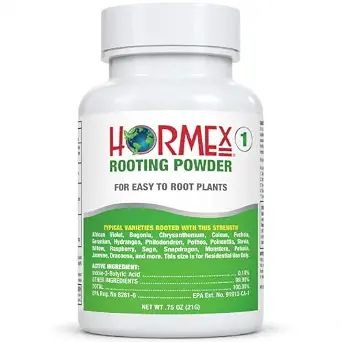 |
| Highest Rated A top-rated pick with lots of positive feedback | Herrdemia 3-in-1 Rooting Powder (1.1 oz) — IBA + NAA + Mycorrhizae Root Stimulator |  |
| Most Popular A crowd favorite that many people choose with confidence | Bonide Bontone II Rooting Powder, 1.25 oz |  |
| Best Seller A high-volume bestseller chosen again and again | Garden Safe TakeRoot Rooting Hormone Powder, 2-Pack (2 oz) | 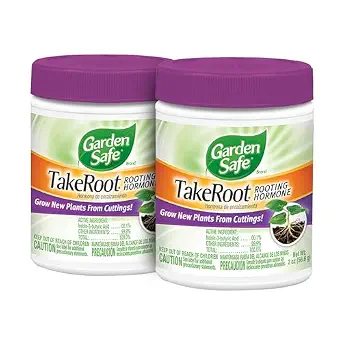 |
Clonex Rooting Gel High-Performance Rooting Compound, 250 ml

| Item Form | Gel |
|---|---|
| Specific Uses For Product | Root Development |
| Application Method | Dip |
| Liquid Volume | 0.25 liters |
Clonex Rooting Gel is a tenacious, water‑based rooting compound designed for dipping cuttings to encourage rapid root initiation. You apply it by dipping the base of a fresh cutting into the gel, then inserting the treated cutting into your chosen rooting medium and keeping it warm and moist. The gel formulation adheres to stem tissue so the active ingredient stays in contact longer than powders or liquid dips, which helps with consistent rooting across many soft‑tissue plants. Practical benefits include straightforward application, good coverage from the viscous gel, and a long track record used by hobbyists and commercial growers. Limitations: the product is focused solely on root initiation and does not replace good sanitation, appropriate humidity, or correct cutting technique, and root development will still vary by species and environmental conditions. The bottle size is suitable for repeated hobby use but larger propagation operations may prefer bulk quantities.
Best for: Gardeners who want a reliable, easy‑to‑use rooting aid for regular propagation of houseplants, ornamentals, and other soft‑tissue cuttings and who value consistent rooting performance.
Less Ideal for: Large commercial nurseries or growers who need bulk volumes or an integrated propagation system with automated misting and disease management.
- Gel formulation adheres to cuttings for prolonged contact with the rooting hormone
- Contains IBA, a widely used auxin that promotes root initiation
- Easy dip application makes it quick to treat many cuttings
- Versatile across a wide range of soft‑tissue plant species
- Targets only rooting initiation and offers no disease control or humidity management
- Smaller retail bottle may be insufficient for large‑scale commercial propagation
Verdict: Choose Clonex Rooting Gel when you want a proven, easy dip‑on rooting hormone that stays in contact with cuttings for consistent root initiation.
Clonex Rooting Gel High-Performance Rooting Compound, 100 ml

| Item Form | Gel |
|---|---|
| Specific Uses For Product | Gardening, Propagation |
| Application Method | Dip |
| Liquid Volume | 100 ml |
Clonex Rooting Gel is a tenacious, water-based rooting compound designed for dipping cuttings to encourage rapid root initiation. In practice you dip the cut end into the gel, insert the treated cutting into your chosen rooting medium, and keep the cutting warm and humid until roots form. The gel formulation adheres well to tissue so it stays in contact with the wound longer than powders or sprays, and the manufacturer-formulated IBA concentration and nutrient mix are aimed at consistent results across many soft-tissue plants. This makes it a popular choice for growers who take frequent cuttings or need predictable performance. Important limitations are its single 100 ml unit count, which may be small for large-scale propagation runs, and that rooting speed still depends on species and environmental conditions. For the performance-minded gardener it delivers reliable, laboratory-formulated hormone delivery in an easy-to-use gel.
Best for: Growers and serious hobbyists who prioritize reliable, repeatable rooting performance and take frequent cuttings for propagation.
Less Ideal for: Casual gardeners who only take occasional cuttings or those who prefer dry powder hormones that store and transport with less risk of spills.
- Gel formula adheres to cut surfaces for prolonged hormone contact
- Contains industry-standard IBA concentration for consistent root initiation
- Easy dip-and-apply method suitable for quick propagation workflows
- Suitable across a wide range of soft-tissue plant types
- 100 ml bottle may be insufficient for high-volume commercial propagation
- Effectiveness still varies by species and environmental conditions
Verdict: Choose Clonex Rooting Gel when you need a proven, adhesive IBA-based rooting treatment that gives consistent results for frequent propagation.
Montorchid Root Drops Liquid Rooting Hormone (4 fl oz)

| Item Form | Liquid |
|---|---|
| Specific Uses For Product | Plant Growth, Root Development |
| Application Method | Drops |
| Target Species | Houseplants |
| Mixing Ratio | 3 drops per 500ml of fresh water |
Montorchid Root Drops is a concentrated liquid rooting hormone designed for propagating common houseplant cuttings and for occasional root support of established plants. It is used by adding a few drops to propagation water (manufacturer recommends 3 drops per 500 ml) or mixing small amounts into watering for transplanted plants. The product contains indole-3-butyric acid (IBA) plus proprietary vitamins and comes with a dropper for precise application, which reduces waste and contamination compared with powders or gels. In practice the small dropper bottle is easy to store and the concentrated formula stretches over many propagation cycles, making it cost effective for regular propagators. Limitations are that the bottle is small so users who propagate at scale will need multiple bottles, and the label does not list full ingredient concentrations beyond IBA and vitamins which may concern growers who prefer fully transparent formulations. For standard houseplant propagation—Pothos, Monstera, Philodendron—this provides a simple, mess-free way to speed root formation and help cuttings transition to soil or LECA.
Best for: Buyers who propagate houseplants regularly and want a precise, economical rooting aid that speeds root formation and eases transitions between water and soil.
Less Ideal for: Large-scale growers or nursery operations that need bulk quantities and fully detailed ingredient analyses should consider larger commercial formulations instead.
- Concentrated liquid formula that requires only a few drops, extending bottle life
- Includes a dropper for precise, low-waste application
- Formulated with IBA plus vitamins to promote faster and denser root development
- Versatile for use in water, soil, LECA, and moss
- Small 4 fl oz bottle may be insufficient for heavy or commercial propagators
- Product listing does not disclose full ingredient concentrations
Verdict: A compact, concentrated dropper formula that makes propagating houseplant cuttings quicker and more precise.
Hormex Rooting Hormone Powder #1 for Tender Cuttings, 21 g

| Item Form | Powder |
|---|---|
| Specific Uses For Product | Rooting Hormone Powder for Plant Cuttings |
| Application Method | Dip |
| Coverage | For delicate houseplants, garden herbs and succulent cuttings |
| Ingredients | Indole-3-butyric acid |
Hormex #1 is a dip-and-plant rooting powder designed for soft, easy-to-root cuttings such as pothos, monstera, philodendron, African violets, coleus, herbs and succulents. You prepare a cutting, moisten the base, dip it into the powder and tap off excess before placing the stem into a moist propagation medium like potting soil, coco coir, rockwool or a rooting cube. The product is sold in a small 21 g bottle and the brand states it treats up to about 200 cuttings, so a little goes a long way for routine home propagation. Notable features include a low 0.1% IBA concentration appropriate for tender stems and clear usage instructions plus a plant strength guide for choosing higher strengths if needed. Practical benefits are improved and more consistent root initiation on cuttings and reduced need to re-take cuttings. Limitations are that this is a powder-only, single-strength formula for tender material so it is not meant for woodier cuttings and you must avoid contaminating the jar by not returning unused powder.
Best for: Home gardeners and houseplant owners who propagate common tropicals and herbs and want a low-effort, cost-effective rooting aid for frequent cuttings.
Less Ideal for: People who regularly root woody or difficult-to-root shrubs and trees should choose a stronger concentration or a formula intended for hardwood cuttings.
- Formulated specifically for tender softwood and houseplant cuttings with 0.1% IBA.
- Dip application is simple and familiar to most propagators.
- Small bottle treats many cuttings so the product stretches for repeat propagation projects.
- Includes clear plant-strength guidance so users can match strength to plant type.
- Single gentle strength not suitable for semi-hardwood or hardwood cuttings.
- Powder format requires careful handling to avoid contaminating the bottle.
Verdict: A small, economical powder rooting hormone ideal for household propagation of tender cuttings, stretching far for repeated use.
Herrdemia 3-in-1 Rooting Powder (1.1 oz) — IBA + NAA + Mycorrhizae Root Stimulator

| Item Form | Powder |
|---|---|
| Application Method | Dip or mix with water |
| Specific Uses For Product | Root development and plant propagation |
| Target Species | Houseplants |
| Unit Count | 1.1 Ounce |
Herrdemia’s 3-in-1 rooting powder is a concentrated plant hormone designed to improve success when propagating cuttings in water or soil. It combines IBA and NAA to encourage both feeder root networks and a central taproot while added R. irregularis mycorrhizae support nutrient uptake as roots establish. Use it as a traditional dip for soil cuttings or dissolve a measured amount into water for hydroponic or semi-hydro mixes; the product includes dosing guidance and a mixing ratio for water propagation. Practical benefits include faster visible rooting (often within 1–2 weeks), a formula intended for woody and soft-stemmed plants, and compatibility with LECA, coco, perlite and potting mixes so you do not need separate products for different media. Important limitations are that it is a potent concentrate so following the recommended dosage is necessary to avoid inhibition, and it requires safe handling since it is not for human or pet consumption. For gardeners seeking dependable propagation results the powder delivers focused root initiation and later-stage mycorrhizal support.
Best for: Plant owners who prioritize reliable, repeatable propagation results and want a single product that works across soil and water methods for houseplants and woody cuttings.
Less Ideal for: Casual propagators who prefer pre-diluted liquid solutions or those unwilling to follow precise dosing and safety precautions should consider simpler, lower-concentration alternatives.
- Combines IBA and NAA for both feeder root and taproot development.
- Includes R. irregularis mycorrhizae to improve nutrient access as roots establish.
- Usable as a dip or dissolved in water for hydroponic and soil propagation.
- Suitable for a wide range of houseplants and woody cuttings, plus multiple growing media.
- High concentration designed to treat a large number of cuttings per bottle.
- Concentrated formula requires precise dosing or it can inhibit rooting.
- Contains active ingredients that are hazardous if swallowed or inhaled and needs careful storage and handling.
Verdict: Choose this concentrated 3-in-1 powder when you want a single, lab-tested rooting formula that reliably speeds root initiation and supports stronger, long-term root systems.
Bonide Bontone II Rooting Powder, 1.25 oz

| Item Form | Powder |
|---|---|
| Specific Uses For Product | Root Development |
| Application Method | dip and shake |
| Target Species | azaleas, mums, geraniums, pachysandra, poinsettias and others |
| Unit Count | 1.25 Ounce |
Bonide Bontone II is a classic IBA-based rooting powder sold in a small 1.25 oz dust jar for home gardeners and hobbyists. You apply it by dipping a cutting’s wound into the powder, shaking off excess, and planting into moist media; it can also be used to coat seeds or bulbs in a bag before planting. The product’s straightforward formulation of indole-3-butyric acid targets root initiation and is effective on both softwood and hardwood cuttings as well as many ornamentals and vegetables. In practice the powder is convenient to use, has a medium coverage per package, and reduces the time and failure rate for many common cuttings. Limitations are the small unit size if you plan to take large numbers of cuttings, and because it is a dry powder it can be messier to apply than gel alternatives. Safety precautions are also reasonable to follow since it is a plant hormone rather than an inert filler.
Best for: Gardeners who want a reliable, easy-to-use rooting hormone backed by long-standing use and positive user feedback and who take a cautious approach to selecting proven products for their cuttings.
Less Ideal for: Propagation professionals or growers who take very large numbers of cuttings and need bulk quantities or who prefer the tidier application of gels or liquid dilutions.
- Contains indole-3-butyric acid (IBA), a proven rooting hormone for cuttings
- Ready-to-use powder that is simple to apply by dip and shake
- Versatile for cuttings, seeds, bulbs, and transplants across many ornamental and edible plants
- Compact jar size convenient for occasional home garden use
- Small 1.25 oz package may not be economical for frequent or large-scale propagation
- Powder form can be messier and harder to control than gel or liquid formulations
Verdict: A proven, ready-to-use IBA powder that reliably speeds rooting for home gardeners focused on successful cuttings.
Garden Safe TakeRoot Rooting Hormone Powder, 2-Pack (2 oz)

| Item Form | Powder |
|---|---|
| Specific Uses For Product | Plant Growth, Root Development |
| Application Method | Stir cut ends in powder |
| Number of Packs | 2 |
| Active Ingredient | Indole-3-butyric acid |
Garden Safe TakeRoot is a simple powder rooting hormone intended to help grow new plants from stem cuttings. You moisten the cut end, dip or stir it in the powder, tap off excess and plant the treated cutting in a rooting medium, then mist regularly. The active ingredient is indole-3-butyric acid, a commonly used auxin that encourages root initiation on a wide range of houseplant and garden varieties such as African violets, geraniums, roses, poinsettias and many woody ornamentals. In practice the powder form is easy to apply, low-mess compared with liquids, and the included two-pack gives extra supply for repeated propagation attempts. Limitations are that it is a basic, single-concentration product so you cannot adjust strength for difficult species, and you must avoid cross-contaminating the jar when treating multiple plants. For cautious gardeners who prefer a proven, no-frills rooting aid, this product reliably increases the odds that common cuttings will form roots when used with proper cutting and aftercare techniques.
Best for: Buyers who want a straightforward, proven rooting aid to improve success with common cuttings and who favor reliable, low-risk products over experimental approaches.
Less Ideal for: Propagators seeking adjustable-concentration hormones, specialized formulations for very difficult-to-root plants, or liquid dosing systems should consider other options.
- Contains indole-3-butyric acid, a widely used rooting hormone that promotes root formation
- Powder form is easy to apply and reduces spills compared with liquid formulations
- Suitable for many common houseplants and garden cuttings including roses, geraniums and African violets
- Two-pack supply lets you treat multiple cuttings or keep a back-up jar
- Single-strength powder does not allow dosing adjustments for very sensitive or hard-to-root species
- Requires careful handling to avoid contaminating the container when treating multiple plants
Verdict: A dependable, easy-to-use powder rooting hormone that raises your chances of success with typical houseplant and garden cuttings.
Choosing the Right Rooting Hormone for Cuttings: Key Factors to Consider
Formulation Type
The physical form of a rooting hormone matters because it determines how you apply it and which cuttings it suits best. Powders are dry, easy to dip cuttings into, and are handy when working quickly through many stems. Gels cling to soft green cuttings and reduce mess, which is useful for delicate houseplant propagation. Liquid concentrates are versatile and let you adjust strength with dilution, but require measuring and clean containers.
Formulation also affects how much plant growth regulator the cutting actually receives. Some softwood cuttings need a gentle gel or low-concentration liquid, while hardwood cuttings generally require stronger concentrations to trigger root primordia. Consider how often you propagate, the types of plants you work with, and how comfortable you are mixing or measuring products when choosing a formulation.
Active Ingredient and Strength
Different rooting preparations rely on varying active ingredients and concentrations, which influences effectiveness and safety. Indole-3-butyric acid is a common active compound in many horticultural rooting aids because it stimulates root formation without excessive shoot growth. Some formulations vary in concentration to match soft, semi-hard, and hardwood cuttings. Higher concentrations can speed rooting on tough wood but may burn or stress very tender stems.
Matching strength to cutting type reduces failure rates. When propagation instructions list concentration or dilution rates, they matter – using a product too strong for a thin green stem can cause tissue damage, while a weak mix may fail to trigger roots altogether. Always follow label guidance for the plant type you are propagating and consider choosing products that provide clear concentration ranges.
Compatibility With Propagation Media
Root development depends on both hormone action and the environment the cutting sits in. Some rooting hormones leave residues that require free-draining soilless mixes to avoid rot. Others mix cleanly with water for quick dipping before planting into perlite or sterile peat alternatives. Your chosen product should be compatible with the media you use most often.
If you use closed systems like humidity domes or misting trays, the hormone should not promote mold or contribute to microbial growth. For bottom-watering propagation setups, choose a formulation that does not cloud or foul the water quickly. Considering media compatibility helps you avoid damping-off and ensures the hormone's benefits translate into visible root growth.
Application Convenience
How easy it is to apply a rooting hormone affects throughput and contamination risk during propagation sessions. Bulk gardeners will prefer options that let them dip many cuttings quickly without repeated mixing or cleaning. Careful hobbyists may value precision applicators or pre-measured gel tips that cut down on waste and accidental cross-contamination between species.
Packaging that reduces exposure to air and moisture preserves efficacy during repeated use. If you propagate infrequently, look for small, resealable containers; frequent propagators might prefer concentrates in larger bottles with measuring guides. Application convenience also includes how forgiving a product is to over- or under-dosing, since real-world use is rarely perfectly measured.
Shelf Life and Storage
Rooting hormones vary in how long they remain effective once opened. Concentrates that oxidize or powders that clump when exposed to humidity lose potency, which is important if you do occasional propagation. A stable product reduces waste and makes it easier to keep a ready supply through seasonal propagation cycles.
Consider storage requirements such as the need for refrigeration or airtight containers. Some gardeners benefit from small single-use packets that avoid long-term storage issues, while others prefer concentrated liquids intended to last a season. Shelf life affects cost-efficiency over time and ensures the hormone will perform when you need it.
Safety and Handling
Even horticultural rooting aids can present safety considerations during mixing and application. Some formulations include solvents or preservatives that require gloves, good ventilation, or careful disposal of rinse water. Clear labeling and minimal hazardous additives make products easier to handle in a home setting.
Pay attention to instructions about protective equipment, dilution procedures, and disposal. Also consider the sensibilities of household members and pets when choosing where to store and use a product. Safer handling lowers the chance of accidental exposure and keeps propagation tasks pleasant rather than risky.
Choosing the Right Strength for Softwood, Semi-Hardwood, and Hardwood Cuttings
Different cutting types respond to different hormone strengths. Soft new growth typically needs a light concentration to avoid tissue damage, while semi-hardwood and hardwood cuttings often require stronger stimulation to initiate root primordia. Assess the stem texture and age before selecting a concentration level.
If a product lists recommended dilution ranges, use the lower end for tender houseplant cuttings and the higher end for woody garden stems. When in doubt, try a small test batch under the same conditions you will use for the full set of cuttings.
- Soft stems: low concentration, gentle gels or light dips
- Semi-hardwood: moderate-strength dips or gels
- Hardwood: higher-strength solutions, longer contact time
Sanitation and Contamination Control During Propagation
Preventing contamination is essential when using rooting hormones. Clean tools, sterile media, and isolated trays reduce the chance of fungal or bacterial issues that can mask a hormone's true effectiveness. Wiping shears between cuts and using fresh rooting medium for each batch keeps failure rates low.
Avoid double-dipping into concentrates. If you need to reuse a solution, pour a measured amount into a separate cup for dipping and discard or replace it frequently to prevent cross-contamination between species.
- Sterilize cutting tools with alcohol between different plant types
- Use single-use cotton swabs or separate dip cups for delicate tasks
Using Rooting Hormone in Different Propagation Systems
Whether you are rooting in pots, cell trays, or straight into a soilless mix, the hormone must work with the system you use. In misting or high-humidity setups, choose formulations that do not encourage algae or mold when residue is present. For bottom-water propagation, avoid products that discolor or foul the water.
When using enclosed propagation domes, ensure good air circulation and monitor moisture closely. Hormone-treated cuttings often need slightly drier surface conditions to prevent rot while roots form below.
- Open bench rooting: powders and gels work well
- Misting systems: low-residue liquids recommended
- Enclosed domes: monitor humidity to prevent fungal growth
Troubleshooting Failed Strikes
When cuttings fail to root despite hormone use, inspect the basics. Was the cutting taken from healthy parent material at the right age? Was the stem damaged during cutting, or was it too wet when dipped? Common problems include improper cutting length, excessive leaf area, and planting too deep in heavy media.
If contamination is suspected, discard affected cuttings and sterilize the workspace. Try a gentler concentration or alternate formulation on the next batch and run a side-by-side trial to see which approach yields better root initiation under your conditions.
- Check parent plant health and timing of cutting
- Adjust hormone strength and application method in trials
- Verify media drainage and airflow around cuttings
Storing and Handling Rooting Hormones Safely
Store products in a cool, dry place away from direct sunlight and moisture. Keep containers tightly sealed and labeled with the date opened. For small-quantity propagators, single-use packets or small jars reduce the need for long-term storage and the risk of potency loss.
Handle concentrates with gloves and follow label guidance for disposal of unused solution. Rinse application tools in a way that does not introduce contaminated water into garden beds or drains where non-target plants could be affected.
- Label opened containers with the date and dilution instructions
- Avoid pouring leftover concentrates down garden beds
How We Chose the Best Rooting Hormone for Cuttings
We shortlisted products that demonstrably support root initiation across a range of common cutting types, from softwood houseplant stems to semi-hardwood garden shrubs. Our evaluation emphasized formulation suitability, measured by active ingredient concentration and whether the product is powder, liquid concentrate, or gel, because different formulations perform better for different cutting textures and sizes. Ease of application was a second key filter, covering packaging, dilution clarity, and how straightforward it is to coat or dip cuttings without contaminating a batch. Longevity and storage stability were considered so gardeners can keep supply on hand without degradation. We also checked compatibility with common propagation media, including soilless mixes and perlite, to avoid products that cause damping-off or inhibit root growth. Practical safety and handling were included, favoring products with clear usage directions and minimal toxic additives. We excluded any items marketed only for woody tree grafting or heavy commercial hormone blends that require specialized licensing. The final list reflects products that balance rooting efficacy, ease of use, and storage practicality for home and hobbyist propagation.
FAQ
Do all cuttings need rooting hormone?
Not all cuttings require hormone. Very easy-to-root plants sometimes form roots naturally without aid. However, hormone increases the reliability and speed of rooting for many softwood and woody species, especially those that root poorly on their own.
How long should I leave a cutting in the hormone before planting?
Contact time depends on formulation. Powders require a quick dip and a light tap to remove excess, gels cling on placement, and concentrated liquids often instruct a short dip of a few seconds. Follow label guidance and avoid leaving concentrated solutions on delicate stems for extended periods.
Can I mix rooting hormone into the propagation media?
Most gardeners apply hormone by dipping the cutting rather than mixing it into the entire media. Adding hormone into bulk media risks uneven distribution and can increase contamination. If a product specifically instructs media treatment, follow those directions carefully.
Is rooting hormone safe to use around pets and children?
Safety varies by product. Many horticultural hormones are low-toxicity when used as directed, but some concentrates include solvents or preservatives that warrant gloves and good ventilation. Keep products and treated cuttings away from children and pets until the material is established and follow label safety instructions.
How do I know if the hormone has worked before visible roots appear?
You may see callusing at the base of the cutting first, which indicates wound healing and potential root initiation. True roots can take days to weeks to appear depending on species, season, and conditions. Maintain steady humidity and avoid disturbing the cutting while early signs of rooting develop.
Final Verdict
Choosing the right rooting hormone for cuttings comes down to matching formulation and strength to the type of cutting you root most often and to your propagation setup. Prioritize a product with clear dilution guidance, good storage stability, and a suitable application method for the volume of cuttings you handle. Balance convenience against potency and safety to reduce failures and speed successful strikes. With the right approach and attention to sanitation and media, a rooting hormone becomes a practical tool that improves consistency and confidence in propagation.
