

Note: This article contains affiliate links. If you click on these links and make a purchase, I may earn a small commission at no extra cost to you. This helps support my research and content. Read my full affiliate disclosure here.
Choosing the right soil for potted trees matters more than most gardeners expect. Containers change how water, oxygen, and nutrients behave compared with in-ground beds, and the wrong mix can stress roots, stunt growth, or cause rot. This guide looks at a carefully shortlisted group of top-performing soils for potted trees and explains the traits that make each suitable for containers. We evaluated mixes for drainage, nutrient retention, particle stability, and ease of watering so you can pick a mix that matches your tree species and container situation. Read on to understand the tradeoffs and find the right soil for your potted trees.
Top Picks at a Glance
| Best Overall The best all-around choice for most situations | Miracle-Gro Indoor Potting Mix for All Plants, 6 qt. (2-Pack) |  |
| Best Quality Built to a higher standard if you want something more solid | E.B. Stone Organics Citrus & Palm Mix Potting Soil, 1.5 cu ft |  |
| Best Value The sweet spot between price and what you get | Duspro Pre-Mixed 4‑in‑1 Citrus Tree Potting Soil Mix, 10 Quarts |  |
| Best Budget The cheapest option that still gets the job done reliably | Doter Citrus Tree Potting Soil Mix (1 qt) |  |
| Most Popular A crowd favorite that many people choose with confidence | Miracle-Gro Potting Mix, 16 qt. (2-Pack) |  |
| Best Seller A high-volume bestseller chosen again and again | Back to the Roots Organic Indoor Potting Mix, 6 Quart |  |
Miracle-Gro Indoor Potting Mix for All Plants, 6 qt. (2-Pack)

| Number of Packs | 2 |
|---|---|
| Unit Count | 400.58 Ounce |
| Item Highlight | Feeds for up to 6 Months |
| Ingredients | Sphagnum Peat Moss, Coir, Perlite, Fertilizer, Wetting Agent |
This ready-to-use Miracle-Gro indoor potting mix is designed to give container-grown indoor plants a balanced, low-effort growing medium. The blend of sphagnum peat moss, coconut coir, and perlite helps retain moisture while allowing excess water to drain, so roots get both air and water. It contains a built-in fertilizer that the brand says feeds plants for up to six months, which reduces the need for frequent feeding after repotting. The formula is bark- and compost-free, which lowers the chance of sheltering fungus gnats compared with mixes that contain compost. Use it when repotting houseplants, filling containers, or topping up root zones; one 6 qt. bag is sized to refill several small pots and this bundle includes two bags. Important limitations: the product is an all-purpose indoor mix rather than a specialized tree potting soil, so very large potted trees or species with specific drainage or mineral needs may need a custom blend or added amendments. Also, repotting annually is recommended to refresh nutrients and maintain light, airy soil structure.
Best for: Buyers who want an easy, low-maintenance indoor potting mix for a variety of houseplants and occasional repotting without extra mixing or fertilizer on day one.
Less Ideal for: People potting large indoor trees, bonsai, or plants with strict soil pH or drainage needs who should choose a specialty tree or species-specific soil blend.
- Balanced mix of peat moss, coir, and perlite for moisture retention and aeration
- Includes fertilizer that feeds indoor plants for up to six months
- Bark- and compost-free formulation reduces habitat for fungus gnats
- Ready-to-use so no blending or amendments required for typical houseplants
- Not formulated specifically for large potted trees or species needing specialized mineral mixes
Verdict: A convenient, nutrient-ready potting mix that simplifies repotting and maintenance for most indoor container plants.
E.B. Stone Organics Citrus & Palm Mix Potting Soil, 1.5 cu ft

| Brand | E.B. Stone Organics |
|---|---|
| Volume | 1.5 cubic feet |
| Suitable for | Citrus, palms, avocado, tropical plants |
This Citrus & Palm Mix is designed specifically for potted trees and other tropical plants that need both good drainage and steady moisture. The blend of aged fir bark and pumice creates a chunky, airy texture that keeps roots oxygenated and reduces the risk of waterlogged roots when used in containers. Mycorrhizae are included to improve nutrient and water uptake, which can speed establishment after repotting or planting. It arrives ready to use straight from the bag, so you can pot up trees without additional amendments, or blend it into planting holes for in-ground citrus and palms. The 1.5 cubic foot bag is convenient for single large pots or several smaller ones, but heavier users will need multiple bags. Expect a coarse, well-draining mix rather than a moisture-retentive potting soil suited for moisture-loving houseplants. If you want a purpose-built medium that supports vigorous root growth and reduces root-rot risk for potted trees, this mix performs that role well.
Best for: Gardeners and container-tree owners who prioritize strong root development and reliable drainage for citrus, palms, and other tropical potted trees.
Less Ideal for: People looking for a water-retentive mix for moisture-loving indoor plants or those who need large volumes from a single bag.
- Formulated for deep-rooted citrus, palms, avocado, and tropical trees
- Aged fir bark and pumice provide fast drainage and good aeration in containers
- Contains mycorrhizae to help roots take up water and nutrients
- Ready to use out of the bag for potting or blending into planting holes
- 1.5 cu ft bag is modest in volume for larger trees, requiring multiple bags for big pots or planting projects
- Coarse, fast-draining texture may not retain enough moisture for moisture-loving houseplants
Verdict: Choose this mix when you need a ready-to-use, fast-draining organic soil that promotes vigorous root growth in potted citrus and tropical trees.
Duspro Pre-Mixed 4‑in‑1 Citrus Tree Potting Soil Mix, 10 Quarts

| Brand | Duspro |
|---|---|
| Unit Count | 1 Ounce |
| Style Name | 10 Quarts |
| Item Weight | 1.24 kg |
This Duspro 4‑in‑1 citrus potting mix is a pre-mixed blend of coco coir, coco fiber, perlite and vermiculite designed specifically for repotting potted citrus like lemon, lime and orange trees. It is used straight from the bag: fill the bottom of a drained pot, center the root ball, backfill and water. The coconut components and vermiculite help hold even moisture while perlite improves drainage and root aeration, so potted citrus are less likely to sit in soggy soil. The mix is double-screened for a consistent texture that pours and repots cleanly, which saves time compared with blending ingredients yourself. Practical gardeners will appreciate the available sizes and the manufacturer guidance on watering and repotting. Limitations include a dry, dusty texture when opened that may require care when handling, and the 10 quart size is best for a few standard pots rather than large specimens or multiple trees. The mix works well alone or as a base to tweak for specific plants that need more organic matter or different pH profiles.
Best for: Gardeners who want a time-saving, ready-made mix for repotting one or a few potted citrus or other container fruit trees and prefer a predictable, balanced growing medium.
Less Ideal for: Growers repotting large specimen trees, landscapers handling many plants, or those needing a highly specialized soil pH or custom organic amendments.
- Pre-mixed blend of coco coir, coco fiber, perlite and vermiculite tailored for potted citrus
- Double-screened texture for cleaner pouring and easier repotting
- Balances moisture retention with improved drainage and root aeration
- Available in practical bag sizes suited to repotting one to a few standard pots
- Dry, dusty texture on opening requires caution to avoid inhaling particles
- 10 quart size may be insufficient for large trees or multiple repots
Verdict: Buy this if you want a convenient, pre-mixed potting medium that balances moisture and drainage for potted citrus without mixing ingredients yourself.
Doter Citrus Tree Potting Soil Mix (1 qt)
| Brand Name | Doter |
|---|---|
| Item Type Name | Garden soil |
| Volume | 1 quarts |
| Item Weight | 224 g |
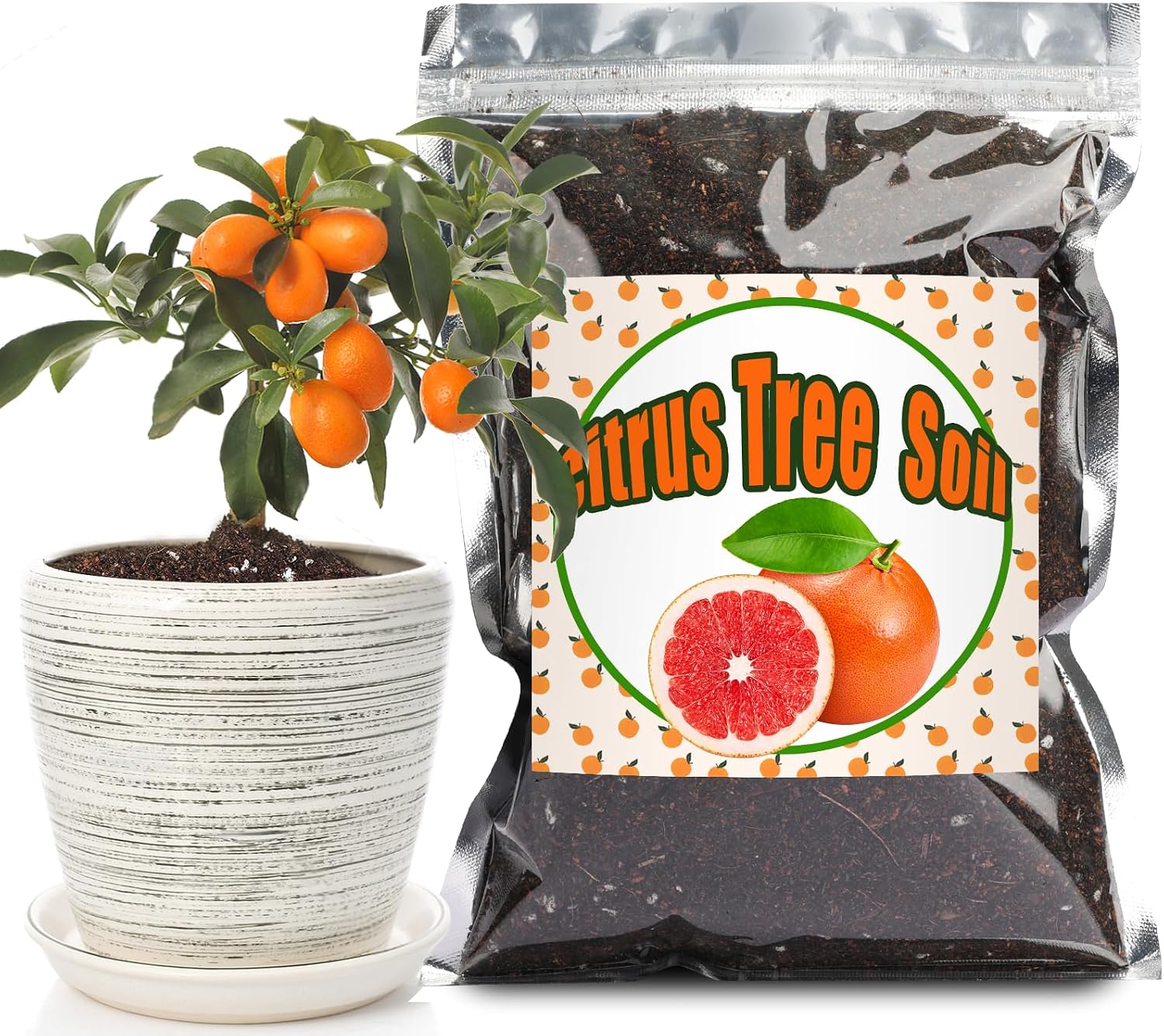
This Doter citrus potting soil is a small, 1-quart ready-to-use mix designed for potted lemon, lime, orange and other citrus trees. It combines organic and mineral components to provide balanced nutrients while keeping the mix airy and well drained, which helps avoid root rot in containers. The product claims an ideal pH of about 6.0 to 7.1, so it should suit citrus nutrient uptake without extra amendments for most container setups. Use it to top-dress small pots, refresh rootball soil when repotting young trees, or blend with larger volumes of general potting mix for improved drainage. The main benefit is convenience: a citrus-specific formulation that removes guesswork for casual growers. The obvious limitation is the small 1-quart volume, which means you will need multiple bags for larger pots or several trees and may want to mix with bulk soil to fill big containers economically.
Best for: Home gardeners who want an easy, citrus-specific potting mix for small containers or to top-dress and refresh rootballs without mixing their own amendments.
Less Ideal for: Growers who need large quantities for big containers or multiple trees should seek bulk or higher-volume mixes tailored for wholesale use.
- Formulated pH range suited to citrus (around 6.0–7.1) to support nutrient uptake
- Enhanced drainage to reduce risk of waterlogged roots in containers
- Nutrient-enriched blend useful for promoting growth and fruiting in potted citrus
- Ready-to-use bag makes repotting or top-dressing quick and simple
- Only 1 quart per package so not cost-effective for filling medium or large pots
- No detailed ingredient proportions or guaranteed analysis provided
Verdict: A convenient, citrus-tailored ready-to-use mix ideal for refreshing or amending small potted citrus trees.
Miracle-Gro Potting Mix, 16 qt. (2-Pack)

| Feeds up to | 6 months |
|---|---|
| Volume per bag | 16 quarts |
| Number of packs | 2 |
| Intended use | Outdoor containers |
| Ingredients | Sphagnum peat, perlite, compost, fertilizer |
Miracle-Gro Potting Mix is a loose, fast-draining container soil designed for outdoor pots, planters, and hanging baskets. You use it straight from the bag to fill containers about one third before setting the plant and topping off, and the built-in fertilizer feeds plants for up to six months. The mix contains sphagnum peat, perlite, compost, and fertilizer, so it holds enough moisture for consistent watering while allowing roots to breathe and avoiding waterlogging when used with pots that drain. For potted trees this mix supplies easy-start nutrition and good structure for root establishment, though larger trees will need more volume and periodic repotting to prevent compaction. The two 16-quart bags each claim to fill a 12-inch container, which makes this convenient for small patio trees in medium pots. Keep in mind the product is formulated for containers rather than in-ground beds and will eventually need replacement or supplementing for long-term container-grown trees.
Best for: Best for gardeners outfitting small to medium outdoor containers who want a convenient, pre-fertilized potting mix backed by many users' experience.
Less Ideal for: Not a good choice for planting large specimen trees in oversized containers or for amending in-ground garden beds; bulk soil or specialized tree mixes are better there.
- Formulated for containers with a fast-draining blend that helps prevent root rot.
- Includes fertilizer that feeds plants up to six months, reducing early feeding chores.
- Loose texture with perlite and compost promotes root aeration and establishment.
- Two 16 qt. bags provide enough soil for several small to medium pots, handy for multiple containers.
- Not intended as in-ground garden soil so it is not suitable for planting directly into beds.
- Limited volume per bag means larger potted trees will require many bags or a different bulk product.
Verdict: A convenient, pre-fertilized container potting mix that makes filling small and medium outdoor pots quick and reliable for several months of growth.
Back to the Roots Organic Indoor Potting Mix, 6 Quart

| Volume | 6 quarts |
|---|---|
| Ingredients | Coconut Coir, Yucca, Mycorrhizae, Perlite, Horticultural Sand |
| Peat-free | Yes |
| Made in | USA |
This 6-quart Back to the Roots potting mix is designed for indoor houseplants and emphasizes organic, peat-free ingredients. It combines coconut coir, yucca extract, mycorrhizae and horticultural sand to hold moisture, support root establishment and improve nutrient uptake. In practice it works well when repotting pothos, monsteras or ferns into containers where consistent moisture with good drainage matters. The inclusion of dolomitic limestone helps buffer pH while the absence of bark and compost reduces attraction for fungus gnats in indoor settings. For someone caring for container-grown trees or larger potted specimens you will likely want to mix this with coarser components like chunky bark or perlite to improve aeration for big root balls, but as a base indoor mix it provides a reliable, low-mess medium that supports healthy roots. The 6-quart bag is convenient for small to medium pots but may require multiple bags for larger potted trees.
Best for: Buyers who prioritize a low-risk, organic indoor potting mix for houseplants and want an easy-to-use base soil that reduces gnats and supports steady root growth.
Less Ideal for: Gardeners planting large potted trees or heavy feeders who need a custom high-aeration or high-nutrient substrate without mixing in other amendments.
- Peat-free organic formula suitable for indoor use
- Yucca extract aids moisture retention so plants stay hydrated longer
- Includes mycorrhizae to support root development and nutrient uptake
- Dolomitic limestone helps balance soil pH and nutrient availability
- Small 6-quart volume means multiple bags are needed for large pots or potted trees
- Not formulated specifically for large container trees so additional coarse amendments may be required
Verdict: A dependable, peat-free indoor potting mix that boosts root health and moisture retention, making it a safe go-to base soil for indoor container plants.
Choosing the Right Soil for Potted Trees: Key Factors to Consider
Drainage and Aeration
Good drainage keeps excess water moving away from roots while aeration supplies oxygen to fine root tissues. In containers, roots sit closer to the pot walls and there is less natural soil structure, so mixes need coarse components such as pine bark fines, pine chips, or coarse sand to create air spaces.
A mix that drains well but still retains some moisture is ideal. Too fast-draining blends can leave roots too dry between waterings, while overly dense mixes hold water and invite fungal problems. Check how quickly water flows through a sample when you repot and look for a crumbly texture that resists packing tightly.
Water-Holding Balance
Container soils must hold enough moisture to support the tree between watering events while releasing excess quickly. Components like sphagnum peat, coir fiber, and well-decomposed compost increase water-holding capacity, but they should be balanced with pore-creating materials.
Think about your routine and climate. If you cannot water daily or you live in hot, dry conditions, choose a mix with slightly higher water-holding capacity. For cooler, humid climates or for species that hate wet feet, favor faster-draining blends. The right balance reduces stress on roots and smooths out moisture swings.
Nutrient Retention and Starter Fertility
Soil in a pot loses nutrients faster than in the ground because leaching during watering and limited volume reduce buffering capacity. A good container mix contains enough organic matter or slow-release sources to feed a tree over weeks to months, or it should be easy to fertilize regularly without burning roots.
Evaluate whether the mix lists compost, controlled-release fertilizers, or natural amendments. For long-term containers, mixes that retain nutrients reduce the frequency of feedings and support steady growth. For young trees, a light starter nutrient level is helpful, but avoid mixes with excessively high soluble fertilizer that can damage roots.
Particle Stability and Resistance to Compaction
Over time, fine particles break down and a previously airy mix can compact, reducing oxygen availability and slowing drainage. Stability depends on the original particle sizes and materials. Coarse ingredients like bark, pumice, or expanded clay hold structure longer than fine sands or highly decomposed compost.
Choose a mix that maintains porosity for multiple seasons if you do not plan to repot annually. Signs of instability include surface crusting, slow drainage, and water pooling. Stable particles also make repotting easier since roots are less likely to be tightly bound to collapsed soil.
pH and Species Compatibility
Different tree species prefer different pH ranges, and container mixes can shift pH over time as organic components decompose. Know your tree's pH preference and choose or adjust a mix accordingly. For example, acid-loving trees do better in mixes with peat or acidifying amendments, while many fruit and shade trees prefer neutral to slightly acidic conditions.
Check product ingredient lists or test the mix after watering cycles and amend with lime or sulfur if needed. Matching pH reduces nutrient lockup and supports steady nutrient uptake in containers.
Weight, Handling, and Container Size
Soil weight affects placement and handling, especially for large ceramic pots or balcony gardens. Heavy mixes with high clay or stone content can be stable but difficult to move. Lightweight mixes with lots of organic matter or pumice are easier to lift but can dry faster.
Consider the container size and location. For very large pots, slightly heavier, stable mixes can anchor the tree, while for small or elevated planters prioritize lighter mixes with good moisture retention. Also think about how easy the mix is to work with when filling and repotting.
How Container Size Changes Soil Needs
Container volume governs how much water and nutrients are available between watering and feeding. Small pots heat and dry quickly and usually require mixes with more moisture-holding capacity. Large containers buffer humidity and temperature swings but still need good internal drainage to prevent saturated layers near the drainage hole.
When moving from a nursery pot to a larger container, keep root-bound trees from being planted too deep. Use mixes that maintain a balance of particle sizes so roots can explore the medium without encountering compacted zones.
- Small pots: favor higher water-holding components.
- Large pots: focus on drainage and particle stability.
- All sizes: ensure a free flow to the drainage hole to avoid perched water.
Amending Existing Potting Soil
You can refresh tired container soil without a full repot by top-dressing or partially replacing the mix. Blend in coarse materials like bark or pumice to restore porosity, and add slow-release organic amendments to rebuild nutrient reserves.
Pull back surface mulch, remove the top few inches of degraded mix, and work in fresh mix and amendments around the root ball. For heavily compacted soil, a partial root pruning and larger proportion of fresh stable mix will revive aeration.
- Top-dress with compost or controlled-release granules for nutrients.
- Add pumice or bark to improve porosity and reduce compaction.
- Avoid simply layering fresh soil on top without mixing; roots may not access the new material.
Watering Techniques That Match Container Soils
Match your watering to the mix you use. Fast-draining mixes benefit from slower, deeper watering to saturate the root zone. High water-holding mixes may need shorter, more frequent sessions to avoid waterlogging.
Use the finger test or a moisture meter to judge dryness several inches below the surface. Water until some runs from the drainage hole, then allow partial drying in the active root zone before the next cycle.
- Slow, thorough watering for chunky, porous mixes.
- Shorter intervals for high organic-content mixes in hot weather.
- Check drainage hole output to confirm water movement through the pot.
Seasonal Care and Repotting Rhythm
Container soil performance changes with seasons. In winter, slower microbial activity reduces nutrient release and water uptake. In summer, higher temperatures accelerate decomposition and drying. Plan repotting or refresh cycles based on visible decline in drainage or tree vigor rather than a fixed calendar.
Most potted trees benefit from a partial soil refresh every one to three years depending on species, pot size, and mix stability. When repotting, assess root health and consider increasing the proportion of stable aggregates if compaction is evident.
- Inspect roots and drainage yearly for signs of compaction.
- Refresh or repot when growth slows or soil shows crusting.
- Adjust mix choice seasonally if watering ability or climate changes.
Adjusting Soil for Fruit Trees and Acid-Loving Species
Fruit trees and acid-loving species have specific nutrient and pH demands. For fruiting trees, ensure the mix has good nutrient retention, especially for potassium and phosphorus, and consider blends that allow regular fertilization without salt buildup. Acid-loving trees prefer mixes with acidic organic matter to maintain the right root environment.
Test pH periodically and apply amendments slowly. Using a neutral, well-structured base mix and tailoring pH with amendments is often safer than starting with an extreme formulation that can drift unpredictably as organic matter decomposes.
- Fruit trees: prioritize nutrient retention and easy feeding.
- Acid lovers: include acidifying organic components and monitor pH.
- Avoid drastic, one-time pH shifts; amend gradually and test between changes.
How We Chose the Best Soil for Potted Trees
We limited the shortlist to mixes formulated or widely used specifically for container-grown trees and large shrubs. Our editorial filters emphasized real-garden performance rather than marketing claims. We excluded lightweight decorative topsoils meant only for surface dressing and mixes that lack clear ingredient lists. Key evaluation criteria included drainage and aeration to prevent root rot; water-holding capacity and moisture management to reduce how often you must water; nutrient retention and starter fertility so young and established trees get steady feed; particle stability and compaction resistance so the mix does not turn into a brick over a season; and organic matter content and longevity to indicate whether the soil will need frequent replacement or amendment. We also considered how easy each mix is to rehydrate and how it behaves in different container sizes and climates. These dimensions reflect what gardeners face when potting or repotting trees: root health, watering frequency, longevity in containers, and predictable handling during planting. Any mix that failed to show balanced performance across these areas was not included.
FAQ
How often should I replace potting soil for a potted tree?
It depends on mix stability and tree growth. Many containers benefit from a partial refresh every 1 to 3 years. Replace sooner if the soil compacts, drains slowly, or the tree shows reduced vigour.
Can I use garden soil for potted trees?
Garden soil tends to compact in containers and may retain too much water. It is usually better to use a purpose-made container mix or amend garden soil heavily with coarse materials to improve drainage and aeration.
Should I add fertilizer to new potting soil?
Many mixes include starter nutrients, but you may still need routine feeding. Use slow-release or diluted liquid fertilizers according to the tree species and container size, and avoid high rates that can burn roots.
What is the best way to check moisture in a potting mix?
Use the finger test to feel several inches below the surface or a moisture meter for more accuracy. Check that the active root zone is moist but not saturated, and observe drainage hole output after watering.
How does compost affect container soil?
Compost increases nutrient content and water-holding capacity but can break down and compact over time. Use well-aged compost in moderation and balance it with coarse ingredients to maintain porosity.
Is peat or coir better for potted trees?
Peat holds moisture and acidifies slightly but is less sustainable. Coir is more sustainable and holds water well while maintaining lighter texture. Both should be balanced with coarse components to ensure drainage.
Final Verdict
Choosing soil for potted trees is a balancing act between drainage, moisture retention, nutrient availability, and long-term stability. Prioritize mixes that match your container size, climate, and the species' pH and feeding needs. Expect to refresh or amend container soil periodically rather than rely on a single permanent mix. Focus on the tradeoffs described earlier and pick the mix whose strengths match how you water, where you place the pot, and how often you want to repot. That approach will keep roots healthy and make potted-tree care more predictable.
