

Note: This article contains affiliate links. If you click on these links and make a purchase, I may earn a small commission at no extra cost to you. This helps support my research and content. Read my full affiliate disclosure here.
Good garden edging for mulch makes beds look finished and keeps mulch where it belongs through weather and mowing. The right edging reduces maintenance, prevents mulch washout, and creates a clean barrier between lawn and planting areas. This guide covers six shortlisted options suited to mulch beds and shows how they perform for durability, installation effort, and long-term containment. You will get practical notes on installation styles, material behavior in garden conditions, and maintenance expectations to help you pick the best edging for your planting situation.
Top Picks at a Glance
| Best Overall The best all-around choice for most situations | WORTH Corten Steel Landscape Edging 10-Pack (33 ft), 4.5" H |  |
| Best Quality Built to a higher standard if you want something more solid | WORTH 14-Gauge Corten Steel Landscape Edging, 20 ft (6-Pack, 8 in. Height) |  |
| Best Value The sweet spot between price and what you get | Bonviee 100 ft Landscape Edging Kit with 150 Stainless Steel Stakes |  |
| Best Budget The cheapest option that still gets the job done reliably | LXVOOEE 4-inch Tall 20 ft Plastic Landscape Edging with 30 Metal Spikes |  |
| Highest Rated A top-rated pick with lots of positive feedback | AUDEMAR Metal Modular Lawn Edging, 30-Pack (9 ft total) |  |
| Best Seller A high-volume bestseller chosen again and again | STIRLINGEAR 33 ft Powder-Coated Galvanized Steel Landscape Edging (10-Pack) |  |
WORTH Corten Steel Landscape Edging 10-Pack (33 ft), 4.5" H
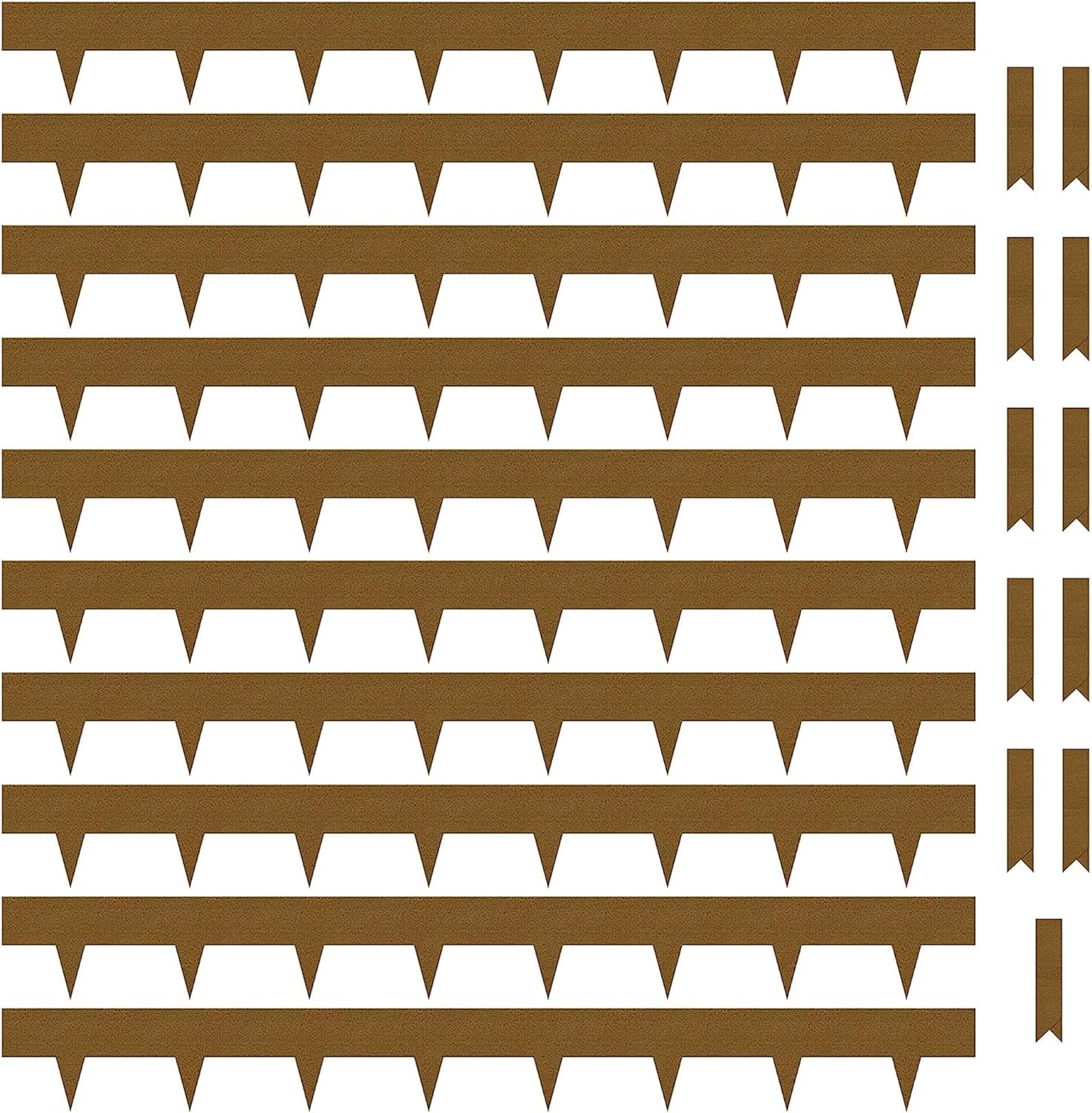
| Material Type | Corten Steel |
|---|---|
| Unit Count | 12.37 Square Feet |
| Number of Items | 10 |
| Item Highlight | Pre-Rust Patina with 11 Clips |
This WORTH corten steel edging kit supplies ten 40-inch strips that combine to about 33 feet of garden border and comes with clips and gloves for installation. The pre-rust patina provides a finished, rustic look while the corten steel weathers into a protective layer, so the edging looks intentional rather than newly installed. Each strip is flexible enough to form straight runs, gentle curves, or circular beds, and the saw-tooth spikes are long enough to hammer into soil for a secure hold without digging. Typical uses are defining flower beds, creating tree rings, or edging pathways to keep grass from overrunning planted areas and to retain mulch. The included metal clips help keep sections aligned for a neater line. Be aware that the product needs a mallet or hammer to install and cutting or shaping to custom lengths requires tools and safe handling of sharp edges. Also the visible rustic finish may stain light surfaces during placement and the steel offers no built-in soft edging for barefoot areas.
Best for: Buyers who want a durable, low-visual-maintenance edging solution that holds up in the landscape and can be shaped on-site for performance and clean bed definition.
Less Ideal for: People seeking a soft, barefoot-friendly border or a no-tool, temporary edging option should consider alternatives such as plastic or rubber edging; this is not suited to users unwilling to handle metal cutting or hammer installation.
- Durable corten steel with pre-rusted patina for a natural, long-lasting finish
- Flexible strips allow easy shaping into straight lines, curves, or circles
- Saw-tooth spikes enable hammer-in installation without trenching
- Kit includes 11 metal clips and gloves for cleaner, faster assembly
- Provides a clean physical barrier to keep grass out of beds and retain mulch
- Requires hammering and cutting tools for installation and customization
- Edges and spikes are sharp and require gloves and care during handling
Verdict: A tough, pre-rusted corten steel kit that gives a long-lasting, professional-looking bed edge for gardeners who prioritize durable performance and clean lines.
WORTH 14-Gauge Corten Steel Landscape Edging, 20 ft (6-Pack, 8 in. Height)

| Material Type | Corten Steel |
|---|---|
| Product Style | 8" Height |
| Number of Items | 6 |
| Unit Count | 6 Count |
This Worth 14-gauge Corten steel edging is a heavy-duty, hammer-in border sold as six 40-inch panels that create about 20 feet of continuous edge when joined. It is pre-rusted so you get the weathered patina immediately and the steel will continue to develop a protective rust coating over time, reducing the need for paint. Installation is straightforward for performance-minded users: the panels are bendable for curves, include saw-tooth bottoms for ground penetration, and the kit supplies clamps and gloves for a firmer connection and safer handling. In use it holds mulch and soil back from lawns and gives a crisp separation line that resists mower intrusion. Expect long-term durability from the weathering-steel construction, but be prepared to hammer the pieces in and occasionally reposition them if you reconfigure beds. Also the visible rust finish will change color over time and may stain nearby light surfaces while the patina develops.
Best for: Gardeners who prioritize durable, low-maintenance edging that creates a strong, long-lived barrier for mulch and turf and who are willing to do manual installation for a professional-looking edge.
Less Ideal for: Buyers seeking a paintable or non-rusting decorative edge or those who want a no-tools, removable plastic solution for seasonal beds.
- Pre-rusted Corten steel provides an immediate rustic patina and forms a long-lasting protective coating
- Hammer-in, saw-tooth profile and included clamps give secure installation and continuous edging
- Bendable panels allow shaping around curves and bed outlines without special tools
- Kit includes gloves and multiple clamps so you can install a finished length of about 20 feet
- Requires physical hammering to install and occasional repositioning if beds are changed
- Rust patina can transfer or change appearance over time and may not suit buyers wanting a uniform color
Verdict: Choose this heavy-duty Corten steel edging if you want a durable, pre-rusted border that reliably keeps mulch and lawn separated for years with a weathered look.
Bonviee 100 ft Landscape Edging Kit with 150 Stainless Steel Stakes

| Length | 100FT KIT (2×50FT) |
|---|---|
| Material | UV-resistant HDPE |
| Anchors | 150 stainless steel stakes |
| Installation | No-dig, pre-drilled holes |
This Bonviee landscaping kit provides a simple no-dig solution for defining mulch beds and keeping grass from encroaching. The kit includes two 50 ft rolls of UV-resistant HDPE edging that bend around curves and tree rings, plus 150 rust-resistant stainless steel stakes to anchor the edging more securely than plastic pegs. You install by positioning the edging, fastening through pre-drilled holes with the stakes, and trimming the plastic to fit corners or short runs. The flexible material makes it easy to follow irregular beds and pathways, and the two-roll format is easier to handle and store than a single long roll. Because it is low-profile and made for surface installation, it keeps mulch contained and creates a cleaner edge without trenching or heavy tools. Limitations are that it is plastic so it can be pushed by heavy soil or equipment over time and it does not create a deep root barrier the way metal or buried concrete edging does. Expect occasional repositioning in high-traffic areas or where heavy sod growth occurs.
Best for: For gardeners who want a low-effort way to tidy mulch beds and define lawn borders without digging, and who prioritize easy handling and simple installation.
Less Ideal for: Not a good fit for landscapers needing a long-lasting, rigid barrier for heavy equipment areas or for applications that require a buried root/invasion barrier.
- Two 50 ft rolls are easier to carry, position, and store than a single 100 ft roll
- UV-resistant HDPE bends around curves and tree rings without cracking
- 150 stainless steel stakes provide stronger, rust-resistant anchoring than plastic pegs
- Pre-drilled holes allow no-dig installation and quick placement
- Surface-mounted plastic edging can shift over time in high-traffic or heavy-soil situations
- Does not provide a deep buried root barrier like metal or concrete edging
Verdict: A practical, no-dig edging kit that makes creating neat mulch borders quick and easy while minimizing handling and installation effort.
LXVOOEE 4-inch Tall 20 ft Plastic Landscape Edging with 30 Metal Spikes

| Material Type | PE Plastic |
|---|---|
| Tall | 4 Inch |
| Length | 20FT |
| Metal Spikes | 30Pcs |
This LXVOOEE edging kit is a straightforward, budget-friendly option for defining mulch beds and keeping bark or compost contained. The roll of 20 feet of 4-inch-tall HDPE plastic bends to follow curves, can be cut to length, and is anchored with the included 8-gauge galvanized steel spikes for a firmer hold than thin staples. Installation requires no digging or special tools: unroll, shape along the bed, and press the spikes through at intervals to secure the edging. The plastic material resists moisture and will not rust, and the extra-thickness helps the border stay upright along straight runs. Expect the product to work best where the soil is soft enough for the spikes; very compacted ground or rocky sites may need pre-drilling or heavier anchors. The edging is practical for separating mulch from lawn and for creating tidy flower-bed lines, but it is not an invisible or decorative solution if you want a natural stone or wrought-iron look.
Best for: Home gardeners who need an affordable, functional way to keep mulch contained and define beds without hiring help or using power tools.
Less Ideal for: People wanting a decorative, high-end edge material or those installing edging in rocky, compacted ground where heavier anchoring is required.
- Includes 20 ft of 4-inch-tall HDPE edging that is easy to bend for curves
- Comes with 30 galvanized 8-gauge metal spikes for stronger anchoring
- Tool-free installation—can be cut to length and pressed into place
- Plastic construction resists moisture and will not corrode
- May struggle to hold in very compacted or rocky soil without pre-drilling
- Appearance is utilitarian and not decorative for high-end landscapes
Verdict: A practical, low-cost edging kit that keeps mulch tidy and installs quickly for budget-focused garden projects.
AUDEMAR Metal Modular Lawn Edging, 30-Pack (9 ft total)

| Number of Packs | 30 |
|---|---|
| Number of Items | 30 |
| Unit Count | 30 Count |
| Material Type | Alloy Steel |
This AUDEMAR modular metal edging is a steel panel system sold as 30 pieces that link together to form about 9 meters of continuous border. It is designed for DIY installation with simple stake attachments so you can lay out straight or curved lines without digging. The alloy steel construction and anti-UV finish make it more durable than plastic or wood edging and resistant to common impacts from trimmers and light mower contact. Because the panels lock together, the line stays stable and looks intentional around flower beds, paths, and patio edges. Installation is straightforward with a hammer and the included stakes, and individual panels are easy to remove or reconfigure if you change the layout later. Limitations are that the panels are a shallow height, so they work best as visual borders rather than containing heavy mulch or preventing root intrusion, and metal will show scratches or surface wear over time in high-traffic areas.
Best for: Gardeners who prioritize a long-lasting, low-maintenance border that stays stable once installed and who want a product they can fit and reconfigure themselves without professional help.
Less Ideal for: People needing deep containment for heavy mulch, high soil retention, or a completely maintenance-free invisible barrier should consider taller or different materials.
- Alloy steel construction and anti-UV finish for long-term durability compared with plastic edging
- Modular interlocking panels allow flexible straight or curved layouts
- Includes stakes for tool-only installation without digging
- Low-maintenance surface resists rot and basic mower or trimmer contact
- Shallow panel height limits its usefulness for holding deep mulch or heavy soil containment
- Metal surface can scratch or show wear in very high-traffic or abrasive conditions
Verdict: Choose this modular steel edging when you want a dependable, reconfigurable border that outlasts plastic and gives a neat professional look to beds and paths.
STIRLINGEAR 33 ft Powder-Coated Galvanized Steel Landscape Edging (10-Pack)

| Total length | 33 ft (10-pack) |
|---|---|
| Material Type | Powder-Coated Galvanized Steel |
| Stake count | 11 stakes included |
| Finish | Black powder coat |
This 10-pack landscape edging kit provides a durable, low-profile solution for defining flower beds, paths, and lawn borders. Each 40-inch panel is made from powder-coated galvanized steel and installs with hammer-in stakes, so you can create a neat edge quickly without excavating long trenches. The kit includes 11 stakes for anchoring and a black finish that blends into planting beds. In practice the metal is stiff enough to hold a clean line against turf and light soil movement yet flexible enough to be cut and eased around gentle curves. The powder coating and galvanization help resist rust in typical garden conditions, making this a good long-term option for a risk-averse gardener who wants minimal maintenance. Keep in mind the panels are low profile, so they do not provide a tall barrier against creeping roots or heavy mulch; very thick turf or aggressive runners may still cross the line. Installation requires a hammer and occasional trimming at corners, but no special tools are needed.
Best for: Home gardeners who want a low-maintenance, long-lasting edging solution that installs quickly and keeps flower beds tidy with minimal ongoing fuss.
Less Ideal for: Gardeners needing a high barrier against invasive roots or a tall edging for steep grade changes should consider taller or buried edging systems instead.
- Durable galvanized steel with powder coating for rust resistance
- Hammer-in stake design enables fast installation without deep digging
- Low-profile panels create a neat, professional-looking border
- Flexible enough to cut and shape around gentle curves
- Includes stakes so kit is ready to anchor after layout
- Low profile does not block aggressive runners or heavy mulch movement
- May require trimming and shaping for tight corners or complex curves
Verdict: A fuss-free, rust-resistant steel edging kit that gives risk-averse gardeners a quick, durable way to create clean flower-bed borders.
Choosing the Right Garden Edging for Mulch: Key Factors to Consider
Mulch Retention and Barrier Height
The primary job of mulch edging is to keep mulch inside planting beds and prevent it from spilling into lawn or paths. Edging must provide a continuous physical barrier that matches the depth and type of mulch you use. Heavier bark or wood chip mulch sits differently than fine shredded mulch, so higher or stiffer edges help with deeper or looser materials.
Barrier height also matters for mowing and weed control. An edging that sits low or has gaps will allow mulch to escape during routine lawn maintenance. Consider how aggressively you mow and the typical slope of your beds when judging required height.
Material and Weather Resistance
Different materials weather in different ways and demand different lifespans. Metal edging can be very durable but may corrode over time in wet soils unless coated. Plastic options resist rot but can become brittle in extreme sun and cold. Natural materials like stone or treated wood provide a sturdy look but need specific siting and sometimes foundation work to avoid settling.
Think about your local climate, exposure to sun, and whether winter freeze-thaw cycles are common. Materials that flex slightly tend to resist impact from lawn equipment, while rigid options can crack or shift if ground movement is frequent.
Ease of Installation and Required Tools
Installation complexity ranges from simple stake-and-click systems to trench-and-set masonry. Some edging installs by pressing or snapping pieces into the soil and is achievable with basic hand tools and a mallet. Other systems require digging a shallow trench, leveling a base, or anchoring with spikes or concrete for permanent stability.
Estimate how much time you can commit and whether you have helpers or tools like a tamper or masonry tools. Also consider whether you want a DIY-friendly removable edge for seasonal changes or a permanent fixture that demands more upfront work but less ongoing adjustment.
Flexibility and Shape Adaptability
Beds are rarely perfectly straight, so the ability of edging to bend around curves is often critical. Some metal and plastic edgings are designed to flex into smooth curves while still holding a firm line, whereas rigid stone or concrete pieces require careful planning and a mortared joint for curves.
For irregular beds or meandering paths, choose an edging material and profile that matches the intended geometry. Flexible edges shorten installation time for curves and reduce the need for cutting pieces to shape.
Maintenance Needs and Longevity
All edging requires some upkeep, but the level varies. Natural wood may need periodic sealing or replacement of rotted sections. Metal may need rust checks and occasional repainting of exposed surfaces. Plastic tends to be low maintenance but may shift over time and require re-anchoring.
Consider the long-term maintenance you are willing to perform. A low-maintenance edge that costs more up front may still be preferable if it spares recurring repair time and keeps mulch containment consistent year after year.
Visual Impact and Plant Access
Edging is both functional and aesthetic. Height, color, and profile affect how the mulch bed reads against lawn and plants. A high, sharp edge gives a crisp, formal look but can be harder to use for planting or tool access. Low, rounded edges are gentler for hand access and can support a more informal style.
Also think about how edging interacts with plant spread and trunk flare. Some edges can be buried slightly to hide profiles, while others stand proud and require plant placement that avoids conflict with shallow roots or low foliage.
Installation Tips for Long-Lasting Mulch Edges
Prepare the planting bed line carefully before installing edging. Mark the layout with string or a hose to visualize curves and intersections. For trench-style installations, dig a consistent depth so the edging sits evenly and does not rock.
- Compact the bottom of shallow trenches to prevent settling.
- Overlap or tightly butt pieces to avoid gaps where mulch can escape.
- Use spikes or anchors rated for your chosen material and check they are driven flush to avoid mower damage.
How Different Mulch Types Affect Edge Choice
Chunky bark, shredded wood, cocoa hulls, and fine compost each behave differently at the bed edge. Coarse, heavy mulches resist erosion better but can wedge and push lighter edging outward, while fine mulches may wash through larger gaps in flexible edging.
Match your edging profile to typical mulch depth and particle size so the barrier holds material reliably without requiring constant touch-ups.
- Heavier edgings for coarse, deep mulch.
- Tighter joins or solid faces for fine mulch to prevent leakage.
- Consider a narrow trench or soil berm underneath edging to act as a secondary barrier.
Managing Slopes and Drainage at Bed Borders
On sloped sites, edging must work with water movement rather than against it. A continuous edge that traps water can cause pooling and mulch displacement. Instead, plan gentle breaks or integrate drainage channels where needed.
Anchor edging securely at transitions and consider using permeable bases or stone at low points to prevent erosion that undermines the edge.
- Slope the top of the edge slightly to shed water away from the bed.
- Install stakes more frequently on steep runs to reduce shifting.
- Reinforce toe-ins at the base where washout is likely.
Seasonal Care and Winter Considerations
Freeze-thaw cycles and snow removal can stress edging. If you use a snow blower or shovel along beds, choose an edge profile and material that tolerates contact without chipping or bending.
Before winter, check that edging is seated and anchored so thawing and refreezing does not create gaps that allow mulch to spill.
- Remove heavy snow build-up adjacent to edging rather than piling it against the border.
- Inspect and straighten flexible edging in spring after ground settles.
Creative Finish Options to Blend Function and Style
Edging does not have to be purely utilitarian. Burying a portion of the edge or pairing edging with a narrow strip of low groundcover can soften transitions and hide profiles. Stone or paver caps give a finished look while providing extra containment, and short planting strips between lawn and edge can trap errant mulch.
Choose a finish that complements existing landscape materials so the edge feels integrated and purposeful without compromising containment.
- Use low-growing sedum or thyme at the edge for a soft border.
- Install a narrow gravel moat on the outside to catch errant mulch and improve drainage.
How We Chose the Best Garden Edging for Mulch
We focused on real-world gardener needs for mulch containment and bed definition. Selection favored edging types and constructions that reliably hold both loose and shredded mulch in place while withstanding foot traffic, lawn equipment contact, and seasonal wetting and drying. Key evaluation criteria included material durability in outdoor conditions, how well edges retain mulch and soil, the complexity and time required for installation, and ongoing maintenance demands. We excluded options designed primarily for decorative or indoor use that do not resist contact with mowers or heavy mulch. We also left out temporary or purely ornamental borders that will not provide a continuous barrier. The shortlist prioritizes edging that balances long service life with installation methods accessible to typical homeowners and gardeners. Final choices reflect common garden layouts, typical mulch depths, and a range of installation skills so readers can match an edging type to their yard and time investment.
FAQ
Will garden edging stop mulch from washing away on slopes?
It can help, but effectiveness depends on edge height, anchoring, and slope severity. On steeper grades combine edging with soil shaping, terracing, or drainage channels to reduce washout.
How deep should I install edging for mulch beds?
Depth depends on material. Many edging systems sit in a shallow trench of a few inches to prevent rocking. Rigid stone or masonry may require a deeper base to avoid settling. The goal is stable contact with the soil to stop movement.
Can I install edging myself or is professional help needed?
Most edging types are DIY-friendly with common garden tools. More permanent installations like mortared stone or concrete curbs may need masonry skills or help. Choose a system that matches your comfort with digging and leveling.
Does edging prevent grass from growing into mulch beds?
Edging reduces creeping grass and mower encroachment but does not eliminate underground runners. For persistent invasives, combine edging with root barriers or periodic manual removal.
How do I maintain edging so it lasts longer?
Inspect anchors and joints yearly, re-seat any loose sections, and remove soil or mulch build-up on the outside that can lever the edge outward. Treat or clean materials as appropriate for wood, metal, or plastic to extend life.
Final Verdict
Focus on the containment, installation effort, and durability that match your garden conditions. If you need minimal maintenance and frequent mower access, choose an edging that is low-profile but tightly anchored. For long runs or heavy mulch, favor sturdier materials and more secure anchoring even if installation takes longer. Balance how much time you will spend installing and maintaining the edge against the desired look and how aggressively you mow or manage beds. Prioritize continuous barriers and proper anchoring for reliable mulch retention and easier long-term bed care.
