

Note: This article contains affiliate links. If you click on these links and make a purchase, I may earn a small commission at no extra cost to you. This helps support my research and content. Read my full affiliate disclosure here.
If you propagate houseplants or garden cuttings in water, the right fertilizer changes how quickly and reliably roots form. Water propagation demands low-salt, well-balanced nutrients because concentrated salts or inappropriate ratios can stunt root growth or scorch delicate new leaves. This guide covers seven vetted options suited for water-based rooting, with attention to nutrient profile, dilution control, and water safety. We evaluated shortlisted fertilizers across root stimulation, salt levels, dilution flexibility, and compatibility with common cuttings. Read on for the decision factors gardeners should weigh before choosing a water-propagation fertilizer and for practical tips on using these products safely in jars and setups.
Top Picks at a Glance
| Best Overall The best all-around choice for most situations | Grow Queen Liquid Sea Kelp Fertilizer (Ecklonia maxima), 8 oz |  |
| Best Quality Built to a higher standard if you want something more solid | Clonex Rooting Gel High-Performance Rooting Compound, 100 ml |  |
| Best Value The sweet spot between price and what you get | Purived All-Purpose Liquid Houseplant Fertilizer, 16 fl oz (Makes 50 Gallons) |  |
| Best Budget The cheapest option that still gets the job done reliably | Miracle-Gro Plant Care Root Starter Gel, 4 Packets |  |
| Highest Rated A top-rated pick with lots of positive feedback | Herrdemia 3-in-1 Rooting Powder (IBA + NAA + Mycorrhizae) |  |
| Most Popular A crowd favorite that many people choose with confidence | Southside Plants Root Drops Liquid Rooting Hormone (4 oz) |  |
| Best Seller A high-volume bestseller chosen again and again | TPS Nutrients Liquid Plant Food for AeroGarden and Hydroponics, 8 oz | 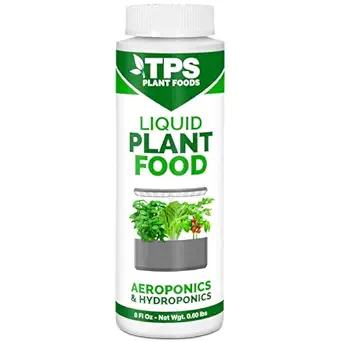 |
Grow Queen Liquid Sea Kelp Fertilizer (Ecklonia maxima), 8 oz

| Item Form | Liquid |
|---|---|
| Specific Uses For Product | Water Propagation |
| Application Method | Water, Foliar Spray |
| Liquid Volume | 8 fluid ounces |
| Mixing Ratio | 1 tablespoon per gallon |
Grow Queen Liquid Sea Kelp is a cold-extracted Ecklonia maxima concentrate intended as gentle food for cuttings and a light, all-purpose feed for houseplants and garden seedlings. It is typically used by adding a capful (about 1 tablespoon per gallon) to your watering can, applying as a soil drench, spraying leaves, or dropping a few drops into propagation jars to keep cuttings nourished while they root. Notable features include a low-odor, clear concentrate that mixes instantly, a formula tested for heavy metals, and a reported N-P-K profile of 0-0-1 derived from kelp and potassium hydroxide. In practice the product is convenient for a propagation shelf because a few drops per jar will not cloud water and the bottle treats many gallons, so a small container lasts a long time. The fertilizer is mild rather than a high-nitrogen grow feed, so it supports root development and general vigor without forcing rapid leafy growth. It is best paired with a complete fertilizer when plants need stronger, balanced nutrients for long-term growth.
Best for: Plant owners who prioritize gentle, natural support for cuttings and a propagation-focused routine and who want an easy-to-dose product that fits into regular watering and spray schedules.
Less Ideal for: Growers who need a high-nitrogen or complete feed for rapid vegetative growth or for plants with heavy nutrient demands should choose a balanced fertilizer instead.
- Cold-extracted Ecklonia maxima kelp provides naturally occurring amino acids and polyphenols
- Clear, low-odor concentrate that mixes instantly and won’t cloud propagation jars
- Versatile application as propagation drops, soil drench, or foliar spray
- Concentrated formula treats many gallons so a small bottle lasts through multiple propagation cycles
- Very low N-P-K (0-0-1) so it does not replace a balanced fertilizer for heavy feeding needs
Verdict: A concentrated, low-odor kelp extract that is ideal for nourishing cuttings and supporting gentle root development during water propagation.
Clonex Rooting Gel High-Performance Rooting Compound, 100 ml

| Item Form | Gel |
|---|---|
| Application Method | Dip |
| Specific Uses For Product | Gardening, Propagation |
| Liquid Volume | 100 ml |
Clonex Rooting Gel is a tenacious, water-based rooting compound designed for dipping cuttings to speed root initiation. You apply it by dipping the cut end into the gel, then place the treated cutting into your chosen rooting medium and keep it warm and moist. The gel formula adheres to tissue so it stays in contact longer than powders or liquids, delivering a measured dose of IBA and nutrients that encourage consistent root development across many soft-tissue plant types. For growers focused on reliable, repeatable propagation results the product is easy to use, stores compactly, and is widely trusted by nurseries. Important limitations are that root timing still depends on species and environment, and a 100 ml bottle suits moderate use but may be small for large-scale commercial propagation. It is best paired with good sanitation, a stable humidity environment, and appropriate rooting media to get the strongest results.
Best for: Growers who prioritize predictable, high-performance propagation and want a proven rooting compound that gives repeatable results for soft-tissue cuttings.
Less Ideal for: Casual gardeners who rarely propagate and prefer single-use powders or non-hormonal methods, or operations that need bulk quantities for very large-scale propagation.
- Gel formulation adheres to cuttings for prolonged contact and effective delivery of rooting hormones
- Contains IBA and additional nutrients formulated to encourage root initiation and development
- Simple dip application that integrates easily into standard propagation workflows
- Trusted formulation used by hobbyists and commercial growers for consistent results
- 100 ml bottle may be insufficient for very large propagation runs
- Effectiveness still depends on plant species and environmental conditions
Verdict: Choose Clonex Rooting Gel when you want a proven, professional-grade gel that reliably accelerates rooting for soft-tissue cuttings.
Purived All-Purpose Liquid Houseplant Fertilizer, 16 fl oz (Makes 50 Gallons)

| Item Form | Liquid |
|---|---|
| Application Method | soil drench, foliar feed, full & semi hydroponics |
| Target Species | Houseplants |
| Mixing Ratio | 320:1 |
Purived All-Purpose Liquid Houseplant Fertilizer is a concentrated 16 fl oz bottle that mixes 1 cap per gallon to treat up to 50 gallons of water. It is formulated for indoor potted plants and supports multiple application methods including soil drench, foliar spray, and full or semi-hydroponics, so you can use the same product whether you water, mist, or run nutrient solutions. The formula lists primary macronutrients and a range of micronutrients, which helps correct common deficiencies and supports steady growth when used at the recommended dilution. Practical benefits include an easy-to-follow mixing ratio, an odorless solution that is simple to store, and broad compatibility with different feeding routines. Important limits are that the label gives no N-P-K percentages, so precise nutrient planning for sensitive seedlings or specialty plants is not possible, and safety precautions mean you must handle and store it carefully. For new plants, start at or below the recommended dilution and observe growth before increasing frequency.
Best for: Buyers who want a versatile, no-fuss fertilizer for establishing and maintaining new houseplants and who value a single product that works across watering, misting, and basic hydroponic setups.
Less Ideal for: Growers who need exact N-P-K formulations for seedlings, specialty plants, or strict hydroponic nutrient regimens should consider a product with full nutrient breakdown and concentration details.
- Very concentrated so one bottle treats up to 50 gallons, reducing repurchase frequency
- Suitable for multiple application methods: soil drench, foliar feed, and hydroponics
- Includes a range of micronutrients in addition to primary NPK components
- Simple, clear mixing ratio (320:1) that is easy to follow
- No N-P-K ratio listed on the product information, limiting precise nutrient management
- Requires careful handling and storage due to safety warnings
Verdict: A concentrated, easy-to-use all-purpose fertilizer that covers feeding, foliar, and basic hydroponic needs for new houseplants.
Miracle-Gro Plant Care Root Starter Gel, 4 Packets

| Item Form | Liquid |
|---|---|
| Specific Uses For Product | Root Development |
| Application Method | Dip |
| Target Species | Houseplants |
| Liquid Volume | 0.33 fluid ounces |
Miracle-Gro Root Starter Gel is a packeted rooting hormone that you dip onto stem or leaf cuttings before placing them in water or potting mix. Each small packet treats up to five cuttings and provides a mess-minimizing gel formula that helps speed root formation and encourages thicker, healthier roots compared with untreated cuttings. Typical use is simple: tear a packet, dip the cutting, then set it in a jar of water or in moist indoor potting mix and maintain humidity until roots form. The gel form is convenient for water propagation because it coats the cutting and reduces product runoff into the vessel. Practical benefits include fewer failed cuttings and faster progression to transplantable roots, and the four-packet box is enough for occasional propagators to expand a small houseplant collection. Important limitations are the small per-packet volume and that each packet only treats a few cuttings, so frequent or large-scale propagation will require multiple boxes; the product also contains chemicals that should be handled carefully and kept away from children.
Best for: A plant parent who propagates occasionally and wants a simple, low-effort way to improve success rates for water propagation of houseplants.
Less Ideal for: Not a good fit for growers who propagate large numbers of cuttings frequently or need bulk rooting supplies for many plants.
- Gel formula is mess‑friendly and easy to apply to cuttings for water or soil propagation
- Packets treat up to five cuttings each, useful for small propagation sessions
- Promotes faster and thicker root development versus untreated cuttings
- Works with a wide range of common houseplants for cloning
- Small packet volume limits the number of cuttings per purchase
- Contains active ingredients that require careful handling and keeping away from children
Verdict: A convenient, mess‑free rooting gel that makes water propagation easier and more reliable for casual houseplant propagators.
Herrdemia 3-in-1 Rooting Powder (IBA + NAA + Mycorrhizae)

| Item Form | Powder |
|---|---|
| Application Method | dip or mix with water |
| Specific Uses For Product | Root Development, plant propagation |
| Target Species | Houseplants |
| Unit Count | 1.1 Ounce |
This rooting powder is designed to accelerate root initiation and improve survival of cuttings across soil and hydroponic systems. It is typically used as a dip for soil propagation or dissolved in water for water and LECA propagation; the package includes mixing ratios and step-by-step directions. The formula combines IBA for feeder roots, NAA for a strong central root, and R. irregularis mycorrhizae to extend nutrient uptake, plus adjuncts such as seaweed extract and chitosan to reduce stress and protect cut sites. Practical benefits include faster visible rooting in 1–2 weeks in many species, compatibility with popular houseplants and woody cuttings, and an estimated high coverage per bottle suited to repeated propagation projects. Important limitations are the need to follow the dosage carefully because overuse can inhibit rooting, and the product is a concentrated chemical powder that requires careful handling and must be kept away from children and pets. Overall it is a reliable option for gardeners who want consistent rooting performance when propagating a variety of plants.
Best for: Buyers who prioritize dependable, repeatable propagation results and want a single product that works across soil and water systems for houseplants and woody cuttings.
Less Ideal for: Gardeners who prefer purely organic, food-safe options or who will not follow precise dosing and safety precautions should consider alternative gentler methods.
- Broad-spectrum formula combining IBA, NAA, and mycorrhizae for stronger, more complete root systems
- Works in both soil and water propagation and is compatible with hydroponic media like LECA
- Includes practical directions and mixing ratios for dips and water solutions
- High estimated coverage per bottle suitable for many cuttings or repeated propagation sessions
- Concentrated formula requires precise dosing since overuse can suppress rooting
- Contains active ingredients that are hazardous if swallowed or inhaled and must be stored safely
Verdict: Choose this powder when you want a single, lab-tested rooting hormone that reliably speeds and strengthens root formation across soil and water propagation.
Southside Plants Root Drops Liquid Rooting Hormone (4 oz)

| Item Form | Liquid |
|---|---|
| Specific Uses For Product | Cuttings in water, soil, or newly transferred to soil |
| Application Method | Drops |
| Unit Count | 4 Ounce |
| Target Species | Houseplants |
Southside Plants Root Drops is a concentrated liquid rooting hormone designed to speed and strengthen root formation for indoor plant propagation. It is applied as drops — for water propagation the recommended dose is two drops per cup — and the product is also intended for use when transplanting cuttings into soil or soilless media such as LECA or sphagnum moss. The formula lists 0.025% indole butyric acid plus vitamins and lanolin-based proprietary components, which makes it more comparable to liquid hormone treatments than to powders or gels. Practical benefits include easy, mess-free dosing, suitability across multiple substrates, and a small bottle that lasts because of the low dose. Limitations are that the concentration is fixed so you cannot adjust strength beyond changing dose, and the product is aimed at houseplants rather than outdoor or edible crops. For growers focused on efficient, repeatable propagation this is a simple, usable option; those needing broad agricultural use or adjustable formulations should consider alternatives.
Best for: Buyers who prioritize efficient, low-waste propagation for houseplants and want a hassle-free liquid option that performs across water and soilless setups.
Less Ideal for: Growers who need adjustable-strength rooting solutions or products formulated for large-scale outdoor or edible crop propagation should look elsewhere.
- Concentrated liquid formula that requires only a few drops per propagation session
- Works across multiple media: water, soil, LECA and sphagnum moss
- Includes vitamins and lanolin-based ingredients intended to promote stronger, healthier roots
- Dropper bottle enables clean, mess-free application
- Fixed formulation with a single listed concentration limits ability to fine-tune hormone strength
- Product labeling and ingredients list use proprietary terms so exact composition beyond active IBA percentage is limited
Verdict: A compact, easy-to-use liquid rooting hormone that speeds and supports houseplant propagation across water and soilless media.
TPS Nutrients Liquid Plant Food for AeroGarden and Hydroponics, 8 oz

| Item Form | Liquid |
|---|---|
| Specific Uses For Product | Plant Growth, Root Development |
| Target Species | Herb, Vegetable |
| Mixing Ratio | 5 mL (1 tsp) per quart of feedwater |
| Unit Count | 8 Fluid Ounces |
This 8 oz liquid plant food provides concentrated, reservoir-safe nutrition intended for AeroGarden and comparable hydroponic units. It is used by mixing the recommended 5 mL per quart of feedwater into the system reservoir on a regular feeding schedule to supply macro and micronutrients for herbs, greens, and other compact edible plants. Notable features include a liquid formulation that dissolves easily, a focus on root development, and explicit compatibility with indoor hydroponic gardens. In practice it simplifies feeding for small indoor crops because a measured teaspoon per quart is straightforward to dose and store. Important limitations are the small bottle size, which will require frequent repurchasing for larger or multiple units, and the need to follow dilution directions carefully to avoid overfeeding. Safety handling is necessary because the concentrate should be kept away from children and pets. For risk-averse growers, the product’s clear mixing ratio and hydroponic focus make predictable feeding simple, but you should track reservoir concentrations rather than guessing frequency or volume adjustments.
Best for: Buyers who want a simple, low-risk feeding routine for indoor green onions and other small edible hydroponic crops and prefer clear dosing instructions they can follow reliably.
Less Ideal for: Growers managing large hydroponic setups, outdoor beds, or those who need a detailed NPK profile for tailored nutrient programs should look for larger or fully specified concentrates.
- Designed specifically for AeroGarden and similar hydroponic systems for straightforward compatibility
- Liquid formula mixes easily for even nutrient distribution in the reservoir
- Clear mixing ratio (5 mL per quart) simplifies dosing and repeatable feeding
- Targets root development and steady growth for herbs and vegetables
- Small 8 oz bottle may not last long for multiple or larger units
- No full nutrient analysis or NPK breakdown provided on the product listing
Verdict: A compact, easy-to-dose liquid fertilizer that makes predictable feeding of indoor green onions simple and low risk.
Choosing the Right Fertilizer for Water Propagation: Key Factors to Consider
Nutrient Ratio for Rooting
A fertilizer intended for water propagation should favor phosphorus and moderate nitrogen to encourage root initiation rather than rapid leaf growth. High nitrogen can push cuttings to produce foliage and increase transpiration before roots are established, which raises failure risk. Look for clear guidance on N-P-K or root-stimulating formulations and choose products that explain how their ratio helps rooting.
Because cuttings rely entirely on the solution for nutrients, a balanced but gentle mix reduces shock and supports steady root development. Avoid concentrated formulas without clear dilution instructions because they can overwhelm small volumes of water.
Total Soluble Salts and Conductivity
Salt concentration in solution directly affects osmotic pressure across plant tissues. A high total soluble salts (TDS) or electrical conductivity (EC) makes it harder for cuttings to take up water, slowing rooting or causing leaf burn. For water propagation, lower TDS targets are safer, especially for tender tropical cuttings.
If possible, prefer fertilizers that list TDS or EC at recommended dilutions. When that information is missing, choose products with descriptions indicating low-salt or horticultural-grade formulations designed for hydroponic or propagation use.
Dilution Precision and Small-Volume Dosing
Propagation setups use small containers and need very fine dosing. Fertilizers should offer clear measuring instructions for small volumes or include measuring tools that work for teaspoons or drops. A product that only gives large-scale dosing guidance makes it easy to overfeed cuttings in jars.
Consistency matters: pick fertilizers with simple ratios to convert between liters and ounces, and that allow you to prepare a master batch you can further dilute for individual cuttings without risking concentration errors.
Solubility and Water Clarity
A fertilizer that dissolves cleanly keeps water clear so you can observe root development. Suspended particulates or slow-dissolving granules cloud the water, trap debris, and encourage bacterial growth. Clear solutions also make it easier to spot algae and adjust maintenance routines.
Choose fully soluble formulas intended for liquid application. Avoid products that leave sediment or require extended agitation to dissolve, as that complicates routine propagation work.
Algae, Residue, and Microbial Impact
Nutrients in water feed not only plants but also algae and microbes. Formulations with excess organic matter or carbohydrate additives can accelerate algae growth in open jars. Excessive algae reduces oxygen and obscures roots, and residues can cling to cuttings.
Look for fertilizers formulated to minimize organic residues or that offer guidance on maintenance intervals. Using clean water, changing solution regularly, and keeping jars out of direct sun are complementary practices to reduce algae regardless of the fertilizer chosen.
Compatibility with Water Source
Tap water varies widely in mineral content and pH, and that interacts with fertilizer salts. Hard water can precipitate some nutrients and raise salinity, while very soft or acidic water may require different dilution. A fertilizer that discusses compatibility with tap, filtered, or reverse-osmosis water is more user-friendly.
Test how your water behaves with a small batch before committing. If your tap water is high in chlorine or has very high dissolved salts, consider adjusting dilution, letting chlorinated water sit to off-gas, or using filtered water for sensitive cuttings.
Preparing a Safe Propagation Solution
Start by preparing a master dilution in a clean container so you can measure consistently across cuttings. Use the lowest recommended dilution on the label and reduce further for very small jars or for plants known to be sensitive to salts.
Rinse cuttings and containers to remove any debris or pathogens before adding solution. Keep jars in bright, indirect light and change the water at regular intervals to keep oxygen high and nutrient levels balanced.
- Make small test batches to evaluate how clear the water stays and whether roots form within expected time frames.
- Mark dates on jars so you know when to refresh the solution and avoid prolonged exposure to accumulating residues.
How Often to Feed Cuttings in Water
Feeding frequency depends on dilution and the cuttings' vigor. With low-concentration solutions, a weekly refresh often provides adequate nutrients without building high salt levels. Stronger dilutions or denser batches may need more frequent partial water changes.
Watch the cuttings: slowed root growth, leaf yellowing, or tip burn point to overfeeding or salt buildup. In those cases, dilute more heavily or change the solution more often.
- Partial water changes preserve some nutrients while removing algae and debris.
- If roots form but then stagnate, try replacing the solution with plain water for a week to flush salts before resuming light feeding.
Managing Algae and Microbial Growth
Algae control begins with light management and cleanliness. Keep propagation jars out of direct sun and use clear but simple containers so you can see algae development early. Clean jars between rounds of propagation to remove biofilm and residues.
Some gardeners add inert charcoal or use narrow-necked bottles to reduce exposed surface area, but the most reliable controls are regular water changes and minimal organic additives in the fertilizer.
- Avoid fertilizers with high organic content that can cloud water and feed microbial growth.
- Use mesh or breathable covers to limit airborne contamination while still allowing gas exchange.
Signals That a Fertilizer Is Too Strong
Immediate leaf curl, tip burn, or rapid wilting after placing a cutting into solution are classic signs of excessive salt or too much nitrogen. These symptoms often appear within days and usually indicate an overly concentrated mix.
If you see these signs, remove the cutting, rinse it gently, and try again with a weaker solution. Adjusting to gentler dilutions is safer than increasing concentration in hopes of faster rooting.
- Monitor root tips for browning or softness as an additional sign of stress.
- Give sensitive species a trial run with half the labeled dilution until you understand how they respond.
Using Different Water Types with Fertilizer
Match your fertilizer choice to your water. Hard water can interact with some fertilizer salts, causing precipitates that reduce nutrient availability. If you have very hard tap water, try filtered or softened water for propagation or use formulations known to be compatible with varied water chemistries.
Reverse-osmosis or distilled water offers the cleanest starting point for precise dosing, but it may require adding a small base level of minerals so cuttings do not suffer from pure water stress.
- Test-source water with a TDS meter if you want exact control of salt levels.
- Let chlorinated water sit overnight or aerate it briefly to reduce free chlorine before using for sensitive cuttings.
How We Chose the Best Fertilizer for Water Propagation
We prioritized formulations and features that matter specifically when keeping cuttings in water rather than soil. Key evaluation criteria included nutrient ratios that favor root initiation over excessive foliage growth, low total soluble salts to reduce osmotic stress, and reliable dilution ranges so gardeners can dose accurately for small volumes. We also considered solubility and clarity to avoid cloudy water that hides root development and the presence of fillers or ingredients that can encourage algae. Practical handling was assessed, including ease of measuring small doses, instructions clarity for water propagation, and compatibility with common tap and filtered water. Durability and storage stability were included to ensure a product remains usable between propagation sessions. We excluded fertilizers intended exclusively for foliar feed or slow-release granular forms that are not designed for dissolved use in water. Products lacking clear dilution guidance or with unusually high salt content were not considered for this roundup.
FAQ
Can any liquid fertilizer be used for water propagation?
Not all liquid fertilizers are suitable. Many are designed for soil or foliar use and have higher salt levels or additives that can harm cuttings in small volumes. Choose products labeled for hydroponic or propagation use, or follow very conservative dilutions for general-purpose liquids.
How strong should a propagation solution be compared with regular feeding?
Propagation solutions are usually much weaker than regular feed for established plants. Start at a fraction of the recommended houseplant dose, often one quarter to one tenth, and adjust based on how roots develop and whether the water remains clear.
How often should I change the water when using fertilizer?
A regular schedule is weekly or every 7-10 days for many gardeners, with partial changes possible in between. Faster algae growth or cloudy water calls for more frequent changes. Always refresh before signs of stress appear.
Will fertilizer cause algae to grow faster in my jars?
Fertilizer adds nutrients that can encourage algae, especially formulas with organic content. Minimizing organic additives, keeping jars out of direct sun, and performing routine water changes will help control algae.
Is it safe to use tap water with fertilizer for sensitive cuttings?
Tap water is often fine, but its mineral content varies. If your tap water is high in dissolved salts or chlorine, either use filtered water or let tap water sit to reduce chlorine. Observe how a small test cutting responds before treating many cuttings the same way.
Final Verdict
Choosing the right fertilizer for water propagation means prioritizing low salt content, a rooting-friendly nutrient ratio, and easy, accurate dilution for small volumes. Tradeoffs exist between convenience and purity: some mixes are ready to dose but may contain organics that encourage algae, while others are purer but require more precise measurement. Start gently, monitor water clarity and cutting health, and adjust dilution rather than concentration if problems appear. Focusing on the factors outlined above will help you pick a fertilizer that supports reliable rooting without common water-propagation pitfalls.
