

Note: This article contains affiliate links. If you click on these links and make a purchase, I may earn a small commission at no extra cost to you. This helps support my research and content. Read my full affiliate disclosure here.
Shady patches under trees, beside north-facing walls, or beneath porches need plants that can thrive with limited sun. Choosing the right low growing ground cover for shade makes those areas look intentional, reduces bare soil and erosion, and cuts back on weeding. This guide shortlists seven top-performing options suited to low light and describes how each type behaves in a real garden. We evaluated each cover for shade tolerance, spread habit, maintenance demands, seasonal interest, and durability under light foot traffic. Read on to understand the practical tradeoffs and find the best low-growing ground cover for your shady spot.
Top Picks at a Glance
| Best Overall The best all-around choice for most situations | Groundcover Pachysandra terminalis Japanese Spurge — 100 Bare Root Plants |  |
| Best Quality Built to a higher standard if you want something more solid | CZ Grain Blue Wood Sedge (Carex flaccosperma) Live Plant Plugs, 3-Pack |  |
| Best Value The sweet spot between price and what you get | Mountain Valley Seed Co Miniature White Clover Seed — 1 lb (Non-GMO) |  |
| Best Budget The cheapest option that still gets the job done reliably | Outsidepride Irish Moss (Sagina subulata) Ground Cover Seeds, 5000 count |  |
| Highest Rated A top-rated pick with lots of positive feedback | Dwarf Mondo Grass Live Plants — 18 3-inch Pots |  |
| Most Popular A crowd favorite that many people choose with confidence | Outsidepride Perennial White MiniClover Seed (4 oz) |  |
| Best Seller A high-volume bestseller chosen again and again | Outsidepride Dichondra Repens Ground Cover Seeds (1 lb) |  |
Groundcover Pachysandra terminalis Japanese Spurge — 100 Bare Root Plants

| Quantity | 100 heavily rooted plants |
|---|---|
| Hardiness Zone | 5 to 9 |
| Height | 6 to 12 inches |
| Spread | 1 to 1.5 feet |
| Sun | Part shade to full shade |
This offering supplies 100 heavily rooted Pachysandra terminalis (Japanese spurge) plants designed to establish a dense, low-maintenance evergreen groundcover in part to full shade. Pachysandra spreads by underground stems to form a carpet of dark green foliage 6 to 12 inches high and about 1 to 1.5 feet across, producing small white April blooms. It is typically planted on 6 to 9 inch centers to close in quickly for erosion control, borders, or under trees where grass struggles. The key practical benefits are rapid lateral spread that suppresses weeds, year-round foliage in suitable zones, and very low maintenance once established. Important limits are climate and placement: it is suited to USDA zones 5 to 9 and prefers shady conditions, so it will not perform well in full sun or outside its hardiness range. Buyers should also plan spacing and quantity carefully because the pack size and recommended spacing determine how much area these 100 plants will cover and how long it takes to fill in.
Best for: Gardeners who need a reliable, low-maintenance evergreen groundcover for shaded beds or under trees and want to establish coverage quickly with a ready supply of plants.
Less Ideal for: People seeking a sun-loving groundcover, a flowering show-plant, or those with planting areas outside USDA zones 5 to 9 should look at other options.
- Evergreen foliage that provides year-round groundcover in shaded sites
- Spreads rapidly via underground stems to form a dense, weed-suppressing carpet
- Low maintenance once established, useful for erosion control and borders
- Large quantity (100 heavily rooted plants) lets you cover a substantial area or accelerate fill-in
- Only recommended for part shade to full shade and USDA zones 5 to 9
- Pack requires planning for spacing since 100 plants may not cover very large areas at tight spacing
Verdict: A straightforward, low-maintenance choice for quickly establishing an evergreen carpet in shaded garden areas.
CZ Grain Blue Wood Sedge (Carex flaccosperma) Live Plant Plugs, 3-Pack

| Expected Blooming Period | Spring to Summer |
|---|---|
| Sunlight Exposure | Full Sun |
| Number of Items | 3 |
Blue Wood Sedge (Carex flaccosperma) in starter plug form is a practical choice when you need a dependable low groundcover for shady spots. The plugs are used to fill borders, under trees, or in woodland beds where full sun is limited; they establish faster than bare root stock and spread gradually into dense clumps that suppress weeds and help control erosion. Notable features include soft blue-green arching foliage that provides season-long texture and a native species profile that supports local landscapes. Once established the plants are low maintenance and reasonably drought tolerant, reducing watering and upkeep compared with many shade perennials. Limitations to plan for are a slower, clumping spread rather than a running habit, so achieving complete coverage will take time and multiple plugs for larger areas. Also these are sold as small starter plugs, so expect a period of visible gap while they fill in and avoid expecting instant turf-like coverage.
Best for: Gardeners who need a reliable, low-maintenance groundcover for shady beds and value gradual, stable coverage rather than quick-spreading runners.
Less Ideal for: People wanting immediate, lawn-like groundcover or rapid area coverage should choose a faster-spreading groundcover instead.
- Shade-adapted native species suited to partial and full shade
- Starter plugs establish more quickly than bare root stock
- Blue-green foliage adds cool color and fine texture through the season
- Forms dense clumps that help suppress weeds and reduce erosion once established
- Clumping growth means it fills in slowly and larger areas need many plugs
- Sold as small starter plugs so coverage is not instant
Verdict: Choose these starter plugs when you want a dependable, low-maintenance native sedge to build a long-lasting blue-green groundcover in shady areas.
Mountain Valley Seed Co Miniature White Clover Seed — 1 lb (Non-GMO)
| Plant or Animal Product Type | white dutch |
|---|---|
| Unit Count | 16 Ounce |
| Number of Pieces | 25000 |
| Sunlight Exposure | Full Sun |
| USDA Hardiness Zone | 3 |
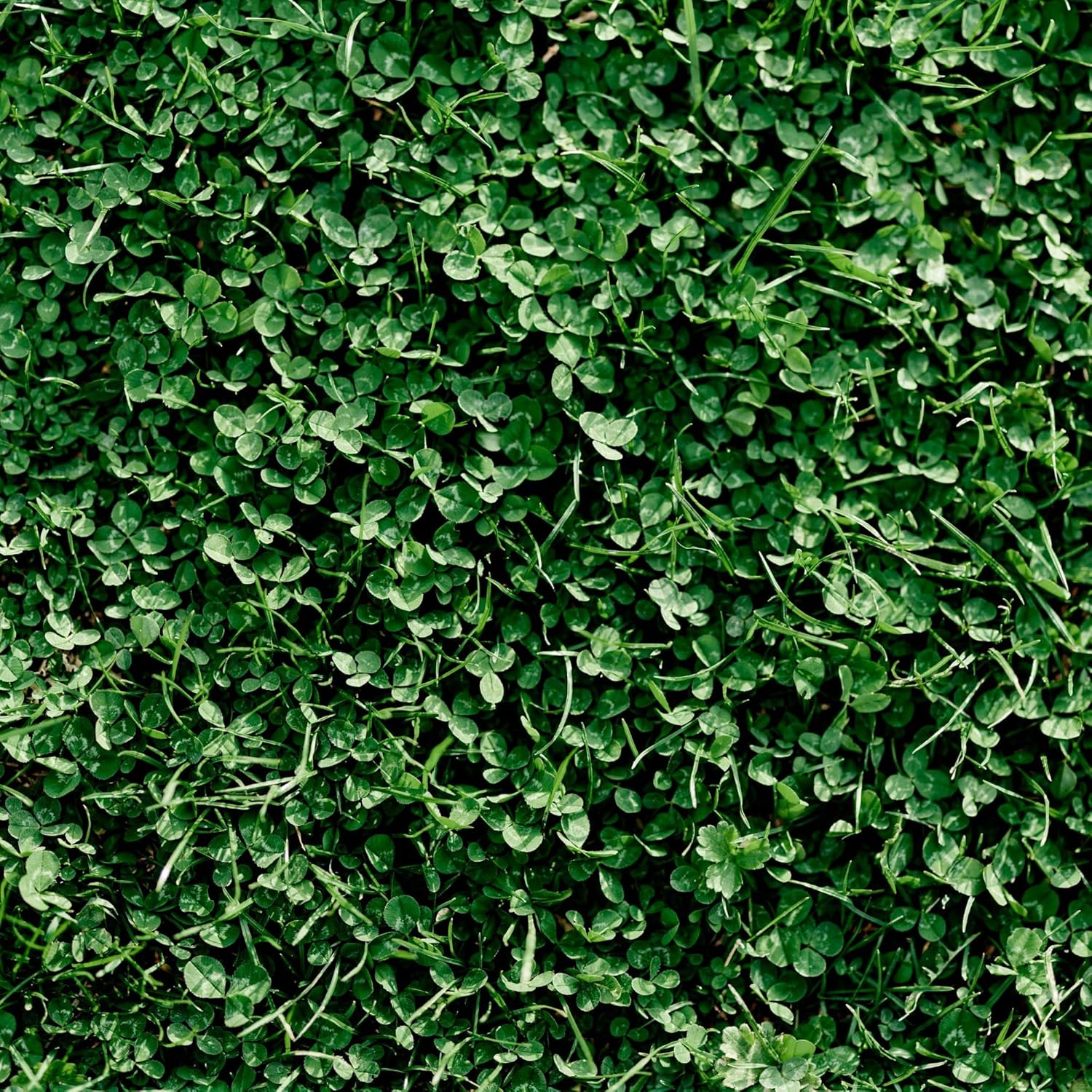
This 1 lb bag of miniature white clover from Mountain Valley Seed Co is a low-growing cover crop intended for use as a lawn substitute or mixed into existing turf. The seed produces a dense mat of plants that reach only 4 to 6 inches tall, making it easy to mow and maintain in a low-profile lawn or under trees. It fixes nitrogen into the soil, which reduces fertilizer needs and helps nearby grasses, and is drought tolerant once established. The seed is non-GMO and listed as perennial in USDA zones 3–10, with tolerance for full sun to partial shade and moderate watering needs, so it works well in shadier spots where traditional grasses struggle. Practical considerations: seeding rates differ if planting pure clover versus overseeding, and germination and establishment take standard seed care and time; it will behave differently in very wet or heavily shaded sites. If you want an eco-friendly, low-maintenance ground cover that improves soil fertility and stays short, this clover is an efficient option, but expect a different texture and appearance than a conventional grass lawn.
Best for: Buyers who want a practical, low-maintenance ground cover that reduces fertilizer needs and performs well in low-growing shade or mixed lawns.
Less Ideal for: Those seeking the look and foot feel of a traditional turf grass lawn or users needing an instant, uniform green carpet immediately after installation.
- Very low mature height for easy mowing and neat low-profile ground cover
- Nitrogen-fixing perennial that improves soil fertility over time
- Non-GMO heirloom seed suitable for long-term planting in zones 3–10
- Drought tolerant once established and compatible with partial shade
- Not a quick lawn replacement; establishment requires proper seeding and time
- Appearance differs from turf grass so may not satisfy traditional lawn aesthetics
Verdict: Choose this miniature white clover if you want an easy-care, low-growing ground cover that improves soil fertility and thrives in partial shade.
Outsidepride Irish Moss (Sagina subulata) Ground Cover Seeds, 5000 count

| Expected Blooming Period | Spring to Fall |
|---|---|
| Sunlight Exposure | Partial Sun |
| USDA Hardiness Zone | 4 |
| Moisture Needs | Moderate Watering |
| Unit Count | 5000 Count |
Outsidepride Irish Moss seeds are intended to establish a dense, low carpet of green that fills gaps between stepping stones, edges pathways, and acts as a lawn alternative in cooler, moist sites. You surface-sow the fine seeds in spring on well-drained but consistently moist soil and keep them damp while they germinate; the company rates coverage at roughly 100 sq ft for the 5,000-count pack. Notable features are the plant's very low height (1–2 inches), tolerance for partial shade, and small white spring blooms that add subtle texture to rock gardens and borders. In practice this makes Irish Moss a good choice where soils stay cool and slightly wet rather than bone dry, and where foot traffic is light. Limitations are that it needs regular moisture during establishment and performs poorly in heavy foot traffic or hot, fully exposed sites; germination and coverage can be uneven if sowing depth or moisture is inconsistent. For gardeners with shaded, damp patches who want a soft, low-maintenance carpet, Irish Moss delivers attractive, resilient ground cover once established.
Best for: Gardeners with shaded or consistently damp patches who want a low-growing, decorative ground cover that stabilizes soil and softens pathways; buyers who prefer a perennial, low-maintenance lawn alternative and are prepared to keep soil moist while plants establish.
Less Ideal for: People needing a hardwearing surface for frequent walking or play, or those with very dry, hot sunny sites that do not retain moisture.
- Creates a dense, mat-forming carpet ideal for filling gaps between pavers and edging pathways
- Perennial and cold-hardy across a wide USDA range, returning year after year
- Tolerates partial shade and prefers consistently moist, well-drained soils suited to wet-ground spots
- Small white flowers in late spring to early summer add seasonal interest without raising height
- Requires steady moisture during germination and establishment to achieve full coverage
- Not suited to heavy foot traffic or very hot, fully exposed locations
Verdict: Choose these Irish Moss seeds if you want a low, shade-tolerant ground cover that establishes a soft, moisture-friendly carpet for pathways and rock gardens.
Dwarf Mondo Grass Live Plants — 18 3-inch Pots

| Indoor Outdoor Usage | Outdoor |
|---|---|
| Sunlight Exposure | Partial Shade |
| USDA Hardiness Zone | 6-10 |
| Moisture Needs | Low To Medium |
| Expected Planting Period | Spring Or Fall |
These 18 live Dwarf Mondo Grass plants arrive in 3-inch pots ready to plant and are meant to form a dense, low carpet of evergreen, grass-like foliage in shady spots. They are typically used between stepping stones, along walkways, around trees, or in planters that receive partial shade to morning sun. Notable features include year-round green foliage, slow spreading via underground runners, and low to medium moisture needs after establishment. Practical benefits include no-mow maintenance, deer resistance, good tolerance of heat and humidity, and suitability for USDA zones 6 to 10. Because the plants are sold as container-grown specimens, they establish more quickly than seed and can fill in when spaced 4 to 6 inches apart. Important limitations are the slow spreading habit, which means it can take a season or more to achieve full coverage, and the preference for well-drained soil so they may not perform in constantly soggy planters. This makes them a dependable, evergreen option for shaded planters and edging where a tidy, low-maintenance cover is desired.
Best for: Buyers who want a dependable, low-maintenance evergreen groundcover for shady planters, walkways, or borders and prioritize plants that establish reliably from containers.
Less Ideal for: Not a great choice for gardeners who need instant, dense coverage or for planters that retain moisture constantly or drain poorly.
- Container-grown plants arrive ready to transplant for faster establishment than seed
- Evergreen, low-growing habit that requires no mowing and stays tidy in planters
- Shade-tolerant and suited to partial shade or morning sun in planters
- Deer resistant and tolerant of heat and humidity, good for outdoor reliability
- Slow-spreading by runners so full coverage can take time
- Needs well-drained soil and may not suit constantly waterlogged planters
Verdict: A reliable, low-maintenance evergreen groundcover for shaded planters and edging that establishes quickly from container-grown plants.
Outsidepride Perennial White MiniClover Seed (4 oz)

| Indoor Outdoor Usage | Outdoor |
|---|---|
| Other Special Features of the Product | Drought Tolerant |
| Expected Blooming Period | Summer |
| Soil Type | Sandy Soil |
| Moisture Needs | Moderate Watering |
Outsidepride Perennial White MiniClover is a small-leaved micro clover sold for use as a lawn alternative, mix-in with grass seed, or standalone ground cover in full sun. It germinates quickly, produces stolons to form a dense mat, and reaches only about 4 to 6 inches, which makes it compatible with low-mow lawns and paths. Key features include nitrogen-fixing that improves soil fertility naturally, seasonal white flowers that attract pollinators if left unmowed, and good drought tolerance once established. Typical uses are overseeding thin turf, filling bare patches, stabilizing slopes for erosion control, or creating a low-maintenance green cover where regular mowing and watering are undesirable. Limitations to consider are that it is a perennial clover rather than a turf grass so it will produce flowers and a clover texture that differs from fine-bladed lawns, and it may not match the look of manicured turf. It prefers well-drained, sandy soils and moderate watering during establishment, and performance can vary by climate and how much it is mowed or mixed with other seeds.
Best for: Home gardeners and property owners who want a low-maintenance, pollinator-friendly ground cover for sunny areas and prefer reducing watering and fertilizer inputs over achieving a formal turf look.
Less Ideal for: People seeking a traditional, high-traffic turf with a fine-bladed, uniform appearance or those with consistently waterlogged soil conditions.
- Forms a dense, low-growing mat via stolons for effective ground cover and erosion control
- Nitrogen-fixing habit improves soil fertility and reduces need for fertilizer
- Drought-tolerant once established, reducing watering requirements
- Small leaves and low height tolerate lower mowing heights compared with standard clover
- Different appearance and texture than fine-bladed turf so it may not suit formal lawns
- Performs best in well-drained, sandy soils and may need attention in heavy clay or poorly drained sites
Verdict: Choose this miniclover seed if you want an easy-care, drought-tolerant ground cover for sunny spots that improves soil fertility and reduces mowing and watering.
Outsidepride Dichondra Repens Ground Cover Seeds (1 lb)

| Sunlight Exposure | Partial Sun |
|---|---|
| Expected Planting Period | Spring |
| USDA Hardiness Zone | 8 |
| Moisture Needs | Moderate Watering |
| Material Features | GMO Free, Heirloom |
This 1 lb pack of Outsidepride Dichondra Repens seeds is aimed at establishing a dense, low-growing ground cover in warm, partly shaded sites. The seeds germinate into silvery, rounded leaves that spread into a soft mat ideal for low-traffic lawn replacements, bare-spot repair, slope stabilization, and containers. Key product details note suitability for USDA zones 8 to 11, best planting in spring, and moderate watering needs. Practical benefits include quick establishment compared with some traditional turf grasses, good drought tolerance once established, and a creeping habit that reduces erosion on slopes. Because the variety prefers partial sun and loam soil, it works well in shady garden pockets where conventional grass struggles. Limitations are climate and use restrictions: performance drops outside warm zones and it is not designed for heavy-traffic lawns or cold climates below zone 8. Buyers should also plan to prepare soil and water regularly during establishment to get the uniform coverage described.
Best for: Homeowners in warm climates who want a low-maintenance, shade-tolerant ground cover for low-traffic areas, slopes, or containers and who prefer a predictable, easy-care alternative to traditional turf.
Less Ideal for: Those in cold climates, homeowners who need a high-traffic lawn, or gardeners seeking a year-round evergreen turf in USDA zones below 8.
- Designed for low, dense coverage that fills bare spots and creates a soft carpet underfoot
- Suitable for partial sun and light shade, making it a good choice for shady lawn alternatives
- Heat and drought tolerant once established, appropriate for USDA zones 8–11
- Works for erosion control on slopes and in containers or hanging baskets
- Not suited to heavy foot traffic or use as a full replacement for high-use lawns
- Restricted to warm-climate regions and will perform poorly in colder zones
Verdict: Choose this Dichondra seed when you need an easy-care, shade-tolerant ground cover for low-traffic areas and slope erosion control in warm climates.
Choosing the Right Low Growing Ground Cover for Shade: Key Factors to Consider
Shade Tolerance and Light Requirements
How much light a ground cover needs directly determines where you can plant it. Some low-growing species will tolerate deep shade beneath mature tree canopies, while others need bright filtered light. Consider not only the daily hours of sun but also the quality of light during the growing season, since dense summer leaf canopies and nearby structures change light patterns.
Choosing a species with the right shade tolerance reduces stretching and sparse growth. A plant suited to the available light will form a tighter mat, resist weeds, and require less corrective pruning.
Spread Habit and Establishment Speed
Ground covers spread in different ways: some send runners that root readily, others expand slowly from crowns or clump outward. Rapid spreaders can fill bare soil quickly and outcompete weeds but may need containment near beds or paths. Slow establishers are easier to place precisely but may require more weed control early on.
Think about how much area you need to cover and whether you prefer active control. For large areas under trees, faster coverage reduces erosion and maintenance. For small beds or rock gardens, a more restrained grower preserves design intent.
Maintenance and Upkeep
Maintenance varies from near-zero to seasonally hands-on. Some low-growing covers tolerate leaf litter and require little pruning, while others need periodic cutting back to prevent legginess or to refresh appearance. Consider whether you want to divide plants every few years to rejuvenate mats, or whether you prefer a self-sustaining carpet.
Also factor in mulching and debris removal under trees. Plants that handle accumulated litter and dry root conditions will be lower-maintenance in shaded urban yards.
Tolerance to Foot Traffic and Pets
Not all low covers stand up to footsteps or playful pets. If the shady area doubles as an informal path or play space, choose species known for quick recovery and flexible stems. Fragile, prostrate leaves may look attractive but can thin out under repeated use.
Assess typical use before planting. You can combine stepping stones with more delicate covers or use a tougher species where light foot traffic is expected.
Soil Moisture and Drainage
Shade often means different soil moisture patterns. Areas under trees can be drier because of root competition, while corners near buildings may hold more moisture. Select cover plants that match the site's moisture regime: some prefer continually moist, humusy soil while others tolerate drought once established.
Poor drainage can cause rot in plants that like well-drained conditions, so improving soil or choosing tolerant species is crucial for long-term success.
Seasonal Interest and Ground-Level Structure
Beyond a green carpet, consider seasonal traits like spring flowers, evergreen foliage, or decorative seed pods. Some low covers provide early-season blooms that attract pollinators, while others offer evergreen texture through winter. Seasonal interest enhances the garden throughout the year and can influence layering with bulbs or taller perennials.
Balance the desire for flowers with maintenance needs, since flowering ground covers sometimes set seed or need trimming after bloom.
Matching Ground Cover to Your Shady Site
Start by mapping the shade conditions through the day. Note areas of deep shade, dappled sun, and bright filtered light. Soil type and moisture patterns are the next key observations because some covers need humus-rich, moist soil while others tolerate dry, compacted soils under tree roots.
Planting strategy changes with the site. For wide areas beneath trees, focus on faster-spreading covers that suppress weeds and reduce erosion. For narrow borders or foundations, pick lower-spreading species that stay within a defined edge or pair with an edging material.
- Observe light patterns in morning and late afternoon for a week before choosing plants
- Test soil drainage by digging a small hole and observing water retention over 24 hours
- Consider root competition from trees and allow for less vigorous growth near large roots
Planting and Establishment Tips
Prepare the bed by removing aggressive weeds and loosening the top few inches of soil. Work in organic matter if the soil is heavy clay or very sandy to give young roots a better start. Space plants according to expected mature spread to avoid early overcrowding or gaps.
Mulch lightly to conserve moisture but keep mulch off crowns to prevent rot. Water regularly during the first season to help roots establish, then taper back as plants mature. For runner-producing species, pin runners to the soil with small staples to speed rooting where you want coverage.
- Avoid deep, heavy mulches that bury crowns
- Water deeply and infrequently once established rather than frequent shallow watering
- Use temporary barriers if a species shows unwanted aggressive spread
Combining Ground Cover with Other Shade Plants
Low ground covers can be layered with taller shade perennials and small shrubs to create depth. Use covers as underplanting beneath ferns, hostas, or woodland bulbs to extend interest and suppress weeds. Leave planting holes around bulbs and small perennials to avoid crowding.
Think about seasonal timing: early spring bulbs will bloom before shade perennials leaf out, so choose covers that do not obscure bulbs in spring. For informal paths, alternate patches of cover with stepping stones or gravel to protect mats from too much wear.
- Stagger planting times when introducing new layers to monitor establishment
- Match moisture-loving companions with covers that prefer similar soil conditions
- Prune overhead canopy as needed to balance light and reduce excessive shade
Pest, Disease, and Debris Management
Shade environments can trap moisture and leaf litter, creating spots where fungal issues appear. Choose tolerant covers and maintain airflow where possible by pruning nearby branches. Remove thick accumulations of wet debris so crowns do not stay soggy for long periods.
Inspect plants seasonally for slugs, snails, or fungal leaf spots. Many ground covers recover well from localized damage, but prompt removal of diseased material helps prevent spread. Consider planting in smaller trial patches first if you are unsure how a species will handle local pests.
- Rake leaf litter in spring to allow new shoots to emerge
- Thin overly dense mats in late spring to improve air circulation
- Use organic slug control methods where slugs are a known issue
Design Ideas for Shady Ground Cover
Use contrasting textures and colors to avoid a monotonous green expanse. Mix evergreen low covers with seasonal bloomers or variegated foliage to add focal points. Create informal paths by alternating ground cover patches with gravel or stepping stones for a natural look.
Edge beds with low-profile borders or rocks to keep spreading covers tidy. For slopes, choose species with strong anchoring habits to reduce erosion without requiring heavy structural work.
- Combine at least two different low covers for varied texture
- Use edging where spreaders might enter lawn areas
- Plant in wave patterns rather than straight lines for a more natural appearance
How We Chose the Best Low Growing Ground Cover for Shade
We prioritized traits that matter in real shady garden situations. First, shade tolerance was a primary filter: selections had to perform well in part shade and deep shade rather than requiring full sun. Establishment speed and spread habit were next, because aggressive spreaders can suppress weeds quickly while slow spreaders may need more time or initial spacing. Maintenance demands were assessed, including pruning or division frequency and leaf litter management. Durability under occasional foot traffic and cold hardiness for temperate climates were also considered. We excluded plants that need regular full sun or become tall and leggy in shade. We also filtered out annuals and purely ornamental specimens that lack long-term groundcover structure. The final shortlist balances reliable shade performance, clear maintenance expectations, and predictable spread patterns suitable for planting beds, under trees, and along shady paths.
FAQ
Can low-growing ground cover thrive under mature trees with heavy roots?
It depends. Many low covers tolerate root competition once established, but growth is usually slower. Choose species adapted to dry, compacted soils and give them generous surface area for planting. Amending soil with organic matter and watering well during establishment helps improve success.
How long does it take for ground cover to fill in a shady area?
Fill time varies by species and site conditions. Fast-spreading runners can carpet a space in one to two seasons, while slower clump-forming plants may take several years. Plant spacing, soil fertility, and moisture all affect establishment speed.
Will leaf litter from trees smother low ground cover?
Light leaf fall often benefits many shade-tolerant covers by adding organic matter. Heavy, wet accumulations can smother new growth and promote rot. Raking or gently removing thick layers in spring helps young plants emerge and reduces disease risk.
Can low covers handle some foot traffic or pets?
Some species tolerate occasional foot traffic and recover quickly, while others will thin out with repeated use. If the area is a path, choose tougher, resilient covers or provide stepping stones to preserve delicate mats.
Is it okay to plant bulbs with ground cover?
Yes. Many gardeners plant early spring bulbs among low covers because bulbs bloom before the cover fully leafs out. Leave a small planting gap around bulbs when planting the cover or plan to lift a few crowns temporarily during bulb planting.
How do I control a ground cover that spreads too aggressively?
Containment options include installing root barriers, using physical edging, or regular hand removal of stray runners. You can also thin mats periodically to keep growth in check. Choosing a less aggressive species is the simplest long-term solution for small beds.
Final Verdict
Choosing the best low growing ground cover for shade is a balance between how much maintenance you want, how quickly you need coverage, and how the area will be used. Prioritize shade tolerance and spread habit for the size and conditions of your site, and match moisture preferences to existing soil. Accept tradeoffs: fast spreaders need containment, and flowering covers sometimes require seasonal tidying. With the right match, a low ground cover will reduce weeds, stabilize soil, and give shady spots consistent year-round interest.
