

Note: This article contains affiliate links. If you click on these links and make a purchase, I may earn a small commission at no extra cost to you. This helps support my research and content. Read my full affiliate disclosure here.
Ficus trees respond to feeding more predictably than many houseplants, but the wrong fertilizer or schedule can stress roots and foliage. You want a formula that supports steady leaf production, root health, and resilience to occasional pruning or environmental change. This guide focuses on the top shortlisted fertilizers for ficus trees, explaining how each one fits common indoor and patio growing situations. We evaluated mixes for nutrient balance, release type, and ease of application so you can pick an option that matches your care routine and potting setup.
Top Picks at a Glance
| Best Overall The best all-around choice for most situations | Aquatic Arts Fiddle Leaf Fig Liquid Fertilizer (8 fl oz) |  |
| Best Quality Built to a higher standard if you want something more solid | Fiddle Leaf Fig Plant Food, 3-1-2 Liquid Fertilizer (8 oz) | 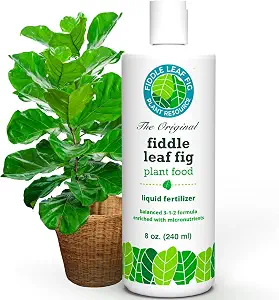 |
| Best Value The sweet spot between price and what you get | TPS NUTRIENTS Ficus Tree Liquid Fertilizer, 8 oz |  |
| Best Budget The cheapest option that still gets the job done reliably | Perfect Plants Fiddle Leaf Fig Slow-Release Fertilizer Pellets, 5 oz |  |
| Highest Rated A top-rated pick with lots of positive feedback | Easy Harvesting Fiddle Leaf Fig Liquid Fertilizer, 3-1-2 Concentrate with Pump, 16 oz |  |
| Most Popular A crowd favorite that many people choose with confidence | TPS Nutrients Fiddle Leaf Fig Liquid Fertilizer, 8 oz |  |
Aquatic Arts Fiddle Leaf Fig Liquid Fertilizer (8 fl oz)

| Item Form | Liquid |
|---|---|
| Specific Uses For Product | Plant Food |
| Application Method | Watering |
| Target Species | Ficus plants |
| Mixing Ratio | 1:2 |
This liquid fertilizer is made specifically for fiddle leaf figs and other ficus species and is intended to be mixed with water and applied during regular watering. The 3-1-2 NPK formula supplies nitrogen for leaf growth, phosphorus to support roots and potassium for overall plant health, while added micronutrients help reduce brown spots and nutrient deficiencies. It is designed to be diluted (1 teaspoon per 2 cups of water) and can be used as a regular feed at watering times to correct deficiencies faster than granular feeds. Practical benefits include fast uptake, easy weekly dosing, and a concentrated 8 ounce bottle that should last several months for a single potted tree. Limitations are that the bottle is small for multi-plant households and it requires careful measuring and dilution to avoid overfeeding; it is also formulated for ficus species so benefits for other houseplants may be less tailored. For someone keeping a single or a few fig trees in pots this product is a convenient, ficus-focused liquid feed that supports leaf size and vigor when used as directed.
Best for: A practical plant owner who keeps one or a few potted fiddle leaf figs and wants an easy-to-use, ficus-tailored weekly liquid feed to support larger, healthier leaves.
Less Ideal for: People who need a single fertilizer for a large collection of varied houseplants or who prefer granular/slow-release feeds for long-term feeding without frequent mixing.
- Ficus-focused 3-1-2 NPK formula tailored to promote leaf and root development in fiddle leaf figs
- Liquid form absorbs quickly so nutritional issues are corrected faster than granular feeds
- Simple dilution and application with 1 teaspoon per 2 cups of water fits weekly watering routines
- Includes micronutrients to help reduce leaf browning and support overall plant health
- Small 8 fl oz bottle may require frequent repurchasing for multiple plants
- Designed specifically for ficus species so it is not a universal houseplant fertilizer
Verdict: A concentrated, ficus-focused liquid feed that makes weekly watering into an effective, easy fertilizer routine for potted fiddle leaf figs.
Fiddle Leaf Fig Plant Food, 3-1-2 Liquid Fertilizer (8 oz)

| Item Form | Liquid |
|---|---|
| Specific Uses For Product | Balanced 3-1-2 formula enriched with micronutrients |
| Application Method | Watering |
| Target Species | Ficus Lyrata, Audrey |
| Unit Count | 8 Fluid Ounces |
This 8 oz liquid plant food is formulated specifically for fiddle leaf figs and similar indoor fig trees and is meant to be added to the watering routine. It uses a balanced 3-1-2 NPK ratio with added micronutrients and is diluted at one teaspoon per two cups of water so you can feed every watering without complex measuring. The flip-top bottle and clear mixing ratio make application simple and low mess for regular use. Because it is a liquid with three forms of nitrogen, it supplies both immediate and sustained nitrogen to support leaf growth and root development, which is useful for potted fig trees that need steady nutrition. The product is made in the USA and includes care resources for troubleshooting. Limitations are its small bottle size for larger or frequently watered trees and that it targets fiddle leaf figs specifically, so buyers with diverse plant collections may prefer a more general-purpose formulation or larger concentrate.
Best for: For plant owners who prioritize steady, performance-driven nutrition for potted fiddle leaf figs and want a simple feed-every-water routine that promotes leaf and root development.
Less Ideal for: Not a great fit for gardeners managing many different houseplant species who need a universal fertilizer or for those who prefer bulk concentrates to feed large collections.
- Balanced 3-1-2 NPK with micronutrients tailored for Ficus species
- Easy dilution rate (1 tsp per 2 cups) for consistent, repeatable feeding
- Liquid form delivers nutrients quickly and mixes into normal watering routine
- Flip-top bottle and induction seal reduce mess and allow controlled dispensing
- Only 8 oz per bottle can be consumed quickly on larger or multiple potted figs
- Formulation is specialized for fiddle leaf figs and may not suit all houseplant needs
Verdict: A convenient, plant-specific liquid fertilizer that makes performance-focused, regular feeding of potted fiddle leaf figs easy and reliable.
TPS NUTRIENTS Ficus Tree Liquid Fertilizer, 8 oz

| Item Form | Liquid |
|---|---|
| Specific Uses For Product | Ficus Tree Care |
| Coverage | Medium |
| Unit Count | 8 Fluid Ounces |
| Mixing Ratio | 2 tbsp/gal watering; 1 tsp/quart misting |
This 8 oz liquid fertilizer is formulated for ficus trees and similar indoor figs and is meant to be mixed into water for routine feeding or used as a foliar mist. Typical use is straightforward: add 2 tablespoons per gallon for watering every one to two weeks in the growing season and reduce frequency in cooler months, or mist leaves with a weaker solution to boost humidity and deliver nutrients directly to foliage. The product emphasizes balanced nutrition to promote leafy growth and stronger roots without overstimulating the plant, and the small bottle makes it convenient for container plants and office greenery. Practical benefits include clear mixing instructions and a dual application method for both soil feeding and foliar use. Limitations are the small 8 oz volume, which means frequent repurchase for multiple or large specimens, and the formula is targeted to ficus so it may not be ideal as a general-purpose houseplant fertilizer. Follow safety directions when handling concentrated solution.
Best for: Buyers who want a simple, species-focused feeding routine for potted ficus or indoor fig trees and prefer clear mixing instructions they can follow every few weeks.
Less Ideal for: Gardeners managing many different houseplant types or large outdoor trees who need larger volume or a multi-purpose fertilizer.
- Made specifically for ficus and indoor fig plants so nutrient balance matches species needs
- Dual application: soil watering and leaf misting give flexibility for containers and indoor environments
- Clear mixing ratios and seasonal feeding guidance simplify routine maintenance
- Small 8 oz bottle can require frequent replacement for households with multiple or large ficus trees
- Product is specialized for ficus and may not suit all houseplant species
Verdict: A compact, ficus-focused liquid fertilizer that makes regular feeding and occasional leaf misting simple for container-grown and indoor fig trees.
Perfect Plants Fiddle Leaf Fig Slow-Release Fertilizer Pellets, 5 oz

| Unit Count | 5 Ounce |
|---|---|
| Item Form | Granules |
| Specific Uses For Product | Fiddle Leaf Fig Trees |
| Application Method | Sprinkle |
| Mixing Ratio | 16:5:11 |
This 5 oz bag of slow‑release pellets is made specifically for fiddle leaf fig trees and is used by sprinkling granules into the potting mix where they release nutrients gradually as the plant is watered. The 16-5-11 formula delivers a higher nitrogen balance to support leaf growth and glossy foliage while the pellets are intended to feed for roughly six months, so you only need to apply twice a year for most indoor plants. The resealable bag keeps unused pellets dry between applications and the granular form avoids frequent liquid mixing or measuring. Expect easier maintenance and steadier growth compared with spot feeding liquid fertilizers, though the small 5 oz size is best for a single plant or a couple of pots rather than a collection. Also, slow‑release granules are less flexible for correcting acute nutrient deficiencies quickly. For routine care of a healthy fiddle leaf fig this is a low‑effort option that keeps leaves green and reduces fertilizing chores.
Best for: Buyers who want a low‑maintenance, set‑and‑forget feeding schedule for one or a few indoor fiddle leaf figs and prioritize convenience over frequent dosing.
Less Ideal for: Growers with large collections of plants or those needing rapid correction of nutrient problems should consider larger or fast‑acting fertilizers instead.
- Formulated specifically for fiddle leaf fig trees with a 16-5-11 NPK balance
- Slow‑release pellets feed plants for up to six months from one application
- Granular application is simple to sprinkle into potting mix and avoids liquid measuring
- Resealable bag preserves unused pellets between uses
- Small 5 oz package is most suitable for one or two plants rather than multiple trees
- Slow‑release granules cannot correct nutrient deficiencies immediately
Verdict: If you want an easy, low‑effort fertilizer that feeds a fiddle leaf fig for about six months from a single application, this slow‑release pellet formula is a practical pick.
Easy Harvesting Fiddle Leaf Fig Liquid Fertilizer, 3-1-2 Concentrate with Pump, 16 oz

| Item Form | Liquid |
|---|---|
| Specific Uses For Product | Indoor Fiddle Leaf Fig Plants; Hydroponics |
| Application Method | Pump |
| Coverage | Up To 32 Square Feet |
| Liquid Volume | 16 fluid ounces |
This Easy Harvesting liquid fertilizer is a pump-and-feed concentrate designed specifically for fiddle leaf figs and similar indoor tropical plants. The 3-1-2 N-P-K balance targets leafy growth while supplying phosphorus for roots and potassium for overall resilience, with added calcium for general vitality. Use two pumps per gallon of water according to the label to feed potted Ficus lyrata and other houseplants; the dispenser makes dilution straightforward and reduces measuring errors. At 16 ounces the bottle claims enough concentrate to mix many gallons of solution, which is convenient for growers with several plants. The formula is chloride-free and avoids harsh acids, so it is suitable for regular feeding without strong chemical odor. Ingredients listed include potassium nitrate and monopotassium phosphate, so treat as a typical synthetic soluble feed and follow dilution guidance. The product is intended for indoor and potted outdoor fiddle leaf figs, but users should monitor salt buildup with frequent use and flush pots occasionally to prevent residue accumulation.
Best for: Buyers who prioritize reliable, consistent feeding for fiddle leaf figs and want a simple, repeatable application method for regular indoor care.
Less Ideal for: Gardeners seeking organic, slow-release fertilizers or those who avoid synthetic salt-based feeds should consider alternative products.
- Balanced 3-1-2 NPK formulated for foliage and root support.
- Pump dispenser simplifies dilution and reduces measuring errors.
- Concentrated 16 oz bottle yields a large volume of ready-to-use solution.
- Chloride-free formula suitable for regular indoor feeding.
- Contains synthetic salts so repeated use can lead to salt buildup in potting mix if not flushed.
- Not a slow-release or organic option for those preferring natural fertilizers.
Verdict: A straightforward, concentrated pump-and-feed 3-1-2 formula that delivers consistent, easy-to-measure nutrition for healthy fiddle leaf figs.
TPS Nutrients Fiddle Leaf Fig Liquid Fertilizer, 8 oz

| Item Form | Liquid |
|---|---|
| Application Method | Dilute and apply to soil |
| Coverage | Medium |
| Target Species | Fig |
| Mixing Ratio | 1:32 |
This 8 oz liquid fertilizer is formulated specifically for fiddle leaf figs and designed to be diluted and applied to the soil. It contains an NPK profile aimed at supporting foliage and new growth and includes kelp to help reduce yellowing and leaf drop. Typical use is straightforward: mix according to the listed 1:32 ratio and water the potting mix every few weeks to provide steady nutrition without granular mess. The liquid format absorbs quickly so symptoms of nutrient deficiency can respond faster than with slow-release products, and the gentle formula reduces the risk of burning when used as directed. Limitations are the small bottle size for larger or multiple trees and the product does not give precise per-plant dosing beyond the mixing ratio, so careful measuring is necessary to avoid overfeeding.; frequent feeders or big specimens will need repeated purchases.
Best for: Buyers who want a fiddle leaf fig–focused, easy-to-apply liquid feed and who prefer products with many user reviews to confirm consistent results.
Less Ideal for: Those managing large collections or very large indoor trees who prefer bulk or slow-release fertilizers that require less frequent reapplication.
- Formulated specifically for fiddle leaf figs to support leaf size and color
- Liquid concentrate absorbs quickly for faster correction of deficiencies
- Kelp-enriched formula adds natural growth stimulants
- Gentle feeding profile reduces risk of fertilizer burn if mixed properly
- Small 8 oz bottle may not last long for medium to large plants or multiple specimens
- Product directions do not include precise per-pot dosage guidance beyond the mixing ratio
Verdict: A fiddle leaf fig–targeted liquid concentrate that delivers fast-acting, kelp-enriched nutrition in a compact, easy-to-mix bottle.
Choosing the Right Fertilizer for Ficus Trees: Key Factors to Consider
Nutrient Ratio and Balance
Ficus trees generally need a balanced fertilizer that leans slightly toward nitrogen to support leaf growth without encouraging overly soft tissue. The N-P-K numbers matter because too much phosphorus or potassium relative to nitrogen can slow foliage expansion and reduce the tree's vigor. Read labels to confirm the product supplies micronutrients like iron and magnesium, which prevent common ficus leaf yellowing.
Matching ratio to the tree's stage is important. Young, actively growing ficus benefit from a higher nitrogen proportion, while mature, established specimens may need a more balanced maintenance feed. Avoid bloom-heavy formulas made for flowering plants; those often have a low nitrogen number unsuitable for leafy ficus.
Release Type and Feeding Frequency
Slow- or controlled-release fertilizers provide steady nutrients over weeks to months and reduce the chance of accidental overfeeding in container trees. Water-soluble feeds deliver an immediate nutrient boost and are useful when you need to correct deficiencies rapidly but require more frequent applications.
Consider your schedule and watering habits. If you tend to water inconsistently, a controlled-release product offers insurance against missed feedings. If you repot or flush containers regularly, a water-soluble formula gives you more control to adjust strength and frequency.
Salt Load and Root Zone Safety
Container-grown ficus are sensitive to salt buildup, which can cause tip burn and root stress. Low-salt or buffered fertilizers minimize that risk, and products labeled safe for potted plants often specify reduced soluble salt content. Regular leaching during watering also helps manage salts.
When using granular feeds, avoid placing granules directly against stems or roots to prevent localized burn. If you notice leaf browning at tips, evaluate cumulative salt levels and consider a lighter feeding schedule or an alternative low-salt formulation.
Micronutrients and Corrective Elements
Beyond N-P-K, ficus trees often show deficiencies in iron, magnesium, or manganese as interveinal chlorosis or subtle leaf discoloration. A fertilizer that includes chelated iron or magnesium can prevent these issues, especially in alkaline potting mixes where certain micronutrients are less available.
Corrective supplements are useful when your water source or soil mix tends to lock up micronutrients. However, avoid overlapping multiple supplements without testing because excess of one trace element can interfere with uptake of others.
Ease of Application and Measurement
A product's dosing clarity matters for consistent feeding. Water-soluble fertilizers with clear dilution charts simplify frequent application, while slow-release granules and spikes are convenient for low-maintenance growers. Consider the size of your pots and whether a single scoop or a measured pour fits your routine.
Also think about how the product behaves in your watering method. Some granules float or cake in surface mulch, while well-coated slow-release beads distribute evenly and release predictably. Clear instructions for container use reduce the risk of overconcentration near roots.
Compatibility With Potting Mix and Water Quality
Certain fertilizers interact differently with peat-based or mineral-heavy potting mixes. High-salt formulas can be especially problematic in mixes with poor drainage, where salts concentrate faster. Similarly, hard water can raise pH and reduce nutrient availability, making chelated micronutrients more important.
Assess how often you repot and whether you use tap water or collected rainwater. Those choices influence which fertilizer type will give reliable results without causing nutrient lockup or accumulation.
When to Start Fertilizing a Ficus
Begin regular feeding after a ficus has settled into its pot following repotting or a major pruning. Dormant or stressed trees need gentler care, so delay full-strength feeding until you see resumed growth. For indoor ficus, spring through early fall is the main feeding window when growth is active.
If you kept a young ficus in a small nursery pot, step up to a maintenance schedule once roots fill the container. Observe leaf color and new shoot development to time the first application.
- Start with a half-strength feed when reintroducing fertilizer after repotting.
- Pause or reduce feeding in winter when growth slows.
- Increase monitoring if you change watering frequency or pot size.
How to Apply Different Fertilizer Types
Water-soluble fertilizers are mixed at the recommended dilution and applied during routine watering. They are effective for correcting deficiencies because nutrients reach the root zone quickly. Apply according to schedule, and avoid doubling doses if you skip an application; instead resume the regular interval.
Slow-release granules or coated beads are sprinkled on the potting surface and worked lightly into the top layer of soil. They release nutrients gradually with each watering. Spikes and tablets can be used for convenience but follow placement guidance to avoid root scorch.
- Always water before applying a granular product to reduce burn risk.
- Measure doses by container size rather than by plant age to avoid overfeeding.
Signs of Overfertilization and How to Fix It
Symptoms of excess fertilizer include leaf tip browning, sudden leaf drop, and crusty white salt buildup on the pot surface. If you suspect overfeeding, stop fertilizing immediately and flush the pot with ample water until drainage runs clear to remove excess salts.
If damage is severe, consider repotting into fresh mix after rinsing the root ball and trimming affected roots. After recovery, resume a lighter feeding schedule and reassess the product choice and dosage.
- Look for salt crusts and brown leaf tips as early warning signs.
- Flush containers with several free-draining cycles to lower soluble salts.
Adjusting Feed for Indoor Versus Outdoor Ficus
Outdoor ficus planted in the ground or large containers experience different nutrient dynamics than indoor specimens. Soil systems buffer nutrients and dilution occurs faster with rainfall, so outdoor trees may tolerate slightly higher application rates or less frequent feeding when using controlled-release products.
Indoor ficus in small pots need more conservative dosing because nutrients concentrate more quickly. Monitor indoor plants closely and favor lower-strength or slower-release options to avoid rapid buildup.
- Outdoor trees benefit from a soil test if growth is poor.
- Indoor trees often do better with slow-release or diluted liquid feeds.
Combining Fertilizers With Pest and Disease Care
Feeding interacts with plant resilience. Proper nutrition helps ficus repair minor leaf damage and recover from pests, but excessive nitrogen can make foliage more attractive to sap-feeding insects. Balance feeding so you support recovery without creating overly lush growth that invites pests.
When applying foliar treatments for pests or fungicides, avoid heavy feeding at the same time. Allow a short window so the plant is not coping with multiple stresses simultaneously and so sprays do not interact with wet nutrient residues on leaves.
- Use targeted, moderate feeding during pest outbreaks rather than heavy doses.
- Coordinate applications so foliar sprays and fertilization are separated by several days.
How We Chose the Best Fertilizer for Ficus Trees
We selected these fertilizers by focusing on the needs specific to ficus trees and the ways gardeners actually feed them. Key evaluation criteria included nutrient ratio and bioavailability, which determine whether a formula provides the right balance of nitrogen, phosphorus, and potassium for foliage and root health. Release type and longevity were assessed to weigh steady feeding against the risk of overfertilization. Root and soil compatibility looked at salt load and whether a product is safe for container media and typical ficus potting mixes. Application practicality measured how easy the product is to apply correctly, including dilution clarity, granule behavior, and compatibility with common watering routines. We also considered formulation features that reduce leaf burn risk, such as controlled-release coatings or buffered nutrients. Exclusions included products designed only for lawn use, bloom-only formulas for flowering ornamentals, and inputs with inadequate labeling for container-grown trees.
FAQ
How often should I fertilize my indoor ficus?
Usually feed every four to six weeks during the active growing season with a balanced liquid fertilizer at half strength, or follow label guidance for slow-release products. Frequency often depends on pot size and the specific product's release profile.
Can I use a general houseplant fertilizer on ficus trees?
Often a general houseplant fertilizer will work if its nutrient ratio supports foliage growth and includes micronutrients. Check the label for a balanced N-P-K and low salt content, and adjust strength to the size of your container.
What signs show my ficus needs fertilizer?
Slow new growth, pale or uniformly yellowing leaves, and reduced leaf production can indicate low fertility. Rule out watering and light issues first because those problems often mimic nutrient deficiencies.
Is liquid fertilizer better than slow-release for ficus?
It depends. Liquid feed is useful for quick corrections and seasonal boosts, while slow-release products are lower maintenance and reduce burn risk. Choose based on how often you want to feed and how predictable your watering routine is.
Should I stop fertilizing in winter?
Usually reduce or pause feeding when growth slows in winter, especially for indoor ficus. If a tree is actively growing under supplemental light, continue a reduced schedule rather than the full growing-season rate.
Final Verdict
Choosing the right fertilizer for ficus trees comes down to balancing steady nutrition with root safety. Prioritize a nutrient ratio that supports leaf growth, a release type that matches your maintenance style, and low salt formulations for container situations. Watch for leaf tips and salt buildup as indicators to adjust dosing. By matching product attributes to your pot size, watering habits, and whether the tree is indoors or outdoors, you can maintain lush, resilient ficus without overfeeding.
