

Note: This article contains affiliate links. If you click on these links and make a purchase, I may earn a small commission at no extra cost to you. This helps support my research and content. Read my full affiliate disclosure here.
Picking the right perennial ground cover changes how your beds and slopes perform across seasons. The right plants can reduce weeding, slow erosion, and fill in bare patches without constant replanting, but choices vary by light, soil, and how aggressively the plants spread. This guide shortlists six strong perennial ground cover options suited to common garden situations and evaluates each on winter hardiness, rate of spread, and maintenance needs. Read on to see which types fit shady borders, sunny slopes, or low-water landscapes, and what tradeoffs to expect when you plant for long-term coverage.
Top Picks at a Glance
| Best Quality Built to a higher standard if you want something more solid | Outsidepride White Dutch Clover Seed, 5 lb |  |
| Best Value The sweet spot between price and what you get | EquSym Purple Creeping Thyme Seeds (25,000+) |  |
| Best Budget The cheapest option that still gets the job done reliably | Carpet Creeping Creeping Thyme Seeds (150,000 Count) |  |
| Highest Rated A top-rated pick with lots of positive feedback | Carpet Creeping Prairie Smoke (Geum triflorum) Seeds — 50 Count | 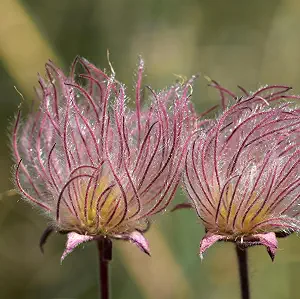 |
| Most Popular A crowd favorite that many people choose with confidence | HOME GROWN Verbena Moss Seeds (6,000 Seeds) |  |
| Best Seller A high-volume bestseller chosen again and again | Outsidepride Perennial White MiniClover Seed (1 lb) |  |
Outsidepride White Dutch Clover Seed, 5 lb

| USDA Hardiness Zone | 3 |
|---|---|
| Sunlight Exposure | Full Sun |
| Moisture Needs | Little To No Watering |
| Material Features | Heirloom |
| Expected Blooming Period | Early spring/Late summer |
Outsidepride White Dutch clover is a hardy perennial cover crop sold in a 5 lb bulk bag and treated (nitrocoated and inoculated) to support germination and soil health. It is used for quick-establishing ground cover, erosion control, lawn alternatives, pasture mixes, and deer or food plots. Typical use is broadcasting seed at the recommended rate, lightly raking it in, and keeping the soil moist until germination, which often appears within two weeks under favorable temperatures. Notable features include drought tolerance, the ability to fix atmospheric nitrogen to improve soil fertility, and fragrant white blooms that attract pollinators. Practical benefits are reduced need for watering and herbicides, faster soil stabilization on slopes, and improved soil structure when used in rotations. Limitations are that it establishes best with some site preparation and regular moisture during germination, it can be slow to outcompete aggressive weeds in very poor seedbeds, and its low stature means it is not a replacement for tall ornamental plantings. Overall it is a straightforward, low-maintenance option for durable, pollinator-friendly ground cover in dry landscapes.
Best for: Buyers who prioritize proven performance and want a low-water, pollinator-friendly ground cover with strong customer feedback to back its reliability for erosion control and lawn alternatives.
Less Ideal for: Gardeners seeking a tall, ornamental flowering display or immediate weed-free lawns should consider other perennial or turf options that provide instant height or faster weed suppression.
- Treated (nitrocoated and inoculated) seed for improved germination and soil inoculation benefits
- Drought tolerant once established, suitable for low-water landscapes
- Attracts pollinators with white flowers, supporting garden biodiversity
- Effective at crowding out weeds and stabilizing soil for erosion control
- Needs consistent moisture during germination window or establishment may be patchy
- Won't rapidly suppress very aggressive weeds without prior site prep or repeat sowing
Verdict: A drought-tolerant, treated white clover seed that delivers reliable, pollinator-friendly ground cover and soil improvement for low-water landscapes.
EquSym Purple Creeping Thyme Seeds (25,000+)

| Expected Blooming Period | 60-90 Days |
|---|---|
| Sunlight Exposure | Full Sun To Partial Shade |
| Expected Planting Period | Spring To Early Summer |
| USDA Hardiness Zone | 4-8 |
| Soil Type | Well-draining Potting Mix |
These EquSym purple creeping thyme seeds are aimed at gardeners who need a lot of seed for ground-cover projects. The seeds germinate into a low, spreading thyme that produces purple blooms in about 60 to 90 days and is suited to full sun or partial shade. Planting is straightforward: sow 1/4 inch deep in well-draining mix in spring to early summer and keep soil consistently moist until established. Notable benefits include its perennial habit that returns each year, strong appeal to pollinators, and versatility for borders, rock gardens, and lawn-replacement plantings. The very large seed count makes it cost-effective for covering wide areas, but buyers should plan for regular thinning or light foot traffic management because the plants are low-growing and not a turf substitute. Also results depend on following moisture and sun recommendations and on USDA zones 4 to 8; success is less predictable outside that range. For landscapers or homeowners wanting an attractive, low-maintenance flowering ground cover, this packet supplies ample seed for larger projects.
Best for: Gardeners and landscapers who want an affordable way to establish a flowering perennial ground cover across sizeable areas and prioritize pollinator-friendly, low-growing plantings.
Less Ideal for: People who need a hard-wearing lawn substitute or expect immediate dense coverage without time for germination and establishment.
- Very high seed count suitable for large-area ground-cover plantings
- Perennial, low-growing habit that creates a dense mat and seasonal purple blooms
- Attracts pollinators such as bees and butterflies
- Tolerates full sun to partial shade and is rated for USDA zones 4 to 8
- Not a durable turf replacement for heavy foot traffic
- Performance depends on maintaining moisture until establishment and suitable hardiness zone
Verdict: If you need to cover large areas with an attractive, pollinator-friendly perennial ground cover, this high-count packet of purple creeping thyme seeds is a practical and economical choice.
Carpet Creeping Creeping Thyme Seeds (150,000 Count)
| Indoor Outdoor Usage | Outdoor |
|---|---|
| Other Special Features of the Product | Attracts Pollinators, Fragrant, High Germination Rate |
| Expected Blooming Period | Spring to Fall |
| Sunlight Exposure | Full Sun |
| Unit Count | 150000 Count |
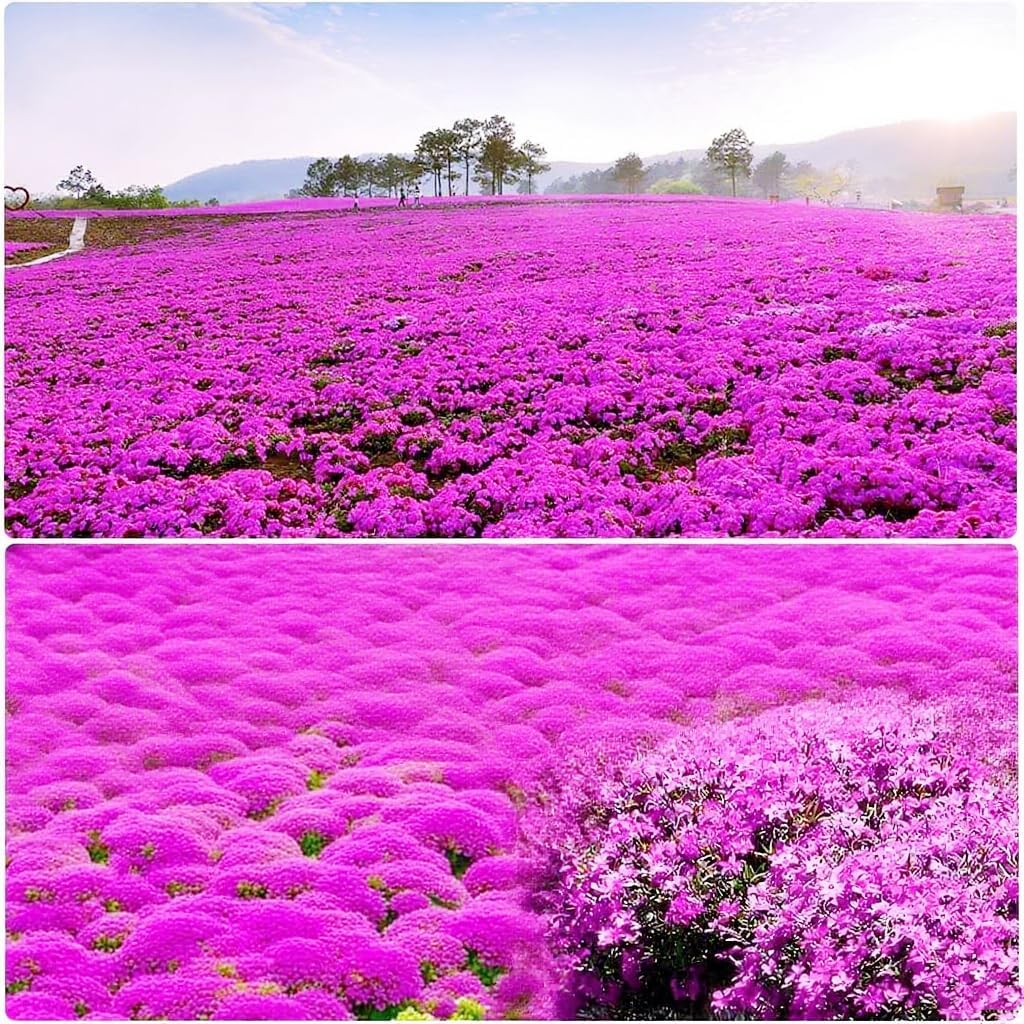
This packet of creeping thyme seeds is aimed at establishing a low-growing perennial groundcover that attracts pollinators and tolerates dry, sandy sites. It is typically sown in summer in full sun, where thin, well-drained soil and moderate watering help seedlings germinate in roughly two to four weeks. The listing emphasizes non-GMO, heirloom seeds and a high germination rate, which makes it a sensible option when you need a lot of seed to cover pathways, slopes, or large beds. Practical benefits include aromatic foliage useful for edging and light foot traffic, extended bloom from spring through fall, and minimal upkeep once established. Important limitations are that success depends on good drainage and full sun exposure, and buyers should expect a delay before a dense carpet forms since thyme can be slow to fill in compared with plug plants or established mats. The very large unit count suits broad projects but may be more seed than a small garden needs.
Best for: Gardeners needing an affordable way to seed large areas with a low-maintenance, fragrant perennial groundcover and who prioritize coverage over immediate results.
Less Ideal for: People wanting instant groundcover or small-plot gardeners who would prefer plugs or pre-grown mats to fill tight spaces quickly.
- Very large unit count suitable for covering extensive areas
- Non-GMO, heirloom seeds with stated high germination rate
- Drought tolerant and attractive to pollinators once established
- Long bloom period from spring through fall for extended color and nectar
- Requires full sun and well-drained, sandy soil to perform well
- Can take several weeks to germinate and more time to form a dense carpet
Verdict: If you need to seed a large area on a budget with a drought-tolerant, aromatic perennial, this bulk creeping thyme seed packet is a practical choice.
Carpet Creeping Prairie Smoke (Geum triflorum) Seeds — 50 Count
| Sunlight Exposure | Full Sun to Partial Shade |
|---|---|
| Expected Blooming Period | Spring to Fall |
| Soil Type | Sandy/Loam Soil |
| Moisture Needs | Moderate Watering |
| Unit Count | 50 Count |
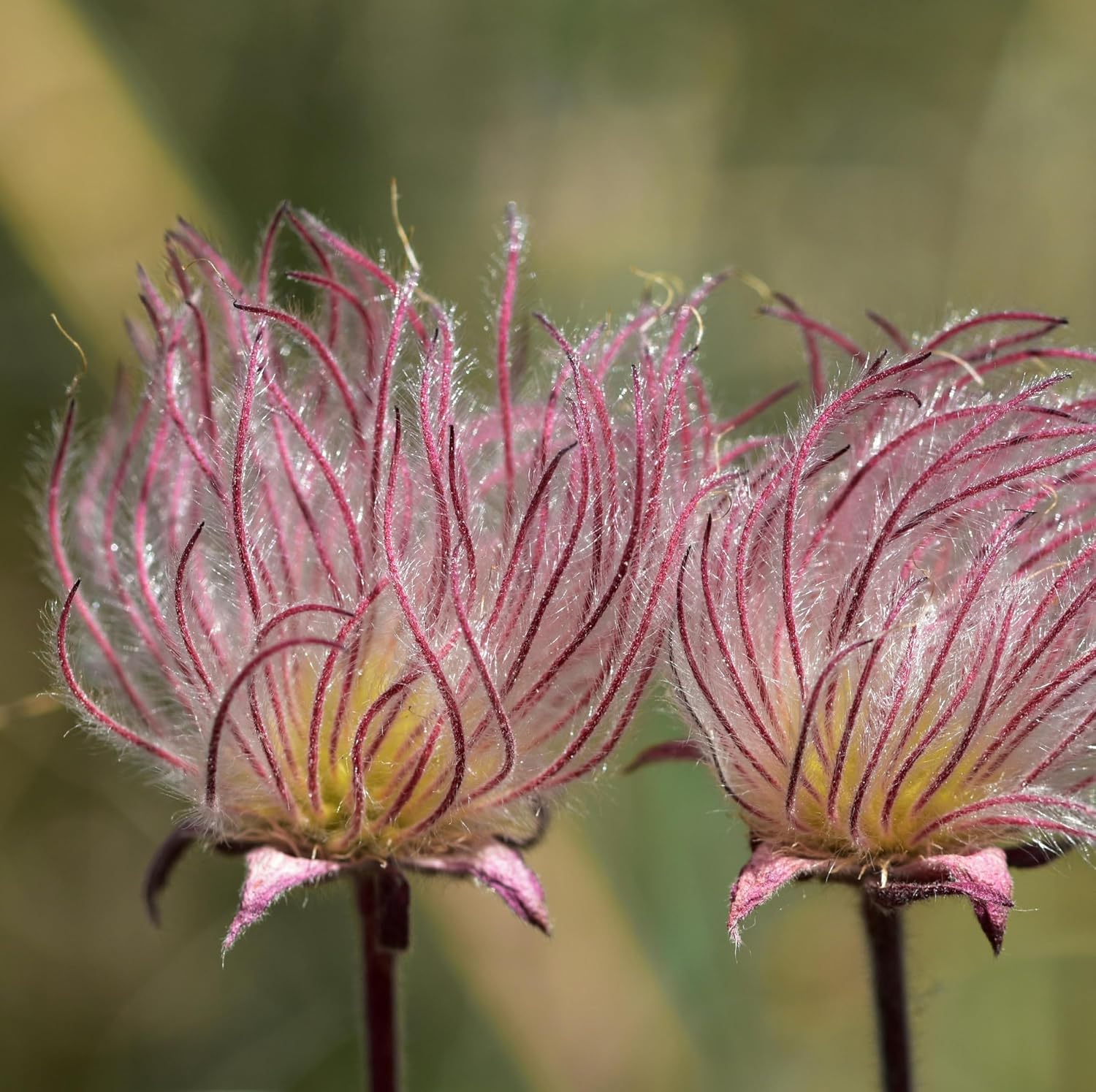
These Prairie Smoke seeds are sold as a 50-count packet of Geum triflorum, a native perennial valued for its nodding pink flowers and plume-like seed heads. Gardeners sow the seed on the soil surface after a cold stratification period of 30–60 days, keep the bed moist until seedlings appear, then transplant or thin to 8–12 inch spacing. Once established plants form low-growing mats with 12–18 inch flower stems that add long-lasting pink, airy plumes to rock gardens, dry meadows, and xeriscapes. Notable features are drought tolerance, pollinator appeal, and self-seeding habit, which reduce maintenance and help the stand fill in over seasons. Limitations: seeds need refrigerated stratification to germinate reliably and require well-drained sandy or loamy soil, so they are not suited to heavy clay or constantly wet sites. Expect a few weeks to germination and a season or two for a fully settled planting.
Best for: Buyers who prioritize a dependable, low-maintenance perennial ground cover with ornamental pink plumes for dry, well-drained sites and naturalistic plantings.
Less Ideal for: Gardeners needing a rapid dense turf or those with heavy clay or waterlogged soils should consider other ground covers better adapted to wet conditions.
- Distinctive feathery pink seed plumes provide season‑long visual interest and dried flower use
- Drought tolerant once established, suitable for xeriscape and rock garden settings
- Attracts native bees and other pollinators
- Self-seeding habit helps the planting persist and expand with minimal intervention
- Seeds require cold stratification before sowing for reliable germination
- Performs poorly in heavy, poorly drained soils
Verdict: Choose these prairie smoke seeds if you want a reliable, low‑maintenance native ground cover that adds long‑lasting pink, feathery plumes to dry gardens.
HOME GROWN Verbena Moss Seeds (6,000 Seeds)

| Expected Blooming Period | Spring to Fall |
|---|---|
| Sunlight Exposure | Full Sun |
| USDA Hardiness Zone | 2, 3, 4, 5, 6, 7, 8, 9, 10, 11 |
| Number of Pieces | 6000 |
| Moisture Needs | Moderate Watering |
These HOME GROWN Verbena Moss seeds provide a high-count mix (6,000 seeds) of Verbena tenuisecta designed for mass planting as a colorful ground cover. Intended for full‑sun sites, the seeds produce compact, feathery foliage topped by rounded clusters of tiny star-shaped flowers in shades from white to purple, blooming from spring through fall. The packet is marketed as heirloom and non-GMO and comes with an online grow guide, which helps with sowing, establishing, and basic care. In practice this mix is useful for filling borders, rock gardens, slopes, or bare patches to create a continuous floral carpet and to attract pollinators. Strengths are the very high seed count for wide coverage, long blooming season, and low maintenance once established. Expect moderate watering and loam soil for best results, and treat it as a perennial only where frost is mild; in colder zones it behaves more like an annual. Buyers should allow time for germination and establishment before judging density, and plan for deadheading or light pinching to keep plants tidy and encourage reblooming.
Best for: Gardeners who want an easy, showy ground cover for sunny beds and borders and who value social proof and guidance when trying a larger scale planting.
Less Ideal for: Shade gardeners or those needing an immediate, fully established lawn‑like cover; also unsuitable for planting sites where winter survival is critical and perennial habit is mandatory.
- Very high seed count suitable for large beds or mass plantings
- Heirloom non-GMO seed mix with an included online grow guide to support success
- Long bloom window from spring to fall for sustained garden color
- Low maintenance once established and attractive to pollinators
- Suitable for poor soils and erosion control on slopes
- Perennial performance depends on local winter hardiness so may behave as an annual in cold climates
- Requires full sun and moderate watering so not suited to shade or very dry xeric sites
Verdict: Choose this large non‑GMO seed pack when you want an affordable, pollinator‑friendly ground cover that delivers long, low‑maintenance color across large sunny areas.
Outsidepride Perennial White MiniClover Seed (1 lb)

| Indoor Outdoor Usage | Outdoor |
|---|---|
| Other Special Features of the Product | Drought Tolerant |
| Expected Blooming Period | Summer |
| Moisture Needs | Moderate Watering |
Outsidepride Perennial White MiniClover is a micro clover seed intended as a low‑maintenance ground cover or lawn mix‑in. It is typically used for overseeding bare patches, creating a low-mow lawn alternative, stabilizing slopes or pathways, and improving soil nitrogen naturally. Notable features include very small leaves and stoloniferous growth that allow it to form a dense mat, low watering needs once established, and a short summer flowering period that attracts pollinators if left unmowed. Practical benefits are reduced mowing and irrigation, improved soil fertility through nitrogen fixation, and rapid establishment when sown at recommended rates. Limitations to consider are its preference for full sun to partial sun rather than deep shade, a modest one‑month bloom period if mowed regularly, and that it will reach only a few inches tall so it does not replace taller shade-tolerant groundcovers. For shaded areas this clover can work at garden edges or spots with filtered light, but it is not the best choice for densely shaded understories where true shade specialists perform better.
Best for: Gardeners who want a low‑maintenance, eco‑friendly ground cover or lawn mix‑in that reduces mowing and fertilizing and works well in sunny to partly shaded spots.
Less Ideal for: People seeking a groundcover for deep shade or for taller, year‑round ornamental coverage should consider shade‑specialist plants instead.
- Drought tolerant once established, reducing watering needs
- Fixes atmospheric nitrogen to improve soil fertility naturally
- Very small leaves and stolons create a dense, low-mow ground cover
- Suitable for erosion control on slopes and quick establishment of bare areas
- Not well suited to deep, heavily shaded areas and performs best in sun or partial sun
- Short seasonal flowering window if regularly mowed
Verdict: Choose this micro clover if you want an easy, low‑mow ground cover that improves soil naturally and cuts maintenance in sun or partly shaded areas.
Choosing the Right Perennial Ground Cover: Key Factors to Consider
Climate and Zone Compatibility
Perennials behave differently depending on winter lows and summer heat. Choose ground covers rated for your USDA zone or local microclimate so they reliably return each year. Consider summer drought tolerance for hot regions and whether a species goes completely dormant in winter, since dormancy can leave bare patches until spring.
Planting plants that match your climate reduces replacement and maintenance. If your site has temperature extremes, favor species with documented resilience to those conditions rather than relying on protective microclimates alone.
Light Requirements
Light availability drives plant vigor and spread. Some perennial ground covers thrive in full sun and can tolerate reflective heat, while others prefer deep shade beneath trees or on north-facing slopes. Match the plant to the actual light hours and intensity at the intended planting spot rather than a generic label.
Mismatched light causes weak growth, sparse coverage, and increased susceptibility to pests. For transitional sites that get morning sun and afternoon shade, choose adaptable varieties or plan for layered plantings to avoid gaps.
Spread Habit and Containment
Ground covers use different strategies to fill space: some spread slowly by clumping, others via stolons, rhizomes, or self-seeding. Rate of spread determines how much initial planting you need and whether you'll need physical barriers to prevent unwanted migration into lawns or garden beds.
For small formal beds choose low-spreading or clumping species. For erosion control on slopes, fast-spreading runners provide quick stabilization. Understand containment needs because vigorous spreaders can become management problems near desirable plants.
Soil Type and Drainage
Soil texture and drainage influence the long-term health of ground covers. Some perennials tolerate heavy clay and occasional wet feet, while others demand free-draining, sandy soils. Test your soil or dig trial holes to assess how water behaves after a rain.
Improving poor soils before planting pays dividends. Amending with organic matter, correcting pH when necessary, and ensuring planting areas are not compacted will help ground covers establish and reduce failure rates.
Maintenance and Mowing Considerations
Maintenance ranges from near-zero to annual tidy-up. Some ground covers require regular deadheading, cutting back after flowering, or periodic thinning to prevent legginess. Others can be left to naturalize with only occasional weeding.
Consider how the cover interacts with lawn care if planted adjacent to turf. Low-growing, non-spreading covers reduce edge maintenance, while taller or seedy varieties may need seasonal trimming to keep walkways clear and prevent seed spread.
Erosion Control and Rooting Strength
For slopes and high-runoff areas choose species with fibrous or spreading root systems that bind soil. Plants that root at nodes or quickly form thick mats are better at stabilizing banks and resisting washouts during heavy rain.
Evaluate how quickly a species establishes a deep or dense root layer. For immediate needs, combine planting with temporary erosion controls until the cover is established.
Planting and Establishment Tips
Prepare the bed by removing weeds and loosening the top few inches of soil to encourage root penetration. Work in compost or other organic matter if the soil is poor, and check pH where species sensitivity is a concern.
Space younger plants according to their mature spread so they can fill gaps without being overcrowded. Water deeply after planting and keep soil consistently moist until roots are established, then ease off depending on the species' drought tolerance.
- Use mulch sparingly to suppress weeds but avoid smothering low-growing crowns.
- Install temporary watering or erosion control for steep slopes until plants are established.
- Label plantings to track varieties and expected spread for future maintenance.
Managing Aggressive Spreaders
When you select a vigorous ground cover, plan containment strategies before planting. Physical barriers, periodic trimming, and dividing clumps are effective ways to keep runners or rhizomes in check. Monitor edges regularly during the first two seasons when spread is fastest.
If containment fails, selective removal and replanting with slower-spreading species in sensitive areas can restore balance without wholesale replacement.
- Bury root barriers 6 to 8 inches deep where runners meet lawns.
- Cut back runners after peak spread season to limit expansion.
- Divide dense mats every few years to rejuvenate the planting.
Combining Ground Cover with Other Plantings
Use ground covers as living mulch around shrubs, perennials, and small trees to reduce weed pressure and evaporation. Choose companions that have compatible water and light needs to avoid competition that weakens one or both plants.
On sloped sites, alternate deeper-rooted shrubs with mat-forming ground covers to create structural diversity that improves erosion resistance and habitat value.
- Plant ground cover after larger plants are in place to avoid disturbing roots.
- Leave planting pockets for bulbs or spring ephemerals if seasonal color is desired.
- Avoid planting ground covers that reseed heavily beneath delicate perennials.
Seasonal Care and Renewal
Many perennial ground covers benefit from light spring cleanup to remove winter debris and reveal new growth. Some types need a hard trim after bloom to maintain form and encourage fresh foliage.
Plan for periodic renewal through division or targeted replanting to maintain dense coverage. Renewal cycles vary by species and site conditions; watch for thinning, bare patches, or pest pressures as triggers for intervention.
- Perform a thinning or division in spring or fall when plants are not in peak bloom.
- Topdress thin areas with compost and add new plugs to speed recovery.
- Monitor for fungal issues in poorly drained spots and improve drainage if necessary.
Using Ground Cover for Erosion and Slope Stabilization
Select species with rapid lateral spread and good rooting at stem nodes for slope protection. Plant denser and consider staggered rows to create an interlocking network of roots that resists surface runoff.
Combine planting with terracing, fiber mats, or rock features on very steep ground to provide immediate protection while vegetation establishes.
- Start at the top of a slope and work downhill to reduce soil movement during planting.
- Use biodegradable erosion control fabrics to hold soil until roots form.
- Water newly planted slopes carefully to avoid displacing soil.
How We Chose the Best Perennial Ground Cover
We focused on characteristics that matter for real garden performance rather than trends or single-season color. Key evaluation criteria included winter hardiness and heat tolerance to ensure survival across climates; spread habit and rate so gardeners can predict how quickly beds will fill and whether edging or containment is required; soil and drainage tolerance to match common site limitations; maintenance and pruning needs for low-effort landscapes; pest and disease resistance to reduce replacement and inputs; and bloom and seasonal interest where ornamental value matters. We excluded annuals, temporary fabric or mulch alternatives, and any plants known to be invasive across large regions. Selections reflect durable perennial habits and predictable behaviors in typical yard, patio-border, and sloped planting situations.
FAQ
How long does it take for perennial ground cover to fill a bare area?
It depends on the species and site conditions. Fast-spreading runners can cover ground in a single season under ideal conditions, while clumping varieties may take two to three seasons to achieve full coverage. Soil fertility, watering, and initial spacing also affect establishment time.
Can ground cover survive under mature trees?
Some perennial ground covers tolerate deep shade and dry soils under trees, but many struggle with root competition and low light. Choose species noted for shade tolerance and plant where the canopy is less dense, or create planting pockets where roots are less competitive.
Will ground cover prevent weeds completely?
Dense perennial ground cover greatly reduces weed seed establishment but does not eliminate weeds entirely. Some annual weeds and aggressive perennials can still appear, so plan for occasional hand weeding and spot treatments during the first years of establishment.
Are fast-spreading ground covers difficult to remove?
They can be more labor-intensive to remove because runners and rhizomes may need to be dug out or repeatedly cut back. Using physical barriers and monitoring spread makes removal or containment easier if you decide to replace them later.
How should I water newly planted ground cover?
Keep soil consistently moist but not waterlogged until plugs or transplants are established, usually several weeks to a couple of months depending on conditions. After establishment, cut back watering according to the species' drought tolerance.
When is the best time to divide or transplant ground cover?
Spring or early fall are generally best because plants are actively growing but not stressed by extreme heat. Dividing during these windows helps roots reestablish quickly and reduces transplant shock.
Final Verdict
Choose perennial ground cover based on the conditions where you need long-term coverage: match hardiness and light tolerance first, then consider spread rate and maintenance needs. Tradeoffs exist between rapid establishment and manageability, so prioritize containment strategies if you favor aggressive spreaders. For slopes or erosion-prone spots, root structure and establishment speed are the most important factors, while ornamental borders may call for slower, neater species. With careful selection and proper establishment, perennial ground cover can cut maintenance, protect soil, and deliver year-round function in the landscape.
