

Note: This article contains affiliate links. If you click on these links and make a purchase, I may earn a small commission at no extra cost to you. This helps support my research and content. Read my full affiliate disclosure here.
Choosing the right sphagnum moss affects how well cuttings root, orchids drink, and container mixes stay evenly moist. In many gardens and indoor collections, moss is used not just for looks but for very specific water and air balance needs. This guide covers seven shortlisted sphagnum moss options that suit propagation, potting mixes, and surface mulches. We evaluated each pick for moisture retention, cleanliness, and handling so you can match a type of moss to the task at hand. Read on to understand the practical tradeoffs and which attributes matter most for your planting situation.
Top Picks at a Glance
| Best Overall The best all-around choice for most situations | Better-Gro Long-Fiber Sphagnum Moss (240g) |  |
| Best Quality Built to a higher standard if you want something more solid | besgrow Premium New Zealand Sphagnum Moss, AAA Premier (150 g) | 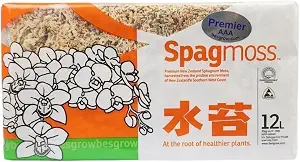 |
| Best Value The sweet spot between price and what you get | Riare Premium Sphagnum Moss (4.4 lb, expands to 90 qt) |  |
| Best Budget The cheapest option that still gets the job done reliably | Legigo 4 qt Natural Sphagnum Moss (approx. 3–4 oz) |  |
| Highest Rated A top-rated pick with lots of positive feedback | Terra Tales Premium Long-Fiber Sphagnum Moss (10.5 oz) |  |
| Most Popular A crowd favorite that many people choose with confidence | Better-Gro Premium Sphagnum Moss for Orchids & Plants, 190 cu in |  |
| Best Seller A high-volume bestseller chosen again and again | Sukh Sphagnum Moss for Reptiles, 5 oz |  |
Better-Gro Long-Fiber Sphagnum Moss (240g)

| Item Highlight | 100% natural, for hostas, excellent for hanging baskets and propagating plants, 240 cubic inches |
|---|---|
| Unit Count | 8.47 Ounce |
| Item Type Name | Moss |
| Manufacturer | Sun Bulb Company |
Better-Gro Long-Fiber Sphagnum Moss is a natural, chemical-free moss sold in a compact 240 g pack for gardeners and hobbyists. It’s typically used to line hanging baskets, mount epiphytes like orchids and bromeliads, mix into potting media to improve moisture retention, or provide a humid substrate in terrariums and reptile hides. The long fibers make it easy to tuck into wire baskets or wrap around roots, and its high absorbency helps retain water and any dissolved fertilizer so plants stay evenly moist between waterings. Sustainable harvesting is highlighted, which matters if you are environmentally conscious. Limitations are its small unit size for larger projects and the need to rehydrate or fluff the moss before use to get optimum coverage; heavy use in mixed media may require several packages. Also, because it holds moisture well it can increase watering frequency for plants that prefer to dry between waterings.
Best for: Gardeners and plant hobbyists who want a natural, easy-to-use moisture-retentive medium for orchids, hanging baskets, terrariums, and propagation projects and who value sustainable sourcing.
Less Ideal for: People needing large volumes for landscape mulching or large potting batches should consider bulk alternatives or blended media designed for fast drainage.
- Long fibers that are easy to work with when lining baskets or mounting orchids
- High water retention so it keeps roots and mossy mounts evenly moist
- Chemical-free and described as sustainably harvested
- Versatile uses including hanging baskets, seed starting, terrariums, and reptile humid hides
- Small 240 g pack may be insufficient for large-scale projects
- Requires rehydration and fluffing before use to achieve full volume
Verdict: A handy, sustainably harvested long-fiber sphagnum moss that reliably boosts moisture retention for baskets, orchids, terrariums, and small propagation jobs.
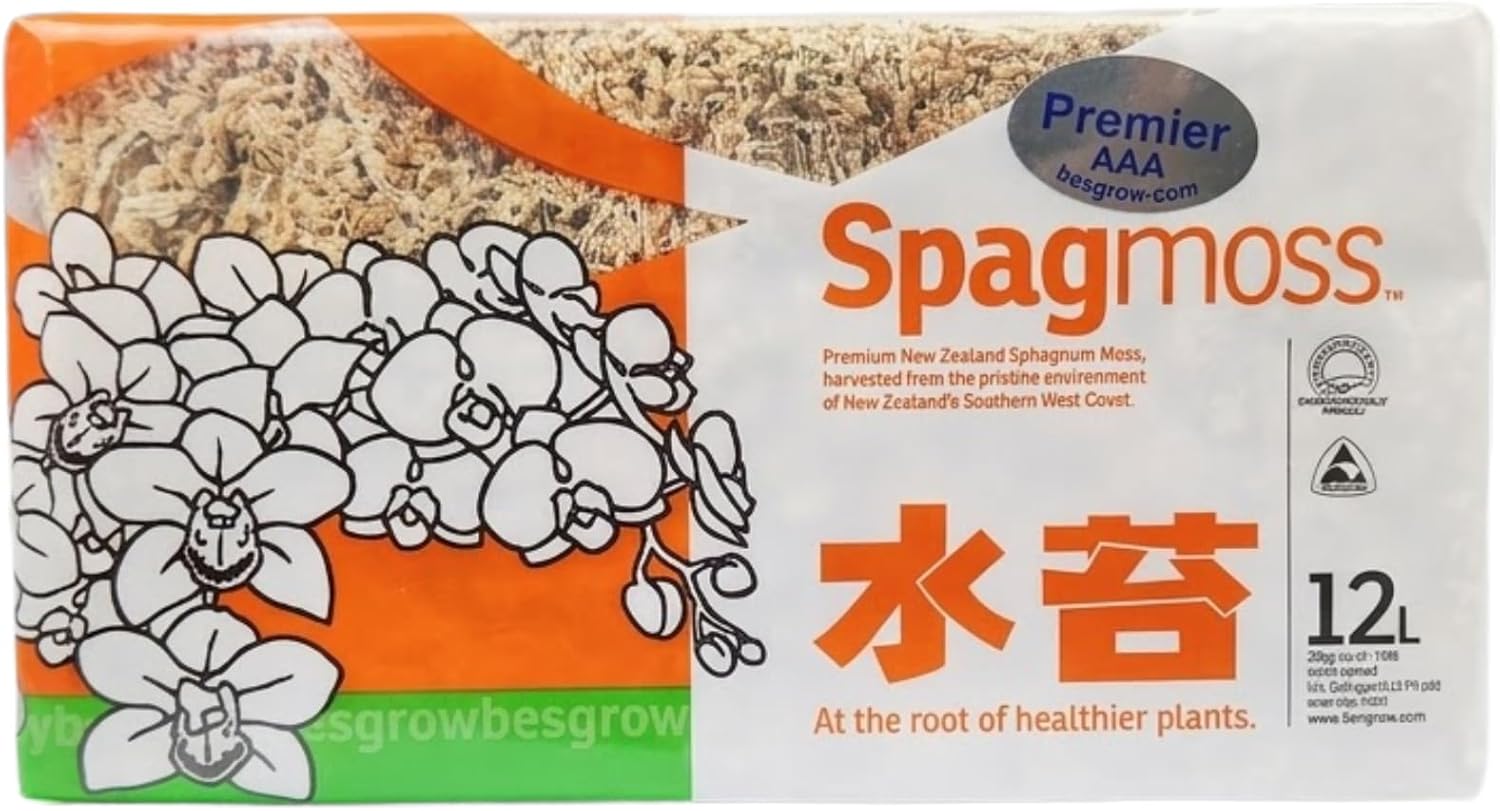
besgrow Premium New Zealand Sphagnum Moss, AAA Premier (150 g)
| Brand Name | besgrow |
|---|---|
| Unit Count | 5.3 Ounce |
| Style Name | AAA Premier (6" Strands) |
| Volume | 1 liters |
This besgrow New Zealand sphagnum moss is a performance-focused growing medium prized for long, strong strands and high water retention. It is typically used straight from the pack for repotting orchids, mounting plants, supplementing potting mixes for moisture-loving species, or as humidity and bedding substrate for reptiles. The product is hand-picked, air-dried, low in soluble salts, and relatively sterile, which helps reduce transplant shock and supports healthy root development. Its structure allows it to hold a large multiple of its weight in water, so mixes stay evenly moist without becoming compacted. Because it is clean with minimal foreign material and chemical-free, it is easy to work with and mixes uniformly into other substrates. Limitations are that dried moss requires rehydration before use and must be handled with gloves to avoid irritation; also long-term containers may need periodic flushing because sphagnum holds moisture strongly and can retain salts if used with high-salt water.
Best for: Growers who prioritize reliable moisture retention and clean, long-fiber moss for repotting orchids, carnivores, or for use in high-humidity displays and reptile enclosures.
Less Ideal for: Gardeners who want a ready-to-use, soil-like potting mix without pre-soaking or those who prefer low-maintenance, fast-draining substrates.
- Long, strong strands that maintain structure when rehydrated
- High water-holding capacity for consistent moisture in pots and mounts
- Low soluble salt content and relatively sterile for reduced transplant stress
- Hand-picked and air-dried with minimal foreign material for easier use
- Requires soaking before use which adds prep time
- Holds moisture strongly so containers need monitoring to avoid overwatering
Verdict: Choose this premium New Zealand sphagnum if you need clean, long-fiber moss that delivers exceptional moisture retention for orchids and other moisture-loving plants.
Riare Premium Sphagnum Moss (4.4 lb, expands to 90 qt)

| Brand Name | Riare |
|---|---|
| Material | Natural Sphagnum Moss |
| Volume | 55 quarts |
| Number of Packs | 1 |
This Riare premium sphagnum moss comes compressed and expands after a short soak into a fluffy, long-fiber medium useful for orchids, succulents, carnivores, terrariums and reptile bedding. Typical use is to soak the brick for about 10 minutes, gently squeeze to the desired moisture level, then layer it in pots, line hanging baskets, top-dress containers, or build a moisture-retentive layer in terrariums. The product is 100 percent natural, pH neutral and advertised to hold water while remaining airy, which helps roots get oxygen and reduces overwatering risk when used as a top layer or mixing component. Because it expands to a large volume (advertised up to 90 quarts) a single package can cover many small pots or several larger repottings, making it efficient for gardeners who repot regularly. Limitations are typical of dried sphagnum: it requires rehydration before use, will compact over time in heavy watering regimes, and offers little structural support by itself for large plants without added coarser media.
Best for: A practical gardener who repots orchids, maintains multiple houseplants, or builds terrariums and wants a single natural medium that retains moisture yet improves aeration while stretching across many uses.
Less Ideal for: People who need a ready-to-use, structurally supportive potting mix for large container trees or those who prefer inert, long-lived substrates that do not require periodic replacement.
- Long-fiber natural sphagnum that soaks and expands for easy use
- Good water retention while maintaining airflow to roots
- Versatile for orchids, succulents, terrariums, hanging baskets and reptile bedding
- Large expanded volume from one compressed brick, economical for multiple repottings
- Must be soaked and drained before use which adds a prep step
- Can compact under frequent watering or heavy media unless mixed with coarser material
Verdict: Buy this if you need an economical, natural sphagnum moss that soaks up water, expands to cover many pots, and improves moisture retention and root aeration for orchids and small container plants.
Legigo 4 qt Natural Sphagnum Moss (approx. 3–4 oz)

| Brand Name | Legigo |
|---|---|
| Unit Count | 3 Ounce |
| Volume | 4 quarts |
| Material | Natural Sphagnum Moss |
| Item Highlight | Moisture Retention & Drainage Balance |
This small package of Legigo sphagnum moss is a lightweight, natural growing medium used to improve moisture retention and aeration in pots, terrariums, and reptile enclosures. It is typically hydrated before use and can be layered as a decorative top dressing, used to line hanging baskets, or mixed into potting blends for orchids, succulents, ferns and carnivorous plants to keep roots moist without waterlogging. The product is described as free of twigs and debris and swells after soaking, which makes it easy to portion for repotting one or two medium plants or several small plants. Practical benefits include strong water-holding capacity, good airflow around roots, and multipurpose use for crafts or habitat bedding. Limitations are its small unit size—this pack is best for trial use or small projects—and the need to rehydrate carefully since dry sphagnum can be slow to reabsorb once completely dried. Follow basic handling guidance to avoid inhaling dust and wash hands after use.
Best for: Buyers looking for an affordable, small-quantity sphagnum option to try on orchids, carnivores or terrarium projects who prefer a natural, low-fuss growing medium.
Less Ideal for: Gardeners who need large volumes for multiple pots or landscape projects should choose bulk sphagnum or alternative amendments instead.
- 100% natural sphagnum provides strong water retention while maintaining aeration
- Clean product with minimal debris suitable for delicate roots
- Versatile: usable for orchids, carnivorous plants, terrariums, hanging baskets and reptile bedding
- Small package size makes it easy to try without committing to a large bag
- Small unit volume limits use to a few plants or craft projects
- Dry moss can be difficult to rehydrate if left completely bone dry
Verdict: A budget-friendly, small-quantity sphagnum moss that's ideal for trying on orchids, terrariums, or small repotting jobs.
Terra Tales Premium Long-Fiber Sphagnum Moss (10.5 oz)

| Unit Count | 5 Ounce |
|---|---|
| Number of Packs | 1 |
| Style Name | Premium Sphagnum Moss |
| Brand Name | Terra Tales |
This 10.5 ounce block of Terra Tales premium sphagnum moss is sold dry and compressed for convenient storage and expands into a soft, airy medium after a short soak. The long fibers hold water and release it slowly, so it is commonly used for repotting orchids, carnivorous plants, ferns, and as liner material for hanging baskets or terrariums. It arrives clean and free of twigs or artificial dyes and is described as pH-neutral, which helps avoid unexpected changes to sensitive plant substrates. The product is easy to hydrate — soak about 10 minutes and squeeze to the desired moisture — and the advertised expansion to roughly 18 quarts makes one block useful for several small projects. Limitations are the small starting weight and the need to rehydrate before use, so it is better suited for occasional repotting or hobby projects rather than bulk landscape work. Users should also monitor moisture for plants that prefer drier mixes because sphagnum retains water more than coarse bark.
Best for: Buyers who prioritize reliable, clean-growing media for houseplants and terrariums and want a predictable, moisture-retentive substrate for occasional repotting and humidity control.
Less Ideal for: Gardeners needing large volumes of planting media for outdoor beds or frequent repotting cycles should choose bulk or alternative substrates instead.
- Long natural fibers provide effective moisture retention and improved aeration when hydrated
- Arrives clean and pH-neutral with no visible twigs or dyes, reducing contamination risk
- Compresses for compact storage and expands after soaking to cover multiple small projects
- Versatile uses: orchid and carnivorous plant substrate, terrarium or hanging-basket liner, and reptile humidity substrate
- Small 10.5 oz starting weight means limited quantity per pack for frequent repotting
- Must be soaked and prepared before use, so not ready-to-use straight from the bag
Verdict: A compact, clean block of long-fiber sphagnum that reliably hydrates into a moisture-retaining, aerating medium for orchids, terrariums, and small-scale repotting.
Better-Gro Premium Sphagnum Moss for Orchids & Plants, 190 cu in

| Unit Count | 104.61 Ounce |
|---|---|
| Item Type Name | Sphagnum Moss |
| Included Components | Orchid Moss |
| Item Highlight | 100% natural, imported orchid moss |
Better-Gro Premium Sphagnum Moss is a loose, organic sphagnum product intended to retain moisture around roots while still allowing some drainage, making it useful for wet-soil tolerant plants and containers that need consistent humidity. You typically use it as a lining for hanging baskets, a top dressing or mulch for moisture-loving ferns and hostas, a medium for propagating cuttings, or a mounting and potting amendment for orchids. Notable features include its natural, chemical-free composition and a soft, feathered texture that fits wire or wooden baskets and provides a decorative finish. Practically, it reduces transplant shock, helps keep root zones evenly moist, and can extend time between watering for plants that prefer damp conditions. Important limitations are that loose sphagnum compresses over time and will need occasional replenishing, and it can compact in heavy pots so it is best mixed with coarser media for long-term container culture. Also handle with care if you have moss allergies and avoid inhaling dust when unpacking.
Best for: Gardeners who want a reliable, natural moisture-retaining medium for wet-soil tolerant plants, hanging baskets, or propagating cuttings and prefer low-risk, proven products.
Less Ideal for: Those wanting a long-term sole potting mix or a sterile, dust-free planting medium should consider structured mixes or commercial potting soils instead.
- 100% natural sphagnum moss suitable for orchids and moisture-loving plants
- Good water retention while allowing excess to drain, helping maintain humid root zones
- Soft, attractive texture works well as basket lining or decorative top dressing
- Loose material compresses and will need periodic replacement
- Can compact in dense containers so it should be mixed with chunky media for long-term pot culture
Verdict: Buy this if you want a natural, low-risk moisture-retaining moss to keep root zones consistently damp for wet-soil plants and hanging baskets.
Sukh Sphagnum Moss for Reptiles, 5 oz
| Item model number | H-Re-SphagnumMoss-112 |
|---|---|
| Manufacturer | H-Re-SphagnumMoss |
| Date First Available | October 16, 2023 |
| Size | 5 Ounces |
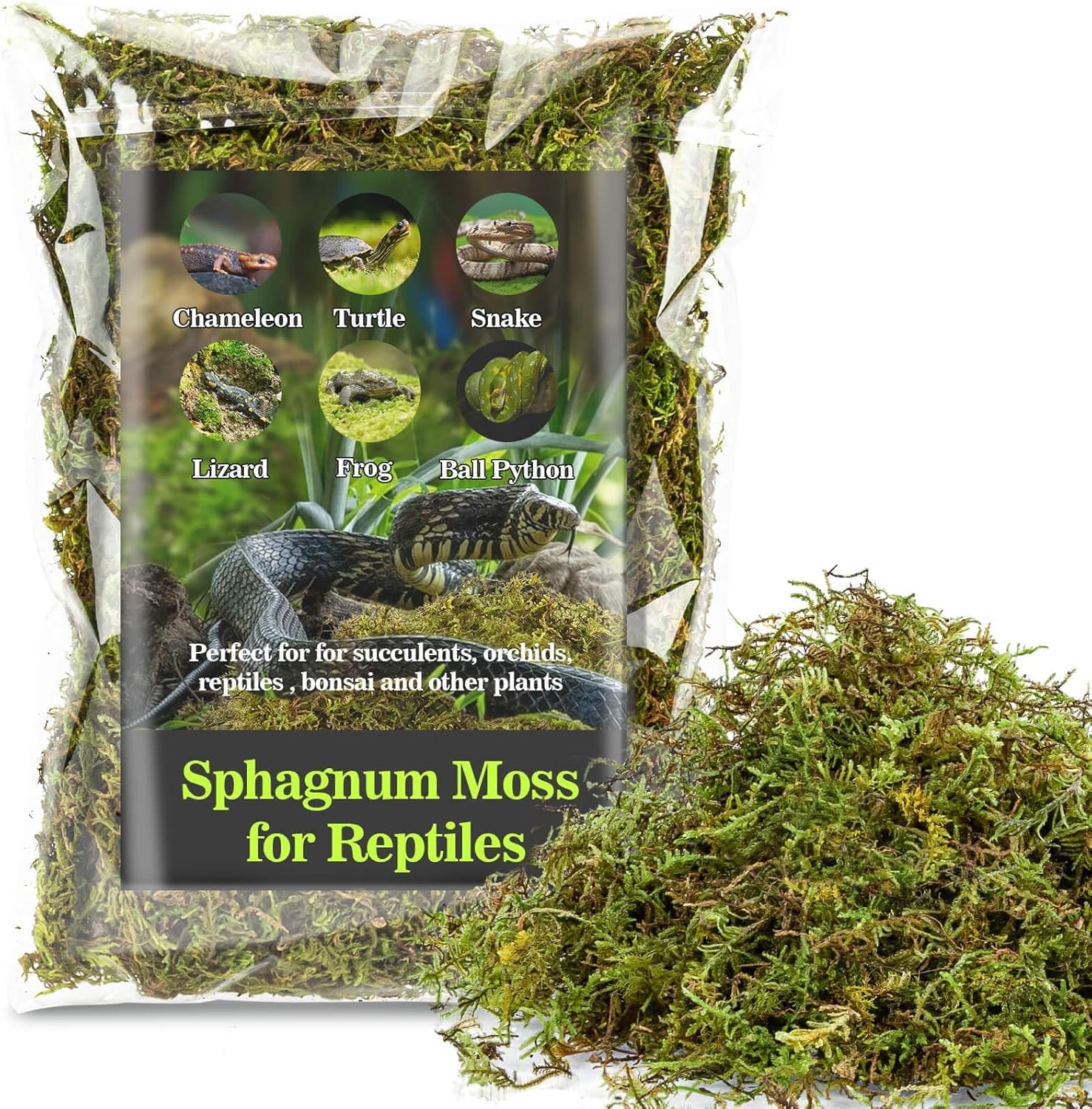
This 5 ounce pack of Sukh sphagnum moss is a simple, single-ingredient substrate intended to help maintain higher humidity in reptile enclosures and support orchid or fern roots. Typical use is as a top layer, nest material, or mixed into a substrate blend rather than as the sole base. The long fibers and high absorbency mean it soaks up water and releases it slowly, which helps stabilize humidity for tree frogs, geckos, and other species that need a moist microclimate. It also provides soft hiding and nesting pockets and can aid shedding by offering a damp surface. Practical benefits include ease of use, versatility for small decorative projects, and suitability for humidity-sensitive plants. Important limitations are the small package size for larger enclosures and that the manufacturer notes it should not be used as a primary substrate by itself, so you will likely need additional substrate components and periodic replacement to avoid buildup of debris or excess moisture.
Best for: Buyers who want a low-effort way to maintain humidity and provide soft nesting or hiding spots in small to medium terrariums and who prefer ready-to-use natural materials.
Less Ideal for: People needing a complete substrate solution for large or floor-covering installations or owners who want a long-term primary substrate without periodic replacement.
- High absorbency that holds moisture and helps stabilize terrarium humidity
- Long fibers create soft hiding and nesting pockets for burrowing or egg-laying
- Versatile for use with reptiles and as moisture-retentive material for orchids and ferns
- Packaged in a lightweight, easy-to-handle amount for small tanks or spot use
- Small 5 oz package is not sufficient for large enclosures
- Not suitable as a sole primary substrate and requires mixing with other materials
Verdict: Choose this sphagnum moss if you need an easy, natural material to boost and hold humidity and provide nesting spots in small terrariums or for humidity-loving plants.
Choosing the Right Sphagnum Moss: Key Factors to Consider
Water-Holding Capacity
How much water sphagnum moss can retain matters because it determines the frequency you need to water and how stable moisture is at the root zone. High water-holding types are useful for orchids, moisture-loving terrariums, and any propagation where consistent dampness encourages root development.
If a moss holds water well but compresses into a soggy mass, it will reduce aeration and risk rot. Look for moss that retains moisture while still permitting air spaces around roots. Consider whether you need long-term moisture retention or short-term surface dampness when choosing a product.
Purity and Cleanliness
Garden-grade sphagnum should be free of soil, seeds, and excessive debris. Contaminants can introduce weed seeds, pests, or pathogens into propagation trays and containers.
Purity also affects appearance and handling. Cleaner moss reduces the need for rinsing and lowers the chance of introducing unwanted organisms to sensitive plants like orchids and carnivores. Check whether the product is processed to remove dust and fine particulate for indoor use.
Fiber Length and Structure
Longer fibers interlock better and form a stable matrix around roots in mounts and baskets. They also make it easier to create hanging baskets or pole-mounted plant displays that need the moss to stay put.
Shorter, finer fibers mix more easily into potting blends and topdressings. Match fiber length to the job: long fibers for wraps and mounts; medium to short fibers for mixing into soil or using as a surface layer.
Ease of Rehydration
Most sphagnum arrives dry and needs rehydration. Moss that rehydrates quickly and evenly saves time and ensures consistent moisture for cuttings and seedlings. Some products soak up water readily and expand back to a fluffy texture; others clump or retain dry pockets.
Consider whether you plan to pre-soak moss or add it dry to a mix. For greenhouse or propagation bench work, reliable rehydration reduces variability between batches and makes handling faster.
Decay Resistance and Longevity
Sphagnum used as a long-term surface layer, mount, or in potting mixes should resist rapid breakdown. Moss that decomposes quickly can increase the need for repotting and raise the risk of fungal problems.
Factors that affect decay include how the moss was processed, residual organic matter, and how wet it stays in use. Choose a product with good structural integrity for applications where longevity matters.
Handling and Dust Levels
Dusty, brittle moss is harder to work with indoors and can clog bench drains or sprayers. Lower-dust moss is neater for indoor propagation and reduces respiratory irritation when handling large volumes.
Handling also covers how well the moss tears, bundles, and compresses. Some gardeners prefer pliable moss that binds well around roots; others want loose, fluffy material for mixing. Consider storage and whether you need resealable packaging to keep leftover moss usable.
Best Uses by Garden Task
Different sphagnum characteristics suit different tasks. For orchid mounts and hanging baskets you want long, interlocking fibers that hold steady around a root ball and dry out enough between waterings to avoid rot. For seed starting and general potting mixes, finer chopped sphagnum blends more evenly and helps retain moisture without creating an impermeable layer.
Use finer moss or peat-free blends for surface mulches in container plantings to reduce evaporation while still allowing light and air penetration. For terrariums, choose cleaner, low-dust moss that rehydrates evenly and is free of seeds or debris that could sprout in the closed environment.
- Orchid mounts and displays: long-fiber sphagnum
- Propagation and cuttings: moist, clean fibers that rehydrate reliably
- Potting mixes: chopped or shredded sphagnum blended for even distribution
- Terrariums and closed planters: low-dust, sterile-processed moss
How to Rehydrate and Store Sphagnum
To rehydrate, submerge the moss in water until it fully expands, then gently squeeze to remove excess water for applications that require aeration. For mixes, add while slightly damp so the moss distributes without clumping. Avoid boiling or chemically treating moss at home; plain warm water is usually sufficient.
Store unused moss in a cool, dry place in breathable packaging to prevent mold. If you expect long storage, keep it slightly dry rather than wet; wet moss stored sealed will go anaerobic and smell. For greenhouse use, mark opened packages with the date and inspect for any musty odor before reuse.
- Soak fully, then drain well for mounts
- Keep slightly damp for propagation trays
- Store dry and ventilated to avoid mold
Blends and Alternatives to Pure Sphagnum
Gardeners often ask whether pure sphagnum is necessary. In many cases, blends with inert materials such as perlite or horticultural-grade bark offer the same water balance with improved drainage. Chopped sphagnum mixed into potting soil increases moisture retention without replacing the entire mix.
Peat-free or recycled alternatives can perform similarly in container mixes, but they may behave differently in mounts or when used as a long-term surface. If you choose a blend, look for clear labeling about composition so you know how it will interact with watering and root growth.
- Mix chopped sphagnum with perlite for seed starting
- Use bark blends for improved drainage with orchids
- Check labels to confirm horticultural-grade content
Common Mistakes to Avoid
Using overly compacted moss in pots can create a waterlogged zone that suffocates roots. Always check that the moss allows air pockets to remain after rehydration and placement. Avoid layering thick, untreated moss against sensitive stems or crowns where moisture can be trapped against tissue.
Assuming all sphagnum is sterile is risky. Some commercial moss carries debris or viable weed seeds. Rinsing and inspecting material before use reduces surprises, and choosing cleaner grades for indoor use lowers the chance of contamination.
- Do not pack moss too tightly in containers
- Inspect and rinse if moss appears dusty or contains debris
- Avoid keeping moss constantly wet if used on crowns or stems
Sustainability and Sourcing Considerations
Sphagnum harvest has ecological impacts in some regions, so look for products that disclose sustainable harvesting practices or are certified by reputable environmental programs. Locally sourced or responsibly processed moss reduces transport emissions and can support better land management.
If sustainability is a priority, ask about harvest methods, restoration plans, and whether the product uses any additives. Choosing responsibly sourced moss helps preserve bog habitats and supports long-term availability for gardeners.
- Check for sustainability disclosures on packaging
- Prefer suppliers that explain harvest and restoration practices
- Consider alternatives if sustainable moss is unavailable
How We Chose the Best Sphagnum Moss
We focused on practical, gardener-relevant performance when selecting the seven sphagnum moss options included here. Primary criteria were water-holding capacity and material purity, because those determine how long media stay moist and how free they are of contaminants that can harm cuttings or seedlings. We also considered fiber length and structure, which affect aeration, ease of mixing into potting blends, and how well moss holds around roots for mounts or baskets. Handling characteristics such as ease of rehydration, fraying, and dust levels matter for everyday use. Finally, long-term stability and resistance to rapid decay were judged so moss used for displays or long-term mounts does not turn slimy quickly. Products were excluded if they were blends with large amounts of peat, heavily treated with dyes or preservatives, or if labeling did not disclose processing and origin. Our process prioritized options suitable for propagation, orchid culture, seed starting, and soil amendment, and we avoided items intended solely as decorative craft moss when they lacked horticultural-grade attributes.
FAQ
Can sphagnum moss be reused after use in pots or mounts?
Often it can be reused if it shows no signs of rot, mold, or heavy contamination. Rinse and allow the moss to dry, then inspect for decomposition. Reuse is best for non-sterile applications like mulch; avoid reusing moss around vulnerable seedlings without proper cleaning.
Is sphagnum moss the same as peat moss?
They are related but different. Sphagnum moss is the live or intact plant material, often used for mounts and propagation. Peat moss is decomposed sphagnum that accumulates in bogs and is used as a soil amendment. Their water behavior and structure are not identical.
How often should I water plants potted with sphagnum moss?
Watering frequency depends on pot size, plant type, and environmental conditions. Because sphagnum retains moisture well, many plants need less frequent watering than with bark-based media. Check the root zone moisture and allow some drying between waterings for species that dislike constant saturation.
Can sphagnum moss be used for seed starting?
Yes. Clean, fine or chopped sphagnum helps retain moisture around small seeds while still allowing light penetration for germination. Use a sterile or processed grade to reduce the risk of damping-off and ensure even rehydration for reliable results.
Should I rinse sphagnum moss before use?
Rinsing is often beneficial if the moss looks dusty or contains visible debris. For indoor propagation and terrariums, a quick soak and rinse remove fine particles and can reduce the chance of introducing unwanted materials into the growing environment.
Final Verdict
Focus on the attributes that match how you garden: choose high water-holding moss for orchids and mounts, finer chopped material for mixes and seed starting, and low-dust, clean grades for indoor use. Balance moisture retention with aeration and pick moss with structural integrity if you need longevity. Prioritize purity, rehydration behavior, and fiber length to match the application and reduce maintenance.
