

Note: This article contains affiliate links. If you click on these links and make a purchase, I may earn a small commission at no extra cost to you. This helps support my research and content. Read my full affiliate disclosure here.
If you grow orchids, start seeds, or tend acid-loving plants, the right sphagnum moss makes a big difference in moisture control and root health. Grow New Zealand sphagnum moss is prized for its long fibers and natural acidity, but not every bag behaves the same in a pot or propagation tray. This guide shortlists the top-rated options and explains the practical tradeoffs you will face in a greenhouse, windowsill, or outdoor nursery. We evaluated each entry for moisture retention, fiber integrity, and cleanliness so you can pick the right version for seed starting, repotting orchids, or topping up hanging baskets. Below are our top picks followed by guidance on choosing, using, and storing sphagnum moss in common garden situations.
Top Picks at a Glance
| Best Overall The best all-around choice for most situations | besgrow Premium New Zealand Sphagnum Moss, AA Classic 500g |  |
| Best Quality Built to a higher standard if you want something more solid | Besgrow New Zealand Sphagnum Moss (1 kg) |  |
| Best Value The sweet spot between price and what you get | besgrow Premium New Zealand Sphagnum Moss (Classic) |  |
| Best Budget The cheapest option that still gets the job done reliably | Besgrow New Zealand Sphagnum Moss, 100 g (rehydrates to ~8 L) |  |
| Highest Rated A top-rated pick with lots of positive feedback | besgrow Premium New Zealand Sphagnum Moss, AAA Premier (150g) | 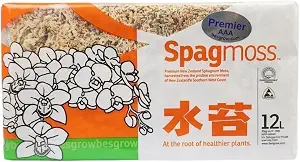 |
| Most Popular A crowd favorite that many people choose with confidence | Zoo Med New Zealand Sphagnum Moss |  |
| Best Seller A high-volume bestseller chosen again and again | besgrow Premium New Zealand Sphagnum Moss, AAA Grade, 500g (40L When Hydrated) |  |
besgrow Premium New Zealand Sphagnum Moss, AA Classic 500g

| Brand Name | besgrow |
|---|---|
| Item Type Name | Sphagnum Moss 40 Liters New Zealand Grade AA |
| Unit Count | 1 Ounce |
| Volume | 40 liters |
This besgrow Premium New Zealand Sphagnum Moss is a sustainably harvested, classic AA-grade sphagnum sold as a 500 g bale that expands to about 40 L when hydrated. It is commonly used for repotting orchids, improving moisture retention in potting mixes, lining hanging baskets, and as bedding or humidity substrate in terrariums and reptile enclosures. The moss is relatively sterile with low soluble salts and a fibrous structure that soaks up and holds many times its weight in water, which helps keep roots and moss‑loving plants consistently moist without becoming waterlogged when used properly. Because it comes dried, you rehydrate and fluff it before use, which makes storage and shipping simple but adds a prep step. The product is straightforward for hobbyists and commercial growers alike, though users should ensure the moss is fully dried before long-term storage and monitor moisture in enclosed habitats to avoid mold in high-humidity situations.
Best for: Buyers who want a reliable, all-purpose sphagnum for orchids, carnivorous plants, and terrariums and prefer a product that balances quality, ease of storage, and predictable moisture retention.
Less Ideal for: People needing bulk volumes for large landscaping jobs or those who prefer a pre-moistened ready-to-use substrate.
- Sustainably harvested New Zealand sphagnum with AA grade quality.
- High water-holding capacity useful for orchids and moisture-loving plants.
- Relatively low soluble salts and low microbial load suitable for sensitive plants and terrarium use.
- Sold dried so requires rehydration and preparation before use.
- Pack size may be small for large landscaping or commercial projects.
Verdict: A dependable, AA-grade New Zealand sphagnum that balances quality and moisture retention for hobby growers and terrarium keepers.
Besgrow New Zealand Sphagnum Moss (1 kg)

| Unit Count | 35.27 Ounce |
|---|---|
| Included Components | spagmoss |
| Brand Name | besgrow |
| Volume | 80 liters |
Besgrow New Zealand sphagnum moss is a loose, air-dried spagmoss intended for growers who need a high water-holding, low-salt growing medium. It is typically used fresh from the pack as orchid or carnivorous plant substrate, a moisture-retaining amendment mixed into potting blends, a decorative top layer for floral arrangements, or as humid bedding for reptile enclosures. The moss is described as long-stranded and relatively sterile with good water retention, which supports root development and reduces the need for frequent watering. Practical benefits include easy handling, compatibility with moisture-loving plants, and being chemical-free and hand-picked with minimal debris. Important limitations are that it is an organic material that will eventually break down and may need periodic replacement, and some users should handle it with gloves due to potential skin irritation; it is not a ready-to-use potting mix and often needs to be combined with other media for long-term potted plants.
Best for: Growers and hobbyists focused on healthy root development for orchids, carnivorous plants, or moisture-dependent specimens who prioritize performance and moisture control in their growing media.
Less Ideal for: Casual gardeners seeking a ready-to-use potting soil or those who want a low-maintenance, permanent substrate without periodic replenishment.
- High water-holding capacity suitable for moisture-loving plants
- Long, strong strands that support root anchorage and aeration
- Low soluble salt levels and relatively sterile compared with some raw materials
- Hand-picked and air-dried with minimal foreign material
- Organic material will decompose over time and require replacement
- May cause skin irritation for sensitive users so gloves are recommended
Verdict: Choose this New Zealand sphagnum moss when you need a high-performing, low-salt moisture-retentive medium to support vigorous root growth in orchids and other moisture-loving plants.
besgrow Premium New Zealand Sphagnum Moss (Classic)

| Brand Name | besgrow |
|---|---|
| Unit Count | 35 Ounce |
| Volume | 80 liters |
This besgrow New Zealand sphagnum moss is a dried, hand-picked natural moss intended to improve moisture retention and root environment for moisture-loving plants. You typically use it straight from the bag as a top dressing, potting medium amendment, orchid mount wrapping, or as bedding/decoration for terrariums and reptile enclosures. Notable features are long strong strands, low soluble salts, and a high water-holding capacity that the listing says can hold up to about 20 times its dry weight, which helps keep roots evenly moist without compacting. The product is relatively clean and minimally contaminated, making it suitable for sensitive plants and young starts. Limitations are that it arrives dry and must be rehydrated before use, and quantity control can be imprecise for small projects since the pack is large volume when hydrated. If you need a consistent, soilless medium with excellent water retention for orchids or to boost substrate moisture, this moss performs well; if you require pre-sterilized or processed blends, expect to supplement or treat it yourself.
Best for: Buyers who want a natural, high-capacity moisture-retaining medium to improve root moisture for orchids, carnivorous plants, and terrariums and who prioritize functional performance over pre-mixed convenience.
Less Ideal for: People who need a ready-to-use, pre-sterilized potting mix or exact small-quantity packaging should consider alternatives designed for those needs.
- High water-holding capacity helps maintain consistent moisture for orchids and young plants
- Long, strong strands suitable for wrapping mounts and forming stable mats
- Low natural soluble salts and relatively clean with minimal foreign material
- Versatile for multiple uses: potting mix additive, top dressing, terrariums, and reptile bedding
- Arrives dry and requires soaking to reach usable hydration
- Large hydrated volume can be hard to portion for very small projects
Verdict: Choose this sphagnum moss when you need a natural, high water-retention material to reliably keep moisture-loving plants and terrariums consistently damp.
Besgrow New Zealand Sphagnum Moss, 100 g (rehydrates to ~8 L)

| Brand Name | besgrow |
|---|---|
| Unit Count | 3.53 Ounce |
| Manufacturer | Besgrow |
| Style Name | Brick |
Besgrow New Zealand sphagnum moss is a natural, hand‑harvested moss packaged dry for growers who need a high water‑retention substrate. It is typically used for potting orchids, carnivorous plants, and for improving moisture in other mixes or reptile bedding. The long strong strands and low soluble salt content mean it holds moisture well and encourages firm root contact without immediately breaking down. Because it is air dried and minimally processed you can use it straight from the pack after rehydrating, and it is free of added chemicals. Practical benefits include excellent water retention (it can absorb many times its weight), relative cleanliness compared with raw field moss, and versatility as a top dressing, liner, or mixing amendment. Important limitations are the small pack size relative to volume needed for larger projects and the need to allow it to dry thoroughly after use to avoid mold; buyers will need to rehydrate and measure how much they require for multiple pots. For budget projects buy only what you need or plan to use it sparingly as an amendment rather than a full potting medium.
Best for: Gardners and hobbyists who want a reliable, natural sphagnum amendment for orchids, carnivorous plants, or moisture‑loving collections and who will use modest quantities from a small pack.
Less Ideal for: Those who need a large volume of substrate for many pots or for full potting mixes should choose bulk or compressed commercial mixes instead.
- Long, strong strands that support root development
- Low soluble salt levels suitable for sensitive plants like orchids and carnivores
- High water‑holding capacity useful for moisture retention and reptile bedding
- Air‑dried and minimally processed so it is ready to use after rehydration
- Small pack size means you may need multiple bags for several pots or large mixes
- Must be allowed to dry fully after use to prevent mold growth
Verdict: A small, ready‑to‑use pack of high‑quality New Zealand sphagnum that gives reliable moisture retention for orchids and small projects.
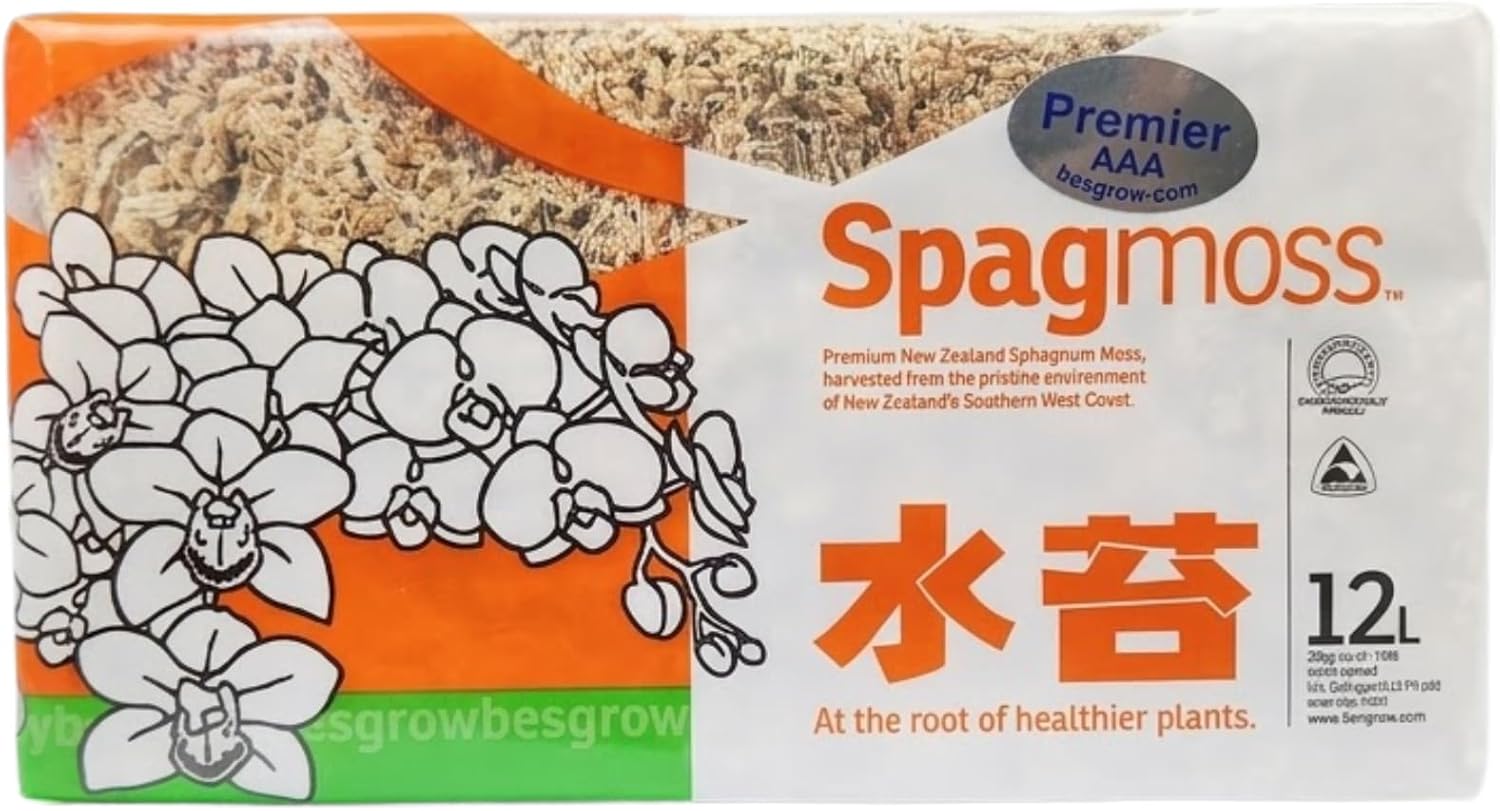
besgrow Premium New Zealand Sphagnum Moss, AAA Premier (150g)
| Brand Name | besgrow |
|---|---|
| Unit Count | 5.3 Ounce |
| Style Name | AAA Premier (6" Strands) |
| Volume | 1 liters |
This besgrow premium New Zealand sphagnum moss is a dried, hand-picked product aimed at growers who need a stable, high-water-retention substrate for orchids and other moisture-loving plants. Typical use is as a potting medium or liner for pots and baskets, a top dressing to improve moisture retention, or as bedding for terrariums and reptile enclosures. Notable features include long, strong 6-inch strands, low soluble-salt content, and a structural fiber that soaks up water and releases it slowly to roots. Practical benefits are improved root hydration for sensitive orchids, easier moisture management in hanging baskets and clear rooting environments, and a relatively sterile starting material that reduces initial contamination risks. Limitations are that it arrives dry so it needs rehydration before use and it is sold in a small single pack that may require multiple purchases for larger plant collections or repotting projects. Also it is a natural product so batch variability and occasional small foreign matter are possible.
Best for: Growers who prioritize reliable moisture control and healthier root development for orchids or other moisture-loving plants and who prefer a minimally processed, ready-to-use natural substrate.
Less Ideal for: Gardeners who need a bulk, low-cost substrate for large beds or those who prefer a pre-mixed potting blend with added nutrients and fertigation-ready components.
- High water-holding capacity that supports consistent moisture for orchids and carnivorous plants
- Long, strong strands useful for lining pots, wrapping roots, or creating stable mounts
- Low soluble salt levels and relatively sterile composition reduce early root stress
- Hand-picked and air-dried with minimal processing so it is usable straight from the pack
- Sold as a small single pack that may be insufficient for large collections or repeat repottings
- Requires rehydration before use which adds an extra prep step
Verdict: Choose this premium New Zealand sphagnum moss if you want a high-quality, high–water-retention substrate that supports healthier orchid roots and precise moisture control.
Zoo Med New Zealand Sphagnum Moss

| Included Components | Zoo Med New Zealand Sphagnum Moss |
|---|---|
| Unit Count | 1 Count |
| Manufacturer | Zoo Med Laboratories |
| Item model number | SZMCF3NZ |
This bag of New Zealand sphagnum moss is intended for terrarium bedding, live plant care, and moisture retention around sensitive roots. The moss holds large amounts of water relative to its dry weight, so it is useful as a humid layer for orchids, ferns, and terrarium plants or as a top layer to reduce substrate drying. It is soft and carpet-like, which makes it easy to arrange for displays and to line pots or moss poles. The manufacturer notes the moss is long-lasting and can be rinsed and reused several times, and it is harvested using sustainable methods. Limitations to consider are pack size and handling: small hobby packs mean you may need multiple bags for larger projects, and loosely packed sphagnum can shed fibers and require occasional rinsing to remove debris. This product performs best when used to maintain humidity or protect root systems rather than as a sole potting medium.
Best for: Buyers who prioritize proven, low-maintenance humidity solutions for terrariums or moisture-sensitive plants and who prefer products with long user feedback and sustainable sourcing.
Less Ideal for: People looking for a bulk substrate for large-scale potting or those who need a sterile, soil-like growing medium as the moss is best used as a moisture layer or top dressing.
- Very high moisture retention useful for maintaining terrarium and potted-plant humidity
- Soft, carpet-like texture that is easy to arrange for displays and plant mounts
- Can be washed and reused several times which extends usable life
- Harvested using sustainable methods according to the product description
- Small unit size may require multiple packages for larger pots or projects
- Loose fibers can shed and may need rinsing before use
Verdict: A reliable, reusable sphagnum option for keeping terrariums and moisture-loving plants consistently humid.
besgrow Premium New Zealand Sphagnum Moss, AAA Grade, 500g (40L When Hydrated)

| Brand Name | besgrow |
|---|---|
| Unit Count | 22.4 Ounce |
| Included Components | spagmoss |
| Style Name | AAA Premier (6" Strands) |
| Volume | 40 liters |
This Besgrow New Zealand sphagnum moss is a high‑quality, long‑strand moss intended for growers who need reliable water retention and a clean medium for moisture‑loving plants. It arrives dry and compressible and is rehydrated before use; once soaked and squeezed to the desired dampness it provides a loose, airy substrate that encourages root penetration and holds substantial moisture without becoming compacted. Notable features include long, strong strands from South Island harvests, low soluble salt content, and a relatively sterile profile that reduces the risk of introducing contaminants to sensitive plants. Practical benefits include using it straight from the pack for orchids, carnivorous plants, seedling plugs, or as an amendment to improve water holding in potting mixes and terrarium or reptile setups. Limitations are that it must be pre-soaked and excess water removed for many applications and it does not supply nutrients, so it works best combined with fertilization practices rather than as a complete growing medium.
Best for: Growers who prioritize plant performance and moisture control, especially orchid and carnivorous plant hobbyists or anyone needing a clean, high‑water‑retention medium to support vigorous root development.
Less Ideal for: Casual gardeners who want a ready‑to‑use, nutrient‑rich potting soil or those unwilling to rehydrate and manage a separate feeding schedule.
- Long, strong New Zealand strands that stay loose and airy for good root aeration
- High water‑holding capacity to keep moisture-loving plants consistently damp
- Low soluble salt content and relatively sterile when packaged
- Versatile for orchids, carnivorous plants, terrariums, reptile bedding, or as a soil amendment
- Arrives dry and requires soaking and squeezing before use
- Contains no nutrients so must be paired with feeding for long-term plant growth
Verdict: Buy this sphagnum moss if you need a clean, high‑water‑retention medium that reliably supports strong root growth for orchids and other moisture‑loving plants.
Choosing the Right Grow New Zealand Sphagnum Moss: Key Factors to Consider
Moisture Retention and Drainage Balance
Sphagnum moss is prized for its ability to hold large amounts of water while still allowing air to the roots. Good moisture retention keeps seedlings and epiphytes hydrated between waterings but too much retention without adequate drainage can suffocate roots and promote rot.
When choosing moss, consider how quickly it releases water after saturation. For seed trays you may prefer a mix that holds moisture longer to avoid frequent misting. For orchids or plants that need drier pockets, look for moss with more structure and better drainage so it does not stay waterlogged.
Fiber Length and Structural Integrity
Long, intact fibers create a springy, airy medium that resists compaction and supports young roots. Fibers that break down quickly will collapse into a dense mat, reducing oxygen access and changing watering frequency.
Examine how the moss reforms after rewetting. Higher-quality moss will fluff back up and retain spacing between fibers. For mounted or repotted orchids, fiber integrity matters because it provides stable anchor points for roots and prolongs the useful life of the medium.
Purity, Cleanliness, and Pest Risk
Clean moss minimizes introduced pests, fungal spores, and weed seeds. Moss with visible dirt, sand, or plant debris raises the risk of contamination and unexpected microbes that can harm delicate seedlings or greenhouse-grown specimens.
Sphagnum harvested and packaged carefully tends to be cleaner. If you plan to use the moss for seed starting or sterile propagation, prioritize products described as screened, sterilized, or packaged to reduce foreign material and handling contamination.
Acidity and pH Stability
Natural sphagnum moss is slightly acidic, which benefits acid-loving plants and can suppress some pathogens. However, pH can vary by source and processing. Large deviations may affect nutrient uptake or require adjustments to your fertilizer regimen.
If you grow pH-sensitive species, choose moss with stable, predictable acidity. For mixed planting use, be prepared to monitor substrate pH and correct it with appropriate amendments or fertilizer choices rather than relying on the moss alone.
Rehydration Behavior and Longevity
How moss behaves when you rewet it determines its usefulness in repeated cycles. Some moss absorbs water quickly and expands while staying cohesive. Other mosses may clump, become slimy, or break down into fine particles that compact rapidly.
Consider how long you need the moss to last before replacement. For frequent repotting or propagation projects, a moss that keeps structure through multiple wet-dry cycles is more economical and less disruptive to plants.
Packaging and Storage Practicality
Packaging affects how well moss stays clean and usable. Resealable or tightly baled packs reduce exposure to dust and pests. Poor packaging can lead to compressed fibers and increased handling to fluff the moss back up.
Also consider storage needs. Moss kept in a cool, dry place will last longer and stay sterile. If you buy in bulk, ensure you have space and breathable containers to prevent mold or mustiness during storage.
Best Uses by Garden Task
Different propagation and container tasks place different demands on sphagnum moss. For seed starting, look for a finer, cleaner texture that holds uniform moisture without large air pockets. For orchids and epiphytes, longer fibers that provide anchorage and airflow are the priority.
Moss for topdressing or moisture topping in mixed containers can be coarser and used sparingly. When using moss for carnivorous plants, ensure acidity and purity are appropriate and avoid mixes with fertilizer residues.
- Seed starting: fine, screened moss that drains evenly
- Orchids: long fibers that support roots and allow air flow
- Topdressing: coarse strands used sparingly to retain surface moisture
- Carnivorous plants: clean, acidic moss without added nutrients
How to Rehydrate and Prepare Sphagnum
Rehydration technique affects texture and performance. Soak the moss in water at room temperature and allow it to fully expand. Gently squeeze out excess water for planting; do not wring aggressively because that can damage fibers.
For sterile propagation, consider a brief hot-water rinse or steam treatment to reduce surface microbes, but avoid chemical sterilants that alter acidity. Always fluff the moss after rehydration to restore air pockets before placing seedlings or roots.
- Soak for 10 to 30 minutes until fibers expand
- Gently press to remove excess water, leaving moss damp but not dripping
- Fluff with gloved hands to restore air spaces before use
Storing Leftover Moss
Store unused sphagnum in a cool, dry, and dark place in breathable containers or resealable packaging to prevent mold. If you need long-term storage, keep it slightly dry to avoid microbial growth; rehydrate only when you are ready to use it.
Inspect stored moss periodically for musty odors or visible mold. Discard and replace any portion that smells off or shows discoloration. Good storage extends usable life and preserves fiber quality.
- Use breathable bags or plastic bins with occasional airing
- Keep away from direct sunlight and damp basements
- Label packages with purchase or opening date to track age
Common Mistakes and How to Avoid Them
A common error is overwatering moss-filled pots because moss holds water longer than soil mixes. Adjust watering schedules and check root zones before adding more moisture. Another mistake is using compacted moss that has not been properly fluffed after storage; this reduces aeration and increases rot risk.
Avoid mixing nutrient-rich soils directly into sphagnum when you intend to grow acid-loving plants. If you need supplementary nutrients, apply fertilizers designed for the plant type and use dilute strength to prevent salt buildup in the moss.
- Do not assume watering frequency for soil applies to moss
- Always fluff stored moss before use to restore structure
- Limit fertilizer strength when using moss with sensitive species
Environmental and Ethical Considerations
Sphagnum harvesting practices vary by region. If sustainability matters to you, seek suppliers that document responsible harvesting and habitat protection. Overharvesting can impact peatland ecosystems, so informed sourcing reduces ecological impact.
Consider alternatives or blended mixes if you want to reduce demand on wild-harvested sphagnum. Many gardeners successfully use partially re-wetted composted bark, coconut coir blends, or manufactured orchid mixes for some tasks to minimize reliance on harvested moss.
- Check for documented sustainable harvest or certifications when available
- Balance use of sphagnum with alternative media for less critical tasks
- Rotate and reuse moss where appropriate to extend supply
How We Chose the Best Grow New Zealand Sphagnum Moss
We focused on performance traits that matter in real-world propagation and container gardening. Each candidate had to demonstrate reliable moisture management in propagation and container use, with consistent fiber length and structure that supports root anchoring without compacting. Cleanliness was a major filter; we excluded lots with visible debris, excessive sand, or organic contaminants that increase disease risk. We also prioritized products with neutral to slightly acidic pH typical for sphagnum, because strong pH swings can stress orchids and carnivorous plants. Additional evaluation criteria included how the moss handled repeated wet-dry cycles, packaging that protects sterility and fiber condition, and manufacturability – meaning the moss should rehydrate predictably rather than clumping or turning to sludge. We excluded any supply that showed heavy processing residues or inconsistent bale composition. The scoring emphasized moisture retention, fiber integrity, purity and cleanliness, and packaging practicality because these attributes directly affect propagation success and everyday potting tasks.
FAQ
How often should I water plants potted in sphagnum moss?
Frequency depends on container size, plant type, and ambient humidity. Sphagnum holds moisture longer than loose mixes, so check the root zone and water when the top layer feels slightly dry. Many orchids and moisture-loving seedlings need less frequent but thorough watering.
Can I sterilize sphagnum moss at home?
You can reduce surface microbes with a hot-water rinse or brief steam, which helps for propagation. Avoid harsh chemicals that change acidity. Sterilization reduces but does not guarantee elimination of all spores or organisms.
Is sphagnum moss acidic enough for carnivorous plants?
Natural sphagnum tends to be slightly acidic and is commonly used for carnivorous plants. pH can vary by source, so test if you need strict control. Avoid mixes with added nutrients or lime if you need a consistently low pH.
How long does sphagnum moss last in pots before needing replacement?
Longevity depends on fiber quality and watering regime. High-integrity fibers can last multiple seasons, while degraded or compacted moss may need replacement after one season. Inspect roots and structure to decide when to repot.
Can I reuse sphagnum moss from old pots?
You can reuse clean, intact moss after gently removing debris and rinsing. Discard moss that is slimy, has heavy root mats, or shows signs of disease. When reusing, refresh by rehydrating and fluffing to restore aeration.
Final Verdict
Choose sphagnum moss based on the specific task: fine, clean moss for seed starting; long, resilient fibers for orchids and mounting; and coarse topdressing for surface moisture control. Prioritize moisture retention, fiber integrity, and purity because these factors most directly affect plant health and maintenance time. Accept tradeoffs between longevity and initial cost by thinking about how often you will repot or propagate. With the right match of moss to task and proper storage and rehydration, you can improve rooting success and reduce the need for frequent replacements.
