

Note: This article contains affiliate links. If you click on these links and make a purchase, I may earn a small commission at no extra cost to you. This helps support my research and content. Read my full affiliate disclosure here.
If you propagate houseplants, vegetables, or rare perennials, the right sphagnum moss makes a tangible difference in rooting speed and success. Sphagnum moss provides a moist, airy, and relatively sterile environment that helps delicate cuttings stay hydrated while allowing new roots to breathe. This guide brings together seven top options suited for propagation situations, shortlisted for their water holding, cleanliness, and ease of use. Below we explain how these mosses were evaluated and what matters when you pick a propagation medium. Use the quick product summaries to match a moss to your propagation style, whether you use trays, pots, or simple plastic bags.
Top Picks at a Glance
| Best Overall The best all-around choice for most situations | SuperMoss Orchid Sphagnum Moss, Dried Mini Bale (1 lb) |  |
| Best Quality Built to a higher standard if you want something more solid | besgrow Premium New Zealand Sphagnum Moss, AAA Premier (150g) | 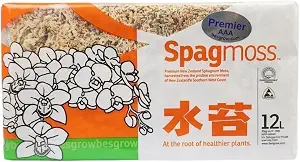 |
| Best Value The sweet spot between price and what you get | Riare Premium Long-Fiber Sphagnum Moss (3 lb, expands to 55 qt) |  |
| Best Budget The cheapest option that still gets the job done reliably | Legigo Natural Sphagnum Moss (4 qt) |  |
| Highest Rated A top-rated pick with lots of positive feedback | Better-Gro Long-Fiber Sphagnum Moss, 240g |  |
| Most Popular A crowd favorite that many people choose with confidence | Better-Gro Premium Sphagnum Moss for Orchids & Plants, 190 cu in |  |
| Best Seller A high-volume bestseller chosen again and again | Sukh Sphagnum Moss for Reptiles, 5 oz |  |
SuperMoss Orchid Sphagnum Moss, Dried Mini Bale (1 lb)

| Unit Count | 17.6 Ounce |
|---|---|
| Included Components | Sphagnum Moss |
| Item Type Name | Orchid Sphagnum Moss Dried |
| Number of Packs | 1 |
SuperMoss Orchid Sphagnum is a long-fiber, preserved sphagnum packaged as a mini bale that functions as both a moisture-retentive top dressing and a lightweight potting/liner material for orchids and other potted plants. You can use it to line hanging baskets, top-dress orchid pots, or mix with potting media when repotting to increase water-holding capacity while maintaining aeration. The fibers absorb a large amount of water and release moisture gradually, which helps reduce watering frequency for moisture-sensitive epiphytes. The product is cleaned to remove dust and sold in a convenient retail bale that is easy to pull apart and shape around roots or baskets. Important limitations are typical of dried sphagnum: it can harbor mold if kept constantly wet and should be handled carefully to avoid inhaling dust when dry. For growers focused on reliable water retention and root oxygenation in orchid culture, this moss performs exactly as intended, though it requires sensible storage and occasional replacement in long-term pots.
Best for: Growers who prioritize reliable moisture management and root aeration for orchids and epiphytic houseplants and want an easy-to-use, long-fiber sphagnum for repotting and basket lining.
Less Ideal for: People who need a completely maintenance-free medium or those who prefer inert, no-organic potting mixes for very frequent wet conditions.
- Long fibers provide excellent water retention while maintaining good aeration for orchid roots
- Versatile: works as hanging-basket liners, potting medium additive, or top-dressing
- Cleaned to remove most dust and small particles for easier handling and fewer contaminants
- Sustainably procured and preserved for convenient retail use
- Prone to mold if left continuously wet or stored damp
- Can produce dust when handled dry which requires care to avoid inhalation
Verdict: Choose this long-fiber sphagnum when you need a proven, moisture-retentive liner or potting additive that supports healthy, well-aerated orchid roots.
besgrow Premium New Zealand Sphagnum Moss, AAA Premier (150g)
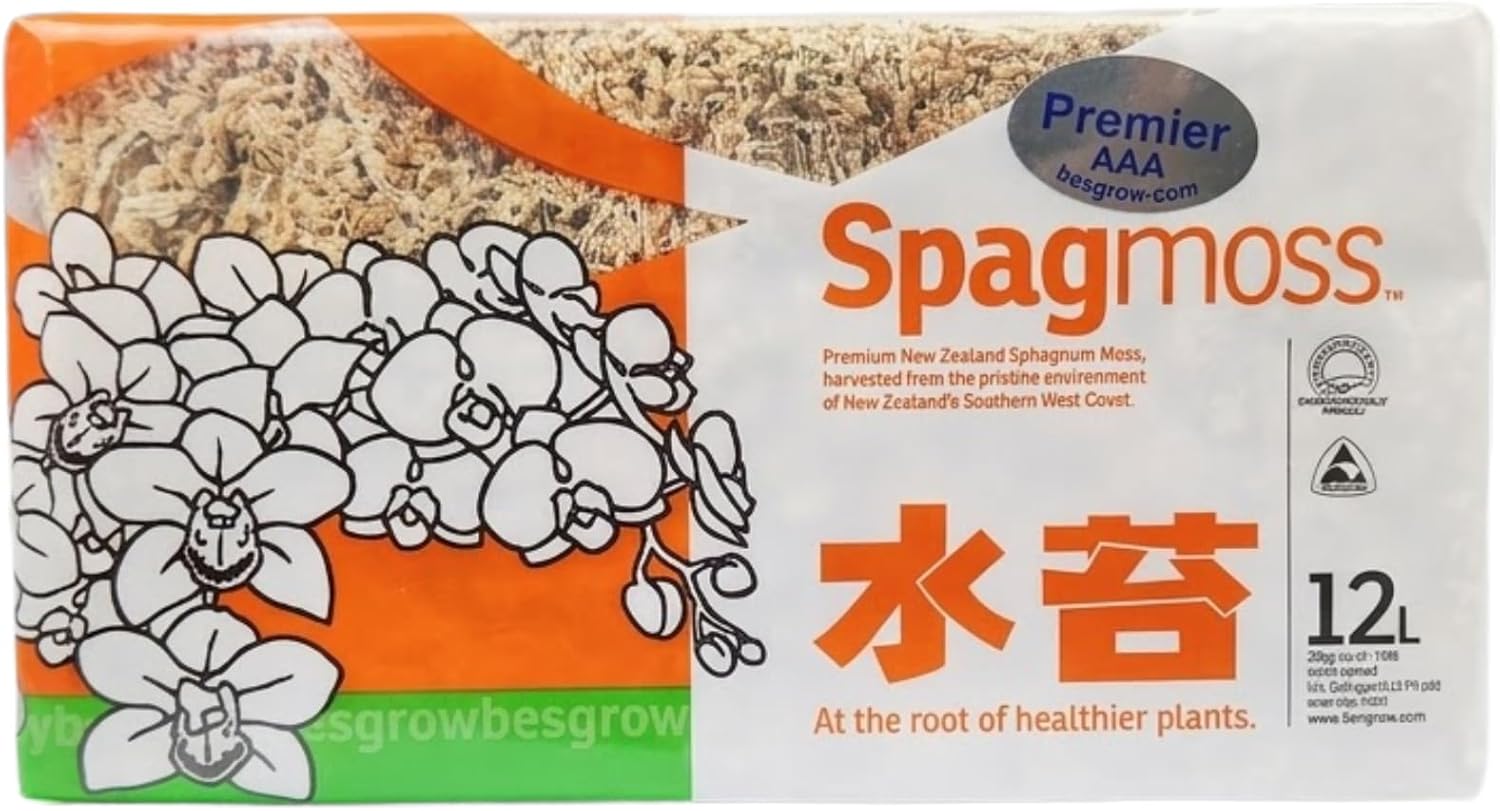
| Brand Name | besgrow |
|---|---|
| Unit Count | 5.3 Ounce |
| Style Name | AAA Premier (6" Strands) |
| Volume | 1 liters |
This besgrow premium New Zealand sphagnum moss is a dried, hand-picked product aimed at growers who need a stable, high-water-retention substrate for orchids and other moisture-loving plants. Typical use is as a potting medium or liner for pots and baskets, a top dressing to improve moisture retention, or as bedding for terrariums and reptile enclosures. Notable features include long, strong 6-inch strands, low soluble-salt content, and a structural fiber that soaks up water and releases it slowly to roots. Practical benefits are improved root hydration for sensitive orchids, easier moisture management in hanging baskets and clear rooting environments, and a relatively sterile starting material that reduces initial contamination risks. Limitations are that it arrives dry so it needs rehydration before use and it is sold in a small single pack that may require multiple purchases for larger plant collections or repotting projects. Also it is a natural product so batch variability and occasional small foreign matter are possible.
Best for: Growers who prioritize reliable moisture control and healthier root development for orchids or other moisture-loving plants and who prefer a minimally processed, ready-to-use natural substrate.
Less Ideal for: Gardeners who need a bulk, low-cost substrate for large beds or those who prefer a pre-mixed potting blend with added nutrients and fertigation-ready components.
- High water-holding capacity that supports consistent moisture for orchids and carnivorous plants
- Long, strong strands useful for lining pots, wrapping roots, or creating stable mounts
- Low soluble salt levels and relatively sterile composition reduce early root stress
- Hand-picked and air-dried with minimal processing so it is usable straight from the pack
- Sold as a small single pack that may be insufficient for large collections or repeat repottings
- Requires rehydration before use which adds an extra prep step
Verdict: Choose this premium New Zealand sphagnum moss if you want a high-quality, high–water-retention substrate that supports healthier orchid roots and precise moisture control.
Riare Premium Long-Fiber Sphagnum Moss (3 lb, expands to 55 qt)

| Unit Count | 79.36 Ounce |
|---|---|
| Material | 100% Natural Sphagnum Moss |
| Volume | 55 quarts |
This 3 lb compressed block of long-fiber sphagnum moss is a practical, multiuse medium for potting, repotting and creating moss poles. The brick soaks up water quickly and expands into a fluffy, airy mass that retains moisture while allowing good drainage and root aeration. It is sold clean and free of visible debris and is pH neutral, which makes it safe for orchids, carnivorous plants and many epiphytes used on moss poles. Typical use is to rehydrate the brick, squeeze out excess water, then wrap or pack the moss around a pole or inside hanging baskets to maintain humidity and provide a rooting surface. The product’s main benefits are easy storage in compressed form, strong water retention for slower drying, and the long fibers that help the moss cling to poles and roots. Limitations are that it requires pre-soaking and handling can be messy when wet, and users needing a sterile or pre-sterilized substrate should take extra precautions before using it with sensitive plants.
Best for: Gardeners who prioritize efficient, space-saving supplies and want an easy-to-store medium that provides reliable moisture retention for moss poles and epiphytic plants.
Less Ideal for: People who need a sterile, ready-to-use substrate straight from the package or those who prefer a no-mess synthetic pole covering.
- Compressed brick expands to large volume for compact shipping and storage
- Long fibers cling well to moss poles and provide a stable rooting surface
- High water retention with good aeration to reduce frequent watering
- Clean, natural material with no visible debris or artificial coloring
- Must be soaked and manually fluffed before use which can be messy
- Not sold sterile so may require sanitizing for very sensitive plants or setups
Verdict: A compact, long-fiber sphagnum moss brick that expands into a moisture-retentive, cling-friendly medium ideal for building and maintaining moss poles.
Legigo Natural Sphagnum Moss (4 qt)

| Brand Name | Legigo |
|---|---|
| Unit Count | 3 Ounce |
| Volume | 4 quarts |
| Material | Natural Sphagnum Moss |
| Style Name | Natural, organic |
This Legigo sphagnum moss is a lightweight, natural growing medium designed to hold moisture while keeping roots airy — traits carnivorous plant growers need. The package contains about 4 quarts (roughly 3–4 ounces compressed) of long-fiber dry moss that expands after soaking; hobbyists typically rehydrate and fluff it before using as a top dressing, pot lining, or component of carnivorous plant mixes. Key strengths are its strong water retention with gradual release, clean sifted fibers with few twigs or debris, and versatility for terrariums and reptile substrates. Practical benefits include reduced watering frequency for moisture-loving plants and an attractive natural layer for hanging baskets or display pots. Important limitations are the small net fill for repeat repotting of multiple plants and the need to soak thoroughly once dry because dry moss can be slow to reabsorb water. Buyers should also handle it to avoid dust inhalation and follow simple rinsing steps if replacing old root-bound moss.
Best for: Growers who prioritize healthy root aeration and steady moisture for orchids and carnivorous plants and want a clean, natural medium for single-plant repots or terrariums.
Less Ideal for: Large-scale growers, nurseries, or anyone needing bulk quantities for many repots should choose larger commercial-sized sphagnum or alternative substrates.
- Good water retention while remaining airy for roots
- Clean long fibers with minimal debris suitable for sensitive plants
- Useful for multiple uses: pot lining, terrarium substrate, and reptile bedding
- Pack expands when soaked so a little goes further for single repots
- Small unit count means frequent repurchases for collectors or multiple plants
- Dry moss can be slow to re-wet after it fully dries
Verdict: A clean, small-format sphagnum moss pack that gives carnivorous plant growers the moisture retention and aeration needed for healthy roots in single repots and terrariums.
Better-Gro Long-Fiber Sphagnum Moss, 240g

| Item Highlight | 100% natural, for hostas, excellent for hanging baskets and propagating plants, 240 cubic inches |
|---|---|
| Unit Count | 8.47 Ounce |
| Item Type Name | Moss |
| Manufacturer | Sun Bulb Company |
| Volume | 8.47 fluid ounces |
Better-Gro Long-Fiber Sphagnum Moss is a natural, chemical-free moss sold in a compact 240 g pack for gardening and terrarium use. Gardeners typically use it to line hanging baskets, mount epiphytes like orchids and bromeliads, mix into potting media for moisture retention, or create humid hides and substrate for reptiles. The long fibers make it easy to form liners and retain water and dissolved fertilizer, so plants and seedlings stay consistently moist without becoming waterlogged when used with well-draining mixes. It is advertised as sustainably harvested and chemical-free, which is reassuring if you plan to use it with sensitive plants or pets. The small unit is convenient for trialing different projects but means frequent repurchasing for larger containers or repeated basket lining. Because the pack is dry, it requires rehydration and some loosening before use. If you need bulk quantities or a pre-sterilized product for disease-sensitive propagation, you may prefer larger garden-supply formats or treated media instead.
Best for: Buyers who value proven, safe gardening supplies and want a reliable moisture-retentive medium for orchids, hanging baskets, seedlings, or humid terrarium setups.
Less Ideal for: Large-scale growers or landscapers who need bulk moss or gardeners needing a pre-sterilized, ready-to-use propagation medium.
- 100% natural and chemical-free, safe for plants and terrariums
- Long fibers retain moisture and fertilizer, aiding seedling and orchid care
- Versatile uses: basket liners, mounting, soil amendment, and reptile humid hides
- Sustainably harvested, appealing to eco-conscious gardeners
- Small 240 g pack may be insufficient for larger projects or multiple baskets
- Sold dry so it needs soaking and loosening before use
Verdict: A compact, chemical-free long-fiber sphagnum moss that reliably retains moisture for orchids, baskets, and humid terrariums.
Better-Gro Premium Sphagnum Moss for Orchids & Plants, 190 cu in

| Unit Count | 104.61 Ounce |
|---|---|
| Item Type Name | Sphagnum Moss |
| Included Components | Orchid Moss |
| Item Highlight | 100% natural, imported orchid moss |
Better-Gro Premium Sphagnum Moss is a loose, organic sphagnum product intended to retain moisture around roots while still allowing some drainage, making it useful for wet-soil tolerant plants and containers that need consistent humidity. You typically use it as a lining for hanging baskets, a top dressing or mulch for moisture-loving ferns and hostas, a medium for propagating cuttings, or a mounting and potting amendment for orchids. Notable features include its natural, chemical-free composition and a soft, feathered texture that fits wire or wooden baskets and provides a decorative finish. Practically, it reduces transplant shock, helps keep root zones evenly moist, and can extend time between watering for plants that prefer damp conditions. Important limitations are that loose sphagnum compresses over time and will need occasional replenishing, and it can compact in heavy pots so it is best mixed with coarser media for long-term container culture. Also handle with care if you have moss allergies and avoid inhaling dust when unpacking.
Best for: Gardeners who want a reliable, natural moisture-retaining medium for wet-soil tolerant plants, hanging baskets, or propagating cuttings and prefer low-risk, proven products.
Less Ideal for: Those wanting a long-term sole potting mix or a sterile, dust-free planting medium should consider structured mixes or commercial potting soils instead.
- 100% natural sphagnum moss suitable for orchids and moisture-loving plants
- Good water retention while allowing excess to drain, helping maintain humid root zones
- Soft, attractive texture works well as basket lining or decorative top dressing
- Loose material compresses and will need periodic replacement
- Can compact in dense containers so it should be mixed with chunky media for long-term pot culture
Verdict: Buy this if you want a natural, low-risk moisture-retaining moss to keep root zones consistently damp for wet-soil plants and hanging baskets.
Sukh Sphagnum Moss for Reptiles, 5 oz
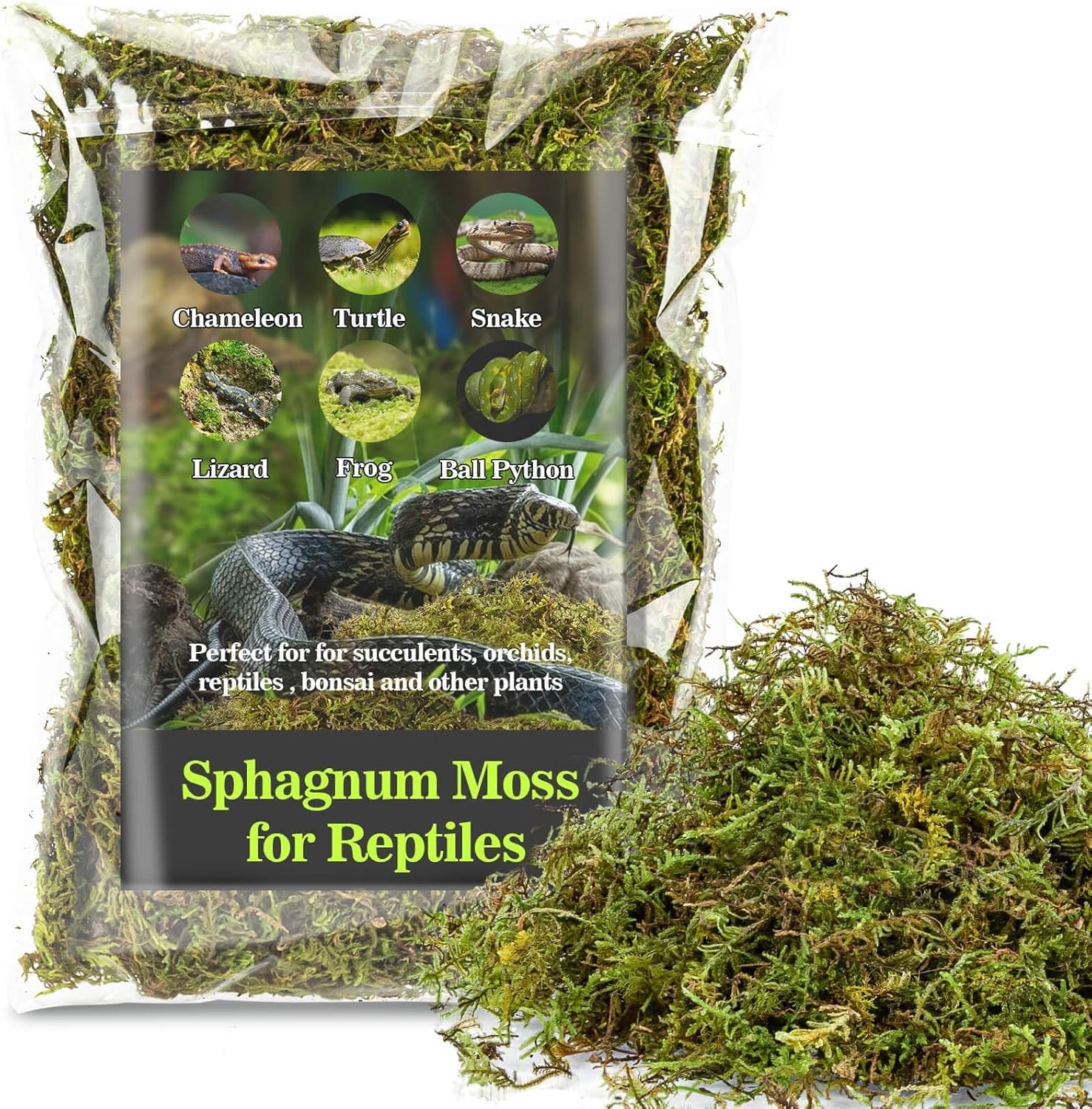
| Item model number | H-Re-SphagnumMoss-112 |
|---|---|
| Manufacturer | H-Re-SphagnumMoss |
| Date First Available | October 16, 2023 |
| Size | 5 Ounces |
This 5 ounce pack of Sukh sphagnum moss is a simple, single-ingredient substrate intended to help maintain higher humidity in reptile enclosures and support orchid or fern roots. Typical use is as a top layer, nest material, or mixed into a substrate blend rather than as the sole base. The long fibers and high absorbency mean it soaks up water and releases it slowly, which helps stabilize humidity for tree frogs, geckos, and other species that need a moist microclimate. It also provides soft hiding and nesting pockets and can aid shedding by offering a damp surface. Practical benefits include ease of use, versatility for small decorative projects, and suitability for humidity-sensitive plants. Important limitations are the small package size for larger enclosures and that the manufacturer notes it should not be used as a primary substrate by itself, so you will likely need additional substrate components and periodic replacement to avoid buildup of debris or excess moisture.
Best for: Buyers who want a low-effort way to maintain humidity and provide soft nesting or hiding spots in small to medium terrariums and who prefer ready-to-use natural materials.
Less Ideal for: People needing a complete substrate solution for large or floor-covering installations or owners who want a long-term primary substrate without periodic replacement.
- High absorbency that holds moisture and helps stabilize terrarium humidity
- Long fibers create soft hiding and nesting pockets for burrowing or egg-laying
- Versatile for use with reptiles and as moisture-retentive material for orchids and ferns
- Packaged in a lightweight, easy-to-handle amount for small tanks or spot use
- Small 5 oz package is not sufficient for large enclosures
- Not suitable as a sole primary substrate and requires mixing with other materials
Verdict: Choose this sphagnum moss if you need an easy, natural material to boost and hold humidity and provide nesting spots in small terrariums or for humidity-loving plants.
Choosing the Right Sphagnum Moss for Propagation: Key Factors to Consider
Water Retention Vs Aeration
Propagation success depends on a balance between moisture and oxygen. Moss that holds too much water can suffocate cuttings and encourage rot, while moss that dries too quickly forces frequent misting and can desiccate tender stems.
Evaluate how a sphagnum moss compresses when wet and how long it stays evenly moist. Look for moss that retains water within its fibers but still leaves air spaces for root tips. In practice this affects how often you need to mist or water and whether you can propagate in enclosed environments like humidity domes or plastic bags.
Cleanliness and Low Contamination Risk
Sphagnum used for propagation should be as free of soil, debris, and pests as possible. Contaminants introduce fungal spores, bacteria, or insect eggs that compete with young roots and cause damping off.
Inspect how the moss is processed and packaged. Minimally handled, well-packaged moss reduces the need for extensive rinsing or sterilizing before use. If you plan to propagate many cuttings or valuable specimens, prioritize moss described as clean, screened, or sterilized to lower failure risk.
Texture and Structural Integrity
Texture matters for how well stems stay positioned and how new roots grow through the medium. Long, fibrous strands give good anchorage for cuttings, while very chopped or compressed moss may not support stems or may compact and lose aeration.
Consider the moss fiber length and whether it separates into fluffy material or stays in tight clumps. Longer, springy strands often make it easier to wrap around a cutting or pack into small pots and tubes without crushing the stem.
Rehydration Behavior
Some sphagnum arrives dry and hydrates quickly, while others take time to rehydrate or require repeated soaking to regain full texture. Moss that reconstitutes reliably saves time and preserves the desired structure for propagation.
Test whether the moss readily soaks up water and returns to a fluffy, workable state. If a product leaves behind hard clumps or takes many cycles to hydrate, it can make set-up slower and increase the chance of uneven moisture pockets around cuttings.
pH and Chemical Residues
Sphagnum naturally tends to be acidic, which can benefit many cuttings by inhibiting some pathogens. However, extreme acidity or residues from processing can harm sensitive species or interfere with rooting hormone effectiveness.
When possible, choose moss with a neutral-to-mildly acidic pH suitable for most houseplants and soft-stem cuttings. If propagation targets plants with specific pH preferences, test or buffer the moss before use. Avoid moss that lists chemical treatments unless you understand how those treatments will interact with rooting.
Packaging Size and Storage
Propagation projects vary from single cuttings to dozens at once, so packaging size affects waste, freshness, and convenience. Large compressed bales can be economical but may require more time to open and rehydrate compared with smaller bags.
Consider how you store leftover moss to prevent mold and drying out. Resealable packaging or airtight containers are helpful. Also think about how quickly you will use it; smaller quantities keep moss fresher for delicate propagation work.
Preparing Sphagnum Moss for Different Propagation Methods
How you prepare moss depends on whether you are rooting single cuttings, creating sphagnum-wrapped stem propagation, or filling small pots for seed-starting. For most uses, gently soak and then squeeze to remove excess water until the moss is damp but not dripping. Fluffed moss works well for potting individual cuttings, while slightly more compact moss helps hold wrapped stems in place.
For very fine cuttings, work with softer, well-hydrated fibers so roots can push through the material. For heavy or woody cuttings, use more substantial strands and consider adding a small amount of coarse material like perlite to improve drainage.
- Soak fully in water then let excess drip away for 5 to 10 minutes
- Squeeze by hand or press between towels to reach damp-but-not-soggy consistency
- Use fluffier moss for delicate roots and denser packs for stem support
Sterilizing and Sanitizing Moss Safely
If you are concerned about pathogens, there are gentle ways to sanitize moss without damaging fibers. A short cold water rinse can remove dust and visible debris. For stronger measures, a brief soak in clean water with careful draining often suffices to lower surface contaminants before use.
Avoid harsh chemicals unless you know they are safe for propagation. Heat treatments can alter texture and reduce water-holding properties, so they are not always recommended for sphagnum destined for cuttings.
- Rinse and inspect before use to remove small debris
- Avoid prolonged boiling or oven sterilizing which can degrade fibers
- Use fresh water soaks rather than strong disinfectants for most propagation work
Storing Leftover Moss to Maintain Freshness
Store unused moss in a cool, dry place away from direct sunlight. If the moss is already moist, keep it in a breathable but pest-proof container to prevent mold. For dry-packed moss, resealable bags or airtight tubs with desiccant are counterproductive; instead, keep the dry supply sealed and used within a reasonable timespan.
Label containers with the date opened and check stored moss periodically for signs of mildew or pests. If you spot any unpleasant odor or discoloration, discard that portion and replace it.
- Keep dry moss sealed and away from humidity
- Store moist moss in breathable but clean containers
- Check for mold or pests before each propagation session
Matching Moss Texture to Plant Type
Different plants respond better to different moss textures. Soft, fine fibers favor small-leaved houseplants and fine-rooted species, while coarser strands support thicker cuttings and orchids. Consider the stem diameter, root thickness, and the expected time to first roots when selecting texture.
For slow-rooting or high-value cuttings, choose a moss that stays evenly moist and cushions the cutting without compressing. Fast-rooting annuals may tolerate quicker-draining, less expensive options.
- Fine fibers for delicate cuttings and seedlings
- Coarse strands for woody cuttings and orchid wraps
- Balance cost and performance depending on propagation volume
Using Sphagnum Moss in Humidity Domes and Bag Methods
Sphagnum pairs well with enclosures because it moderates humidity without pooling water. When using domes or bags, pack the moss lightly so excess condensation can drain away from the cutting base. Monitor moisture and vent the enclosure occasionally to prevent stagnant air that encourages fungal growth.
For long-term enclosed rooting, refresh the moss if it turns blackened or slimy. Short-term bag methods often require less intervention, but keep an eye on temperature inside the enclosure since warm, humid conditions accelerate both rooting and pathogen development.
- Pack moss lightly inside domes to avoid water pooling
- Vent occasionally to prevent stagnant, overly humid conditions
- Replace moss that shows signs of decay during extended use
How We Chose the Best Sphagnum Moss for Propagation
We focused on attributes that matter for propagation success rather than ornamental or landscaping uses. Evaluation prioritized water retention capacity and drainage balance, because a medium must keep cuttings moist without becoming oxygen-starved. Cleanliness and low contamination risk were essential, so we favored moss that is minimally processed and free of visible debris or soil. Consistency and texture were assessed to ensure the moss holds cuttings securely while allowing root penetration. Ease of use and preparation were included, covering how readily the moss rehydrates and whether it needs rinsing or buffering. Packaging and preservation were considered insofar as they affect shelf life and contamination risk. We excluded products intended primarily for long-term potting mixes or decorative top dressings, and we did not include mixed media where moss is a minor component. We also filtered out poorly described products with unclear sourcing or ambiguous processing that could increase contamination risk. The final list reflects options that scored well across these propagation-specific criteria: water retention, cleanliness, texture and structure, rehydration behavior, and packaging integrity.
FAQ
Can I reuse sphagnum moss after a successful propagation?
Often you can reuse moss if it looks clean and shows no signs of rot or pests. Rinse and dry it thoroughly between uses and discard any portions that smell musty or have visible decay because pathogens can survive and spread.
Should I soak sphagnum moss in water before using it for cuttings?
Yes, soak until fully hydrated then squeeze out excess water so the moss is damp but not dripping. This gives cuttings consistent moisture without saturating the stem base, which could cause rot.
Is sphagnum moss acidic enough to affect rooting hormones?
Sphagnum tends to be mildly acidic, which can be compatible with most rooting hormones. If you work with especially pH-sensitive species, test a small batch or buffer the moss before use to avoid interference.
Can I mix sphagnum moss with other media for propagation?
Mixing moss with a small amount of coarse material like perlite can improve drainage for heavier cuttings. Keep the moss dominant in the blend so the mix still retains moisture and provides a sterile-like environment for root initiation.
How do I tell if sphagnum moss is too compacted for rooting?
If water stays pooled on the surface, the moss feels dense when handled, or cuttings sink into the material without resistance, the moss is likely compacted. Fluff it up or add coarser material to restore air pockets.
Final Verdict
When selecting sphagnum moss for propagation, prioritize a balance of moisture retention and aeration, along with cleanliness and workable texture. Be realistic about how you plan to propagate: humidity domes and bag methods benefit from fluffier, water-retentive moss, while larger cuttings need coarser strands for support. Focus on moss that rehydrates reliably, arrives clean, and stores well between uses. Those tradeoffs will determine how often you need to intervene and the overall success rate of your cuttings. With the right moss matched to your method, you will improve rooting consistency and reduce losses to rot or desiccation.
