

Note: This article contains affiliate links. If you click on these links and make a purchase, I may earn a small commission at no extra cost to you. This helps support my research and content. Read my full affiliate disclosure here.
Steep slopes present special challenges: thin soils, fast runoff, and plants that must cling through storms and dry spells. Choosing the right ground cover for steep slopes can reduce erosion, cut maintenance, and create a stable, attractive hillside that survives seasonal extremes. This guide looks at six well-suited ground cover options shortlisted for slope use and explains the planting, establishment, and care considerations that matter most. We evaluate each choice for root stability, erosion control, and ongoing maintenance requirements to help you pick the best fit for your hillside. Read on for practical advice on siting, planting methods, and long-term management before the product list.
Top Picks at a Glance
| Best Overall The best all-around choice for most situations | Sandbaggy Coconut Erosion Control Blanket, 3.75 ft x 120 ft (450 sq ft) |  |
| Best Quality Built to a higher standard if you want something more solid | Sandbaggy Coir Erosion Control Mat (4 ft x 80 ft Roll) |  |
| Best Value The sweet spot between price and what you get | Pterying 6.5 x 300 ft Heavy-Duty Weed Barrier Landscape Fabric, 3 oz |  |
| Best Budget The cheapest option that still gets the job done reliably | BuggyBeds Creeping Thyme Herb Seeds (17500 Count) |  |
| Highest Rated A top-rated pick with lots of positive feedback | DeWitt Curlex I Excelsior Erosion Control Blanket, 4 x 112.5 ft, 10-Pack |  |
| Best Seller A high-volume bestseller chosen again and again | AMAGABELI 4 ft x 50 ft Heavy-Duty Woven Weed Barrier Fabric |  |
Sandbaggy Coconut Erosion Control Blanket, 3.75 ft x 120 ft (450 sq ft)
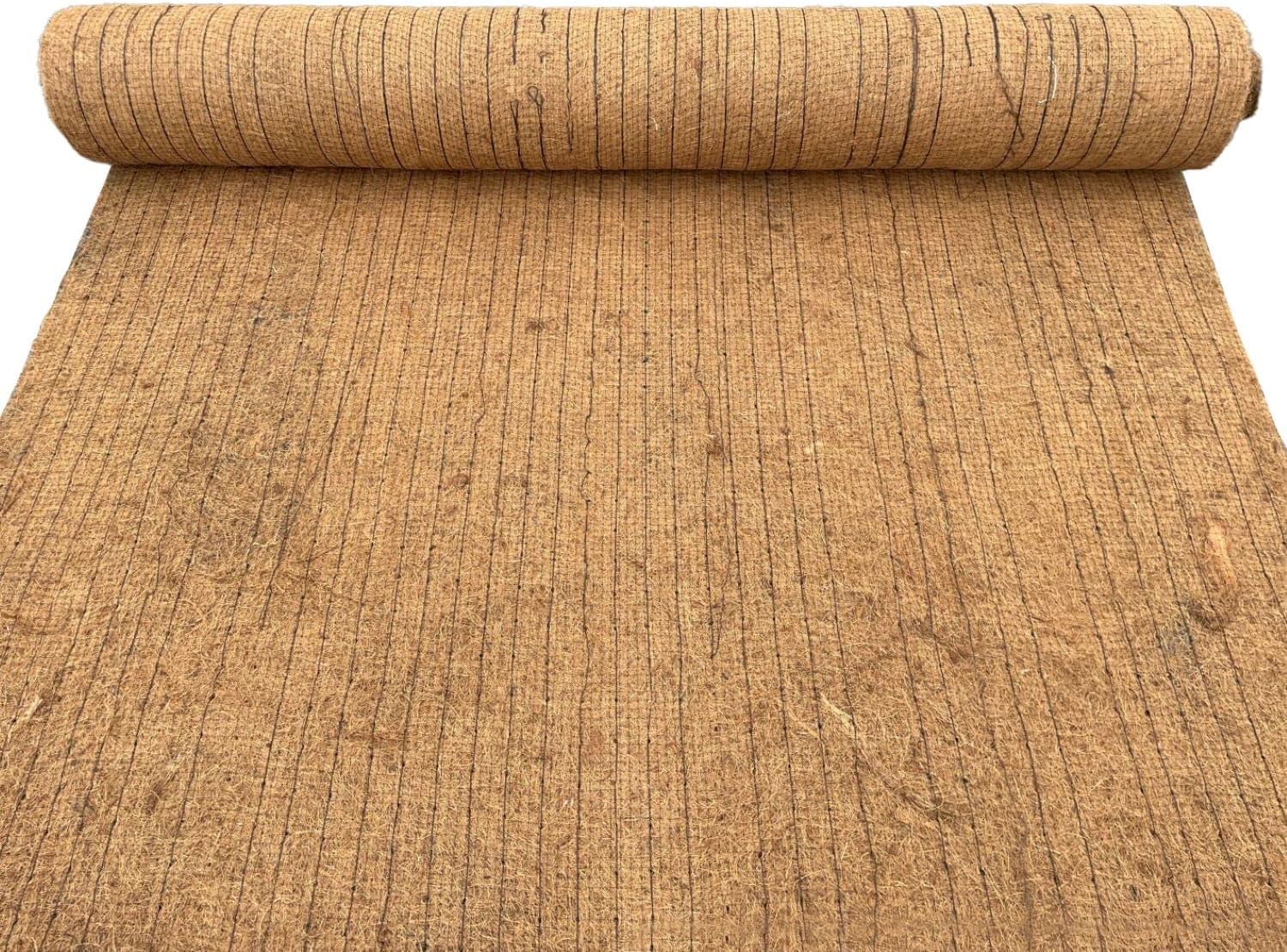
| Item Type Name | Coconut Erosion Control Blanket |
|---|---|
| Unit Count | 1 Count |
| Material Type | Polypropylene Netting |
This Sandbaggy coconut erosion control blanket is a heavy-duty coir mat meant for stabilizing steep slopes and helping seed mixes establish on uneven terrain. Contractors and homeowners can roll the 3.75 ft by 120 ft blanket across banks, ditches, and embankments, anchor it with staples or pins, and let the natural fiber retain moisture and hold soil in place while vegetation establishes. The 100 percent coconut fiber construction is biodegradable and wildlife safe, so it supports eco-restoration projects without leaving synthetic debris. Practical benefits include improved seed germination from moisture retention, reduced surface runoff on 1:1 slopes, and a product light enough to install without heavy equipment. Limitations are that long-term durability is finite because the mat is designed to break down over a few seasons and it requires proper anchoring and overlapping for effective erosion control on high-flow sites. For aggressive channels or very steep, highly eroding areas you may still need engineered solutions in addition to the blanket.
Best for: Gardeners, landscapers, and homeowners seeking a natural, contractor-grade solution for stabilizing steep slopes and establishing seed on hillsides where a biodegradable option is preferred.
Less Ideal for: People needing a permanent, nondegrading erosion barrier or solutions for channels with concentrated high-velocity water flows should consider engineered or synthetic alternatives.
- Made from 100% coconut fiber for natural, biodegradable erosion control
- Designed for 1:1 slope stabilization and effective on steep banks and embankments
- Helps retain moisture to accelerate seed establishment and native vegetation growth
- Light enough to install manually on uneven terrain without heavy machinery
- Biodegradable design means reduced long-term durability compared with synthetic mats
- Must be properly anchored and overlapped to perform well on high-flow or very steep sites
Verdict: Choose this coir erosion blanket when you want a contractor-grade, biodegradable mat that helps seeds establish and stabilizes steep 1:1 slopes without synthetic materials.
Sandbaggy Coir Erosion Control Mat (4 ft x 80 ft Roll)

| Material Type | Coir, Jute |
|---|---|
| Size | 4 ft by 80 ft Roll Size or 320 sq ft |
| Other Special Features | Biodegradable |
| Water Resistance Level | Waterproof |
This coir erosion-control mat uses dense coconut fibers and a jute backing to hold soil and seed on steep slopes, riverbanks, and shorelines while vegetation becomes established. It is typically unrolled over prepared soil, anchored with staples or pins, and overlapped at seams to create continuous coverage; the product is intended for long-term stabilization and will biodegrade after 2 to 5 years as plants take over. Notable features include water-resistant performance, heavy needle-point weave construction, and materials chosen for both durability and environmental compatibility. In practice the mat provides immediate surface protection against runoff and helps retain moisture for seed germination while resisting breakdown longer than straw blankets. Limitations are that it requires proper anchoring and surface preparation for best results and that its effectiveness depends on correct installation and eventual vegetation growth rather than acting as a permanent engineered structure.
Best for: Buyers seeking a high-performance, natural erosion-control solution for stabilizing steep slopes or shorelines who prioritize longevity and ecological compatibility.
Less Ideal for: Anyone needing an immediate, permanent retaining structure or lightweight temporary protection for small, trivial patches should consider engineered barriers or shorter-term blankets instead.
- Made from dense coconut coir fibers that resist decomposition longer than straw
- Biodegradable materials that support vegetation establishment and habitat recovery
- Waterproof level and needle-point weave give reliable surface protection against runoff
- Large roll size covers substantial area for slope restoration projects
- Requires proper anchoring and seam overlap to perform effectively
- Not a permanent structural solution; function relies on eventual plant establishment
Verdict: Choose this coir mat when you need durable, eco-friendly erosion control that protects steep slopes while vegetation establishes over multiple years.
Pterying 6.5 x 300 ft Heavy-Duty Weed Barrier Landscape Fabric, 3 oz

| Material | Woven polypropylene |
|---|---|
| Weight | 3 oz per square yard |
| Use cases | Garden beds, gravel underlayment, driveways, erosion control |
This Pterying landscape fabric is a dense, woven polypropylene ground cover meant to suppress weeds by physically blocking sunlight while remaining water- and air-permeable. Typical use is unrolling the material over prepared soil, cutting X-shaped planting holes, and securing edges with staples or nails before adding mulch or gravel. Notable features include green alignment stripes for straight planting, a 3 oz per square yard woven construction that resists tearing, and guidance on using tape to get clean, non-fraying cuts. In practice it reduces weed germination, conserves moisture, and helps prevent soil erosion when used with proper edge anchoring and seam overlaps. Because it is permeable it will not pond water or suffocate roots, but on steep slopes you must secure it frequently with staples and consider additional erosion control measures since fabric alone cannot stop heavy washouts. Installation is straightforward for one person but handling the long roll and anchoring on slopes requires planning.
Best for: Gardeners who prioritize a durable, water-permeable fabric to reduce weeding and conserve moisture and who plan installations carefully to secure material on slopes and under mulch.
Less Ideal for: Those looking for a quick temporary solution on highly erodible steep ground without using additional anchors or erosion-control products should consider alternative slope-stabilizing methods.
- Woven polypropylene blocks sunlight to prevent weed seed germination while remaining water-permeable
- 3 oz weight with high tensile strength provides good tear resistance under mulch or gravel
- Green alignment stripes make it faster to lay out straight planting rows
- Guidance and tape trick reduce fraying for cleaner cuts and neater installation
- Long rolls can be bulky to handle and require multiple people or careful staging during installation
- On very steep or erosion-prone slopes the fabric needs frequent anchoring and may require supplemental erosion control
Verdict: A tough, water-permeable woven fabric that reliably suppresses weeds and holds up under mulch when carefully anchored on slopes.
BuggyBeds Creeping Thyme Herb Seeds (17500 Count)

| Unit Count | 17500 Count |
|---|---|
| Indoor Outdoor Usage | Outdoor |
| USDA Hardiness Zone | 5-9 |
| Expected Blooming Period | Late Spring To Early Fall |
| Moisture Needs | Low |
These BuggyBeds creeping thyme seeds are sold in a very large 17,500-count packet and are aimed at establishing a fragrant, low-growing ground cover that suppresses weeds and attracts pollinators. Typical use is direct sowing in spring or fall where you want a carpet-like planting between stones, on slopes, or in areas that are hard to mow. The seeds produce a drought-tolerant perennial that blooms from late spring through early fall and performs best in partial shade to full sun in zones 5 to 9. Practical benefits include minimal ongoing care once established, strong weed suppression, and a pleasant aroma when walked on. Because the packet contains so many seeds, it is cost-effective for covering large areas or multiple projects. Important limitations are that success depends on proper soil contact and site preparation, and germination rates can vary so you may need time and patience to get a uniform stand; very heavy clay with poor drainage will still need amendment for best results. This is a straightforward option for gardeners who want an inexpensive, attractive ground cover for drier, well-drained spots.
Best for: Gardeners looking to cheaply establish a fragrant, low-care ground cover over large or difficult-to-mow areas and who prioritize value and low ongoing maintenance.
Less Ideal for: Gardeners seeking an instant lawn-like cover or planting in permanently waterlogged clay sites where drainage cannot be improved.
- Very large 17,500 seed count makes it economical for covering large areas
- Drought-tolerant perennial habit reduces watering once established
- Low-maintenance growth habit that helps suppress weeds
- Attractive, fragrant ground cover that attracts pollinators
- May require site prep and soil amendment for heavy clay to ensure good drainage
- Germination and uniform coverage can be variable, so establishment may take time
Verdict: If you need an inexpensive, drought-tolerant ground cover to seed large areas, this high-count creeping thyme pack offers strong value and low long-term care.
DeWitt Curlex I Excelsior Erosion Control Blanket, 4 x 112.5 ft, 10-Pack

| Material | Aspen wood fiber (excelsior) |
|---|---|
| Net | Photodegradable top net |
| Intended use | Slope, embankment, ditch and channel erosion control |
This DeWitt Curlex I excelsior erosion blanket is a practical solution for stabilizing freshly disturbed slopes, ditch bottoms, and roadside embankments while seed establishes. Made from curled aspen wood fibers, the blanket provides surface protection that reduces soil movement and helps retain seed and mulch. The single photodegradable top net keeps the fibers aligned during installation and then breaks down over time, eliminating the need to remove the net once vegetation is established. Its 4 by 112.5 foot roll length covers long runs of slope without many seams, which speeds installation on extended banks or channels. Because it is a temporary, natural-fiber product, expect effective short-term erosion control while plants take root rather than permanent structural reinforcement. The green dye helps the blanket blend into landscape settings during establishment. For projects that require long-lasting synthetic stabilization or heavy load resistance, a different product would be more appropriate.
Best for: Buyers who prioritize dependable, proven erosion control for seeding and slope establishment and want a natural, biodegradable solution that holds soil and seed in place during the critical establishment period.
Less Ideal for: Property owners needing long-term mechanical stabilization, vehicular load-bearing protection, or a nondegradable solution should choose a heavier synthetic or engineered product instead.
- Natural aspen excelsior fibers provide effective temporary soil retention and seed protection.
- Photodegradable top net secures fibers during installation and eliminates removal later.
- Long 112.5 foot roll length reduces seams and speeds coverage of extended slopes.
- Dyed green surface offers a more discreet appearance while vegetation establishes.
- Designed for temporary stabilization and will decompose as vegetation develops, not for permanent structural support.
Verdict: A reliable biodegradable excelsior blanket that holds seed and soil in place across long slope runs while vegetation establishes.
AMAGABELI 4 ft x 50 ft Heavy-Duty Woven Weed Barrier Fabric

| Material | Woven polypropylene |
|---|---|
| Coverage | 4ft x 50ft |
| Weight | 5.8oz |
This AMAGABELI woven landscape fabric is a heavy-duty ground cover intended to suppress weeds on beds, slopes, and under hardscaping. It is made from high-density woven polypropylene that the manufacturer says is tear resistant and UV stable, so it should hold up to sun exposure and foot or light vehicle traffic. The fabric is permeable, which allows water and air to reach the soil and reduces puddling on slopes, and it can be cut with scissors and secured with landscape staples for simple installation. Notable features include clear install guidance (woven side up by default), green planting alignment stripes, and applicability under gravel, pavers, mulch, or artificial turf. For steep slopes the breathability and UV resistance help long-term performance, but heavy mulch or very loose fill may require fuzzy-side placement or additional anchoring to prevent slippage. This product is straightforward to use for routine landscaping projects, though professionals working on very steep or erosion-prone sites may need heavier anchoring or geotextile alternatives designed specifically for erosion control.
Best for: Homeowners wanting a reliable, low-maintenance weed barrier for garden beds and moderate slopes who prioritize ease of installation and long-term UV resistance.
Less Ideal for: Contractors or projects on very steep, erosion-prone slopes that require engineered geotextiles or heavy-duty erosion control solutions.
- High-density woven polypropylene construction for tear resistance and UV stability
- Permeable design that lets water and air reach the soil to reduce puddling
- Easy to cut and install with landscape staples and visible planting alignment stripes
- Suitable for use under gravel, pavers, mulch, and artificial turf
- Not a specialized erosion-control geotextile for very steep, high-flow slope stabilization
- May require extra anchoring or fuzzy-side-up placement where mulch or loose fill could cause slippage
Verdict: A durable, easy-to-install woven fabric that gives risk-averse homeowners dependable weed suppression and lasting UV resistance on moderate slopes.
Choosing the Right Ground Cover for Steep Slopes: Key Factors to Consider
Root Structure and Soil Binding
A ground cover's root architecture determines how well it holds thin slope soils in place. Fibrous, dense root systems and spreading rhizomes create a network that resists undercutting by runoff, while single taproots do less to bind the topsoil. On steep ground you want species that send roots across the surface and into shallow layers to stitch the soil into a cohesive mat.
Understanding root depth is also important. Very deep roots can be helpful for drought resilience but do not substitute for dense shallow roots that prevent surface erosion. When planting, give newly installed covers time to develop lateral roots before heavy rains, and consider temporary erosion-control blankets or mulches to protect young plantings until they establish.
Spread Habit and Ground Coverage
How a plant spreads-by stolons, rhizomes, clumping, or creeping stems-affects the speed and uniformity of slope coverage. Rapid lateral spread fills bare patches and reduces exposed soil quickly, which lowers erosion risk. However, extremely aggressive spreaders can escape intended areas and require containment.
Choose a spread habit that matches the slope's size and the amount of initial effort you can commit. For larger slopes, faster-spreading options reduce bare areas sooner. On smaller or mixed-plant slopes, moderate spreaders provide control and allow other plants to coexist without being smothered.
Drought Tolerance and Water Management
Slopes often drain quickly and can dry out faster than flat beds. Ground covers that tolerate intermittent drought reduce irrigation needs and are more resilient after establishment. Look for species rated for your climate's summer dryness and that perform well with infrequent deep watering rather than constant surface moisture.
Even drought-tolerant covers need reliable moisture during the initial establishment period. Plan watering schedules, use targeted watering to speed root development, and consider soil amendments that improve water retention if the slope has exceptionally free-draining media.
Soil Type Compatibility
Soil depth, texture, and fertility on slopes vary widely. Some ground covers thrive in rocky, shallow soils with low organic matter, while others require richer, deeper media. Matching a plant's soil preferences to existing slope conditions reduces the need for heavy soil import and long-term amendments.
Assess whether the slope has pockets of deeper soil or mostly compacted, shallow material. Where soils are poor, choose tolerant species or plan for selective soil improvement only in planting rows or pockets rather than wholesale replacement.
Establishment Time and Seasonal Planting Window
Plants that establish quickly cover the ground sooner and give roots time to develop before erosive winter rains or summer droughts. Establishment time is influenced by planting season, local climate, and the plant's biology. Spring or fall plantings often offer cooler temperatures and more moisture for root growth.
Factor in the seasonal window when scheduling planting work. If you cannot plant at the ideal time, choose species known for flexible planting windows or slow the project into staged plantings to avoid leaving large areas bare during high-risk runoff periods.
Maintenance Needs and Long-Term Care
Maintenance includes pruning, mowing, occasional reinforcement planting, and invasive control. Low-maintenance covers reduce labor but may require tradeoffs such as slower spread or less aesthetic control. Consider how much time you will spend addressing volunteer seedlings, trimming runners, or replacing losses after drought.
Also account for long-term management tasks like trimming to keep sightlines clear, periodic topdressing to improve poor soils, and monitoring for pests or diseases. Choosing a cover with an expected maintenance profile that matches your capacity prevents deferred problems on steep terrain where work is harder.
Planting Techniques That Improve Establishment
Proper planting technique makes the difference between a slope that anchors and one that continues to erode. Start by preparing planting pockets or shallow terraces to slow runoff and give new roots pockets of moisture. Digging small terraces or installing woven jute at planting lines helps reduce topsoil washout during storms.
Use staggered planting patterns rather than straight rows. Staggering forces runners and stems to bridge gaps and creates denser surface coverage. On very steep sections, consider planting plugs or larger rootballs with additional staking or biodegradable mesh to hold them in place until roots take hold.
- Plant in a grid with closer spacing on very steep or exposed sections.
- Add a thin layer of compost in planting pockets to boost early growth without encouraging surface run-off.
- Use temporary erosion control fabrics where seedlings need protection from immediate heavy rain.
Seasonal Care and Irrigation Strategies
Irrigating slopes requires care to avoid encouraging runoff. Water slowly and deeply using drip tubing, soaker hoses placed along contour lines, or targeted hand-watering to deliver moisture where roots develop. Frequent shallow watering encourages surface roots that do less to prevent erosion.
Adjust watering as covers establish. Provide more consistent moisture for the first one to three growing seasons, then taper to maintenance cycles. Mulch around new transplants to retain moisture and moderate soil temperature, but avoid thick layers that can slide on very steep ground.
- Place irrigation along the contour to minimize downhill flow.
- Water early in the day to reduce evaporation and fungal risk.
- Reduce irrigation gradually as the cover spreads and roots deepen.
Using Structural Supports with Planting
In some cases a purely biological solution is not enough. Combining ground cover with small structural measures improves slope stability. Short terraces, rock swales, or coir logs reduce flow velocity and give plants a better chance to establish. These low-profile supports also create microhabitats where soil and moisture accumulate.
When using biodegradable products, plan for eventual decomposition and how that will affect maintenance. Reinforce plantings in areas where the structure will break down first, and use planting techniques that allow covers to take over protective functions.
- Install coir or jute logs at intervals on very steep, recently disturbed slopes.
- Use small rock terraces to slow water and trap sediment where appropriate.
- Combine structural elements with denser plant spacing uphill of supports.
Managing Invasiveness and Plant Selection for Native Support
Some high-performing slope covers can spread aggressively and outcompete native plants. Favor species that are noninvasive in your region or choose cultivars bred for controlled spread. Balancing fast coverage with ecological sensitivity protects local habitats and reduces future control work.
Where possible, prioritize plants that support local pollinators and wildlife. A mixed palette that includes flowering ground covers adds ecological value while still providing the erosion control you need.
- Avoid species known to escape to natural areas in your region.
- Consider a mixture of compatible covers to increase biodiversity and resilience.
- Monitor edges for unwanted spread and remove volunteers early.
Repairing Erosion Hotspots Quickly
Even well-planned slopes develop hotspots after extreme weather. Keep a simple repair kit of mulch, extra plugs, biodegradable fabric, and root-friendly compost on hand to patch gullies before they widen. Quick action prevents small problems from becoming major failures.
For washed areas, regrade minimally to restore contour, then replant using stabilization techniques like temporary netting or denser plug spacing. Check downhill areas for sediment accumulation and address the source of concentrated flow rather than only treating symptoms.
- Repair during dry weather when possible to give plants a chance to root.
- Use larger plugs or small sod pieces in high-wash spots for faster coverage.
- Reduce concentrated flow above the hotspot by adding diversion swales or splash stones.
How We Chose the Best Ground Cover for Steep Slopes
We evaluated candidates by four to six garden-specific criteria that matter for slopes: root anchoring ability, erosion-control performance, drought tolerance and water needs, soil adaptability and establishment speed, and maintenance burden over the first three years. Root anchoring ability measured how well a plant sends fibrous roots or rhizomes into thin, shallow soils to bind topsoil. Erosion-control performance considered ground coverage density, spread habit, and surface protection during heavy rain. Drought tolerance and water needs focused on plants that survive intermittent moisture and reduce irrigation demand. Soil adaptability and establishment speed looked at tolerance for poor or shallow soils and how quickly a cover fills gaps. Maintenance burden considered pruning, reseeding, and invasiveness risks that affect long-term slope care. We excluded plants that require heavy structural supports, annual reseeding every season, or aggressive invasive behavior that can harm local ecosystems. Only options with reliable establishment paths and documented use on slopes were included. The same evaluation criteria were applied to every candidate so gardeners can compare root strength, erosion control, and upkeep needs directly.
FAQ
How close should I space ground cover plants on a steep slope?
Spacing depends on species and spread habit, but closer spacing is safer on steep slopes. Many gardeners plant plugs at least 25 to 50 percent closer than flat-bed recommendations to speed coverage. Denser spacing reduces exposed soil and shortens the time roots need to knit the slope together.
When is the best season to plant ground covers on slopes?
Spring and fall are usually best because cooler temperatures and more consistent moisture encourage root growth. Planting in late spring works in climates with reliable summer moisture; in hot, dry regions, fall gives roots a long establishment period before the next dry season.
Do I need irrigation after planting until the cover is established?
Yes, most ground covers need regular, targeted watering during the first one to three growing seasons to develop strong roots. Use slow, deep watering methods along the contour to promote lateral root development and avoid encouraging runoff.
Can I use mulch on steep slopes to help new plantings?
Mulch helps retain moisture and protect seedlings, but it must be applied carefully. Use lighter, coarse mulches or biodegradable erosion-control blankets to prevent sliding. Avoid very thick smooth mulches that can shift on steep inclines.
How do I prevent aggressive ground covers from overtaking other plants?
Choose less aggressive species near delicate plantings, create physical barriers where necessary, and maintain regular edge checks to remove runners that escape. Mixing with slower-growing companions and using periodic trimming keeps vigor in check.
What should I do after a heavy storm that washed part of my slope?
Assess damage and stop further erosion by adding temporary protection such as burlap, stakes, or erosion fabric, then replant plugs or larger pieces of cover in compacted planting pockets. Address any concentrated water flow above the damaged area to prevent repeat failures.
Final Verdict
Choosing the right ground cover for steep slopes is a balance between rooting habit, spread rate, drought tolerance, and maintenance capacity. Prioritize species that form dense, shallow root mats and tolerate your slope's soil and moisture conditions. Combine good planting technique and temporary structural supports where needed to speed establishment and reduce erosion risk. Decide whether you want rapid coverage or conservative spread and match your selection to the slope size and long-term maintenance you can commit to. With the right combination of plants and care, a steep slope can become a stable, attractive part of the landscape.
