

Note: This article contains affiliate links. If you click on these links and make a purchase, I may earn a small commission at no extra cost to you. This helps support my research and content. Read my full affiliate disclosure here.
If deer are browsing your beds, choosing the right anti deer plants can save hours of frustration and protect the rest of the garden. Plants that deer avoid let you keep color, structure, and pollinator benefits without constant replanting or fencing. This guide covers seven carefully shortlisted anti deer plants that perform well in residential gardens, explaining how each one behaves in beds, borders, and containers. We evaluated candidates for how reliably deer avoid them, seasonal interest, ease of growing, and how they fit common garden conditions. Read on to compare practical traits gardeners care about and find the best deer-resistant planting options for your yard.
Top Picks at a Glance
| Best Overall The best all-around choice for most situations | Votaniki Astilbe 'Red Light' Bare Root Perennial (Pack of 1) |  |
| Best Quality Built to a higher standard if you want something more solid | Seed Needs Deer‑Resistant Wildflower Mix (30,000 Seeds) |  |
| Best Value The sweet spot between price and what you get | Wivolibe Allium giganteum Flower Seeds |  |
| Best Budget The cheapest option that still gets the job done reliably | Carpet Creeping Mixed Echinacea (Coneflower) Seeds — 1000 Count |  |
| Highest Rated A top-rated pick with lots of positive feedback | SWEET YARDS Deer Resistant Wildflower Seed Mix (1 oz) |  |
| Most Popular A crowd favorite that many people choose with confidence | Eden Brothers Deer Resistant Wildflower Seed Mix, 1/4 lb |  |
| Best Seller A high-volume bestseller chosen again and again | Blue Monday Salvia Perennial Flower Seed (Deer and Drought Resistant) |  |
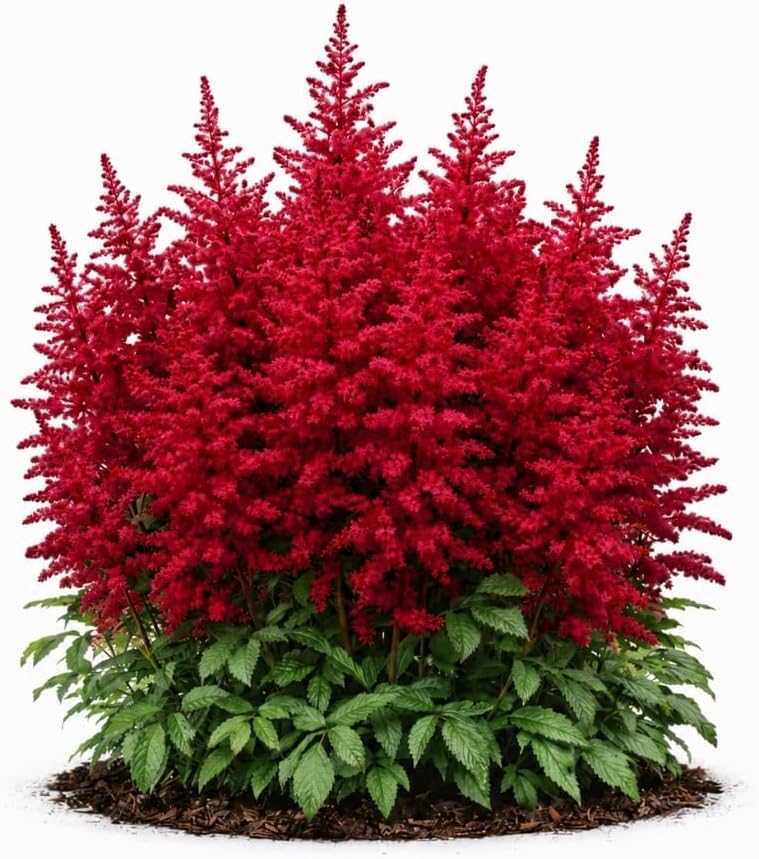
Votaniki Astilbe 'Red Light' Bare Root Perennial (Pack of 1)
| Expected Blooming Period | May to June |
|---|---|
| Sunlight Exposure | Part Shade to Full Shade |
| USDA Hardiness Zone | 4 to 8 |
| Moisture Needs | Moderate Watering |
| Unit Count | 1 Count |
The Votaniki Astilbe 'Red Light' is a clump-forming perennial sold as a single bare root that adds bold red plumes to shaded garden beds in early summer. Plant 2–3 inches deep with 18–24 inches spacing in organically rich, consistently moist but well drained soil and place in part to full shade for best results. Expect a low mound of foliage with flowering stems rising to about two feet, which provides vertical accent in borders and woodland plantings. Notable features include clear planting instructions for bare roots, an early summer bloom period, and reported resistance to deer and rabbits, making it a practical choice for problematic wildlife areas. The main limitations are its need for steady moisture during dry spells and the variability in performance depending on climate and soil; this is not a drought-tolerant specimen and will need regular watering or mulching to thrive. For gardeners replacing or expanding shade borders, it offers striking seasonal color with minimal maintenance once established.
Best for: Gardeners who need reliable, low-maintenance color in shaded beds and want plants that are less attractive to deer, especially for woodland borders and layered perennial plantings.
Less Ideal for: Homeowners with very dry or drought-prone sites who cannot provide regular irrigation or moisture retention strategies, or those seeking instant mass planting from potted specimens.
- Vibrant deep red plume-like flowers that create a strong focal point in shade plantings
- Adapted to part to full shade, suitable for under trees and shaded borders
- Reported deer and rabbit resistance reduces loss to wildlife
- Clear planting and care instructions for bare-root establishment
- Requires consistently moist soil and regular watering during dry periods
- Sold as a single bare root so filling larger areas requires multiple purchases
Verdict: Choose this astilbe if you want bold red summer blooms in shady beds with the added benefit of being generally resistant to deer.
Seed Needs Deer‑Resistant Wildflower Mix (30,000 Seeds)

| Indoor Outdoor Usage | Outdoor |
|---|---|
| Expected Blooming Period | Summer to Fall |
| Sunlight Exposure | Full Sun |
| Expected Planting Period | Spring |
| Material Features | GMO Free, Heirloom |
This Seed Needs blend is a bulk wildflower seed mix designed to establish colorful, deer‑resistant plantings across large areas. It contains a mix of annuals and perennials that bloom through summer into fall, with common species listed such as blanket flower, lupine, coreopsis and columbine. Typical use is direct sowing in spring on average garden soil in full sun and regular watering; annuals provide quick season‑long color while perennials build deeper roots to return in following years. Notable features include a very large seed count (30,000 pieces), heirloom non‑GMO seed stock, broad USDA hardiness zone coverage and a focus on plants that are reportedly less palatable to deer. Practical benefits are extensive coverage from one packet, strong attractiveness to pollinators and reduced deer damage compared with standard bedding plants. Important limitations are that germination and species mix can vary by site and season, some popular species named may perform differently in different climates, and a mix this large is best suited for open areas rather than small beds where precise spacing or specific species selection is preferred.
Best for: Gardeners who need a performance‑oriented, low‑maintenance solution to establish large swaths of deer‑resistant wildflowers and attract pollinators with minimal continuous input.
Less Ideal for: People wanting precise control over exact species, spacing, or small ornamental borders should consider single‑variety seed packs or transplants instead.
- Very large seed count suitable for covering wide areas
- Blends annuals and perennials for immediate color and longer‑term return
- Non‑GMO heirloom seeds appealing to natural and pollinator‑friendly plantings
- Formulated with species described as less attractive to deer
- Seed mix composition and germination rates can vary with local conditions
- Not ideal for small, precisely planted beds where single species control is needed
Verdict: Choose this mix when you want an economical, high‑volume seed blend to establish deer‑resistant, pollinator‑friendly wildflower stands across large sunny areas.
Wivolibe Allium giganteum Flower Seeds

| Indoor Outdoor Usage | Outdoor |
|---|---|
| Other Special Features of the Product | High Germination Rate, Low Maintenance |
| Expected Blooming Period | Spring, Summer |
| Sunlight Exposure | Full Sun |
| Moisture Needs | Moderate Watering |
These Allium giganteum seeds are sold for gardeners who want tall, showy ornamental onion blooms that are unattractive to deer. Planted in full sun in well‑drained, sandy to moderately moist soil, the plants produce large, fragrant purple flower heads in late spring to early summer that attract pollinators. The listing highlights a high germination rate and low maintenance care, making the seeds suitable for straightforward bed or border planting and for adding vertical color to mixed perennial plantings. Practical benefits include deer resistance and drought tolerance once established, plus non‑GMO seed material. Limitations to expect are the packet size and yield uncertainty since unit count is one and the listing does not specify number of seeds per packet, so planning spacing and quantity for a large border may require buying multiple packets. Also some customers report inconsistent results, so local soil preparation and germination technique will affect outcomes.
Best for: Gardeners who prioritize low‑maintenance, deer‑resistant perennials to add seasonal vertical interest and pollinator value to borders and beds.
Less Ideal for: Those who need exact seed counts for large-scale plantings or who want guaranteed uniform performance without testing germination first.
- Produces large, showy purple flower heads that attract pollinators.
- Described as deer resistant, helping protect borders from browsing.
- High germination rate and low maintenance make them easy to grow for many gardeners.
- Non‑GMO seed and tolerant of drier, well‑drained sandy soils.
- Packet lists unit count only so actual seed quantity per purchase is unclear.
- Expected plant height listed unusually small in specs which may indicate a data error, so verify mature size before planting.
Verdict: A low‑maintenance, deer‑resistant ornamental onion that delivers dramatic late‑spring blooms and pollinator value for practical gardeners.
Carpet Creeping Mixed Echinacea (Coneflower) Seeds — 1000 Count

| Unit Count | 1000 Count |
|---|---|
| Sunlight Exposure | Full Sun |
| Expected Blooming Period | Summer |
| USDA Hardiness Zone | 4 |
| Material Features | GMO Free |
These mixed echinacea seeds deliver a large packet of coneflower varieties intended for easy, budget-friendly planting across beds and containers. Sow the seeds on well-draining, sandy soil in full sun during the recommended planting window and keep moisture moderate while seedlings establish. Notable product details include a 1000 seed count, non-GMO sourcing, summer bloom period and hardiness to zone 4, which together make this a long-lived option for summer color that returns each year. Echinacea is also listed as fire-resistant and deer resistant, so it works well as a low-maintenance border or pollinator-friendly patch that requires little special care once established. Expect tall plants up to roughly 27–32 inches with branching blooms that attract bees and butterflies. Limitations are typical of seed packets: germination and uniformity vary, establishment takes time compared with transplants, and seed mixes can produce uneven color distribution. For gardeners on a tight budget this packet provides many plants per dollar but requires patience and basic seed-starting care.
Best for: Gardeners who want a low-cost way to add perennial summer color and create deer-resistant borders or pollinator patches without buying many transplants.
Less Ideal for: Buyers who need immediate, uniform beds or who prefer guaranteed single-variety plants should consider container-grown or labeled single-cultivar transplants instead.
- Large 1000-count seed packet gives high value per purchase
- Non-GMO seeds and perennial habit mean long-term returns after establishment
- Adapted to full sun and hardy to USDA zone 4 for broad climate suitability
- Listed as deer resistant and fragrant, useful for low-maintenance, wildlife-friendly borders
- Seed mixes can yield uneven color distribution and variable germination rates
- Takes a season to establish compared with buying established plants
Verdict: If you want the most plants for your money to establish deer-resistant, pollinator-friendly summer color, this 1000-count echinacea seed mix is a budget-smart choice.
SWEET YARDS Deer Resistant Wildflower Seed Mix (1 oz)

| Expected Blooming Period | Spring to Fall |
|---|---|
| Sunlight Exposure | Full Sun |
| Expected Plant Height | 4 feet |
| Soil Type | Adaptable to most soils |
| Moisture Needs | Moderate Watering |
This 1 ounce Sweet Yards wildflower mix contains over 15,000 seeds and is blended from 22 open-pollinated species selected for deer resistance. It is intended for direct sowing in sunny areas and covers roughly 100 sq. ft., producing a mix of annuals and perennials that bloom from spring through fall. The seeds come in resealable packaging with planting instructions which helps maintain viability between seasons. Practical benefits include adaptable performance in a range of soils, moderate water needs, and the pollinator-friendly blend that attracts beneficial insects while discouraging deer. Because the mix combines annual and perennial species you get quick color in the first season plus returning plants in subsequent years. Limitations to expect are the normal variability of seed mixes: germination and species balance depend on local climate, soil preparation, and seeding density, and you may need to overseed or thin areas to achieve an even display. This product is best treated as a low-maintenance meadow or border solution rather than a precisely controlled formal bed.
Best for: Buyers who want a dependable, low-maintenance way to establish a deer-resistant wildflower area and prefer a ready-made seed mix that balances quick blooms with some perennial return.
Less Ideal for: Gardeners seeking a uniform monoculture, a precise flower palette, or a shade garden should consider alternatives tailored to those needs.
- Large seed count suitable for roughly 100 sq. ft. from a single 1 oz packet
- Blend of 22 annual and perennial species for season-long color and some year-to-year return
- Resealable packaging with planting instructions preserves seed viability and simplifies sowing
- Non-GMO open-pollinated seeds from a specialist seed brand
- Outcome varies by local conditions so even coverage and species mix are not guaranteed
- Not formulated for shady sites since it requires full sun exposure
Verdict: A high-seed-count, non-GMO mix that reliably establishes a pollinator-friendly, deer-resistant wildflower patch in sunny, low-maintenance garden areas.
Eden Brothers Deer Resistant Wildflower Seed Mix, 1/4 lb

| Seed count | 13 species mix |
|---|---|
| Quantity | 1/4 lb |
| Plant hardiness | Zones 3-10 |
| GMO status | Non-GMO |
This Eden Brothers mix combines 13 easy-to-grow wildflower varieties selected for low palatability to deer and for pollinator appeal. Gardeners broadcast the seeds over prepared soil in full sun to partial shade to fill up to about 1,000 square feet with a mix of annuals and perennials that bloom from spring through fall. Notable features include a reported high germination rate, non-GMO seed stock, and a variety of species such as coneflower, blanket flower, yarrow, and lupine, which provide staggered blooms that support bees and butterflies. Practical benefits are simple establishment, broad zone suitability (zones 3–10), and visual diversity without needing to plant many individual packs. Limitations are that mixes give variable color distribution and bloom timing, some species are perennial while others are annual so stands will shift year to year, and results depend on proper site preparation and follow-up care for best germination and long-term persistence.
Best for: Home gardeners who want a low-maintenance, pollinator-friendly meadow or large flower patch that discourages deer browsing and does not require planting many individual seed varieties.
Less Ideal for: Gardeners who need guaranteed single-species beds, exact color control, or instant mature plants should consider potted perennials or individual seed packets instead.
- Contains 13 species chosen for deer resistance and pollinator attraction
- Sold as 1/4 lb bulk that can cover up to about 1,000 square feet
- Non-GMO, high germination seed claimed for reliable establishment
- Suitable for a wide range of climates (USDA zones 3–10)
- Mix composition means specific colors or species ratios are not guaranteed
- Combination of annuals and perennials can change the look year to year
Verdict: If you want a single bulk seed mix that establishes a deer-resistant, pollinator-friendly wildflower area across many climates, this Eden Brothers blend is a practical choice.
Blue Monday Salvia Perennial Flower Seed (Deer and Drought Resistant)

| Indoor Outdoor Usage | Outdoor |
|---|---|
| Other Special Features of the Product | Deer Resistant |
| Expected Blooming Period | Fall |
| Sunlight Exposure | Full Sun, Partial Shade |
| Moisture Needs | Moderate Watering |
These Blue Monday salvia seeds grow into a drought-tolerant perennial valued for blue blooms and natural deer resistance. Plant outdoors in full sun to part shade in well-draining, sandy soil and expect flowering in the fall; the plants are suited to moderate watering schedules which makes them low-maintenance once established. The listing notes GMO-free seeds and highlights deer resistance, so this is a practical choice for gardeners wanting colorful, wildlife-resistant borders or mixed perennial beds. Because the packet is a seed product, success depends on sowing technique, site preparation, and local climate, and it will take a season to establish a reliable display. There is limited brand and quantity information on the listing, so plan for reseeding or buying additional packets if you need larger coverage. For gardeners seeking an easy-care, deer-resistant accent, these salvia seeds offer attractive blue flowers without heavy irrigation or intensive upkeep.
Best for: Home gardeners who want a low-maintenance, deer-resistant perennial to add blue color to sunny borders and prefer a seed option rather than purchasing established plants.
Less Ideal for: Buyers who need immediate, full coverage or who prefer guaranteed uniform plants should consider nursery-grown specimens instead.
- Deer resistant, reducing the need for physical barriers or repellents
- Suitable for full sun to partial shade, offering flexible placement in the garden
- Tolerates sandy, well-draining soils and moderate watering, lowering maintenance
- GMO free seeds
- Limited product details on packet count and brand make planning coverage difficult
- Seed-based product requires time and some skill to establish versus buying mature plants
Verdict: Choose these salvia seeds if you want an easy-care, deer-resistant perennial that provides blue fall blooms for sunny, well-drained areas.
Choosing the Right Anti Deer Plants: Key Factors to Consider
Deer Resistance
Deer resistance describes how consistently a plant is avoided by deer in real garden settings. Some species are universally unappealing because of bitter, oily, or highly aromatic foliage. Others are usually avoided unless food is scarce. Understanding this helps set realistic expectations: a strongly deer-resistant plant will rarely be browsed, while a moderately resistant plant may still suffer during hard winters or in areas with high deer pressure.
Gardeners should also note that resistance can vary regionally. Local deer populations develop feeding habits based on available forage, so consult local observations rather than assuming a plant is immune. Combining multiple resistant species and adding structural barriers increases success more than relying on a single specimen.
Hardiness and Climate Fit
Hardiness determines whether a plant survives your winter lows and how it behaves during seasonal extremes. Choosing species rated for your USDA or local hardiness zone reduces loss during cold snaps. Climate fit also includes tolerance for heat and humidity; a drought-tolerant deer-resistant shrub will perform poorly in consistently wet soil and vice versa.
Consider microclimates in your garden such as heat islands near walls, frost pockets, and protected courtyards. Selecting plants that match both broad climate zone and localized conditions prevents winter dieback, summer stress, and the temptation for deer to browse weakened stock.
Soil and Drainage Requirements
Soil texture and drainage affect root health and long-term vigor. Many deer-resistant plants prefer well-drained soils and will decline in heavy clay that stays wet. Others tolerate heavier soils but may need raised beds or amended planting holes for good drainage.
Testing your garden soil and amending with organic matter can improve outcomes. When plants are healthy and growing vigorously, they are less likely to suffer from pest pressure and better able to recover from any browsing. Matching soil needs to plant choice reduces maintenance and replacement costs.
Maintenance and Longevity
Maintenance covers pruning, winter cleanup, fertilization, and irrigation needs. Low-maintenance deer-resistant plants are attractive for homeowners who prefer hands-off gardens. Some long-lived shrubs and perennials require minimal pruning and provide decades of service, while others need yearly division or deadheading to stay vigorous.
Consider how much time you can invest. A perennial that requires spring division or regular deadheading could still be worthwhile if it reliably deters deer, but factor that labor into your plan. Plants with predictable growth habits are easier to place and keep tidy in mixed borders.
Ornamental Value and Seasonal Interest
Ornamental value includes flowers, foliage color, texture, and form through the year. Choosing deer-resistant plants that also supply seasonal interest helps avoid trading beauty for protection. Look for species that bloom at different times, offer winter structure, or provide multi-season foliage color.
A well-planned mix of evergreen structure, spring and summer blooms, and late-season seedheads maintains the garden's visual appeal while minimizing deer damage. Seasonal interest can also attract pollinators, adding ecological value to a deer-resistant scheme.
Size and Use in the Landscape
Consider mature size when placing deer-resistant plants so they do not overcrowd other specimens or outgrow allotted spaces. Some make excellent low hedges, others are best as focal accent plants or container specimens. Matching mature form to the intended use prevents costly resizing or relocation later.
Think about sight lines, access paths, and how deer move through the garden. Placing larger resistant shrubs near borders and paths can create a deterrent corridor, while smaller plants fill in beds and containers where deer are less likely to linger.
Designing a Deer-Resistant Border
A deer-resistant border mixes plants with different textures, heights, and scents so that the entire edge becomes less appealing. Start with a structural backbone of low to medium evergreen shrubs, then layer in aromatic perennials and grasses that produce coarse foliage deer tend to avoid. This creates visual depth and a multi-sensory barrier that deer will often bypass.
Place the most deer-resistant species along likely access points such as property edges, paths, and vegetable garden perimeters. Use seasonal bloomers in protected pockets where pollinators benefit but browsing pressure is lower. Combine forms and colors to ensure interest even if some plants are temporarily browsed.
- Use evergreen shrubs for year-round structure
- Intermix aromatic or resinous foliage plants to increase deterrence
- Layer heights to block sight lines and movement
- Place focal bloomers in less accessible spots
Using Containers and Raised Beds
Containers and raised beds can be effective for establishing anti deer plants where ground access is limited. Taller containers add height and make browsing less convenient, while raised soil can improve drainage for species that dislike wet feet. Containers also allow you to move specimens seasonally to reduce pressure during peak deer activity.
Choose sturdy pots and group containers so they present a denser cluster of unappealing foliage. Combine with physical barriers such as decorative trellises or temporary netting when deer activity is unusually high.
- Elevate plants to reduce accessibility
- Group pots for visual density and deterrence
- Prefer well-drained mixes for container-grown specimens
Companion Planting to Reduce Browsing
Companion planting pairs deer-resistant species with more vulnerable plants to protect prized specimens. Use strongly scented or coarse-textured plants as a natural screen around delicate shrubs or flower beds. This strategy reduces the likelihood of deer discovering favored plants by masking scent and creating a physical buffer.
Be mindful of spacing so companion plants do not outcompete protected specimens. Regular maintenance ensures the buffer remains effective and does not become a hiding place for pests or diseases.
- Place aromatic plants around vulnerable beds
- Use taller resistant shrubs as living fencing
- Refresh buffers as plants mature to maintain protection
Seasonal Strategies for Heavy Deer Pressure
Deer feeding patterns shift with the seasons, and pressure often increases in late winter and early spring when food is scarce. In high-pressure periods, supplement planting strategies with temporary deterrents such as scent barriers or physical screens until plants establish. Mulching and late-season pruning can reduce browseable growth during vulnerable times.
Plan for replacement and succession by using fast-establishing resistant plants near high-traffic zones. Once perennial buffers are established, you can scale back temporary measures and rely more on landscape design for long-term protection.
- Use temporary barriers in late winter and early spring
- Prioritize fast-establishing species near access points
- Stagger planting times to ensure continuous cover
Attracting Pollinators While Discouraging Deer
Many deer-resistant plants also provide nectar and pollen for bees, butterflies, and beneficial insects. Selecting species with open, nectar-rich flowers supports pollinators without increasing browsing risk. Group flowering plants to create visible resources that pollinators can find, even if some nearby plants are avoided by deer.
Avoid relying solely on tall, showy blooms in exposed areas where deer can reach them easily. Instead, combine pollinator-friendly plants with sturdier, aromatic species that reduce browsing while maintaining ecological value.
- Choose nectar-rich, deer-resistant bloomers
- Cluster flowers to form visible pollinator patches
- Balance ornamentals with structural, unpalatable species
How We Chose the Best Anti Deer Plants
We focused on observable garden performance and reliable deer avoidance rather than lab data. Our selection criteria prioritized traits gardeners can verify in a local landscape: botanical characteristics that deter deer, proven survival in typical residential conditions, maintenance demands, and ornamental value across the seasons. We gathered information on habitat adaptability, including tolerance for sun, shade, and common soil types, and we considered cold-hardiness and drought resilience so plants will persist with reasonable care. We excluded specimens that require experimental cultivation methods, specialty greenhouse care, or that are invasive in many regions. We also avoided plants whose only deer resistance claim is anecdotal without consistent gardener reports. The final list favors species with multiple deterrent traits (aromatic foliage, coarse texture, chemical compounds) plus clear landscape uses such as hedging, border accents, or pollinator support. Scoring emphasized deer resistance, landscape performance, ease of care, seasonal interest, and adaptability to planting situations.
FAQ
Do anti deer plants completely stop deer from entering a garden?
No, anti deer plants reduce the likelihood of browsing but do not guarantee deer will never enter. Plant choice, local deer density, and seasonal food availability all influence outcomes. Combining resistant planting with other tactics and durable species increases overall protection.
Are there reliable deer-resistant plants for small spaces and containers?
Yes, several deer-resistant species adapt well to containers and compact gardens. Choose plants that tolerate pot culture and have modest mature sizes. Grouping containers and elevating them can further reduce accessibility to deer.
Will deer eventually eat plants labeled as deer-resistant?
Sometimes. If alternative food is scarce or the local herd develops a taste, even typically resistant plants may be browsed. Healthy, well-established plants are less likely to be targeted, so site preparation and care matter for long-term success.
Can I use deer-resistant plants to protect vegetable beds?
Yes, using resistant shrubs and perennials as perimeter plantings can help shield vegetable beds. Combine with physical barriers near the most vulnerable crops during seasons of high deer activity for added protection.
How soon will deer-resistant plants start to be effective?
Effectiveness often increases as plants mature and develop the traits that deter deer, such as stronger aroma or coarser texture. Some shrubs offer quick structure in the first year, while perennials may need a season or two to fully establish.
Do deer-resistant plants require special soil or fertilizer regimes?
Not usually. Most resistant species do best in well-drained soil with appropriate organic matter and occasional feeding. Follow soil and climate guidance for each plant to avoid stress that could make them more vulnerable to browsing.
Final Verdict
Prioritize plants that balance reliable deer resistance with good landscape performance and low maintenance. Match species to your climate, soil, and garden use so plants remain healthy and less tempting to deer. Use design strategies like layered borders and container groupings to amplify deterrence without sacrificing seasonal interest. The best approach combines resistant plant choices, proper siting, and sensible seasonal measures. Focus on long-term adaptability and ornamental value to build a garden that stays beautiful and more resilient to deer pressure.
