

Note: This article contains affiliate links. If you click on these links and make a purchase, I may earn a small commission at no extra cost to you. This helps support my research and content. Read my full affiliate disclosure here.
Choosing the right bagged mulch for vegetable gardens changes how your beds perform all season. The wrong mulch can smother seedlings, tie up nutrients, or break down too fast. The right option conserves water, reduces weeds, moderates soil temperature, and can even support beneficial soil biology. This guide covers five top bagged mulches suited to vegetable beds and container vegetable gardening. We shortlisted options that work in raised beds, in-ground rows, and large containers, then evaluated them on moisture retention, breakdown rate, ease of application, and soil effects. Read on to see which mulch styles match your growing goals and maintenance rhythm.
Top Picks at a Glance
| Best Overall The best all-around choice for most situations | Gro-Med Coco Husk Chips Block (10 lb) – Expandable Coconut Husk Mulch |  |
| Best Value The sweet spot between price and what you get | Out-Grow 1 Cubic Foot 100% Natural Wheat Straw (4 lb) |  |
| Best Budget The cheapest option that still gets the job done reliably | SuperMoss Coco Mulch (200 in³), Natural Brown |  |
| Highest Rated A top-rated pick with lots of positive feedback | Plantonix Coco Chips Compressed Coconut Husk Mulch (10 lb) |  |
| Best Seller A high-volume bestseller chosen again and again | EZ-Straw Just Straw Clean Processed Straw – Small Bale (1 Cubic Foot) |  |
Gro-Med Coco Husk Chips Block (10 lb) – Expandable Coconut Husk Mulch

| Brand Name | Gro-Med |
|---|---|
| Unit Count | 160 Fluid Ounces |
| Ingredients | Coco Husk |
| Volume | 65 quarts |
Gro-Med Coco Husk Chips arrive as a compressed 10 lb block that soaks up water and expands into a loose husk-chip mulch suited for mulching, mixing into potting media, or as reptile substrate. You mix the block with warm water, wait roughly 20 minutes, and it expands into a fibrous medium that improves aeration and drainage while holding more moisture than regular bark. The product is triple-washed for low electrical conductivity and balanced pH, which helps avoid nutrient lockup when blended into potting mixes or used around vegetables. In practice it is handy for topping containers, lightening heavy garden soil, or adding structure to seedling and potting mixes. Expect light, bulky material that spreads easily but can shift with heavy rain or wind if not anchored. Also it provides less immediate nutrient content than compost so plan to combine it with compost or fertilizer for vegetable beds. For gardeners wanting a peat-free, reusable organic mulch, this is a practical, easy-to-use option.
Best for: Gardeners who want a peat-free, easy-to-store mulch and soil conditioner for containers and raised vegetable beds and who prioritize soil structure and moisture management.
Less Ideal for: Those who need a high-nutrient soil amendment or a heavy, erosion-resistant mulch for exposed in-ground beds should consider compost or heavier mulches instead.
- Expands from a compact block into a large volume of mulch for convenient storage and transport
- Triple-washed, low EC and pH-balanced for safer mixing with potting and vegetable soils
- Improves aeration and drainage while retaining more moisture than typical bark mulch
- Versatile: usable as top mulch, soil amendment in potting mixes, or reptile substrate
- Lightweight chips can float or wash away in heavy rain if not secured
- Contains little inherent nutrient value so requires pairing with compost or fertilizer for vegetable production
Verdict: A compact, peat-free coconut husk block that expands into a pH-balanced, moisture-retaining mulch ideal for containers and raised vegetable beds.
Out-Grow 1 Cubic Foot 100% Natural Wheat Straw (4 lb)
| Unit Count | 64 Ounce |
|---|---|
| Package Size Name | One Cubic Foot |
| Other Special Features of the Product | organic |
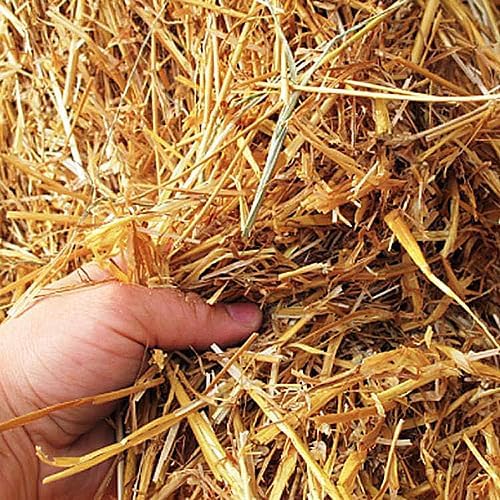
This one-cubic-foot package of Out-Grow wheat straw is a lightweight, clean straw product intended for mulching, seed protection, animal bedding, and mushroom substrate. It arrives as a compact 12×12×12 box stuffed with golden straw that is described as dust free and weed free, which makes it easy to spread in raised beds or between vegetable rows without introducing weed seeds. As a mulch it provides natural insulation to help conserve soil moisture and moderate soil temperature, and it breaks down over the season adding organic matter to the soil. The product is chemical free and marketed as organic, so it suits organic vegetable gardens and small livestock shelters. Practical downsides are the small volume per package and light weight, meaning you will need multiple bales for larger beds and more frequent topping up compared with denser mulches; straw can also shift in heavy wind unless anchored. For gardeners optimizing inputs, these boxes are useful for spot mulching, seed protection, and insulating small cold frames or animal shelters where a clean, low-dust straw works best.
Best for: Gardeners who prioritize clean, organic materials and want a lightweight, easy-to-handle mulch for raised beds, seed rows, small plots, or insulating small animal shelters.
Less Ideal for: People needing to cover large acreages or who prefer a long-lasting, dense mulch that needs less frequent replenishing.
- 100% natural with no additives suitable for organic gardening
- Described as low dust and weed free for cleaner handling and lower contamination risk
- Lightweight and easy to spread for spot mulching and seed protection
- Provides natural insulation and breaks down to add organic matter
- Small one-cubic-foot package provides limited coverage so multiple units are needed for larger gardens
- Light, loose straw can blow away or shift unless secured
Verdict: Choose this clean, low-dust wheat straw when you want an easy-to-handle organic mulch for spot mulching, seed protection, and small vegetable beds.
SuperMoss Coco Mulch (200 in³), Natural Brown

| Brand Name | SuperMoss |
|---|---|
| Number of Packs | 4 |
| Volume | 200 cubic inches |
| Item Weight | 8 ounces |
SuperMoss Coco Mulch is a compressed coconut coir bale intended to loosen soil, retain moisture, and promote healthier root growth in vegetable beds and containers. Gardeners hydrate the bale to expand it and then mix the coir into potting mixes or topdress garden soil; it is presented as pH neutral and less prone to compaction than peat. The product highlights quick hydration, long storage life, and resistance to soil-borne diseases, which makes it useful for prepping seedling mixes, improving drainage in raised beds, or refreshing potting media. Because it absorbs more water than peat, it can reduce watering frequency while helping prevent root rot when used correctly. Limitations include the small packaged volume per unit and the need to fully hydrate and fluff the material before use, which adds a preparation step compared with ready-to-use bagged compost or mulch. Buyers should also plan how many bales they need for larger vegetable beds since coverage per bale is limited.
Best for: Vegetable gardeners on a budget who want an affordable soil conditioner to improve moisture retention and aeration in raised beds, containers, or seed mixes.
Less Ideal for: Gardeners looking for a large, ready-to-use mulch or soil amendment who do not want to hydrate and handle compressed bales should consider bulk or pre-mixed alternatives.
- High water retention compared with peat, which can reduce watering frequency
- pH neutral and improves soil aeration for healthier root systems
- Compact, long-lasting bales are easy to store until needed
- Small expanded volume per bale requires multiple units for larger gardens
- Requires rehydration and breaking up before use, not ready-to-use straight from the package
Verdict: A compact, cost-conscious way to add pH-neutral, water-retentive coconut coir to vegetable beds and containers.
Plantonix Coco Chips Compressed Coconut Husk Mulch (10 lb)

| Unit Count | 160 Ounce |
|---|---|
| Item Type Name | Soil and Soil Amendments |
| Brand Name | plantonix |
| Volume | 15 gallons |
Plantonix Coco Chips arrive as a compact 10 lb brick that hydrates and expands into a loose coconut-husk mulch useful around vegetable beds, containers, and tropical plants. After soaking the brick you get airy coco chips that cover soil, reduce surface evaporation, and help moderate root‑zone temperatures without compacting like some wood mulches. The product is pre‑screened and rinsed to remove sand and debris and is described as having low electrical conductivity and neutral pH, which makes it safe to use with most vegetables when incorporated or used as a top layer. Because the chips retain moisture while improving drainage and aeration, they can reduce watering frequency and help prevent crusting on the surface of raised beds. Important limitations are that coco chips are primarily a mulch and soil conditioner rather than a nutrient source and they can be dusty when handling, so use a mask or gloves if you are sensitive. Also the brick must be rehydrated and broken up before use, which takes a bit more prep than bagged loose mulch.
Best for: Gardeners who prioritize consistent, low‑maintenance moisture control and a reliable, clean mulch for vegetable beds and containers. Good for people who prefer a stable, long‑lasting top dressing that reduces watering and soil compaction.
Less Ideal for: Growers who want a mulch that provides nutrients as it decomposes or who need a ready‑to‑use loose product without any prep. Not the best choice for gardeners who prefer fast‑breaking organic matter to quickly feed soil microbes.
- Expands from a compact brick for easy storage and transport
- Pre‑screened and washed to remove dirt and rocks
- Improves moisture retention while maintaining good aeration and drainage
- Neutral pH and low EC suitable for a wide range of garden plants
- Not a fertilizer so it does not add significant nutrients to soil
- Requires soaking and manual breakup before application
Verdict: A tidy, pre‑screened coco‑husk brick that reliably expands into a moisture‑retaining, airy mulch ideal for vegetable beds and containers.
EZ-Straw Just Straw Clean Processed Straw – Small Bale (1 Cubic Foot)

| Item Weight | 10 pounds |
|---|---|
| Manufacturer | Rhino Seed & Landscape, LLC |
| Department | unisex-adult |
| Date First Available | September 27, 2013 |
EZ-Straw Just Straw is a clean, all‑natural straw bale marketed for a wide range of outdoor and household uses including garden mulch, seed mulch, composting, pet bedding and craft projects. The product arrives in a compact, UV‑protected plastic bag that is easy to store and handle, and the processing reduces dust and debris compared with loose field straw. In a vegetable garden it can be used as a light mulch to retain moisture, protect shallow seedlings during establishment, and reduce minor soil splash when watering. Because it is natural straw it will gradually break down and add organic matter to the soil, but expect it to require periodic replenishing and to potentially harbor weed seeds if not certified weed‑free. The bale size and bagging make it convenient for small beds or trial uses, while larger jobs will need multiple bales. This is a straightforward, low‑risk option for gardeners who want an easy‑to‑use, natural mulch product rather than synthetic alternatives.
Best for: Gardeners who prefer low‑risk, natural materials and need a convenient, small‑scale mulch or seed‑cover solution for vegetable beds and starter plantings.
Less Ideal for: Large‑scale landscapers or gardeners covering many beds who need bulk quantities or certified weed‑free commercial mulch options.
- Clean processed straw reduces dust and debris compared with loose straw
- All‑natural material that breaks down to add organic matter to soil
- UV‑protected, compact bagging makes storage and handling easy
- Versatile for multiple uses: seed mulch, composting, pet bedding, crafts
- Small one‑cubic‑foot bale means multiple bags are needed for larger garden areas
- Not specified as certified weed‑free so may contain viable weed seeds
Verdict: A convenient, small bale of clean processed straw for gardeners who want an easy natural mulch to protect seedlings and add organic matter.
Choosing the Right Bagged Mulch for Vegetable Gardens: Key Factors to Consider
Mulch Material Composition
Different bagged mulches are made from wood chips, bark, straw, composted leaves, cocoa shell, or manufactured rubber products. For vegetable gardens, organic materials that break down and feed soil are usually preferred, but each type behaves differently in the bed.
Wood-based mulches can last longer and suppress weeds effectively, but fresh wood chips may temporarily tie up nitrogen as microbes break them down. Straw and leaf-based mulches decompose faster, adding organic matter more quickly but requiring more frequent replenishment. Understanding the base material helps you match the mulch to your planting schedule and fertility plan.
Breakdown Rate And Soil Amendment Timing
How quickly a mulch decomposes determines how often you need to add more and whether it will meaningfully change soil structure during the growing season. Fast-breaking mulches like shredded leaves or straw can improve soil organic matter quickly but may require midseason top-ups. Slow-breaking wood mulches provide longer-term weed suppression but contribute less immediate organic matter.
If you plan to turn mulch into the soil at season end, choose materials that will be compatible with your composting and bed-prep timeline. Avoid incorporating large volumes of fresh, high-carbon wood chips into beds without allowing time for decomposition or supplementing nitrogen.
Moisture Management And Irrigation Compatibility
Mulch influences how water moves into and through the soil. Dense or fine mulches form a crust that can repel water initially, while coarse mulches allow rain and irrigation to pass through more readily. For vegetable gardens that rely on drip irrigation or infrequent deep watering, choose a mulch that helps retain soil moisture without creating surface runoff.
Consider how the mulch interacts with your irrigation method. Some mulches work well over drip lines and allow water to trickle through; others can obscure emitters or require extra attention to maintain even wetting of the root zone.
Weed Suppression And Seedling Safety
Effective weed suppression reduces hand-weeding time and lowers competition for nutrients and water. Thicker, coarser mulches tend to block light and deter weed emergence better than thin layers. However, very thick layers can smother young transplants or prevent seedlings from emerging if applied too soon.
For seeded rows or recently transplanted vegetables, choose a mulch and application depth that balances suppression with seed or seedling needs. Some gardeners use lighter coverings until plants are established, then add a heavier layer for season-long control.
Pest And Disease Considerations
Mulch can affect pest habitat and disease pressure. Organic mulches near the soil surface may harbor slugs, snails, or vole activity if placed too close to stems. Certain mulches also retain moisture at the crown of plants, which can increase fungal risk in some conditions.
Placement technique matters: keep mulch a small gap away from plant stems and trunks, and use coarser materials where slug pressure is high. Choosing a mulch that drains well and dries between irrigations helps reduce disease risk in warm, humid climates.
Application Practicalities And Cleanup
Bagged mulch is convenient but varies in weight, dust, and ease of spreading. Lightweight straw bales are easy to move but can blow away without anchoring. Dense wood-based bags can be heavy and dusty when opened, requiring gloves and masks for some gardeners.
Think about storage between uses, how easy the mulch is to rake or redistribute, and whether it will integrate smoothly into end-of-season clean-up or composting plans. Ease of application affects how often you'll realistically top up and maintain beds.
Best Mulch Depths And Timing For Vegetables
Depth and timing are simple choices that have big consequences. For established vegetables, a 2 to 3 inch layer of most organic bagged mulches strikes a balance between weed control and oxygen exchange at the soil surface. Lighter mulches such as straw or shredded leaves can be applied slightly thicker if they compact less, while coarse bark should stay closer to the 2 inch range so seedlings can access light and air.
Apply mulch after soil has warmed and seedlings are firmly established in spring. Putting a heavy layer too early can slow soil warming and delay growth. In summer, check mulch depth and add small amounts as needed rather than applying one very thick layer.
- Keep mulch 1 to 2 inches away from plant stems to reduce pest and rot issues
- Top up thin spots midseason rather than applying an excessively deep initial layer
- Remove or redistribute heavily compacted mulch before fall planting or bed turning
Mulch And Fertility Management
Because organic mulches decompose, they interact with soil nutrients. High-carbon materials can tie up available nitrogen temporarily as microbes break down the mulch. To avoid plant stress, side-dress with compost or a balanced fertilizer when using fresh wood-based mulches, or choose composted bagged mulches that have already stabilized.
If you intend to dig mulch into the soil at season end, consider how much carbon you introduced and whether additional nitrogen will be needed to support decomposition without drawing from crop-available supplies.
- Composted mulches are gentler on nutrient balance than raw wood chips
- Test soil or monitor foliage for signs of nitrogen deficiency after applying fresh high-carbon mulches
- Timing compost applications to match mulch breakdown helps maintain steady fertility
Using Mulch in Containers and Small Beds
Bagged mulch is convenient for containers and small raised beds where moving bulk materials is impractical. In containers, use finer-textured mulches that do not block drainage or dry out the potting mix surface. Keep layer depth to 1 inch on small pots and 1 to 2 inches on larger planters to avoid waterlogging or creating a perched water layer.
Change potting mixes and check root health annually when you use organic bagged mulch in containers, since decomposition rates and nutrient interactions are more pronounced in confined volumes.
- Avoid heavy bark mulch in small pots that could impede airflow
- Use composted bark or leaf mulch for container topdressings
- Replenish container mulch more often than in-ground beds
Environmental And Sustainability Considerations
Not all bagged mulches have the same environmental footprint. Look for mulches made from locally sourced, responsibly harvested materials or from recycled yard waste to reduce transport impacts and support circular garden practices. Avoid products with added dyes or chemical coatings when growing edibles.
Consider how the mulch will be disposed of or reused at season end. Fast-decomposing materials can be composted back into beds, while nonorganic options may require different disposal routes.
- Seek composted or certified recycled content when possible
- Avoid dyed mulches for vegetable beds to prevent accidental contamination
- Plan for end-of-season reuse to minimize waste
Seasonal Maintenance Tips
Inspect mulch after major storms or heavy irrigation to redistribute areas that have compacted or washed away. Lightly fluff coarse mulches with a rake to restore airflow and prevent crusting. For winter protection, add a slightly thicker layer in late fall to buffer roots from freeze-thaw cycles, then thin in spring as soils warm.
Watch for pest hotspots and remove mulch that shelters unwanted rodents or creates persistent dampness near crowns. Rotating mulch types between seasons can reduce pest carryover and improve overall soil structure.
- Fluff and redistribute after heavy rain to prevent crusting
- Add extra insulation in late fall for winter-root protection
- Rotate mulch styles seasonally to manage pests and build soil diversity
How We Chose the Best Bagged Mulch for Vegetable Gardens
We focused on practical, garden-tested criteria that matter when using bagged mulch around edible plants. First, moisture retention: mulches that conserve water without keeping the soil soggy reduce irrigation frequency and root stress. Second, decomposition behavior: we prioritized mulches with predictable breakdown rates so gardeners know when to top up without disrupting root systems. Third, soil impact and nutrient interactions: some organic mulches temporarily tie up nitrogen or alter pH, so we evaluated stability and likely effects on vegetable fertility. Fourth, weed suppression and coverage: effective mulches should limit light to weeds while allowing water to reach the soil. Fifth, application and cleanup: ease of spreading, dust, and how the mulch behaves when tilled or removed matters for seasonal bed prep. We excluded materials not commonly sold in consumer retail bags or specialty amendments meant only for ornamentals. Bulk landscape-only blends and mulches with known contaminants were also excluded. The final list emphasizes bagged products gardeners can handle easily and that perform reliably in typical vegetable garden settings.
FAQ
Can I use any bagged mulch in raised beds for vegetables?
Often you can, but choose based on composition and decomposition. Composted or leaf-based mulches are usually safe for raised beds, while fresh wood chips may need supplemental nitrogen or maturation before use.
How soon after applying mulch can I transplant seedlings?
Usually wait until seedlings are planted and established. Apply a light mulch before transplanting only if plants are hardened off; otherwise add the main layer a week or two after to avoid insulating soil that should warm first.
Will mulch reduce my watering needs?
Yes, mulches that increase moisture retention typically cut watering frequency by reducing evaporation. The exact savings depend on mulch type, depth, and climate, so monitor soil moisture and adjust irrigation rather than assuming a fixed reduction.
Is dyed bagged mulch safe around edibles?
Dyed mulches often contain colorants that are unnecessary for vegetable beds. For food crops, opt for natural or composted products without dyes to avoid potential contamination concerns and unknown additives.
How do I prevent mulch from harboring slugs or rodents?
Keep mulch pulled back from stems and crowns, use coarser materials in areas with slug pressure, and avoid excessively thick layers that create cool, moist shelters. Regular inspection and removing heavily infested patches helps reduce populations.
Can I compost bagged mulch I used in vegetable beds?
Often yes for organic mulches. Fast-decomposing materials like leaves and straw compost readily. High-carbon wood chips can be composted but may benefit from mixing with nitrogen-rich materials and longer curing times before returning to beds.
Final Verdict
Prioritize the mulch material and breakdown behavior that match your garden routine and fertility plan. If you want low-maintenance weed control, choose coarser, longer-lasting mulches and plan to supplement nutrients. If you prefer to build soil quickly, select faster-decomposing, composted materials and be prepared to top up more often. Balancing moisture retention, weed suppression, and nutrient interactions will help you pick a bagged mulch for vegetable gardens that supports productive beds with manageable maintenance. Focus on application timing and placement to avoid common pitfalls and the mulch will be a helpful tool for healthier harvests.
