

Note: This article contains affiliate links. If you click on these links and make a purchase, I may earn a small commission at no extra cost to you. This helps support my research and content. Read my full affiliate disclosure here.
If you plant a lot of spring bulbs in a grassy yard, the right bulb planter makes the job quicker and protects the turf you want to keep. A good lawn-focused bulb planter gives consistent hole depth, cuts a tidy plug that is easy to replace, and reduces strain when you are planting dozens or hundreds of bulbs. This guide covers our five shortlisted bulb planters for lawns and explains the practical differences that matter in a real yard. We evaluated ease of use, how cleanly the tool cuts the turf, durability in compacted soil, and how easy plugs are to replace. Read on to find the style and features that fit your lawn planting routine.
Top Picks at a Glance
| Best Quality Built to a higher standard if you want something more solid | BARAYSTUS Long-Handle Bulb Planter with Serrated Base and Double Pedal |  |
| Best Value The sweet spot between price and what you get | Haliaeetus 6-inch Stainless Steel Bulb Planter with Wooden Handle |  |
| Best Budget The cheapest option that still gets the job done reliably | WORKPRO 36" Bulb Planter and Sod Plugger Tool |  |
| Highest Rated A top-rated pick with lots of positive feedback | Kent & Stowe Long-Handled Stainless Steel Bulb Planter |  |
| Most Popular A crowd favorite that many people choose with confidence | ProPlugger 5-in-1 Long-Handled Bulb Planter | 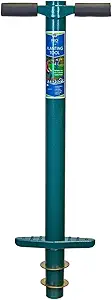 |
BARAYSTUS Long-Handle Bulb Planter with Serrated Base and Double Pedal

| Manufacturer | BARAYSTUS |
|---|---|
| Item model number | JDUS1165 |
| Item Weight | 3.5 pounds |
| Product Dimensions | 40 x 9.4 x 4.9 inches |
This BARAYSTUS bulb planter is a stand-up tool for planting bulbs and creating tidy holes without stooping. It pairs a 40-inch handle and a T-grip with a carbon steel tube and anti-corrosion coating so you can step, twist, and pull to extract soil while staying upright. The serrated base helps the tool bite through compacted or loamy soils, and the dual foot pedals give better stability and leverage for deeper planting than single-pedal designs. Typical use is straightforward: assemble the handle, place the cutter over the planting spot, press with both feet, twist to cut, then lift out the soil plug and drop in the bulb. Practical benefits include less back strain, faster repetitive planting, and a cleaner hole for consistent bulb depth. Limitations are that the metal tube and serrated edge are best suited to garden beds and softer ground rather than rocky soil, and the tool does require some foot force on firm ground. The tool is simple to maintain but may need occasional sharpening or cleaning if used in clay or gritty soils.
Best for: Buyers who want an all-around, back-friendly bulb planter for regular garden beds and frequent seasonal planting and who prioritize comfort and efficiency over a lightweight or ultra-compact tool.
Less Ideal for: Gardeners who mostly work in rocky, gravelly, or heavily compacted ground should consider a different digging tool or mechanical auger instead.
- Long 40-inch handle and T-grip reduce bending and improve comfort during standing use.
- Serrated base cuts into compacted soil more effectively than smooth cutters.
- Dual foot pedals provide added stability and leverage for deeper, consistent holes.
- Carbon steel construction with anti-corrosion coating enhances durability and outdoor longevity.
- Not ideal for very rocky or root-filled ground where the cutter can snag or bend.
- Requires noticeable foot pressure on hard soils, which may be tiring for extended use.
Verdict: Choose this bulb planter if you want a sturdy, long-handle tool that speeds up planting while keeping you upright and reducing back strain.
Haliaeetus 6-inch Stainless Steel Bulb Planter with Wooden Handle

| Material | Stainless Steel + Wooden Handle |
|---|---|
| Depth markings | 1 to 6 inches |
| Item Weight | 1.41 pounds |
| Manufacturer | Haliaeetus Technology Co., Ltd. |
This Haliaeetus bulb planter is a simple, purpose-built tool for planting tulips, daffodils and other spring bulbs across a lawn or bed. You insert the metal tube, twist and pull to extract a uniform plug of soil then drop in the bulb and replace the soil. The stainless steel body and sharp serrated edge make it effective in compact or loamy soils without bending, while the 1–6 inch depth markings let you set consistent planting depth quickly. The wooden ergonomic handle provides a comfortable grip for repetitive work, and the manufacturer positions it as a faster option than a shovel for planting many bulbs. Important limits are that it is a hand tool best suited to softer turf and garden soil rather than rock-filled or extremely root-dense ground, and it creates relatively narrow holes so very large bulbs or bulbs with wide rootballs may need additional widening. For straightforward bulb planting across a lawn this tool noticeably speeds the job and keeps depth consistent.
Best for: Home gardeners who want to plant large batches of bulbs on a lawn or in beds more efficiently and who value consistent depth and a durable hand tool.
Less Ideal for: People who routinely work in very rocky, root-packed ground or who need to dig large planting holes for oversized bulbs or potted specimens.
- Stainless steel construction resists bending and corrosion for repeated use
- Clear 1–6 inch depth markings enable consistent planting depth
- Sharp serrated base cuts into compact soil to reduce effort
- Ergonomic wooden handle offers comfortable grip during extended planting
- Not ideal for very rocky or heavily root-bound soils where a powered auger or larger tool is needed
- Produces narrow holes that may need enlarging for oversized bulbs or irregular rootballs
Verdict: If you need a durable hand tool that speeds up planting many bulbs and ensures consistent depth across a lawn, this stainless steel 6-inch bulb planter is a practical choice.
WORKPRO 36" Bulb Planter and Sod Plugger Tool

| Hole diameter | 3 inches |
|---|---|
| Max depth | 3.7 inches |
| Teeth | 42 serrated teeth |
| Handle length | 36 inches |
| Material finish | Powder-coated steel |
This WORKPRO 36" bulb planter combines a serrated steel cutter with a long T-handle and foot pedals to make planting bulbs and extracting sod plugs faster and easier. You use it by stepping on the dual foot pedals, twisting the serrated 42-tooth base into the ground, then pulling up to eject a soil plug and leave a consistent 3" diameter hole up to about 3.7" deep. The 36-inch handle and non-slip TPE+PP grip let you work standing up, which reduces bending and knee strain for larger lawns. Built from heavy-duty steel with a rust-resistant powder coat and dual-screw head attachment, it is suited to regular yard use and tougher soil. Assembly is minimal and the package includes basic wrenches. Limitations are that depth and diameter are fixed so it is not suited for very deep bulbs or irregular planting depths, and very rocky or root-filled soil will slow progress and may require extra force or a different tool.
Best for: Buyers who need an affordable, no-frills tool to speed up bulb planting and plug removal across a lawn while minimizing bending and repetitive strain.
Less Ideal for: Not a good fit for gardeners who regularly plant very deep bulbs, need variable hole sizes, or work primarily in rocky compacted soil.
- Sturdy steel construction with rust-resistant powder coat for seasonal outdoor use
- 42 serrated teeth and dual foot-pedal operation make cutting and extracting plugs efficient
- 36" long T-handle and non-slip grip let you plant from a standing position to reduce back strain
- Creates consistent 3" diameter holes with a clear eject mechanism for quick repeat planting
- Fixed hole diameter and maximum depth limit use with bulbs that need deeper or wider planting
- Performance drops in rocky or heavily root-bound soil where cutting teeth can bind
Verdict: A budget-friendly, heavy-duty standing bulb planter that speeds up planting and sod plugging with consistent 3" holes.
Kent & Stowe Long-Handled Stainless Steel Bulb Planter

| Blade diameter | 6 cm |
|---|---|
| Handle material | Ash wood |
| Planting depth scale | 4 in |
| Blade material | Stainless steel |
| Guarantee | 15 Year Guarantee |
This long-handled bulb planter is built for straightforward, low-effort bulb planting on lawns. The stainless steel blade is shaped to slice into soil with minimal sticking and the 6 cm diameter accommodates most bulbs; a 4 in planting-depth scale helps set bulbs consistently. The ash T-handle and longer shaft let you plant from a standing position to reduce back strain, making repeated holes less tiring. In practice it is used by placing the blade over the planting spot, twisting the handle to cut a plug, levering out the soil, dropping in the bulb and replacing the turf. The tread edge helps penetrate turf and compacted ground, though very rocky soil will still require extra effort or a different tool. The tool focuses on durability and ergonomics rather than multi-function versatility, so it is a simple specialist for creating uniform bulb holes across a lawn. The included 15 year guarantee and stainless blade indicate a product intended for long-term, regular garden use.
Best for: Gardeners who value a reliable, comfortable tool for regular bulb planting on lawns and want to avoid bending during long sessions.
Less Ideal for: Those who frequently work in very rocky or root-dense ground or who want a multi-function digging tool for varied landscaping tasks.
- Stainless steel blade designed to reduce soil adhesion for easier digging
- Long ash T-handle lets you plant while standing to minimize back strain
- 6 cm cutting diameter fits a wide range of bulb sizes
- Built-in 4 in depth scale for consistent planting depth across multiple holes
- Tread edge aids entry into turf and compacted ground
- Not optimized for very rocky or root-filled soil where a heavier-duty tool or digging may be needed
- Single-purpose design lacks additional functions found on some multi-tools
Verdict: A durable, standing-height bulb planter built for reliable, repetitive planting and long-term use on lawns.
ProPlugger 5-in-1 Long-Handled Bulb Planter

| Material Type | Carbon Steel |
|---|---|
| Handle Material | Rubber, Silicone |
| Model Number | P246XL |
The ProPlugger 5-in-1 is a performance-focused long-handled bulb planter that lets you dig uniform planting holes from standing height without kneeling. You step, twist and pull to extract a 2 1/8-inch diameter core, then release soil by tipping the tool; depth rings let you set repeatable depths at roughly 2, 4 and 6 inches. Beyond bulbs it doubles as a sod plugger for transplanting turf (not recommended for St. Augustine), a deep-weeder for taproot weeds, and a soil sampler for testing. Built from welded carbon steel with rubber and silicone grips, it feels sturdy and is designed for heavy use in beds and lawns. The ergonomic handle and ability to work upright reduce back strain during larger planting jobs, which is useful for professionals or homeowners tackling many holes. It does require reasonably workable soil conditions and can be harder to use in very compacted, rocky, or overly wet ground, and its fixed core diameter limits applications where a different hole size is needed.
Best for: Gardeners and pros who need a durable, high-output planting tool to quickly dig dozens of consistent holes without kneeling and who prioritize speed and repeatable results.
Less Ideal for: People who primarily work in heavy clay, rocky ground, or need a variety of hole diameters for specialty bulbs or large transplants.
- Creates consistent 2 1/8-inch diameter holes with depth rings for repeatable planting
- Long handle lets you plant from a standing position to reduce back and knee strain
- Made of welded carbon steel with rubber and silicone grips for durability and comfort
- Multi-function: bulb planter, sod plugger, weeder, planting tool and soil sampler
- Not suitable for very compacted, rocky, or overly wet soils where digging is difficult
- Fixed hole diameter limits use when larger or smaller planting holes are needed
Verdict: Choose the ProPlugger if you want a rugged, standing-height planting tool that delivers fast, repeatable holes for large bulb and planting jobs.
Choosing the Right Bulb Planter for Lawns: Key Factors to Consider
Soil Type and Compaction
Lawn soils vary from light, sandy mixes to heavy clay that compacts after mowing and foot traffic. A bulb planter that pierces compacted turf without bending or jamming makes the job much easier. In heavier soils you want a stronger cutting edge and a shaft that resists twisting. For lighter soils, too heavy a tool can be awkward; a slimmer shaft and sharper cutting lip reduce the force required.
Compaction affects not only how easily the tool enters the ground but also how cleanly the plug comes out. If plugs crumble when lifted, it becomes harder to reseat them neatly, and the lawn will need more repair. Consider whether your lawn is prone to compaction from play, machinery, or poor drainage and choose a design rated to handle that level of resistance.
Plug Size and Shape
Bulb planters create plugs of turf and soil; the diameter and depth determine what sizes of bulbs fit and how neat the hole looks after replacement. A wider plug can remove more soil and may be easier to reinsert, but it also leaves a larger repair area if the plug breaks. Narrower plugs are less invasive and simpler to tuck back in but may not accommodate larger bulbs without extra backfilling.
Also consider whether the planter makes a cylindrical plug that slides back in easily or a fragmented plug that needs tamping. For lawns you want a design that preserves the grass roots with a clean edge so the plug will knit back in quickly after planting.
Depth Control and Marking
Consistent planting depth is crucial for bulb health and synchronized blooming. Many planters have fixed depths or adjustable collars and depth markings. Reliable markers help you plant bulbs at the recommended depth for the species you are using without having to measure each hole individually.
If you are planting a mix of bulbs with different depth needs, adjustable depth stops or easily readable markings save time and reduce mistakes. For large lawns, choose a tool that consistently reproduces the same depth with each push to avoid sections of bulbs blooming at different times.
Ease of Plug Release and Cleaning
After digging, the plug needs to come out of the tool cleanly and the tool should shed soil easily. Some designs use a push rod, others use a twisting release or spring action. A jam-prone release adds time and frustration, especially when working in sticky clay or wet conditions. Tools that trap soil require frequent clearing, which slows planting and increases effort.
Cleaning after the job matters too. Tools that allow you to rinse off compacted dirt and that resist corrosion will last longer and stay easier to use. Consider how maintenance-friendly the tool is if you expect to plant in different seasons and soil moisture conditions.
Handle Design and Ergonomics
Planting many bulbs is repetitive work, so handle comfort affects both speed and how sore you feel afterward. Long levers or T-grips change the leverage needed to push and extract the plug. A cushioned or shaped handle reduces hand fatigue and helps maintain control when striking through resilient turf.
Also pay attention to handle length relative to your height. A tool that puts your back at an awkward angle will make a big job unpleasant. Look for designs that let you stand upright while applying steady downward force, or that distribute effort more effectively across your body.
Types of Lawn-Friendly Bulb Planters
There are several common designs that work well in grassy yards. Hollow tube planters cut a cylindrical plug and often use a push rod to eject soil. Step-on or clam-style planters slice a wedge or plug by driving a blade into the turf, sometimes requiring a foot step for leverage. Hand trowel-style bulb planters are smaller and better for isolated plants or tight spots.
Each type has tradeoffs. Tube planters offer consistent depth and tidy plugs but can be harder to use in extremely compacted soil. Step-on designs give more leverage for tough turf but can be heavier and risk larger plugs. Choose the style that matches how many bulbs you plant and how firm your lawn soil typically is.
- Hollow tube: consistent holes, good for moderate planting runs
- Step-on: high leverage for compacted lawns, faster per hole
- Trowel-style: precise placement in tight areas or borders
Preparing Your Lawn Before Planting
Timing and preconditioning the turf reduces resistance and improves plug integrity. Plant bulbs when the soil is workable and not saturated. If the lawn is very dry and hard, water lightly a day before to ease penetration but avoid soggy conditions that cause smearing.
Mow the lawn at a normal height and clear debris so the cutter can seat properly. If the area has heavy thatch, consider raking out some material to allow a cleaner cut and better root contact when plugs are replaced.
- Water a bit in dry conditions to soften soil
- Mow and clear debris for uniform cutting
- Remove excess thatch to improve plug quality
Technique for Neat Plug Replacement
After you remove each plug, drop the bulb into the hole and fit the original plug back in place. Press gently with the flat of your foot to settle the plug so the grass blades sit at the same level as surrounding turf. Avoid compacting too hard; the goal is contact, not soil cementing.
If a plug breaks, use loose topsoil to fill gaps and lightly tamp. For multiple bulbs in a cluster, arrange them so roots have space and then replace or refill plugs to keep the lawn surface even. Proper replacement shortens recovery time and helps the grass reseal around the planted bulbs.
- Reinsert the original plug and press gently to seat
- Use loose soil for gaps when plugs fragment
- Keep blade level and avoid over-compacting the plug
Maintenance and Storage
Rinse off soil and debris after each use, then dry steel parts to prevent corrosion. Sharpen or deburr cutting edges when they show wear to maintain clean cuts through turf. Check shaft and handle connections for looseness or cracks and tighten or repair as needed.
Store bulb planters in a dry place away from repeated moisture and freezing cycles that can damage seals or wooden handles. Proper maintenance extends the tool life and ensures consistent performance over many planting seasons.
- Clean and dry after use to prevent rust
- Inspect and tighten connections periodically
- Sharpen cutting lip when dull for cleaner plugs
When to Choose a Larger or Smaller Plug Diameter
Smaller plug diameters are less disruptive to turf and are usually sufficient for small to medium bulbs. They are quicker to reseat and heal faster. Larger plugs are better for oversized bulbs or when you want to reduce the risk of bulb damage during insertion.
If you plan to plant a mix of bulb sizes, consider a planter with interchangeable collars or choose a size that accommodates the largest bulbs you will use while still being manageable for your lawn type.
- Small plug: minimal turf disturbance and faster recovery
- Large plug: better for oversized bulbs or deeper root zones
- Interchangeable collars provide flexibility for mixed planting
How We Chose the Best Bulb Planter for Lawns
We prioritized features that matter for planting bulbs in grass and excluded tools designed only for loose garden beds or potted planting. Our selection focused on tools that balance clean turf cuts, consistent hole depth, and user comfort when planting many bulbs on a lawn. Key evaluation criteria included how well each tool penetrates different lawn soils, whether it extracts a tidy plug that can be reinserted, durability of blade and shaft where it meets repeated impact, and ergonomics for reducing fatigue during long planting sessions. We also considered ease of cleaning after use and how simply the tool releases soil and plugs. Tools that were only suitable for very soft soil, required complex assembly, or did not allow simple plug replacement were excluded. The final list highlights solutions that perform reliably across common lawn conditions and that make large planting jobs faster and less damaging to turf.
FAQ
How deep should I set bulbs in a lawn?
Depth depends on the bulb species, but a common rule is two to three times the bulb height. Check planting depth recommendations and use a planter with reliable depth markings so holes are consistent.
Will a bulb planter damage my grass permanently?
If plugs are cut cleanly and replaced promptly, grass usually recovers within a season. Avoid excessive force and reseat plugs carefully to minimize root disturbance and speed recovery.
Can I use a bulb planter on compacted clay?
You can, but choose a tool designed for heavy soils with a strong cutting edge and robust shaft. Light foot watering before planting can help, but extremely compacted clay may still require pre-loosening or a step-on design for leverage.
How do I prevent the planter from getting clogged with wet soil?
Work when soil is slightly moist rather than wet. Periodically knock out soil from the chamber or use a push rod design that ejects plugs. Keeping the cutting edge clean and occasionally rubbing with dry sand or a tool lubricant can reduce sticking.
Is a step-on planter better for large lawns?
Step-on types give more leverage and can speed up planting across large areas, especially in firmer soils. They may be heavier to handle and create larger plugs, so balance speed with the level of turf disruption you are willing to accept.
How do I maintain the sharpness of a planter's cutting edge?
File or hone the cutting lip as needed and remove burrs that form after repeated use. Keep the metal clean and dry to prevent rust, which can dull edges faster. Follow manufacturer care for wooden handles and fasteners to maintain rigidity.
Final Verdict
Choose a bulb planter that matches your lawn's soil and the scale of your planting. Prioritize a design that makes tidy plugs and offers reliable depth control if you plant many bulbs. For compacted or clay-heavy lawns, favor stronger blades and leverage features; for large, frequent plantings, ergonomics and ease of release will save time and reduce fatigue. Weigh the tradeoffs between plug diameter, force required, and recovery time for the turf. Focusing on soil penetration, plug integrity, and user comfort will help you pick the bulb planter that makes lawn planting efficient and keeps your grass looking good afterward.
