

Note: This article contains affiliate links. If you click on these links and make a purchase, I may earn a small commission at no extra cost to you. This helps support my research and content. Read my full affiliate disclosure here.
Grafting cactus changes how you grow and display difficult or slow-growing species. The right cactus for grafting gives faster establishment, better support, and higher survival during stressful conditions. This guide highlights six shortlisted options that perform well as rootstocks or scions for grafting projects. We evaluated candidates for vigor, compatibility, wound healing, and ease of handling so you can choose a plant that suits your skill level and climate. Read on for practical notes about how each type behaves and what to consider before you cut and tie.
Top Picks at a Glance
| Best Overall The best all-around choice for most situations | SmartMe Pereskia Cactus Grafting Cuttings, 75 Count |  |
| Best Quality Built to a higher standard if you want something more solid | Pereskiopsis Grafting Stock Cactus Cuttings, 20 Count |  |
| Best Value The sweet spot between price and what you get | SmartMe Pereskia Cactus Grafting Stock — 20 Cuttings | |
| Best Budget The cheapest option that still gets the job done reliably | Exotic_Cactusc Opuntia Grafting Stock Nopal Cactus Pad Cutting (1 Count) |  |
| Highest Rated A top-rated pick with lots of positive feedback | Pereskiopsis spathula grafting stock (4-inch) |  |
| Most Popular A crowd favorite that many people choose with confidence | Pereskiopsis grafting stock — 20 pereskia leaf cactus cuttings (4") |  |
SmartMe Pereskia Cactus Grafting Cuttings, 75 Count
| Soil Type | Sandy Soil |
|---|---|
| Unit Count | 1 Count |
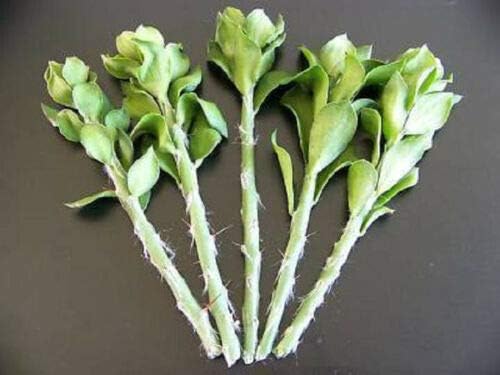
This listing provides 75 Pereskia cactus cuttings intended for grafting stock or propagation. Buyers receive a large quantity of similar-sized cuttings that are useful when producing many grafted plants, practicing grafting technique, or restocking a nursery. The product notes sandy soil as the recommended medium, which aligns with typical cactus care and helps reduce rot risk after planting. Because these are bare cuttings, users must handle grafting, root initiation, and aftercare themselves; expect variable survival depending on shipping and how quickly cuttings are potted and conditioned. The set is especially convenient for growers who want to trial multiple rootstock-scion combinations or teach grafting in a class. There is no detailed sizing, health grading, or potting medium included, so buyers should be prepared with rooting hormone, sterile tools, and suitable fast-draining substrate to get consistent results.
Best for: Growers who want a ready supply of rootstock cuttings for repeated grafting, experimentation, or teaching grafting techniques and who are comfortable handling propagation tasks.
Less Ideal for: Casual plant owners seeking a single transplanted plant or beginners who want a fully potted, ready-to-display cactus without doing grafting or propagation work.
- Large quantity of cuttings (75) suitable for multiple grafting projects
- Pereskia species can serve as vigorous grafting stock for many cacti
- Seller specifies sandy soil as the recommended medium, matching cactus needs
- No size, health grade, or root status information provided for individual cuttings
- Cuttings arrive bare with no potting medium or detailed care instructions
Verdict: Buy this pack if you need a high-volume supply of Pereskia cuttings for grafting practice or bulk propagation projects.
Pereskiopsis Grafting Stock Cactus Cuttings, 20 Count

| Indoor Outdoor Usage | Indoor |
|---|---|
| USDA Hardiness Zone | 9-11 |
| Soil Type | Well-draining Cactus Or Succulent Mix |
| Moisture Needs | Low To Moderate; Water Sparingly, Allow Soil To Dry Between Waterings |
| Unit Count | 20 Count |
These Pereskiopsis cuttings are sold specifically as grafting stock to accelerate the growth of slow or rare cacti. They arrive as fresh, unrooted stem sections that should be allowed to callous for a day or two then used to graft scions; Pereskiopsis is fast-rooting and vigorous, so grafted seedlings typically establish and grow much faster than on their own roots. Typical use is indoor grafting workbench to attach small scions, then keep grafts in bright indirect light before transitioning to full sun and normal watering. Notable features include thornless stem sections for easier handling, leaf growth that indicates vigor, and a 20-count supply that lets you practice multiple grafts. Practical benefits are faster development of prized varieties and a higher success rate for delicate seedlings. Limitations are that these are unrooted cuttings so they require basic grafting skill and post-graft care, they need temperatures above about 50°F, and they are intended for zones 9 to 11 or protected indoor culture in cooler climates.
Best for: Gardeners focused on accelerating the development of rare or slow-growing cacti who want a reliable, vigorous rootstock to improve grafting success and speed up growth.
Less Ideal for: Casual plant owners who do not plan to graft or who prefer fully potted plants ready to display without post-receipt propagation work.
- Fast-rooting Pereskiopsis stock promotes quicker establishment and growth of grafted scions
- Sold as fresh cuttings with visible leaf growth indicating vigor and higher viability
- Thornless stem sections make handling and grafting easier and safer
- Pack of 20 provides enough cuttings for practice and multiple graft attempts
- Cuttings are unrooted and require grafting skill and attentive aftercare to succeed
- Best suited to warm climates or indoor protected culture because of minimum temperature needs
Verdict: Use these vigorous Pereskiopsis cuttings when you want dependable, fast-rooting grafting stock to speed up and improve success with prized cactus scions.
SmartMe Pereskia Cactus Grafting Stock — 20 Cuttings
| Soil Type | Sandy Soil |
|---|---|
| Unit Count | 1 Count |
This product supplies twenty Pereskia cuttings sized for grafting onto cactus scions. Buyers typically use these as understock to provide a robust, fast-growing root system for rare or finicky cactus varieties. The cuttings arrive as bare stems prepared for grafting and are suited to sandy soil and standard cactus potting mixes. The main benefit is quantity: twenty cuttings give multiple attempts and backup plants if some fail to take. Pereskia rootstock is valued because it often establishes quickly and supports top-growth while graft union forms. Practical limitations are that these are live plant cuttings that require prompt planting and proper aftercare — dryness, humidity control, and sterile grafting technique affect success. Also there is no sizing or age detail beyond the pictured size, so expect some variation and be prepared to trim or heal cuts before grafting. For hobbyist grafters this is a straightforward way to stock up on compatible rootstock, but it requires basic grafting skill and quarantine space for successful results.
Best for: Gardeners who graft cacti regularly and want a cost-effective supply of rootstock for multiple attempts and experiments.
Less Ideal for: Beginners with no grafting experience or gardeners without a dry, controlled area to heal and root cuttings should consider buying established rootstock or seeking local nursery support.
- Includes twenty cuttings to allow multiple grafting attempts and replacements
- Pereskia is a commonly used grafting stock that establishes roots quickly
- Prepared as cuttings so they are ready to root and graft without extra propagation steps
- No detailed size, age, or maturity information provided for individual cuttings
- Live cuttings require immediate care and proper grafting technique to succeed
Verdict: If you need a bulk supply of Pereskia rootstock for repeated cactus grafting, this 20-cutting pack gives plenty of material for trials and backups.
Exotic_Cactusc Opuntia Grafting Stock Nopal Cactus Pad Cutting (1 Count)

| Sunlight Exposure | Full Sun |
|---|---|
| Moisture Needs | Moderate Watering |
| Unit Count | 1 Count |
| Plant or Animal Product Type | Stock |
This Opuntia grafting stock is a simple, low-cost pad cutting intended for cactus hobbyists who want to speed up growth of slow-growing species by grafting. You receive one pad cutting that is commonly used as a robust rootstock for astrophytums, ariocarpus, lophophoras and other slow growers. In practice it is used by mounting the scion onto the Opuntia pad; the stock is noted for long-term graft unions, the ability to be planted with the stock below ground, and continued growth that makes grafts look natural. The listing highlights full sun preference and moderate watering needs, and the seller notes edible qualities and good results with crested, variegated, and monstrose forms. Expect a straightforward biological product rather than a finished ornamental—success depends on basic grafting skill and proper post-graft care. As a single pad, this is an economical way to trial grafting but you may need multiple pads for practice or repeat grafts and outcomes vary with climate and technique.
Best for: Buyers looking to graft slow-growing cacti on a budget who want an inexpensive, functional rootstock to speed juvenile growth and experiment with grafting techniques.
Less Ideal for: Growers who want ready-to-display ornamental plants or who need bulk stock for a propagation project should consider alternatives; absolute beginners who do not want to learn grafting basics may prefer pre-grafted specimens.
- Designed specifically as grafting stock to accelerate growth of slow-growing cacti
- Can be planted with stock below ground so grafts develop a natural appearance
- Reported to form long-lasting graft unions suitable for crested, variegated, and monstrose specimens
- Sold as a single pad cutting so you may need several for practice or multiple grafts
- Success requires some grafting skill and appropriate aftercare; not a turnkey decorative plant
Verdict: An affordable single Opuntia pad for hobbyists who want a proven, fast-growing rootstock to accelerate and experiment with grafting slow cacti.
Pereskiopsis spathula grafting stock (4-inch)

| Unit Count | 1 Count |
|---|---|
| Plant or Animal Product Type | cactus |
| Item Type Name | Pereskiopsis Spathula grafting stock |
| Manufacturer | exotic_cactus_collection |
This Pereskiopsis spathula is offered as grafting stock for attaching scions from other cacti and succulents. Growers typically use it as the bottom plant in a graft to speed healing and provide a vigorous, fast-growing rootstock that supports slower or weaker scions. The product arrives as a single 4-inch specimen and is presented as live plant material ready for grafting. Its main practical benefits are the Pereskiopsis genus characteristics: relatively soft stems that are easier to graft to and a tendency to establish quickly, which reduces graft failure risk. Because it is sold as a single small plant, buyers should be prepared for basic post-purchase care such as acclimation, regular but cautious watering, and protection from extreme cold while the graft union forms. There is limited published detail about provenance or age, so those who need certified size or maturity information may find the listing sparse. For gardeners prioritizing a reliable, straightforward grafting stock, this provides the essential characteristics to get grafts started successfully.
Best for: Gardeners and grafting hobbyists who want a dependable, quick-to-establish rootstock for cactus grafts and prioritize successful unions over decorative appearance.
Less Ideal for: Growers who require certified nursery provenance, specific plant maturity, or multiple rootstocks for batch grafting should look elsewhere or contact a professional supplier.
- Pereskiopsis species is known for fast establishment and vigorous growth useful for supporting scions
- Soft, leaf-bearing stems simplify making clean graft unions
- Sold as an individual grafting-ready plant suitable for single graft projects
- Listing provides minimal provenance, age, or detailed condition information
Verdict: A straightforward, fast-establishing Pereskiopsis seedling that provides reliable grafting rootstock for hobbyists focused on success rather than showy specimens.
Pereskiopsis grafting stock — 20 pereskia leaf cactus cuttings (4")
| Unit Count | 10 Count |
|---|---|
| Number of Pieces | 18 |
| Plant or Animal Product Type | cactus |
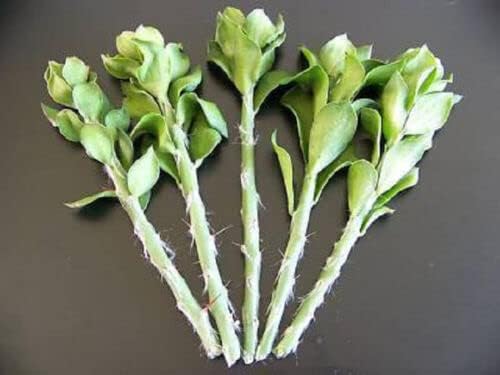
These Pereskiopsis cuttings are sold as grafting stock for cactus grafting projects and arrive as multiple 4-inch leafy stems intended to be used as rootstock. In practice they are used by inserting a scion cactus onto the Pereskiopsis stem to provide faster growth and a vigorous vascular connection. The listing indicates a multi-cutting pack which is useful when you want several grafts or need replacements, and the leafy nature of Pereskiopsis makes alignment and sap exchange straightforward. Benefits include quicker healing and stronger initial growth for difficult-to-graft species compared with slow-rooting rootstocks. Limitations are that success depends on correct grafting technique and aftercare rather than the stock alone, and individual cutting quality can vary in mail-order lots. Expect to budget time for acclimation, secure unions with rubber bands or clips, and keep grafts in bright, indirect light while they take. This is a practical option for hobbyists ready to follow standard grafting steps and manage post-graft care.
Best for: Gardeners who want reliable grafting rootstock for practice or small projects and who value having several cuttings on hand to attempt multiple unions.
Less Ideal for: Beginners who do not plan to learn basic grafting technique or people seeking mature potted plants ready to display rather than propagation material.
- Sold as a multi-cutting pack suitable for multiple grafts or practice attempts
- Pereskiopsis leaf stems provide easy-to-align, fast-connecting graft interfaces
- Leafy, vigorous stock often speeds initial scion growth compared with slow-rooting rootstocks
- Quality and vigor of individual cuttings can vary between batches
- Successful grafting requires proper technique and post-graft care which are not supplied with the cuttings
Verdict: A convenient multi-cutting pack of Pereskiopsis stock for growers who want dependable rootstock to practice and execute multiple cactus grafts.
Choosing the Right Cactus for Grafting: Key Factors to Consider
Rootstock Vigor
A vigorous rootstock provides strong, fast-growing roots that help a newly grafted scion recover from the shock of cutting and handling. In practice, a vigorous rootstock will resume active sap movement quickly, support new growth above the union, and tolerate transplant and watering variation without collapsing.
When assessing vigor, consider how fast the candidate typically grows in your conditions and whether it has a history of supporting larger or slower-growing scions. Vigor also affects how soon you can pot up or move a grafted plant and whether the union will need additional mechanical support.
Tissue Compatibility
Successful grafting depends on matching tissues that will form a stable cambial connection. Compatibility reduces the chance of delayed failure, rejection, or persistent discoloration at the union. Closely related genera and species often graft more reliably, but some cross-group combinations will also take if their stem anatomy aligns.
Look for stock and scion choices with similar stem thickness and comparable growth rates, or plan to adjust practices such as cutting angle and contact area to compensate. Tissue compatibility influences long-term health as well as the initial take rate.
Wound Healing and Callus Formation
Plants that seal graft wounds quickly reduce the window for infection and rot. Fast callus formation creates a physical bridge between rootstock and scion tissues, improving mechanical stability and vascular reconnection. In humid or poorly ventilated environments, slow healers are especially vulnerable to fungal invasion.
Consider seasonal timing because wound healing slows in cool temperatures and speeds up when plants are actively growing. Choosing a cactus known for efficient callus production can be the difference between a successful union and a graft that fails during the first watering.
Sap Flow and Ease of Handling
Sap characteristics affect how easy it is to make clean cuts and achieve tight contact between surfaces. Excessive, sticky, or toxic sap can complicate grafting and increase the risk of contamination. Firmer stems hold together under clamps or ties, while mushy or overly flexible stems make alignment difficult.
Gardeners should pick plants with predictable sap behavior and stems that can be manipulated without splitting. Ease of handling also covers how tolerant a plant is of the tying, clamping, and short-term shading needed after a graft.
Disease Resistance and Rot Tolerance
A rootstock that resists common fungal pathogens and tolerates occasional overwatering will protect the grafted scion. Rot is one of the most common graft-related failures, so choosing a stock with good drainage needs and tissue that resists breakdown is important for longevity.
Inspect typical cultivation conditions for signs of root or stem rot in local settings and choose stocks that have proven resilience in similar moisture and temperature ranges. Disease resistance reduces maintenance and the need for aggressive interventions after grafting.
Climate Match and Cold Hardiness
Consider how the combined cold tolerance of stock and scion will affect where you can keep the grafted plant. A hardy rootstock can extend the usable range of a tender scion, but mismatched tolerances can create stress that weakens the union.
Match stocks to the indoor or outdoor microclimate you plan to use, accounting for light, winter lows, and humidity. If you plan seasonal outdoor placement, pick stocks and scions whose combined hardiness fits your expected conditions.
Planning a Successful Graft
Start by matching the intended scion and rootstock based on stem diameter and growth habit. Measure the contact area so you can make complementary cuts that maximize cambial contact. Practice clean, sharp cuts to reduce tissue crushing and to promote faster callus formation.
Prepare your workspace with clean tools and a shaded area for initial union recovery. Water the rootstock and scion at appropriate times so stems are turgid but not swollen with excess water. After joining, use breathable ties and minimal pressure to hold alignment without restricting future stem expansion.
- Choose sharp, sterile blades and avoid tearing tissue
- Work quickly to minimize exposure of fresh cuts
- Provide bright indirect light and stable temperatures during the first two weeks
Post-Graft Care and Early Maintenance
After the graft, monitor the union daily for signs of successful callus growth such as a slight bulge and drying edges rather than dark, wet rot. Avoid heavy watering during the first week and keep humidity moderate to limit fungal risk. If the scion appears wilted but the stock remains firm, the union may still form as the scion rehydrates.
Remove ties only after firm attachment is evident and the scion shows new growth. Gradually reintroduce the grafted plant to higher light levels over several weeks to prevent sunscald. Be prepared to support top-heavy combinations until the union thickens.
- Inspect for mold or soft spots and isolate affected plants
- Delay fertilizing until the graft shows stable growth
- Reinforce large grafts with stakes if needed
Common Problems and How to Avoid Them
Rot at the union is often caused by slow healing, poor contact, or high humidity. Improve drainage, reduce overhead watering, and ensure the graft is sealed and not trapped under wet ties. If rot begins at the edge of the union, remove infected tissue and re-graft using a healthier section if possible.
Rejection or slow incompatibility can appear weeks to months after a successful initial union. This often shows as discoloration, shrinking above the graft, or sudden collapse. To minimize risk, stick to compatible pairings and avoid forcing large differences in growth rate between stock and scion.
- Avoid grafting during very cold or very hot weather
- Make sure graft surfaces match closely for cambial contact
- Sanitize tools between cuts to reduce disease transmission
Tools and Materials That Help
A selection of sharp knives, grafting tape, rubber bands, small clamps, and a clean cutting surface are the basics. Use breathable materials for ties to reduce trapped moisture. A magnifying loupe and small brushes can help remove debris and make precise adjustments.
Consider a mild disinfectant for tools and a small container of sterile grafting pins or toothpicks to hold cut surfaces until ties are applied. Having a notebook to track pairing types, dates, and outcomes helps refine your technique over time.
- Sharp grafting knife or scalpel
- Breathable grafting tape and small clamps
- Sterile work surface and disinfectant for tools
When to Re-Graft or Replace a Failed Union
If a union shows persistent signs of incompatibility or rot that progress despite intervention, it is usually best to re-graft using a healthy section of the scion or to choose a different stock. Early decisive action preserves material and reduces spread of disease to other plants.
Document what went wrong and adjust your next attempt by changing timing, choosing a different diameter match, or improving post-graft ventilation. Repeated failures with the same pairing indicate intrinsic incompatibility rather than technique alone.
- Remove and discard severely rotted tissue promptly
- Try a new stock if the original shows systemic disease
- Use records to refine future graft pairings and timing
How We Chose the Best Cactus for Grafting
We selected candidates that demonstrably aid successful cactus grafts in typical home and hobby greenhouse conditions. Our filters prioritized vigor and compatibility because strong rootstocks speed recovery and increase survival after grafting. We also gave weight to tissue thickness and wound-healing rate since these affect how quickly a graft seals and the likelihood of union failure. We assessed ease of handling during grafting operations, meaning stem firmness and predictable sap flow, which matter for beginners and experienced grafters alike. Cold tolerance of the combined graft and susceptibility to rot were considered to help match grafts to common indoor and outdoor environments. Plants that require highly specialized care or that are known to generate toxic or extreme sap reactions were excluded. Excluded items include specimens that are rare, legally protected, or impractical for most hobbyists due to extreme size or invasive tendencies. The criteria we used to choose entries on this list align with the scoring labels below and reflect the traits gardeners will notice when preparing and maintaining grafted cacti.
FAQ
When is the best time of year to graft cacti?
Grafting is usually easiest during the plant's active growth period when wound healing and callus formation are fastest. For many species this is spring through early summer. Avoid grafting during cold dormancy or extreme heat because healing slows and stress increases the chance of failure.
How long does it take to know if a graft has taken?
You can often see early signs of success within one to three weeks as the union begins to dry and form callus. Firm attachment and new growth from the scion typically appear within four to eight weeks, but full vascular integration may take longer depending on species and conditions.
Can any cactus be used as a rootstock?
Not every cactus makes a good rootstock. Ideal stocks are vigorous, have robust roots, and heal quickly. Some genera are more commonly used because their tissue and growth habits suit a wide range of scions. Avoid rare or protected species and plants known for poor wound response.
How should I water a newly grafted cactus?
Water conservatively during the first week or two to reduce the risk of rot while the union is forming. Keep the soil slightly moist but not wet, and resume a more regular watering schedule only after the graft shows firm attachment and signs of new growth.
What signs indicate graft incompatibility?
Look for persistent discoloration at the union, shrinking of the scion, a soft or wet area developing, or sudden collapse after initial success. These symptoms suggest poor compatibility or infection and often require re-grafting or replacing the stock.
Final Verdict
When selecting a cactus for grafting, prioritize a vigorous, disease-resistant rootstock and a scion with compatible stem anatomy. Balance faster healing and ease of handling against climate needs and long-term cold tolerance. Focus on matching tissue thickness and growth rates, and be ready to adjust post-graft care to encourage a strong union. With attention to compatibility and wound management, grafting becomes a reliable technique to propagate unusual varieties and rescue fragile plants.
