

Note: This article contains affiliate links. If you click on these links and make a purchase, I may earn a small commission at no extra cost to you. This helps support my research and content. Read my full affiliate disclosure here.
If you have a very sunny patio, rock garden, or a south-facing border, choosing a cactus suited to full sun makes the difference between a resilient specimen and a stressed plant. Sun-loving cacti deliver architectural interest, dramatic blooms, and minimal water needs when matched to hot, bright exposures. This guide covers six shortlisted cactus picks that thrive in full sun situations and explains the traits that help them succeed in heat and strong light. We evaluate sun tolerance, cold hardiness, growth habit, and cultural needs so you can pick the best cactus for your sunny site.
Top Picks at a Glance
| Best Overall The best all-around choice for most situations | 1am Succulents Myrtillocactus Geometrizans cv. Fukurokuryuzinboku (Boobie Cactus) |  |
| Best Quality Built to a higher standard if you want something more solid | Purple Prickly Pear Cactus (6–8 in) — Cold Hardy |  |
| Best Value The sweet spot between price and what you get | Altman Plants Assorted Cactus Collection, 12-pack (2.5" pots) |  |
| Best Budget The cheapest option that still gets the job done reliably | Verdant Vigor Pine Cone Cactus (Tephrocactus articulatus var. inermis) 2" Live Plant |  |
| Highest Rated A top-rated pick with lots of positive feedback | HILROQG Purple Prickly Pear Cactus (6–8 inch live plant) |  |
| Most Popular A crowd favorite that many people choose with confidence | Fat Plants San Diego Live Mini Cactus Plants, 4‑Pack |  |
1am Succulents Myrtillocactus Geometrizans cv. Fukurokuryuzinboku (Boobie Cactus)

| Indoor Outdoor Usage | Indoor, Outdoor |
|---|---|
| USDA Hardiness Zone | zone 9a – 11b |
| Soil Type | Gritty Soil Mix |
| Moisture Needs | Little To No Watering |
| Expected Blooming Period | Summer to Fall |
The Boobie Cactus (Myrtillocactus geometrizans cv. Fukurokuryuzinboku) is a conversation‑starting columnar cactus prized for its rounded protrusions and easy care. It is typically kept on a sunny windowsill or in a bright room where it receives at least six hours of direct light, and outdoors in warm climates within USDA zones 9a–11b. The plant ships bare‑root and is intended for repotting into a gritty, well‑draining cactus mix; water only after the soil dries completely. Notable features include drought tolerance, low maintenance needs, and a slow growth habit that makes it manageable in containers. For performance‑minded indoor growers this cultivar offers reliable health and strong visual impact without constant attention. Limitations are its need for strong light to maintain form and the slow timeline to significant size or flowering, so it is not the best pick if you want rapid growth or frequent blooms. Also move it indoors during frost or extended cool spells to avoid cold damage.
Best for: Indoor growers who prioritize low‑maintenance, striking specimens and want a durable cactus that performs reliably in bright light.
Less Ideal for: People seeking fast‑growing houseplants, frequent blooms, or those who cannot provide consistent strong sunlight.
- Distinctive, conversation‑starting form that adds strong visual interest
- Low water requirement and drought tolerance suitable for busy owners
- Suitable for indoor and outdoor placement in warm climates
- Ships bare‑root which reduces transplant shock and pest risk
- Requires at least six hours of direct sun to maintain shape and health
- Very slow growth and unlikely to flower indoors within a few years
Verdict: Choose this cactus if you want a low‑maintenance, eye‑catching indoor specimen that thrives with strong light and minimal watering.
Purple Prickly Pear Cactus (6–8 in) — Cold Hardy

| Hardiness zones | 9-11 |
|---|---|
| Size at sale | 6-8 in |
| Condition | Well-rooted |
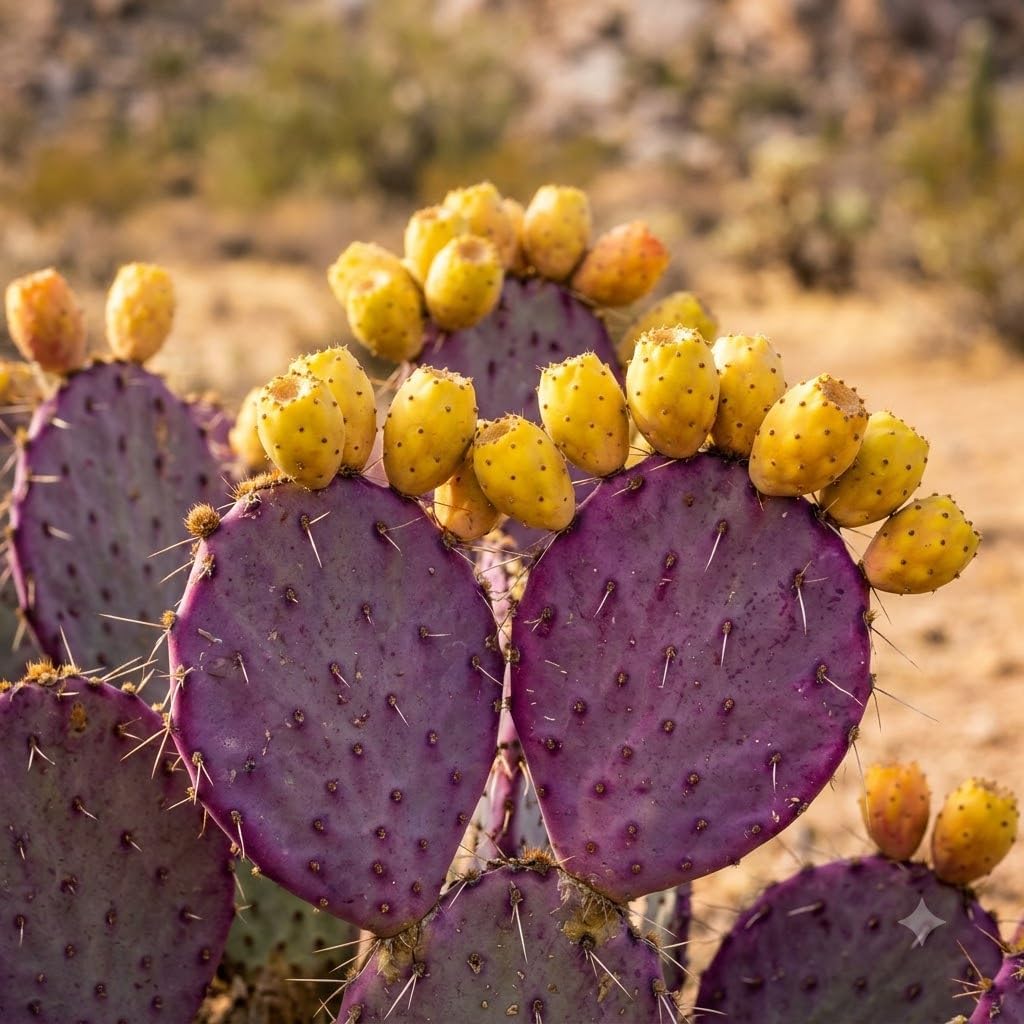
This purple prickly pear is a compact, outdoor-ready Opuntia sold as a 6–8 inch, well-rooted specimen for planting in full sun. It is intended for USDA Zones 9–11 and performs as a low-maintenance landscape cactus that tolerates heat and dry conditions once established. Use it in a sunny rock garden, xeriscape bed, or mixed cactus border where strong light and good drainage are available. Notable features are its purple pads that add seasonal color and its cold hardiness for mild frost exposure compared with more tender succulents. Practical benefits include minimal watering, visual impact in small spaces, and easy integration into drought-tolerant plantings. Limitations are that it needs consistently sunny, well-drained sites to maintain color and health and that planted specimens will develop spines and pads that require careful placement to avoid contact. Buyers should also expect ongoing growth that may need occasional pruning or division to control spread.
Best for: Gardeners seeking a low-water, high-impact cactus for sunny outdoor sites who prioritize appearance and dependable outdoor performance.
Less Ideal for: Indoor growers or people with shaded yards or very wet soils should choose a different, shade-tolerant or potted succulent.
- Cold hardy for outdoor planting in USDA Zones 9–11
- Vibrant purple pads provide strong visual interest in sunny gardens
- Sold well rooted and ready to plant, reducing establishment time
- Requires full sun and very good drainage to avoid rot
- Develops spines and pads that can spread, making placement near pathways risky
Verdict: Buy this purple prickly pear if you want a ready-to-plant, cold-hardy cactus that delivers bold color and reliable full-sun performance in drought-tolerant landscapes.
Altman Plants Assorted Cactus Collection, 12-pack (2.5" pots)

| Indoor Outdoor Usage | Indoor, Outdoor |
|---|---|
| Other Special Features of the Product | Variety Pack |
| Sunlight Exposure | Partial Sun |
| Soil Type | Sandy Soil |
| Moisture Needs | Moderate Watering |
This 12‑pack from Altman Plants is a beginner‑friendly cactus collection intended as a starter set for containers, mixed planters, or event favors. The assortment typically includes several genera such as Echinocactus, Mammillaria, Notocactus, and Opuntia in 2.5" pots that arrive rooted in sandy potting mix with care instructions. The plants are shipped dry to avoid rot and need only moderate watering when the soil is dry. They tolerate partial to bright sun, making them suitable for sunny patios or south‑facing windows, and they work well grouped in shallow trays or individual decorative pots. Packaging and labeling simplify identification and replanting. Limitations are that species vary by season so you may not get the exact plants pictured and smaller nursery pots mean you will need to repot into larger containers as they grow. Also some more delicate varieties may lose a leaf in transit, requiring minor replanting or cleanup.
Best for: Buyers who want an affordable, low‑maintenance way to build a mixed cactus collection for full‑sun patios, windowsills, or container gardens and who prefer ready‑potted, labeled plants they can repot and arrange themselves.
Less Ideal for: Those seeking a single identified specimen or mature, display‑ready cacti without additional repotting and growing; also not ideal for gardeners who need frost‑hard outdoor varieties year‑round.
- Variety pack exposes you to several cactus types for a diverse collection
- Plants arrive potted and labeled for easy identification and planting
- Shipped dry to reduce risk of rot during transit
- Low maintenance care: moderate watering only when soil is dry
- Species assortment varies by season so you may not receive the exact plants pictured
- Small 2.5" nursery pots require repotting as plants grow
Verdict: A convenient, low‑effort way to start a diverse collection of small cacti well suited to sunny containers and patios.
Verdant Vigor Pine Cone Cactus (Tephrocactus articulatus var. inermis) 2" Live Plant

| Indoor Outdoor Usage | Indoor, Outdoor |
|---|---|
| Drought Tolerant | Yes |
| Sunlight Exposure | Partial Sun |
| USDA Hardiness Zone | 9-11 |
| Soil Type | Sandy Soil |
This compact Tephrocactus articulatus var. inermis arrives as a 2" live pine cone cactus intended for easy, low-maintenance cultivation. It is typically grown in a small pot or mixed into a rock garden where it receives bright light and well-draining sandy soil. The plant is drought tolerant and needs only moderate watering with a strict avoid-overwatering care note, which makes it straightforward for beginners and busy gardeners. It is listed as hardy for zones 9–11 and blooms year round under favorable conditions, so it will perform best where temperatures do not drop below its hardiness range. Because expected mature height is small, it fits well on windowsills or patios and can be combined with other succulents in a shallow container. Limitations include sensitivity to excess moisture and a preference for partial rather than intense full sun, so in very hot, exposed sites you will need to provide some afternoon shade or acclimate the plant slowly to stronger light.
Best for: Buyers seeking an inexpensive, low-effort decorative cactus for a sunny windowsill, small patio, or mixed succulent container who prefer plants that tolerate occasional dryness.
Less Ideal for: Gardeners in cooler climates outside USDA zones 9–11 or those who want a large statement plant for full, unshaded exposure.
- Drought tolerant and low-maintenance, suitable for busy or beginner growers
- Compact size fits windowsills, small pots, or mixed succulent arrangements
- Can be grown indoors or outdoors in appropriate climates
- Year-round blooming potential in favorable conditions
- Not well suited to consistently wet soil and requires careful watering
- Listed for partial sun, so may need protection from intense midday sun in very hot climates
Verdict: A compact, budget-friendly pine cone cactus that delivers low-maintenance charm for sunny indoor spots and warm-climate patios.
HILROQG Purple Prickly Pear Cactus (6–8 inch live plant)
| Indoor Outdoor Usage | Outdoor |
|---|---|
| Sunlight Exposure | Full Sun |
| USDA Hardiness Zone | 7-11 |
| Soil Type | Sandy Soil |
| Moisture Needs | Moderate Watering |
This Purple Prickly Pear is a low-maintenance outdoor cactus that produces paddle-shaped pads and colorful flowers when grown in full sun. Typically planted in spring into sandy, well-drained soil, it is used as a groundcover, border plant, or in large containers where heat and sun exposure are constant. Notable features from the listing include year-round blooming potential, drought tolerance, and suitability for USDA zones 7–11, which makes it reliable in warm climates. Practical benefits are its minimal watering needs and tolerance of poor, sandy soils, so it requires little ongoing care once established. Limitations include its eventual size—expected to reach up to 5 feet—so it needs space or a larger container, and like other prickly pears it has spines and glochids that require careful handling. For gardeners seeking a long-lived, sun-loving cactus, it performs predictably; those needing a compact, spineless option should look elsewhere.
Best for: Gardeners in warm, sunny regions who want a low-effort, reliable cactus for full-sun beds, borders, or large containers and prioritize long-term hardiness over compact size.
Less Ideal for: Those who need a small, spineless houseplant or have limited space where a 5-foot plant would be unsuitable should consider different varieties.
- Drought tolerant once established, reducing watering frequency
- Thrives in full sun and sandy, well-drained soils common to hot climates
- Versatile uses as groundcover, border plant, or in containers
- Hardy for USDA zones 7–11, suited to warm outdoor landscapes
- Can grow up to 5 feet so it may outgrow small spaces or pots
- Has spines and tiny glochids that require careful handling when planting or pruning
Verdict: A dependable, sun-loving prickly pear for warm outdoor gardens that delivers low-maintenance color and resilience.
Fat Plants San Diego Live Mini Cactus Plants, 4‑Pack

| Indoor Outdoor Usage | Indoor, Outdoor |
|---|---|
| Other Special Features of the Product | Drought Tolerant |
| Expected Blooming Period | Fall |
| Sunlight Exposure | Partial Sun |
| Moisture Needs | Little To No Watering |
This 4‑pack of mini cacti arrives fully rooted in small nursery pots and is designed for easy display, repotting, or gifting. Each pack contains four different cultivars selected for variety in shape, texture, and color, with no duplicates within the set. These cacti are drought tolerant and need bright light, well‑draining soil, and infrequent, deep watering—water only after the potting mix dries to avoid rot. Typical uses are desktop or windowsill accents, starter plants for a small succulent collection, or low‑care gifts. Practical benefits include immediate readiness to grow, compact size for small spaces, and simple care routines that suit beginners or busy owners. Limitations are the small nursery pots, which will require repotting as plants grow, and natural variation in species means you cannot choose specific cultivars; size and appearance will differ from photos. If you want identical specimens or larger specimen plants, this assortment may not meet that need.
Best for: Buyers who want a low‑maintenance, space‑efficient way to add living decor or start a small succulent collection and prefer ready‑to‑use plants rather than propagating from cuttings.
Less Ideal for: Collectors seeking specific cactus varieties or larger, mature specimen plants should look for individual listings or larger pot sizes.
- Arrives fully rooted and ready to display or repot
- Hand‑selected assortment with no duplicates in the pack
- Low watering requirements suitable for beginners
- Compact size fits desks, shelves, and other small spaces
- Comes in small 2–2.5 inch nursery pots that will need repotting as plants grow
- Buyer cannot choose exact cultivars so appearance varies from what is pictured
Verdict: A practical, ready‑to‑display assortment of small, easy‑care cacti ideal for adding low‑maintenance greenery to tight spaces.
Choosing the Right Cactus for Full Sun: Key Factors to Consider
Sun Exposure and Heat Reflection
Cacti labeled for full sun need both direct sunlight and resistance to high radiant heat. In many gardens, bright afternoon sun is intensified by reflected heat off walls, paving, or gravel. Choose plants with documented tolerance to long hours of direct light and the capacity to maintain tissue hydration and color under hot conditions.
Placement matters as much as species choice. Even sun-tolerant cacti can scorch when newly planted if not gradually acclimated. Consider creating a brief acclimation period with filtered light for the first two to four weeks after planting in a new spot.
Soil Mix and Drainage
Good drainage is essential because standing moisture combined with hot soil can quickly lead to root rot. Use an open, gritty mix or amended garden soil with pumice or coarse sand to speed runoff and air flow around roots.
When planting in the ground, choose raised beds or mounded soil to avoid seasonal saturation. For containers, use pots with multiple drainage holes and avoid deep, water-retentive mixes. Well-drained soil lets a cactus tolerate full sun without prolonged root stress.
Watering Frequency and Drought Strategy
Cacti in full sun dry out faster than those in shade, so water scheduling should match rapid surface drying while avoiding frequent saturation. Young plants may still need regular but light watering until established; mature plants thrive on infrequent deep soakings followed by long dry intervals.
Adopt a seasonal approach: water more often during the active growing season and cut back sharply in cooler months. Proper scheduling reduces the risk of rot and encourages strong root systems that support plants under full-sun stress.
Cold Hardiness and Microclimate
Full sun does not guarantee warmth at night or in winter. Some sun-loving cacti are frost tolerant, others are not. Check hardiness relative to your local frost risk and account for microclimates created by buildings, slopes, or heat-retaining surfaces.
In colder gardens, plant sun-tolerant but frost-sensitive cacti in containers that can be sheltered, or reserve the sunniest, most protected spots for hardier choices. Mulch and windbreaks can also moderate night-time chilling without reducing sunlight exposure.
Growth Habit and Mature Size
Cacti vary from low, clumping groundcover forms to tall columnar specimens. Full-sun locations can favor upright columnar growth but also expose sprawling or low forms to intense reflected heat. Match mature size to site space, considering both horizontal spread and vertical clearance.
Size also affects maintenance. Large, sculptural cacti make long-term statements with limited care, while smaller or clustering species can be easier to move and protect. Think about long-term placement to avoid disruptive moves once established.
Pests, Disease, and Maintenance Needs
High light and heat reduce some pests but can increase stress-related vulnerability to scale or fungal issues if plants are overwatered. Inspect plants regularly for early signs of infestation and address drainage or watering issues promptly to prevent secondary problems.
Maintenance for sun-exposed cacti is mostly preventive: ensure good airflow, avoid watering late in the day, and prune only when necessary. Clean, sharp tools and careful handling reduce injury that invites pathogens.
Planting and Establishment in Full Sun
Start with site preparation that prioritizes drainage and gradual acclimation. Dig a hole slightly wider than the root ball and mix native soil with coarse grit or pumice to create a fast-draining pocket. If planting into heavy clay, mound the planting area so water does not pool around roots.
After planting, protect the cactus from intense midday sun for the first two to four weeks using a temporary shade cloth or planting near a low wall that cuts the afternoon glare. This helps the plant develop roots without leaf or stem scorch.
- Check for settled soil and avoid planting too deep; the top of the root ball should sit slightly proud of the soil surface.
- Water lightly after planting and then let the mix dry more thoroughly between waterings.
Container Culture for Sunny Patios
Containers concentrate heat and can amplify the effects of full sun, so choose materials and pot colors that moderate temperature swings. Unglazed terracotta breathes better than plastic and helps prevent pockets of excess moisture, but lighter-colored pots reflect more heat.
Use a shallow, wide container for clumping species and a deeper, heavier pot for taller columnar forms to prevent tipping in windy, open exposures. Ensure ample drainage and a fast-draining cactus mix.
- Elevate pots on feet to improve bottom drainage and air circulation.
- Monitor container moisture more often; surface drying can be misleading when deep soil remains moist.
Seasonal Care in Hot Climates
In regions with prolonged heat, seasonal care focuses on reducing stress rather than increasing water. Provide infrequent deep watering during the active season and stop feeding in late summer if growth slows. Light shade during the hottest part of exceptionally hot afternoons can prevent bleaching without sacrificing overall sun exposure.
Watch for signs of sunburn: bleached patches or soft tissue indicate excessive light or heat stress. Address this by checking soil moisture, improving drainage, or providing temporary afternoon refuge.
- Fertilize sparingly in spring with a low-nitrogen cactus formula to encourage healthy growth and blooms.
- Reduce watering in late fall to encourage dormancy and improve winter survival.
Using Cacti in Sunny Landscape Design
Cacti make strong focal points and work well in xeric or Mediterranean-style plantings. Combine sun-loving cacti with drought-tolerant companions such as agaves, yuccas, and hardy succulents to create layered texture and repeated forms.
Pay attention to scale and spacing. Give larger cacti room to show their form and allow smaller clusters to sit in front as accents. Gravel or decomposed granite can enhance drainage and create a cohesive aesthetic around plants.
- Use contrasting textures and bloom times to extend seasonal interest.
- Avoid placing delicate ornamental grasses directly next to spiny cactus stems to reduce damage during maintenance.
Protecting Sun-Loving Cacti From Extreme Weather
Full sun sites are not immune to extremes like late frosts, heatwaves, or heavy rains. Prepare by having removable shade cloths, frost blankets, or temporary wind screens that can be deployed quickly. For container plants, move them to protected spots when extremes are forecast.
After storms, inspect cacti for waterlogged soil and slough off standing moisture by improving drainage or temporarily sheltering plants until the substrate dries. Prompt action prevents rot and keeps sun-loving cacti healthy year-round.
- Use breathable frost fabric rather than plastic to avoid trapping moisture against stems.
- If heavy rain is frequent, consider planting on raised berms or installing subsurface drainage in planting beds.
How We Chose the Best Cactus for Full Sun
We focused on traits that matter for planting cacti in uninterrupted bright exposure. Primary filters included documented tolerance of high midday light and reflected heat, a reliable record of drought resilience, and clear cultural requirements for soil drainage and watering. We prioritized species and forms known to hold color and structure under intense sun rather than ones that need afternoon shade. Cold tolerance and USDA zone adaptability were assessed so gardeners in cooler areas can find sun-ready options that still withstand occasional frosts. Growth habit and mature size were considered to ensure plants fit common garden functions from container displays to landscape specimens. We excluded cacti that require specialized greenhouse conditions, constant shading, or highly controlled humidity levels. The final list emphasizes straightforward garden performance, reasonable maintenance needs, and clear planting guidance.
FAQ
Can sun-loving cacti tolerate reflected heat from walls and paving?
Often yes, many full-sun cacti handle reflected heat well, but the combined effect of direct sun plus reflected heat can increase stress. Provide well-draining soil and monitor for signs of heat scorch, especially during the plant's first season.
How often should I water a cactus planted in full sun?
It usually depends on season and soil type. Young plants need more frequent light watering until established, then switch to infrequent deep soakings and allow the soil to dry thoroughly between waterings to prevent root issues.
Are all cacti that prefer full sun frost hardy?
Not always. Cold hardiness varies by species. Some sun-loving cacti tolerate light frost, while others need protection or container overwintering in cooler climates. Check hardiness relative to local frost patterns and microclimates.
What soil mix works best for full-sun cacti?
A fast-draining mix with coarse grit, pumice, or sharp sand is best. Amend heavy soils to improve drainage and consider mounding planting sites to avoid seasonal saturation in full sun locations.
Should I give shade to my cactus during extreme heatwaves?
Sometimes. Short-term afternoon shading during exceptional heat spikes can prevent bleaching and tissue damage. Use temporary shade that reduces peak radiation without creating prolonged low-light conditions.
Final Verdict
Choosing the right cactus for full sun comes down to matching species traits to your site: how much direct light, soil drainage, winter temperatures, and space you have. Prioritize sun tolerance, drainage-friendly soil, and an appropriate mature size for the role you want the plant to play in the garden. With the right placement and simple seasonal care, sun-loving cacti provide low-maintenance structure, bold form, and long-term resilience in bright, dry settings.
