

Note: This article contains affiliate links. If you click on these links and make a purchase, I may earn a small commission at no extra cost to you. This helps support my research and content. Read my full affiliate disclosure here.
Choosing the right compost for rooting cuttings changes how quickly and reliably new plants establish. The wrong medium can hold too much moisture and invite rot, while a mix with too little structure can collapse around delicate stems. This guide looks at seven top composts suitable for taking cuttings, shortlisted for balance of drainage, sterility, and nutrient levels. You will find practical notes on each mix's handling, what to expect when rooting different plant types, and the specific criteria we used to assess performance and reliability in real garden and greenhouse situations.
Top Picks at a Glance
| Best Overall The best all-around choice for most situations | Rio Hamza Trading Plant Propagation Soilless Mix (4 Quarts) |  |
| Best Quality Built to a higher standard if you want something more solid | SOIL SEED & WATER PropaGrow Organic Rooting & Propagation Soil Mix (7.5 qt) |  |
| Best Value The sweet spot between price and what you get | Soil Sunrise Plant Propagation Mix (8 Quarts) |  |
| Best Budget The cheapest option that still gets the job done reliably | SunGro Horticulture Organic Seedling Mix (8 Quart) |  |
| Highest Rated A top-rated pick with lots of positive feedback | Sawgrass Organics Organic Potting Mix, 4 qt |  |
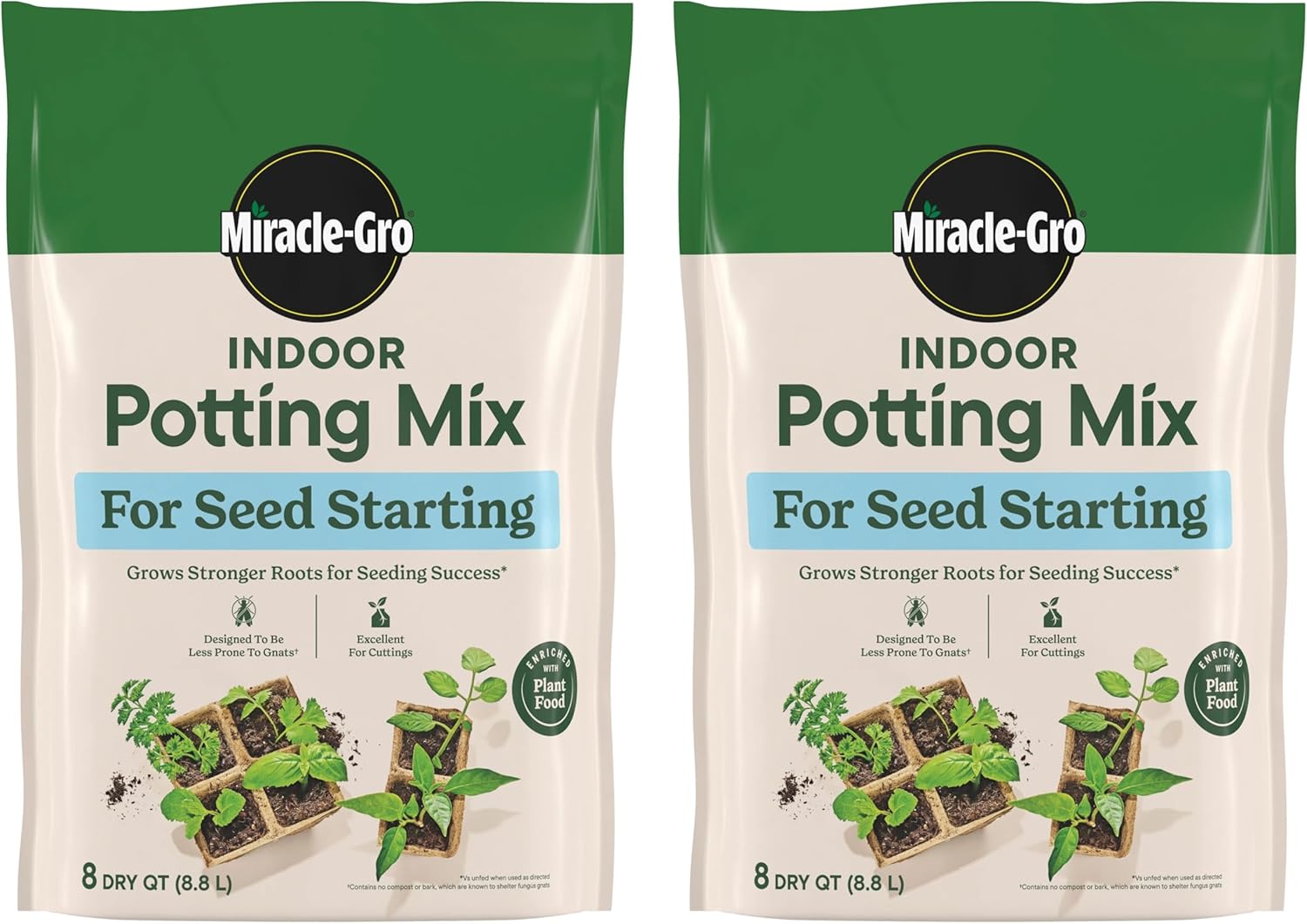
| Most Popular A crowd favorite that many people choose with confidence | Miracle-Gro Indoor Potting Mix for Seed Starting, 8 qt. (2-Pack) |  |
| Best Seller A high-volume bestseller chosen again and again | Back to the Roots Organic Seed Starting Mix — Expanding 12 Quart Block |  |
Rio Hamza Trading Plant Propagation Soilless Mix (4 Quarts)

| Volume | 4 quarts |
|---|---|
| Ingredients | Peat moss, perlite, worm casting, lime |
| Style Name | Plant Propagation Soil Mix |
This 4-quart soilless propagation mix is designed specifically to root cuttings and establish young plants. The blend combines peat moss for moisture retention, horticultural perlite to keep the medium airy and prevent compaction, lime to balance pH, and worm castings for gentle nutrient support. You typically use it dampened in trays, small pots, or propagation cells when starting houseplant cuttings or seedlings. The lightweight, open texture helps roots breathe and reduces rot risk compared with garden soil, and the added worm castings give new roots a mild nutrient boost without overwhelming tender cuttings. Because it is soilless, it will need supplemental feeding once roots form and plants are potted into regular potting mix. The 4-quart bag is convenient for small projects and beginners, but frequent propagators or those working at larger scale may find the volume limiting and need to buy multiple bags.
Best for: Gardeners who want a reliable, ready-to-use propagation medium for rooting houseplant cuttings and starting seedlings, especially those who value ease and consistent results.
Less Ideal for: Large-scale propagators or outdoor bed transplanting projects who need bulk volumes or a long-term planting medium should look for larger commercial mixes or garden soil alternatives.
- Soilless formula promotes aeration and reduces damping-off risk
- Contains perlite to prevent compaction and improve drainage
- Worm castings provide mild, natural nutrient support for new roots
- Hand-blended batches aim for consistent texture and moisture balance
- Small 4-quart volume may be insufficient for multiple or large propagation projects
- Contains peat moss which can compact over long periods and may require refreshing
Verdict: A lightweight, hand-blended soilless mix that makes rooting cuttings easier and more reliable for small-scale home propagation.
SOIL SEED & WATER PropaGrow Organic Rooting & Propagation Soil Mix (7.5 qt)

| Item Form | Solid |
|---|---|
| Specific Uses For Product | Agriculture, fruit gardens, flowers, landscape, nurseries, indoor and outdoor plants |
| Target Species | plants, Flowers, Fruits, Trees, Houseplants |
| Liquid Volume | 7.5 quarts |
This propagation mix is formulated as a concentrated organic blend to help cuttings and transplants establish faster. It combines organic material, macronutrients, micronutrients, and biological amendments to improve aeration, moisture retention, and soil biology around developing roots. Typical use is as a plug or potting medium for clones, nursery transplants, and houseplant cuttings where you want a cleaner, nutrient-rich start without synthetic fertilizers. Notable features include OMRI listing, a focus on increased soil organic matter, and a compact 7.5 quart volume suitable for small batches of propagation. In practice the mix should give quicker, more vigorous root development than plain potting soil because of its nutrient and biology content, and its structure helps keep stems from sitting in overly wet media. Limitations are the small packaged volume for regular propagators and the lack of detailed ingredient percentages or specific ratios, so advanced growers may need to amend or test blends for particular species or schedules.
Best for: Growers who prioritize strong, natural rooting for cuttings and transplants and want an organic, biology-rich medium for small batches or trial runs.
Less Ideal for: Large-scale nurseries or growers who need bulk volumes or precise, lab-standard nutrient specifications should consider commercial propagation substrates or custom mixes.
- OMRI-listed organic formula supports natural rooting and soil biology
- Blend of macro and micronutrients provides nutritional support for young plants
- Structure improves aeration and water retention for healthy root development
- Concentrated 7.5 quart package is convenient for small-scale propagation
- Small single-pack volume may be insufficient for frequent or large-scale propagation
- Product listing does not provide detailed ingredient ratios or nutrient analysis
Verdict: Choose this OMRI-listed propagation mix when you want an organic, biology-forward medium to encourage faster, healthier rooting of cuttings and small transplants.
Soil Sunrise Plant Propagation Mix (8 Quarts)

| Ingredients | peat moss, perlite, worm castings, lime |
|---|---|
| Volume | 8 quarts |
| Style Name | Peat Moss, Perlite, Worm Castings, pH-Balanced Plant Propagation Mix |
Soil Sunrise Plant Propagation Mix is a ready-to-use, soil-less blend designed to help cuttings form strong roots and to refresh lightweight potting for tropical and houseplants. The formula combines peat for moisture retention, perlite for drainage and aeration, worm castings for gentle nutrition, and lime to stabilize pH. In practice the mix holds enough moisture to keep delicate cuttings from drying while still allowing oxygen to reach developing roots, so you see fewer soggy stems and more healthy root threads. The light texture also makes it easy to insert cuttings and remove them for inspection without compacting. Because it is a specialized propagation mix rather than a complete potting soil, you may need to switch to a richer potting medium after roots establish or top-dress for longer-term growth. The 8 quart bag is convenient for small batches of cuttings but not intended for large-scale propagation projects. If you want a straightforward, low-mess starting medium that reduces rot risk, this does the job very well.
Best for: Buyers looking for a no-fuss, reliable starting medium to root cuttings and repot small tropical or houseplant specimens; ideal for people who value predictable rooting conditions and low maintenance during the rooting phase.
Less Ideal for: Growers who need a heavy-duty long-term potting soil or who propagate at large scale should consider larger-volume potting blends or custom mixes tailored to their species and batch size.
- Light, fast-draining texture helps oxygen reach roots and reduces risk of root rot
- Includes worm castings for gentle, natural nutrients during early root development
- pH-balanced formula with lime to stabilize acidity for sensitive cuttings
- Ready-mixed blend saves time compared with sourcing individual components
- 8 quart volume is small for large or repeated propagation batches
Verdict: A compact, ready-made propagation mix that gives cuttings the moisture control and aeration they need to root reliably.
SunGro Horticulture Organic Seedling Mix (8 Quart)

| Brand Name | SUN GRO |
|---|---|
| Style Name | Peat Moss |
| Volume | 8 quarts |
SunGro Horticulture Seedling Mix is a fine-textured, peat-based starting mix formulated to germinate seeds in flats, pots, and plug trays. It contains sphagnum peat moss, perlite for lightness and drainage, and an organic wetting agent to promote even water absorption, which helps maintain consistent moisture for small seeds. The mix also includes a silicon-enriched additive called RESiLIENCE intended to support stronger seedlings and reduce wilting during establishment. Typical use is filling trays or small pots, keeping the medium evenly moist but not waterlogged, then transplanting seedlings once roots are established. Practical benefits include predictable moisture retention, a clean fine texture that allows delicate roots to develop, and OMRI listing for organic onion transplants and other edible starts. Limitations are its small 8 quart volume for larger onion seed programs and that peat-based mixes dry out faster than heavier soils, so frequent monitoring is required; it also provides limited long-term nutrients so potting up into a richer mix or fertilizing before transplant is necessary.
Best for: Gardeners who want an organic, predictable seed starting medium for small to medium onion seed batches and who prioritize reliable germination over bulk volume.
Less Ideal for: Commercial growers or anyone starting very large quantities of onion seedlings should choose larger-volume or more nutrient-dense starting media.
- Fine, light texture suitable for delicate seed germination
- Organic wetting agent promotes uniform water absorption
- OMRI listed so safe for organic edible starts
- Contains perlite for improved drainage and root aeration
- Small 8 quart bag may not be cost-effective for starting large onion batches
- Peat-based mix has low long-term nutrient content and needs fertilizing before transplant
Verdict: A reliable OMRI-listed seed starting mix that delivers even moisture and a fine texture ideal for producing healthy onion seedlings in small home gardens.
Sawgrass Organics Organic Potting Mix, 4 qt

| Volume | 4 quarts |
|---|---|
| OMRI Listed | Yes |
| Unit Count | 128 Ounce |
| Peat-Free | Yes |
| Triple Screened Compost | Yes |
This 4 qt Sawgrass Organics potting mix is a ready-to-use, peat-free blend designed for potted vegetables, herbs and seedlings. It combines fully composted, triple-screened compost with coco coir for water retention and biochar to support microbial life and nutrient holding. Because it is triple screened and blended at a controlled moisture level it arrives consistent and largely free of debris and gnats, which makes it easy to use straight from the bag for repotting, starting seeds or top-dressing containers. The peat-free formula re-wets reliably after drying and resists compaction so root systems stay airy in small pots and raised planters. It is OMRI listed, so it fits an organic vegetable garden workflow. The main limitations are the small 4 quart volume, which means frequent repurchasing for larger beds, and the lack of built-in fertilizer so regular feeding is still needed for heavy-feeding vegetables.
Best for: Gardeners who prioritize reliable, organic-tested potting media for container-grown vegetables, herbs, and seedlings and who want a consistent, low-maintenance mix to repot or start plants.
Less Ideal for: People installing or amending large in-ground vegetable beds who need bulk soil or those seeking a mix with built-in long-term fertilizer and amendments for heavy feeders.
- Peat-free blend with coco coir for good water retention and easier re-wetting
- Contains fully composted, triple-screened compost for consistent texture and few debris
- Biochar included to support beneficial microbes and nutrient retention
- OMRI listed for use in organic production
- Blended and bagged at controlled moisture to reduce gnats and make it usable immediately
- Small 4 quart bag is insufficient for large vegetable beds or multiple containers
- Does not include starter fertilizer so feeding is required for heavy-feeding vegetables
Verdict: Choose this potting mix when you want a consistent, peat-free, OMRI-listed blend that re-wets well and supports healthy roots in container vegetable gardens.
Miracle-Gro Indoor Potting Mix for Seed Starting, 8 qt. (2-Pack)
| Brand Name | Miracle-Gro |
|---|---|
| Item Type Name | Potting Mix |
| Number of Packs | 2 |
| Volume | 8 quarts |
This two-pack of Miracle-Gro Indoor Potting Mix is designed specifically for starting seeds and rooting cuttings indoors. The blend is lightweight and pre-enriched with plant food so seedlings get a nutrient boost during early root development, and the manufacturer says it yields stronger roots compared with unfed mixes when used as directed. It is intended for vegetables, flowers, and herbs and works well in cell trays and small containers; one 8 qt. bag will fill roughly three 72-cell trays. Notably, the formula omits compost and bark, which helps lower the chance of fungus gnat infestations in damp seed-starting setups. Use it by filling trays or pots, keeping the mix evenly moist, and shielding newly sown seeds from direct sun until germination. Important limitations are standard for enriched mixes: it contains fertilizer (so handle carefully) and it is a seed-starting medium rather than an all-purpose potting soil for mature plants, so you will likely transplant seedlings into a different mix or amend soil later.
Best for: Buyers who want a low-effort, indoor seed-starting medium that supports faster root development and reduces common pest risks while following proven seed-starting practices.
Less Ideal for: Gardeners who need a permanent potting soil for mature container plants or who prefer fully organic, compost-rich mixes should consider alternatives.
- Lightweight, ready-to-use formula tailored for seed germination and cuttings
- Pre-enriched with plant food to support early root and seedling growth
- Excludes compost and bark to reduce habitat for fungus gnats
- Comes as a two-pack so you have enough mix for multiple trays
- Contains fertilizer which requires careful handling and storage
- Intended for seed starting so not formulated as long-term potting soil for mature plants
Verdict: A practical, low-risk seed-starting mix that boosts early root growth and reduces fungus gnat risk, making it a reliable choice for indoor vegetable seedlings.
Back to the Roots Organic Seed Starting Mix — Expanding 12 Quart Block

| Volume | 12 quarts |
|---|---|
| Item Type Name | Seed Starting Mix |
| Unit Count | 384 Fluid Ounces |
| OMRI Listed | Yes |
| Peat Free | Yes |
This compressed seed starting mix is a coir-based block that expands to 12 quarts of loose, ready-to-use seedling soil after adding water. It is designed for starting seeds, potting up seedlings, and amending small pots for herbs, vegetables, and flowers. Notable features include an OMRI-listed organic formulation, balanced pH and low electrical conductivity to support nutrient uptake, and compact storage compared with bulky soil bags. In practice the block is easy to hydrate and fluffs up quickly, producing a light, airy medium with good water retention and aeration for root development. The convenience of a single expanding block and beginner-friendly handling makes it a reliable choice for cautious gardeners who want predictable results without mixing multiple ingredients. Limitations are that it is a single-purpose starter mix rather than an all-in-one fertilized potting soil and larger projects will need multiple blocks, so plan quantities ahead.
Best for: Practical gardeners who want a reliable, easy-to-use organic starter medium for small-scale seed trays, pots, and indoor seedlings and who prioritize predictable, low-fuss results.
Less Ideal for: Gardeners needing a ready-to-use, fertilized all-purpose potting soil for large container gardens or immediate long-term container plantings should consider an enriched potting mix instead.
- Expands to 12 quarts from a compact compressed block for easy storage and transport
- OMRI-listed organic and peat-free formulation suitable for organic growing
- Neutral pH and low electrical conductivity support seedling nutrient uptake
- Light, fluffy texture promotes good aeration and root development
- Simple to hydrate and use, friendly for beginners and low-effort setups
- Sold as a bare starting mix without added fertilizer for later stages
- Single block size requires purchasing multiple units for larger seed batches
Verdict: A compact, OMRI-listed organic seed starter that reliably expands into a light, neutral-pH medium for predictable, beginner-friendly seed starting.
Choosing the Right Compost for Rooting Cuttings: Key Factors to Consider
Sterility and Pathogen Control
A clean, low-pathogen medium reduces the chance of damping-off and stem rot, which are the most common causes of failure when rooting cuttings. Sterile production methods, heat-treated composts, or soilless blends reduce microbial loads and make it easier to diagnose problems when they occur.
Even with careful sanitation of tools and trays, an inherently low-pathogen compost gives a much higher probability that cuttings will form roots before any disease takes hold. Consider whether the compost has been pasteurized or manufactured specifically for propagation, and avoid reused potting mixes that may harbor fungal spores.
Drainage and Aeration
Cuttings need contact with moist but oxygenated particles to stimulate root initials. A mix with good drainage prevents waterlogging around the stem base while still offering fine particles for root hairs to colonize. Components like coarse sand, perlite, or fine grit improve aeration without making the mix too loose.
Assess the intended propagation method: using small pots or plug trays requires a slightly finer but still free-draining structure, while larger containers can tolerate coarser ingredients. Drainage also affects watering frequency and the overall risk of rot, so choose a compost that matches how often you can check and water cuttings.
Texture Stability and Compaction Resistance
A stable texture that resists compaction keeps air spaces open as roots grow. Some composts settle or break down quickly and can smother developing roots or make stems sit in wetter pockets. Look for mixes with fibrous components that maintain structure over the typical rooting period of several weeks.
Stability matters for both short-term propagation and for cuttings that root more slowly. If a medium collapses as it dries and is rewet, it can trap moisture against the stem and increase rot risk. Choose composts with persistent particles that hold their shape under gentle handling.
Moisture Retention Without Waterlogging
Effective propagation compost holds enough moisture to support cuttings between watering but releases excess liquid quickly. High water-holding mixes can be useful for frequent-misting systems, while quicker-draining ones suit intermittent deep watering. Balance is key: too dry and cuttings desiccate, too wet and roots fail to form.
Consider environmental conditions such as ambient humidity and heat. In a dry, warm greenhouse you may want a mix with higher retention; in a cool, shaded indoor spot a faster-draining medium is safer. The right compost will reduce the need for constant attention while maintaining consistent moisture at the stem base.
Nutrient Level and Fertility Timing
Cuttings generally do not need heavy feeding until they have a developing root system, so composts with low to moderate initial nutrient levels are preferable. Very rich mixes can encourage leafy growth before roots form and may increase susceptibility to disease.
Some propagation blends include a small, balanced nutrient reserve intended to support the cutting once roots form. Decide whether you prefer a nearly inert rooting medium and add feed after roots appear, or a lightly fortified mix that gives a gentle start without pushing top growth prematurely.
Handling, Fillability, and Reusability
Practical handling affects how quickly you can fill trays, insert cuttings, and maintain cleanliness. A dusty compost can clog propagation holes and create mess, while very coarse materials may be hard to tamp into small plug cells. Ease of filling and consistent particle size make operations faster and reduce stress on cuttings.
Also consider whether you want a medium that can be refreshed and reused or one-time use. Reusing compost requires sterilization or careful assessment to avoid carrying pathogens into a new batch of cuttings. For many hobbyists, convenience and cleanliness favor disposable, easy-to-handle mixes.
Propagation Techniques That Pair With Compost Choice
Different propagation methods interact with compost properties. Stem and leaf cuttings done in trays benefit from a finer, even-textured mix that supports stems upright and allows capillary moisture. Hardwood and semi-hardwood cuttings often root more slowly and can tolerate chunkier, better-draining blends.
For mist benches or humidity domes, choose a medium that holds moisture without becoming saturated. In bottom-heat setups choose a compost that maintains structural integrity under gentle warming so it does not collapse and compact around forming roots.
- Use finer mixes in small plug trays to ensure consistent contact with cutting bases.
- Choose coarser, more open blends for larger cuttings or woody stems.
- Match the medium to your humidity and heating setup to avoid collapse or waterlogging.
Peat-Free Alternatives and Environmental Considerations
Many gardeners now prefer peat-free propagation composts. Peat-free mixes use ingredients such as coir, well-processed bark, and wood fiber to provide similar moisture retention and structure. These substitutes can perform well for cuttings if they are processed to remove salts and have the right particle size.
When selecting peat-free options, check for consistent particle grading and low residual salts. Some alternative materials hold water differently than peat, so you may need to adjust watering frequency and handling habits.
- Coir tends to retain water but can be too saline if not washed; look for horticultural-grade sources.
- Wood fiber and fine bark add stability and aeration but may vary between batches.
Sterilization and Preparing Compost at Home
If you reuse compost or need to ensure sterility, simple home techniques help reduce pathogens. Methods include heat-treating small batches in an oven or steam pasteurizing in a pot. Follow clear temperature and timing guidelines to kill harmful fungi while preserving beneficial structure.
Always cool and aerate treated compost before using it for cuttings. Overheating can produce foul odors and change texture, so aim for steady, controlled pasteurization rather than short, extreme bursts.
- Small-batch oven pasteurization at moderate temperatures can be effective for hobby gardeners.
- Allow treated compost to rest and rehydrate evenly before inserting cuttings.
Watering and Aftercare Best Practices
Watering frequency should match the compost's retention profile. For mixes that drain quickly, misting and more frequent light watering maintain surface moisture without saturating the base. For higher-retention mixes, reduce watering and monitor for soggy pockets.
Ventilation and gradual reduction of humidity encourage stronger root and stem development. Remove domes or vents progressively once roots are visible, and avoid fertilizing until a clear root mass has formed.
- Mist or shallow water to avoid displacing cuttings in fine mixes.
- Adjust humidity and airflow slowly to prevent shock as roots develop.
Common Problems and Troubleshooting
If cuttings fail to root, first inspect the medium for signs of compaction, persistent wet spots, or visible mold. Damping-off often shows as a water-soaked stem at the soil line; improving drainage and switching to a cleaner mix can stop spread.
Slow rooting can stem from too much fertilizer or excessive moisture. Try a leaner compost with better aeration and confirm your environmental conditions-temperature and light both affect root initiation as much as the medium itself.
- White fuzzy mold generally indicates poor ventilation and excess moisture.
- Brown, mushy stems point to rot from waterlogging; repot into a faster-draining medium.
How We Chose the Best Compost for Rooting Cuttings
We prioritized properties that matter for young, fragile cuttings rather than mature plants. Key evaluation criteria included sterile starting condition to reduce pathogen risk, drainage and aeration to prevent stem rot while still retaining some moisture, and texture stability so the medium does not compact around developing roots. We also checked nutrient levels appropriate for early root development and ease of use for both small hobby propagators and larger greenhouse setups. Excluded items included potting mixes formulated mainly for long-term container growth, heavy garden soils, and blends with high slow-release feed designed for mature plants. We focused on media types and compost blends commonly used for propagation, including peat-free alternatives and soilless mixes. Our selection emphasized mixes that balance immediate root encouragement with disease suppression and practical handling in trays, pots, or plug cells.
FAQ
Can you use regular garden compost for rooting cuttings?
Garden compost varies widely and often contains microbes, weed seeds, and uneven structure, so it is usually a poor choice for initial propagation. Sterile or purpose-made propagation mixes give more consistent results and lower disease risk.
How important is added perlite or grit in a rooting mix?
Added perlite or grit improves aeration and drainage, which most cuttings benefit from. The exact percentage depends on the base mix; aim for enough coarse particles to keep air spaces open while still allowing contact for root hairs.
When should I fertilize cuttings planted in propagation compost?
Wait until you see a healthy root system forming and some top growth before applying fertilizer. Light feeding after roots are established supports further development without encouraging weak, unrooted shoots.
Are peat-free composts effective for rooting cuttings?
Yes, peat-free composts can be effective if they have the right particle size and low salt content. You may need to adjust watering and choose mixes designed for propagation rather than general potting.
How can I tell if my compost is compacting and harming cuttings?
Signs include slow wilting despite moist surface, visible water pooling, or stems sitting in depressions. Gently probe the medium; if it feels dense and lacks springiness, it is likely compacting and restricting oxygen to roots.
Is it better to use trays or individual pots for rooting cuttings?
Both work depending on species and scale. Trays and plug cells are space-efficient and ensure uniform conditions, while individual pots are gentler for larger cuttings. Choose the container type that matches your propagation method and the compost particle size.
Final Verdict
Prioritize a propagation compost that balances sterility, drainage, and texture stability. The right mix reduces disease risk, provides oxygen for developing roots, and limits the need for constant intervention. Consider your environment and propagation method when choosing a compost, and expect to trade a little moisture retention for better aeration when in doubt. Focusing on these criteria will make it easier to root cuttings successfully: pick a clean, free-draining, stable medium and adjust watering and humidity to match. That approach gives the best chance for fast, healthy root development across a wide range of plant types.
