

Note: This article contains affiliate links. If you click on these links and make a purchase, I may earn a small commission at no extra cost to you. This helps support my research and content. Read my full affiliate disclosure here.
Picking the right deck planter changes how well plants thrive on a balcony, porch, or small patio. The wrong container can trap water, stain decking, or limit root space for vegetables and ornamentals. This guide looks at six top deck planters shortlisted for real outdoor use, focusing on how they handle drainage, weight, and weather exposure. You will find options that suit shallow railings, compact corners, and heavier planting mixes. We evaluate practical criteria like water management and material durability to help you choose the planter best suited to your deck and planting plans.
Top Picks at a Glance
| Best Overall The best all-around choice for most situations | FOYUEE 31.5" Elevated Mobile Raised Garden Bed with Wheels and Shelf |  |
| Best Quality Built to a higher standard if you want something more solid | Vrtizalv 38" Metal Rectangular Raised Planter Box |  |
| Best Value The sweet spot between price and what you get | Keter Urban Bloomer 12.7 Gallon Elevated Raised Garden Bed |  |
| Best Budget The cheapest option that still gets the job done reliably | CADUKE Railing Planter Box 4-Pack with Adjustable Metal Brackets |  |
| Highest Rated A top-rated pick with lots of positive feedback | Veradek Pure Series Tall Tapered Outdoor Planter with Removable Shelf (2-pack) |  |
| Most Popular A crowd favorite that many people choose with confidence | The HC Companies 24-Inch Deck Rail Planter Box |  |
FOYUEE 31.5" Elevated Mobile Raised Garden Bed with Wheels and Shelf

| Capacity | 2.5 cubic feet |
|---|---|
| Material Type | Metal |
| Finish Types | Powder Coated |
| Mounting Type | Floor Standing |
| Included Components | Wheels, Plant Stand |
This FOYUEE elevated raised bed is a mobile, waist-height planter designed for easy, ergonomic vegetable and herb growing on patios and balconies. The galvanized steel box with a powder-coated finish resists rust and supports heavy fill so you can add ample soil for productive vegetable crops. Built-in drainage channels and a central drain help prevent waterlogging while the raised profile improves air circulation around roots. A lower storage shelf keeps tools and pots handy and the integrated handle plus 6-inch all-terrain wheels make it straightforward to reposition the planter for sun or shelter. Typical uses are growing salad greens, herbs, compact vegetables, or creating a movable culinary garden outside a kitchen door. Assembly and moving when fully loaded will require some effort despite wheels, and the metal surface can warm in strong sun so seedling protection may be needed. The unit favors growers who want less bending and an organized, movable planting station rather than a large in-ground plot.
Best for: Gardeners who want an ergonomic, moveable vegetable planter for patios or balconies and value easy access, organization, and rust-resistant construction.
Less Ideal for: People who need very large planting volumes, deep-rooted crops, or a permanent in-ground bed for large-scale vegetable production.
- Powder-coated galvanized steel construction resists rust for outdoor use
- Raised waist-height design reduces bending and back strain
- Integrated drainage channels and central drain prevent water buildup
- Built-in wheels and handle allow the planter to be moved for light or weather
- Lower shelf provides convenient storage for tools and supplies
- May be heavy and awkward to assemble or move when filled with soil
- Metal walls can heat up in direct sun and may require shading for sensitive plants
Verdict: Buy this if you want a durable, waist-height mobile planter that makes growing herbs and compact vegetables easier without stooping.
Vrtizalv 38" Metal Rectangular Raised Planter Box

| Capacity | 59.33 gallons |
|---|---|
| Material Type | Metal |
| Mounting Type | snap-fit assembly |
| Indoor Outdoor Usage | Outdoor |
This Vrtizalv metal planter is a tall, freestanding raised bed meant to sit on a deck, patio, or balcony and provide a roomy, durable home for herbs, vegetables, shrubs, or decorative plantings. Made from galvanized steel with a weather-resistant baked-enamel finish, it resists rust and fading and is built to stay outdoors through sun and rain. Panels snap together without tools and the included butterfly screws finish assembly quickly, while the raised dual-layer base and multiple pre-drilled drainage holes help prevent waterlogging. The removable divider lets you create separate planting zones and the adjustable feet level the planter on uneven decking. At 30 inches tall, it gives roots more vertical space and can act as a low privacy screen. Expect a sturdy, professional look and long service life, but note the metal construction makes it relatively heavy and less easy to move once filled, and it lacks insulation for extreme heat or cold-sensitive plants.
Best for: Buyers who prioritize long-lasting, low-maintenance planters for productive deck gardening and want a professional, weatherproof container that assembles quickly.
Less Ideal for: People who need a lightweight, easily moved container or who plan to grow very temperature-sensitive plants without additional insulation.
- Durable galvanized steel construction with weather-resistant finish for long outdoor life
- Tool-free snap-lock assembly with included butterfly screws for quick setup
- Multiple drainage holes and raised base reduce waterlogging and improve root health
- Adjustable leveling feet allow stable placement on uneven deck surfaces
- Removable divider enables separate planting zones for mixed crops or decorative layouts
- Heavy when filled which makes relocation difficult
- Metal sides offer little insulation against extreme temperature swings
Verdict: Choose this planter when you want a durable, low-maintenance raised bed for serious deck gardening that assembles in minutes.
Keter Urban Bloomer 12.7 Gallon Elevated Raised Garden Bed

| Capacity | 22.4 gallons |
|---|---|
| Material Type | Resin |
| Other Special Features | Fade Resistant |
| Mounting Type | Floor Standing |
| Indoor Outdoor Usage | Outdoor |
The Keter Urban Bloomer is an elevated raised garden bed built for simple, low-maintenance herb and small-vegetable gardening on patios, balconies, or decks. It uses a built-in reservoir and water gauge to reduce watering frequency and help prevent overwatering and root rot, while a manual drainage tap allows you to empty the reservoir for indoor moves or heavy rain. The included seed sprouting tray makes starting seedlings neater, and the resin, wood-look finish is UV protected so it resists fading and rot better than real wood. Assembly is straightforward and the rectangular, floor-standing form fits alongside outdoor furniture. Because it is a single-piece plastic/resin planter, it is lightweight and weatherproof but will not provide the insulating or aesthetic qualities of natural wood or heavier materials. Capacity is limited compared with large raised beds, so it is best for herbs, salad greens, and a few compact vegetables rather than large crops.
Best for: Gardeners who want a practical, low-effort elevated planter for growing herbs and small salad greens on a balcony or patio and who prioritize easy watering management and low maintenance.
Less Ideal for: People planning to grow large vegetables, heavy production beds, or who want the look and thermal benefits of natural wood or metal raised beds.
- Self-watering reservoir with visible water gauge helps maintain consistent moisture and prevents overwatering
- Manual drainage tap makes it easy to drain excess water and move the planter indoors without leaks
- UV-protected resin construction resists fading, rot, and rust for low outdoor maintenance
- Included seed sprouting tray simplifies starting seedlings and transplanting into the bed
- Relatively small soil capacity limits the number and size of plants compared with full-size raised beds
- Resin construction lacks the natural insulation and aesthetic of wood or heavier materials
Verdict: If you want a compact, low-maintenance elevated planter that simplifies watering and seed starting for herbs and small veggies, this is a practical choice.
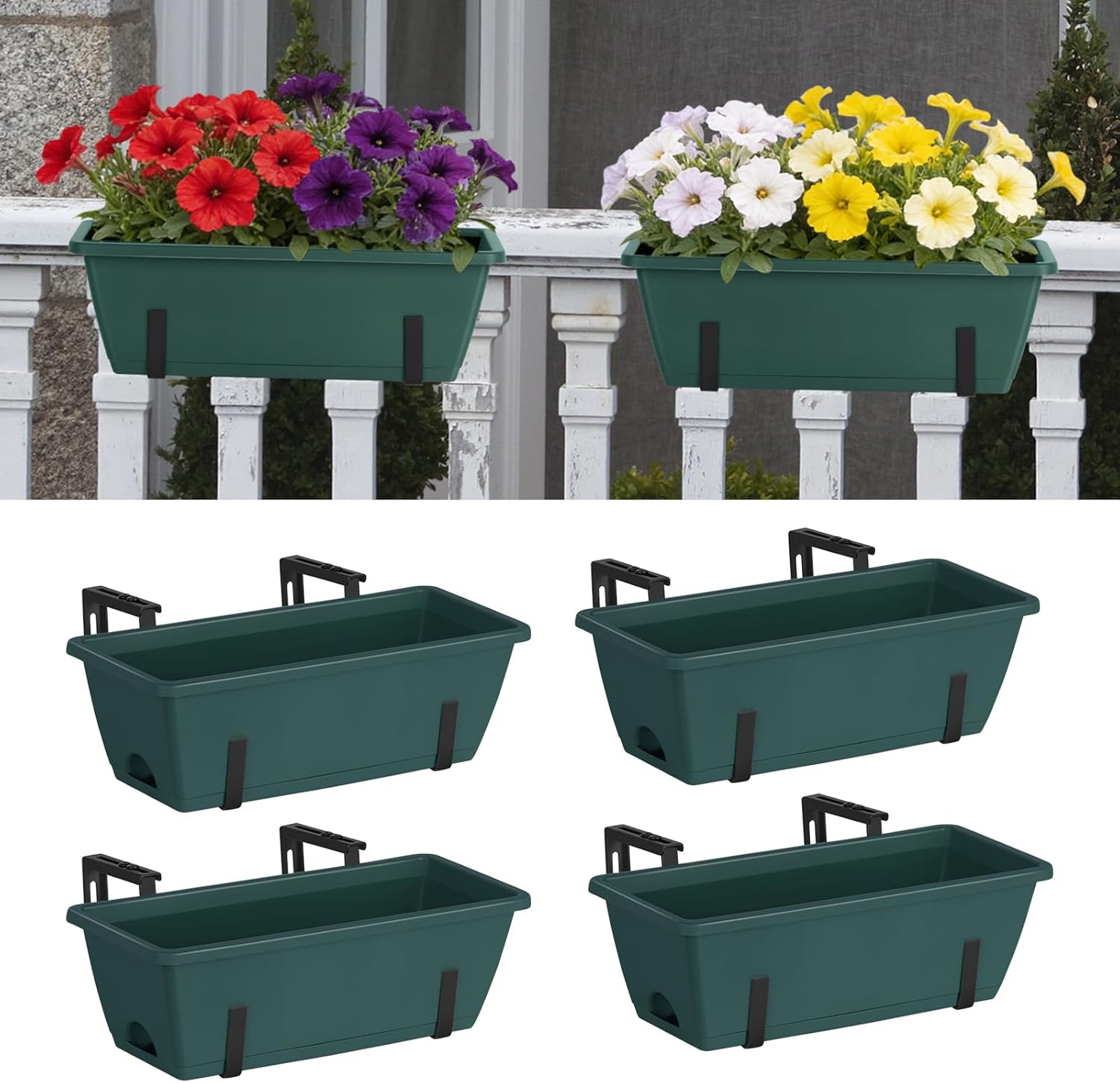
CADUKE Railing Planter Box 4-Pack with Adjustable Metal Brackets
| Capacity | 2.5 gallons |
|---|---|
| Number of Pieces | 4 |
| Mounting Type | Railing Mount |
| Material Type | Metal, Plastic |
| Finish Types | Powder Coated |
These CADUKE railing planter boxes come as a 4-pack designed to mount on deck or balcony rails up to 4.9 inches wide. Each box is made of powder-coated metal supports and PP plastic and uses an adjustable, removable bracket so you can switch between rail mounting and indoor placement. The hollowed bottom and included removable water-storage tray collect excess water and provide drainage without constant mess, which is handy for container vegetables, annuals, or succulents. The set arrives with mounting hardware and a simple instruction sheet so installation is straightforward for one person. Because the boxes are lightweight and compact they work well on narrow railings and in small outdoor spaces, and the powder-coated finish helps resist weathering. Expect limited soil volume per box compared with deeper planters and avoid very large plants or heavy wet soil directly on thin rails. The 4-pack gives good coverage for a budget-conscious gardener who wants an easy way to add color and edible herbs to a deck without permanent changes.
Best for: A budget-focused deck or balcony gardener who wants an inexpensive, easy-to-install way to add multiple containers of flowers or herbs to railings without permanent modification.
Less Ideal for: People wanting deep, high-capacity planters for large perennials, shrubs, or heavy edible crops should choose larger, heavier containers instead.
- Adjustable metal brackets fit railings up to 4.9 inches wide for flexible mounting
- Removable bottom tray and drainage holes reduce waterlogging and mess
- Set of four pieces provides broad coverage for a deck or balcony display
- Powder-coated metal supports with PP plastic planters for outdoor durability
- Shallow internal volume limits use to small annuals, herbs, or succulents rather than large plants
- Lightweight construction may shift on very narrow or poorly supported rails under heavy wind or saturated soil
Verdict: A cost-effective four-pack of adjustable railing planters that quickly dresses a deck or balcony with low-effort container plantings.
Veradek Pure Series Tall Tapered Outdoor Planter with Removable Shelf (2-pack)

| Capacity | 73.6 liters |
|---|---|
| Number of Pieces | 2 |
| Material Type | Polypropylene Plastic |
| Other Special Features | UV Resistant, Weather Resistant |
| Mounting Type | Floor Standing |
The Veradek Pure Series tall taper planters are designed to deliver durable, low-maintenance container planting for patios, entrances, and balconies. Made from molded polypropylene, the pots are lightweight yet impact resistant and treated for UV and weather exposure so they hold up through sun and colder conditions without cracking or heavy fading. Each set includes a removable insert shelf so you can either fill the body with soil for deep-rooted plantings or use the insert for shallower plant mixes and easier repotting; the insert also offers an optional drainage hole. At 30 inches tall these planters create height and presence for elevated displays of perennials, small shrubs, or dramatic succulents. The single-wall construction keeps them easy to move compared with heavy ceramic or metal alternatives but means they do not offer the insulating mass of heavier materials, so soil can warm and cool faster. For gardeners who prioritize robust, weatherproof planters that are simple to manage, these deliver strong real-world performance with a modern profile.
Best for: Gardeners who want durable, low-maintenance planters that create height and impact while remaining easy to move and manage, especially for patio, balcony, or entryway displays.
Less Ideal for: People seeking heavy, decorative materials with built-in insulation or those who prefer natural stone or ceramic aesthetics for formal garden designs.
- UV and weather resistant finish designed to resist fading and cracking
- Lightweight polypropylene construction makes placement and relocation easy
- Removable insert shelf gives flexibility for deep fills or contained inserts
- Tall 30 inch profile provides strong vertical presence for elevated plantings
- Single-wall plastic lacks the thermal mass of ceramic or stone, so root temperatures fluctuate more
- Not insulated; may need protection in extreme freeze-thaw conditions
Verdict: A weatherproof, lightweight pair of tall planters that deliver reliable, low-maintenance performance and strong vertical presence for outdoor container gardens.
The HC Companies 24-Inch Deck Rail Planter Box

| Material Type | Plastic |
|---|---|
| Mounting Type | Railing Mount |
| Other Special Features of the Product | Drainage Hole, Lightweight, UV Resistant |
| Indoor Outdoor Usage | Outdoor |
This 24-inch deck rail planter from The HC Companies is a straightforward solution for adding flowers, herbs, or small ornamental plants to a deck, balcony, or fence. It mounts to standard 2"x4" and 2"x6" rails and is made from UV-resistant plastic so it stays lightweight and resists fading or cracking outdoors. The box includes four removable drain plugs so you can manage drainage for different plants or move the planter without soggy soil. Its rectangular, classic design fits most railing styles and the low weight makes installation and seasonal storage easy. Because it is plastic, it will not match the look of heavier materials like wood or ceramic, and very large root systems will outgrow the volume provided. For gardeners focused on simple, low-maintenance containerizing on narrow railings, this planter delivers good durability and practical water control, but those wanting a decorative statement or very large plantings may prefer a different material or a larger container.
Best for: Buyers who want a practical, low-maintenance planter to maximize planting space on narrow deck or balcony railings and prioritize ease of installation and weather resistance.
Less Ideal for: Gardeners seeking a decorative statement piece, heavy-duty materials, or containers for very large plants and deep root systems should consider other options.
- UV-resistant plastic construction resists fading and cracking outdoors
- Lightweight design makes installation and seasonal removal easy
- Includes four removable drain plugs for adjustable drainage
- Fits standard 2"x4" and 2"x6" deck rails for broad compatibility
- Plastic finish lacks the premium look of wood or ceramic
- Internal volume may be limiting for large or deep-rooted plants
Verdict: A practical, weather-resistant deck-rail planter that makes it easy to add seasonal flowers or herbs to narrow railings with adjustable drainage.
Choosing the Right Deck Planter: Key Factors to Consider
Drainage and Water Management
How a deck planter handles water is the single most important factor for both plant health and deck preservation. Poor drainage lets water pool against decking or railing, causing staining, wood rot, or corrosion over time. Look for planters with multiple drainage holes, an integrated reservoir or tray that keeps roots from sitting in water, or a design that allows you to add a liner and control outflow.
Consider how easy it is to flush salts or fertilizer residue from the soil without flooding the deck below. If you plan to use heavy watering or container mixes that hold moisture, choose a planter with a clear overflow path or a removable saucer that collects excess and can be emptied safely.
Material and Weather Resistance
Deck planters are exposed to sun, rain, wind, and sometimes freezing temperatures, so material choice affects longevity and appearance. Plastics can be lightweight and resistant to rot, but they should be UV-stabilized to avoid becoming brittle and cracking. Wood offers a natural look but needs rot-resistant species or a protective finish to stand up to moisture and prevent staining on the deck.
Metal planters can be very durable but may corrode or heat up in full sun unless treated or powder-coated. Composite materials and fiberglass often balance weight and durability. Consider how the material responds to temperature swings and whether it will leach color or chemicals onto decking over time.
Size, Depth, and Root Space
Planter dimensions determine what you can grow. Shallow troughs work for annuals, herbs, and shallow-rooted vegetables, while deeper boxes are required for tomatoes, peppers, and small shrubs. Depth also affects how often you need to water: deeper soil volumes retain moisture longer but add more weight when wet.
Measure your deck or railing space before choosing a size. Keep in mind the mature spread of plants and allow room for air circulation to reduce disease pressure. For multi-season interest, choose planters that provide enough soil to sustain overwintering perennials if you plan to keep plants in place year-round.
Weight and Deck Load Considerations
A fully planted deck planter can become surprisingly heavy, especially after heavy rain. Before installing large or numerous containers, consider your deck or balcony load capacity. Lightweight planters made from plastic or thin fiberglass reduce static load but may sacrifice durability. Heavier materials like ceramic, concrete, or thick wood add stability in wind but increase the structural demand on deck joists.
Think about where planters will sit and whether concentrated loads will fall between joists or atop railings. On higher floors or older decks, err on the side of lighter containers or spread weight across multiple supports to avoid overloading a single area.
Mounting Options and Stability
How a planter attaches matters for both safety and convenience. Railing-mounted planters need secure clamps or brackets that fit your railing profile and resist loosening in wind. Freestanding pots should have a broad base or be able to be anchored to prevent tipping on exposed balconies. If you choose hanging or hooked planters, confirm the hook strength and whether additional reinforcement is needed.
Evaluate adjustability and whether the mounting hardware is included or sold separately. A stable installation reduces the risk of falling containers, spilled soil, and plant damage during storms or high winds.
Maintenance and Planting Convenience
Daily upkeep and seasonal tasks should be straightforward for a good deck planter. Consider whether the planter allows easy access for planting, pruning, and replacing soil. Removable liners, split troughs, and lightweight inserts speed up potting and winter storage. Smooth interiors and cleanable trays make it easier to flush salts and prevent mold buildup.
Also think about irrigation integration. If you want to use drip lines or self-watering inserts, confirm there is space and access to set those systems up. Low-maintenance planters can save time for busy gardeners and reduce the frequency of heavy lifting.
Best Planter Styles for Narrow Decks
Narrow decks and city balconies need planters that maximize planting area without obstructing movement. Slim railing planters and long, shallow troughs fit along edges and translate vertical space into usable growing area. Choose a style that leaves a clear walkway while providing enough soil depth for the plants you intend to grow.
Look for integrated mounting brackets or hooks that keep the planter flush against the railing to avoid tripping hazards. For very tight spaces, consider vertical planters or stacked containers that go upward rather than outward.
- Shallow troughs for herbs and annuals
- Railing-mounted boxes that clear the deck floor
- Stacked or tiered systems for vertical plantings
Protecting Deck Surfaces From Stains and Rot
Preventing moisture contact between planter and decking is essential. Use saucers, trays, or risers to keep direct contact minimal, and choose planters with built-in barriers or raised feet. A sealed wooden planter or a composite box with a liner will reduce staining and slow moisture transfer.
Regularly inspect contact points and under-plant areas for salt or fertilizer buildup, and clean as needed to avoid long-term discoloration or surface degradation.
- Place saucers under saturated containers
- Use risers to lift planters off the deck surface
- Line wood planters with waterproof material if needed
Integrating Irrigation and Self-watering Systems
Deck planters are ideal candidates for drip irrigation and self-watering inserts, which reduce daily maintenance and keep moisture levels consistent. Self-watering reservoirs help limit overwatering and can reduce the frequency of top-ups during hot spells. When adding automatic irrigation, ensure overflow will not drain onto the deck surface.
Plan for easy access to refill ports or tubing during routine care. If you rely on a timer or gravity-fed system, design routing so hoses do not create tripping hazards on the deck.
- Reserve space for reservoir or drip lines
- Ensure overflow routes away from decking
- Make refill points and tubing accessible for maintenance
Seasonal Care and Winter Storage
Think about how you will protect planters and plants in winter. Some materials handle freezing temperatures better than others. For planters kept year-round, choose frost-resistant materials and avoid waterlogged soil before cold snaps. If you plan to move containers indoors or into storage, lightweight or modular planters simplify the task.
Emptying and storing delicate planters during winter can extend their life and protect decking from prolonged moisture exposure.
- Choose frost-resistant materials for year-round placement
- Consider modular planters for easy off-season storage
- Drain and dry planters before freezing weather
Design Tips to Maximize Visual Impact
Mix varying heights, colors, and textures to create an attractive deck planting scheme. Use taller planters or vertical elements at the back and lower troughs near walkways to maintain sightlines. Repetition of container style ties the layout together and makes a small deck feel intentional.
Select plants with complementary bloom times and foliage to extend visual interest through the season. Consider trailing plants to soften edges and conceal mounting hardware for a cleaner look.
- Combine heights for depth and interest
- Use matching materials for a cohesive look
- Plant staggered bloom times for continuous color
How We Chose the Best Deck Planter
We tested and filtered candidate deck planters by criteria that matter in real outdoor settings. First, drainage design was essential because planters that retain excess water can rot decking or drown plants. We assessed how easily excess moisture escapes and whether the planter includes integrated trays or requires a separate saucer. Second, material durability and weather resistance guided selection. Deck planters face sun, rain, freeze-thaw cycles, and salt air on coastal balconies, so construction and UV resistance were prioritized. Third, weight and size considerations determined suitability for different deck structures and balcony load limits. We prioritized lightweight solutions for higher balconies and sturdier options where weight is less of a concern. Fourth, mounting and stability features were considered for railing-mounted and narrow-deck applications to prevent tipping. Fifth, maintenance and planting convenience were evaluated, including access for planting, ease of cleaning, and whether liners or inserts are included. We excluded planters intended strictly for in-ground use, overly specialized greenwall systems, and products without clear drainage or construction details. The final shortlist balances moisture control, durable materials, appropriate size and weight, secure attachment options, and straightforward upkeep.
FAQ
Can I leave deck planters outside all year?
It depends on the planter material and local climate. Frost-resistant materials like certain composites and treated woods can stay out year-round, but planters with trapped moisture may crack in freeze-thaw cycles. If possible, drain and store fragile containers during harsh winters.
How do I prevent water from staining or damaging my deck?
Use saucers or trays to catch runoff, elevate planters on risers, and install liners to minimize direct contact. Regularly empty collected water and clean under containers to remove fertilizer or salt deposits that can cause staining.
Are railing-mounted planters safe in strong winds?
They can be safe if properly mounted and sized for the railing profile. Choose planters with secure brackets or straps and a low center of gravity. For exposed locations, add substrate weight or anchor points to reduce tipping risk.
What soil mix works best in deck planters?
A lightweight, free-draining potting mix designed for containers is best. These mixes retain enough moisture for plant roots while allowing excess to drain. For heavier feeders, add slow-release fertilizer and avoid garden soil, which compacts and holds too much water.
How large should a deck planter be for vegetables?
Vegetables vary in root needs. Herbs and salad greens do well in shallow troughs, while tomatoes and peppers need deeper, larger containers. Aim for at least 8 to 12 inches of soil depth for most vegetables, and increase depth for larger or fruiting plants.
Can I add a self-watering insert to any deck planter?
Often you can, but check interior dimensions and whether the planter has a way to access overflow. Some narrow or shallow planters do not have room for a reservoir, while others accept standardized inserts that fit easily.
Final Verdict
Choose a deck planter by matching material and size to your planting goals and deck conditions. Prioritize drainage and a mounting solution that protects decking while keeping plants stable and accessible. Balance the benefits of heavier, durable materials against deck load limits and the convenience of lightweight, modular designs. Focus on how the planter manages water and how easy it is to maintain and winterize. With those tradeoffs in mind, you can select a deck planter that keeps plants healthy and your outdoor space tidy and safe.
