

Note: This article contains affiliate links. If you click on these links and make a purchase, I may earn a small commission at no extra cost to you. This helps support my research and content. Read my full affiliate disclosure here.
If you grow anthuriums you know they respond visibly to the right feeding routine. The correct fertilizer keeps foliage glossy, supports frequent bloom cycles, and prevents common issues like pale leaves or tip burn. This guide covers our seven shortlisted fertilizers for anthurium, chosen for formulas and application styles that suit indoor and shaded tropical conditions. We evaluate nutrient ratios, micronutrient content, and ease of use so you can pick a product that matches your watering habits and potting media. Read on for practical guidance to help your anthuriums look their best through the season.
Top Picks at a Glance
| Best Overall The best all-around choice for most situations | Growth Technology GT Foliage Focus Liquid Plant Food, 1 Quart | 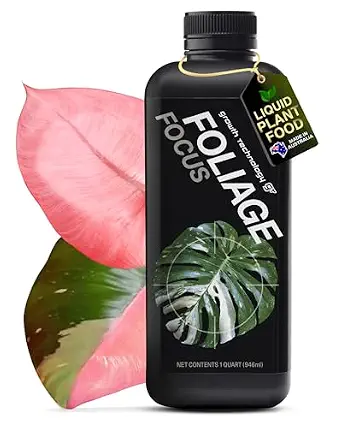 |
| Best Quality Built to a higher standard if you want something more solid | FoxFarm Big Bloom Liquid Plant Food, 16 fl oz |  |
| Best Value The sweet spot between price and what you get | Grow Queen Organic Liquid Indoor Plant Food 5-5-5 with Sea Kelp, 8 oz |  |
| Best Budget The cheapest option that still gets the job done reliably | TPS NUTRIENTS Anthurium Liquid Fertilizer, 8 oz |  |
| Highest Rated A top-rated pick with lots of positive feedback | Rubisco Orchid Magic MSU Formula Liquid Plant Food, 8 fl oz |  |
| Most Popular A crowd favorite that many people choose with confidence | Growth Technology GT Foliage Focus Liquid Plant Food (250 mL) |  |
| Best Seller A high-volume bestseller chosen again and again | TPS NUTRIENTS Indoor Plant Food Liquid Fertilizer, 8 fl oz |  |
Growth Technology GT Foliage Focus Liquid Plant Food, 1 Quart

| Item Form | Liquid |
|---|---|
| Specific Uses For Product | Houseplant and Tropical Plant Care |
| Application Method | Foliar spray |
| Liquid Volume | 946 ml |
| Mixing Ratio | 1:20, 1.5:20, 2:20 |
Growth Technology GT Foliage Focus is a pH-buffered, concentrated liquid fertilizer aimed at promoting strong roots and vibrant foliage on aroids, monsteras, ferns, palms and other indoor tropicals. It is used by diluting into water at the recommended rates for soil, hydroponic systems, or as a foliar spray and can be applied with each watering for steady feeding or adjusted to stronger mixes during active growth. Notable features include a balanced mix of nitrate-nitrogen, phosphorus, potassium, calcium, magnesium and trace elements and explicit mixing ratios for weak, normal and strong feeds. In practice the formula is versatile across soil, potting mix, semi-hydroponic setups and full hydroponics, and the foliar option helps with quick leaf uptake when leaves look pale. Important limitations are that regular feeding requires monthly flushing to avoid salt buildup and you must follow dilution guidance closely to avoid overfeeding sensitive species. The one-quart bottle supplies frequent feeders but will require careful measuring during routine use.
Best for: Buyers who prioritize visible leaf performance and steady nutrient control for aroids and tropical houseplants and who want a single feed solution that works across soil and hydro setups.
Less Ideal for: Casual plant owners who prefer organic or slow-release granular fertilizers or those unwilling to follow regular dilution and flushing routines.
- Balanced mineral profile including N, P, K, calcium and magnesium for foliage and root support
- Versatile application: soil drench, hydroponics, semi-hydroponic systems and foliar spray
- pH buffered formula simplifies mixing and reduces need for extra additives
- Clear dilution guidance for weak, normal and strong feeding makes dosing straightforward
- Requires monthly flushing to prevent mineral salt buildup in pots and systems
- Concentrated formula demands careful measuring to avoid overfeeding sensitive plants
Verdict: A concentrated, versatile liquid feed for growers who want robust leaf growth and one formula that works across soil and hydroponic indoor tropical setups.
FoxFarm Big Bloom Liquid Plant Food, 16 fl oz

| Item Form | Liquid |
|---|---|
| Specific Uses For Product | Organic |
| Application Method | watering can, sprayer, or drip system |
| Unit Count | 16 Fluid Ounces |
| Mixing Ratio | 4 |
Big Bloom is a ready-to-mix liquid plant food intended for flowering and fruiting plants; you dilute 4 tablespoons per gallon of water and apply with a watering can, sprayer, or through drip systems. The formula centers on natural inputs such as bat guano and earthworm castings and is OMRI listed for organic gardening, so it supplies readily available nutrients that can boost blooms and help struggling plants recover quickly. Because it is a low-NPK, bloom-focused concentrate it is useful through multiple growth stages without overwhelming foliage with high nitrogen. Practical benefits include easy integration into existing irrigation, fast uptake for visible response, and suitability for organic beds, containers, and fruiting ornamentals. Important limits are that it contains phosphorus, which some local regulations restrict for turf or lawns, and the small 16 fl oz bottle means frequent refills for larger plantings. Users should follow dilution guidance and local rules to avoid runoff issues.
Best for: Buyers focused on maximizing blooms and fruit on ornamentals, container plants, and small fruiting crops who prefer organic, fast-acting feeding and want a product that fits existing watering systems.
Less Ideal for: People managing large turf areas, large-scale vegetable plots, or those who need a high-nitrogen general-purpose fertilizer should look for formulations designed specifically for those uses.
- Organic certified and OMRI listed, suitable for certified organic gardens
- Natural nutrient sources (bat guano and earthworm castings) that support flowering and fruit set
- Versatile application: watering can, sprayer, hose-end, or drip irrigation compatible
- Low-NPK bloom-focused formula that can be used throughout flowering stages without excessive foliage growth
- Contains phosphorus, which may be restricted by local regulations for some lawn or turf applications
- Smaller 16 fl oz bottle may require frequent repurchasing for medium to large gardens
Verdict: Choose Big Bloom if you want an OMRI-listed, easy-to-use liquid fertilizer that reliably boosts flowering and fruiting in small to medium organic gardens.
Grow Queen Organic Liquid Indoor Plant Food 5-5-5 with Sea Kelp, 8 oz

| Item Form | Liquid |
|---|---|
| Mixing Ratio | 1:1 |
| Specific Uses For Product | Plant Growth |
| Application Method | Watering |
| Target Species | Plants |
Grow Queen's 8 oz concentrated liquid plant food is a balanced 5-5-5 organic fertilizer designed for regular use on houseplants, tropicals and container gardens. You mix one capful (about 4 ml) per gallon of water and either drench the soil or apply as a foliar mist every one to three weeks, which makes it straightforward to fold into a weekly watering routine. The formula includes Ecklonia maxima sea kelp and trace micronutrients, which help support greener foliage, stronger stems and root development without the burning risk of high-strength synthetic feeds. At the stated dilution the bottle treats up to 50 gallons so it will last a small collection for months. It is also labeled safe for aerated hydroponic systems when reservoirs are changed regularly, though it can form a film in stagnant water so fresh mixes are recommended. The product has an earthy ocean scent from real kelp and excludes perfumes and dyes, but that natural smell may bother some users. Directions are simple and the fertilizer pairs well with slow-release feeds for longer-term nutrition.
Best for: Buyers who want a simple, one-bottle solution to feed a mixed collection of houseplants regularly and prefer organic ingredients and seaweed benefits.
Less Ideal for: Growers who need precision nutrient formulas for specific flowering or high-yield vegetable crops or those who require ready-to-use sprays without mixing.
- Balanced 5-5-5 NPK suitable for general indoor plant feeding
- Concentrated formula stretches up to 50 gallons from an 8 oz bottle
- Contains sea kelp and micronutrients to promote foliage color and root strength
- Safe for regular use at recommended dilution with low burn risk
- Natural kelp scent may be noticeable indoors
- Can form a film in standing water so not ideal for non-aerated reservoirs
Verdict: A concentrated, easy-to-use organic 5-5-5 liquid fertilizer with sea kelp that provides straightforward, all-purpose nutrition for indoor plant collections.
TPS NUTRIENTS Anthurium Liquid Fertilizer, 8 oz

| Item Form | Liquid |
|---|---|
| Coverage | houseplants and indoor gardens |
| Target Species | Houseplants |
| Liquid Volume | 8 fluid ounces |
| Mixing Ratio | 1 teaspoon per quart of water |
This 8 oz liquid formula is made specifically for potted anthuriums and other tropical houseplants and is designed to encourage longer-lasting blooms and glossy foliage. It mixes at 1 teaspoon per quart of water, so a little goes a long way for weekly or biweekly feedings, and the kelp plus added calcium and magnesium aim to support flower color and aerial root health. Typical use is dosing the diluted solution into the potting mix or using it as a light foliar feed between regular waterings. The liquid form is easy to measure and less likely to salt up soil than some granular feeds, making it well suited to sensitive indoor roots. The main limitation is the small 8 oz bottle size, which means frequent repurchase for larger collections, and there is limited composition detail beyond the listed additives. For hobbyists who want a plant-specific, easy-to-use liquid for anthuriums, this product delivers practical, low-risk feeding in small quantities.
Best for: Indoor plant owners who want a simple, plant-specific liquid feed for anthuriums and other tropical houseplants and prefer an easy-to-measure concentrate.
Less Ideal for: Large collections, nurseries, or gardeners who need long-term bulk fertilizer supplies should consider larger-volume or granular options.
- Formulated for anthuriums and tropical houseplants to support blooms and foliage
- Kelp plus calcium and magnesium included to help flowering and root health
- Liquid concentrate with a clear mixing ratio (1 teaspoon per quart) for easy dosing
- Gentle balanced formula reduces risk of overfertilizing sensitive indoor roots
- Only an 8 oz bottle, which may require frequent repurchases for multiple plants
- Ingredient concentrations and full NPK breakdown are not specified
Verdict: A small, easy-to-use liquid fertilizer tailored for anthuriums that delivers targeted feeding in measurable doses for indoor growers.
Rubisco Orchid Magic MSU Formula Liquid Plant Food, 8 fl oz

| Item Form | Liquid |
|---|---|
| Specific Uses For Product | Orchids and Tropical House Plants |
| Target Species | Orchids and Tropical House Plants |
| Liquid Volume | 8 fluid ounces |
Rubisco Orchid Magic is a professional-grade liquid concentrate based on the MSU orchid formula used by growers and greenhouses. It is designed for orchids and other plants that prefer low-mineral water and can be mixed into rainwater, reverse-osmosis, or low-mineral tap water at three clearly labeled strengths for seedlings, maintenance, and active growth or bloom pushes. The 13-3-15 NPK balance combined with calcium, magnesium, and a full micronutrient package helps feed root-sensitive species without building up salts, and the bottle treats multiple gallons depending on dilution, so a small bottle lasts many feedings. Directions are printed on the label for straightforward weekly dosing. Limitations are that it is formulated specifically for plants that do best with low-mineral water, so gardeners who rely on hard tap water without conditioning may not get the intended benefits without switching water sources or using filtered water.
Best for: Growers who prioritize consistent, greenhouse-style nutrition for orchids and tropical houseplants and who use or are willing to use rainwater or low-mineral water for feeding.
Less Ideal for: Casual gardeners who rely solely on untreated hard tap water or who prefer slow-release granular fertilizers that do not require regular mixing.
- MSU-based 13-3-15 formula with added calcium, magnesium, and micronutrients suited to orchids
- Concentrated bottle covers many gallons with three labeled feeding strengths for different growth stages
- Low-salt formulation that reduces mineral buildup when used with rainwater or RO water
- Clear label directions for weekly dosing make routine feedings simple
- Designed for low-mineral water so effectiveness is reduced if used with hard tap water without filtration
- Only sold as a liquid concentrate which requires measuring and mixing
Verdict: If you want reliable, greenhouse-style nutrition for orchids and other root-sensitive tropicals and can use low-mineral water, this concentrated MSU-formula feed delivers consistent results.
Growth Technology GT Foliage Focus Liquid Plant Food (250 mL)

| Item Form | Liquid |
|---|---|
| Specific Uses For Product | Soil / Hydroponics / Semi Hydro / Foliar Spray |
| Application Method | Foliar Spray |
| Target Species | Houseplants, Leafy Tropical |
| Liquid Volume | 250 ml |
Growth Technology GT Foliage Focus is a liquid concentrate designed to support leafy tropicals like monstera by supplying macronutrients and trace elements in an easy-to-use, pH‑buffered solution. It is mixed at low milliliter-per‑liter rates for routine feeding: lower dilutions for soil and potting mixes and slightly stronger mixes for hydroponic or semi‑hydro systems. Typical use is adding the recommended dose to your watering can and feeding with every watering or applying as a foliar spray for faster leaf uptake. The formula lists nitrate‑nitrogen, potassium, calcium, magnesium, and trace elements, so it supports steady chlorophyll production and robust foliage when used consistently. Practical benefits include clear dosing guidelines, compatibility across growing media, and a compact bottle that fits on a shelf or in a small greenhouse. Limitations are the small 250 mL size for growers who feed many plants frequently and the need to flush monthly to avoid salt buildup if used with each watering.
Best for: Buyers who prioritize consistent, reliable feeding routines for monstera and other leafy tropicals and want a single product that works across soil and hydro systems.
Less Ideal for: Large-scale growers or collectors who prefer bulk concentrates or an all-in-one slow-release option should consider larger-volume or alternative delivery formats.
- pH‑buffered, ready-to-dilute liquid formula for straightforward mixing
- Clear dosing guidance for soil, hydroponic, semi‑hydro and foliar use
- Contains macronutrients and trace elements targeted at leafy tropicals
- Small concentrated bottle is convenient for home and small greenhouse setups
- Only 250 mL volume may require frequent repurchasing for larger collections
- Requires monthly flushing to manage mineral salt buildup
Verdict: A reliable, pH‑buffered liquid feed that makes steady, cross‑media nourishment simple for monstera and other leafy indoor plants.
TPS NUTRIENTS Indoor Plant Food Liquid Fertilizer, 8 fl oz

| Item Form | Liquid |
|---|---|
| Specific Uses For Product | Plant Food |
| Application Method | Watering can |
| Mixing Ratio | 2:1 (oz/gallon) or 1:64 (tbsp/gallon) |
TPS NUTRIENTS Indoor Plant Food is a concentrated liquid fertilizer made for regular use with houseplants. You mix the measured dose into water and apply it with your usual watering can; the label gives an easy mixing ratio for household use. Its kelp-enriched formula is pitched at improving leaf color, encouraging steady new growth, and supporting root health, so expect glossier foliage and more frequent leaf production when plants are fed consistently. The 8 fl oz bottle is portable and fits on a plant shelf or utility area, and the liquid form dissolves readily for even application. It is intended for medium coverage and labeled as gentle for weekly feeding, which simplifies care for busy owners. Important limitations are that this is a small bottle meant for regular top-up feedings rather than long-term bulk use, and it assumes you will follow dilution directions to avoid overfeeding. Keep it away from children and pets and avoid skin or eye contact when handling.
Best for: Plant owners who want a simple, low-effort weekly fertilizer to keep indoor foliage vibrant and encourage steady new leaf growth. Good for people who prefer an easy liquid mix applied during regular watering routines.
Less Ideal for: Gardeners needing a bulk or multi-season fertilizer for outdoor beds or large collections should consider larger-capacity or specialized products instead.
- Liquid concentrate mixes easily for even application with a watering can
- Kelp-enriched formula aimed at improving foliage color and encouraging new growth
- Gentle enough for weekly feedings according to product guidance
- Clear mixing instructions for home use
- Small 8 fl oz volume limits how many plants you can feed before repurchasing
- Not formulated or labeled for outdoor or large-scale garden use
Verdict: A convenient kelp-enriched liquid concentrate that makes weekly feeding easy for anyone who wants healthier, more vibrant indoor foliage.
Choosing the Right Fertilizer for Anthurium: Key Factors to Consider
Nutrient Ratio and Balance
Anthuriums do best with a balanced feeding approach rather than very high nitrogen. A slightly lower nitrogen amount in relation to phosphorus and potassium helps maintain compact, glossy leaves while encouraging flowering. Look for products with clear N-P-K labeling and modest nitrogen numbers relative to phosphorus and potassium.
Consistent, balanced ratios reduce the chance of legginess and excessive vegetative growth. Avoid fertilizers labeled for heavy feeders or lawns; those often push too much nitrogen for flowering tropicals. Consider how often you water and the fertilizer format when translating label ratios into a real feeding schedule.
Micronutrient Content
Iron, magnesium, manganese, and trace elements are important for keeping anthurium leaf color strong and preventing interveinal chlorosis. A fertilizer that supplies a broad range of micronutrients reduces reliance on separate supplements and helps plants recover from light nutrient stress.
Some potting mixes can tie up micronutrients or lack them entirely, especially soilless mixes. Choosing a fertilizer with chelated iron or readily available micronutrient forms helps maintain color in low-light indoor settings where deficiencies show quickly.
Application Method and Frequency
Fertilizers come as water-soluble concentrates, granular slow-release, and spikes. Water-soluble products give fast results and are easy to control for indoor growers who water frequently. Slow-release granules reduce application frequency but can be harder to calibrate for small pots.
Match the application method to your routine. If you water lightly and often, dilute water-soluble feeds at lower strength. If you prefer low-maintenance feeding, a measured slow-release formulation can be better, provided the release rate suits indoor temperatures and watering patterns.
Salt Index and Root Safety
Container-grown anthuriums are sensitive to salt buildup, which leads to leaf tip burn and root stress. Lower salt-index fertilizers or products described as safe for houseplants reduce this risk. Regular flushing of pots in conjunction with moderate-strength feeding also helps prevent accumulation.
Consider how concentrated the product is and whether the label recommends a dilution that fits small indoor pots. High-solute or concentrated feeds can be risky if over-applied, so choose formulas that allow fine control over dosing.
Compatibility With Potting Mix
Anthuriums are often grown in chunky, well-draining mixes that include bark or coarse material. Fertilizers must release nutrients effectively in these media. Water-soluble feeds are generally more reliable in free-draining mixes because nutrients move with irrigation water.
If you use a soilless or bark-based mix, check that the fertilizer works well in low-Cation Exchange Capacity media and does not rely on microbial mineralization alone to become available.
Flowering and Bloom Support
Encouraging frequent, long-lasting blooms is a primary goal for many anthurium growers. Fertilizers that include phosphorus and potassium at levels that support bud set and flower durability are beneficial. Some formulations add bloom-enhancing biostimulants, which can help but are not a substitute for balanced primary nutrients.
Timing of feeding also matters. Reduce feeding in cooler, lower-light months and increase slightly during active growth and bloom periods to maximize flowering without stressing the plant.
Feeding Schedule For Indoor Anthuriums
Establish a schedule that fits your light and watering routine. During active growth and bloom, many growers feed at a diluted rate every two to four weeks with a water-soluble fertilizer. If you use a slow-release product, apply according to the product duration and reduce supplemental liquid feeding.
Adjust frequency in winter or low light. Anthuriums slow their growth when light and temperature drop, so reduce feeding frequency to avoid salt buildup and unnecessary vegetative push.
- Water-soluble: dilute to half or quarter strength if you water often
- Slow-release: choose a low-dose formula for small pots
- Flush pots lightly with plain water every few months to prevent salt accumulation
Dosing Tips and How To Avoid Fertilizer Burn
Measure carefully and err on the side of underfeeding. Many issues labeled as nutrient deficiency are actually fertilizer burn or high soluble salts. Use measuring spoons or syringes and follow gradual increases rather than full-strength mixes on first use.
If leaf tips brown or margins scorch, stop feeding and flush the potting media with water to remove excess salts. Reintroduce feeding at a lower concentration once new growth appears healthy.
- Start at 50% of recommended strength for first applications
- Increase slowly only if plant shows vigorous, healthy growth
- Record feeding dates and concentrations to track plant response
Special Considerations For Rooted Cuttings And Young Plants
Young anthuriums and recently rooted cuttings have delicate root systems that can be sensitive to concentrated feeds. Use very gentle, low-concentration liquid feeds or a light slow-release product designed for seedlings.
Avoid high-phosphorus or high-salt formulations for new plants. Focus on balanced nutrition and consistent moisture to help roots establish before increasing feeding intensity.
- Use diluted liquid feed every 3 to 4 weeks for seedlings
- Ensure potting mix stays moist but not waterlogged to protect roots
- Delay full-strength feeding until several new leaves have developed
Adjusting Fertilizer For Light And Temperature
Anthuriums in bright, warm conditions use nutrients faster than those in low light. Increase feeding modestly during warm, sunny months and decrease in cooler, darker periods. Rapid shifts can cause stress, so change rates gradually over a few weeks.
Indoor temperature swings and drafts affect growth rates. Keep in mind that even with steady feeding, poor light will limit bloom production regardless of fertilizer strength.
- Higher light = slightly higher feeding frequency
- Lower light = reduce feeding and focus on maintenance
- Consistent temperatures help translate feeding into growth and blooms
Common Feeding Mistakes And How To Fix Them
Overfertilizing is the most common error. Symptoms include brown leaf tips, curled margins, and stunted new growth. If you see these signs, stop feeding and flush the pot thoroughly with water. Repotting into fresh mix can help in severe cases.
Another frequent mistake is using a fertilizer formulated for a different plant group, such as lawn or heavy-feeding vegetables. Those formulas tend to tilt toward high nitrogen and salts that are not appropriate for flowering tropicals.
- Signs of overfeeding: brown tips, white crust on surface, slow growth
- Immediate remedy: flush with water and reduce future concentrations
- Long-term: choose a fertilizer labeled for houseplants or flowering tropicals with balanced N-P-K
How We Chose the Best Fertilizer for Anthurium
We prioritized fertilizers that address the specific needs of anthurium plants: steady but moderate nitrogen to avoid leggy growth, higher phosphorus and potassium ratios to encourage flowering and root health, and a full complement of micronutrients to prevent chlorosis. We evaluated product formats common to indoor growers – soluble concentrates, water-soluble powders, and slow-release granules – for how they deliver nutrients in typical potting mixes used for anthuriums. Application safety was a major filter: options that are easy to dose and have clear dilution instructions scored higher. We also considered salt index and the risk of fertilizer burn for container-grown tropicals. Products lacking clear nutrient analysis or that are formulated primarily for heavy-feeding vegetables were excluded. Editorial selection emphasized predictable feeding schedules, compatibility with acidic to slightly acidic potting mixes, and compatibility with common irrigation routines.
FAQ
How often should I feed my anthurium?
It usually depends on the fertilizer format and growing conditions. For water-soluble feeds, a diluted application every two to four weeks during the growing season is common. Slow-release products are applied far less often, following the product duration and your pot size.
Can I use a general houseplant fertilizer on anthuriums?
Often you can, but check the nutrient ratios. Choose a general houseplant fertilizer with balanced N-P-K rather than one that is high in nitrogen. Ensure it includes or is supplemented with micronutrients to prevent leaf yellowing.
What should I do if my anthurium shows brown leaf tips after feeding?
Brown tips commonly indicate salt buildup or overfeeding. Stop fertilizing, flush the potting media with plain water to leach salts, and then resume feeding at a much lower concentration once the plant shows healthy new growth.
Is it better to use liquid or slow-release fertilizer for indoor anthuriums?
Both can work depending on your routine. Liquids let you control doses precisely and respond quickly, which is useful in small pots. Slow-release reduces maintenance but requires selecting a low-dose formula that suits indoor temperatures and watering patterns.
Do anthuriums need extra iron or magnesium?
They often benefit from readily available iron and magnesium if grown in soilless mixes or low-light conditions where deficiencies appear quickly. Choose a fertilizer with chelated iron or an included magnesium source, or apply targeted supplements if deficiency symptoms develop.
Final Verdict
Prioritize a fertilizer that balances modest nitrogen with adequate phosphorus and potassium and includes key micronutrients. Match the product format to your watering habits and pot size to avoid salt buildup and fertilizer burn. Focus feeding during active growth and reduce in cooler, darker months. With careful dosing and periodic flushing, you can support healthy foliage and more reliable flowering in your anthuriums.
