

Note: This article contains affiliate links. If you click on these links and make a purchase, I may earn a small commission at no extra cost to you. This helps support my research and content. Read my full affiliate disclosure here.
Ferns respond differently to feeding than many flowering or fruiting plants. The right fertilizer for ferns supports steady frond production, maintains a consistent green color, and avoids salt buildup that can scorch delicate foliage. This guide covers seven top contenders chosen for typical fern situations-from indoor Boston and maidenhair ferns to hardy outdoor varieties-and explains the practical tradeoffs between slow-release granules, liquid feeds, and organic options. We evaluated nutrient balance and ease of application alongside factors that matter for real gardeners, so you can match a product to your watering routine and potting mix.
Top Picks at a Glance
| Best Overall The best all-around choice for most situations | Miracle-Gro Pour & Feed Liquid Plant Food, 32 fl. oz. | 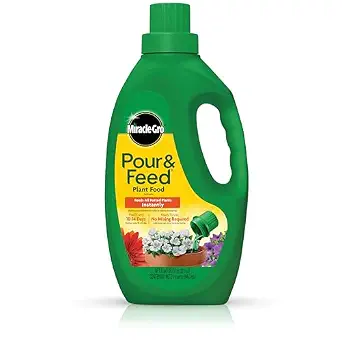 |
| Best Quality Built to a higher standard if you want something more solid | HiThrive Fern Liquid Fertilizer, 16 oz |  |
| Best Value The sweet spot between price and what you get | TPS NUTRIENTS Fern Fertilizer Liquid Plant Food, 8 oz |  |
| Best Budget The cheapest option that still gets the job done reliably | Jobe's Fern & Palm Fertilizer Spikes, 30 Count |  |
| Highest Rated A top-rated pick with lots of positive feedback | Growth Technology GT Foliage Focus Liquid Plant Food, 250 mL |  |
| Most Popular A crowd favorite that many people choose with confidence | Miracle-Gro Indoor Plant Food for All Plants, Liquid, 8 fl. oz. (2-Pack) |  |
| Best Seller A high-volume bestseller chosen again and again | TPS Nutrients Indoor Plant Food Liquid Fertilizer, 8 oz |  |
Miracle-Gro Pour & Feed Liquid Plant Food, 32 fl. oz.

| Item Form | Liquid |
|---|---|
| Application Method | Directly to the soil |
| Specific Uses For Product | Plant Food |
| Target Species | potted plants |
| Unit Count | 32 Fluid Ounces |
Miracle-Gro Pour & Feed is a ready-to-use liquid plant food made for potted plants that you apply by pouring measured capfuls directly onto the soil. It is intended for indoor and outdoor containers and is used every 10 to 14 days to keep foliage vigorous. Notable features include a no-mix formula and a cap that doubles as a measuring tool, which makes feeding quick and low-effort for busy plant owners. For ferns in containers this product delivers regular, soluble nutrients that can support steady growth and greener fronds when used as directed. Limitations to note are that it is formulated only for container use and not for in-ground beds, and frequent applications mean you must follow the label to avoid overfeeding sensitive plants. Because it feeds instantly and requires no dilution, it is best suited to gardeners who prefer simple, scheduled care rather than customized nutrient mixes.
Best for: Plant owners who want a simple, low-effort fertilizer routine for container-grown ferns and prefer predictable, measured feedings over custom mixes.
Less Ideal for: Gardeners managing in-ground fern beds or those who need a slow-release or granular fertilizer that feeds for months at a time should look elsewhere.
- Ready-to-use liquid requires no mixing and is easy to apply
- Cap measures doses so feeding is quick and repeatable
- Formulated specifically for container plants, matching potted fern needs
- Suitable for both indoor and outdoor container use
- Not intended for in-ground garden beds
- Requires regular reapplication every 10–14 days, which adds ongoing maintenance
Verdict: A fuss-free, ready-to-use liquid feed that makes regular container care for ferns fast and consistent.
HiThrive Fern Liquid Fertilizer, 16 oz

| Item Form | Liquid |
|---|---|
| Application Method | Mix with water and apply directly to the soil |
| Target Species | Ferns |
| Liquid Volume | 16 fluid ounces |
| Mixing Ratio | 1:32 (quart), 1:16 (gallon) |
HiThrive Fern Liquid Fertilizer is a concentrated, water-mixable plant food made specifically for ferns. It is used by diluting the solution (two capfuls per gallon or half a capful per quart) and applying to the soil every one to two weeks during the growing season. The 2-2-2 NPK formula combined with added micronutrients such as calcium, magnesium, iron, copper, manganese, and zinc is designed to encourage greener, denser fronds and stronger root systems across common fern varieties. The bottle’s stated coverage (16 oz makes up to 32 gallons) makes it economical for regular maintenance. Because it is liquid and mixes easily, you can integrate it into routine watering for potted Boston, maidenhair, bird’s nest, staghorn, and other ferns. Limitations to note are that it is a general balanced feed rather than a high-nitrogen boost for rapid soft-leaf flushes and it requires consistent scheduled application to see steady results rather than one-off corrective doses.
Best for: Buyers who want a reliable, regular-feed fertilizer to keep indoor and outdoor ferns lush and resilient with a straightforward mixing routine.
Less Ideal for: Gardeners seeking an aggressive corrective feed for severely deficient or rapidly growing specimens should consider a product formulated for quick high-nitrogen response.
- Balanced 2-2-2 NPK tailored for steady fern growth and foliage density
- Includes multiple micronutrients (Ca, Mg, Fe, Cu, Mn, Zn) to support root strength and leaf color
- Concentrated formula that dilutes to make up to 32 gallons from a 16 oz bottle
- Liquid form mixes easily with water for straightforward application to soil
- Not a specialized high-nitrogen formula for rapid frond flushes
Verdict: A simple, concentrated liquid feed that delivers balanced nutrition and micronutrients to keep common fern varieties healthy with routine applications.
TPS NUTRIENTS Fern Fertilizer Liquid Plant Food, 8 oz

| Item Form | Liquid |
|---|---|
| Target Species | Fern |
| Unit Count | 8 Fluid Ounces |
| Mixing Ratio | 1 teaspoon per quart of water |
This 8 oz liquid fern fertilizer is formulated specifically to support indoor and outdoor fern varieties by supplying balanced, readily available nutrients. It is mixed at a low rate (1 teaspoon per quart) and applied as a regular feed to encourage fuller fronds, deeper green color, and stronger roots, which makes it useful for hanging baskets, Boston ferns, and potted houseplants. The liquid format absorbs quickly so plants show responsiveness faster than granular feeds, and the small bottle is easy to store and measure. Practical users will appreciate the clear mixing instructions and the product focus on foliage and root support. Limitations to note are the small volume, which means frequent repurchasing for larger collections, and that the label does not list specific N-P-K numbers or micronutrient breakdowns, so you cannot precisely balance feeding with other fertilizers without testing. It is best used as a regular maintenance feed for fern-focused collections rather than as a one-time corrective treatment.
Best for: Buyers who want a ready-to-use, plant-specific feed to keep house and container ferns consistently lush without complex mixing or nutrient planning.
Less Ideal for: Growers who manage large collections or need exact nutrient formulations for corrective fertilization should consider concentrated or bulk fertilizers with full nutrient labels.
- Liquid formula absorbs quickly for fast visible improvement in frond color and fullness
- Formulated specifically for ferns, including indoor varieties and Boston ferns
- Simple mixing ratio (1 teaspoon per quart) that is easy to measure and apply
- Promotes root development as well as foliage health
- Small 8 oz bottle may require frequent replacement for multiple plants
- Product listing does not provide a detailed N-P-K or micronutrient breakdown
Verdict: A simple, fern-focused liquid feed that quickly improves frond fullness and color for house and container ferns.
Jobe's Fern & Palm Fertilizer Spikes, 30 Count

| Unit Count | 30 Count |
|---|---|
| Application Method | Insert into soil |
| Target Species | Fern and Palm |
| NPK | 16-2-6 |
Jobe's Fern & Palm Fertilizer Spikes are pre-measured, slow-release sticks designed to feed ferns and indoor palms without mixing or mess. You insert the spikes into the potting soil at planting and replace them every 60 days to maintain steady nutrient delivery. The formula is NPK 16-2-6, derived from feather meal, bone meal, and sulfate of potash, so it supplies a higher proportion of nitrogen to encourage lush green foliage, with low phosphate and moderate potassium. The spikes are convenient for busy gardeners or anyone who prefers a no-fuss approach: no measuring, no liquid feeding, and minimal risk of overfertilizing when used as directed. Limitations to note are the fixed NPK ratio and medium coverage, which may not suit plants needing different nutrient balances or large outdoor palms where coverage is insufficient. Also, because the spikes contain phosphorus, local restrictions on phosphorus use should be checked before application near water bodies.
Best for: Buyers who want an easy, low-maintenance feeding routine for indoor ferns and small palms and prefer pre-measured, no-mix solutions.
Less Ideal for: Gardeners who need customizable nutrient blends, are fertilizing large outdoor palms, or must avoid phosphorus due to local regulations.
- Pre-measured slow-release spikes simplify feeding and reduce mess.
- NPK 16-2-6 formulation supports vigorous leaf growth in ferns and palms.
- Designed to target nutrients at the root zone for steady delivery over time.
- Safe for indoor use around households when used as directed.
- Fixed NPK ratio may not fit plants that need lower nitrogen or no phosphorus.
- Medium coverage means multiple spikes or repeat applications are needed for larger pots or multiple plants.
Verdict: A convenient, pre-measured slow-release spike that makes regular feeding of indoor ferns and small palms simple and low-effort.
Growth Technology GT Foliage Focus Liquid Plant Food, 250 mL

| Item Form | Liquid |
|---|---|
| Specific Uses For Product | Soil / Hydroponics / Semi Hydro / Foliar Spray |
| Application Method | Foliar Spray |
| Target Species | Houseplants, Leafy Tropical |
| Mixing Ratio | Soil: 3–5 ml/L, Hydroponics: 5–7 ml/L |
Growth Technology GT Foliage Focus is a compact 250 mL liquid feed made for leafy tropicals, including ferns, that supplies nitrate-nitrogen, phosphorus, potassium, calcium, magnesium, and trace elements. You dilute it per instructions and use it with each watering for a steady low-dose feeding regimen or as a foliar spray for direct leaf uptake. Its pH buffering and single-bottle convenience mean you do not need extra additives, and the clear mixing ratios for soil and hydroponics make it easy to fit into varied setups. For fern growers the balanced mineral profile supports chlorophyll production and even leaf color when used regularly and the monthly flush guidance helps avoid salt buildup. The small bottle is easy to store but will feed only a limited number of plants before needing replacement, so frequent users may prefer larger sizes. Also, precise measuring is required to avoid overfeeding sensitive species.
Best for: Plant owners who prioritize a reliable, easy-to-mix liquid feed for ferns and other leafy tropicals and who prefer a consistent low-dose feeding routine across different growing methods.
Less Ideal for: Growers who need large-volume feeding solutions for many plants or who require complete, detailed NPK breakdowns on the label for precision fertilization.
- Formulated specifically for leafy tropicals and common fern species
- Works across soil, potting mix, hydroponic, semi-hydroponic systems and as a foliar spray
- pH buffered for easier mixing and consistent nutrient availability
- Clear dilution guidelines for routine feeding and hydroponic use
- Small 250 mL bottle may require frequent repurchasing for larger collections
- No full nutrient analysis presented on the product listing to judge exact NPK ratios
Verdict: A dependable, pH-buffered liquid nutrient that makes steady feeding of ferns and leafy tropicals simple across soil and hydro setups.
Miracle-Gro Indoor Plant Food for All Plants, Liquid, 8 fl. oz. (2-Pack)

| Item Form | Liquid |
|---|---|
| Application Method | Apply directly to soil or mix with water |
| Target Species | Houseplants |
| Liquid Volume | 8 fluid ounces |
| Mixing Ratio | 4 pumps per 1 quart of water |
This Miracle-Gro indoor plant food is a straightforward liquid fertilizer intended for regular feeding of potted houseplants, and the twin 8 fl. oz. bottles give you enough product for several feeding cycles. It is used by mixing the recommended number of pumps with a quart of water or by applying directly to the soil and then watering. Notable features are the pump dosing system, directions for every-two-week feedings, and an NPK-style nutrient formula designed to deliver quick nutrition to foliage and roots. For ferns specifically it supplies easily absorbed nutrients that support leafy growth when used on the schedule provided. Practical benefits include fast uptake, simple measuring with pumps instead of spoons, and the convenience of two identical bottles for rotation or backup. Important limitations are that the listing does not provide a specific NPK ratio on the label here and the product is a general all-plant formula rather than a fern-tailored mix, so very sensitive species may need diluted feedings or a specialist fern fertilizer for optimal frond color and fine-textured growth.
Best for: Houseplant owners who want an easy, repeatable feeding routine for a mixed indoor collection and prefer products with broad user adoption and simple dosing.
Less Ideal for: Collectors of rare or particularly sensitive fern species who need a specialized nutrient balance or prefer granular/slow-release fertilizers tailored to ferns.
- Ready-to-use liquid formula feeds plants immediately when mixed with water
- Pump dosing system simplifies measuring and reduces overfeeding risk
- Two 8 fl. oz. bottles provide extra supply for multiple feeding cycles
- Designed for use with all indoor container plants so it works across a mixed houseplant collection
- No specific NPK ratio shown in the provided details for fine-tuning fertilizer choices
- All-purpose formula may be less precise than fertilizers formulated specifically for ferns
Verdict: A convenient, easy-to-dose liquid plant food that reliably feeds indoor ferns as part of a simple every-two-week care routine.
TPS Nutrients Indoor Plant Food Liquid Fertilizer, 8 oz

| Item Form | Liquid |
|---|---|
| Application Method | Watering can |
| Target Species | Plants |
| Unit Count | 8 Fluid Ounces |
| Mixing Ratio | 2:1 (oz/gallon) or 1:64 (tbsp/gallon) |
This 8 oz liquid fertilizer from TPS Nutrients is made for routine feeding of indoor houseplants and mixes with water for use through a watering can. It is a kelp-enriched concentrate intended to boost foliage color, support steady new growth, and strengthen roots when used at the recommended dilution. Typical use is simple: measure the tablespoon dose into about a quart of water per the label and apply during regular watering; the formula is described as gentle enough for weekly feeding. Practical benefits include easy mixing, compatibility with a wide range of common houseplants, and a concentrated bottle that stretches beyond a few feedings for the average plant owner. Limitations to expect are the small 8 oz size if you have many or large ferns and the product does not list an N-P-K ratio on the provided details, so you cannot compare exact nutrient balance against specialty fern formulas. Follow safety directions to avoid contact with skin or eyes and keep the product away from children and pets.
Best for: A cautious indoor gardener who prefers a gentle, easy-to-use liquid feed for common houseplants and wants straightforward weekly maintenance rather than precise nutrient tuning.
Less Ideal for: Specialist growers who need a specific N-P-K ratio for ferns or those managing large collections that require bulk-sized fertilizer.
- Liquid concentrate is easy to measure and mix for watering-can application
- Kelp-enriched formula supports foliage vibrancy and root health
- Gentle enough for weekly feeding and labeled for all indoor plant varieties
- Small bottle is convenient for hobbyists and occasional feeders
- Limited 8 oz volume may require frequent repurchasing for multiple or large plants
- Nutrient N-P-K ratio is not provided, so precise nutrient comparison is not possible
Verdict: A convenient, kelp-enriched liquid feed that makes gentle weekly feeding of indoor ferns and houseplants simple and low-risk.
Choosing the Right Fertilizer for Ferns: Key Factors to Consider
Nutrient Balance and Ratio
Ferns are foliage-focused plants that usually do best with balanced to slightly higher nitrogen relative to phosphorus and potassium because nitrogen promotes leaf growth. Look for formulations where the N-P-K ratio supports steady green growth rather than heavy flowering. Overly high phosphorus or potassium is unnecessary for most ferns and can shift energy away from frond production.
Pay attention to secondary nutrients and micronutrients such as iron and magnesium, which influence color and chlorophyll production. A fertilizer that lists chelated iron or trace elements can help prevent pale or yellowing fronds, especially in container-grown specimens.
Concentration and Application Rate
How concentrated a fertilizer is determines how easy it is to dose correctly. Strong concentrates require careful dilution to avoid chemical burn, which fern fronds are particularly susceptible to. Lower concentration liquid feeds and slow-release granules reduce the chance of overfeeding and are often more forgiving for casual gardeners.
Consider how the feed schedule fits your watering habits. If you water frequently, a light weekly liquid feed may be preferable. If you prefer low-maintenance care, a slow-release formulation applied at potting or early season can provide steady nutrition without repeated dosing.
Salt Content and Burn Potential
Some synthetic fertilizers have a higher soluble salt content that can accumulate in potting mixes and cause browned tips or frond dieback. Ferns in containers are particularly vulnerable because salts concentrate as water evaporates. Choose low-salt-index options or those described as safe for houseplants to reduce risk.
Flushing containers periodically and using controlled-release products with lower initial salt shock are practical strategies to manage buildup. If you notice tip burn or leaf browning after feeding, reduce concentration and flush the mix with plain water.
Formulation Type: Liquid, Granule, or Organic
Liquid fertilizers deliver nutrients rapidly and are useful when you want an immediate response, such as after repotting or correcting nutrient deficiencies. They are also easy to mix for foliar feeding, which can help correct micronutrient shortages quickly.
Slow-release granules provide months of steady feeding and reduce the chance of accidental overapplication, making them ideal for outdoor landscape ferns or for gardeners who prefer low-maintenance care. Organic options release nutrients more slowly and improve soil biology, but the nutrient concentrations can be lower and less predictable, which may require supplemental feeding for vigorous indoor ferns.
Compatibility With Potting Mix and Water Quality
The potting mix and the water you use affect how nutrients behave. Organic-rich mixes may retain nutrients differently than peat- or bark-based mixes, and hard water can add dissolved minerals that interact with fertilizer salts. Choose a fertilizer that lists compatibility with common potting media and avoid doubling up on soluble salts if your water is already mineral-heavy.
If you repot or top-dress frequently, consider a granular feed that can be worked into the mix. For ferns in garden beds with good organic matter, a lighter feed schedule is often sufficient because soil biology helps cycle nutrients.
Ease of Use and Label Clarity
Clear labeling on dilution rates, frequency, and whether a product is suitable for foliar feeding or containers removes guesswork and reduces feeding mistakes. Easy-to-measure packaging or pre-measured packs simplify regular application.
Also look for guidance on what to do if you suspect overfeeding, such as recommended flushing intervals. A product that provides detailed instructions for indoor and outdoor use will serve a wider range of fern owners and reduce the learning curve for novices.
Matching Feed Schedule to Watering Routine
Your watering frequency should drive the type of fertilizer you choose. If you water deeply but infrequently, a slow-release granular feed applied at the start of the growing season provides steady nutrition between waterings. For light daily or every-other-day watering, dilute liquid feeds applied weekly avoid sudden concentration spikes in the root zone.
Think about seasonal shifts. Many ferns slow growth in cooler months and need either a reduced feed schedule or none at all. Adjust the application rate rather than switching products mid-season unless you need a different nutrient profile.
- Deep, infrequent watering pairs well with slow-release granules.
- Frequent light watering pairs well with low-strength liquid feeds.
- Cut back or pause feeding during slow seasonal growth.
Indoor Versus Outdoor Ferns
Indoor ferns in containers concentrate salts faster because water evaporates and soluble salts accumulate. Choose low-salt, houseplant-friendly feeds and reduce concentration by at least half of the label rate until you know how your fern reacts. Periodic flushing helps keep salts in check.
Outdoor, garden-planted ferns benefit from soil microbes and organic matter that buffer nutrient availability. Granular or organic fertilizers can be effective in beds, while foliar sprays can be useful for quick corrections of micronutrient deficiencies in shaded landscape settings.
- Containers: prioritize low-salt, clearly labeled houseplant fertilizers.
- Beds: organic or slow-release options work well with existing soil biology.
- Use foliar feeds sparingly and primarily for micronutrient fixes.
Correcting Yellowing or Pale Fronds
Pale or yellow fronds are often a sign of nutrient imbalance or iron deficiency. Before increasing nitrogen, check growing conditions such as light, humidity, and soil pH because those factors also affect color. If conditions are otherwise adequate, a balanced water-soluble feed with trace elements can help restore green tone over several feed cycles.
For suspected iron deficiency, a chelated iron foliar spray or a fertilizer listing available iron can achieve faster visual improvement. Apply foliar treatments in the morning to reduce leaf wetness during cool periods.
- Confirm light and moisture before changing fertilizer.
- Use trace-element-containing feeds for persistent pale foliage.
- Consider a chelated iron application for local deficiency.
Managing Salt Build-Up and Preventing Burn
Salt buildup shows as brown edges or collapsed tips on fronds. The simplest remedial action is to flush container soil with several volumes of water to wash accumulated salts from the root zone. After flushing, reduce fertilizer concentration and switch to a lower-salt formulation if problems persist.
For long-term prevention, use controlled-release products at recommended rates and avoid doubling the labeled dose. Mulching outdoor beds with organic matter also helps regulate salt movement and keeps roots in a more stable nutrient environment.
- Flush containers to remove accumulated salts when burn appears.
- Avoid exceeding label rates and use controlled-release feeds for stability.
- Topdress garden beds with compost to buffer salt fluctuations.
Timing Feeding Around Repotting and Growth Flushes
When you repot, choose either a light starter feed or wait a few weeks to let roots settle before beginning a regular schedule. Fresh potting mixes often contain starter nutrients, so immediate feeding may not be necessary. For vigorous spring growth flushes, increase frequency slightly with a diluted liquid feed to support new frond development.
Avoid heavy feeding immediately after root disturbance. Gentle, lower-strength applications reduce stress and encourage steady recovery.
- Wait after repotting if mix contains starter nutrients.
- Support spring growth with diluted weekly feeds.
- Use light feeding after root disturbance to avoid stress.
How We Chose the Best Fertilizer for Ferns
We shortlisted products that match common fern needs and garden routines rather than trendy formulations. Key evaluation criteria were nutrient balance geared to foliage growth, concentration and dilution flexibility, salt index and burn risk, and application method practicality for potted and landscape ferns. We favored options with clear feed schedules and those compatible with typical potting mixes and shade conditions. Longevity and steady-release behavior mattered for gardeners who prefer infrequent feeding, while ease of foliar or soil application mattered for those who hand-water frequently. Exclusions: we did not include feeds formulated exclusively for flowering/fruiting plants that lack the low-nitrogen, foliage-focused ratios ferns typically prefer, nor did we include niche experimental blends without clear labeling. The final picks reflect products that reliably deliver foliage-focused nutrition, are usable across common fern settings, and minimize risk of salt-related leaf damage.
FAQ
How often should I feed my indoor fern?
It often depends on the fertilizer type. Many gardeners apply a diluted liquid feed every one to four weeks during the active growing season, or use a slow-release product applied once in spring. Reduce or stop feeding in cooler, low-growth months.
Can I use general houseplant fertilizer on ferns?
Often, yes if the product is low-salt and provides balanced nutrients with trace elements. Avoid high-phosphorus or bloom-focused formulas that shift energy away from foliage development.
What signs indicate I am overfeeding a fern?
Common signs include brown or crispy frond edges, stunted new growth, and white crust or salt deposits on the potting mix surface. If you see these, flush the soil with water and reduce future application strength.
Are organic fertilizers safe for ferns?
Usually yes. Organic feeds release nutrients slowly and improve soil biology, which benefits long-term health. They can be lower in concentration, so sometimes supplemental liquid feeding is helpful for especially pale indoor plants.
Should I foliar feed ferns?
Foliar feeding can help correct micronutrient deficiencies quickly, particularly iron. Use foliar sprays sparingly and during warm, humid conditions so leaves dry quickly. Do not rely on foliar feeding as a sole long-term nutrition strategy.
Final Verdict
Match the fertilizer type to your fern's growing situation and your care routine. Prioritize low-salt, foliage-focused nutrient blends for containers and consider slow-release options for outdoor beds. Manage concentration and feeding frequency to avoid salt buildup and frond burn. With attention to nutrient ratio, application strength, and timing, you can encourage consistent, healthy frond growth without overfeeding.
