

Note: This article contains affiliate links. If you click on these links and make a purchase, I may earn a small commission at no extra cost to you. This helps support my research and content. Read my full affiliate disclosure here.
Growing green onions depends on steady, balanced feeding more than heavy applications. With shallow roots and fast leaf growth, green onions respond quickly to readily available nutrients but can show scorching or leaf tip burn if concentrations are too high. This guide covers the top shortlisted fertilizers for green onions and explains how each type behaves in a small bed, container, or raised garden. We evaluate nutrient balance, salt risk, and ease of use to help you pick feeding that matches your planting system and harvest rhythm.
Top Picks at a Glance
| Best Overall The best all-around choice for most situations | Old Cobblers Farm Wicked Growth Garlic & Onion Fertilizer (5 lb) |  |
| Best Quality Built to a higher standard if you want something more solid | FoxFarm Happy Frog Tomato & Vegetable Fertilizer, 5-7-3, 4 lb |  |
| Best Value The sweet spot between price and what you get | Prevegenics Onion Liquid Fertilizer (32 fl. oz.) |  |
| Best Budget The cheapest option that still gets the job done reliably | Miracle-Gro Water Soluble Tomato Plant Food, 1.5 lb |  |
| Highest Rated A top-rated pick with lots of positive feedback | Miracle-Gro Water Soluble All Purpose Plant Food, 12.5 lb |  |
| Most Popular A crowd favorite that many people choose with confidence | Miracle-Gro Water Soluble All Purpose Plant Food, 1.5 lb |  |
| Best Seller A high-volume bestseller chosen again and again | TPS Nutrients Liquid Plant Food for AeroGarden and Hydroponics, 8 oz | 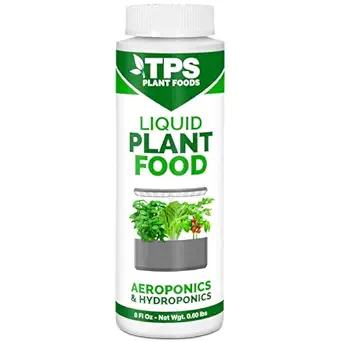 |
Old Cobblers Farm Wicked Growth Garlic & Onion Fertilizer (5 lb)

| Item Form | Granules |
|---|---|
| Application Method | Granular |
| Target Species | Garlic and Onion |
| Unit Count | 16 Ounce |
This granular fertilizer is designed specifically for alliums and is intended for both pre-plant incorporation and periodic side-dressing through the growing season. It supplies a balanced NPK (approximately 5-10-10) plus 3% sulfur from gypsum and elemental sulfur to support the sulfur-loving chemistry of garlic and onions, with added calcium, boron, and zinc to help bulb development and storage quality. Typical use is mixing the recommended 1/2 to 1 cup per 10 sq ft into soil before planting, then side-dressing 1/2 cup per 10 linear feet when tops reach 4 to 6 inches and repeating every 4 to 6 weeks until a few weeks before harvest. Practical benefits include targeted nutrition for stronger flavor and firmer bulbs, straightforward granular application that is easy to measure, and instructions for timing to avoid harvest issues. Important limitations are that the formula is specific to alliums so it may be unnecessary for other vegetables and you should follow soil test results to avoid overapplication; granules must be kept off foliage and watered in to prevent burn.
Best for: Gardeners growing garlic, green onions, shallots, leeks, or chives who want a purpose-built feed to promote firm bulbs and strong allium flavor in raised beds or rows.
Less Ideal for: Growers who want a single multi-crop fertilizer for an entire vegetable patch or who prefer liquid feeds and foliar applications should consider broader-purpose or liquid formulas instead.
- Formulated for alliums with added sulfur to support garlic and onion flavor development
- Balanced NPK plus calcium, boron, and zinc to aid bulb formation and storage quality
- Clear directions for pre-plant incorporation and repeat side-dressing make application simple
- Granular form is easy to measure and apply in raised beds or rows
- Focused on allium crops so not optimized as a general-purpose vegetable fertilizer
- Contains granular sulfur which requires care to avoid contact with foliage and to water in after application
Verdict: Buy this if you want a simple, granular fertilizer tailored to alliums that supports bulb development and sulfur-dependent flavor.
FoxFarm Happy Frog Tomato & Vegetable Fertilizer, 5-7-3, 4 lb

| Item Form | Granules |
|---|---|
| Specific Uses For Product | Vegetables, Tomatoes, Soft Fruits, and Berries |
| Unit Count | 64 Ounce |
| Mixing Ratio | 5:7:3 |
This granular fertilizer is built for vigorous feeders and supplies a 5-7-3 N-P-K blend with added calcium and mycorrhizal fungi to support root function and reduce blossom end rot. You apply it to containers, in-ground beds, or rows according to the package mixing guidance; it is suitable for tomatoes, vegetables, soft fruits, and berries but also works for leafy crops when you want steady vegetative growth followed by strong bulb or stem development. The calcium helps prevent common fruiting problems while the mycorrhizae can improve water and nutrient uptake in lighter soils. Practical benefits include OMRI listing for organic gardens, a clear mixing ratio, and flexible use across planting styles. Limitations are that the formula is geared toward fruiting and high-nitrogen needs rather than exclusively low-nitrogen, delicate leafy crops, and granular application requires either pre-mixing into potting mix or careful watering-in for containers.
Best for: Gardeners who prioritize measurable performance and reliable fruit yields and want an organic granular fertilizer that supports strong root uptake and blossom health.
Less Ideal for: Growers focused solely on tender leafy greens that need very low nitrogen or who prefer liquid fertilizers for quick, frequent feedings.
- 5-7-3 N-P-K ratio supports both vegetative growth and fruit production
- Contains calcium to help prevent blossom end rot in fruiting crops
- Includes mycorrhizal fungi to improve root efficiency and nutrient uptake
- OMRI-listed suitable for organic gardening and varied planting styles
- Granular form requires mixing or thorough watering-in for containers
- Blend is optimized for fruiting plants and may be stronger than needed for exclusively leafy crops
Verdict: Choose this OMRI-listed 5-7-3 granular if you want an organic, performance-focused feed that boosts root uptake and supports abundant fruiting.
Prevegenics Onion Liquid Fertilizer (32 fl. oz.)

| Item Form | Liquid |
|---|---|
| Specific Uses For Product | Plant Growth |
| Target Species | Allium cepa |
| Liquid Volume | 32 fluid ounces |
| Mixing Ratio | Dilute 1 part fertilizer in 3 parts water |
The Prevegenics Onion Liquid Fertilizer is a 32 fl. oz. concentrated liquid designed for routine feeding of onions and other Allium crops. It is mixed at a 1:3 ratio with water and applied to the base of plants, supplying nitrogen, phosphorus, potassium and a suite of micronutrients such as boron, manganese and zinc. In practice this product is useful as a regular soil or foliar supplement to encourage steady growth, improve bulb development, and address trace element deficiencies. As a full-coverage liquid it is easy to measure and distribute across small beds or raised rows, and the formula is versatile for use during the growing season. Limitations are that the label does not list precise N-P-K numbers or specific concentrations for each micronutrient, so gardeners who need exact nutrient analysis or are following a strict feeding program may find it insufficient. It also requires proper dilution and responsible use to avoid overapplication and environmental runoff.
Best for: Gardeners who want a simple, plant-focused feed for green onions and bulb onions and prefer an easy-to-mix liquid they can apply regularly to improve vigor and yield.
Less Ideal for: Growers who require exact nutrient analysis for precision fertilization plans or large-scale producers who need specification-grade formulations.
- Concentrated liquid formula that is easy to dilute and apply
- Contains both macronutrients and a broad set of micronutrients useful for onion health
- Designed specifically for Allium cepa which simplifies product choice for onion growers
- Label does not provide a detailed N-P-K breakdown or exact micronutrient concentrations
- Not formulated with precise application rates for different soil types or nutrient regimes
Verdict: A straightforward, easy-to-use liquid feed tailored to improve onion plant health and bulb quality for practical home gardeners.
Miracle-Gro Water Soluble Tomato Plant Food, 1.5 lb

| Item Form | Liquid |
|---|---|
| Application Method | Water Soluble |
| Specific Uses For Product | Plant Food |
| Target Species | Tomatoes and vegetables |
| Mixing Ratio | 18-18-21 |
Miracle-Gro Water Soluble Tomato Plant Food is a fast-acting, water-soluble fertilizer designed for tomatoes and other vegetables and can be applied through a watering can or the Miracle-Gro Garden Feeder. You mix according to the label (the product lists an 18-18-21 ratio) and feed plants every 7 to 14 days during the growing season. In practice it dissolves easily, so it is convenient for frequent feedings and gives noticeably quicker greening and growth compared with unfed plants. It is versatile for both in-ground beds and containers and is safe when used as directed, which reduces the risk of burning. The main limitations are that it is a general vegetable formula rather than a green-onion–specific blend and it requires regular reapplication rather than providing long-term slow release, so it suits gardeners who want control and quick results rather than a set-and-forget option.
Best for: For gardeners on a budget who want a reliable, easy-to-mix fertilizer to boost vegetable and container yields with regular applications.
Less Ideal for: Not the best choice for gardeners who prefer a single long‑lasting granular fertilizer or who want a formula tailored specifically to green onions.
- Water-soluble formula mixes easily for use with a watering can or Miracle-Gro feeder
- Fast-acting nutrients that promote quick greening and growth vs unfed plants
- Designed for vegetables so it is appropriate for edible gardens and containers
- Requires reapplication every 7–14 days rather than providing long-term feeding
- Not formulated specifically for green onions so it is a general vegetable blend
Verdict: A low-effort, fast-acting water-soluble fertilizer that gives quick growth for vegetables and containers when fed every 1–2 weeks.
Miracle-Gro Water Soluble All Purpose Plant Food, 12.5 lb

| Item Form | Powder |
|---|---|
| Unit Count | 200 Ounce |
| Target Species | all plants |
| Mixing Ratio | 1 tablespoon per gallon of water |
Miracle-Gro Water Soluble All Purpose Plant Food is a powder fertilizer you mix with water to feed a wide range of plants, from houseplants to vegetables and ornamentals. Typical use is mixing the specified scoop into a watering can or a garden feeder and applying to the soil around the roots every 1 to 2 weeks depending on whether plants are indoors or outdoors. Notable features include a high-nitrogen formula (24-8-16) for quick vegetative growth, an included scoop with clear mixing ratios, and a large 12.5 lb container that covers about 5,000 sq. ft. in recommended dilutions. Practical benefits for green onions and other fast-growing edibles are faster leaf growth and easy, even feeding when diluted properly. Limitations are that it is a generic all-purpose formula rather than a crop-specific feed and requires careful dilution and timing to avoid overfeeding; it is not an organic product. For gardeners who prioritize predictable, reliable feeding this product delivers a straightforward, repeatable routine but users seeking organic certification or tailored NPK blends for specialized crops should look elsewhere.
Best for: Gardeners who want a dependable, easy-to-use fertilizer routine for steady, predictable growth of green onions and other leafy vegetables. Ideal for people who prefer frequent, measured feedings rather than one-time granular applications.
Less Ideal for: Growers who require organic-certified products or those who want a fertilizer specifically balanced for flowering or fruit production rather than leafy growth.
- Water-soluble powder mixes easily for fast uptake by plants
- High-nitrogen NPK (24-8-16) encourages quick leafy growth useful for green onions
- Large 12.5 lb container provides long-lasting supply for regular feeding
- Clear mixing directions and included scoop make repeatable dosing simple
- Not an organic fertilizer and contains synthetic nutrients
- All-purpose formula is not tailored to specific crops or soil-testing results
Verdict: Choose this if you need a reliable, easy-to-mix soluble fertilizer that promotes fast leafy growth in green onions and similar vegetables.
Miracle-Gro Water Soluble All Purpose Plant Food, 1.5 lb

| Item Form | Powder |
|---|---|
| Application Method | Watering Can |
| Target Species | Flowers, vegetables, trees, shrubs and houseplants |
| Mixing Ratio | 24-8-16 |
Miracle-Gro Water Soluble All Purpose Plant Food is a concentrated powder you mix with water and apply with a watering can or garden feeder to give plants an immediate nutrient boost. It is typically used every 7 to 14 days outdoors and every two weeks for houseplants; directions include specific scoop sizes for containers and beds. The 24-8-16 formula provides a high quick-release nitrogen dose to stimulate leafy growth, making it useful for vegetables and green onions during the growth phase. Because it is water soluble it works quickly at the root zone and can be used in containers or in-ground beds. Notable features include clear mixing instructions, compatibility with a garden feeder, and enough product to cover roughly 600 sq ft. Important limitations are the high nitrogen ratio, which means you must follow dilution guidance to avoid overfeeding, and the frequent reapplication schedule compared with slow‑release options, so it requires more regular attention to maintain feeding cycles.
Best for: Gardeners who prefer proven, widely used plant food and want a quick, visible growth response for vegetables and herbs like green onions and who value straightforward directions and social proof when choosing products.
Less Ideal for: Gardeners seeking a low‑maintenance, slow‑release feed or those who prefer organic or specialty nutrient formulas tailored to specific soil deficiencies should consider other options.
- Fast-acting water‑soluble formula that delivers nutrients quickly to roots
- Clear, specific mixing and application instructions for indoor and outdoor use
- Versatile for containers and in-ground gardens including vegetables and herbs
- Compatible with garden feeders for treating larger areas
- Feeds a wide range of plants so one product covers multiple garden needs
- High nitrogen ratio requires careful dilution and timing to avoid overgrowth or imbalance
- Requires reapplication every 1–2 weeks so it is more maintenance‑intensive than slow‑release fertilizers
Verdict: A fast‑acting, easy‑to‑use water‑soluble fertilizer that reliably boosts leafy growth, making it a practical choice for feeding green onions and other vegetables.
TPS Nutrients Liquid Plant Food for AeroGarden and Hydroponics, 8 oz

| Item Form | Liquid |
|---|---|
| Specific Uses For Product | Plant Growth, Root Development |
| Target Species | Herb, Vegetable |
| Mixing Ratio | 5 mL (1 tsp) per quart of feedwater |
| Unit Count | 8 Fluid Ounces |
This 8 oz liquid plant food provides concentrated, reservoir-safe nutrition intended for AeroGarden and comparable hydroponic units. It is used by mixing the recommended 5 mL per quart of feedwater into the system reservoir on a regular feeding schedule to supply macro and micronutrients for herbs, greens, and other compact edible plants. Notable features include a liquid formulation that dissolves easily, a focus on root development, and explicit compatibility with indoor hydroponic gardens. In practice it simplifies feeding for small indoor crops because a measured teaspoon per quart is straightforward to dose and store. Important limitations are the small bottle size, which will require frequent repurchasing for larger or multiple units, and the need to follow dilution directions carefully to avoid overfeeding. Safety handling is necessary because the concentrate should be kept away from children and pets. For risk-averse growers, the product’s clear mixing ratio and hydroponic focus make predictable feeding simple, but you should track reservoir concentrations rather than guessing frequency or volume adjustments.
Best for: Buyers who want a simple, low-risk feeding routine for indoor green onions and other small edible hydroponic crops and prefer clear dosing instructions they can follow reliably.
Less Ideal for: Growers managing large hydroponic setups, outdoor beds, or those who need a detailed NPK profile for tailored nutrient programs should look for larger or fully specified concentrates.
- Designed specifically for AeroGarden and similar hydroponic systems for straightforward compatibility
- Liquid formula mixes easily for even nutrient distribution in the reservoir
- Clear mixing ratio (5 mL per quart) simplifies dosing and repeatable feeding
- Targets root development and steady growth for herbs and vegetables
- Small 8 oz bottle may not last long for multiple or larger units
- No full nutrient analysis or NPK breakdown provided on the product listing
Verdict: A compact, easy-to-dose liquid fertilizer that makes predictable feeding of indoor green onions simple and low risk.
Choosing the Right Fertilizer for Green Onions: Key Factors to Consider
Nutrient Form and Availability
Green onions grow quickly and show changes within days of feeding. Soluble nitrogen sources provide fast leaf response, which is useful when you need quick regrowth between harvests. Slow-release granules or coated fertilizers give steadier nutrition that reduces the risk of spikes that can cause soft, weak growth.
Understanding the nutrient form matters because ammonium, nitrate, and urea behave differently in soil and containers. Nitrate is immediately plant-available and less likely to cause localized burn than concentrated urea if used correctly. Choose a form that matches your harvest schedule and water habits.
Salt Index and Risk of Leaf Burn
Green onions are sensitive to high salt levels in the root zone, especially when grown in small pots or closely spaced beds. Fertilizers with high soluble salt content can dehydrate root tips and produce brown leaf edges rather than vigorous green growth.
Always consider the labeled salt index or choose low-salt formulations for containers. When using soluble feeds, dilute to recommended strengths and flush containers periodically to avoid salt build-up.
Application Method and Frequency
How you apply fertilizer affects convenience and plant response. Liquid feeds applied every one to two weeks give quick uptake and let you correct deficiencies rapidly. Granular and slow-release products require less frequent attention but may need careful placement to reach shallow roots.
Match the application method to how often you check your plants and whether you grow in containers, beds, or high-density rows. For frequent harvesting, lighter, more frequent feeding often produces a better continuous yield.
Container Versus In-Ground Performance
Containers change how fertilizer behaves because limited soil volume concentrates salts and nutrients. A product that works well in a raised bed may be too strong for a small pot unless rates are adjusted.
Look for fertilizers labeled safe for container vegetables, or use half-strength rates for concentrated soluble feeds. Consider slow-release granules formulated for containers if you prefer low-maintenance feeding and less frequent watering.
Micronutrients and Soil Health
Green onions benefit from minor elements like sulfur, magnesium, and boron for crisp texture and flavor. A basic high-nitrogen feed helps leaf growth, but repeated use without micronutrient replenishment can lead to subtle deficiencies.
Consider periodic applications of a balanced fertilizer or soil amendment to maintain microbial activity and micronutrient levels. Organic amendments and compost tea can supply trace elements while supporting soil biology.
Ease of Use and Clarity of Instructions
Clear labeling and straightforward rates reduce the chance of overapplication. Gardeners often misapply concentrated fertilizers, so products with simple dilution ratios or premeasured packets are helpful for consistent results.
Also value products that specify rates for small plots and containers. Instructions that include frequency, mixing guidance, and compatibility with other garden inputs will make routine feeding less error-prone.
When to Feed Green Onions
Start feeding after young transplants are established and have at least two true leaves. For quick regrowth, apply a light soluble feed two to three weeks after planting, then every 10 to 14 days while leaves are actively developing.
- Begin with half-strength solution for transplants and seedlings
- Switch to full-strength recommended rate once plants show steady leaf growth
- Reduce frequency if growth becomes too soft or if leaf tips brown
Feeding Schedules for Different Planting Systems
Raised beds, in-ground rows, and containers need different cadence and concentrations. In-ground beds with good organic matter may only need supplemental feeding every three to four weeks. Containers will require more frequent, lighter feeds because nutrients wash out with watering and volume is limited.
- Containers: light liquid feed every 7 to 10 days
- Raised beds with compost: monthly supplemental feeding
- Succession plantings: shorter intervals to support rapid leaf production
Organic Options and Soil-Biological Approaches
Organic fertilizers and amendments feed both plants and soil life. Compost, fish emulsion, and well-balanced organic granular fertilizers provide nutrients and support microbial activity that improves nutrient turnover for shallow-rooted alliums. If you prefer organic feeding, plan for slightly more frequent applications early in the season to maintain available nitrogen. Combining compost with periodic liquid organic feeds supplies steady nutrition without excessive salt build-up.
- Use compost or well-rotted manure as a baseline feed in beds
- Apply diluted fish emulsion sparingly to avoid strong odors
- Rotate organic amendments to maintain balanced micronutrients
Troubleshooting Feeding Problems
Yellowing or pale leaves often indicate insufficient nitrogen or poor root uptake. Confirm soil moisture and avoid overwatering, which can reduce oxygen and limit nutrient absorption. Brown leaf edges or scorched tips suggest salt stress from over-fertilizing or concentrated solutions. If you suspect fertilizer burn, flush soils with plenty of water and reduce feeding strength. For persistent issues, test soil or potting mix for salt accumulation and adjust future feeding rates.
- Flush containers after several heavy feedings to prevent buildup
- Cut back concentration and frequency if leaf tips burn
- Check for nutrient deficiencies vs. pest or disease symptoms
How We Chose the Best Fertilizer for Green Onions
We selected fertilizers based on practical performance for shallow-rooted, quick-cycle alliums like green onions. Key evaluation criteria focused on nutrient availability, salt index and burn risk, application flexibility for beds and containers, and how the product fits into common organic and conventional garden routines. Products had to supply a clear nutrient analysis and safe application rates for young, leafy onions. We excluded any fertilizer lacking instructions for small-scale vegetable use or with excessive salt concentrations that increase burn risk. We also filtered out broad-market blends with no clear micronutrient profile because green onions benefit from predictable nitrogen and potassium delivery. The final shortlist balances soluble feeds for quick response, slow-release options for steadier growth, and amendments that improve soil biology. We prioritized clarity of directions, suitability for container and in-ground planting, and compatibility with regular harvest cycles.
FAQ
How often should I fertilize green onions in containers?
Containers usually need lighter, more frequent feeding. A diluted liquid feed every 7 to 10 days during active growth is common. Use half-strength for young plants and adjust if leaves show burn or paleness.
Can I use a general vegetable fertilizer for green onions?
Yes, general vegetable fertilizers can work if the nutrient balance is appropriate and rates are adjusted. Prioritize low-salt formulations and clear instructions for small pots or closely spaced beds.
Will too much nitrogen harm green onions?
Excessive nitrogen can produce soft, sappy growth that is more prone to disease and poor texture. It can also increase susceptibility to leaf tip burn, especially in containers. Use balanced feeding and moderate rates for steady growth.
Are liquid feeds better than granular for quick harvests?
Liquid feeds act faster and are easier to adjust between successive harvests. Granular or slow-release products reduce watering frequency but respond more slowly, which may not be ideal if you need rapid regrowth.
How can I avoid fertilizer burn on young green onion transplants?
Start with a half-strength dilution and apply less frequently until plants establish. Use low-salt formulas and ensure even watering to prevent concentrated pockets of fertilizer near roots.
Do green onions need micronutrients?
Green onions use small amounts of micronutrients like magnesium and sulfur for healthy texture and flavor. Periodic balanced feedings or organic amendments help maintain those levels without heavy synthetic inputs.
Final Verdict
Focus on nutrient form, salt risk, and application method when choosing a fertilizer for green onions. Match a product to your system: soluble, low-salt feeds for quick response and succession plantings; slow-release or organic options for low-maintenance beds. Prioritize clear instructions and container-safe rates if you grow in pots. By balancing availability and burn risk, you can maintain steady, tender stalks and reliable yields through multiple harvests.
